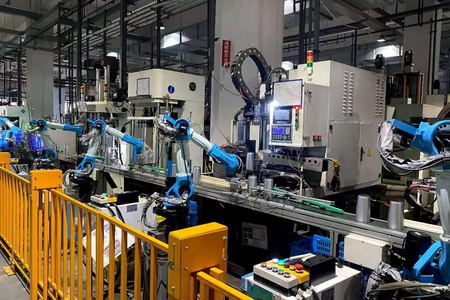
• 亿邦公众号
    • APP下载

谁在投出下一个人形机器人核心零部件龙头?

作者:龚作仁 文章来源:Laborer

2026-06-04 17:07

作者:龚作仁 文章来源:Laborer

2026-06-04 17:07

邦小白快读

EN
全文速览

本文核心内容是指出当前中国机器人产业新的卡脖子环节已经变为六维力传感器,梳理了行业的发展现状,核心干货如下:

1. 过去十年行业关注的三大核心零部件减速器、伺服电机、控制器国产化率已经逐年提升,头部企业已经实现突破上市,但随着人形机器人和柔性制造发展,能让机器人拥有“手感”的六维力传感器成为新的必须自主可控的核心部件。

2. 国内头部六维力传感器企业坤维科技已经完成B++轮超亿元融资,获得了富士康、天奇股份以及多家头部资本的加持,目前坤维在国内智能机器人领域六维力市场占有率已经突破53%,技术指标对标国际一线品牌,价格仅为海外产品的三分之一到五分之一。

3. 六维力传感器赛道未来十年市场规模可达200亿,年复合增速超过40%,增长空间十分广阔。

当前制造业和消费端都在向精密化升级,六维力传感器的发展给品牌带来了很多供应链和产品升级的机会,核心干货如下:

1. 消费趋势和用户需求层面,现在消费电子、汽车产品都在往高精度方向发展,折叠屏贴合、真无线耳机组装、汽车内饰装配都需要微米级的力控精度,对产品良品率要求大幅提升,倒逼品牌完成供应链的自动化升级。

2. 供应链层面,国产六维力传感器已经完成技术突破,坤维的产品关键指标已经追上海外产品,价格仅为进口产品的三分之一,交付周期从六个月压缩到两周,能帮助品牌大幅降本,同时缩短供应链周期,降低供应风险。

3. 长期发展层面,柔性制造、具身智能是未来产业方向,提前布局带力控的自动化产线,能解决熟练工流失、“手感”无法复制导致的良品率波动问题,长期可以提升品牌的成本优势和产品竞争力。

六维力传感器是机器人产业新出现的高增长赛道,给相关卖家带来了明确的机会和风险提示,核心干货如下:

1. 增长机会方面,该赛道当前全球能规模量产的玩家极少,国内头部玩家坤维已经实现断崖式领先,赛道未来十年市场规模可达200亿,年复合增速超过40%,下游消费电子精密装配、汽车总装、人形机器人多个场景都有大量需求,市场缺口十分明显。

2. 风险提示方面,该赛道技术壁垒极高,需要在弹性体结构设计、解耦算法、全自动标定产线多个环节积累优势,新入场者很难突破,且头部玩家已经锁定核心大客户卡位,18个月的窗口期过后后来者几乎没有翻盘机会。

3. 可拓展方向,卖家可以关注和头部六维力传感器企业的合作机会,围绕下游制造客户的自动化升级需求,提供配套的落地服务,切入高增长赛道分羹市场。

六维力传感器的普及给制造工厂数字化升级带来了新的机遇和启示,核心干货如下:

1. 生产需求层面,当前很多精密装配工序依然依赖熟练工人的“手感”完成,制造业普遍面临年轻工人不愿从事这类工序、工人流失率高、技术无法传承的问题,导致生产损耗大、良品率不稳定,六维力传感器可以把人工手感量化固化复制,实现这类工序的全自动化,从根本上解决用工难题。

2. 商业机会层面,六维力传感器的市场需求已经爆发,仅一条汽车总装线,内饰装配、拧紧、涂胶等环节对六维力传感器的需求量,就超过焊接车间所有传感器的总和,消费电子领域的需求也在快速增长,给配套制造工厂带来大量订单机会。

3. 数字化升级启示,工厂推进数字化和自动化升级,不能只关注传统三大核心零部件,要提前布局力控相关的能力,匹配下游精密制造的升级需求,坤维将高端技术拆解为工程问题,用自动化产线解决一致性、靠规模摊薄成本的打法,也值得制造企业学习借鉴。

当前制造业和机器人产业升级背景下,力觉传感领域出现了明确的新趋势,给服务商带来了很多业务机会,核心干货如下:

1. 行业发展趋势,机器人核心卡脖子环节已经从传统的减速器、伺服电机、控制器转向六维力传感器,柔性制造、具身智能、人形机器人的发展都离不开力控能力,该赛道未来十年年复合增速超过40%,整体增长空间很大,是新的高增长赛道。

2. 客户核心痛点,下游制造企业普遍面临精密装配工序依赖人工、用工成本高、人员流动大、良品率不稳定的痛点,传统自动化方案无法解决需要“手感”的这类复杂工序,客户有明确的升级需求。

3. 解决方案层面,现在头部厂商已经从卖单一传感器转向输出整套力控解决方案,服务商可以结合自身的行业落地经验,和头部六维力传感器企业合作,针对消费电子、汽车制造等不同行业客户,提供定制化的精密装配自动化升级方案,切入这个高增长市场。

六维力传感器赛道的发展给机器人相关产业平台带来了新的发展方向和运营启示,核心干货如下:

1. 产业需求层面,当前国产替代是大趋势,下游制造企业对性价比高、交期稳定的国产六维力传感器有大量需求,现有平台普遍缺乏这类优质核心硬科技部件的供给,平台可以针对性填补品类空白,满足客户需求。

2. 招商运营方向,平台可以重点卡位细分赛道的头部企业,像坤维这类已经拥有核心大客户背书、技术指标达标、产能正在爬坡的细分龙头,是产业和资本都认可的优质标的,引入这类企业可以快速提升平台的硬科技品类竞争力。

3. 风向规避方面,该赛道技术壁垒极高,中小玩家在技术、产能、客户认证方面都很难跟上,平台不要盲目引入大量非头部玩家,要把握当前人形机器人产业爆发的18个月窗口期,优先锁定已经完成卡位的头部企业,避免错失产业机会,也降低引入不合格玩家带来的运营风险。

本文揭示了中国机器人产业新的发展动向和产业逻辑,有较高的研究价值,核心干货如下:

1. 产业新动向,过去十年中国机器人产业核心零部件追赶的重点是减速器、伺服电机、控制器,当前这三大领域国产化率已经明显提升,随着柔性制造、人形机器人和具身智能的发展,六维力传感器成为新的卡脖子环节,目前国内头部企业已经完成技术突破,实现了对海外厂商的反向包围,产业发展进入新的阶段。

2. 商业模式新变化,头部企业坤维已经从单一的硬件供应商转型为整套力控解决方案提供商,将传感器、采集模块、算法、控制策略、工艺包打包交付,向用户卖力控能力单元而非单一元器件,这种模式能形成极高的用户粘性,构建更深的技术和市场壁垒,是零部件企业转型的新方向。

3. 产业发展逻辑参考,六维力传感器的国产替代延续了中国高端制造的典型打法:把原本高高在上的高端技术拆解为工程问题,用自动化产线解决一致性问题,靠规模摊薄成本,最终以性价比优势实现替代,这一逻辑对研究中国高端制造国产替代的路径有典型的样本意义。

声明:快读内容全程由AI生成,请注意甄别信息。如您发现问题,请发送邮件至 run@ebrun.com 。

我是 品牌商 卖家 工厂 服务商 平台商 研究者 帮我再读一遍。

Quick Summary

This article identifies six-axis force/torque sensors as the new "bottleneck" technology hindering China's current robotics industry, and provides an overview of the sector's development:

1. Over the past decade, the localization rate of the three core robotics components—reducers, servo motors and controllers—has increased year by year, with domestic leading players achieving breakthroughs and going public. However, with the rise of humanoid robots and flexible manufacturing, six-axis force/torque sensors, which give robots "tactile sensing", have emerged as the new core component requiring independent domestic control.

2. Kunwei Technology, China's leading domestic six-axis force/torque sensor manufacturer, has completed a B++ round of financing raising over 100 million yuan, backed by Foxconn, Tianqi Co., Ltd. and multiple top-tier investment firms. Currently, Kunwei holds more than 53% of the domestic six-axis force/torque sensor market for intelligent robots; its technical performance matches that of leading international brands, while it sells at one-fifth to one-third of the price of overseas products.

3. The overall market size of the six-axis force/torque sensor track is projected to reach 20 billion yuan in the next decade, with a compound annual growth rate exceeding 40%, indicating significant room for growth.

As manufacturing and consumer products upgrade toward higher precision, the development of domestic six-axis force/torque sensors creates major opportunities for brands to upgrade their products and supply chains:

1. On the demand side, consumer electronics and automotive products are trending toward higher precision. Processes such as foldable screen lamination, true wireless earbud assembly and automotive interior installation require micrometer-level force control accuracy, and rising yield requirements are forcing brands to upgrade their automated supply chains.

2. On the supply side, domestic six-axis force/torque sensors have achieved technological breakthroughs. Kunwei's products match key performance indicators of foreign alternatives, cost only one-third of imported products, and cut lead times from six months to just two weeks. This helps brands substantially reduce costs, shorten supply chain cycles and lower supply risks.

3. In the long term, flexible manufacturing and embodied intelligence represent the future of the industry. By pre-deploying force-controlled automated production lines, brands can solve yield fluctuation issues caused by skilled labor shortage and the inability to replicate manual "tactile experience", improving long-term cost advantages and product competitiveness.

Six-axis force/torque sensors are an emerging high-growth track in the robotics industry, with clear opportunities and risk warnings for relevant sellers:

1. On the opportunity side, very few players globally can achieve mass production of these sensors at scale, and domestic leader Kunwei has already pulled far ahead of competitors. The track is projected to reach a 20 billion yuan market size in the next decade with 40%+ CAGR, and massive demand exists across downstream segments including precision assembly for consumer electronics, automotive final assembly and humanoid robots, leaving a clear supply gap.

2. On the risk side, the track has extremely high technical barriers. Players must accumulate advantages across multiple areas including elastomer structural design, decoupling algorithms and fully automated calibration production lines, making it extremely difficult for new entrants to break through. Leading players have already locked in core key customers, leaving almost no chance for late entrants to catch up after the 18-month window closes.

3. For expansion, sellers can explore cooperation opportunities with leading six-axis force/torque sensor companies. They can capture a share of this high-growth market by providing supporting implementation services aligned with the automation upgrade demand of downstream manufacturing clients.

The widespread adoption of six-axis force/torque sensors brings new opportunities and insights for the digital upgrade of manufacturing facilities:

1. For production demand, many precision assembly processes still rely on the "tactile feel" of skilled workers. The manufacturing industry broadly faces issues such as young workers' unwillingness to enter these roles, high labor turnover and inability to pass down skills, leading to high production waste and unstable yield. Six-axis force/torque sensors can quantify, solidify and replicate manual tactile experience to fully automate these processes, fundamentally solving labor challenges.

2. For business opportunities, market demand for six-axis force/torque sensors has already exploded. For a single automotive final assembly line alone, demand for these sensors across interior assembly, fastening, gluing and other processes exceeds the total demand for all sensors in welding workshops. Demand from the consumer electronics sector is also growing rapidly, bringing massive order opportunities for supporting manufacturing factories.

3. For digital upgrade insights, when advancing digital and automated transformation, factories should not only focus on the three traditional core components, but also pre-deploy force control-related capabilities to align with downstream demand for precision manufacturing upgrades. Kunwei's approach—breaking down cutting-edge technology into solvable engineering problems, ensuring consistency with automated production lines, and lowering costs via economies of scale—offers valuable lessons for manufacturing enterprises.

Against the backdrop of upgrading in the manufacturing and robotics industries, clear new trends have emerged in force sensing that create substantial business opportunities for service providers:

1. Industry trends: The core bottleneck constraining China's robotics industry has shifted from the three traditional core components (reducers, servo motors, controllers) to six-axis force/torque sensors. Force control capability is foundational to the development of flexible manufacturing, embodied intelligence and humanoid robots. The track boasts a 40%+ CAGR over the next decade, large overall growth room, and status as a new high-growth sector.

2. Core customer pain points: Downstream manufacturing enterprises broadly face challenges including reliance on manual labor for precision assembly, high labor costs, high staff turnover and unstable yield. Traditional automation solutions cannot address these complex processes that require "tactile experience", leaving clear unmet demand for upgrades.

3. Solutions: Leading manufacturers have shifted from selling standalone sensors to offering complete force control solutions. Service providers can leverage their own industry implementation experience by partnering with leading six-axis force/torque sensor companies, and deliver customized precision assembly automation upgrade solutions for clients across consumer electronics, automotive manufacturing and other sectors to enter this high-growth market.

The growth of the six-axis force/torque sensor track brings new development directions and operational insights for robotics industry platforms:

1. Industry demand: Domestic substitution is a major current trend. Downstream manufacturing enterprises have massive demand for cost-effective, reliable six-axis force/torque sensors with stable lead times, but most existing platforms lack supply of high-quality core hard-technology components in this category. Platforms can fill this gap to meet customer demand.

2. Investment and operation direction: Platforms should prioritize securing leading players in this niche track. Niche leaders like Kunwei, which already have endorsements from core key customers, meet international technical standards and are scaling production capacity, are high-quality assets recognized by both industry and capital. Introducing these players can rapidly improve the competitiveness of a platform's hard-technology product portfolio.

3. Risk mitigation: The track has extremely high technical barriers, and small and mid-sized players struggle to match the technology, production capacity and customer certification requirements of leaders. Platforms should not blindly onboard a large number of non-leading players. Instead, they should leverage the 18-month window opened by the current humanoid robot boom to prioritize securing already-positioned leading enterprises, to avoid missing the industry opportunity and reduce operational risks from onboarding unqualified players.

This article reveals new development trends and industrial logic for China's robotics industry, with high research value:

1. New industry trends: Over the past decade, the focus of catching up in core robotics components was on reducers, servo motors and controllers. Localization rates in these three areas have now improved significantly. With the development of flexible manufacturing, humanoid robots and embodied intelligence, six-axis force/torque sensors have become the new industry bottleneck. Leading domestic enterprises have already completed technological breakthroughs and achieved reverse encirclement of overseas players, marking the entry of the industry into a new development stage.

2. New business model changes: Leading player Kunwei has transformed from a single hardware supplier to a provider of complete force control solutions. It delivers bundled packages including sensors, acquisition modules, algorithms, control strategies and process packages, selling force control capability units rather than standalone components. This model creates extremely high user stickiness and builds deeper technical and market barriers, representing a new transformation direction for component manufacturers.

3. Reference for industrial development logic: The domestic substitution of six-axis force/torque sensors follows the typical playbook of China's high-end manufacturing: it breaks down once-elite cutting-edge technology into solvable engineering problems, achieves consistent quality via automated production lines, lowers costs through economies of scale, and ultimately completes substitution via cost-performance advantages. This logic offers a typical case study for research on the domestic substitution path of China's high-end manufacturing industry.

Disclaimer: The "Quick Summary" content is entirely generated by AI. Please exercise discretion when interpreting the information. For issues or corrections, please email run@ebrun.com .

I am a Brand Seller Factory Service Provider Marketplace Seller Researcher Read it again.

中国机器人产业喊了十年“核心零部件突破”,所有人的目光都盯在减速器、伺服电机和控制器上。这三个被称作机器人三大核心零部件的领域,国产化率已经逐年攀升,头部企业绿的谐波上市了,汇川的伺服出货量全国第一。

但很少人注意到,当人形机器人与具身智能的浪潮真正来临时,最卡脖子的东西,已经不是这三样了,而是一颗能感知三方向力和三方向力矩的传感器。

因为中国制造什么都造得出来,就是造不出一种叫“手感”的东西。机器人在产线上拧了十年螺丝,靠的依然是扭矩扳手的机械限位,通过拧到设定力矩,离合器脱开,结束。但它不知道这颗螺丝和螺孔咬合了百分之几十,不知道丝牙是否滑了,不知道工件在微米级变形。一个有经验的装配师傅,靠指尖的力觉就能判断这一切。

这种“手感”,是制造业皇冠上最隐秘的明珠,也是机器人最难学会的能力。这也使得在柔性制造的具身智能趋势下,中国智能机器人产业必须自主可控的不仅仅是算法、加速机、控制器,还必须包括精细化柔性控制的六维力传感器。这是让机器人拥有“手感”最核心的部件。

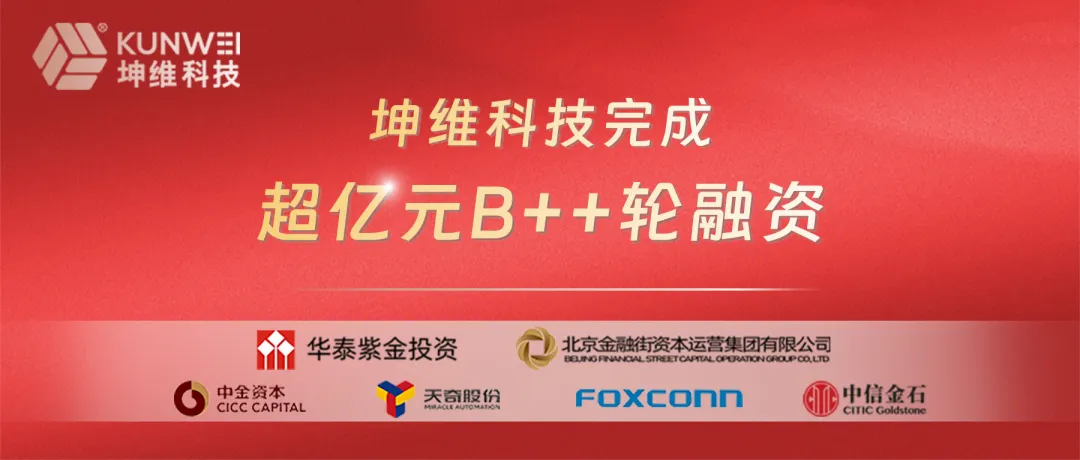
2026年5月,中国六维力传感器头部企业【坤维科技】完成B++轮超亿元融资。金融街资本、华泰紫金联合领投,富士康、天奇股份战略加持,中金资本、中信金石深度参与,资方名单曝光后,业内才真正看懂了这家企业的硬核实力。
01.当富士康开始投传感器

富士康。全球最大的电子制造代工帝国,在投一颗传感器。这意味着什么,不需要多解释。郭台铭做过很多投资,但富士康极少投上游零部件。代工帝国百年不变的逻辑是,我出厂房、出产线、出人工,零部件你来供,谁的性价比高我用谁的。

这一次例外了。富士康投坤维,只有一个解释,那就是产线上那几十万台机械臂的下一个能力升级,绕不过六维力传感器。而且这东西,市面上找不到第二个供应商能满足它的量、价、交期。

消费电子代工正在进入一个前所未有的精密装配时代。折叠屏手机需要把厚度不到0.5毫米的UTG超薄玻璃贴合到柔性屏上,贴合压力偏差超过0.1牛,屏幕报废。真无线耳机组装,磁铁、振膜、充电触点的插入力需要精确控制在微米级,少了虚接,多了顶坏。这些工序过去靠什么?靠熟练女工的指尖。

一个熟练的装配女工,培训周期三个月,稳定产出周期不到两年,之后就会离职或转岗。富士康在深圳和郑州的工厂,常年面对的是以万计的员工流动。每一个离开的女工,带走的是一份无法复制的“手感”。这种手感,在资产负债表上没有任何价值,在生产线上是致命的损耗。

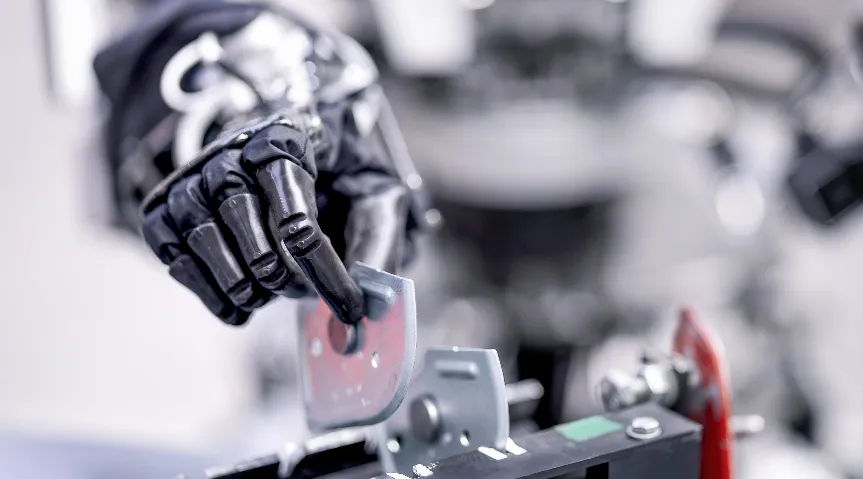
坤维的传感器能给富士康的,就是把这份手感量化、固化、无限复制。一只腕部六维力传感器,能实时感知装配过程中的六个方向力和力矩,配合算法实现力控闭环。机器人就能像一个二十年经验的老师傅那样,凭借力的反馈,判断出零件是否对准、是否过紧、是否虚接。这是自动化升级为数字化的关键一跃。
02.最传统的工厂,最尖的传感器

不光是富士康。这次的跟投方里还有天奇股份。天奇是做什么的?汽车自动化产线。焊接、涂装、总装,那些又粗又重的活。汽车制造给人的印象是傻大黑粗,但一个被忽视的事实是,汽车总装线上最费人的工序,不是搬东西,而是装内饰。装仪表板、装门板、装线束插头,这些活机器干不了,全靠人。

线束插头,几十个细如针尖的金属端子,要同时对准插座上几十个微孔,一次性插入到位。力大了,端子弯了;力小了,插不进去。熟练工人靠的是手腕上的微妙反馈,一把推进去,咔哒一声,到位。

这种活,在中国汽车产线上,还是人手在做。因为之前的机器人没有力觉。
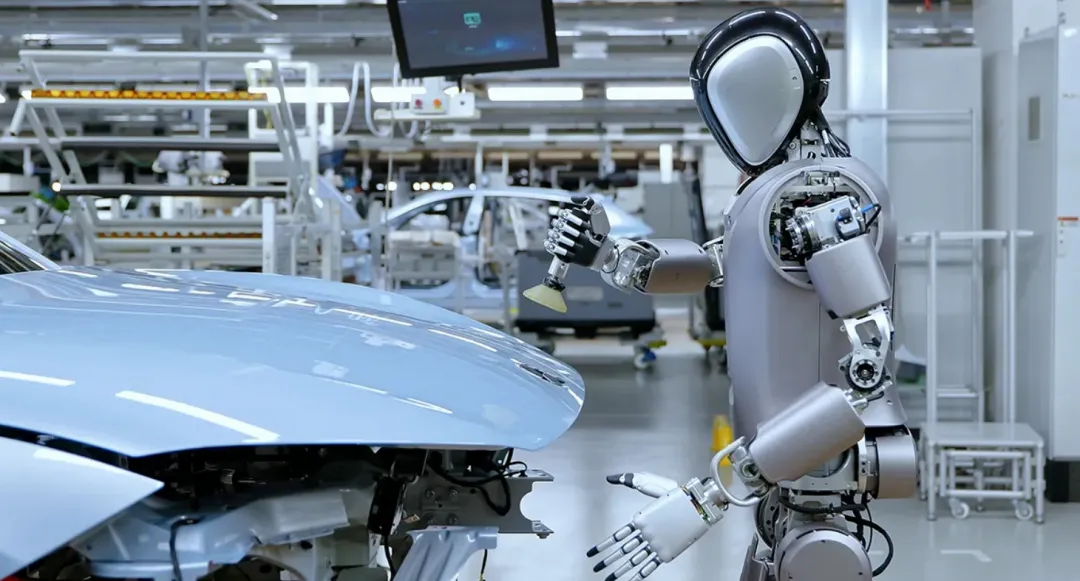
坤维的传感器一旦在消费电子上跑通,汽车总装会是一块更大的市场。一条产线,仅内饰装配环节,潜在需要上百颗六维力传感器。加上拧紧、涂胶、密封条装配这些环节,总装车间的力传感器用量,可能超过焊接车间的所有传感器总和。

天奇的入局,或许看中的正是这个“粗活细做”的产业大迁移。

一边是富士康,全球最会做精密制造的人;一边是天奇,中国最会做汽车产线的人。一个代表消费电子的极致精密,一个代表汽车制造的极致规模。两个传统制造产业的巨头,现在同时把手伸向一颗最“尖”的传感器。

这就是最大的市场确定。当全社会还在仰望人形机器人的星辰大海,最务实的资本和产业已经在地面上猛挖墙脚。他们要的,不是三十年后的科幻故事,而是明年产线上就能降本增效的硬通货。

03.金融的算盘,资本的格局

再来看另外几个资方。金融街资本,北京市西城区国资委背景。华泰紫金,华泰证券旗下的私募股权基金。中金资本,中金公司的直投平台。中信金石,是中信证券的私募股权子公司。

清一色的北京系资本,清一色的国资和头部券商系资金。有人可能觉得,这轮投资的主旋律是“国产替代”“自主可控”,所以国家队来了头部企业坤维。对,但不全对。

金融街资本和中金资本这类钱,有它自己的计算。六维力传感器这个赛道,全球能规模量产的只有ATI等少数几家欧美日公司。ATI不会卖给中国,也不可能来北京建厂,而放眼中国,坤维能加速实现规模化量产,质与量与国际一线公司对标,早日完成国产化替代。

这个赛道未来十年的市场规模上看200亿,年复合增速超过40%,头部公司拿到的份额不会低于30%。算下来就是一个年营收60亿、利润十几个亿的生意。这样的公司值多少钱?参照A股核心零部件公司的估值,百亿起步。

对于金融街资本这类LP来说,需要的就是这种确定性的回报,因为坤维的市场已经被智能机器人赛道充分验证,据MIR睿工业《2026中国六维力传感器行业白皮书》报告数据,坤维科技在智能机器人领域六维力的市场占有率已经突破53%,断崖式领先国内同行。同时,坤维的技术壁垒优势已经构建,产能正在爬坡,赛道增速确定,竞争对手寥寥。那么,投坤维,不是赌,是在一个高确定性跑道上做价值锚定。

华泰紫金的逻辑更深一层。华泰是国内做科创板IPO最多、最激进的券商之一。坤维目前的状态是硬科技、细分龙头、营收高增长、大客户背书齐全,这几乎是为科创板量身定制的标的。华泰紫金领投这一轮,既有财务回报的算盘,更有承销保荐业务的前置卡位意味。等到坤维启动IPO,华泰拿到主承销商的概率远大于其他券商。

这种打法,在宁德时代、中微公司、绿的谐波身上都出现过。IPO前夜的融资轮次,券商直投部抢着领投,赚的不仅是投资收益,还有后面那条更值钱的承销费。

04.被忽视的估值重构

本次融资结束后,坤维的估值距离跻身独角兽俱乐部仅一步之遥。但更值得注意的,不是估值数字本身,而是它的估值逻辑正在发生变化。

资本市场看传感器公司,传统是按制造业估值,即你有多少营收、多少利润,给一个PE倍数。但这种估值方法,严重低估了坤维正在做的事情。坤维的估值逻辑已然变为:“工业(含协作)机器人基本盘+人形机器人爆发期权+国产替代龙头溢价”的叠加定价。绿的谐波上市时,就是这套逻辑。

并且,坤维已经不只是在卖传感器。它开始输出完整的力控解决方案,例如采集模块、信号处理算法、柔顺控制策略、装配工艺包,全部打包交付。客户买的不是一个元器件,而是一套力控能力单元。这意味着它开始从硬件公司往平台公司转型。一旦力控算法和通信协议被大量客户采用,就会成为事实标准,切换成本巨高,用户粘性极强。

更关键的是,人形机器人产业爆发前的窗口期,只有大约18个月。现在不卡位,等整机量产规模上来再想切进去,难度成倍增加。富士康投坤维,赌的就是这个窗口。一旦坤维的传感器进入富士康的产线,再进入人形机器人,这两个最大的应用场景同时锁定,后来者几乎没有翻盘的机会。

这个确定性,是资本愿意给出高估值原因。

05.国产高端传感器智能时代的崛起

把话题拉回到那颗传感器本身。为什么六维力传感器这么难做?因为本质上,它要做的事情是在物理极限的边缘跳舞。

一颗六维力传感器,核心是一个弹性体结构。弹性体需要在受到力和力矩时产生可测量的微小变形,但变形又不能太大,否则就失去了刚度,整个机器人手腕就无法完成高准度作业。所以弹性体的设计,是在刚度和灵敏度之间找平衡,既要尽量软,让应变片能感知到信号;又要尽量硬,保证结构稳定性和响应性。这个平衡点的寻找,靠的是有限元仿真加上几百次的迭代测试。

更大的难点在解耦。弹性体受到一个方向的力,其他五个方向也会产生微小形变。比如说,你给传感器一个竖直向下的压力,它不仅产生Z轴力的信号,还会因为泊松效应和结构耦合,在X、Y轴的力和力矩通道上也产生干扰信号。把六路原始信号中各自的分量分离出来,需要一套解耦算法。算法好不好,直接决定了传感器最终的非线性误差和串扰率。

坤维能做到精度达0.1%FS,准度(含串扰)优于0.3%FS,这个指标放到全球范围看,和海外知名品牌的旗舰产品在同一水平线,而价格只有对方的三分之一。

这个差距是怎么拉开的?不是靠某项专利或者某个天才工程师,而是靠制造方式。坤维的全自动标定产线,能把标定效率提高到分钟级,一致性问题被机器解决。在制造业,人和设备的效率差距一旦被拉大到量级,价格差距就会大到无法追赶。

这就是中国制造的典型打法,通过把一项束之高阁的技术,拆解成工程问题,用产线解决一致性,用规模摊薄成本,最后在不降低品质对的前提下,把价格打到对手的成本线以下。中国的减速器产业这么干过,伺服这么干过,现在轮到六维力传感器了。

06.结语与未来

过去十年,中国机器人在关节、减速器、控制器上拼命追赶,至今差距逐渐抹平。但在力觉传感这个更隐秘的战场上,其实中国公司已经完成了对海外巨头的反向包围。坤维的传感器均价已经降到进口产品的五分之一,交付周期从六个月压缩到两周,而关键指标更是优于多数海外同行。

资本因此瞄准的不是一家公司,要的是在机器人最核心的感知层产业链上,中国人第一次有了定义权。

制造业百年,人的“手感”一直是最后一道机器跨不过去的坎。老师傅退休,手感消失,新一代工人不再愿意花十年练手,这是所有制造强国共同的焦虑。

现在,一颗传感器加一套算法,正在把这个坎铲平。

那些产线上指尖磨出老茧的熟练工,可能还不知道,他们的继任者,已经是一支灵活的机械臂和一颗灵敏的力觉传感器了。

注:文/龚作仁,文章来源:Laborer,本文为作者独立观点,不代表亿邦动力立场。

【版权提示】亿邦动力倡导尊重与保护知识产权。未经许可,任何人不得复制、转载、或以其他方式使用本网站的内容。如发现本站文章存在版权问题,烦请提供版权疑问、身份证明、版权证明、联系方式等发邮件至run@ebrun.com,我们将及时沟通与处理。

已点赞

+1

{{ praise_text }}

好文章,值得被更多人看到

广告

下一篇

跨境电商资源对接

《全球跨境电商服务商资源手册》第二期手册现已发布,触达更多资源,了解跨境服务商信息,欢迎点击链接下载。

了解详情

澳门这场科技展会上 500家中国企业在讲全球故事

BEYOND澳门科技展——AI走进真实世界,出海从“产品卖出去”转向“品牌走进去”。近800家企业、40%海外参会者,三大趋势:机器人出海打工、AI硬件备战众筹、品牌视野和文化融合。

独家 产业互联网

2026-06-04 16:13:19