• 亿邦公众号
    • APP下载

为失能老人研发洗澡机器人 致敬科技完成天使轮融资

作者:胡镤心 文章来源:亿邦动力

2026-05-29 15:30

作者:胡镤心 文章来源:亿邦动力

2026-05-29 15:30

邦小白快读

EN
全文速览

本文核心内容是聚焦银发经济下的失能老人助浴赛道,创业公司致敬科技研发出专门针对失能老人的便携洗澡机器人,近期完成近千万元天使轮融资,项目已经进入量产盈利阶段。

1. 市场需求明确:我国现有4400万失能老人,洗澡是他们仅次于排泄的第二生活刚需,传统助浴方案存在诸多弊端,多数家庭无法享受到合适的助浴服务。

2. 新产品解决核心痛点:这款洗澡机器人主机仅4.5kg,体积和普通电饭煲相当,可在床上直接使用,无需搬运老人,仅需1名经过简单培训的护工就能操作,还能兼顾保温和隐私保护。

3. 成本优势明显:新产品把失能老人单次洗浴成本降到了150元以内,远低于传统300-450元的收费,大大降低了使用门槛,目前已经获得多家头部养老机构认可,机构客户复购率超过63.7%,好评率达99%。

布局银发经济赛道的品牌商,可从本文提取到以下干货内容:

1. 消费趋势清晰:我国老龄化程度不断加深,银发经济中失能老人照护是刚性极强的细分赛道,助浴是4400万失能老人的第二刚需,市场缺口大,同时兼具商业价值和社会价值,容易获得资本和用户认可。

2. 产品研发可借鉴痛点创新思路:传统助浴设备体积大、操作繁琐,依赖多人协作,成本居高不下,致敬科技主打微型便携、简化操作,精准切中家庭和中小机构的需求,研发阶段还深入场景测试,全团队实际体验了上千位失能老人的助浴过程,优化产品细节。

3. 定价与商业模式可参考:把单次洗浴成本降到150元以内,击穿原有的高价门槛,构建“硬件+耗材”的盈利链路,同时开放租赁模式孵化个人助浴师,拓展了市场覆盖面,打开了长尾收益空间。

想要布局养老赛道的卖家,可以从本文获得以下干货信息:

1. 明确的蓝海增长机会:失能老人助浴是未被充分满足的刚性需求,传统助浴价格高、供给少,行业正从以往依赖政府公益的非市场化状态,转向优质低价的市场化服务,存在大量市场缺口,国内外市场都有布局空间。

2. 低门槛创业机会:致敬科技推出了设备租赁模式,个人创业者只需要缴纳少量押金就能入场,不需要承担大额设备投入,品牌方还配套提供助浴师培训、云系统支持、产品责任险和工单险,大大降低了创业门槛。

3. 清晰的盈利路径:除了设备收益,还可以通过耗材复购、单次服务抽成获得长期稳定的长尾收益,后续还可以依托积累的用户数据,拓展其他适老化健康产品,挖掘用户的长期价值。

4. 目前该模式已经得到市场验证,头部机构复购率超63.7%,项目已经实现持续盈利增长,可行性较强。

布局适老化产品的生产工厂,可以从本文得到以下干货启示:

1. 产品生产设计需求明确:失能老人照护产品的核心竞争力是贴合使用场景、降低使用门槛,不需要盲目追求大而全的功能,这款助浴机器人主打小型便携,做成电饭煲大小,仅4.5kg重,简化操作流程,刚好切中居家上门助浴的需求,解决了传统设备搬运难、收纳难的痛点。

2. 明确的商业机会:失能老人助浴赛道刚需明确,市场缺口大,上下游都有稳定的合作需求,除了主机生产,配套助浴耗材也有持续稳定的复购需求,订单量稳定,增长空间大。

3. 数字化转型的启示:生产企业可以配套搭建云端服务系统,收集用户和服务运行数据,一方面可以优化产品和服务,另一方面可以积累数据资产,为后续拓展其他适老化产品提供支撑,还可以通过搭建培训赋能体系,帮助下游从业者降低准入门槛,进一步扩大自身产品的销量。

养老相关行业的服务商,可以从本文提取到以下干货内容:

1. 明确的行业发展趋势:失能老人助浴服务正在从原来的非标准化公益服务,转向普惠化、标准化的市场化服务,依托科技创新产品赋能普通从业者进入养老服务领域,是当前养老行业破局的颠覆性方向,也会成为未来养老行业的进化趋势。

2. 清晰的客户痛点:To B端养老机构的核心痛点是传统助浴的人力时间成本高,盈利空间小;C端失能老人家庭的核心痛点是传统助浴价格高,多数家庭“洗不起”,现有服务无法满足需求。

3. 可落地的解决方案参考:可以引入智能便携助浴设备,降低操作门槛和服务成本,搭配“培训+保险+系统+标准化服务模板”的完整支撑体系,既可以帮助B端机构降本增效,也可以开放给个人创业者,扩大服务覆盖范围,后续还能依托数据延伸健康管理服务,挖掘更多收益。

布局养老赛道的平台商,可以从本文总结出以下干货内容:

1. 明确的市场需求:当前养老市场对标准化、低成本的失能老人上门助浴服务有强烈的真实需求,原有供给无法覆盖大量普通家庭,需要平台对接设备方、服务方和终端用户,搭建完整的服务生态。

2. 运营与招商方向参考:失能助浴赛道已经有成熟的产品和经过验证的商业模式,项目已经实现盈利增长,还获得了多家头部养老机构的认可,机构复购率超过63.7%,模式跑通,适合作为重点招商项目引入平台。

3. 运营思路可借鉴:平台可以对接成熟的设备方,引入现成的产品、培训、保险体系,吸引个人创业者入驻,搭建市场化的上门助浴服务生态,解决行业供给不足的问题。

4. 风险规避方向:赛道选择优先布局刚性真实需求的细分领域,规避伪需求项目,同时可同步布局国内海外两个市场,分散经营风险。

关注养老产业的研究者,可以从本文获得以下研究相关干货:

1. 产业新动向:我国银发经济的细分赛道中,失能老人助浴已经从公益帮扶阶段进入市场化发展阶段,已经有创业公司完成天使轮融资,实现量产和持续盈利,验证了赛道的商业可行性,这个赛道兼具商业价值和社会价值,是银发经济中值得深入研究的新方向。

2. 全新的商业模式创新:行业出现了多层次的创新商业模式,B端采用“一次性硬件销售+持续耗材销售”的模式,个人端采用“低押金租赁+服务抽成+耗材盈利”的模式,后续还可依托致敬云系统积累的服务数据,延伸老年健康管理和其他适老化产品销售,构建完整的产业生态。

3. 产业研究价值:这种模式通过科技创新赋能非专业人群进入养老服务领域,解决了失能老人助浴的核心痛点,大幅降低了服务成本,是养老行业破局的颠覆性尝试,也代表了未来养老产业的进化方向,对于研究养老产业市场化发展有较高的参考价值。

声明:快读内容全程由AI生成,请注意甄别信息。如您发现问题,请发送邮件至 run@ebrun.com 。

我是 品牌商 卖家 工厂 服务商 平台商 研究者 帮我再读一遍。

Quick Summary

This article focuses on the bathing assistance segment for disabled elderly people within China’s silver economy. Zhijing Technology, a startup developing portable bathing robots specifically for disabled seniors, recently closed a nearly RMB 10 million angel round of funding, and the project has entered mass production and achieved profitability.

1. Clear market demand: There are currently 44 million disabled elderly people in China, and bathing is their second most essential daily need after toileting. Traditional bathing solutions have numerous flaws, and most families cannot access adequate bathing assistance services.

2. A new product that solves core pain points: The main unit of this bathing robot weighs only 4.5kg, roughly the size of a standard rice cooker. It can be used directly on the bed without moving the elderly, requires only one caregiver who has received simple training to operate, and also provides consistent water temperature insulation and privacy protection.

3. Significant cost advantages: The new product cuts the cost of a single bath for disabled seniors to under RMB 150, far lower than the traditional RMB 300-450 price tag, drastically lowering adoption barriers. It has already been recognized by multiple leading senior care institutions, with a repeat purchase rate of over 63.7% among institutional clients and a 99% satisfaction rate.

For brands positioning themselves in the silver economy, this article shares the following key insights:

1. Clear consumer trends: As China’s population ages rapidly, care for disabled elderly is a high-necessity niche segment within the silver economy. Bathing assistance is the second most essential need for China’s 44 million disabled seniors, leaving a large market gap. The segment delivers both commercial and social value, making it easier to win recognition from both capital and consumers.

2. Pain point-driven innovation for product R&D reference: Traditional bathing equipment is bulky, complex to operate, relies on multiple people to use, and keeps costs high. Zhijing Technology focuses on miniaturization, portability and simplified operation, precisely meeting the needs of families and small and medium-sized senior care institutions. The company also conducted in-depth on-site testing during R&D, with the entire team observing and participating in bathing assistance for more than 1,000 disabled seniors to refine product details.

3. Reference for pricing and business model: By lowering the per-bath cost to under RMB 150, the model breaks through the original high price barrier. It builds a "hardware + consumables" profit chain, and also opens up a leasing model to incubate individual bathing assistants, expanding market coverage and unlocking long-tail revenue opportunities.

For sellers looking to enter the senior care segment, this article offers the following key takeaways:

1. A clear blue ocean growth opportunity: Bathing assistance for disabled elderly is an unmet rigid demand. Traditional services are expensive and in short supply, and the industry is shifting from a government-dependent non-market model dominated by public welfare to a market-oriented system of high-quality, low-cost services, leaving massive market gaps with room for expansion in both domestic and international markets.

2. Low-barrier entrepreneurial opportunity: Zhijing Technology offers an equipment leasing model, meaning individual founders only need to pay a small deposit to enter the market, with no large upfront equipment investment required. The brand also provides supporting services including bathing assistant training, cloud system support, product liability insurance and work order insurance, drastically lowering entrepreneurial barriers.

3. Clear profit path: In addition to revenue from equipment, sellers can earn long-term stable long-tail revenue from repeat consumables purchases and per-service commission cuts. Later, they can leverage accumulated user data to expand into other age-friendly health products and unlock long-term user value.

4. This model has already been validated by the market, with a repeat purchase rate of over 63.7% among leading institutions and the project achieving sustained profitable growth, proving strong feasibility.

For manufacturing factories focused on age-friendly products, this article offers the following key insights:

1. Clear product design and manufacturing requirements: The core competitiveness of care products for disabled elderly lies in adapting to use scenarios and lowering adoption barriers, rather than blindly pursuing full-featured designs. This bathing robot prioritizes compact portability, at the size of a rice cooker and a weight of only 4.5kg with a simplified operation process, perfectly matching the demand for in-home bathing assistance and solving the pain points of difficult transportation and storage that plague traditional equipment.

2. Clear commercial opportunities: The bathing assistance segment for disabled elderly has clear rigid demand and a large market gap, with stable cooperation demand across the upstream and downstream. In addition to main unit manufacturing, supporting bathing consumables also see stable, ongoing repeat purchase demand, bringing stable order volumes and large growth room.

3. Insights for digital transformation: Manufacturing companies can build supporting cloud service systems to collect user and service operation data. On one hand, this allows for product and service optimization; on the other, it builds data assets to support future expansion into other age-friendly products. Companies can also build training and empowerment systems to lower entry barriers for downstream industry players, further expanding their own product sales.

For senior care service providers, this article shares the following key insights:

1. Clear industry development trends: Bathing assistance services for disabled elderly are transitioning from non-standard public welfare services to inclusive, standardized market-oriented services. Empowering ordinary practitioners to enter the senior care sector through technology-driven innovation is a disruptive direction for breaking the industry’s current deadlock, and will become the evolution trend of the future senior care industry.

2. Clear customer pain points: For B2B senior care institutions, the core pain point is the high labor and time cost of traditional bathing assistance, which leaves little profit margin. For C-end disabled elderly families, the core pain point is the high price of traditional services that puts it out of reach for most households, leaving existing demand unmet.

3. A reference for implementable solutions: Service providers can introduce intelligent portable bathing equipment to lower operation barriers and service costs, paired with a complete supporting system of "training + insurance + systems + standardized service templates". This not only helps B2B institutions cut costs and improve efficiency, but can also be opened to individual entrepreneurs to expand service coverage. Service providers can later extend into health management services based on accumulated data to unlock additional revenue.

For platform operators positioning themselves in the senior care track, this article summarizes the following key insights:

1. Clear market demand: The current senior care market has strong, unmet demand for standardized, low-cost in-home bathing assistance services for disabled elderly, as existing supply cannot reach large numbers of ordinary families. Platforms are needed to connect equipment providers, service providers and end users to build a complete service ecosystem.

2. Reference for operation and investment promotion direction: The disabled elderly bathing assistance segment already has mature products and a validated business model. The project has achieved profitable growth, won recognition from multiple leading senior care institutions, and boasts a repeat purchase rate of over 63.7% among institutional clients. With a proven business model, it is an ideal candidate for prioritized招商引入 platforms.

3. Reference for operation strategy: Platforms can partner with mature equipment providers to introduce ready-made products, training and insurance systems, attract individual entrepreneurs to settle on the platform, and build a market-oriented in-home bathing assistance ecosystem to solve the industry’s supply shortage problem.

4. Guidance for risk mitigation: When selecting segments, prioritize niche areas with real rigid demand and avoid pseudo-demand projects. Operators can also expand into both domestic and international markets simultaneously to diversify operational risks.

For researchers focused on the senior care industry, this article offers the following research-relevant insights:

1. New industry trends: Among niche segments of China’s silver economy, bathing assistance for disabled elderly has moved from a public welfare assistance phase to market-oriented development. A startup has already completed angel round financing, achieved mass production and sustained profitability, validating the commercial viability of the segment. This track delivers both commercial and social value, making it a promising new direction for in-depth research in the silver economy.

2. New business model innovation: The industry has seen multi-layered innovative business models: a "one-time hardware sales + ongoing consumables sales" model for B2B clients, and a "low-deposit leasing + service commission + consumables revenue" model for individual users. In the future, companies can leverage service data accumulated via the Zhijing cloud system to expand into elderly health management and sales of other age-friendly products, building a complete industrial ecosystem.

3. Research value: This model leverages technological innovation to empower non-professionals to enter the senior care service sector, solves the core pain points of bathing assistance for disabled elderly, and drastically reduces service costs. It is a disruptive attempt to break the senior care industry’s deadlock and represents the evolution direction of the future senior care industry, making it highly valuable reference for research on the market-oriented development of the senior care industry.

Disclaimer: The "Quick Summary" content is entirely generated by AI. Please exercise discretion when interpreting the information. For issues or corrections, please email run@ebrun.com .

I am a Brand Seller Factory Service Provider Marketplace Seller Researcher Read it again.

【亿邦原创】近日,为失能老人打造便携洗澡机器人的致敬科技宣布完成近千万元天使轮融资,本轮融资由奇诚投资与加拿大天使投资人共同投资,资金将主要用于国内外销售渠道的全面拓展、现有失能老人智能助浴产品的迭代升级,以及其他智能清洗类新产品的研发。

随着老龄化程度不断加深,银发经济赛道在中国正迎来前所未有的市场红利,而其中失能老人群体的照护问题是最为显著、最为刚性的。对于4400万失能老人群体而言,洗澡是他们仅次于大小便排泄的“第二刚需”。他们自己因为身体原因不能洗、因为环境原因不便洗,部分老人甚至会出现连续几年没有好好洗过澡的情况。

但传统的失能老人洗澡设备往往体积庞大,准备工作十分繁琐,单次洗澡耗时可达1至3小时,且通常需要2-3名护理人员协同进行设备搬运、老人搬运等重体力操作。高昂的人力与时间成本导致单次洗澡的收费普遍维持在300-450元甚至更高水平。价格门槛与操作难度,将大量有真实助浴需求的失能老人家庭挡在了门外。

针对这一突出的行业痛点,致敬科技推出了一款专为失能人群设计的微型便携式洗澡机器人。设备主机重量4.5kg,体积大小与普通电饭煲相当,提升护工或家属携带与收纳的便利性。

在实际应用场景中,设备可在床上直接使用,无需搬运老人,仅需10分钟即可完成洗澡前的准备工作,1名护工简单培训即可独立完成全套助浴操作,并且老人在床上包裹式洗澡,保温和隐私保护都能兼顾。
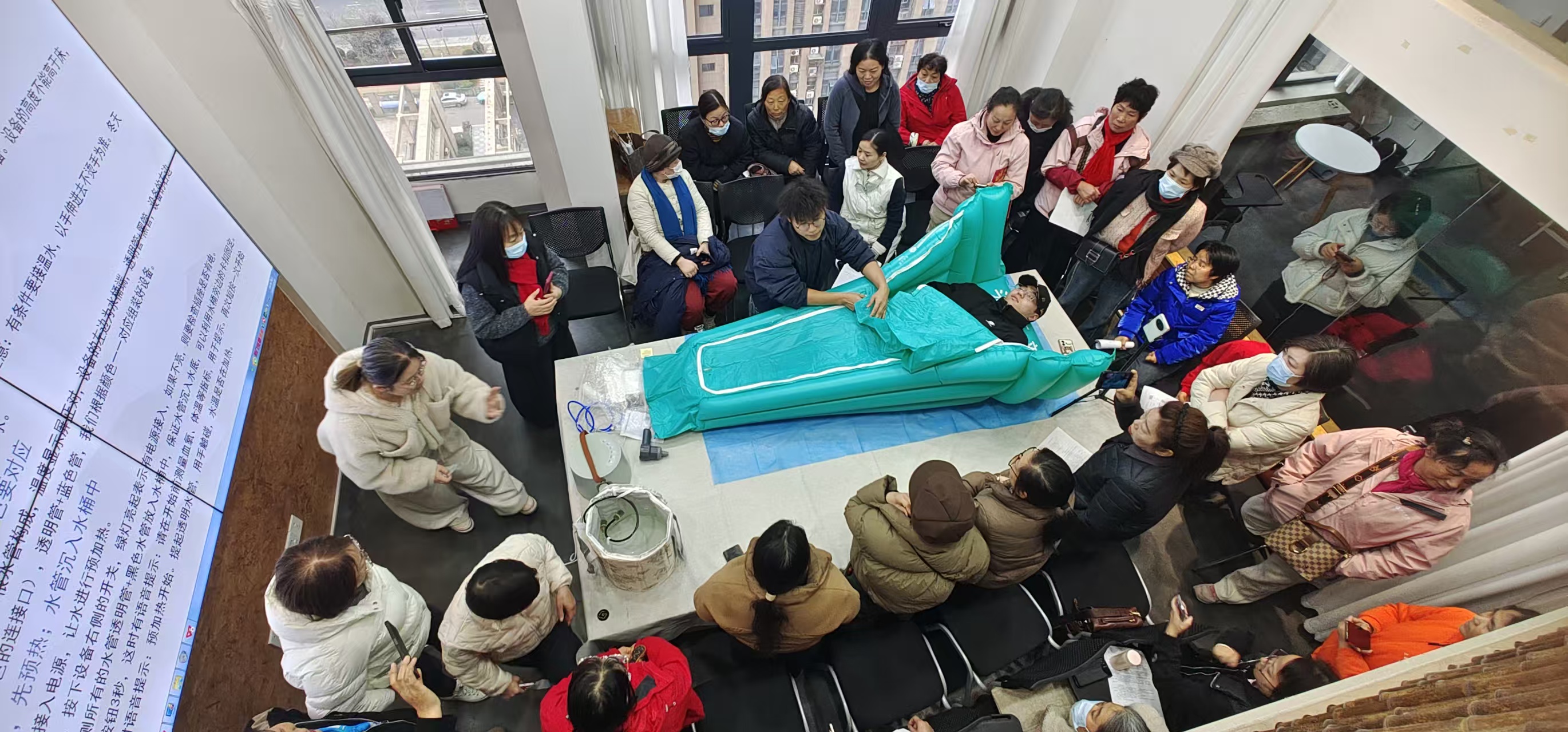
致敬科技团队在研发助浴机产品期间全团队洗了一千多个失能老人,其中包括百岁老人、抗战老兵、重症病人,甚至最长11年没洗过澡的失能老人,将失能老人的单次洗浴成本大幅降低至150元以内。

在商业模式上,致敬科技构建了“硬件+耗材”的盈利链路。面向B端机构市场,采取“一次性设备销售+持续耗材销售”的模式。凭借优异的单人操作体验与降本增效成果,该产品现已获得福寿康、颐家、乐惠居、椿熙堂、好慷在家等多家知名养老产业方的高度认可,机构客户复购率超过63.7%,用户体验好评率达到99%。

致敬科技构还建了一套以致敬云系统+产品责任险+工单险+助浴师培训+标准助浴模板为基础的助浴师孵化体系,在大力推行设备租赁模式。通过前期缴纳少量押金的形式降低护工的设备投入门槛,并在后续使用中通过单次洗澡服务抽成及耗材的持续购买实现长尾收益。

这有利于更多的个人创业者进入养老行业,让失能人群的洗澡需求从以往依赖非常态的政府公益或购买高价服务转变为能快速提供优质低价和标准化的上门助浴服务的市场化生态。这种通过科技创新产品赋能大量的他行业及非专业人群进行标准化养老服务的生态构建也是当前养老行业破局的颠覆性尝试。也很可能成为养老行业进化的趋势。

致敬科技的“致敬云系统”也将连接助浴师和助浴设备的服务运行数据并通过大量数据的分析在未来赋能老年用户的健康管理,并为未来精准推荐、销售其他适老化健康产品提供底层数据支撑。

在市场推进方面,致敬科技于2025年4月顺利实现设备量产后,在2025年全年已经完成了上千台的设备出货,2026年更是实现持续的盈利和增长。国内市场稳扎稳打的同时,其海外市场布局也在同步进行,目前正通过海外经销商网络加速产品铺货。

奇诚投资总监薄士翔表示,失能老人助浴是一个巨大且刚需的市场,失能老人不是不想洗,而是洗不起、洗不好,而致敬科技利用技术和工程能力为这一刚需和痛点提供低成本的、有尊严的、舒适的解决方案,具备极大的潜力和价值。奇诚投资专注于科技领域的投资,不仅要投改变世界的科技,也要投以人为本的科技,致敬科技服务失能老人的宗旨也符合我们敬老爱老的核心价值观,不仅具备商业价值,更具备一定的社会价值。

【版权提示】亿邦动力倡导尊重与保护知识产权。未经许可,任何人不得复制、转载、或以其他方式使用本网站的内容。如发现本站文章存在版权问题,烦请提供版权疑问、身份证明、版权证明、联系方式等发邮件至run@ebrun.com,我们将及时沟通与处理。

已点赞

+1

{{ praise_text }}

好文章,值得被更多人看到

FAQ回顾

什么是致敬科技的失能老人洗澡机器人?

致敬科技的洗澡机器人是一款专为失能人群设计的微型便携式设备,主机重4.5kg,可在床上直接使用,无需搬运老人,单人即可操作,旨在解决传统助浴设备笨重、操作繁琐、成本高昂的痛点。

失能老人洗澡机器人的商业模式是怎样的?

致敬科技采用“硬件+耗材”的盈利模式,面向B端机构销售设备并持续销售耗材。同时,通过设备租赁、助浴师孵化体系及服务抽成,降低从业门槛,构建市场化助浴服务生态。

致敬科技洗澡机器人的市场反馈如何?

该产品已获得福寿康、颐家等多家知名养老产业方认可,机构客户复购率超过63.7%,用户体验好评率达99%。2025年实现量产后,当年出货上千台,2026年持续盈利增长。

广告

下一篇

从“无人管”到“全程托” 京东618助力医疗器械品牌增量突围

HomeCare是京东健康基于“AI+医疗器械”战略打造的一站式服务体系,覆盖售前、售中、售后全生命周期。此次升级后,相关商品将在商详页打标“HomeCare金选”,便于用户识别。

京东 医药 电商平台 京东健康

2026-05-29 15:26:56