



• 亿邦公众号
    • APP下载

堂食占比超97% ,京东外卖公布堂食比例并发布行业最严堂食标准

作者:龚作仁 文章来源:Laborer

2026-05-28 17:28

作者:龚作仁 文章来源:Laborer

2026-05-28 17:28

邦小白快读

EN
全文速览

本文核心是外卖新规实施前夕,京东外卖推出堂食认定相关举措和食安升级方案,普通读者可获得以下干货信息:

1. 京东外卖公布行业最严堂食认定标准,要求门店拥有稳定持续、与后厨隔离的就餐区域,且就餐区面积占比大于50%,6月1日起会给符合标准的门店打标,杜绝黑外卖靠摆一张桌子冒充堂食的情况。按照该标准,平台非即提门店中堂食占比超97%,无堂食门店不足3%,整体食安水平较高。

2. 普通消费者可以通过“堂食判官”系统,拍摄上传门店的照片或视频参与堂食认定监督,遇到食品安全问题举报可获得24小时内响应闭环处置,后续平台还会上线带锁安全饭盒、营养分级打标、智能控温餐箱,全方位提升用餐安全和体验。

本文围绕外卖新规落地后的行业变化,给餐饮品牌商带来以下干货参考:

1. 消费趋势层面,当前消费者越来越看重餐饮食品安全,堂食门店因自带线下公开监督属性,更受消费者信任,品牌做外卖业务需要突出自身的堂食合规属性,拿到平台堂食打标可以快速获得消费者信任,积累好口碑。

2. 渠道规则层面,京东外卖是当前行业入驻审核最严格的平台之一,过去一年拒绝100万家不合规幽灵门店,商家入驻通过率仅40%,新规落地后堂食认定要求更高,品牌需要提前调整门店布局,满足就餐区占比超50%、与后厨隔离的要求,才能获得打标流量支持。

3. 增长机会层面,平台推出营养分级打标体系,品牌可以配合突出自身餐品的健康优势,契合当前消费者对健康营养餐品的需求,进一步打开增长空间。

本文针对外卖卖家整理出规则变化、风险机会等干货内容如下:

1. 规则与政策方面,6月1日起京东外卖正式实施行业最严堂食认定标准,明确要求门店要有稳定、与后厨隔离的就餐区,且面积占比超50%才能打标,严禁不合格门店靠摆一张桌子冒充堂食,卖家需要提前自查门店情况,调整布局符合要求,避免无法获得堂食打标影响店铺流量。

2. 风险提示方面,平台搭建了多主体共同监督的体系,商家、骑手、消费者都可以上传门店信息核验,结合AI识别、人工复核、随机抽检,虚假堂食很容易被查出,就算是合规的无堂食门店,也会受到更严格的管控,卖家必须做好日常食品安全管理,避免违规被处罚。

3. 机会方面,符合标准的堂食卖家可以获得平台官方打标,更容易获得消费者信任,还可以依托营养分级打标突出自身优势,获得更多曝光。

本文对餐饮相关生产工厂,带来需求变化、商业机会等干货内容如下:

1. 产品生产与设计需求层面,京东外卖即将全面升级外卖配套产品,大范围推广带安全扣的带锁饭盒、智能控温冷热餐箱,给包装生产、餐箱生产工厂带来了明确的新订单需求,工厂可以调整现有产品设计方案,匹配平台对安全、控温的新要求,抢占市场份额。

2. 数字化转型启示层面,京东外卖用AI大模型识别分析门店就餐区域,用AI做后厨巡检,大幅提升了监管效率,餐饮相关工厂也可以参考这个模式,推进数字化、智能化改造,用AI技术提升生产环节、品控环节的监管效率,保障产品品质。

3. 商业机会层面,当前整个外卖行业都在往食品安全、营养健康方向升级,消费者对安全健康的需求提升,做优质食材、安全包材的工厂,可以对接平台和商家的新需求,开发符合标准的产品,获得新的增长空间。

本文给外卖行业相关服务商,带来行业趋势、客户痛点、市场机会等干货内容如下:

1. 行业发展趋势层面,当前外卖行业已经从早期的规模扩张、价格竞争,转向品质竞争,食品安全成为平台和商家的核心竞争力,全行业对食品安全相关的技术服务、配套服务的需求正在快速增长,赛道前景广阔。

2. 客户核心痛点层面,平台和商家都面临着堂食认定核验成本高、虚假申报难排查、食品安全全流程监管难的问题,传统人工监管模式效率低成本高,无法满足当前的监管需求,需要新的技术解决方案。

3. 市场机会层面,AI+多主体参与的监管模式已经成为行业新方向,AI图像识别、AI巡检等技术服务需求明显增长,同时安全包材、智能控温设备、骑手智能装备等配套产品也有大量市场缺口,服务商可以针对这些痛点开发对应解决方案,拓展客户群体。

本文给其他外卖平台,带来应对新规的运营参考干货如下:

1. 新规落地后,监管和消费者都对食品安全提出了更高要求,平台需要解决黑外卖冒充堂食店的行业痛点,京东外卖设定了清晰可执行的硬标准,要求堂食店必须满足就餐区稳定隔离、面积占比超50%,这个标准清晰易落地,值得同行参考。

2. 运营管理层面,京东外卖创新推出“堂食判官”系统,采用全民参与+AI识别+人工复核抽检的模式核验堂食资质,同时建立骑手举报巡检体系、消费者投诉24小时闭环处置机制,搭建了多主体共同参与的食安监督网络,这套模式可以有效降低监管成本,减少虚假打标的问题,值得借鉴。

3. 战略方向层面,京东外卖作为新入局者,坚持品质外卖定位,严格控制入驻门槛,过去一年拒绝100万家不合规门店,入驻通过率仅40%,目前无堂食门店占比不到3%,靠严格监管打造品质口碑,走出了差异化路线,对平台战略调整有参考意义。

本文给产业研究者提供了外卖新规落地前夕的行业最新动向和研究素材,干货内容如下:

1. 产业新动向方面,外卖行业监管升级后,行业整体从规模扩张转向品质竞争,食品安全成为平台核心竞争力,京东外卖作为新进入者,主打品质外卖定位,靠最严入驻审核和食安标准切入市场,目前平台非即提门店中符合标准的堂食占比超97%,差异化竞争路线已经初步成型,是值得研究的产业新现象。

2. 商业模式创新方面,京东创新了“全民参与+AI大模型+人工复核”的堂食核验监管模式,发动商家、骑手、消费者共同参与食安监督,解决了线上平台难以核验线下门店真实情况的痛点,构建了全方位社会化食安监督网络,是行业监管模式的重要创新。

3. 产业新问题方面,本文明确提出无堂食外卖门店天然存在监管难题,仅靠摄像头无法覆盖所有卫生环节,难以替代线下客流的监督作用,暴露了行业当前需要解决的新问题,同时京东对合规无堂食门店的管控方案也给研究提供了实际案例。

声明:快读内容全程由AI生成,请注意甄别信息。如您发现问题,请发送邮件至 run@ebrun.com 。

我是 品牌商 卖家 工厂 服务商 平台商 研究者 帮我再读一遍。

Quick Summary

This article centers on JD Food's release of in-store dining certification measures and food safety upgrades ahead of the implementation of new China's food delivery regulations. Key takeaways for general readers are as follows:

1. JD Food has introduced the industry's strictest in-store dining certification standard, requiring participating stores to have a stable dining area separated from the kitchen that accounts for more than 50% of total store space. Starting June 1, qualified stores will receive an official certification badge, eliminating the practice of unregulated ghost restaurants faking in-store dining with just a single table. Per JD's standard, over 97% of non-takeaway-only stores on its platform meet the in-store dining requirement, with fewer than 3% classified as non-in-store dining, pointing to an overall high level of food safety on the platform.

2. Regular consumers can participate in in-store dining certification oversight via JD's "In-store Dining Auditor" system by uploading photos or videos of restaurants. All food safety reports will get a closed-loop response within 24 hours. The platform will also roll out locked safety meal boxes, nutrition grading labels, and smart temperature-controlled delivery bags to comprehensively improve food safety and dining experience.

This article outlines key takeaways for restaurant brands on industry changes following the implementation of new food delivery regulations:

1. On consumer trends: Today's consumers attach increasing importance to food safety. In-store dining restaurants benefit from higher consumer trust thanks to their open, publicly supervised offline presence. Brands running food delivery businesses should highlight their compliance with in-store dining requirements: obtaining the platform's official in-store certification badge can quickly build consumer trust and accumulate positive brand reputation.

2. On platform channel rules: JD Food is already one of the platforms with the strictest merchant onboarding audits in the industry. It rejected 1 million unqualified ghost stores in the past year, with only 40% of applicants successfully approved. Following the new regulations, in-store dining certification requirements have become even stricter. Brands need to adjust their store layouts in advance to meet the requirements of a 50%+ dining area share and kitchen separation, to secure the certification badge and associated traffic support.

3. On growth opportunities: The platform is launching a nutrition grading labeling system. Brands can leverage this to highlight the health advantages of their dishes, align with current consumer demand for healthy, nutritious meals, and unlock new growth opportunities.

This article summarizes key takeaways on rule changes, risks and opportunities for food delivery sellers:

1. On rules and policies: Starting June 1, JD Food will officially implement the industry's strictest in-store dining certification standard. Only stores with a stable, kitchen-separated dining area accounting for over 50% of total space can receive the official badge. The platform bans unqualified stores from faking in-store dining with just a single table. Sellers should conduct self-inspections and adjust layouts to meet requirements in advance, to avoid losing traffic from missing the in-store certification.

2. On risk warnings: The platform has built a multi-stakeholder oversight system, allowing merchants, riders and consumers to upload store information for verification. Combined with AI recognition, manual review and random spot checks, fake in-store dining operations are easily detected. Even compliant non-in-store dining stores face stricter oversight, so sellers must implement solid daily food safety management to avoid penalties for violations.

3. On opportunities: Qualified in-store dining sellers will receive an official platform badge, gain higher consumer trust, and can leverage the nutrition grading system to highlight their competitive advantages and secure more exposure.

This article outlines demand shifts and business opportunities for catering-related production factories:

1. On product design and production demand: JD Food is set to comprehensively upgrade its food delivery supporting products, rolling out locked meal boxes with safety latches and smart temperature-controlled hot/cold delivery bags on a large scale. This creates clear new order demand for packaging and delivery bag manufacturers. Factories can adjust their existing product designs to meet the platform's new requirements for safety and temperature control, to capture greater market share.

2. Insights for digital transformation: JD Food uses large AI models to identify and analyze store dining areas, and conducts AI-powered kitchen inspections, which greatly improves regulatory efficiency. Catering-related manufacturers can adopt this model to advance digital and intelligent transformation, use AI to improve regulatory efficiency in production and quality control, and ensure consistent product quality.

3. On business opportunities: The entire food delivery industry is upgrading around food safety and nutritional health, as consumer demand for safe and healthy products rises. Manufacturers that produce high-quality ingredients and safe packaging can align with the new demands of platforms and merchants, develop compliant products, and unlock new growth.

This article outlines industry trends, client pain points and market opportunities for food delivery industry service providers:

1. On industry development trends: The food delivery industry has shifted from early-stage scale expansion and price competition to quality-based competition. Food safety has become a core competitiveness for platforms and merchants alike, and demand across the industry for food safety-related technical and supporting services is growing rapidly, creating strong prospects for the sector.

2. On core client pain points: Platforms and merchants both face high costs for in-store dining certification verification, difficulty detecting false declarations, and challenges in end-to-end food safety regulation. Traditional manual regulation is inefficient and costly, and cannot meet current regulatory demands, creating a need for new technical solutions.

3. On market opportunities: The "AI plus multi-stakeholder participation" regulatory model has emerged as the new industry direction, with demand for AI image recognition, AI inspection and other technical services growing noticeably. At the same time, there is large unmet market demand for supporting products including safe packaging, smart temperature control equipment, and rider intelligent gear. Service providers can develop targeted solutions for these pain points to expand their customer base.

This article provides operational reference insights for other food delivery platforms on how to adapt to the new regulations:

1. After the new regulations take effect, both regulators and consumers have raised higher requirements for food safety, and platforms need to address the long-standing industry pain point of unregulated ghost restaurants faking in-store dining status. JD Food has set clear, actionable hard requirements that in-store dining stores must have a stable, separated dining area accounting for more than 50% of total space. This standard is clear and easy to implement, making it a useful reference for industry peers.

2. On operations management: JD Food has innovated the "In-store Dining Auditor" system, which adopts a "public participation + AI recognition + manual review and spot check" model to verify in-store dining qualifications. It has also built a rider reporting and inspection system, and a 24-hour closed-loop response mechanism for consumer complaints, forming a multi-stakeholder food safety oversight network. This model effectively reduces regulatory costs and cuts down on fraudulent certification, making it worth adopting by other platforms.

3. On strategic direction: As a relatively new entrant to the market, JD Food has positioned itself as a premium quality food delivery platform, maintaining strict onboarding thresholds. It rejected 1 million unqualified stores in the past year, with only 40% of applicants approved, and currently has fewer than 3% non-in-store dining stores. It has built a reputation for quality through strict regulation, and carved out a clear differentiated positioning, which offers valuable reference for strategic adjustments at other platforms.

This article provides the latest industry developments and research materials for industry researchers ahead of the implementation of new food delivery regulations, with key insights as follows:

1. On new industry developments: Following regulatory upgrades, the food delivery industry as a whole has shifted from scale expansion to quality competition, with food safety becoming a core competitiveness for platforms. As a new entrant, JD Food has positioned itself as a premium quality platform, entering the market with the strictest onboarding audits and food safety standards. Currently, over 97% of non-takeaway-only stores on its platform meet the in-store dining certification standard, and its differentiated competition route has taken initial shape, making it a notable new industry phenomenon worth studying.

2. On business model innovation: JD has innovated a "public participation + large AI model + manual review" in-store dining verification and regulatory model, mobilizing merchants, riders and consumers to participate in food safety oversight. This solves the long-standing pain point for online platforms of verifying the real conditions of offline stores, and builds a comprehensive social food safety oversight network, representing an important innovation in industry regulatory models.

3. On new industry issues: This article points out that non-in-store dining food delivery outlets inherently face greater regulatory challenges: cameras alone cannot cover all hygiene links, and cannot replace the oversight function of offline foot traffic. This highlights a new pressing problem the industry needs to solve, while JD's regulatory framework for compliant non-in-store dining stores also provides a practical case for research.

Disclaimer: The "Quick Summary" content is entirely generated by AI. Please exercise discretion when interpreting the information. For issues or corrections, please email run@ebrun.com .

I am a Brand Seller Factory Service Provider Marketplace Seller Researcher Read it again.

5月28日,外卖新规实施前夕,京东外卖宣布启动“堂食看得见”行动,并发布行业最严堂食认定标准:只有拥有稳定、持续、与后厨隔离的就餐区域,且就餐区面积占比大于50%的门店,才会被认定为堂食餐厅。该标准将于6月1日起全面上线打标。为保障打标准确性,京东外卖还将上线“堂食判官”系统,商家、骑手、消费者未来均可通过该系统拍摄上传门店视频或照片,由AI识别并分析门店就餐区域占比,辅助判断其是否符合堂食标准。京东外卖同时披露,按照上述标准,在平台非即提门店中,堂食餐厅占比超过97%。

一直以来,堂食餐厅都被视为食品安全最有保障的餐饮形态,这种安全源于“看得见”,来自更高级别的监督。无堂食门店,即使配备了摄像头,依然存在许多局限,不能替代堂食餐厅本身的安全性。

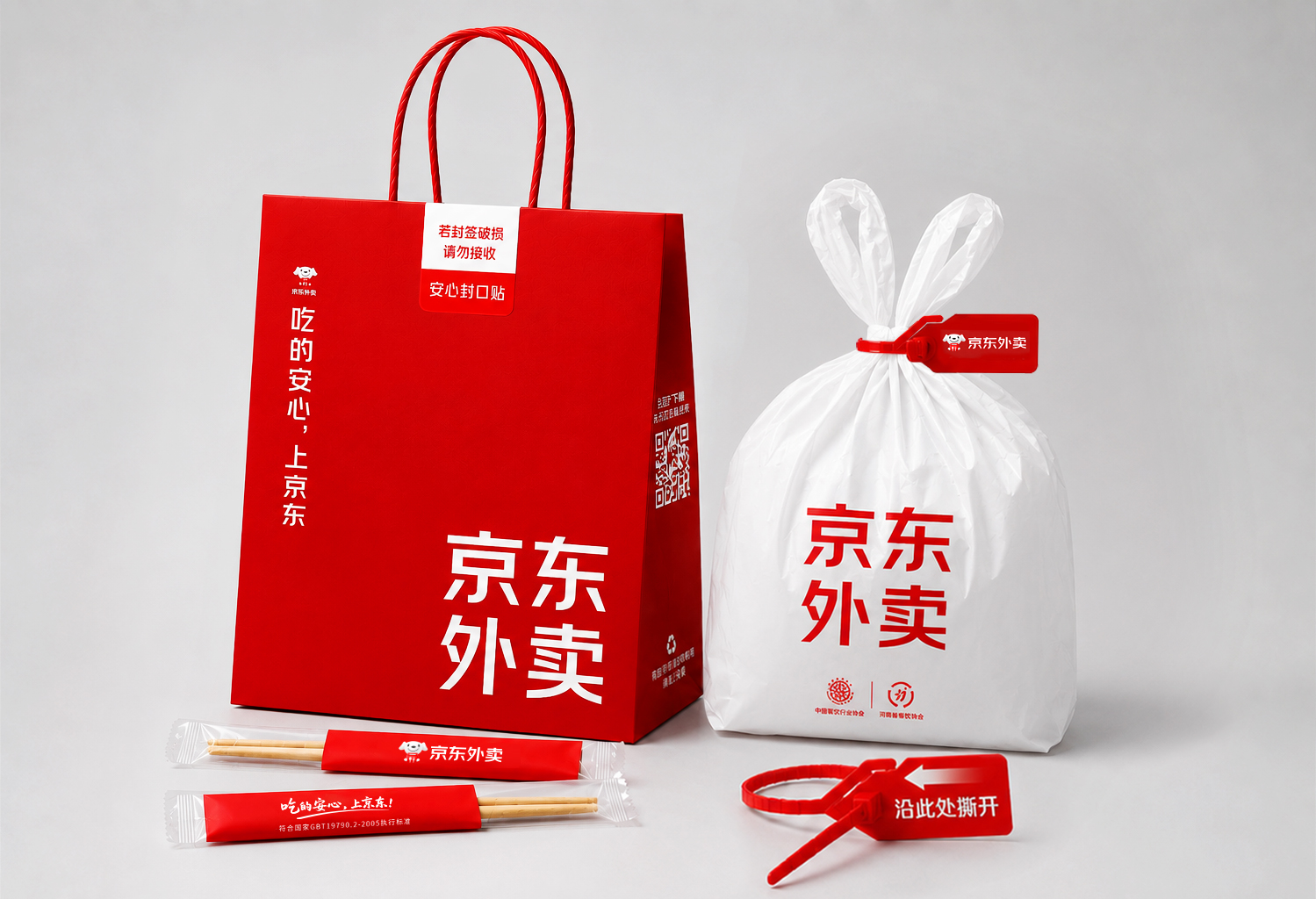
京东外卖还围绕“吃得安全、吃得营养、吃得放心”,对外卖体验进行系统升级,即将上线采用安全扣与带锁饭盒的外卖包材和营养分级打标体系,通过智能控温冷热餐箱等提升配送体验。另外,京东外卖还成立食安委员会、建立骑手举报与巡检体系、24小时内响应并闭环处置消费者投诉,构建起全方位的食品安全监督网络。 京东外卖入局外卖市场以来,始终坚持“品质外卖”定位。过去一年,京东外卖已拒绝100万家“幽灵外卖”门店,商家入驻审核通过率仅40%,是行业内对餐饮商家入驻审核最严格的平台之一。

京东外卖表示,将坚决拥护新规落地,愿与社会各界一起,用看得见的真堂食,守护舌尖上的真安全。

京东外卖发布最严堂食标准

拒绝“黑外卖”靠一张桌子洗白

2025年,京东外卖就曾在行业中率先推出“堂食餐厅”打标举措。此次在新规落地前夕,京东外卖进一步明确了行业最严格的堂食/非堂食认定标准。

根据该标准,只有拥有稳定、持续、与后厨隔离的就餐区域,且就餐区面积占比大于50%的门店,才会被认定为堂食餐厅。京东外卖表示,将于6月1日全面上线堂食打标,绝不允许“黑外卖”仅靠摆一张桌子,就被包装成堂食店。 从京东外卖公布的数据来看,按照这一行业最严认定标准,平台非即提门店中堂食餐厅占比超过97%。

为保障打标结果真实可信,京东外卖即将推出“堂食判官”系统,通过“全民参与+AI大模型”的方式进行双重验真。顾客、骑手、商家未来均可在店内拍摄视频或照片,由AI快速识别并分析门店就餐区域占比是否达到50%以上。每一个到店的人,都可以成为堂食判定的参与者和监督者。同时,京东外卖还将结合人工复核、随机抽检等方式,对打标结果进行持续校验,防止虚假打标、错误打标等情况出现。

据悉,京东外卖平台无堂食门店占比不足3%,是行业内无堂食门店比例最低的平台之一。针对少量合规经营的无堂食门店,京东外卖将匹配更严格的“后厨直播+AI巡检”双重管控,并叠加人工复核、随机抽检和骑手巡检机制,进一步强化食品安全管理。

堂食餐厅是“看得见”的安全

无堂食监管存在难题

一直以来,堂食餐厅都被视为食品安全最有保障的餐饮形态,这种安全源于“看得见”,来自更高级别的监督。堂食餐厅天然处于更高频的社会化监督环境中。消费者可以到店查看环境,骑手可以在取餐过程中观察后厨和前厅情况,周边居民也能长期感知门店经营状态。对于堂食餐厅而言,食品安全不仅来自平台审核和技术巡检,也来自真实线下客流的持续监督。

更重要的是,堂食餐厅依赖回头客。食材是否新鲜、分量是否足、口味是否稳定,都要经得起消费者现场检验。没有“买家秀和卖家秀”的落差,只有看得见、吃得到、可复购的品质真功夫。

相比之下,无堂食店位置隐蔽、缺乏线下客流的实体监督,天然具有高风险。即使给无堂食店配置监控探头,解决的也只是加工过程的部分可视化问题。但食品安全不是只看一个灶台就够了,食材源头、储存运输、器具消毒、人员健康、添加剂使用等环节,都可能影响最终安全。

摄像头也存在很多局限,洗碗池下方、冰箱内部、操作台下层等卫生死角未必能被拍到;打烊后的备餐、清洁、储存过程很难持续呈现;摄像头也无法分辨食材是否临期、有无农残、来源是否合规。

综合来看,堂食店真实客流高频监督的食品安全效果大大优于无堂食小店。

营养分级、带锁饭盒、恒温餐箱

京东外卖全方位升级食品安全保障

除了发布堂食标准和“堂食判官”系统,京东外卖还围绕“吃得安全、吃得营养、吃得放心”,对外卖体验进行系统升级。

在外卖包装方面,京东外卖将全面升级包材,采用安全扣与带锁饭盒,为配送过程增加安全保障,同时优化用户体验,做到“袋子不扎手、筷子不扎嘴”。在营养选择方面,京东外卖推出营养分级打标体系,帮助消费者识别“高营养、低负担”的餐品,为用户提供更清晰的健康选择。在配送体验方面,京东外卖将通过智能控温冷热餐箱等方式,提升餐品送达后的温度和口感稳定性,让外卖尽可能接近堂食体验。
2025年,京东外卖还推出“七鲜小厨”创新模式,主打新鲜现炒、大牌食材公示、后厨24小时直播,将七鲜小厨打造成一家经得起线下客流检验的堂食店和明档自提店。通过深入源头打造食品安全供应链,让更多消费者吃到健康、放心、品质的餐品。

在食品安全保障和社会化监督方面,京东外卖成立了食安委员会,设置食品安全总监和食品安全员,推动各业务板块负责人直接担责,从组织机制上强化食品安全管理。

此外,京东外卖还将建立骑手举报与巡检体系,并计划为骑手配备智能头盔。骑手进店取餐时,可拍摄上传门店现场情况,由后台AI进行分析,提升问题门店识别效率。消费者举报也将做到24小时内响应、闭环处置,推动形成平台、骑手、消费者共同参与的食品安全监督网络。

注:文/龚作仁,文章来源:Laborer,本文为作者独立观点,不代表亿邦动力立场。

【版权提示】亿邦动力倡导尊重与保护知识产权。未经许可,任何人不得复制、转载、或以其他方式使用本网站的内容。如发现本站文章存在版权问题,烦请提供版权疑问、身份证明、版权证明、联系方式等发邮件至run@ebrun.com,我们将及时沟通与处理。

已点赞

+1

{{ praise_text }}

好文章,值得被更多人看到

FAQ回顾

京东外卖的堂食餐厅认定标准是什么?

京东外卖的堂食餐厅认定标准要求门店拥有稳定、持续、与后厨隔离的就餐区域,且就餐区面积占比必须大于50%。该标准于6月1日起全面上线打标。

京东外卖如何保障堂食打标的准确性?

京东外卖上线了“堂食判官”系统,商家、骑手、消费者均可拍摄门店视频或照片,由AI识别分析就餐区域占比,并结合人工复核、随机抽检等方式进行持续校验。

京东外卖在食品安全方面有哪些具体升级措施?

京东外卖将采用带锁饭盒与安全扣升级包材,推出营养分级打标体系,并使用智能控温餐箱。同时成立食安委员会,建立骑手举报与巡检体系,确保24小时内响应消费者投诉。

广告

下一篇

跨境电商资源对接

《全球跨境电商服务商资源手册》第二期手册现已发布,触达更多资源,了解跨境服务商信息,欢迎点击链接下载。

了解详情

名创优品Q1财报:集团同店销售中个位数增长,海外收入占比近四成

本季度集团总收入为56.88亿元人民币,较2025年同期的44.27亿元增长28.5%。增长主要由集团整体中个位数的同店销售增长驱动。










