• 亿邦公众号
    • APP下载

信任赤字时代:为什么消费者把优衣库放进“闭眼入”清单?

作者:豆花 文章来源:子弹财经

2026-05-26 09:51

作者:豆花 文章来源:子弹财经

2026-05-26 09:51

邦小白快读
EN
全文速览

本文核心梳理了当前消费进入信任赤字时代的行业现状,解读了消费者决策的新变化,点明了优衣库成为大众“闭眼入”清单的原因,能帮普通消费者把握当下消费趋势,掌握理性选品的思路。

1. 当前消费整体现状:近八成消费者对品牌信任感下降,不再迷信大牌高价,更看重产品实用性,购物决策愈发谨慎,购买前普遍会通过查看第三方测评、真实用户评价、线下体验做筛查。

2. 新的选品逻辑参考:当下消费者形成了“先调研验证、再信赖复购”的决策逻辑,会选择经过市场验证的稳定品牌降低决策成本,优衣库就是典型代表,它贴合国人需求调整产品,品质标准严于国标,提供无压力贴心服务,日常采购很难出错。

本文梳理了当下消费市场的新趋势与用户需求变化,能给品牌商的品牌建设、产品研发、服务优化提供明确方向参考。

1. 消费趋势与用户变化:当下行业进入信任赤字阶段,近八成消费者对品牌信任感下降,决策更加理性,消费从“为logo买单”转向为长期品质好物买单,实用性、耐久性、跨场景适配成为新的价值锚点,品牌信任感已经成为核心竞争要素。

2. 产品研发方向:要将倾听消费者心声作为产品迭代的起点,围绕真实需求做优化,比如优衣库根据中国消费者身材调整防晒衣版型,拓展婴童装尺码,品质标准严于国家标准,适配多样场景需求。

3. 品牌建设方向:要走关系驱动的信任构建路线,做场景化创新,提供减少消费焦虑的服务,长期维护每个用户触点的信任感,才能获得消费者认可。

本文分析了当前消费市场的新变化,能给各类零售卖家提供市场机会提示、经营经验参考和风险提示。

1. 市场变化与机会:当前消费市场已经从过去的流量狂欢回归理性,消费者形成了防御性购买习惯,对品牌信任感普遍下降,更看重购物的确定性与低决策成本,能稳定提供高品质、高性价比产品的卖家获得了更大的市场机会。

2. 可借鉴的经营经验:可以参考优衣库的经营思路,围绕消费者真实需求做产品调整,适配不同人群、不同场景的穿着需求,同时打造无压力的购物环境,提供贴心的增值服务,根据区域特点优化商品结构,逐步积累消费者信任。

3. 风险提示:过度营销、虚假种草、复杂交易规则、无效的客服服务都会消耗消费者信任,卖家需要尽量避开这类经营误区。

本文揭示了消费端对服饰产品的新需求变化,能给服饰及相关消费品工厂带来生产设计方向、商业机会的重要参考。

1. 生产设计需求变化:当下消费者拒绝概念营销,不买“科技税”“品牌税”的账,更看重产品解决真实场景问题的能力,对产品的实用性、贴合性、品质标准要求越来越高,婴童等品类消费者要求品质标准远高于国家标准,还需要产品贴合本地消费者的身材、使用习惯。

2. 商业机会:当前消费者对稳定靠谱的品牌认可度越来越高,头部品牌比如优衣库会持续根据消费者需求迭代产品,对品质达标、能配合做个性化产品调整的工厂来说,能获得长期稳定的合作订单。

3. 经营启示:工厂研发生产要贴近终端消费需求,不要盲目堆砌参数概念,要聚焦实际使用体验的提升,才能匹配市场需求。

本文梳理了当下消费零售行业的发展新趋势,总结了行业现存的痛点,能给各类消费零售服务商明确业务发展方向。

1. 行业发展趋势:当前消费市场已经进入信任竞争时代,信任成为品牌的核心竞争力,越来越多品牌意识到构建消费者信任的重要性,对能帮助品牌提升信任度的相关服务需求大幅增长。

2. 客户核心痛点:当前品牌普遍面临消费者信任度下降的问题,不知道如何匹配消费者新的决策习惯,也不知道怎么做好产品迭代和服务优化,同时消费者对缺乏共情的AI客服等无效技术服务十分不满,品牌亟需能真正解决问题的配套服务。

3. 业务发展方向:服务商可以围绕帮助品牌收集消费者心声、优化产品设计、打造区域适配的门店运营方案、开发有温度的客服解决方案等方向布局,贴合品牌构建消费者信任的核心需求。

本文分析了消费者和品牌端的新变化,能给平台商的招商、运营管理、风险规避提供明确参考。

1. 用户与市场需求变化:当下消费者对购物的确定性要求大幅提升,更偏好品质稳定、信任感强的品牌与商家,平台需要适配这种新需求调整自身运营方向。

2. 运营与招商优化方向:首先要优化信息生态,保障平台上商品信息清晰、用户评价真实,方便消费者做决策;其次可加大力度招商类似优衣库这种品质稳定、消费者认可度高的品牌,迎合消费者“闭眼入”的购物需求,也可借鉴山姆、胖东来这类强信任渠道的运营思路,提升平台整体信任度;第三要引导平台商家围绕消费者需求优化产品和服务,重视信任建设。

3. 风险规避:要严厉管控虚假种草、夸大宣传等违规行为,这类行为会消耗平台整体的用户信任,需要及时规避。

本文提出了当前消费领域的新动向、新问题,总结了新的品牌竞争逻辑,优衣库的案例也为研究提供了鲜活样本,对消费产业研究有较高参考价值。

1. 产业新动向:当前消费市场已经完成从流量狂欢到理性回归的转变,行业整体进入信任赤字阶段,近八成消费者对品牌信任感下降,消费者衍生出“精算”和“托管”两种新的决策机制,信任已经成为新的品牌竞争“货币”,核心竞争逻辑从流量驱动转向信任驱动。

2. 行业新问题:很多品牌仍然停留在过去流量营销、概念营销的旧思路,虚假种草、复杂预售规则、缺乏共情的AI客服都加剧了消费者的信任危机,整个行业都需要探索新的信任构建方式。

3. 新商业模式参考:新的商业模式以关系驱动信任构建,核心是围绕消费者真实需求做产品迭代和场景创新,提供减少消费焦虑的服务,长期维护用户触点信任,优衣库的实践就是这种新逻辑的典型代表,具备较高的研究价值。

声明:快读内容全程由AI生成,请注意甄别信息。如您发现问题,请发送邮件至 run@ebrun.com 。

我是 品牌商 卖家 工厂 服务商 平台商 研究者 帮我再读一遍。

Quick Summary

This article maps out the current state of the consumer industry in an era of trust deficit, explains new shifts in consumer decision-making, and identifies why Uniqlo has become a go-to "blind buy" brand for mass consumers. It helps ordinary readers understand ongoing consumer trends and develop a rational approach to product selection.

1. Current consumer landscape: Nearly 80% of consumers report declining trust in brands. They no longer blindly favor big-name, high-priced products, instead prioritizing practicality and approaching purchases more cautiously. Most consumers vet products by checking third-party reviews, authentic user feedback and testing in-store before buying.

2. New framework for product selection: Consumers today follow a "verify first, trust and repeat purchase later" decision logic. They reduce decision risk by choosing established, market-proven stable brands, with Uniqlo as a prime example. The brand adapts its products to fit Chinese consumer needs, adheres to stricter quality standards than required by national regulations, and provides low-pressure, thoughtful service that makes it a reliable choice for everyday shopping.

This article maps out new trends and shifting consumer demands in the current market, providing clear directional guidance for brand building, product development and service optimization for brand owners.

1. Consumer trends and market shifts: The industry has entered an era of trust deficit, with nearly 80% of consumers reporting declining trust in brands and making more rational purchase decisions. Consumption has shifted from "paying for the logo" to paying for long-term quality products, with practicality, durability and cross-scenario adaptability emerging as the new core value anchors. Brand trust has now become the core competitive factor for brands.

2. Product development direction: Listening to consumer voices should be the starting point for product iteration, with optimization built around actual consumer demand. For example, Uniqlo adjusts the silhouette of its sun-protective clothing to fit Chinese body types, expands size ranges for baby and children's apparel, maintains stricter quality standards than national requirements, and caters to diverse scenario-based needs.

3. Brand building direction: Brands need to adopt a relationship-driven approach to trust building, develop scenario-based innovation, offer services that reduce consumer anxiety, and consistently nurture trust at every consumer touchpoint over the long term to earn consumer recognition.

This article analyzes new shifts in the current consumer market, providing market opportunity insights, operational经验 reference and risk warnings for all types of retail sellers.

1. Market shifts and opportunities: The consumer market has retreated from the previous era of traffic-driven hype and returned to rationality. Consumers have developed defensive buying habits, with broadly declining trust in brands, and now prioritize purchase certainty and low decision cost. Sellers that can consistently deliver high-quality, cost-effective products now have access to greater market opportunities.

2. Actionable operational insights: Sellers can draw on Uniqlo's operating playbook: adapt products to align with actual consumer needs, cater to the apparel demands of different groups and use cases, build a low-pressure shopping environment, provide thoughtful value-added services, optimize product assortments based on regional characteristics, and gradually accumulate consumer trust.

3. Risk warning: Over-marketing, fake influencer endorsements, convoluted transaction rules, and unhelpful customer service all erode consumer trust, and sellers should avoid these common operational pitfalls.

This article reveals shifting new demand for apparel products from consumers, providing important guidance for production and design, as well as commercial opportunity insights, for apparel and related consumer goods factories.

1. Shifts in production and design demand: Today's consumers reject concept-based marketing and refuse to pay "technology premiums" or "brand premiums." They instead focus on a product's ability to solve real-world problems in daily use, and increasingly demand higher practicality, better fit, and stricter quality standards. For categories such as baby and children's apparel, consumers already require quality standards far higher than national requirements, and also demand products tailored to local consumers' body types and usage habits.

2. Commercial opportunities: Consumers increasingly favor stable, reliable brands, and leading brands such as Uniqlo continuously iterate their products to meet evolving consumer demand. Factories that meet strict quality standards and can support customized product adjustments can secure long-term, stable cooperative orders.

3. Operational takeaways: Factories need to align their R&D and production with end consumer demand, avoid blindly stacking technical parameters and marketing concepts, and focus on improving actual user experience to match current market demand.

This article maps out new development trends in the current consumer retail industry, summarizes existing industry pain points, and clarifies business development directions for all types of consumer retail service providers.

1. Industry development trends: The consumer market has now entered an era of trust competition, where trust has become the core competitive advantage for brands. A growing number of brands recognize the importance of building consumer trust, leading to a sharp increase in demand for services that help brands boost consumer trust.

2. Core client pain points: Most brands currently face the challenge of declining consumer trust. They struggle to adapt to consumers' new decision-making habits, and lack clear direction for product iteration and service optimization. Meanwhile, consumers are highly dissatisfied with unhelpful, low-empathy technology-enabled services such as generic AI chatbots. Brands urgently need supporting services that actually solve their problems.

3. Business development direction: Service providers can build out offerings aligned with brands' core goal of building consumer trust, including services to collect consumer feedback, optimize product design, develop regionally tailored store operation plans, and build customer service solutions with greater human empathy.

This article analyzes new shifts among consumers and brands, providing clear reference for platform operators' merchant recruitment, operation management and risk mitigation work.

1. Shifts in user and market demand: Today's consumers have significantly higher demand for purchase certainty, and prefer brands and merchants with stable quality and strong consumer trust. Platforms need to adjust their operational direction to adapt to this new demand.

2. Optimization direction for operations and recruitment: First, platforms should optimize their information ecosystem to ensure clear product information and authentic user reviews to support consumer decision-making. Second, platforms can increase recruitment of stable, high-trust brands like Uniqlo to meet consumers' demand for reliable "blind buy" options. They can also draw on the operational playbook of high-trust channels such as Sam's Club and Pang Dong Lai to improve the platform's overall trust level. Third, platforms should guide on-platform merchants to optimize their products and services around consumer demand and prioritize trust building.

3. Risk mitigation: Platforms must strictly crack down on violations such as fake influencer endorsements and exaggerated marketing, as these behaviors erode the platform's overall user trust and require proactive mitigation.

This article puts forward new trends and emerging issues in the current consumer sector, summarizes the new logic of brand competition, and uses the Uniqlo case to provide a vivid research sample, offering high reference value for consumer industry research.

1. New industry trends: The consumer market has completed its shift from traffic-driven hype to a return to rationality, and the industry as a whole has entered a stage of trust deficit. Nearly 80% of consumers report declining trust in brands, and consumers have developed two new decision-making mechanisms: "precision calculation" and "decision outsourcing." Trust has become the new "currency" of brand competition, and the core competitive logic has shifted from traffic-driven to trust-driven growth.

2. New industry problems: Many brands still cling to the old playbook of traffic marketing and concept-based marketing. Practices such as fake influencer endorsements, convoluted pre-sale rules, and low-empathy AI customer service have exacerbated the consumer trust crisis, and the entire industry needs to explore new approaches to trust building.

3. Reference for new business models: The emerging business model builds trust through relationship-driven efforts, with a core focus on product iteration and scenario-based innovation centered on actual consumer demand, offering services that reduce consumer anxiety and consistently nurturing trust at every user touchpoint over the long term. Uniqlo's practice is a typical example of this new logic, and carries high research value.

Disclaimer: The "Quick Summary" content is entirely generated by AI. Please exercise discretion when interpreting the information. For issues or corrections, please email run@ebrun.com .

I am a Brand Seller Factory Service Provider Marketplace Seller Researcher Read it again.

“你有多久没有完全放心地买一件东西了?”

今年5月,《第一财经》杂志与优衣库发起了一项关于“信任”的消费调研,在全国回收了超5300份问卷,并发布了《信任如何重塑消费》2026年消费趋势报告(下称“报告”)。

这份《报告》显示,近80%的消费者对品牌信任感有所下降,认为高品质不必高价、大牌不等于品质保障。57.76%的人开始优先评估产品的实用性,42.96%的人尽量避免办卡类消费,42.37%的人在线下购物前会先上网比价。

这些数字共同指向了一个趋势:消费者做出购买决策愈发谨慎。

过去十年,消费市场经历了从流量狂欢到理性回归的深刻转变。直播间里的低价轰炸、社交媒体上真假难辨的种草笔记、越来越复杂的预售规则,并没有让消费者感到被取悦,反而倒逼出一种防御性购买习惯。

同样值得关注的是,报告指出,消费者进化出了两套新的决策机制:一套是深度研究的“精算”;一套是充分信任的“托管”。这种决策机制,恰恰揭示了新的品牌竞争逻辑:赢得消费者信任。

那么,在信任稀缺的时代,什么样的品牌才能真正走进消费者的内心?

01 信任成了新“货币”,消费者怎么买?

新经济社会学奠基人马克·格兰诺维特曾在《社会与经济:信任、权力与制度》中提出,消费行为从来不是孤立的经济计算,而是深度“嵌入”在社会关系与信任网络中的结果。

换句话说,一个消费者之所以愿意持续复购某个品牌,主要原因在于,长期消费经验让他形成了“默认可信”的心理机制。

然而,优衣库与《第一财经》杂志联合发布的《报告》揭示了一个严峻的现实:我们正在经历信任模糊阶段,近八成消费者表示,近年来对品牌的信任度普遍降低。在这一基础上,消费者的首次购买行为愈发理性。

《报告》显示,消费者在首次购买时判断品质的三大方法依次是:查看第三方专业测评/检测报告、参考社交网络上的真实用户评价、亲自到店体验/试穿后再决定。这意味着一件商品在被放入购物车之前,已经经历了一场“尽职调查”。

尤其值得注意的是,消费者也形成两套决策逻辑:以第三方测评、真实评价、线下体验作为初次选择的模式,并在熟悉后对信赖的品牌长期复购。

可以观察到,山姆会员店、胖东来等强选品渠道的兴起,以及优衣库等品质稳定品牌成为消费者的“默认衣柜”,本质上正是消费者形成信赖,以换取更低的决策成本和更高的确定性。

在这一背景下,两大趋势值得深度关注。

趋势一:消费者开始习惯性在购买前做功课。对品牌而言,这意味着第一次接触变得前所未有的关键,你必须在每一个信息触点上经得起审视。

趋势二:消费者从“为logo买单”转向为“更具长期主义的品质好物”买单。这背后指向的是,实用性、耐久性、跨场景适应能力正在成为新的价值锚点。

02从产品到服务,优衣库如何持续做到“怎么穿都不会错”?

“优衣库有很多百搭款我经常穿,随便搭配都好看。”

对时尚买手小敏来说,衣帽间里不缺高价包袋和设计师配饰,但日常经典款几乎全来自优衣库。在她看来,优衣库的价值在于提供了更多高质感的日常服饰选择。版型经得起细看,面料触感舒服,价格也让人“下手毫无压力”。

持相似观点的还有互联网从业者陈路。他的工作日程紧凑,换季时走进优衣库打包式采购是他的固定习惯。“我没有太多时间研究今年流行什么,但我知道来这儿不会出错。”

两个人消费方式不同,却验证了《报告》中的一个结论:今天消费者偏好的单品,具备了体验感好、长期主义、高容错率三重标签。而优衣库,正是这三重标签的典型代表。

近日,优衣库中国市场总监黄佳莹向包括「子弹财经」在内的多家媒体表示,长期以来,优衣库一直在收集消费者心声,品牌相信服装是为了人的美好生活而存在的。生活在进化,服装也需要做出相应的进化与调整。

优衣库今年主推的第二代凉感防晒衣就是听取顾客心声进化的一个典型。优衣库选择基于防晒本质所需的综合舒适体感,而非盲目卷参数。这款产品采用原纱防晒,升级至UPF100+,防晒力更强;采用了AIRism科技面料,经编工艺让质感更挺括。

除此之外,优衣库还针对中国女性的身型,对产品进行了袖长、腰围、衣长上的调整,并新增防晒帽檐、高领及拇指孔设计,这一系列的调整背后都有真实消费者需求的驱动。此外,全系列还包含便携款、透气款、针织款及时尚太阳镜等,适配不同场景的防晒穿搭需求。

婴童装对于产品的材质、舒适与功能的要求则更为严苛,优衣库婴幼儿包臀衣连续5年获第三方机构高品质认证,部分有害化学物质限量值比国家A类标准更严格。更应中国家长的实际需求,把婴幼儿网眼面料系列、幼儿紧身裤、婴幼儿睡衣系列相关产品尺码拓展至120cm。

此外,提供“恰到好处”的服务同样值得关注。《报告》中提到,当下,46.21%的消费者认为“店员能根据实际需求给出专业建议而非一味推荐高价商品”最能提升信赖感,39.02%的人看重“清晰的商品信息展示”,36.61%的人期待“无压力购物环境”。

优衣库认为,门店永远为顾客而存在,也是和消费者距离最近的地方,并通过不断地去洞察消费者的心声和多样化的需求作出回应。

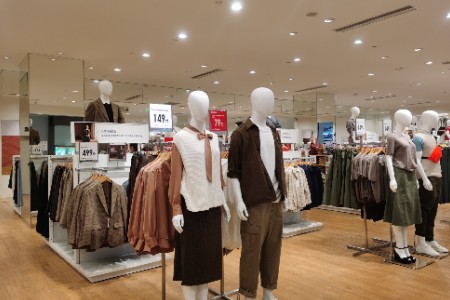
近年来,优衣库继续加码个店经营及精细化区域运营,2025年相继开出成都万象城、长沙平和堂两家城市旗舰店,针对不同区域的气候、生活习惯与文化需求不断优化商品结构和店铺体验。

与此同时,优衣库还提供线上线下定制化贴心服务:线下门店提供免费修改裤长、皮带打孔等贴心服务;线上官网则有XS-4XL的丰富尺码,以及加长款、偏短款裤装及裙装,让不同身型与穿着偏好的消费者都能买到适合的服装。

03 双向信任,指向更深层的共处方式

好的服装,是基于人们真实需求设计、真正服务于人的,这也正是优衣库LifeWear服适人生的品牌理念。在信任稀缺的今天,这一价值持续被放大,也同样给行业带来启示:

第一,信任的建立逻辑已经转向“关系驱动”。消费者不再甘于被动接收,他们希望被看见、被听见,希望自己的反馈变成产品上的真实改变。据黄佳莹介绍,优衣库收集了全球3900万条消费者心声,并基于此不断地研发与创造。当品牌把倾听变成产品迭代的起点,消费者就会把信任交给一个值得托付的对象。

第二,产品创新的方向应该转向场景驱动。消费者警惕的不只是“品牌税”,还有“科技税”。他们需要一件能解决真实场景问题的衣服。服饰的高容错率成为新的安全感来源,正因为它简化了决策流程。这个逻辑不只适用于服装,也适用于家电、美妆、餐饮等几乎所有消费领域。

第三,服务的本质是减少焦虑,而不是增加互动。《报告》也提到,52.54%的受访者对AI客服缺乏共情表示不满,这其实说明,消费者并不反感技术本身,他们反感的是“问题没有被真正解决”。当品牌聚焦需求本身,摒弃繁琐无效的套话,消费者自然会建立起品牌信任。

第四,信任的构建需要时间,也需要在每一个关键时刻真诚回应。正因一次失败的回应,足以抵消千百次良好体验,品牌才更需紧抓与消费者的每个触点。

优衣库回到具体的人,把服装还给生活,把人放在中心。当品牌把每一次购买都视为信任的起点,把每一次进化都视为关系的延续,消费者自然会投票,把那个“闭眼入”的选项,留给他们真正信赖的名字。

注:文/豆花,文章来源:子弹财经,本文为作者独立观点,不代表亿邦动力立场。

【版权提示】亿邦动力倡导尊重与保护知识产权。未经许可,任何人不得复制、转载、或以其他方式使用本网站的内容。如发现本站文章存在版权问题,烦请提供版权疑问、身份证明、版权证明、联系方式等发邮件至run@ebrun.com,我们将及时沟通与处理。

已点赞

+1

{{ praise_text }}

好文章,值得被更多人看到

FAQ回顾

当前消费者对品牌的信任度有什么变化趋势?

根据《信任如何重塑消费》2026年消费趋势报告,近80%的消费者对品牌信任感下降,认为高品质不必高价,决策更谨慎。消费者形成了“精算”(深度研究)和“托管”(充分信任)两套新决策机制。

优衣库是如何通过产品和服务建立消费者信任的?

优衣库基于全球3900万条消费者心声进行产品研发,如针对中国女性调整第二代凉感防晒衣版型。其婴幼儿包臀衣连续5年获第三方高品质认证。服务上提供免费修改裤长、线上线下丰富尺码等,以降低决策焦虑。

在信任稀缺时代,品牌建立信任的关键策略有哪些?

关键策略包括:转向“关系驱动”,倾听并回应消费者反馈;产品创新应“场景驱动”,解决真实问题;服务本质是减少焦虑,而非增加无效互动;在每一个与消费者的关键时刻真诚回应。

广告

下一篇

征集报名《品牌数字化服务商资源手册》

《品牌数字化服务商资源手册》展示数字化服务商风采,亿邦全年零售大会通发,触达更多资源,马上加入!

马上入驻

全球三大玩具巨头 今年业绩有改善吗?

美国当地时间5月20日,孩之宝发布2026年第一季度业绩详情。结合早前美泰和斯平玛斯特的同期业绩情况来看,行业巨头已摆脱低价清仓、亏钱去库存的低迷阶段,开始回暖复苏,但恢复速度并不一致

未来零售

2026-05-26 09:40:13