



• 亿邦公众号
    • APP下载

第四届中国AIGC产业峰会在京顺利举办!近20位行业大咖解码Agent与非共识机遇

作者:龚作仁 文章来源:Laborer

2026-05-20 15:16

作者:龚作仁 文章来源:Laborer

2026-05-20 15:16

邦小白快读

EN
全文速览

本文汇总了第四届中国AIGC产业峰会的核心信息,整理了对普通用户有用的干货内容。

1. 本次峰会由量子位主办,主题为“@所有人,马上AI起来”,集结了近20位来自头部企业、顶尖高校、创业公司的行业嘉宾,围绕AI Agent商业化、多模态技术突破、场景落地、算力变革等核心议题展开讨论,还发布了AIGC榜单和《2026年中国AI应用全景图谱报告》。

2. 针对普通用户的干货:当前AI已经进入2.0下半场,AI赋能普通用户降本提效、释放创作生产力的模式已经成熟,面对Agent带来的行业冲击,不必过度焦虑,关键是主动适应、度过转型过渡期。普通用户可以借助峰会发布的全景图谱和榜单,了解当下热门AI产品,找到适合自己的AI工具提升工作效率。

本次峰会披露了2026年AIGC产业核心趋势,能为品牌商布局AI、把握市场方向提供多维度参考。

1. 消费与产业趋势方面,当前用户对AI产品的付费意愿已经真实觉醒,AI商业模式基本跑通,AI从“回答问题”进化为“完成任务”的Agent化是核心浪潮,“人人都是创造者”“众创是AI生产力核心杠杆”成为行业共识,品牌可以借助AI激活C端创造力,赋能自身品牌营销。

2. 落地参考方面,健康、内容生产等垂直领域已经诞生AI驱动的增长飞轮模式,AI已经从数字世界走进真实终端场景,多模态、空间智能技术已经成熟。当前模型普惠化趋势明显,技术红利向应用层转移,中小品牌也能依托开源技术、通用大模型低成本布局AI能力。

本次峰会披露了AI产业最新动向,能为布局AI的卖家提供机会参考、风险提示与可借鉴经验。

1. 市场机会层面,当前AI Agent规模化落地正在重构行业工作模式,医疗、法律、教育等B端垂直场景已经进入规模化渗透深水区,C端AI内容创作、智能客服、代码辅助等多个赛道都有新增量,同时用户付费意愿已经真实觉醒,AI商业模式已经跑通,新入场卖家仍有增长空间。

2. 应对与借鉴层面,面对Agent带来的行业冲击,核心是主动转型度过适应期,不必逃避;同质化竞争背景下,可以挖掘非共识机遇,超级Agent、多专精协同Agent都是值得探索的方向。多家一线企业已经分享了ToB商业化、垂直场景落地的真实打法,卖家可以参考成熟经验,借助国产算力、开源大模型降低布局成本。

本次峰会披露的AI产业新趋势,能为工厂推进数字化转型、挖掘新商业机会提供诸多启示。

1. 产品生产设计层面,当前AI已经从数字世界走向物理世界,空间智能、具身智能技术不断成熟,本次公布的AIGC产品榜单已经覆盖工业设计赛道,工厂可以引入AI工具优化产品设计流程,缩短设计周期,降低设计成本,提升产品创新能力。

2. 数字化转型层面,当前AI已经走向千行百业场景深耕,工厂可以结合自身生产、运营场景,布局AI Agent改造生产管理、供应链流程,推进数字化升级。

3. 落地支持层面,当前模型普惠化趋势明显,技术红利向应用层转移,工厂布局AI的门槛大幅降低,同时国产AI算力已经完成对新产业需求的适配,工厂可以选择本土算力方案,降低转型成本与合规风险。

本次峰会梳理了2026年AIGC产业核心趋势,披露了行业痛点与成熟解决方案,对AI相关服务商具备较高参考价值。

1. 行业发展趋势:当前AI已经进入Agent化发展浪潮,AI 2.0已经步入下半场,正从AIGC向AIGA跃迁,技术从数字世界延伸到物理世界,B端垂直场景已经进入规模化落地阶段,用户付费意愿真实觉醒,市场需求已经被激活,行业进入快速发展期。

2. 客户核心痛点:企业从顶级大模型落地企业级AI Agent存在明显的工程化鸿沟,多数企业缺乏自主落地AI的技术能力,同时行业同质化竞争严重,很多企业找不到清晰的Agent发展方向。

3. 成熟解决方案参考:行业已经研发出长期记忆驱动的自进化技术,可实现AI从工具到可持续成长数字生产力系统的升级,国产算力也推出了适配新需求的方案,服务商可以整合这些技术成果为客户提供落地服务。

本次峰会披露了当前AI产业对平台的新需求,梳理了行业最新风向,能为AI相关平台商的运营、招商、风险规避提供参考。

1. 产业需求与竞争方向:当前AI进入Agent时代,企业和开发者对AI Agent落地的工程化支持、底层算力支撑有大量需求,现在各大平台已经开启争夺用户默认入口的生态化竞争,平台需要提前布局生态建设,抢占行业先机。

2. 招商方向:当前模型普惠化带动技术红利向应用层转移,全产业链从底层算力、基础模型到行业应用都诞生了大量优质创业主体,AIGC产品覆盖AI内容创作、工业设计等多个热门赛道,平台可以围绕全产业链开展招商,丰富平台生态。

3. 风险规避:Agent产品发展存在诸多不确定性,行业同质化竞争问题突出,平台要引导入驻企业挖掘非共识机遇,聚焦真实落地需求,规避概念化泡沫,同时跟进开源技术、国产算力的发展方向,适配产业新需求。

本次峰会汇聚了AIGC产业最前沿的研究成果与产业实践,梳理了产业最新动向,对AI产业研究者具备较高的研究价值。

1. 产业最新动向:当前AI已经进入Agent化发展阶段,AI 2.0步入下半场,正从AIGC向AIGA跃迁,技术从数字世界走向物理世界,多模态大模型、空间智能、具身智能都有新的技术突破,底层算力范式也完成重构,国产算力开始适配新一代AI产业发展需求。

2. 行业新问题:从顶级大模型到企业级AI Agent落地存在工程化鸿沟,Agent产品迭代逻辑和传统App存在明显差异,模型快速迭代加大了产品决策难度,行业存在同质化竞争问题,Agent规模化落地也重构了从业者的工作模式,带来了新的就业课题。

3. 研究素材:本次峰会发布的全景图谱提炼了五大核心产业趋势,明确当前用户付费意愿已经觉醒,AI商业模式基本跑通,B端垂直场景进入规模化渗透阶段,为研究AI产业新商业模式、新发展规律提供了最新的一手素材。

声明:快读内容全程由AI生成,请注意甄别信息。如您发现问题,请发送邮件至 run@ebrun.com 。

我是 品牌商 卖家 工厂 服务商 平台商 研究者 帮我再读一遍。

Quick Summary

This article aggregates key takeaways from the 4th China AIGC Industry Summit and curates practical insights for general users.

1. Hosted by QbitAI, the summit themed "AI for Everyone, Act Now" brought together nearly 20 industry guests from leading enterprises, top-tier universities and startups. Attendees discussed core topics including AI Agent commercialization, multimodal technological breakthroughs, real-world scenario implementation, and computing power transformation. The summit also released an AIGC industry ranking and the 2026 China AI Application Panorama Report.

2. Key takeaways for general users: AI has now entered the second half of the 2.0 era, and AI-enabled models that help general users cut costs, boost efficiency and unlock creative productivity are already mature. There is no need for excessive anxiety over industry disruption brought by AI Agents; the key is to actively adapt and navigate the transition. Users can leverage the newly released panorama report and industry ranking to discover popular AI products, and find suitable AI tools to improve their work efficiency.

The summit revealed core 2026 AIGC industry trends, offering multi-dimensional references for brands mapping out their AI strategies and aligning with market directions.

1. On consumer and industry trends: User willingness to pay for AI products has genuinely awakened, and viable AI business models have been proven. The shift from AI that "answers questions" to AI that "completes tasks" — AI Agentification — is the defining industry trend. "Everyone is a creator" and "crowdsourcing is the core lever for AI productivity" have become industry consensus. Brands can leverage AI to unlock C-end creativity and empower their brand marketing.

2. On implementation references: AI-driven growth flywheels have already emerged in vertical sectors including healthcare and content creation. AI has moved beyond the digital space to real-world end scenarios, with multimodal and spatial intelligence technologies already mature. The industry is seeing a clear trend of model democratization, with technological dividends shifting to the application layer. Even small and medium-sized brands can build AI capabilities at low cost based on open-source technology and general-purpose large models.

The summit disclosed the latest developments in the AI industry, providing opportunity references, risk alerts and actionable insights for sellers exploring AI integration.

1. On market opportunities: The large-scale adoption of AI Agents is reshaping industry work models. B2B vertical scenarios including healthcare, law and education have entered the deep-water phase of规模化渗透, while C-end tracks including AI content creation, intelligent customer service and code assistance are all seeing new growth. With user willingness to pay genuinely awakened and viable AI business models already proven, new entrants still have room for growth.

2. On response and best practices: Faced with industry disruption from Agents, the core priority is to proactively transition through the adaptation period rather than avoid change. Amid widespread homogeneous competition, sellers can explore non-consensus opportunities; super Agents and multi-specialized collaborative Agents are both promising directions to explore. Multiple leading industry players have shared their practical strategies for B2B commercialization and vertical scenario implementation, which sellers can reference to cut deployment costs by leveraging domestic computing power and open-source large models.

New AI industry trends revealed at the summit offer valuable insights for factories advancing digital transformation and unlocking new business opportunities.

1. On product development and design: AI has now expanded from the digital space to the physical world, with spatial intelligence and embodied intelligence technologies steadily maturing. The AIGC product ranking released at the summit already covers the industrial design track. Factories can integrate AI tools to optimize product design workflows, shorten design cycles, cut design costs and boost product innovation capabilities.

2. On digital transformation: AI is now moving into deep, scenario-specific implementation across all industries. Factories can integrate AI Agents into their production and operation scenarios to revamp production management and supply chain workflows, and advance digital upgrading.

3. On implementation support: The clear trend of model democratization has shifted technological dividends toward the application layer, drastically lowering the barrier for factories to adopt AI. Meanwhile, domestic AI computing power has already been adapted to meet new industrial demand, allowing factories to adopt local computing power solutions to cut transformation costs and lower compliance risks.

The summit sorted out core 2026 AIGC industry trends, disclosed industry pain points and mature solutions, offering high reference value for AI-related service providers.

1. On industry development trends: AI is currently in the wave of Agentification; AI 2.0 has entered its second half, with the sector transitioning from AIGC to AIGA (AI Generated Agents). Technology is expanding from the digital space to the physical world, B-end vertical scenarios have entered the large-scale implementation phase, user willingness to pay has genuinely awakened, market demand is activated, and the industry is entering a period of rapid growth.

2. On core customer pain points: There is a clear engineering gap between deploying top-tier large models and building enterprise-grade AI Agents. Most enterprises lack the in-house technical capability to implement AI independently; meanwhile, widespread homogeneous competition leaves many enterprises unable to identify a clear development direction for their Agent projects.

3. On references for mature solutions: The industry has already developed long-term memory-driven self-evolution technology, which enables the upgrade of AI from a standalone tool to a sustainably growing digital productivity system. Domestic computing power providers have also launched solutions adapted to new industry demand, and service providers can integrate these technological achievements to deliver end-to-end implementation services for clients.

The summit disclosed new industry demands on platforms and sorted out the latest industry trends, offering references for operation, investment attraction and risk mitigation for AI-related platform operators.

1. On industry demand and competitive direction: With AI entering the Agent era, enterprises and developers have strong demand for engineering support and underlying computing power infrastructure for AI Agent implementation. Major platforms have already launched ecosystem-based competition to capture users' default entry points, so platforms need to build out ecosystem infrastructure in advance to secure first-mover advantage.

2. On investment attraction direction: Model democratization has driven the shift of technological dividends to the application layer, giving rise to a large number of high-quality startups across the full industry chain, from underlying computing power and foundation models to industry applications. AIGC products already cover popular tracks including AI content creation and industrial design, so platforms can expand recruitment across the full industry chain to enrich their ecosystem.

3. On risk mitigation: Agent product development carries multiple uncertainties, and homogeneous competition is a prominent industry problem. Platforms should guide入驻 enterprises to explore non-consensus opportunities, focus on real implementation demand, and avoid conceptual hype. At the same time, platforms should keep pace with the development of open-source technology and domestic computing power to adapt to new industry demand.

The summit brought together cutting-edge research and industrial practices in the AIGC industry and sorted out the latest industry developments, offering high research value for AI industry researchers.

1. On the latest industry developments: AI has now entered the Agentification stage, AI 2.0 is in its second half, and the industry is transitioning from AIGC to AIGA. Technology is expanding from the digital space to the physical world, with new technological breakthroughs in multimodal large models, spatial intelligence and embodied intelligence. The underlying computing power paradigm has also been restructured, and domestic computing power has begun to adapt to the development needs of the new generation of AI industry.

2. On emerging industry issues: There is an engineering gap between top-tier foundation models and the implementation of enterprise-grade AI Agents. The iteration logic of Agent products differs significantly from that of traditional apps, and rapid model iteration has increased the difficulty of product decision-making. The industry also faces widespread homogeneous competition, and the large-scale adoption of Agents has reshaped workers' professional models, bringing up new employment-related research questions.

3. On research materials: The panorama report released at the summit summarizes five core industry trends, confirms that user willingness to pay has awakened, viable AI business models are already proven, and B-end vertical scenarios have entered the stage of large-scale penetration, providing the latest first-hand materials for research on new business models and development rules of the AI industry.

Disclaimer: The "Quick Summary" content is entirely generated by AI. Please exercise discretion when interpreting the information. For issues or corrections, please email run@ebrun.com .

I am a Brand Seller Factory Service Provider Marketplace Seller Researcher Read it again.

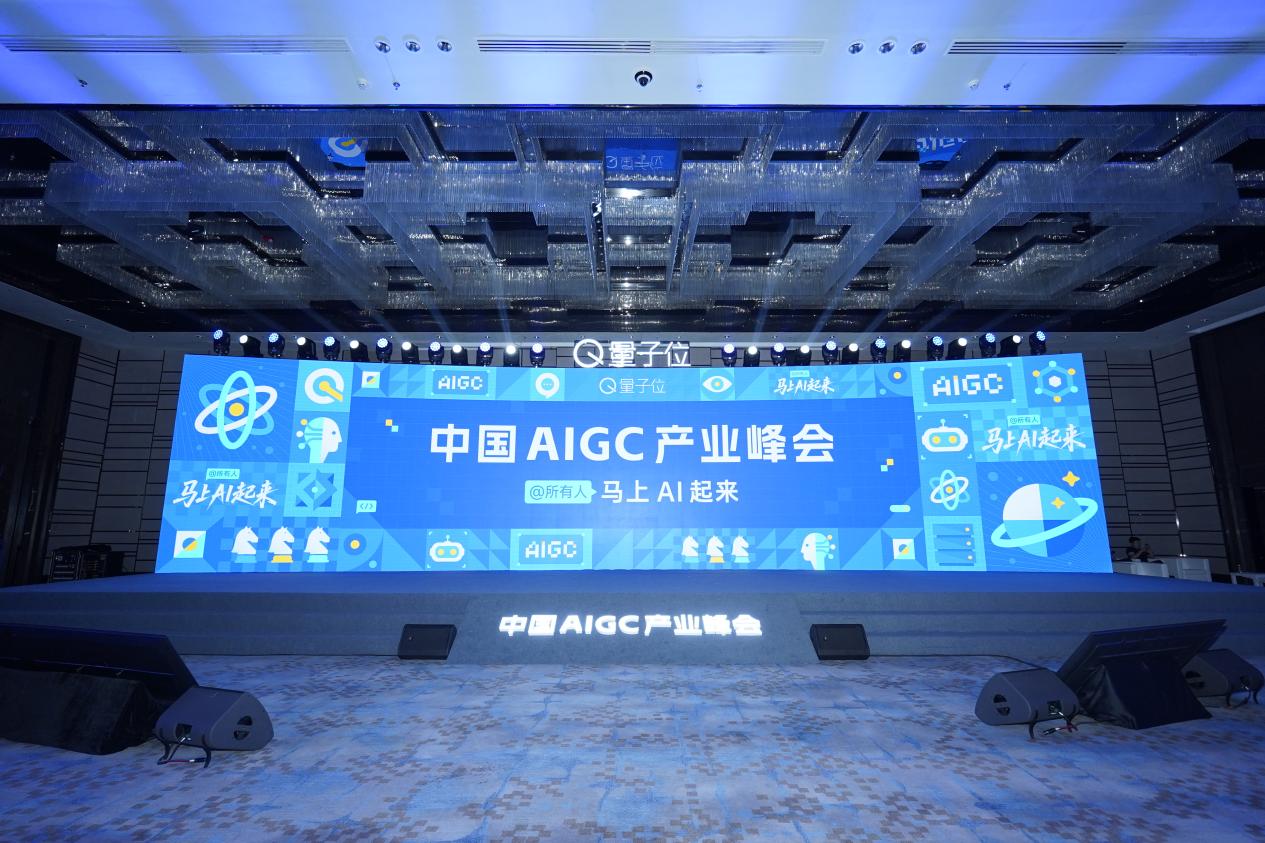
今日,由量子位主办的第四届中国AIGC产业峰会在京启幕。

2026年,AI产业一路高歌猛进。从“龙虾”到“Harness”,爆款Agent接连出圈、风靡全网。面对层出不穷的新业态与新玩法,不少从业者和普通用户都感到困惑:如何找准AI的使用方式?怎样把握产业机遇?又该如何跟上行业发展的步伐?

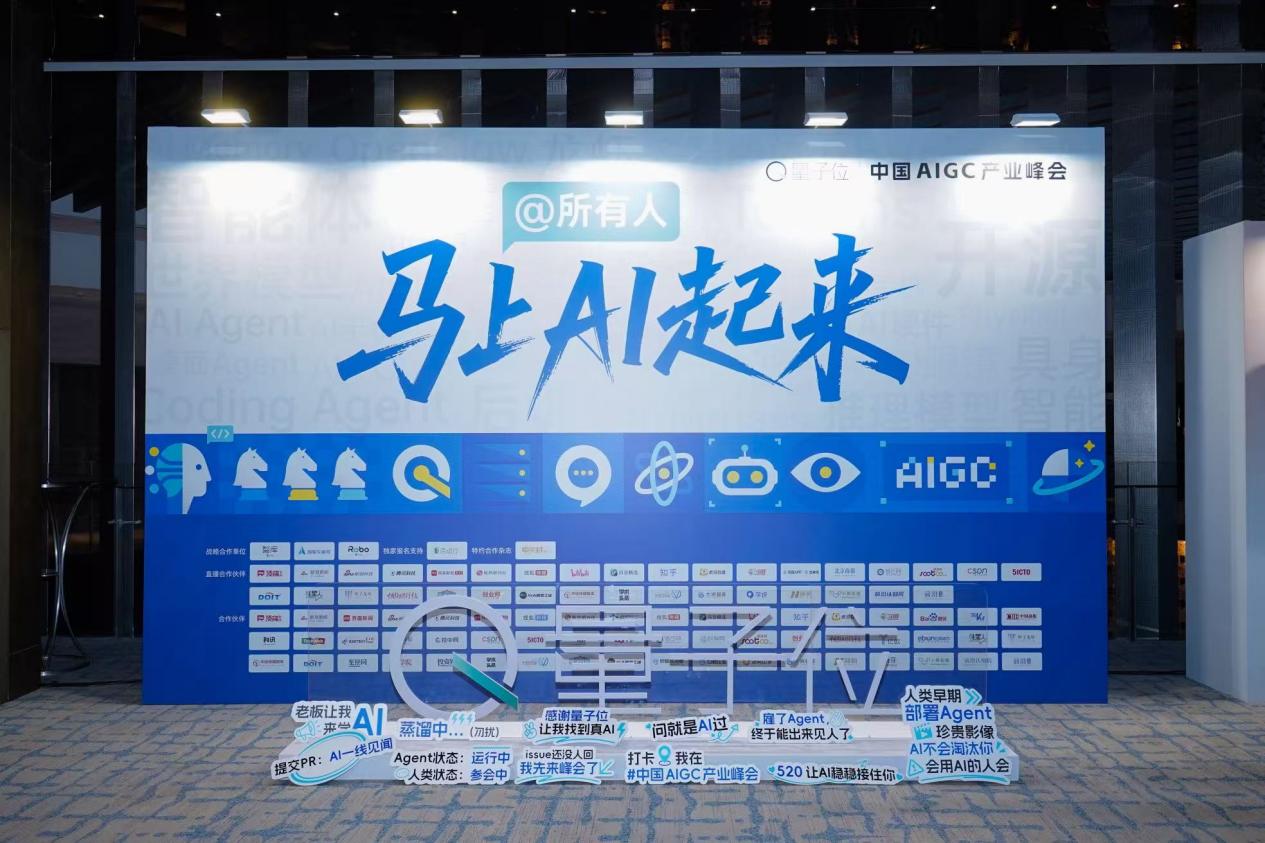
正是在这一背景下,本届大会以「@所有人,马上AI起来」为主题,集结近20位行业重磅嘉宾,联动产业头部企业、新锐创业公司、顶尖学术力量,围绕AI Agent商业化落地、多模态技术突破、千行百业场景深耕、算力基础设施变革等核心议题,开启了一场深度交流与思想碰撞。
嘉宾阵容堪称豪华:

既有昆仑万维、商汤、百度、蚂蚁、MiniMax、亚马逊云科技、京东等领军企业代表齐聚现场;也有复旦大学特聘教授邱锡鹏、香港大学助理教授黄超等顶尖学者带来前沿技术研判;还有盛大EverMind、太初元碁、风行在线、轻松健康集团、趣丸科技、ColaOS&MarsWave、EvoMap等一线实战玩家分享落地经验;以及硅谷Fusion Fund创始合伙人张璐带来AI产业与算力赛道新视角。

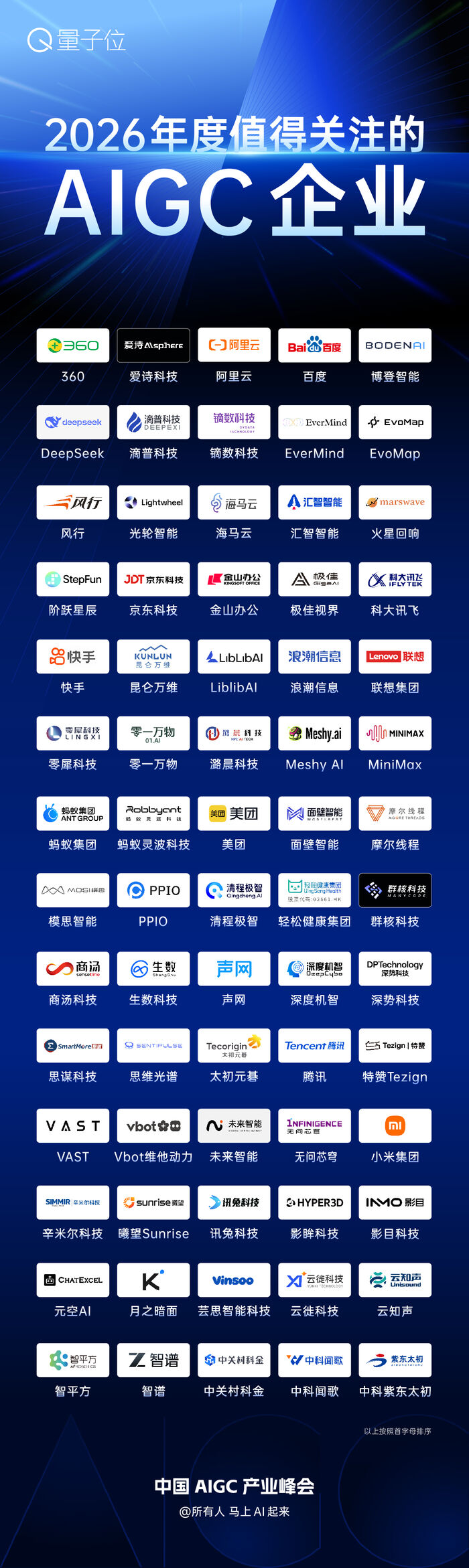
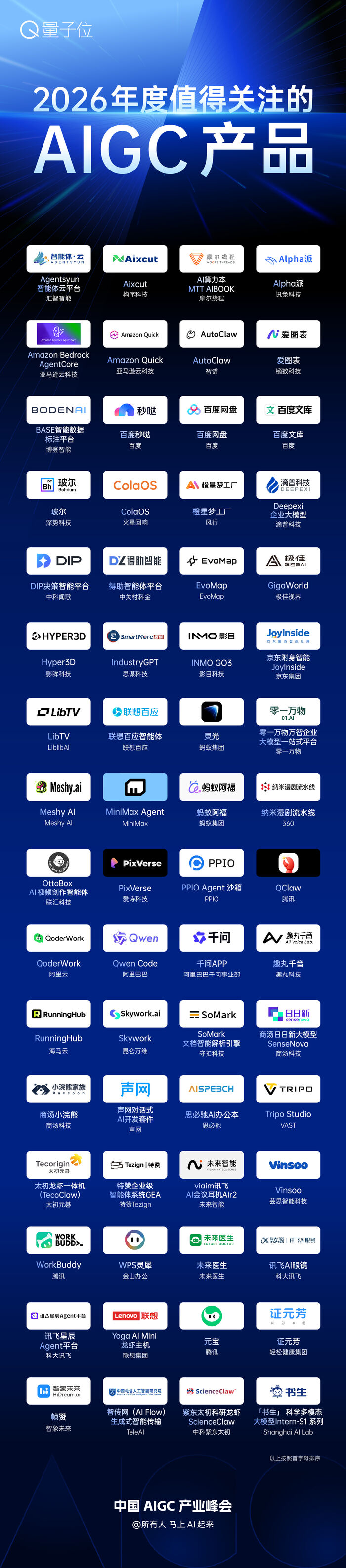
与此同时,量子位重磅揭晓了“2026年度值得关注的AIGC企业”与“2026年度值得关注的AIGC产品”两大奖项,并同步发布了《2026年中国AI应用全景图谱报告》。
锚定技术革新,洞察行业发展核心趋势

2026年,AI Agent已从行业讨论的热点,演变为企业与开发者必须直面的现实议题。本届峰会上,多位大咖从不同视角拆解了Agent落地的关键路径与挑战。

昆仑万维董事长兼CEO方汉从一线视角回答了“个人和企业如何应对Agent冲击”,他表示冲击是真实的,但关键不是要不要被冲击,而是怎么度过过渡期。

亚马逊云科技产品技术部技术总监王晓野则聚焦“跨越Agent落地鸿沟”,拆解从顶级大模型到企业级AI Agent之间的工程化挑战与解决方案。

香港大学助理教授、博士生导师黄超结合学术前沿视角,探讨了AI Agent范式变革带来的技术机遇与行业挑战。

盛大集团副总裁、EverMind CEO邓亚峰分享了长期记忆驱动的自进化技术,阐释AI如何从工具型应用,演化为可持续成长的数字生产力系统。

在Agent成为行业焦点的同时,为其提供底层支撑的大模型本身也在不断突破能力边界。

商汤科技执行副总裁、首席科学家林达华深入分析了“从多模态统一到空间智能:迈向可感知、可生成、可行动的AI新前沿”。

京东JoyInside业务负责人戴文军则将这一命题进一步推向物理世界,分享了AI从屏幕里走出来,走进真实终端、真实场景。

复旦大学特聘教授、上海创智学院院长助理、模思智能创始人邱锡鹏带来了MOSS多模态大模型最新研发成果,分享了前沿技术的优化思路。

深耕细分赛道,一线玩家分享落地实战

具体到不同领域,机会究竟何在?本次峰会上,众多AI赛道的实战玩家给出了答案。他们带来了全行业可落地、可借鉴的成熟应用案例。

风行在线CEO易正朝提出核心判断,认为从AI编程赋能开发创作,到AI视频革新内容生产,“众创才是AI生产力的核心杠杆”。

百度秒哒产品总经理朱广翔分享了“人人都是创造者”的产品理念,展示了想象力释放生产力、AI赋能普通用户降本提效的全新模式。

MiniMax ToB中国区商业化负责人胡维琦以“Intelligence with Everyone”为题,分享了MiniMax在过去一年中的真实打法与思考。

轻松健康集团执行副总裁马孝武则立足健康垂直领域,以“从循证智能体到AI驱动的健康服务增长飞轮”为题,阐述了以AI为核心的新型健康服务能力。

此外,AI基础设施的范式重构也是今年大会关注的主线之一。

Fusion Fund创始合伙人张璐立足全球资本与产业的双重视角,提出“算力叙事重构”,深度解读了从训练到推理的AI基础设施新范式。

太初元碁首席产品官、高级副总裁洪源则以“国产AI算力筑基Token智能新未来”为题,探寻国产算力适配新时代AI产业的发展路径。

GenAI Talk+Agent圆桌思辨

大咖主题演讲环节之外,大会今年还安排了一场重磅GenAI Talk和一场观点密集的Agent圆桌。

GenAI Talk环节,蚂蚁灵波科技首席科学家沈宇军与量子位联合创始人兼总编辑李根,围绕核心命题“AI 2.0下半场,从AIGC到AIGA”展开深度对谈。

对谈中,沈宇军回顾了过去几年AIGC在文本、图像、视频等领域的快速演进,并判断AI 2.0已进入下半场,正从AIGC向AIGA跃迁。

他进一步指出,当AI从数字世界走向物理世界,技术挑战与落地机遇并存,蚂蚁灵波“通用大脑”正是对这一命题的回应。在技术层面,沈宇军介绍了从空间智能、灵巧操作到环境反馈的全栈技术布局。最后,沈宇军还分享了蚂蚁灵波的开源战略,并对具身智能走入千家万户做出展望。

Agent圆桌环节,主题定为“2026,Agent产品的不确定性与非共识机遇”。

趣丸科技副总裁兼首席战略官、《屠龙之术》主理人庄明浩,ColaOS & MarsWave CEO冯雷,EvoMap创始人张昊阳同台思辨。

嘉宾们深度对比了Agent产品的迭代逻辑和传统App的差异,分享了评判Agent产品价值的核心标准,探讨了模型快速迭代下的产品决策与功能规划思路。

在此基础上,他们还预判了超级Agent与多专精协同Agent的未来发展形态,畅想了Agent生态全新协作与商业可能,解析了同质化竞争下的非共识突破口,并探讨了AI Agent规模化落地对行业从业者工作模式带来的全新变革。

2026年度值得关注的AIGC企业/产品榜单揭晓

延续往届峰会传统,本次大会现场重磅揭晓“2026年度值得关注的AIGC企业”、“2026年度值得关注的AIGC产品”双榜单。

本次评选收集到了数百份来自企业与产品团队的申报,量子位结合过去一年生成式AI企业与产品的实际表现、用户反馈与行业影响力,并参考数十位行业专家、投资人、技术负责人及产业从业者意见,评选出最终结果。

“2026年度值得关注的AIGC企业”榜单覆盖了从底层算力、基础模型到行业应用的全产业链环节。“2026年度值得关注的AIGC产品”榜单则横跨AI内容创作、智能客服、代码辅助、视频生成、企业知识管理、工业设计等多个赛道。
中国AI应用全景图谱报告发布

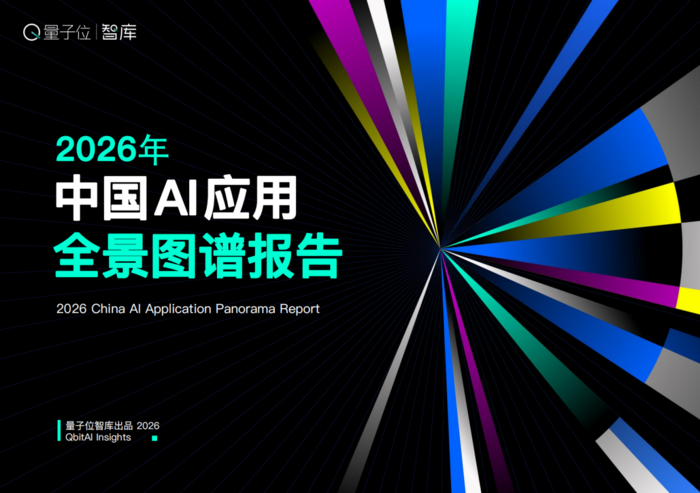
大会上,量子位智库倾力打造的《2026年中国AI应用全景图谱报告》同步对外发布,展示了国内AI应用的市场格局与发展动态,并深入剖析了最具潜力与竞争力的产品和赛道。

该报告横跨面向消费者的AI软硬件、深入千行百业的ToB垂直应用、支撑整个生态运转的底层开发层三大维度,提炼出了五条正在重塑行业的核心趋势:

AI从“回答问题”进化为“完成任务”的Agent化浪潮;各大平台争夺用户默认入口的生态化竞争;DeepSeek重新定价整个行业、技术红利向应用层转移的模型普惠化;用户付费意愿真实觉醒的商业模式跑通;以及医疗、法律、教育等B端垂直场景进入规模化渗透的深水区。
注:文/龚作仁,文章来源:Laborer,本文为作者独立观点,不代表亿邦动力立场。

【版权提示】亿邦动力倡导尊重与保护知识产权。未经许可,任何人不得复制、转载、或以其他方式使用本网站的内容。如发现本站文章存在版权问题,烦请提供版权疑问、身份证明、版权证明、联系方式等发邮件至run@ebrun.com,我们将及时沟通与处理。

已点赞

+1

{{ praise_text }}

好文章,值得被更多人看到

FAQ回顾

第四届中国AIGC产业峰会讨论了哪些核心议题?

峰会围绕AI Agent商业化落地、多模态技术突破、千行百业场景深耕、算力基础设施变革四大核心议题展开深度交流。

2026年中国AI应用全景图谱报告揭示了哪些核心趋势?

报告提炼出五大趋势:AI向Agent化演进、平台生态化竞争、模型普惠化、商业模式跑通、B端垂直场景进入规模化渗透深水区。

AI Agent落地面临哪些主要挑战?

挑战包括从顶级大模型到企业级AI Agent的工程化鸿沟、技术范式变革带来的机遇与风险,以及如何实现规模化落地并变革工作模式。

广告

下一篇

跨境电商资源对接

《全球跨境电商服务商资源手册》第二期手册现已发布,触达更多资源,了解跨境服务商信息,欢迎点击链接下载。

了解详情

小红书修订店铺分规则:好评率+负反馈形成“品质分”指标

日前,小红书更新店铺分规则,修订了“品质分”的指标定义。规则更新后,品质分将通过店铺的“综合好评指数”和“品质负反馈”来整体评估店铺的品质水平。










