• 亿邦公众号
    • APP下载

Babycare与“Babycare妈妈”的共鸣:一场关于自我成长的母亲节献礼

作者:龚作仁 文章来源:Laborer

2026-05-15 17:45

作者:龚作仁 文章来源:Laborer

2026-05-15 17:45

邦小白快读

EN
全文速览

本文介绍了母婴品牌Babycare2026年母亲节发起的主题活动,新一代宝妈可以获得这些核心干货信息:

1.本次活动核心主张为“先养妈妈,再养孩子”,精准击中很多宝妈成为母亲后自我需求被忽视、陷入情绪内耗的痛点,重构母职认知,提出妈妈首先是自己,真正的成长是母子平等并进,而非妈妈的单向牺牲。活动联合多个知名品牌发声,在杭州打造限时「Mamaland」养分乐园,还设置了疗愈体验和专属母婴服务,最终全网话题曝光破4亿,互动超100万,Babycare天猫渠道销量同比增长123%。

2.Babycare全新升级的金山茶系列产品,全部围绕减少宝妈焦虑、解放双手设计,包括奢柔瞬吸减少起夜换洗的纸尿裤、触感柔软的湿巾、解放家务的日抛一次性内裤、针对敏肌宝宝的酵素洗衣液,能很好满足宝妈科学悦己育儿的需求。

本次Babycare的营销和产品升级,给母婴品牌商带来了多维度的可参考干货,贴合当下最新的母婴消费趋势:

1.品牌营销层面,抓住新一代妈妈自我意识崛起的痛点,放弃传统歌颂母爱牺牲的旧思路,转而共情妈妈的真实情绪,重构母职叙事,通过联合多品牌发声、线下沉浸式疗愈活动、线上社媒传播的组合玩法,引发用户深度共鸣,实现了品牌声量和商业增长的闭环,获得4亿曝光、123%销量增长的成果。

2.产品研发层面,贴合母婴消费从“他者需求”向“自我关怀”转移的新趋势,提出好产品是妈妈“外骨骼”的理念,核心是帮妈妈拦截焦虑、解放心力,同时开放用户共创,邀请用户对接研发团队,用真实需求驱动产品升级。

3.用户运营层面,通过价值观共鸣构建社群认同,打造“Babycare妈妈”自发身份标签,将短期消费关系转化为长期品牌资产,目前已服务超9000万用户。

本次活动透露出母婴行业新的增长机会,卖家可以从中获得这些实操参考:

1.消费需求变化方面,当前新一代妈妈的母婴消费已经从满足孩子的“他者需求”转向自我关怀,科学悦己、解放双手、低损耗育儿类产品需求明显增长,主打这类方向的产品会获得更大增长空间,是新的入场机会。

2.营销方面,可以学习Babycare的价值观共情路线,不要过度消费“母爱牺牲”,转而抓住妈妈的真实情绪痛点,结合线上社媒传播+线下沉浸式体验活动的组合,带动用户共鸣和转化,Babycare本次实现123%的销量增长已经验证了该路径的可行性。

3.用户运营方面,可以学习用户共创研发和社群共建模式,邀请用户参与产品打磨,通过价值观认同打造用户自发的身份标签,沉淀长期复购用户,降低长期获客成本。

本次活动透露出母婴产品生产设计的新方向,工厂可以从中抓住新的商业机会,获得升级启示:

1.产品生产设计需求发生了明显变化,现在的母婴产品不再只围绕宝宝的需求设计,还要兼顾妈妈的实际需求和情绪需求,核心是帮助妈妈减少焦虑、解放双手,比如纸尿裤要做到极致柔软瞬吸,减少妈妈半夜起夜换洗的麻烦,日抛内裤要满足妈妈解放家务的需求,工厂调整设计方向才能贴合市场需求。

2.研发端可以学习从用户真实故事中挖掘需求的思路,Babycare的金山茶酵素洗衣液就是源自湿疹宝宝妈妈的真实需求,同时品牌现在越来越认可用户共创模式,工厂可以配合品牌开放用户对接环节,根据用户反馈调整生产工艺和产品设计。

3.要紧跟电商平台发布的消费洞察调整产品方向,对接贴合新趋势的品牌订单,推动自身产品升级,获得更多商业机会。

母婴行业当下出现明确的新发展趋势,服务商可以从中找到新的客户需求和业务方向:

1.行业发展新趋势,当前母婴消费已经从满足孩子的他者需求转向妈妈的自我关怀,品牌方的经营逻辑已经从只做产品功能转向兼顾情绪价值和价值观共鸣,整个行业都在迭代升级,带来了新的服务需求。

2.当前品牌方的核心痛点,很多中小母婴品牌还停留在消费“母爱牺牲”的旧营销思路,无法引发新一代妈妈的共鸣,也不知道如何调整产品研发方向,更不会搭建长期的用户社群体系,沉淀用户资产。

3.对应的解决方案:营销服务商可以帮助品牌挖掘新一代妈妈的情绪痛点,打造价值观共情的营销方案,设计线上传播加线下沉浸式体验的组合活动;产品和运营服务商可以帮助品牌搭建用户共创研发通道,搭建社群运营体系,帮助品牌完成用户沉淀,实现长期增长。

本次Babycare联合天猫品牌超级会员日的活动,给母婴平台的运营、招商带来了很多启示:

1.当前品牌商家对平台的核心需求,是希望平台能结合大促节点,整合平台资源,帮助品牌传递核心理念,实现品牌声量和销量的双重增长,本次活动就是平台和品牌双赢的典型案例。

2.平台运营优化方向:平台可以结合热门节庆节点,联合头部品牌发起符合新消费趋势的主题活动,整合流量资源帮助品牌触达目标用户,带动平台整体销售增长;同时平台可以定期发布最新的消费洞察,帮助商家把握需求方向,引导商家调整产品研发方向。

3.招商和风向规避方面,未来平台招商可以优先引入主打悦己、解放妈妈心力的母婴品牌和产品,贴合新一代妈妈的消费需求;逐步淘汰还停留在传统营销思路、产品无法满足新需求的品牌,优化平台品类结构,提升用户整体满意度。

本次Babycare的活动体现了母婴产业的多个新动向,为母婴行业研究提供了典型的新鲜案例:

1.产业新动向方面,消费端随着新一代妈妈自我意识崛起,母职叙事正在重构,推动母婴消费从“满足孩子的他者需求”转向“兼顾妈妈的自我关怀”,产业端品牌的产品设计、营销逻辑都随之发生根本性变化,整个行业正在迎来升级。

2.新商业模式探索方面,Babycare走出了“价值观共情-产品落地-社群共建”的新路径,通过抓住用户情绪痛点打造共鸣,再用符合需求的产品落地,最终通过价值观认同构建社群,把短期的营销流量转化为长期的用户资产,实现了品牌主张和商业增长的闭环,本次活动4亿曝光、123%销量增长的数据验证了该模式的可行性。

3.行业层面,该案例打破了传统母婴行业“消费母爱牺牲”的旧路径,为整个母婴行业增长提供了新动能,也为研究互联网时代消费升级和产业转型提供了很好的研究样本。

声明:快读内容全程由AI生成,请注意甄别信息。如您发现问题,请发送邮件至 run@ebrun.com 。

我是 品牌商 卖家 工厂 服务商 平台商 研究者 帮我再读一遍。

Quick Summary

This article covers the Mother's Day 2026 campaign launched by mother and baby brand Babycare, and shares key takeaways for new-generation moms:

1. The campaign centers on the core message "Care for mom first, then care for baby", which accurately addresses the widespread pain point that many moms see their own personal needs overlooked after becoming mothers, and often fall into emotional exhaustion. It reframes the understanding of motherhood, arguing that a mom is an individual first, and that true growth happens when mother and child progress equally, rather than requiring one-sided sacrifice from mom. The campaign partnered with multiple well-known brands to launch a pop-up "Mamaland" wellness park in Hangzhou, offering healing experiences and exclusive maternal and infant services. It ultimately generated over 400 million views for related hashtags across the internet, more than 1 million user interactions, and drove a 123% year-over-year sales increase for Babycare on Tmall.

2. Babycare’s newly upgraded Jinshan Tea product line is entirely designed to reduce moms’ anxiety and free up their time and energy. It includes luxuriously soft, fast-absorbing diapers that cut down on nighttime changes, soft-textured wet wipes, daily disposable underwear that eliminates extra laundry, and an enzyme laundry detergent specially formulated for sensitive-skinned babies. All products are tailored to meet modern moms’ needs for scientific, self-friendly parenting.

Babycare’s recent marketing campaign and product upgrade offers multi-dimensional actionable insights for other maternal and infant brands, aligned with the latest industry trends:

1. For brand marketing: By leaning into the rising self-awareness among new-generation moms, Babycare abandoned the traditional narrative that glorifies maternal sacrifice, and instead chose to empathize with moms’ real emotions to reframe motherhood storytelling. Through a mixed strategy of cross-brand advocacy, offline immersive healing events and online social media promotion, it sparked deep user resonance and built a closed loop between brand awareness and commercial growth, delivering 400 million impressions and a 123% sales increase.

2. For product R&D: In line with the new trend of shifting maternal and infant consumption from "child-focused needs" to "self-care for moms", Babycare introduced the concept that quality products should act as an "exoskeleton" for moms, with the core purpose of helping moms block out anxiety and free up mental energy. It also opened up user co-creation, inviting users to connect directly with its R&D team to drive product upgrades with real, on-the-ground needs.

3. For user operations: It builds community identity through value alignment, and has cultivated a spontaneous "Babycare mom" identity tag among users, transforming short-term transactional relationships into long-term brand equity. To date, Babycare has served more than 90 million users.

This campaign signals new growth opportunities in the maternal and infant industry, with the following actionable takeaways for sellers:

1. On shifting consumer demand: Maternal and infant consumption among new-generation moms has shifted from focusing solely on children’s needs to prioritizing moms’ self-care. Demand for products that enable self-friendly parenting, free up time and energy, and support low-burden parenting is growing notably. Products focused on these directions will enjoy greater room for growth, and represent a new entry opportunity for market players.

2. On marketing: Sellers can learn from Babycare’s value-driven empathy strategy. Instead of over-leveraging the narrative of maternal sacrifice, brands should target moms’ real emotional pain points, and combine online social media outreach with offline immersive experiences to drive user resonance and conversion. Babycare’s 123% sales growth in this campaign has already verified the effectiveness of this approach.

3. On user operations: Sellers can adopt Babycare’s model of user co-creation in R&D and community building, inviting users to participate in product refinement, building spontaneous user identity tags through value alignment, and accumulating long-term repeat customers to reduce long-term customer acquisition costs.

This campaign reveals new directions for maternal and infant product design and manufacturing, helping factories seize new business opportunities and gain insights for upgrades:

1. Product design and manufacturing requirements have changed notably: Modern maternal and infant products are no longer designed solely around babies’ needs; they must also accommodate moms’ practical and emotional needs, with a core focus on helping moms reduce anxiety and free up their hands. For example, diapers need to deliver extreme softness and absorbency to cut down on middle-of-the-night changes, while daily disposable underwear meets moms’ need to eliminate extra housework. Factories must adjust their design orientation to align with current market demand.

2. On the R&D side, factories can learn to tap demand from users’ real stories: Babycare’s Jinshan Tea enzyme laundry detergent was developed in response to the real needs of a mom with a baby who suffers from eczema. As more brands embrace the user co-creation model, factories can partner with brands to open up user connection channels, and adjust production processes and product designs based on user feedback.

3. Factories should adjust their product orientation based on consumer insights released by e-commerce platforms, pursue orders from brands that align with new industry trends, and push forward their own product upgrades to unlock more business opportunities.

Clear new development trends are emerging in the maternal and infant industry, allowing service providers to identify new customer demands and business directions:

1. The new industry trend: Maternal and infant consumption has shifted from focusing on children’s needs to prioritizing moms’ self-care, and brands’ operating logic has evolved from only delivering product functions to also delivering emotional value and value alignment. The entire industry is undergoing iteration and upgrading, creating new demand for third-party services.

2. Current core pain points for brands: Many small and medium-sized maternal and infant brands still stick to the outdated marketing model of capitalizing on maternal sacrifice, which fails to resonate with new-generation moms. They also lack clarity on how to adjust their product R&D direction, and do not know how to build long-term user community systems to accumulate user equity.

3. Corresponding service opportunities: Marketing service providers can help brands identify the emotional pain points of new-generation moms, build empathy-driven value-aligned marketing strategies, and design combined campaigns featuring online promotion and offline immersive experiences. Product and operation service providers can help brands build user co-creation R&D channels and community operation systems, to help brands accumulate users and achieve long-term growth.

Babycare’s campaign, run in partnership with Tmall’s Brand Super Member Day, offers a wide range of insights for operation and merchant recruitment on maternal and infant e-commerce platforms:

1. The core demand brands have from platforms is for platforms to integrate platform resources around major promotion nodes, help brands deliver their core positioning, and achieve dual growth in brand awareness and sales volume. This campaign is a classic example of a win-win outcome for both platforms and brands.

2. For platform operation optimization: Platforms can partner with leading brands to launch theme campaigns aligned with new consumption trends around popular festival nodes, integrate traffic resources to help brands reach their target users, and drive overall platform sales growth. At the same time, platforms can regularly release the latest consumer insights to help merchants grasp demand trends and guide adjustments to their product R&D directions.

3. For merchant recruitment and portfolio optimization: Going forward, platforms can prioritize onboarding maternal and infant brands and products that focus on moms’ self-care and reducing moms’ mental burden, to align with the consumption needs of new-generation moms. They can gradually phase out brands that still stick to traditional marketing thinking and fail to meet new consumer demands, to optimize the platform’s product category structure and improve overall user satisfaction.

Babycare’s campaign demonstrates multiple new trends in the maternal and infant industry, and provides a fresh, typical case for industry research:

1. On new industry trends: As self-awareness rises among the new generation of moms, narratives around motherhood are being reframed, pushing maternal and infant consumption to shift from "meeting children’s other-oriented needs" to "accommodating moms’ demand for self-care". This has driven fundamental changes to brands’ product design and marketing logic across the industry, and the entire sector is undergoing an upgrade.

2. On new business model exploration: Babycare has forged a new path of "value empathy – product delivery – community co-creation". It builds resonance by capturing users’ emotional pain points, delivers solutions with products aligned with user needs, and ultimately builds a community through shared values, converting short-term marketing traffic into long-term user equity and closing the loop between brand positioning and commercial growth. The campaign’s results – 400 million impressions and a 123% sales increase – verify the feasibility of this model.

3. At the industry level, this case breaks the traditional maternal and infant industry’s outdated path of capitalizing on maternal sacrifice, provides new growth momentum for the entire industry, and offers a valuable research sample for studying consumption upgrading and industrial transformation in the internet age.

Disclaimer: The "Quick Summary" content is entirely generated by AI. Please exercise discretion when interpreting the information. For issues or corrections, please email run@ebrun.com .

I am a Brand Seller Factory Service Provider Marketplace Seller Researcher Read it again.

“有了孩子后,我的世界仿佛只剩下他”、“每天都在焦虑和情绪内耗中度过”、“我还是我吗?”……这些是无数母亲深夜里的自我叩问,也是她们在育儿道路上真实的压力写照。

在社会对母爱长久以来的歌颂中,“伟大”与“牺牲”似乎是不可分割的关键词。然而,随着新一代妈妈自我意识的崛起,母职叙事正迎来重构:在成为母亲之前,如何安放那个同样需要需要被看见、被滋养的“自己”?

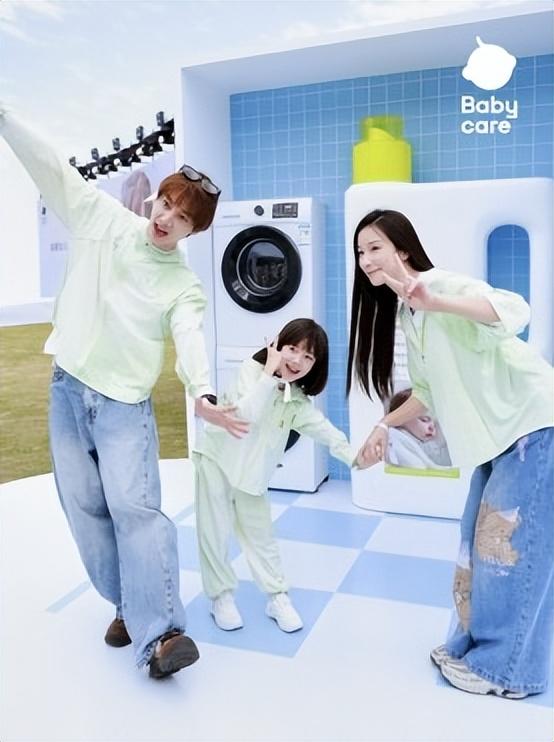
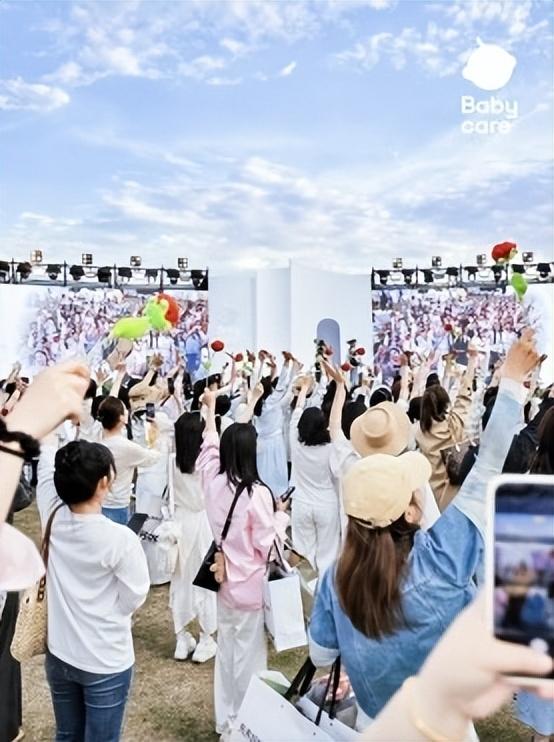
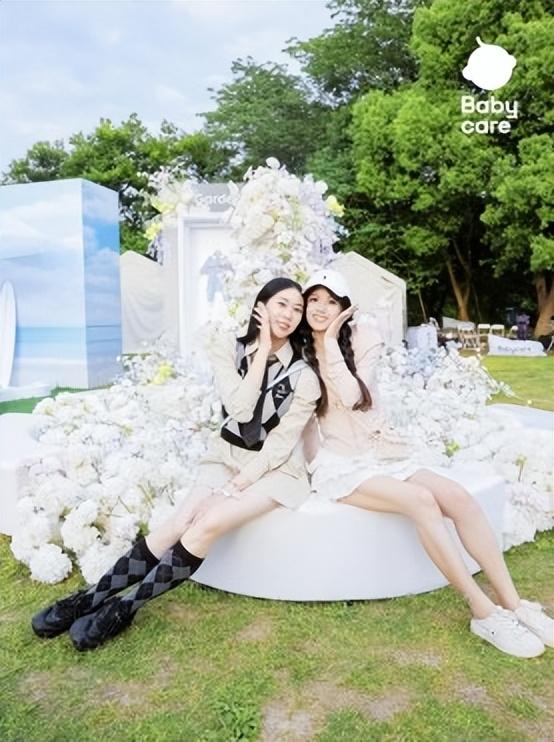
2026年母亲节,Babycare联合天猫品牌超级会员日发起「先养妈妈,再养孩子」行动,主张:在照顾孩子前,先滋养鲜活的自己。品牌不仅携手代言人郭碧婷发声,联合东边野兽、内外、上海美华妇⼉医院、三亚亚特兰蒂斯酒店、club med地中海⽩⽇⽅⾈等多个知名品牌“发声”,还在杭州打造「Mamaland」限时养分乐园,邀约全国千位妈妈共赴派对。

重构母职:从“单向牺牲”到“平等并进”

正如品牌TVC所言:“当爱在妈妈身上充盈,才会自然地流向孩子。” 从代言人到万千用户,“Babycare妈妈”们正在达成共识:她们是母亲,但首先是自己。真正的成长不是单向牺牲,而是母子间平等的共同并进。这一主张成功引发妈妈们的深度共鸣,截至5 月12日,全网话题曝光破4 亿,互动超100万。更具商业价值的是,Babycare天猫渠道销量同比增长123%,实现了品牌主张与商业爆发的完整闭环。
更好的设计,让母婴产品成为妈妈的“外骨骼”

在此次Mamaland活动现场,一场以《先养妈妈,再养孩子》为主题的圆桌论坛,更是引发了行业深度关注。

天猫母婴亲子行业总经理Lisa从平台视角分享了最新的消费洞察:她指出,当前的母婴消费正经历从“他者需求”向“自我关怀”的权力转移,新一代妈妈正通过“科学悦己”重塑育儿生活,解放双手、低损耗育儿类产品需求显著增长。

Babycare首席增长官Lillian则用一个生动的比喻阐释了Babycare的产品哲学:“好的设计应该是妈妈的‘外骨骼’,它帮妈妈挡掉80%的琐碎,让妈妈有心力去养好那100%的自己。”
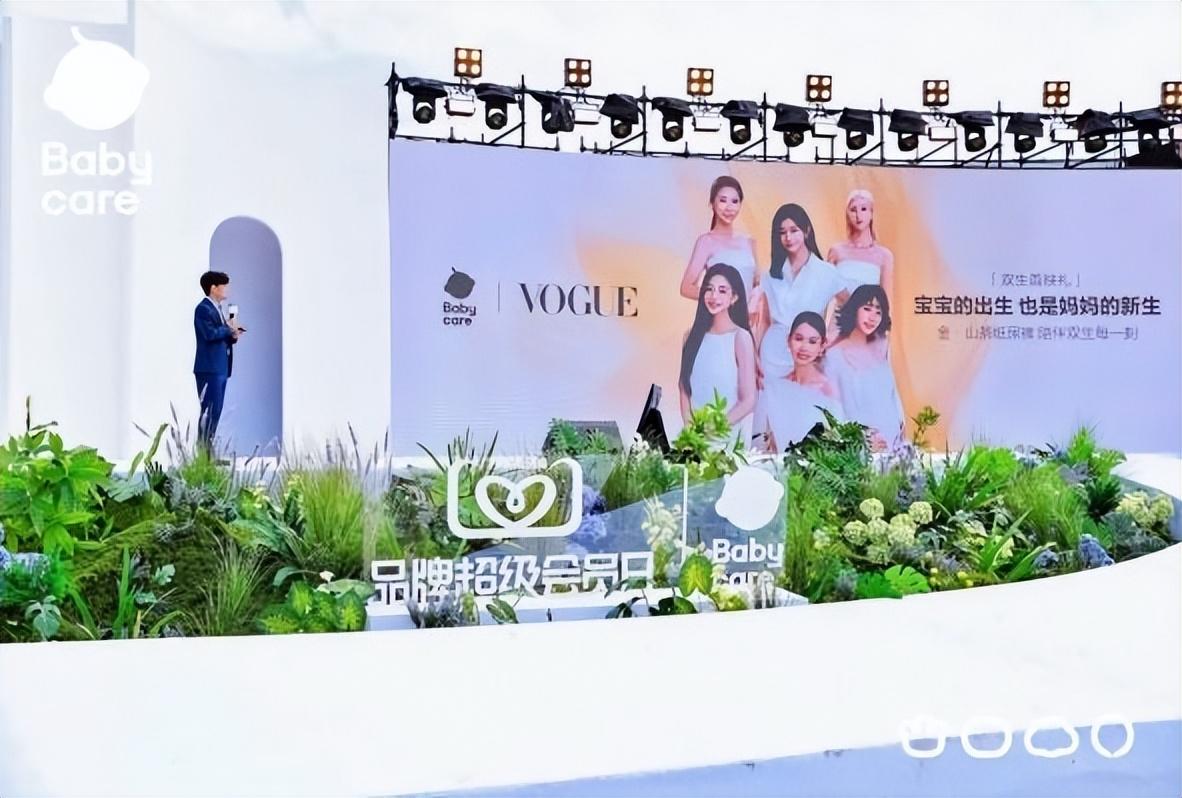
这一理念,在近期重磅升级的「金山茶」系列中得到体现。

以金山茶新生柔纸尿裤为例,其面层纤维升级至0.6D,奢柔度提升43%,追求极致瞬吸与奢柔。其研发逻辑不只是呵护宝宝,更是为了让妈妈免于半夜起夜与换洗焦虑。极致的产品力,本质是“拦截焦虑”。

同样,全新升级的金山茶湿巾,通过创新的木浆纤维复合结构和微立体山茶花压花工艺,在保证清洁力的同时,将柔软触感提升到新的高度。这不仅是对宝宝娇嫩肌肤的呵护,也是让妈妈在每一次擦拭中,自己的双手也能被温柔以待。

最具颠覆性的,或许是金山茶日抛裤(一次性内裤)。Babycare以远超一次性用品的标准来打造这款产品,以专研面料与高标洁净度重塑品类。那句“抛掉洗内裤这件小事,做让你开心的大事”,精准切中孕哺期及日常解放双手的刚需。

此外,首次亮相的金山茶原生柔酵素洗衣液,则源于一个湿疹宝宝妈妈的故事。为了让敏肌宝宝穿衣更舒适,Babycare研发了这款经德国Dermatest“五星Excellent”权威评级的洗衣液,其添加的法式山茶精粹和植物柔软蛋白,确保衣物多次洗涤后依旧柔软。这背后,是体恤妈妈对细节的每一份牵挂。

在活动现场,Babycare还通过“产品经理营业了”栏目,邀请用户与研发团队面对面,让“共创”真正驱动好设计。
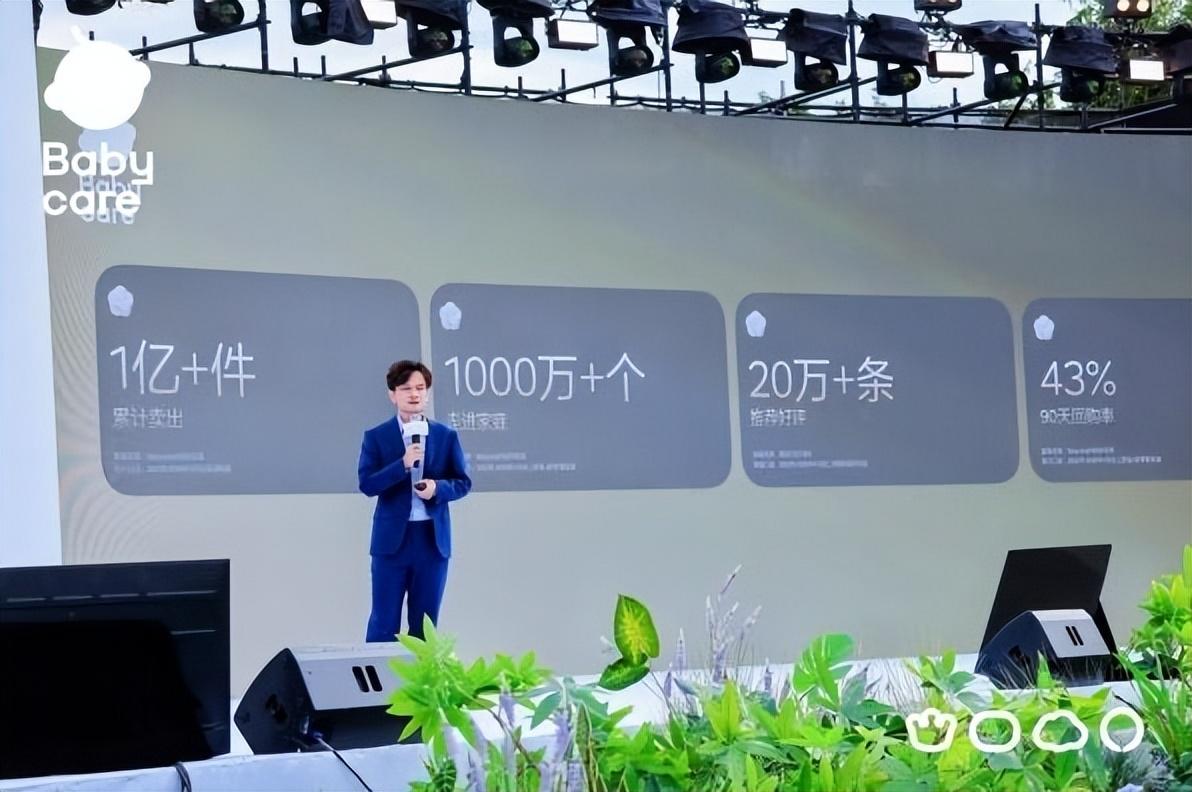
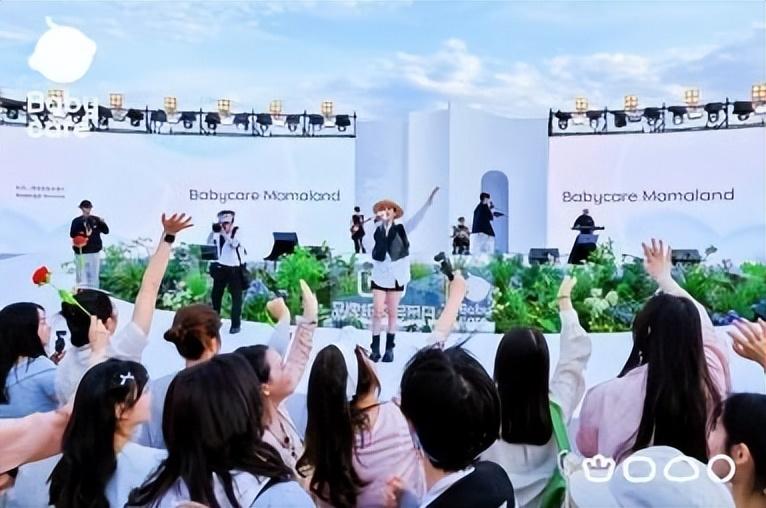
值得一提的是,不同于形式化的节庆,这场Mamaland活动更像是一场沉浸式“疗愈”:通过徒步、音乐与真实妈妈故事展,让妈妈们从琐碎中抽离,找回养好自己的能量。Babycare更是将关怀落于细节,现场配置了专业通乳师、移动母婴室及医疗站。这种“无声的语言”宣告:在Mamaland,妈妈的需求被预先看见,而非仅仅作为孩子的附属。

「Babycare妈妈」:从个体共情到社群共建的价值认同

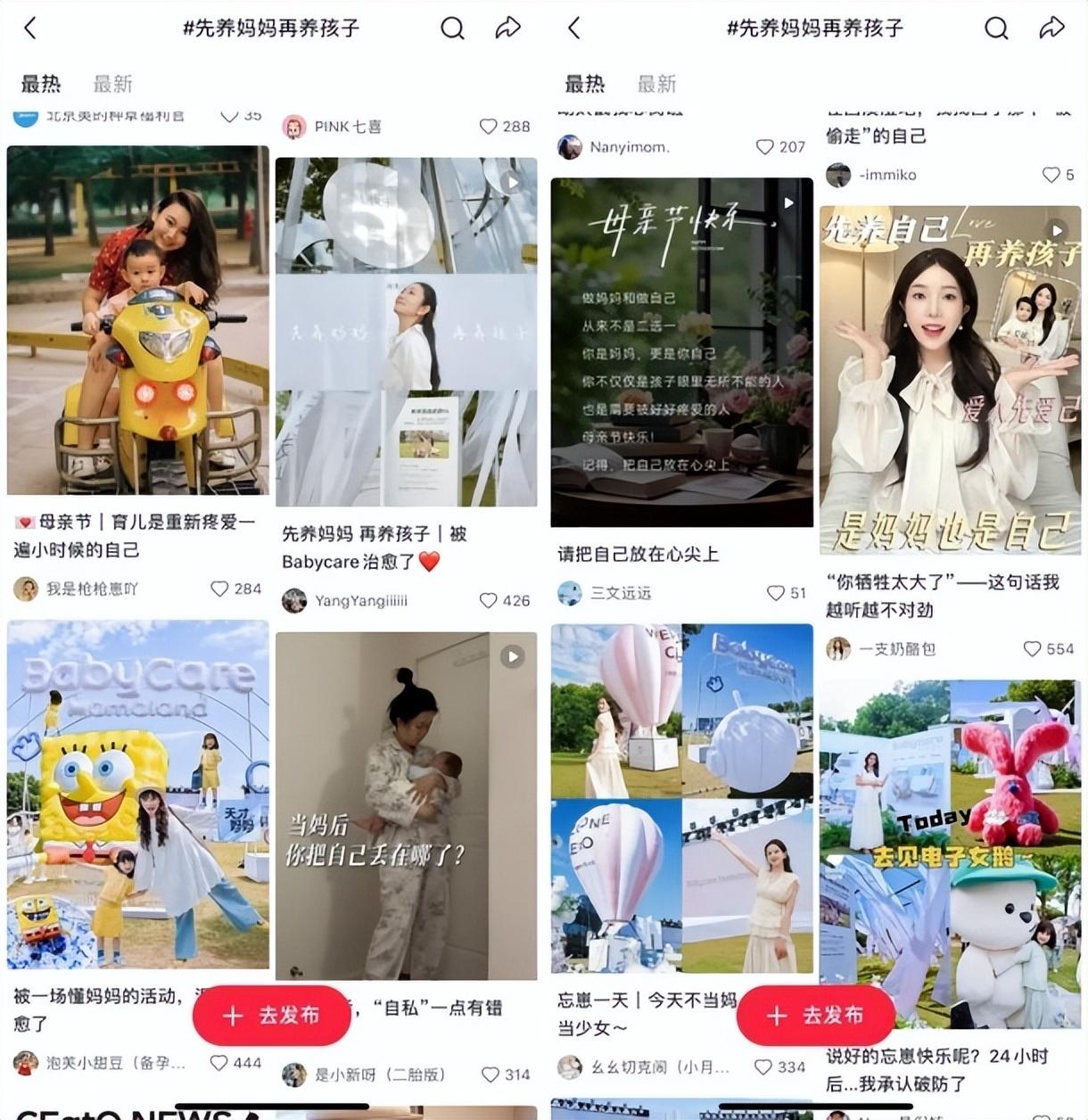
当多数品牌仍在“消费”母爱时,Babycare选择通过共情去“投资”母亲。通过搭建讲述平台,品牌不仅治愈了个体情绪,更构建起深度的社群认同。「我是Babycare妈妈」成为社媒上自发的身份标签,大量用户发帖,分享自己的感想与体验,为品牌及产品进行口碑代言。
在天猫品牌超级会员日,Babycare将理念回归产品:好的母婴产品应致力于解放妈妈心力,支持其“养好自己,养好孩子”。 截至2025年底,Babycare已服务超9000万用户。通过功能、情绪与价值观的领先设计,品牌正将瞬时的消费关系转化为无法替代的长期资产。“先养妈妈,再养孩子”——这不只是口号,更是引领行业增长的新动能。

注:文/龚作仁,文章来源:Laborer,本文为作者独立观点,不代表亿邦动力立场。

【版权提示】亿邦动力倡导尊重与保护知识产权。未经许可,任何人不得复制、转载、或以其他方式使用本网站的内容。如发现本站文章存在版权问题,烦请提供版权疑问、身份证明、版权证明、联系方式等发邮件至run@ebrun.com,我们将及时沟通与处理。

已点赞

+1

{{ praise_text }}

好文章,值得被更多人看到

FAQ回顾

Babycare在2026年母亲节发起的“先养妈妈,再养孩子”行动具体有哪些内容?

该行动由Babycare联合天猫品牌超级会员日发起,内容包括:联合多个品牌共同发声,在杭州打造限时“Mamaland”养分乐园,邀请千位妈妈参加派对,并举办主题圆桌论坛。活动旨在通过产品体验和社群互动,支持妈妈们的自我滋养。

Babycare金山茶系列产品有哪些核心升级,它们如何帮助妈妈?

金山茶系列产品升级包括:新生柔纸尿裤面层纤维升级至0.6D,奢柔度提升43%;湿巾采用创新木浆纤维复合结构;日抛裤以高标洁净度重塑品类;原生柔酵素洗衣液获得德国Dermatest五星评级。这些设计旨在解放妈妈双手,减少育儿焦虑。

Babycare如何通过社群运营构建品牌认同?

Babycare通过搭建讲述平台,鼓励用户分享体验,使“我是Babycare妈妈”成为自发的社媒身份标签。品牌还通过“产品经理营业了”等栏目让用户与研发团队面对面,实现产品共创,从而将消费关系转化为长期的社群价值认同。

广告

下一篇

跨境电商资源对接

《全球跨境电商服务商资源手册》第二期手册现已发布,触达更多资源,了解跨境服务商信息,欢迎点击链接下载。

了解详情

天猫上线“天猫设计家”:用AI标准化5000项工艺,终结家装供应链割裂顽疾

5月15日,天猫推出行业首个AI家装操作平台“天猫设计家”,提供AI设计、施工工艺、全品类供应链、施工履约、担保交易等一整套标准化能力。

未来零售

2026-05-15 16:51:20