• 亿邦公众号
    • APP下载

追觅全球卖爆的背后 藏着一套用户洞察法则

作者:龚作仁 文章来源:Laborer

2026-05-15 13:55

作者:龚作仁 文章来源:Laborer

2026-05-15 13:55

邦小白快读

EN
全文速览

本文核心介绍了连续8年实现100%增长的科技品牌追觅的爆品增长逻辑,核心干货是可参考的用户洞察做产品的实操方法。

1.追觅的核心增长逻辑是用户洞察驱动产品创新,进入新市场前依靠本地团队调研不同市场的生活方式、居住结构、消费偏好,制定“一市一样”的策略,从用户真实未被满足的需求反向定义产品。

2.实操落地中,要把用户洞察贯穿从立项、研发到上市销售全环节,针对不同场景做产品调整,比如针对西南欧多楼层推出爬楼扫地机,针对北美地毯需求推出洗吸一体洗地机。

3.追觅搭建了统一可复用的技术底座,支持核心技术快速迁移到不同品类,坚持“N+1”逻辑,每个产品都多做一个痛点突破,持续孵化爆品。

追觅的全球多赛道增长经验,给品牌做全球布局、产品研发和用户运营提供了完整参考。

1.用户洞察层面,出海布局不要做同质化产品,要挖掘不同区域用户的本质痛点,而非停留在表面需求,依靠本地团队拿到真实需求,再适配产品,契合差异化消费趋势。

2.产品研发层面,坚持全链路以用户为中心,从立项到销售都融入用户视角,采用“N+1”产品逻辑,在行业现有能力基础上,新增一个解决核心痛点的技术突破,打造差异化竞争力。

3.长期能力建设层面,需要搭建统一可迁移复用的底层技术底座,降低新品类研发成本,快速落地产品,形成体系化的爆品孵化能力,摆脱对单一爆款的依赖。

对于想要出海拓展增长的卖家来说,追觅的经验给出了明确的机会方向和可学习的实操方法。

1.机会层面,全球不同区域市场存在大量未被满足的差异化需求,哪怕是成熟的清洁、厨电、空调品类,也有很多传统产品没有解决的痛点,存在很多改造创新的增长空间,多品类多市场布局是可行的增长路径。

2.可学习的方法,进入新市场不要直接照搬已有产品,要先做本地化用户调研,挖掘用户真实痛点,反向定义产品,走差异化路线,避免陷入同质化价格竞争。

3.能力打造上,可以学习追觅的技术迁移思路和“N+1”产品逻辑,依托核心能力快速拓展新品类,打造持续的爆品孵化能力,实现稳定增长,而非依赖单一爆款或渠道红利。

追觅的发展模式给想要做自有品牌、拓展海外市场的工厂提供了多方面的启示。

1.产品生产设计方向,要转变传统思路,从“现有产品推用户”转向“从不同市场用户需求反向定义产品设计”,充分考虑不同区域用户的居住结构、使用习惯,做差异化的产品设计,适配本地化需求。

2.商业机会层面,全球市场还有大量传统品类的核心痛点没有被解决,工厂可以依托自身的制造优势,结合用户洞察切入新赛道,打开新的增长空间,摆脱同质化代工的低利润困境。

3.能力升级启示,工厂可以推进核心技术沉淀,打造可复用迁移的技术底座,实现核心技术在不同品类的复用,降低新品研发的成本和周期,提升新品落地的成功率,推进自身数字化和品牌化升级。

从追觅的全球增长,可以看出当前科技家电出海行业的发展趋势,以及品牌方的核心痛点,给服务商指明了业务方向。

1.行业发展趋势,当前全球科技家电行业已经从过去的渠道红利驱动、单一爆款驱动,转向用户洞察驱动加技术驱动的体系化增长,差异化创新、多品类全球布局成为主流的增长方向,对专业服务的需求越来越高。

2.品牌方的核心痛点,一是出海过程中难以准确掌握不同区域市场的用户真实需求,本地化洞察能力不足;二是拓展新品类的研发成本高、周期长,缺少快速把需求转化为产品的能力。

3.服务商的业务机会,可以针对品牌痛点推出对应解决方案,比如为出海品牌提供本地化用户研究、消费数据洞察服务,也可以提供底层技术平台服务,帮助品牌降低研发门槛,加快新品落地速度。

追觅的体系化增长模式,给平台的招商、运营管理以及风险规避都提供了参考方向。

1.招商方向,平台可以重点引入具备用户洞察能力和底层可迁移技术能力的品牌,这类品牌能够持续孵化爆品,实现长期稳定增长,相比依赖单一爆款的品牌价值更高,同时也可以重点引入做全球差异化创新的品牌,丰富平台的品类供给,满足不同用户需求。

2.运营服务需求,出海品牌普遍需要本地化用户数据支持,平台可以为入驻品牌提供不同区域市场的用户消费习惯、居住特征相关的数据服务,帮助品牌更快找准用户痛点,提升创新成功率。

3.风险规避,平台要警惕过度依赖单一爆款、同质化产品的品牌,这类品牌增长不可持续,容易带来流量和营收波动,要引导品牌走差异化创新的长期增长路线,规避同质化内卷的风险。

追觅的连续高增长模式,是当前中国科技品牌出海的典型新样本,为产业研究提供了很多新的内容。

1.产业新动向,过去国内科技企业的增长大多依赖单一爆款、渠道红利或者时代周期,追觅代表了一种新的体系化增长模式,核心是用户洞察加可迁移技术底座,能够支撑企业在多个新赛道持续落地产品,实现多年连续高速增长。

2.新商业模式特征,这种模式的核心是构建可复用、可迁移、可外溢的技术生态,配合全链路用户洞察的方法论,解决了传统企业拓展新品类成功率低、周期长的问题,能够持续打开新品类边界。

3.研究启示,这种模式对于研究中国科技品牌出海的增长逻辑、传统制造企业升级路径、多品类企业的能力搭建都有重要的参考价值,为后续相关研究提供了真实的成功案例,值得深入研究体系化能力的搭建路径。

声明:快读内容全程由AI生成,请注意甄别信息。如您发现问题,请发送邮件至 run@ebrun.com 。

我是 品牌商 卖家 工厂 服务商 平台商 研究者 帮我再读一遍。

Quick Summary

This article unpacks the growth strategy behind Dreame, a tech brand that has achieved 100% year-over-year growth for 8 consecutive years, with a focus on actionable, replicable methods for building products rooted in user insights.

1. Dreame’s core growth model centers on user insight-driven product innovation. Before entering a new market, its local teams conduct in-depth research on regional lifestyles, housing structures, and consumer preferences to develop market-specific strategies, reverse-defining products based on unmet real user needs.

2. This user-centric approach is integrated into the full product lifecycle, from project initiation and R&D to go-to-market and sales, with tailored adjustments for different use cases. For example, the company launched a stair-climbing robot vacuum for Southern European markets where multi-story homes are common, and a wet-dry cleaner designed for carpet cleaning to meet North American demand.

3. Dreame has built a unified, reusable technology infrastructure that enables quick migration of core technologies across different product categories. It follows an "N+1" product principle: every new product delivers at least one additional breakthrough to solve a key pain point, enabling consistent incubation of hit products.

Dreame’s experience of multi-category growth across global markets provides a comprehensive reference for brands pursuing global expansion, product R&D, and user operations.

1. For user insight work: Instead of launching one-size-fits-all homogeneous products for global expansion, brands should dig into the fundamental pain points of users in different regions, rather than stopping at surface-level demand. Rely on local teams to capture authentic needs, then adapt products to align with differentiated consumer trends.

2. For product R&D: Maintain a full-lifecycle user-centric approach, integrating user perspectives from project initiation through post-launch sales. Adopt the "N+1" product logic: build on existing industry capabilities, add one technical breakthrough to solve a core pain point, and build differentiated competitive advantages.

3. For long-term capability building: Brands need to build a unified, reusable and migratable underlying technology infrastructure to cut R&D costs for new categories, speed up product launches, and develop a systematic hit product incubation capability that reduces reliance on single breakout products.

For sellers looking to drive growth via cross-border expansion, Dreame’s experience offers clear direction for opportunity-seeking and actionable best practices to learn from.

1. On opportunity: Large untapped differentiated demand exists across regional markets globally. Even mature categories like cleaning appliances, kitchen appliances, and air conditioning still have unaddressed pain points in traditional products, leaving plenty of room for innovation and growth. A multi-market, multi-category expansion strategy is a viable growth path.

2. On replicable methods: When entering a new market, do not simply replicate existing products. Conduct local user research first to uncover authentic pain points, reverse-define products based on those insights, and pursue a differentiation strategy to avoid homogeneous price competition.

3. On capability building: Sellers can adopt Dreame’s approach to technology migration and "N+1" product logic, leverage core competencies to expand into new categories quickly, and build sustainable hit product incubation capabilities to deliver stable growth, rather than relying on a single breakout product or channel dividends.

Dreame’s growth model offers multiple actionable insights for factories looking to build their own brands and expand into overseas markets.

1. On product design and manufacturing direction: Shift away from the traditional model of "pushing existing products to users", and adopt the approach of "reverse-defining product design based on user needs from different markets". Factories should fully account for regional differences in housing structures and usage habits, develop differentiated product designs, and adapt to localized demand.

2. On business opportunities: Large core pain points remain unaddressed in many traditional categories across global markets. Factories can leverage their manufacturing advantages, combine user insights to enter new tracks, open up new growth space, and escape the low-margin trap of homogeneous OEM manufacturing.

3. On capability upgrading insights: Factories should work to accumulate core technologies and build a reusable, migratable technology infrastructure to enable core technology reuse across different product categories. This reduces the cost and development cycle of new products, improves new product launch success rates, and drives digital and branded transformation.

Dreame’s global growth reveals current development trends in the global tech home appliance cross-border sector, as well as the core pain points of brands, pointing out clear business directions for service providers.

1. On industry development trends: The global tech home appliance industry has shifted from growth driven by channel dividends and single hit products to systematic growth driven by the combination of user insights and core technology. Differentiated innovation and multi-category global expansion have become the mainstream growth direction, leading to rising demand for professional third-party services.

2. On core pain points for brands: First, many brands struggle to accurately capture authentic user needs in different regional markets during cross-border expansion, and lack robust local insight capabilities. Second, expanding into new categories brings high R&D costs and long development cycles, and many brands lack the ability to quickly convert user needs into finished products.

3. On business opportunities for service providers: Service providers can develop targeted solutions to address these brand pain points. For example, they can offer localized user research and consumer data insight services for cross-border brands, or provide underlying technology platform services to help brands lower R&D barriers and speed up new product launches.

Dreame’s systematic growth model provides a useful reference for platforms in merchant recruitment, operations management, and risk mitigation.

1. On merchant recruitment direction: Platforms should prioritize onboarding brands with strong user insight capabilities and underlying migratable technical capabilities. These brands can consistently incubate hit products and deliver long-term stable growth, creating higher value than brands reliant on single breakout products. Platforms should also prioritize brands pursuing global differentiated innovation to enrich category selection and meet diverse user needs.

2. On operational service demand: Cross-border brands generally need localized user data support. Platforms can provide入驻 brands with data on user consumption habits and housing characteristics across different regional markets, helping brands quickly identify user pain points and improve innovation success rates.

3. On risk mitigation: Platforms should be wary of brands overly reliant on single hit products and homogeneous products, as their growth is unsustainable and prone to causing traffic and revenue volatility. Platforms should guide brands to pursue long-term growth via differentiated innovation to avoid the risk of homogeneous cutthroat competition.

Dreame’s model of consecutive high-growth performance is a typical new case study of Chinese tech brand global expansion, offering many new insights for industry research.

1. On new industry trends: In the past, growth for most Chinese tech companies relied on single hit products, channel dividends, or favorable industry cycles. Dreame represents a new systematic growth model, centered on the combination of user-centric insight and a migratable technology infrastructure. This model enables companies to continuously launch products across multiple new tracks and maintain rapid growth for multiple consecutive years.

2. On characteristics of this new business model: The core of this model is building a reusable, migratable, spillover-friendly technology ecosystem, paired with a full-lifecycle user insight methodology. It solves the longstanding problems of low success rates and long development cycles for traditional enterprises expanding into new categories, and enables continuous expansion into new product categories.

3. On research implications: This model offers significant reference value for research on the growth logic of Chinese tech brands going global, the upgrading path for traditional manufacturing enterprises, and capability building for multi-category enterprises. It provides a real-world successful case for future related research, and the path to building systematic capabilities under this model is worthy of in-depth exploration.

Disclaimer: The "Quick Summary" content is entirely generated by AI. Please exercise discretion when interpreting the information. For issues or corrections, please email run@ebrun.com .

I am a Brand Seller Factory Service Provider Marketplace Seller Researcher Read it again.

作为连续8年实现100%增长的科技公司,如今的追觅早已形成了一种体系化的增长能力。从扫地机、洗地机,到空调、小厨电、割草机器人,追觅几乎在每一个进入的新赛道里,都成功完成了产品落地,并在全球市场跑出了增长。

这种体系化的增长背后,追觅真正建立起来的是一套“用户洞察驱动产品创新”的底层逻辑。

对追觅而言,面向全球市场做产品需要持续理解不同市场背后的生活方式、居住结构与消费偏好,再反向定义产品。在进入一个新市场之前,追觅通常会依靠本地“百事通”团队洞察消费者偏好,制定“一市一样”的策略。

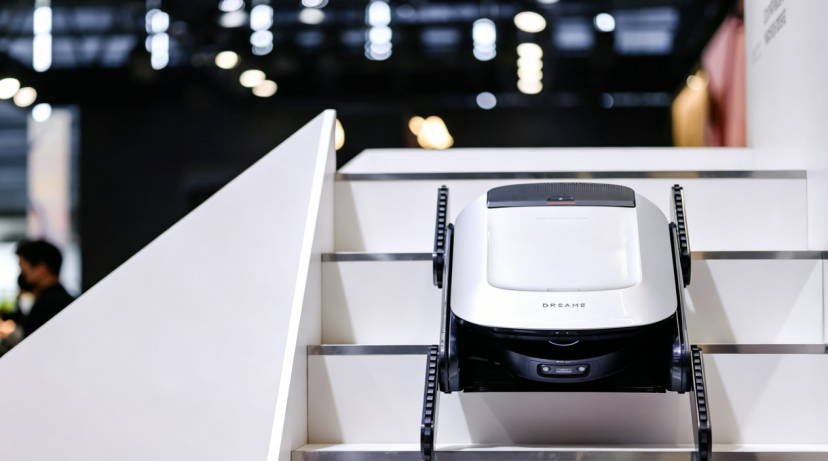
以核心业务扫地机为例,在西南欧,追觅看到的是大量多层独栋别墅。面对这种典型居住结构,传统扫地机提供的解决方案是“一层一台”——每层放一个机器人。但用户真正想要的,是更简单、更完整的全屋清洁体验。

在洞察到用户需求的本质后,追觅开始围绕“跨楼层清洁”这一场景重新定义产品逻辑,最终推出了仿生六足履带爬楼扫地机器人Cyber X。它具有高兼容性、强大爬楼能力、安全性与导航能力,可从容应对多种复杂楼梯及家庭清洁环境。一台设备即可完成多楼层清洁,让用户彻底告别“一层一台”的麻烦。
在洗地机领域,这种“用户洞察驱动产品演进”的逻辑同样成立。北美地区的家庭以大面积地毯铺设为主,这一习惯对清洁设备的适配性提出了更高要求。长期以来,传统洗地机的“地毯禁区”一直无法突破,它们只能清洗硬质地面,却无法兼顾地毯深层清洁,用户不得不额外购买吸尘器来完成工作,清洁效率大打折扣。

这意味着用户真正的问题从未被解决。于是追觅开始重新思考洗地机的产品边界,并围绕地毯场景开发专用地毯刷头与“洗+吸一体”方案,让洗地机不仅能湿拖硬地,还能完成地毯深层吸尘。凭此技术,追觅洗地机也成为北美市场唯一能够实现“洗+吸一体”的产品。

更重要的是,在追觅内部,这种“从用户需求反推产品定义”的能力,不只存在于某一个核心业务中,已经成为贯穿所有业务线的底层方法论。

从产品立项、研发,到功能定义、上市销售,追觅始终坚持以用户为中心,并将用户视角深度融入每一个环节。不同市场用户的生活方式、居住结构、消费习惯,都会直接影响产品最终的形态。

比如在西南欧,追觅空调没有直接切入传统壁挂空调市场,而是从更符合当地使用习惯的移动空调切入,用3合1便携式产品去适配卧室、书房、办公室等紧凑型场景。

厨电领域,在欧洲市场,追觅则发现传统空气炸锅普遍存在笨重、不透明、涂层焦虑等问题。于是,PT60空气炸锅采用透明玻璃、0涂层、双锅切换与便携化设计,颠覆了“空气炸锅只能待在厨房”的传统认知。

在割草机产品上,针对海外庭院复杂地形,追觅A3 AWD PRO通过激光雷达和双 1080P HDR 摄像头,实现对300余种庭院障碍物的识别与避让,并结合四驱系统与80%爬坡能力,解决复杂地形下的自动化割草问题。

这种对用户需求的深刻洞察和对产品的定义能力,让追觅的成功开始形成一种系统性的“爆品孵化能力”。但仅仅理解用户,其实远远不够,真正困难的是:如何把用户需求快速转化为产品创新。而这背后,则离不开追觅长期积累的统一技术底座。

高速数字马达、智能算法、仿生机械臂、全域智能芯片,共同构成了追觅“动力—智能—交互—算力”的生态技术平台。这意味着,每进入一个新品类,追觅都是在已有技术积累上快速完成迁移与落地。
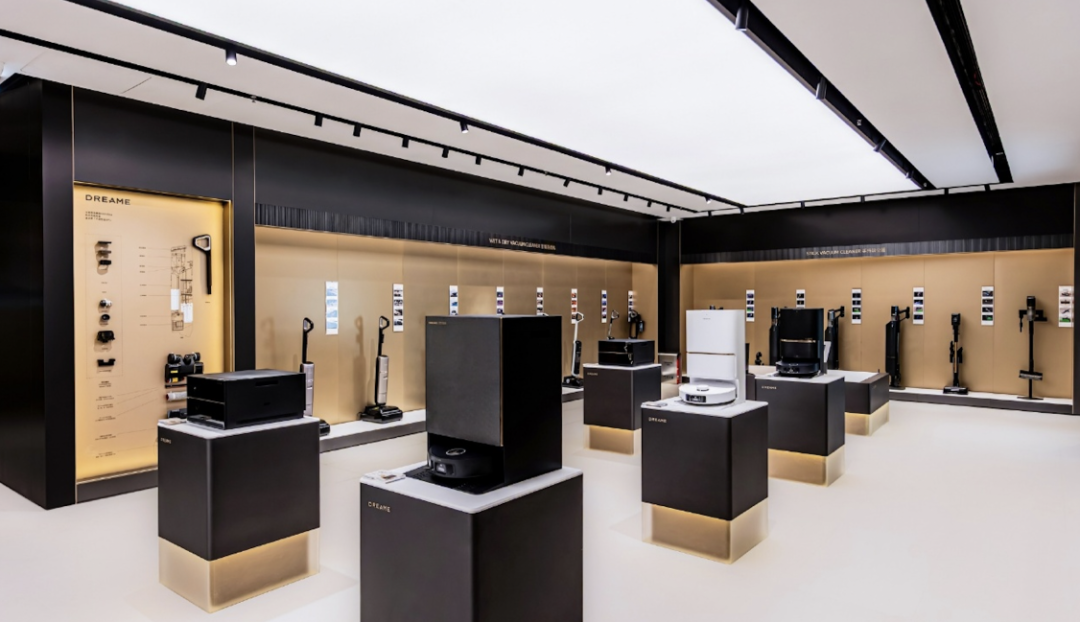
更重要的是,追觅始终坚持“N+1”的产品逻辑——在行业已有能力之外,再增加一个真正解决用户痛点的技术突破。

追觅割草机就是最典型的案例,它把车规级多线激光雷达迁移到了割草机场景,用更强的感知和算法能力解决复杂庭院环境问题。如今,在西南欧和东北欧多个国家,追觅割草机成为智能割草机器人品类出货量第一的“明星单品”。

仿生机械臂技术的“平台化”则更加典型。

在扫地机上,它解决边角清洁最后一段距离;在洗地机上,它演化为EdgeHunter巡边探洗臂,解决“看得见却擦不到”的沿边清洁问题;到了洗碗机上,它又升级为AI全域机械臂喷淋技术,通过主动控制喷淋替代传统被动旋转喷淋。

这恰恰是追觅最特别的地方:基于底层技术基座,将已验证的核心能力持续迁移到不同赛道。本质上,是在持续构建一套可复用、可迁移、可外溢的技术生态。

如果说过去很多企业的增长,更依赖于单一爆款、渠道红利或者时代周期。那么追觅正在形成的,则是一种更加长期的能力:在全球不同市场持续理解用户,再把这些需求快速转化为产品创新。而这或许才是追觅能够连续多年高速增长,并持续打开新品类边界的真正原因。


注:文/龚作仁,文章来源:Laborer,本文为作者独立观点,不代表亿邦动力立场。

【版权提示】亿邦动力倡导尊重与保护知识产权。未经许可,任何人不得复制、转载、或以其他方式使用本网站的内容。如发现本站文章存在版权问题,烦请提供版权疑问、身份证明、版权证明、联系方式等发邮件至run@ebrun.com,我们将及时沟通与处理。

已点赞

+1

{{ praise_text }}

好文章,值得被更多人看到

FAQ回顾

追觅科技如何通过用户洞察来定义新产品?

追觅通过本地团队深入理解不同市场的居住结构和消费偏好,反向定义产品。例如,针对西南欧多层别墅,推出能跨楼层清洁的仿生六足履带爬楼扫地机器人Cyber X;针对北美家庭地毯,开发了能实现“洗吸一体”的洗地机。

追觅科技有哪些核心技术支持其产品创新?

追觅构建了“动力—智能—交互—算力”的统一技术底座,包括高速数字马达、智能算法、仿生机械臂和全域智能芯片。这些技术可跨品类迁移,如在割草机上应用车规级激光雷达,在洗碗机上应用AI全域机械臂喷淋技术。

追觅科技在哪些海外市场取得了成功?

追觅的产品在全球多个市场获得成功。其智能割草机器人在西南欧和东北欧多国成为品类出货量第一;洗地机是北美市场唯一实现“洗吸一体”的产品;空调和厨电也根据欧洲本地习惯进行了针对性创新。

广告

下一篇

跨境电商资源对接

《全球跨境电商服务商资源手册》第二期手册现已发布,触达更多资源,了解跨境服务商信息,欢迎点击链接下载。

了解详情

靠投资AI一把回血 名创优品Q1赚到了2025全年的钱

名创优品集团(NYSE:MNSO;HKEX:9896)发布截至2026年3月31日季度的正面盈利预告,预计2026年第一季度实现收入约56.78亿元至57.28亿元,同比增加约28%至29%