



• 亿邦公众号
    • APP下载

智元彭志辉:具身智能体是AI时代最大的Token消费者

作者:龚作仁 文章来源:Laborer

2026-05-14 12:49

作者:龚作仁 文章来源:Laborer

2026-05-14 12:49

邦小白快读

EN
全文速览

本文分享了智元联合创始人、总裁兼CTO彭志辉在首届香港具身智能产业峰会上的核心观点,披露了具身智能产业的最新发展趋势和落地路径,核心干货如下

1. 核心行业洞察:具身智能体是AI时代最大的Token消费者,Token从数字世界延伸到物理世界,机器人的每一个物理动作都需要消耗Token,还能形成数据供给→Token消耗→价值创造的产业闭环,是Token经济时代最具价值的核心基础设施。

2. 产业发展阶段:具身智能已经从技术概念走向生产力部署,2026年是产业规模化落地的重要拐点,集齐大模型能力突破、机器人本体可靠、真实场景数据飞轮三个条件后,就能真正从概念验证走向规模化应用。

3. 落地实践成果:提出“一体三智”落地框架,智元已经实现一万台机器人下线,在工业产线落地作业实现两千余次任务零失误,香港将成为具身智能全球应用验证的重要窗口。

本文为布局具身智能赛道的品牌商梳理了产业发展逻辑、产品方向和市场机会,核心干货如下

1. 产业竞争趋势:当前具身智能产业已经发生分水岭变化,竞争核心不再是单点技术展示,而是产品能否进入真实工作流,持续稳定运行创造可衡量的生产力价值,行业整体从“卖机器人”向“交付结果”转型,品牌需要顺势调整战略方向。

2. 产品研发方向:产品落地必须满足“一体三智”框架,本体可靠性、运动智能、交互智能、作业智能缺一不可,仅有AI模型或仅有硬件都无法实现落地,需要同步推进能力建设。

3. 市场机会:当前除工业场景外,香港等成熟服务业对具身智能有大量高端需求,对机器人的可靠性、交互体验要求更高,未来面向商业、家庭等多场景的具身智能产品都有广阔增长空间,提前布局可抢占先机。

本文给布局具身智能相关赛道的卖家提供了趋势判断、机会提示和方向指引,核心干货如下

1. 产业拐点判断:2026年是具身智能产业规模化落地的重要拐点,大模型解决理解问题、机器人本体跨过可靠门槛、真实场景形成数据飞轮三大条件将同时满足,赛道即将进入快速增长期,提前布局可抓住增长红利。

2. 市场机会提示:目前具身智能已经进入工业真实产线,香港成熟服务业也有大量高端需求,依托香港窗口还可辐射全球市场,多场景都存在明确的市场机会。

3. 转型方向与风险提示:行业已经从卖硬件单品转向交付价值结果,卖家需要调整商业模式,转向提供能融入客户真实工作流的完整解决方案;仅做单点技术展示、无法落地真实场景的产品会被市场淘汰,需要及时规避这类风险。

本文对计划推进智能化转型、或是参与具身智能产业配套的工厂,有不少干货启示,核心内容如下

1. 产品生产与设计需求:具身智能落地的核心基础是稳定可靠的本体,在“一体三智”框架中本体是第一位的,具备量产高可靠性机器人本体能力的工厂,将获得大量产业订单,拥有明确的商业机会。

2. 自身智能化转型机会:具身智能已经可以作为正式员工进入工业产线,完成精密上下料、人机协同等作业,智元的产品已经在龙旗工厂实现8小时作业零失误,工厂引入具身智能可以有效提升生产效率,降低人力成本,推进自身智能化升级。

3. 数字化转型启示:具身智能的发展核心是形成真实场景数据闭环,工厂在生产过程中积累的场景数据,既可以反哺自身生产优化,也可以给具身智能产品迭代提供支持,推进数据化积累能获得长期价值。

本文为服务具身智能产业的服务商提供了行业趋势、客户痛点和业务方向参考,核心干货如下

1. 行业发展趋势:具身智能已经完成技术突破,即将进入规模化落地阶段,2026年将迎来产业拐点,整个赛道的市场规模会快速扩张,对各类配套服务商的需求也会同步增长,赛道前景广阔。

2. 客户核心痛点:当前行业客户的核心需求已经从获取单点技术,转向实现产品落地真实工作流,获得可衡量的生产力提升,客户需要全流程的落地支持,而非单一技术服务。

3. 业务拓展方向:服务商可围绕具身智能落地的全链条布局业务,围绕本体量产优化、模型迭代、场景数据积累、真实场景验证、开发者生态搭建等环节打造解决方案,对接行业需求,比如帮助品牌做场景测试、生态运营等,都有明确的市场空间。

本文给布局具身智能赛道的平台商提供了生态建设、招商运营和方向参考,核心干货如下

1. 产业对平台的核心需求:具身智能产业的发展需要开放平台汇聚开发者、积累多场景数据,形成数据飞轮推动全行业产品进化,开放型平台是产业发展的核心基础设施,存在明确的市场定位。

2. 平台运营与招商方向:平台生态搭建可围绕“一体三智”落地框架,引入本体制造、AI模型、场景解决方案等不同类型的合作伙伴,招商重点偏向拥有真实场景交付能力、能融入客户工作流的企业,淘汰仅做技术演示、没有落地能力的项目。

3. 发展机遇提示:香港是具身智能产品的重要验证场,也是面向全球输出方案的窗口,平台可对接香港及大湾区的生态资源,打造面向全球的具身智能产业生态,抓住产业增长的机遇,同时规避单一市场的风险。

本文为具身智能领域的研究者提供了最新的产业观点、发展动向和商业模式参考,核心干货如下

1. 产业全新研究视角:智元彭志辉提出了基于Token的产业分析逻辑,核心观点是具身智能体是AI时代最大的Token消费者,是连接物理世界与Token经济的核心接口,能形成数据供给→Token消耗→价值创造的完整闭环,为产业研究提供了全新的线索。

2. 产业最新发展动向:当前具身智能已经从实验室概念走向生产力部署阶段,行业竞争逻辑发生本质变化,从比拼单点技术能力转向比拼产品进入真实工作流、持续创造价值的能力,2026年是规模化应用的拐点,大模型、本体、场景、数据四个条件已经逐步成熟。

3. 全新商业模式参考:行业新的商业模式是从“卖机器人”转向“交付结果”,智元提出“一体三智”落地框架,同步推进本体量产、模型迭代、数据开源、平台开放,打造可自我进化的产业系统,为产业模式创新提供了实际案例参考。

声明:快读内容全程由AI生成,请注意甄别信息。如您发现问题,请发送邮件至 run@ebrun.com 。

我是 品牌商 卖家 工厂 服务商 平台商 研究者 帮我再读一遍。

Quick Summary

This article shares key insights from Peng Zhihui, co-founder, president and CTO of DeepSeek AI, delivered at the first Hong Kong Embodied Intelligence Industry Summit. It outlines the latest development trends and commercialization paths for the embodied intelligence industry, with key takeaways as follows:

1. Core industry insight: Embodied agents will be the largest consumers of AI tokens in the AI era. As tokens extend from the digital world to the physical world, every physical action of a robot consumes tokens, forming a closed industrial loop of data supply → token consumption → value creation. This makes embodied intelligence the most valuable core infrastructure in the token economy.

2. Industry development stage: Embodied intelligence has evolved from a technical concept to actual productivity deployment. 2026 will be a critical inflection point for large-scale industrial adoption. Once three conditions are met—breakthroughs in large model capabilities, reliable robot hardware, and a data flywheel in real-world scenarios—embodied intelligence will truly move from proof of concept to large-scale commercial application.

3. On-the-ground implementation outcomes: Peng introduced the "One Body, Three Intelligences" implementation framework. DeepSeek AI has already rolled out 10,000 robots, with over 2,000 zero-error task completions in industrial production lines. Hong Kong will serve as a key global verification hub for embodied intelligence applications.

This article sorts out industry logic, product directions and market opportunities for brands positioning themselves in the embodied intelligence track, with key takeaways as follows:

1. Industry competitive trends: The embodied intelligence industry is currently at a watershed. Competition is no longer centered on showcasing individual technical breakthroughs, but on whether products can integrate into real-world workflows and deliver consistent, measurable productivity gains. The overall industry is shifting from "selling robots" to "delivering results", and brands need to adjust their strategies accordingly.

2. Product R&D direction: Successful product commercialization must follow the "One Body, Three Intelligences" framework, where reliable hardware, motor intelligence, interactive intelligence and task intelligence are all indispensable. Products built solely on AI models or standalone hardware cannot achieve commercial deployment, so parallel capability building across all domains is required.

3. Market opportunities: Beyond industrial scenarios, mature service industries such as Hong Kong have strong high-end demand for embodied intelligence, with higher requirements for robot reliability and interactive experience. Going forward, embodied intelligence products will see broad growth potential across commercial, residential and many other scenarios, and early market entry will allow brands to seize first-mover advantage.

This article provides trend judgments, opportunity alerts and direction guidance for sellers active in the embodied intelligence sector, with key takeaways as follows:

1. Industry inflection point forecast: 2026 will be a critical inflection point for large-scale adoption of embodied intelligence. Three key conditions—large models solving perception and comprehension problems, robot hardware passing the reliability threshold, and the formation of a data flywheel in real-world scenarios—will all be met by that time, pushing the sector into a period of rapid growth. Early layout will allow sellers to capture growth dividends.

2. Market opportunity alerts: Embodied intelligence has already been deployed in actual industrial production lines, and mature service industries in Hong Kong have strong high-end demand. Leveraging Hong Kong as a hub also allows access to global markets, creating clear market opportunities across multiple scenarios.

3. Transformation directions and risk alerts: The industry has shifted from selling standalone hardware to delivering tangible value results. Sellers need to adjust their business models to provide complete solutions that integrate into customers' actual workflows. Products that only focus on individual technical demonstrations and cannot be deployed in real scenarios will be eliminated by the market, and sellers need to avoid this risk in a timely manner.

This article offers key insights for factories planning intelligent transformation or looking to join the embodied intelligence supply chain, with core takeaways as follows:

1. Product design and production demand: The core foundation for embodied intelligence deployment is stable and reliable hardware. Under the "One Body, Three Intelligences" framework, hardware reliability is the top priority. Factories capable of mass-producing high-reliability robot hardware will secure large volumes of industrial orders and clear commercial opportunities.

2. Opportunities for in-house intelligent transformation: Embodied intelligence can now work as a full member of the industrial workforce, completing tasks such as precision loading and unloading and human-robot collaboration. DeepSeek AI's robots have already achieved zero-error 8-hour shifts at Longcheer Technology's factory. Introducing embodied intelligence can effectively improve production efficiency, reduce labor costs and drive a factory's own intelligent upgrading.

3. Insights for digital transformation: The core of embodied intelligence development is building a closed-loop of real-world scenario data. Scenario data accumulated by factories during production can both feed back into in-house production optimization and support the iteration of embodied intelligence products. Long-term value can be captured through systematic data accumulation.

This article provides references on industry trends, customer pain points and business directions for service providers serving the embodied intelligence industry, with core takeaways as follows:

1. Industry development trends: Embodied intelligence has already achieved core technological breakthroughs and is about to enter the large-scale deployment phase. 2026 will see the industry inflection point, with the overall market size expanding rapidly and demand for all types of supporting service providers growing in lockstep. The sector offers broad development prospects.

2. Core customer pain points: Current core demand from industry customers has shifted from acquiring individual technologies to successfully deploying products in real workflows and delivering measurable productivity gains. Customers need end-to-end deployment support rather than single-point technical services.

3. Business expansion directions: Service providers can build their business layout around the full value chain of embodied intelligence deployment, developing solutions for links including hardware mass production optimization, model iteration, scenario data accumulation, real-world validation, and developer ecosystem building. There is clear market space for services such as scenario testing for brands and ecosystem operation.

This article provides references for ecosystem building, investment promotion and operation strategy for platform players positioning in the embodied intelligence track, with core takeaways as follows:

1. Core industry demand for platforms: The development of the embodied intelligence industry relies on open platforms to gather developers, accumulate multi-scenario data, and form a data flywheel to drive product evolution across the industry. Open platforms are core infrastructure for industrial development, with clear market positioning.

2. Platform operation and investment attraction direction: Platform ecosystem building can be structured around the "One Body, Three Intelligences" framework, attracting partners across hardware manufacturing, AI model development, scenario solutions and other segments. Investment attraction should prioritize enterprises with real-world deployment capabilities that can integrate into customer workflows, while filtering out projects that only offer technical demos without commercialization capacity.

3. Development opportunity alerts: Hong Kong is a key validation hub for embodied intelligence products and a window for exporting solutions to global markets. Platforms can connect with ecological resources in Hong Kong and the Greater Bay Area to build a global embodied intelligence industry ecosystem, capture industry growth opportunities and diversify risk from over-reliance on a single market.

This article provides the latest industry insights, development trends and business model references for researchers in the embodied intelligence field, with core takeaways as follows:

1. New research perspective for the industry: DeepSeek AI's Peng Zhihui proposed a token-based industry analysis framework, with the core argument that embodied agents are the largest token consumers in the AI era and the core interface connecting the physical world and the token economy. They can form a complete closed loop of data supply → token consumption → value creation, offering a new analytical lens for industry research.

2. Latest industry development trends: Embodied intelligence has now evolved from a laboratory concept to productivity deployment, and the core logic of industry competition has fundamentally changed. Competition has shifted from comparing individual technical capabilities to demonstrating a product's ability to integrate into real workflows and deliver sustained value. 2026 is the inflection point for large-scale application, and the four core conditions—large models, hardware, scenarios and data—are gradually maturing.

3. Reference for new business models: The new industry business model has shifted from "selling robots" to "delivering results". DeepSeek AI has proposed the "One Body, Three Intelligences" implementation framework, advancing parallel efforts in hardware mass production, model iteration, data open-sourcing and platform openness to build a self-evolving industrial system, providing a practical case reference for industrial model innovation.

Disclaimer: The "Quick Summary" content is entirely generated by AI. Please exercise discretion when interpreting the information. For issues or corrections, please email run@ebrun.com .

I am a Brand Seller Factory Service Provider Marketplace Seller Researcher Read it again.

5月12日,首届香港具身智能产业峰会暨智元APC2026(香港)顺利举行,智元联合创始人、总裁兼CTO彭志辉在演讲中抛出核心洞察,以Token为核心串联具身智能的产业价值与发展趋势:具身智能体是AI时代最大的Token消费者,这一观点成为解读具身智能产业发展的关键线索。
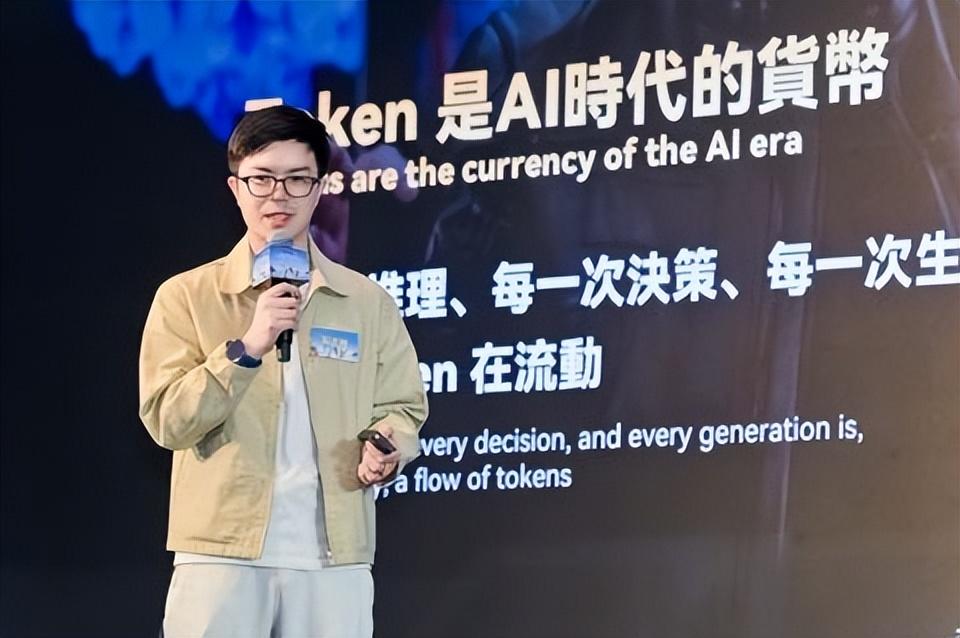
智元联合创始人、总裁兼CTO 彭志辉

具身智能体是AI时代最大的Token消费者

从Token的消费逻辑来看,具身智能体的核心价值在于,它让Token从数字世界延伸至物理世界——持续运行的机器人,每时每刻都在通过感知、推理、决策与行动,消耗Token并驱动现实运转。无论是工业产线的精密操作、商业场景的灵活交互,还是家庭环境的动态响应,每一个物理动作的背后,都是Token作为核心驱动力的具体体现,这也是具身智能体区别于传统AI、成为Token消费核心载体的关键。

进一步来看,Token的持续消耗离不开核心燃料——数据,而具身智能体则成为连接物理世界与Token经济的核心接口:它在真实场景中产生的海量数据,会反哺Token的高效利用,形成“数据供给→Token消耗→价值创造”的闭环,这也让具身智能体成为Token经济时代最具价值的基础设施。

基于这一Token逻辑,彭志辉进一步明确具身智能的产业分水岭:其核心不仅是AI模型从数字世界进入物理世界,更关键是产品真正进入真实工作流,推动行业从“卖机器人”向“交付结果”转型。这一转型背后,本质是Token消费逻辑的升级——行业竞争重点不再是单点技术展示(单一Token消耗场景),而是转向系统能否在真实场景中稳定运行、持续学习,通过高效的Token消耗,创造可衡量的生产力价值,实现Token经济与物理世界生产力的深度绑定。

具身智能从技术突破走向生产力部署

彭志辉在演讲中指出,具身智能已不再只是一个概念,而是一种新的生产力基础设施。当 AI 的任务空间从数字世界延伸到整个物理世界,持续运行的机器人将不断感知、推理、决策与行动,成为 AI 能力在真实世界中运行并创造价值的重要载体。

这一变化也正在重塑行业叙事。过去,市场更多关注机器人能否完成高难度动作,或能否展示某个单点技术能力;但在新的产业阶段,真正重要的问题已经变成:机器人能否走出实验室,进入真实商业环境,并在客户的工作流中持续创造价值。

在此背景下,2026 年是具身智能产业的重要拐点。这一拐点来自三个条件在同一时间窗口内同时成立:大模型能力开始解决“理解世界”的一部分问题,机器人本体正在跨过“可靠执行”的门槛,真实场景部署开始形成数据飞轮。只有当模型、本体、场景与数据形成闭环,具身智能才真正具备从概念验证走向规模化应用。

“一体三智”是产品进入真实工作流的能力框架

“一体三智”是具身智能实现落地的基础架构。其中,“本体”决定机器人是否稳定可靠,是具身的基础;“运动智能”决定能否稳定、可靠、高效地执行任务;“交互智能”决定能否融入人类工作流与服务流程;“作业智能”则决定能否创造劳动生产力价值。

因此,“一体三智”是产品能否进入真实工作流的必要条件。对具身智能而言,仅有 AI 模型并不足够,仅有可靠本体也不足够。具身智能能否真正落地物理世界,稳定运行,创造生产力价值,必须满足“一体三智”。

在满足“一体三智”的基础路径下,智元选择的是一条更难、但更具长期复利的路径:本体量产、模型迭代、数据开源、平台开放同步推进。这意味着,智元不只是交付单台机器人,而是在构建一套能够持续进入真实场景、积累数据并自我进化的具身智能系统。今年3月,智元已实现第 10000 台下线,并推进 AGIBOT WORLD 2026 开源数据集和 ICRA 2026 Challenge,将 Sim2Real、推理到执行、世界模型等前沿命题引入开发者生态。

真实场景验证交付结果,香港成为重要窗口

如果说“一体三智”回答的是智元如何构建具身智能能力,那么真实场景则回答这些能力能否被验证。对具身智能而言,真正的价值不在于一次演示,而在于能否在长时间、复杂、动态的环境中稳定运行,并把部署规模转化为学习效率。

在工业场景中,智元已推动 AGIBOT G2 进入真实产线,以产线“正式员工”的身份,在高速流水线上完成精密上下料和人机协同作业。在龙旗工厂的 8 小时真实产线作业直播中,AGIBOT G2 完成 2283 次任务,实现零失误及 100% 成功率。这一案例的意义不只是展示机器人能完成真实产线操作,更证明了具身智能产品可以进入真实工作流,并以可量化方式交付结果。

面向香港,这一判断具有更强的现实意义。香港拥有高度成熟的服务业体系、国际化的商业环境,以及对服务效率、营运品质和创新应用的多元需求,对机器人的可靠性、安全性、交互体验和商业价值提出了更高要求。因此,香港不仅是具身智能应用的重要验证场,也是产品进入真实工作流、并面向全球复制应用方案的重要窗口。智元将七大生产力解决方案与香港及大湾区生态伙伴结合,推动具身智能在香港加速落地,服务香港并辐射全球。

从技术突破走向生产力部署,从“卖机器人”走向“交付结果”,这不只是智元对具身智能下一阶段的判断,也是整个行业必须面对的新标准。未来,具身智能的核心竞争将不再只是模型能力、硬件能力或单点展示能力,而是产品能否真正进入客户工作流,在真实世界中持续运行、持续学习,并持续创造价值。

注:文/龚作仁,文章来源:Laborer,本文为作者独立观点,不代表亿邦动力立场。

【版权提示】亿邦动力倡导尊重与保护知识产权。未经许可,任何人不得复制、转载、或以其他方式使用本网站的内容。如发现本站文章存在版权问题,烦请提供版权疑问、身份证明、版权证明、联系方式等发邮件至run@ebrun.com,我们将及时沟通与处理。

已点赞

+1

{{ praise_text }}

好文章,值得被更多人看到

FAQ回顾

什么是具身智能体是AI时代最大的Token消费者?

根据智元彭志辉的观点,具身智能体(机器人)在物理世界持续感知、推理、决策与行动,每个动作背后都消耗Token(AI计算单元),使其成为连接数字世界与物理世界的核心Token消费载体。

具身智能产业发展的关键框架是什么?

核心框架是“一体三智”,包括决定稳定可靠性的“本体”、决定任务执行能力的“运动智能”、决定人机协作的“交互智能”以及决定生产力价值的“作业智能”。这是产品进入真实工作流的必要条件。

智元在具身智能领域有哪些实际应用案例?

智元已将AGIBOT G2部署到真实产线。例如,在龙旗工厂的8小时直播中,该机器人完成2283次精密上下料任务,成功率达100%,零失误,证明了其在真实工作流中交付可量化结果的能力。

广告

下一篇

跨境电商资源对接

《全球跨境电商服务商资源手册》第二期手册现已发布,触达更多资源,了解跨境服务商信息,欢迎点击链接下载。

了解详情

亚马逊推出30分钟极速配送服务 预计年底覆盖数千万用户

覆盖生鲜杂货、家居必需品、电子产品、个护用品及合规区域的酒类等数千种商品,符合配送要求的商品会标注30分钟配送标识。

跨境电商 电商平台 亚马逊

2026-05-14 11:58:33









