



• 亿邦公众号
    • APP下载

从全链路知识到实战化培育,杭州全方位打造跨境电商人才建设新模式

作者:亿邦动力 文章来源:亿邦动力

2026-04-22 16:48

作者:亿邦动力 文章来源:亿邦动力

2026-04-22 16:48

邦小白快读

EN
全文速览

杭州创新跨境电商人才培养模式,提供实操性强的内容。

1.学院构建全链路知识体系,包括产教融合基地整合商流、物流、资金流和数据流,强化实践能力。

2.打造“6+X”课程体系,核心课程如跨境电商营销与推广、新媒体运营等,提升应用技能。

3.校企合作建立实习实践基地,在杭州综试区及企业园区提供实训资源,实现资源共享。

该模式为行业输送高素质人才,强调数字赋能和创新实践,帮助读者把握行业重点。

跨境电商人才培养助力品牌建设和出海战略。

1.学院设立品牌出海中心,支持品牌国际化,通过课程如跨境电商营销与推广提升品牌推广能力。

2.消费趋势和用户行为观察融入教学,如新媒体运营课程分析市场需求,优化品牌渠道建设。

3.校企合作提供实践机会,品牌商可参与实训基地,获取人才以优化产品研发和定价策略。

结合数字赋能,模式为品牌商提供创新启示,强化品牌竞争力。

政策支持和市场机会推动卖家增长。

1.政策解读:商务部2025案例支持杭州模式,杭州综试区提供合作框架,降低风险。

2.增长市场机会:校企合作如共建实训基地,卖家可参与获取人才,应对消费需求变化。

3.可学习点和合作方式:实践课程模块整合主流平台,提供事件应对措施,如通过竞赛提升创新创业能力。

扶持政策如产教融合,为卖家带来正面影响,提示风险规避。

数字化和电商启示优化生产与设计。

1.产品生产需求:产教融合中心包括供应链管理,优化生产流程,提供商业机会。

2.推进数字化启示:数智赋能课程如商务数据分析与可视化,提升工厂效率,支持电商转型。

3.合作方式:校企协议建立实训基地,工厂可获取人才资源,强化设计创新。

该模式为工厂提供实践化解决方案,推动产业升级。

行业趋势和技术发展提供解决方案。

1.行业发展趋势:跨境电商重要性增长,人才需求上升,带来新机遇。

2.新技术应用:课程融入人工智能、数字金融等,解决客户痛点如技术链整合。

3.解决方案:学院模式如产教融合基地,提供一站式人才培养方案,优化服务交付。

结合中外融通,模式为服务商提供创新路径,强化行业支撑。

平台需求与运营管理结合优化服务。

1.商业对平台需求:实践研习模块包括主流平台,优化招商和运营管理,提供合作方式。

2.平台最新做法:校企合作共建实训基地,实现资源共享,规避风险如人才短缺。

3.风向规避:课程体系如“三阶融合”实践教学,提升人才质量,支持平台稳定发展。

该模式为平台商提供启示,强化管理效率。

产业新动向和政策启示推动研究。

1.产业新动向:杭州创新模式如政企校研创合力,提供新问题如人才建设瓶颈。

2.政策法规建议:商务部案例支持持续优化,启示政策框架如中外融通合作。

3.商业模式:多元化培养体系迭代优化,为研究提供案例,如课程交叉融合创新。

结合科教融汇,模式为研究者提供深度分析素材。

声明:快读内容全程由AI生成,请注意甄别信息。如您发现问题,请发送邮件至 run@ebrun.com 。

我是 品牌商 卖家 工厂 服务商 平台商 研究者 帮我再读一遍。

Quick Summary

Hangzhou is pioneering innovative models for cross-border e-commerce talent cultivation, emphasizing practical, hands-on training.

1. The academy has established a full-chain knowledge system, integrating industry and education bases that combine commerce, logistics, capital, and data flows to strengthen practical skills.

2. A "6+X" curriculum system has been developed, featuring core courses such as cross-border e-commerce marketing and new media operations to enhance applied competencies.

3. University-enterprise cooperation has created internship and practice bases in Hangzhou's Cross-Border E-Commerce Pilot Zone and corporate parks, enabling resource sharing.

This model supplies the industry with high-quality talent, highlighting digital empowerment and innovative practices to help readers grasp key industry priorities.

Cross-border e-commerce talent development supports brand building and global expansion strategies.

1. The academy has established a Brand Globalization Center to assist internationalization efforts, with courses like cross-border e-commerce marketing enhancing brand promotion capabilities.

2. Consumer trends and user behavior insights are integrated into teaching—for example, new media operations courses analyze market demand to optimize brand channel development.

3. University-enterprise partnerships provide practical opportunities, allowing brands to engage with training bases and acquire talent for refining product development and pricing strategies.

Leveraging digital empowerment, this model offers innovative insights for brands to strengthen competitiveness.

Policy support and market opportunities are driving seller growth.

1. Policy interpretation: The Ministry of Commerce's 2025 case study endorsing Hangzhou’s model, along with the Hangzhou Pilot Zone’s cooperative framework, helps mitigate risks.

2. Growth market opportunities: University-enterprise collaborations, such as jointly built training bases, allow sellers to access talent and adapt to shifting consumer demands.

3. Learnings and cooperation methods: Practical course modules integrate mainstream platforms and offer crisis response strategies, while competitions foster innovation and entrepreneurial skills.

Supportive policies like industry-education integration provide positive impacts for sellers and highlight risk mitigation approaches.

Digital and e-commerce insights optimize production and design processes.

1. Production needs: Industry-education integration centers cover supply chain management to streamline production and uncover business opportunities.

2. Digital transformation insights: Data intelligence courses, such as business data analysis and visualization, improve factory efficiency and support e-commerce transition.

3. Cooperation methods: University-factory agreements establish training bases, enabling factories to acquire talent and enhance design innovation.

This model offers practical solutions for factories, driving industrial upgrading.

Industry trends and technological advancements present new solution opportunities.

1. Industry development trends: The growing importance of cross-border e-commerce and rising talent demand create fresh opportunities.

2. New technology applications: Courses incorporate AI, digital finance, and other tech to address client pain points like technology chain integration.

3. Solutions: The academy’s model, including industry-education bases, offers one-stop talent cultivation solutions to improve service delivery.

Combined with international integration, the model provides innovative pathways for service providers to strengthen industry support.

Platform needs and operational management are integrated to optimize services.

1. Business demands on platforms: Practical training modules cover mainstream platforms, improving merchant recruitment and operations while offering cooperation avenues.

2. Latest platform practices: University-marketplace collaborations establish shared training bases to pool resources and mitigate risks like talent shortages.

3. Risk mitigation: Curriculum systems such as "three-stage integration" practical teaching enhance talent quality and support stable platform growth.

This model offers insights for marketplace operators to strengthen management efficiency.

Industry developments and policy implications drive new research directions.

1. Industry trends: Hangzhou’s innovative model, involving government-enterprise-academia collaboration, raises new questions such as talent development bottlenecks.

2. Policy and regulatory suggestions: Ministry of Commerce case studies support continuous optimization and inspire frameworks like international cooperation.

3. Business models: The diversified cultivation system undergoes iterative improvements, providing research cases on curriculum integration and innovation.

Combined with education-science integration, the model offers in-depth analysis material for researchers.

Disclaimer: The "Quick Summary" content is entirely generated by AI. Please exercise discretion when interpreting the information. For issues or corrections, please email run@ebrun.com .

I am a Brand Seller Factory Service Provider Marketplace Seller Researcher Read it again.

近年来,跨境电商成为推动贸易强国建设的重要引擎,而人才正是行业高质量发展的核心支撑。商务部2025跨境电商优秀实践案例中,杭州创新融合政企校研创多方力量,以体系化探索打造多元化跨境电商人才培养新模式,为行业发展源源不断输送兼具国际视野、专业素养与创新实践能力的优质人才。
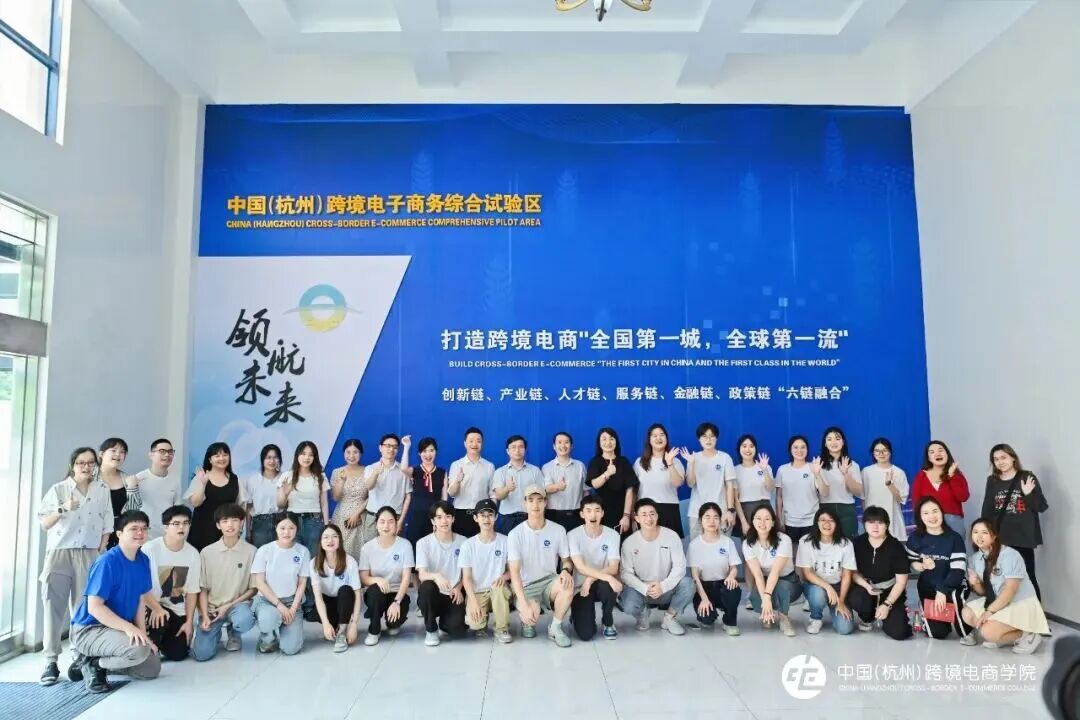
2019年中国(杭州)跨境电子商务综合试验区与浙江工商大学、杭州钱塘区人民政府共同创办了中国(杭州)跨境电商学院,致力打造中国跨境电商人才培养的摇篮。学院通过构建“学科交叉+创新实践+数字赋能”的培养体系,强化“厚基础、强实践、重创新”的人才培养特色,着力培养具备国际视野、专业素养和创新实践能力的跨境电商人才,为推动数字贸易强国建设提供人才支撑。

主要做法

(一)数智赋能、三业融通,构建跨境电商全链路知识体系。学院以跨境电商“数智+全链路知识体系”为核心,深化产教融合、科教融汇、中外融通,为跨境电商行业发展提供精英人才支持。一是注重产教融合。学院打造以智慧商务与供应链产教融合中心(产业链)、人工智能及机器人技术产教融合中心(技术链)、数智金融产教融合中心(金融链)为一体的“跨境电商全链路”产教融合基地,形成“商流、物流、资金流、数据流”四流融合、“专业、行业、企业”三业贯通的产教融合基地。二是注重科教融汇。学院整合全校师资,发挥管理科学与工程类专业优势,以电子商务、物流管理等国家级一流本科专业为主要依托,成立品牌出海中心、跨境电商研究院、跨境电商创新管理与商务实践创新团队等,与国内外知名相关研究机构及优质企业共建联合研究院、行业智库等。三是注重中外融通。学院与国内外大学建立合作关系,与阿拉伯国家共育丝路学院。与对外经济贸易大学、中亚大学、阿拉木图管理大学、塔什干威斯敏斯特国际大学、格鲁吉亚大学、马来西亚大学等共同打造全球电商教育发展联盟,形成高素质、国际化、创新型人才培养平台。

(二)紧跟行业、渐进优化,打造多学科交叉融合课程体系。构建“6+X”多学科交叉融合的跨境电商课程体系、“三阶融合”渐进式的实践教学体系和高质量发展产教融合服务平台。构建了包括跨境电商理论与实务、跨境电商营销与推广、跨境电商物流与供应链管理、跨境电商数字金融、新媒体运营、商务数据分析与可视化6 门核心课程,同时搭建了聚焦实践能力、应用能力、创新能力培养的X课程体系,实现多元、交叉、应用、复合、创新维度能力培养。

(三)校企合作、产教融合,培养具备实践能力的创新型人才。构建由课内实践、主流平台和社会实践组成的实践研习课程模块。通过与合作企业共建校外实训基地,签订校企合作协议,培养学生实践实训能力。依托各类学科竞赛,提升学生创新创业能力。通过实践课程模块,整合政校企优势资源,实现资源共享,优化实训体系,为学生提供充足优质的实习实训资源。 目前,学院已在杭州综试区拱墅区及多家知名跨境电商企业或园区建立了实习实践基地,实现了学院与企业间的资源共享、优势互补。

杭州跨境电商人才培养的探索与实践,让政企校研创的合力充分释放,为跨境电商行业发展筑牢了人才根基。这一多元化培养模式也将持续迭代优化,不断为跨境电商行业注入新的人才活力,让更多高素质跨境电商人才在杭州这片创新沃土上成长。

【版权提示】亿邦动力倡导尊重与保护知识产权。未经许可,任何人不得复制、转载、或以其他方式使用本网站的内容。如发现本站文章存在版权问题,烦请提供版权疑问、身份证明、版权证明、联系方式等发邮件至run@ebrun.com,我们将及时沟通与处理。

已点赞

+1

{{ praise_text }}

好文章,值得被更多人看到

FAQ回顾

杭州跨境电商人才培养模式的核心特点是什么?

核心特点是政企校研创多方力量融合,构建了“数智赋能、三业融通”的全链路知识体系,并打造“学科交叉、创新实践、数字赋能”的培养体系,强调产教融合与实战化培育。

杭州跨境电商学院如何构建其课程体系?

学院构建了“6+X”多学科交叉融合课程体系,包括6门核心课程如跨境电商理论与实务、营销推广、物流供应链等,以及聚焦实践、应用、创新能力的X课程体系。

杭州在跨境电商人才培养方面有哪些具体合作实践?

具体实践包括:与浙江工商大学、钱塘区政府共建中国(杭州)跨境电商学院;与企业共建校外实训基地和实习实践基地;与国内外大学合作,如共建全球电商教育发展联盟和丝路学院。

广告

下一篇

跨境电商资源对接

《全球跨境电商服务商资源手册》第二期手册现已发布,触达更多资源,了解跨境服务商信息,欢迎点击链接下载。

了解详情

宏伟供应链:稳扎工业采购赛道 以创新夯实服务能力

宏伟供应链深耕工业采购赛道,天马平台对接23家央国企,推出智能扭矩工具等创新成果。未来将升级为“产业创新生态共建者”,聚焦深度垂直、生态协同与智能驱动,推动国产化替代与绿色供应链发展。










