• 亿邦公众号
    • APP下载

从“单项第一”到“全能冠军” Babycare连续三年位列中国母婴用品销售额第一

作者:龚作仁 文章来源:Laborer

2026-03-31 16:21

作者:龚作仁 文章来源:Laborer

2026-03-31 16:21

邦小白快读

EN
全文速览

Babycare的市场表现和成就突出。

1. 连续三年(2023、2024、2025年)位列中国母婴用品全渠道销售额第一,体现了品牌的市场领导地位。

2. 在天猫平台拿下8个品类第一,粉丝数达2222.7万,稳居行业第一,2025年订单包裹超9000万个,展示了强劲的用户基础和销售规模。

产品创新和品质控制是核心干货。

1. 从用户痛点出发,围绕孕产、喂养等场景创新,如纸尿裤行业率先使用0.6旦尼尔超细纤维实现柔软,婴童水杯引入Tritan材质提升安全性和耐冲击性。

2. 全链路品质严控,与德国德之馨等30家全球材料企业深度合作,年送检超8000批次,远超国家标准,并参与35项国家及行业标准制定,填补多项空白。

消费者行为转变带来机遇。

1. 新一代父母从品类逻辑转向品牌逻辑,更关注材质、设计、安全性等细节,天猫平台通过精准推荐和会员体系支持信任平移,促进跨品类复购。

品牌营销和渠道建设策略值得借鉴。

1. Babycare通过多品类布局(如孕产、喂养、安睡等)实现垂类统治力,促进跨品类连带销售,提升用户生命周期,天猫渠道粉丝2222.7万和8个品类第一证明其渠道优势。

2. 品牌定价和竞争以高品质为核心,全链路控制原材料,与全球材料企业战略合作,确保产品领先性,2025年送检8000批次强化信任。

产品研发与消费趋势紧密相关。

1. 研发从用户真实痛点出发,创新产品如纸尿裤超细纤维和Tritan水杯,引领行业方向,响应消费者对便捷高效的需求变化。

2. 用户行为观察显示,新一代父母转向品牌逻辑,用更高标准审视产品,天猫机制(如搜索推荐和会员激励)支持品牌信任平移,为营销提供启示。

消费趋势和机会分析。

1. 中国母婴市场分散但多品类品牌成趋势,Babycare连续三年销售额第一,服务全球9000万家庭,体现品牌符号价值,Paul观点强调信任是稀缺资源,品牌需成为品质象征。

市场机会和可学习点丰富。

1. 母婴市场多品类品牌趋势明显,促进连带销售和用户生命周期提升,Babycare案例显示连续三年全渠道第一,天猫8个品类第一,提供增长市场参考。

2. 消费需求变化从品类逻辑转向品牌逻辑,新一代父母关注材质、安全等细节,带来机会如跨品类复购,天猫会员体系可激励销售。

事件应对和风险提示。

1. 正面影响:Babycare创新产品(如纸尿裤超细纤维)打破常规,年订单9000多万个,证明机会在场景化设计;风险提示:信任是稀缺资源,市场分散可能导致竞争加剧,需强化质量控制。

2. 扶持政策和合作方式:Babycare与全球材料企业(如德国德之馨)深度合作,实现技术优先供给,品控全流程覆盖,年送检8000批次,提供可复制模式;天猫平台精准推荐支持规避风向风险。

最新商业模式启示。

1. 全链路品质管理和标准制定(参与35项)成为核心竞争力,Paul观点强调品牌符号化,天猫稳定履约机制可学习,用于事件应对和机会捕捉。

产品生产和设计需求明确。

1. 生产启示:Babycare注重原材料控制,与德国德之馨等30家全球顶尖材料企业合作,实现材料共研,品控贯穿研发到上市,年送检超8000批次,确保产品质量稳定。

2. 设计需求:围绕用户场景(如出行、玩乐)创新,纸尿裤使用0.6旦尼尔超细纤维提升柔软度,水杯采用Tritan材质增强安全,强调实用性和安全性设计。

商业机会和数字化启示显著。

1. 机会:多品类品牌趋势下,Babycare连续三年销售额第一,服务9000万家庭,显示母婴市场潜力;工厂可借鉴其材料合作模式,开发新品类产品。

2. 推进数字化和电商:天猫渠道表现强,粉丝2222.7万和年订单9000多万个,展示电商启示;利用平台机制(如精准推荐)提升销售效率,支持生产优化。

启示总结。

1. 质量控制标准(参与35项制定)提供生产规范,填补行业空白;数字化电商整合天猫会员体系,促进复购,为工厂转型提供方向。

行业发展趋势和新动向清晰。

1. 趋势:中国母婴市场分散但多品类品牌成主流,促进连带销售和用户生命周期提升,Babycare连续三年全渠道第一,体现集中化发展。

2. 新技术:材料创新如纸尿裤超细纤维(0.6旦尼尔)和Tritan水杯,引领行业方向;与全球30家材料企业合作,展示技术优先供给模式。

客户痛点和解决方案突出。

1. 痛点:消费者对便捷高效购物体验需求高,信任稀缺,Paul观点强调品牌需成为品质符号;市场分散导致标准缺失问题。

2. 解决方案:Babycare全链路品质控制(年送检8000批次),参与35项标准制定填补空白;天猫机制(精准推荐、会员激励)解决信任平移痛点,支持复购。

服务启示。

1. 案例显示,围绕场景化产品研发(如孕产、喂养)可提升用户黏性;服务商可借鉴其材料合作和品控流程,为客户提供定制方案。

商业对平台的需求和问题分析。

1. 需求:商家需要平台机制建立信任,Paul观点指出消费者转向品牌逻辑,天猫让信任从品类平移到品牌,支持精准推荐和会员体系。

2. 问题:母婴市场分散,信任稀缺,平台需规避风向风险,确保稳定履约,如Babycare年订单9000多万个展示高效运营需求。

平台最新做法和运营管理。

1. 做法:天猫通过搜索场景精准推荐产品,会员体系打通激励跨品类复购,稳定履约机制支持商家增长,Babycare案例(粉丝2222.7万、8个品类第一)证明有效性。

2. 招商和机会:平台可吸引多品类品牌(如Babycare连续三年第一),招商启示包括支持材料合作和标准制定;运营管理强调品控贯穿全流程,提供风险规避参考。

风向规避启示。

1. 利用数据(如订单量和用户行为)优化推荐,Paul观点强调品牌符号化,平台需强化信任机制,促进商家长期合作。

产业新动向和新问题探讨。

1. 动向:中国母婴市场品类分散但向多品类品牌集中,Babycare连续三年全渠道销售额第一,体现趋势;消费者行为从品类逻辑转向品牌逻辑,关注材质、安全等细节。

2. 新问题:信任稀缺成为核心挑战,Paul观点指出品牌需超越品类成为品质符号;市场分散导致标准缺失,需政策介入。

政策法规建议和商业模式分析。

1. 建议:Babycare参与35项国家、行业及团体标准制定,填补空白,启示政策需强化质量控制规范;天猫平台机制(精准推荐)提供法规优化思路。

2. 商业模式:全链路品质管理(与全球材料企业合作、年送检8000批次)和场景化创新(纸尿裤超细纤维)成为案例,研究多品类策略如何提升用户生命周期和连带销售。

研究启示。

1. 数据支持:服务全球9000万家庭,2025年订单超9000万个,提供实证基础;研究者可分析电商整合(天猫粉丝2222.7万)对产业的影响。

声明:快读内容全程由AI生成,请注意甄别信息。如您发现问题,请发送邮件至 run@ebrun.com 。

我是 品牌商 卖家 工厂 服务商 平台商 研究者 帮我再读一遍。

Quick Summary

Babycare has demonstrated outstanding market performance and achievements.

1. It has ranked first in China's maternal and infant product sales across all channels for three consecutive years (2023-2025), reflecting its market leadership.

2. On Tmall, it secured the top position in eight categories, with a fan base of 22.227 million, maintaining its industry leadership. In 2025, it shipped over 90 million orders, indicating a strong user base and substantial sales volume.

Product innovation and quality control are core strengths.

1. The brand addresses user pain points by innovating around scenarios like pregnancy and feeding. For instance, it pioneered the use of 0.6 denier ultrafine fibers for softer diapers and introduced Tritan material in children's cups to enhance safety and impact resistance.

2. It implements strict quality control across the entire supply chain, collaborating deeply with 30 global material suppliers like Germany's Symrise. It conducts over 8,000 quality inspections annually—far exceeding national standards—and has participated in drafting 35 national and industry standards, filling multiple regulatory gaps.

Changing consumer behavior presents new opportunities.

1. New-generation parents are shifting from category-based to brand-based purchasing logic, paying closer attention to materials, design, and safety. Tmall supports this trust transition through precise recommendations and membership systems, facilitating cross-category repurchases.

Babycare's brand marketing and channel strategies offer valuable insights.

1. Through a multi-category layout (e.g., pregnancy, feeding, sleep), it achieves vertical dominance, driving cross-category sales and enhancing user lifetime value. Its Tmall presence—22.227 million fans and leadership in eight categories—demonstrates channel effectiveness.

2. The brand prioritizes high quality in pricing and competition, controlling raw materials across the supply chain and partnering strategically with global material suppliers to ensure product superiority. Over 8,000 annual inspections reinforce consumer trust.

Product R&D is closely aligned with consumer trends.

1. Innovations like ultrafine fiber diapers and Tritan cups address real user pain points, setting industry benchmarks and meeting demands for convenience and efficiency.

2. User behavior analysis shows new parents adopting brand-centric purchasing with higher standards. Tmall’s mechanisms (e.g., search recommendations and membership incentives) facilitate trust transfer, offering marketing insights.

Consumer trends and opportunities:

1. China’s fragmented maternal and infant market is trending toward multi-category brands. Babycare’s three-year sales leadership and service to 90 million families globally highlight its symbolic value. As Paul notes, trust is a scarce resource—brands must become symbols of quality.

The maternal and infant market offers abundant opportunities and learnings.

1. Multi-category branding is a clear trend, boosting cross-selling and user lifetime value. Babycare’s three-year omnichannel dominance and eight category wins on Tmall provide a growth blueprint.

2. Shifting consumer preferences—from category-focused to brand-focused—highlight opportunities like cross-category repurchases. Tmall’s membership system can incentivize sales.

Risk management and response:

1. Opportunities: Babycare’s innovative products (e.g., ultrafine fiber diapers) break conventions, with 90+ million annual orders proving the value of scenario-based design. Risks: Trust is scarce; market fragmentation may intensify competition, necessitating stronger quality control.

2. Support policies: Babycare’s deep collaborations with global material suppliers (e.g., Symrise) ensure tech prioritization and end-to-end quality control (8,000+ annual inspections), offering a replicable model. Tmall’s精准 recommendations help mitigate risks.

Business model insights:

1. End-to-end quality management and standard-setting (35+ participations) are core competencies. Paul emphasizes brand symbolism; Tmall’s reliable fulfillment mechanisms can be adopted for risk response and opportunity capture.

Clear demands for product production and design:

1. Production insights: Babycare emphasizes raw material control, partnering with 30 top global suppliers like Symrise for co-development. Quality control spans R&D to launch, with 8,000+ annual inspections ensuring consistency.

2. Design needs: Innovations target user scenarios (e.g., travel, play), such as 0.6 denier diapers for softness and Tritan cups for safety, prioritizing practicality.

Commercial and digital opportunities:

1. Market potential: Babycare’s three-year sales leadership and service to 90 million families reflect the maternal and infant market’s vitality. Factories can adopt its material collaboration model for new categories.

2. E-commerce integration: Tmall’s performance (22.227 million fans, 90+ million orders) underscores digital启示; leveraging platform tools (e.g.,精准 recommendations) enhances sales efficiency and production optimization.

Key takeaways:

1. Quality standards (35+ participations) provide production benchmarks, filling industry gaps.

2. Digital-ecommerce integration (e.g., Tmall’s membership system) drives repurchases, guiding factory transformation.

Industry trends and developments:

1. Trend: China’s fragmented maternal and infant market is consolidating around multi-category brands, boosting cross-selling and user lifetime value. Babycare’s three-year omnichannel lead reflects this centralization.

2. Tech innovations: Materials like 0.6 denier fibers and Tritan set industry directions; partnerships with 30 global suppliers demonstrate tech-prioritized supply models.

Client pain points and solutions:

1. Pain points: Consumers seek convenient, efficient shopping experiences amid trust scarcity. Paul notes brands must symbolize quality; market fragmentation causes standard gaps.

2. Solutions: Babycare’s end-to-end quality control (8,000+ inspections) and participation in 35 standard-setting initiatives address gaps. Tmall’s mechanisms (精准 recommendations, membership) facilitate trust transfer and repurchases.

Service implications:

1. Scenario-based R&D (e.g., pregnancy, feeding) enhances user loyalty. Service providers can adapt Babycare’s material collaboration and quality processes for customized solutions.

Merchant needs and platform challenges:

1. Needs: Merchants require platform mechanisms to build trust. As Paul highlights, consumers’ shift to brand logic necessitates trust transfer from categories to brands, supported by精准 recommendations and memberships.

2. Challenges: Market fragmentation and trust scarcity require platforms to mitigate risks and ensure reliable fulfillment, as seen in Babycare’s 90+ million annual orders.

Platform strategies and operations:

1. Tactics: Tmall uses search-based精准 recommendations and membership systems to drive cross-category repurchases, with reliable fulfillment supporting merchant growth. Babycare’s success (22.227 million fans, 8 category leads) validates this approach.

2. Merchant recruitment: Platforms can attract multi-category brands (e.g., Babycare’s three-year lead). Insights include supporting material collaborations and standard-setting; operations emphasize end-to-end quality control for risk mitigation.

Risk mitigation insights:

1. Leveraging data (e.g., order volume, user behavior) optimizes recommendations. Paul’s emphasis on brand symbolism underscores the need for robust trust mechanisms to foster long-term merchant partnerships.

Industry trends and emerging issues:

1. Trends: China’s maternal and infant market, though fragmented, is consolidating around multi-category brands. Babycare’s three-year omnichannel sales lead exemplifies this. Consumers are shifting from category-based to brand-based logic, prioritizing materials and safety.

2. Issues: Trust scarcity is a core challenge; Paul argues brands must transcend categories to symbolize quality. Market fragmentation necessitates policy intervention for standard gaps.

Policy and business model analysis:

1. Recommendations: Babycare’s participation in 35 standard-setting initiatives fills regulatory voids, suggesting policies should strengthen quality norms. Tmall’s精准 recommendations offer regulatory optimization insights.

2. Business models: End-to-end quality management (global material partnerships, 8,000+ inspections) and scenario-based innovations (e.g., ultrafine fiber diapers) serve as case studies for how multi-category strategies enhance user lifetime value and cross-selling.

Research implications:

1. Data support: Serving 90 million families globally and 90+ million orders in 2025 provides empirical basis. Researchers can analyze e-commerce integration (Tmall’s 22.227 million fans) and its industry impact.

Disclaimer: The "Quick Summary" content is entirely generated by AI. Please exercise discretion when interpreting the information. For issues or corrections, please email run@ebrun.com .

I am a Brand Seller Factory Service Provider Marketplace Seller Researcher Read it again.

3月26日,天猫2026TOPTALK超级品牌私享会上透露,过去一年,母婴头部品牌Babycare在天猫拿下8个品类第一,体现了强劲的垂类统治力。不仅如此,据CIC灼识咨询对中国母婴用品行业的最新调研,Babycare已连续三年(2023、2024、2025年)位列中国母婴用品市场全渠道销售额第一。

CIC灼识咨询的研究显示,中国母婴用品市场品类繁多、市场分散,大量品类整体市场占比不足5%,多数品牌仅专注于一到两个品类。但随着消费者对便捷高效购物体验需求的不断提升,多品类品牌正成为中国母婴市场的重要发展趋势,一方面可促进跨品类连带销售,另一方面也能提升用户生命周期。

Babycare正是其中稀缺的佼佼者,其从用户真实痛点出发,围绕使用场景,如孕产、喂养、安睡、出行、学习、玩乐等,重新设计创新产品,屡屡打破行业常规,引领创新方向。例如Babycare率先在纸尿裤行业使用超细纤维(细至0.6旦尼尔)的面层实现极致柔软,并将更安全、更耐冲击的Tritan材质引入婴童水杯行业。目前,Babycare天猫旗舰店粉丝数达2222.7万,稳居母婴行业第一;2025年共计发出了9000多万个订单包裹。
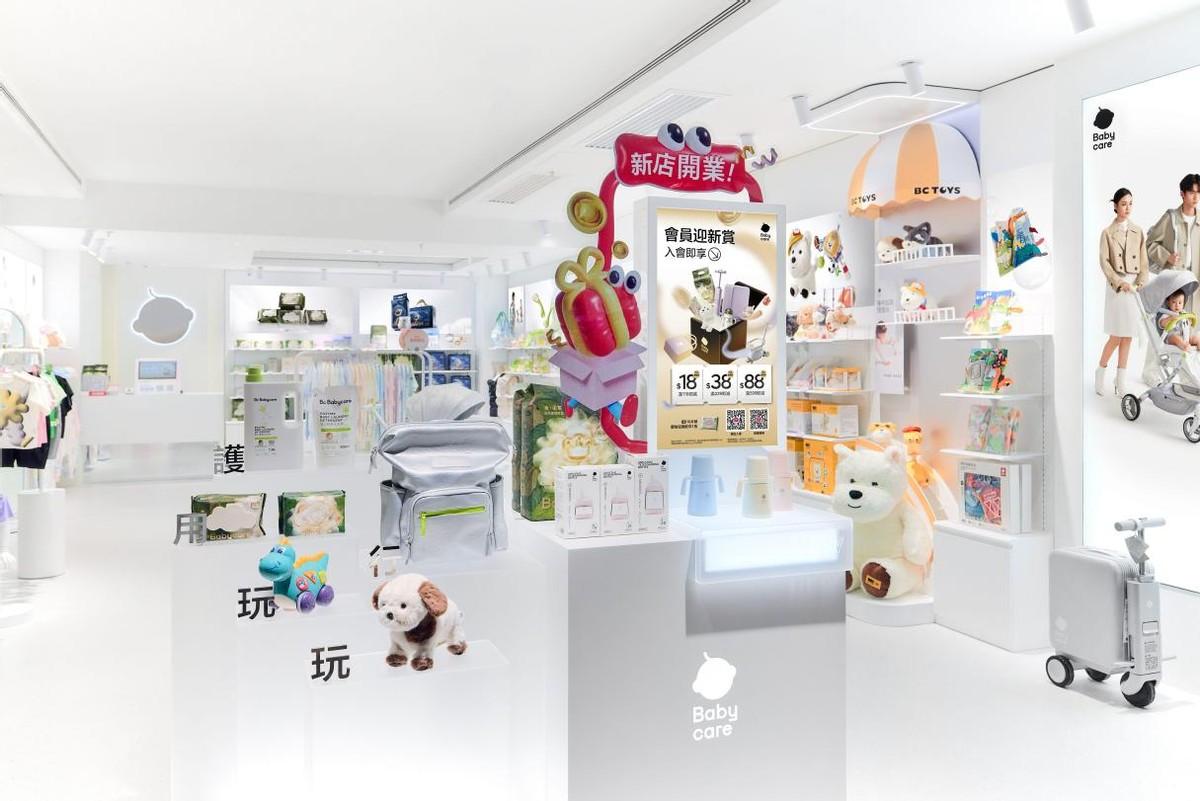
(Babycare中国香港门店)

“高品质”也是Babycare产品的核心竞争力之一。Babycare从原材料开始对产品品质进行全链路严控。其与德国德之馨、德国汉高、美国莱卡等约30家全球领先的材料科学企业达成深度或战略合作,实现材料共研与技术优先供给,品控贯穿研发、样品、生产、上市等全流程。2025年,Babycare年度送检超8000批次,远超国家要求。截至目前,Babycare共参与35项国家、行业及团体标准制定,其中多项标准填补行业空白。

截至2025年底,Babycare产品已累计服务全球9000万家庭(来自Babycare系统后台数据)。Babycare副总裁Paul表示,新一代父母的选择方式已从“品类逻辑”转向“品牌逻辑”,他们用更高的标准去审视所有母婴产品,包括材质、设计、细节、安全性等。而天猫平台的机制也让信任可以从品类平移到品牌——从搜索场景的精准推荐,到会员体系打通激励跨品类复购,再到稳定履约。

“信任,是母婴行业最稀缺最珍贵的东西,它意味着品牌不再是某个品类的代名词,而是成为一种品质的符号。”Paul表示。

注:文/龚作仁,文章来源:Laborer,本文为作者独立观点,不代表亿邦动力立场。

【版权提示】亿邦动力倡导尊重与保护知识产权。未经许可,任何人不得复制、转载、或以其他方式使用本网站的内容。如发现本站文章存在版权问题,烦请提供版权疑问、身份证明、版权证明、联系方式等发邮件至run@ebrun.com,我们将及时沟通与处理。

已点赞

+1

{{ praise_text }}

好文章,值得被更多人看到

FAQ回顾

Babycare在中国母婴市场的销售表现如何?

据CIC灼识咨询调研,Babycare已连续三年(2023-2025年)位列中国母婴用品市场全渠道销售额第一,2025年发出超9000万个订单包裹,天猫旗舰店粉丝达2222.7万。

Babycare的产品创新有哪些具体案例?

Babycare在纸尿裤行业率先使用0.6旦尼尔超细纤维面层提升柔软度,并将Tritan材质引入婴童水杯行业,产品覆盖孕产、喂养、安睡等六大使用场景。

Babycare如何保障产品品质?

Babycare与德国德之馨等30家全球材料科学企业合作实现材料共研,2025年送检超8000批次,参与制定35项国家及行业标准,品控贯穿研发至上市全流程。

广告

下一篇

跨境电商资源对接

《全球跨境电商服务商资源手册》第二期手册现已发布,触达更多资源,了解跨境服务商信息,欢迎点击链接下载。

了解详情

淘宝“龙虾”内测,24小时AI管店,商家只管拍板

淘宝“龙虾”工作台3月31日内测,为商家提供24小时AI店铺管理,覆盖巡店、制图、投放等全流程,预计提升运营效率30%-40%,商家可专注核心决策。

AI SaaS 服务商 数据分析

2026-03-31 15:45:40