• 亿邦公众号
    • APP下载

链接全球资本,解锁资管新方向——第四届HED亚洲峰会·香港圆满落幕

作者:龚作仁 文章来源:Laborer

2026-03-24 16:41

作者:龚作仁 文章来源:Laborer

2026-03-24 16:41

邦小白快读

EN
全文速览

峰会聚焦全球资产配置的关键趋势与实用策略。

1. 宏观上,全球利率周期分化,大宗商品和黄金具有战略价值,为投资者提供风险对冲机会。

2. 量化策略进入2.0时代,利用大语言模型(LLM)从新闻和社交媒体提取Alpha信号,超越传统量价模型。

实操工具如ETF在资产配置中发挥核心作用。

1. ETF具备高流动性和透明度,适合波动市场,作为全球多元化的载体。

2. 资产代币化(如真实世界资产RWA)应用场景扩大,涉及债券和房地产,未来3-5年混合在岸/离岸架构是趋势。

财富管理实用建议。

1. CTA策略在股票回撤期间提供保护作用,增强投资组合韧性。

2. “HALO资产”(重资产、低淘汰率)策略响应资本从数字转向物理稀缺性的变化,帮助实现真实多元化。

资产管理领域的创新产品研发反映品牌战略。

1. 代币化资产如债券和房地产进入现实应用,助力产品研发突破传统局限。

2. “HALO资产”策略(重资产、低淘汰率)满足资本向物理稀缺性转移的消费趋势。

品牌渠道建设的数字化趋势。

1. 基金分销模式从银行主导转向平台化,满足客户需求国际化变化,高净值人群偏好专业深度服务。

2. 监管环境趋严推动渠道透明化,ETF作为核心工具提升品牌竞争力。

消费行为观察启示品牌定位。

1. 大中华区客户需求向国际化转变,家族办公室和新一代企业家重视全球化视野。

2. 区块链技术用于智能合约,启示品牌在合规和高效交付上的改进。

政策解读与市场机会分析。

1. 亚洲监管框架对代币化资产(RWA)的影响,要求本地化合规策略。

2. 私募信贷在亚洲的机会依赖本地项目发掘和法律执行韧性,避开资本成本竞争。

增长市场和消费需求变化。

1. 大中华区财富管理需求结构性位移,高净值人士寻求国际化服务,带来新增长点。

2. ETF工具的高流动性和透明度满足波动市场需求,提升资产多元化。

风险提示与商业模式创新。

1. 全球利率周期分化导致久期风险,固定收益需重定价,亚洲市场异质性增加风险。

2. 最新模式如量化2.0(AI增强策略)和代币化基金(混合架构)是未来趋势,事件应对包括加强本地化能力。

产品生产和设计需求的新启示。

1. 资产代币化(如房地产RWA)需要高质量底层资产,工厂可参与提供物理稀缺性产品。

2. 区块链技术通过智能合约实现自动合规和即时结算,启示生产流程数字化优化。

商业机会与数字化推进。

1. 混合在岸/离岸基金架构趋势为工厂提供供应链服务机会,如支持代币化资产开发。

2. AI技术应用如LLM在数据提取中,可借鉴于生产优化,提升效率。

财富管理领域的需求变化。

1. “HALO资产”策略强调重资产,相关实体产品需求增长。

2. 消费趋势向物理稀缺性转移,工厂可开发耐用低淘汰产品应对市场。

行业发展趋势与新技术应用。

1. 代币化资产(RWA)是未来3-5年核心趋势,涉及监管框架和亚洲应用场景。

2. 量化策略演进到AI增强阶段,大语言模型(LLM)从非结构化数据提取信号,超越传统模型。

客户痛点与解决方案。

1. 基金分销痛点如合规和结算问题,区块链智能合约提供自动对账和即时结算方案。

2. 分销模式数字化转型,客户痛点涉及渠道效率,平台化方案提升连接价值。

固定收益和财富管理新动向。

1. 亚洲固定收益市场久期风险重定价,解决方案包括比较全球信用逻辑。

2. 财富管理需求国际化,服务商可提供专业深度策略以适应变化。

商业对平台的需求和最新做法。

1. ETF作为核心工具,要求平台提供高流动性、透明度服务,支持复杂策略构建。

2. 基金分销模式平台化转型,提升连接资产管理人和投资者的价值,应对监管变化。

平台招商与运营管理。

1. 全球资管机构寻求一站式中国市场准入方案,如财视中国资源对接,吸引招商机会。

2. 合规趋严下,平台需加强运营管理,混合架构和代币化基金成为风向规避策略。

新技术整合应用。

1. 区块链技术用于自动合规,启示平台优化结算流程。

2. AI在量化策略的应用,平台可整合非结构化数据服务提升竞争力。

产业新动向与新问题。

1. 量化策略演进到2.0时代,利用LLM从非结构化数据提取Alpha信号,挑战传统模型。

2. 资本从“数字可扩展性”转向“物理稀缺性”(HALO资产策略),引发资产配置新问题。

政策法规建议和商业模式启示。

1. 混合在岸/离岸基金架构适应合规趋严,政策建议聚焦亚洲监管框架本土化。

2. 财富管理转型,商业模式向平台化和国际化转变,如基金分销数字化。

固定收益和代币化领域研究。

1. 全球利率周期分化下的久期风险,亚洲市场重新定价逻辑提供研究案例。

2. 代币化资产(RWA)从愿景到现实,区块链技术实现自动合规,启示法规创新。

声明:快读内容全程由AI生成,请注意甄别信息。如您发现问题,请发送邮件至 run@ebrun.com 。

我是 品牌商 卖家 工厂 服务商 平台商 研究者 帮我再读一遍。

Quick Summary

The summit focused on key trends and practical strategies in global asset allocation.

1. Macro trends show divergent global interest rate cycles, with commodities and gold offering strategic value and hedging opportunities for investors.

2. Quantitative strategies are entering a 2.0 era, using Large Language Models (LLMs) to extract Alpha signals from news and social media, surpassing traditional price-volume models.

Practical tools like ETFs play a central role in asset allocation.

1. ETFs offer high liquidity and transparency, making them suitable for volatile markets and ideal vehicles for global diversification.

2. Asset tokenization (e.g., Real World Assets - RWA) is expanding into areas like bonds and real estate, with hybrid onshore/offshore structures expected to be a key trend over the next 3-5 years.

Practical wealth management advice.

1. CTA strategies provide portfolio protection during equity drawdowns, enhancing resilience.

2. The "HALO assets" (Heavy Asset, Low Obsolescence) strategy responds to the shift of capital from digital to physical scarcity, helping achieve genuine diversification.

Innovative product development in asset management reflects brand strategy.

1. Tokenized assets like bonds and real estate are entering practical application, helping product development break through traditional limitations.

2. The "HALO assets" strategy (Heavy Asset, Low Obsolescence) aligns with the consumer trend of capital shifting towards physical scarcity.

Digital trends in brand channel building.

1. Fund distribution is shifting from bank-led to platform-based models, adapting to the internationalization of client needs, with high-net-worth individuals preferring specialized, in-depth services.

2. A tightening regulatory environment is driving channel transparency, with ETFs as a core tool enhancing brand competitiveness.

Consumer behavior observations inform brand positioning.

1. Client demand in Greater China is becoming more international, with family offices and new-generation entrepreneurs valuing a global perspective.

2. The use of blockchain for smart contracts offers insights for brands to improve compliance and efficient delivery.

Policy interpretation and market opportunity analysis.

1. The impact of Asia's regulatory framework on tokenized assets (RWA) necessitates localized compliance strategies.

2. Opportunities in Asian private credit depend on identifying local projects and legal enforcement resilience, avoiding competition based solely on capital cost.

Growth markets and changing consumer demand.

1. Structural shifts in wealth management demand in Greater China, with high-net-worth individuals seeking international services, present new growth avenues.

2. The high liquidity and transparency of ETF tools meet the needs of volatile markets and enhance asset diversification.

Risk alerts and business model innovation.

1. Divergent global interest rate cycles create duration risk, requiring fixed income repricing, while Asian market heterogeneity adds complexity.

2. Emerging models like Quant 2.0 (AI-enhanced strategies) and tokenized funds (hybrid structures) represent future trends, with event response strategies including strengthening local capabilities.

New implications for product manufacturing and design needs.

1. Asset tokenization (e.g., real estate RWA) requires high-quality underlying assets, presenting opportunities for factories to supply physically scarce products.

2. Blockchain technology, via smart contracts, enables automated compliance and instant settlement, suggesting potential for digitizing production processes.

Business opportunities and digital advancement.

1. The trend towards hybrid onshore/offshore fund structures offers supply chain service opportunities for factories, such as supporting tokenized asset development.

2. AI applications like LLMs for data extraction can be adapted for production optimization to enhance efficiency.

Changing demands in wealth management.

1. The "HALO assets" strategy emphasizes heavy assets, driving growth in demand for related physical products.

2. The consumer shift towards physical scarcity suggests factories can develop durable, low-obsolescence products to meet market needs.

Industry development trends and new technology applications.

1. Tokenized assets (RWA) are a core trend for the next 3-5 years, involving regulatory frameworks and Asian application scenarios.

2. Quantitative strategies are evolving to an AI-enhanced stage, with LLMs extracting signals from unstructured data, surpassing traditional models.

Client pain points and solutions.

1. Pain points in fund distribution, such as compliance and settlement issues, can be addressed by blockchain smart contracts offering automated reconciliation and instant settlement.

2. The digital transformation of distribution models involves client pain points around channel efficiency, where platform-based solutions enhance connection value.

New developments in fixed income and wealth management.

1. Duration risk repricing in Asian fixed income markets requires solutions including comparing global credit logic.

2. The internationalization of wealth management demand means service providers can offer specialized, in-depth strategies to adapt.

Business demands on platforms and latest practices.

1. ETFs as core tools require platforms to provide high-liquidity, transparent services supporting complex strategy construction.

2. The platform-based transformation of fund distribution models enhances the value of connecting asset managers and investors, while adapting to regulatory changes.

Platform merchant acquisition and operations management.

1. Global asset managers seek one-stop solutions for China market access, creating acquisition opportunities through resource对接 platforms like Caishi China.

2. Amid stricter compliance, platforms must strengthen operations management, with hybrid structures and tokenized funds becoming key risk-avoidance strategies.

New technology integration and application.

1. Using blockchain for automated compliance suggests platforms can optimize settlement processes.

2. AI applications in quantitative strategies mean platforms can integrate unstructured data services to boost competitiveness.

New industry dynamics and emerging questions.

1. Quantitative strategies are evolving to a 2.0 era, using LLMs to extract Alpha signals from unstructured data, challenging traditional models.

2. The capital shift from "digital scalability" to "physical scarcity" (HALO assets strategy) raises new questions for asset allocation.

Policy recommendations and business model implications.

1. Hybrid onshore/offshore fund structures adapt to tightening compliance, with policy recommendations focusing on localizing Asia's regulatory framework.

2. Wealth management transformation sees business models shifting towards platformization and internationalization, exemplified by digital fund distribution.

Research areas in fixed income and tokenization.

1. Duration risk amid divergent global rate cycles offers research cases through Asia's repricing logic.

2. The progression of tokenized assets (RWA) from vision to reality, enabled by blockchain for automated compliance, suggests avenues for regulatory innovation.

Disclaimer: The "Quick Summary" content is entirely generated by AI. Please exercise discretion when interpreting the information. For issues or corrections, please email run@ebrun.com .

I am a Brand Seller Factory Service Provider Marketplace Seller Researcher Read it again.

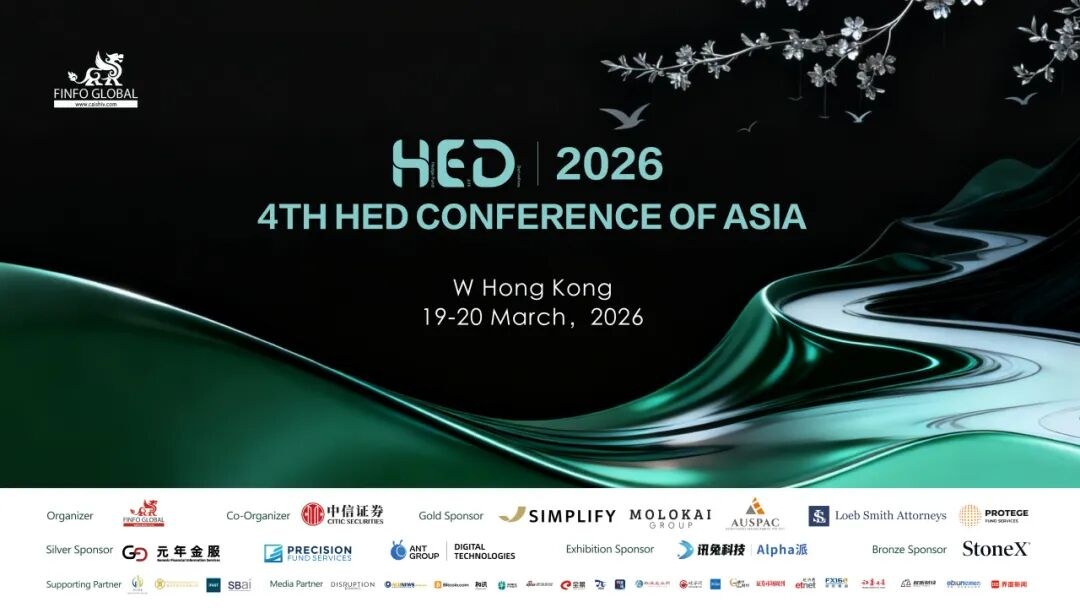
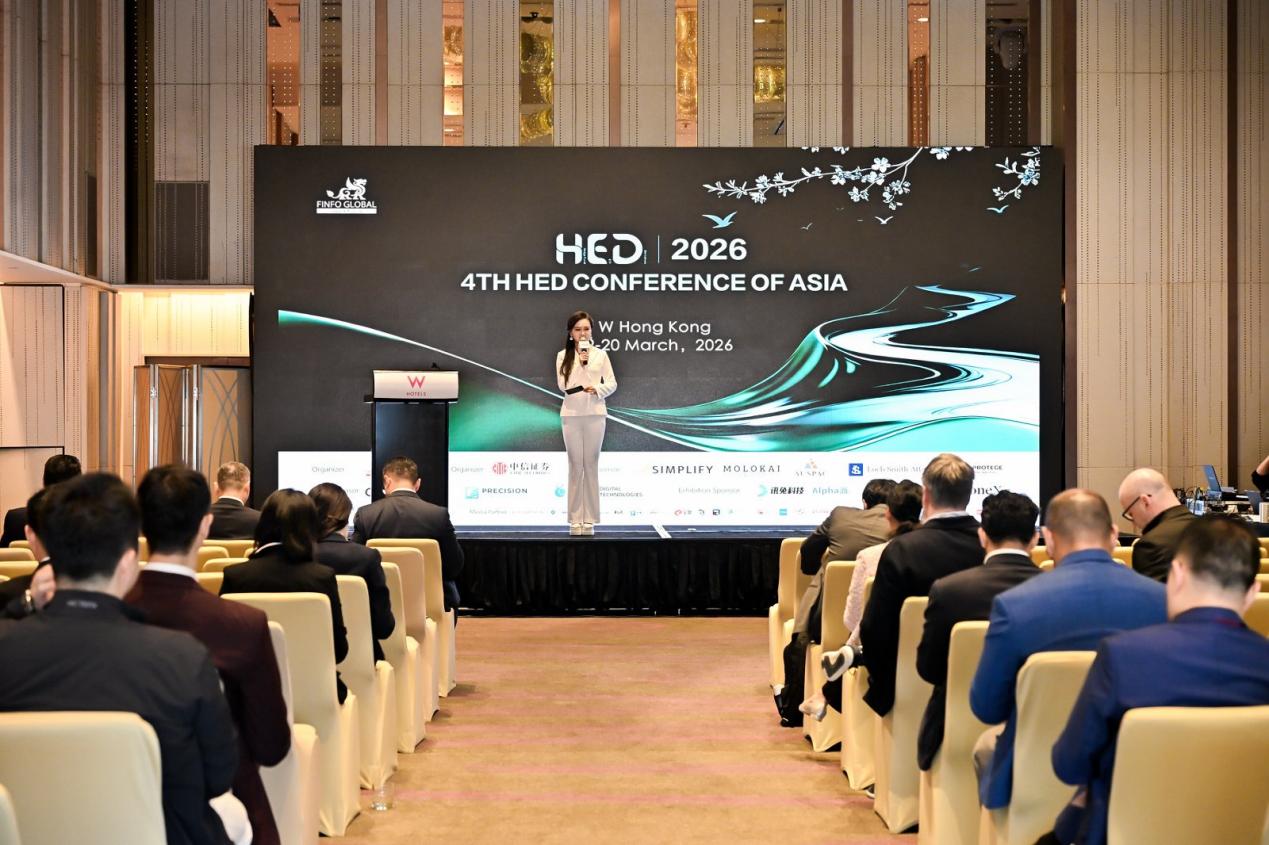
2026年3月19日至20日,由财视中国主办的第四届HED亚洲峰会在香港隆重举行。本届峰会以“从资本到创新:在变局中重塑资产配置”为主题。逾300位来自私人银行、家族办公室及资产管理领域的决策者齐聚香港,50余位嘉宾围绕人民币国际化、跨境基金架构、AI技术应用、量化策略演进、财富管理转型等核心议题展开深度对话,为亚洲金融生态的未来发展提供了前瞻性指引。

峰会得到协办方中信证券,金牌赞助商Simplify Asset Management、Molokai Group、Auspac Investment Management(AIM)、Loeb Smith Attorneys、Protege Fund Services,银牌赞助商元年金服、Precision Fund Services、蚂蚁数科,展览赞助商讯兔科技(Alpha派),青铜赞助商StoneX,支持机构香港单一家族办公室协会、赢领环球资本、iFAST奕丰金融(香港)、另类投资标准委员会的鼎力支持。
1

开幕致辞:立足香港,连接亚洲与全球资本

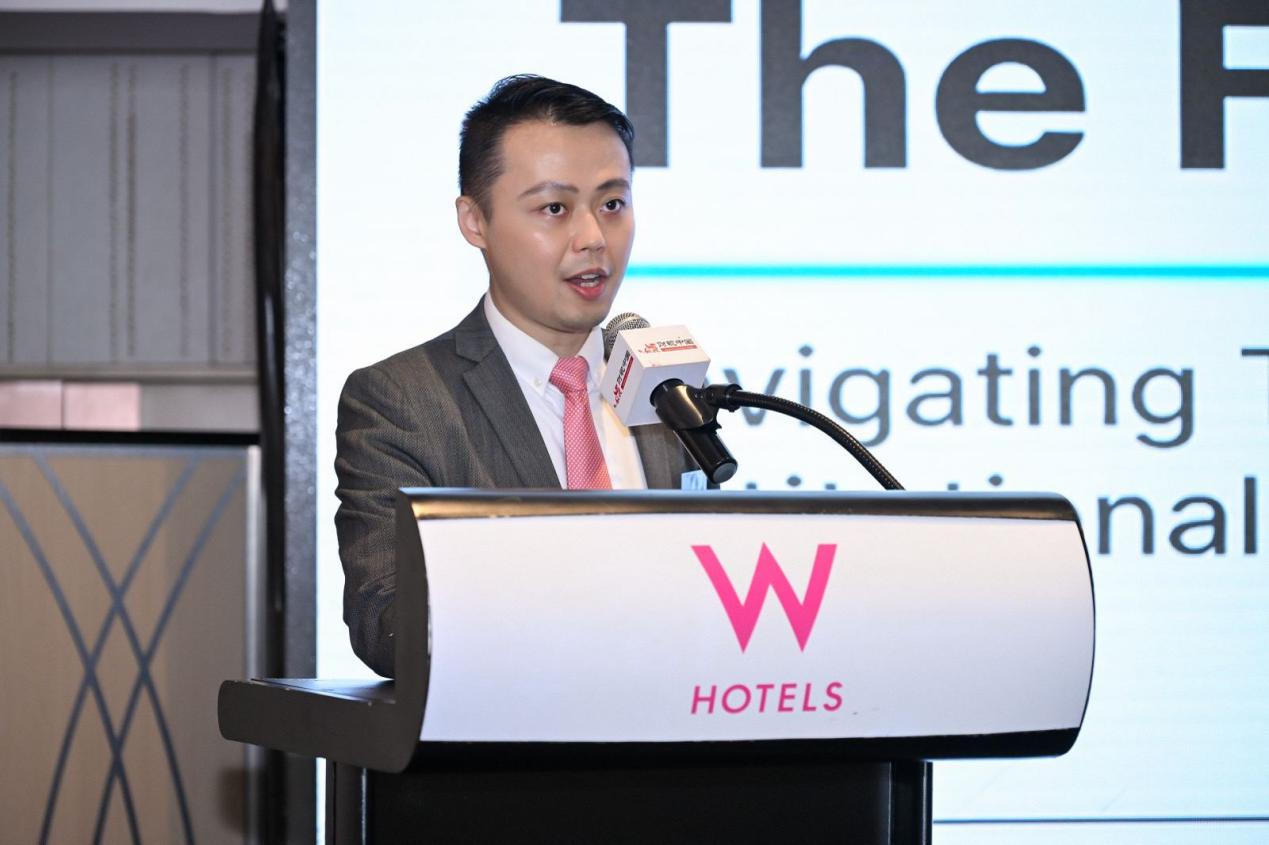
峰会伊始,财视中国创始人兼CEO朱浩发表欢迎致辞。在全球市场进入资本重新配置新周期的背景下,香港作为连接中国内地与世界的独特门户,正凭借人民币国际化加速、跨境基金架构演变和家族办公室生态发展,重新定义其角色。他强调,技术、监管与资本的融合正重塑财富管理与资产配置的逻辑,并期待本届峰会能够为全球投资者与中国机遇、亚洲增长之间搭建更坚实的桥梁。财视中国作为全方位资本生态平台,整合上市公司、机构投资者及渠道资源,为全球资管机构提供品牌、准入及资源对接的一站式中国市场解决方案。
zhuhao

▲ 财视中国创始人兼首席执行官 朱浩

聚焦——宏观变局与前沿投资策略

峰会首日,与会嘉宾围绕宏观趋势、代币化资产、私募信贷及量化投资等热点议题展开深入探讨。

Sun Life亚洲资产管理总裁邓斌发表开幕主旨演讲,深入剖析了全球利率周期分化、大宗商品与黄金的战略价值,为资产配置提供了宏观注脚。
邓

▲Sun Life亚洲资产管理总裁Benjamin Deng

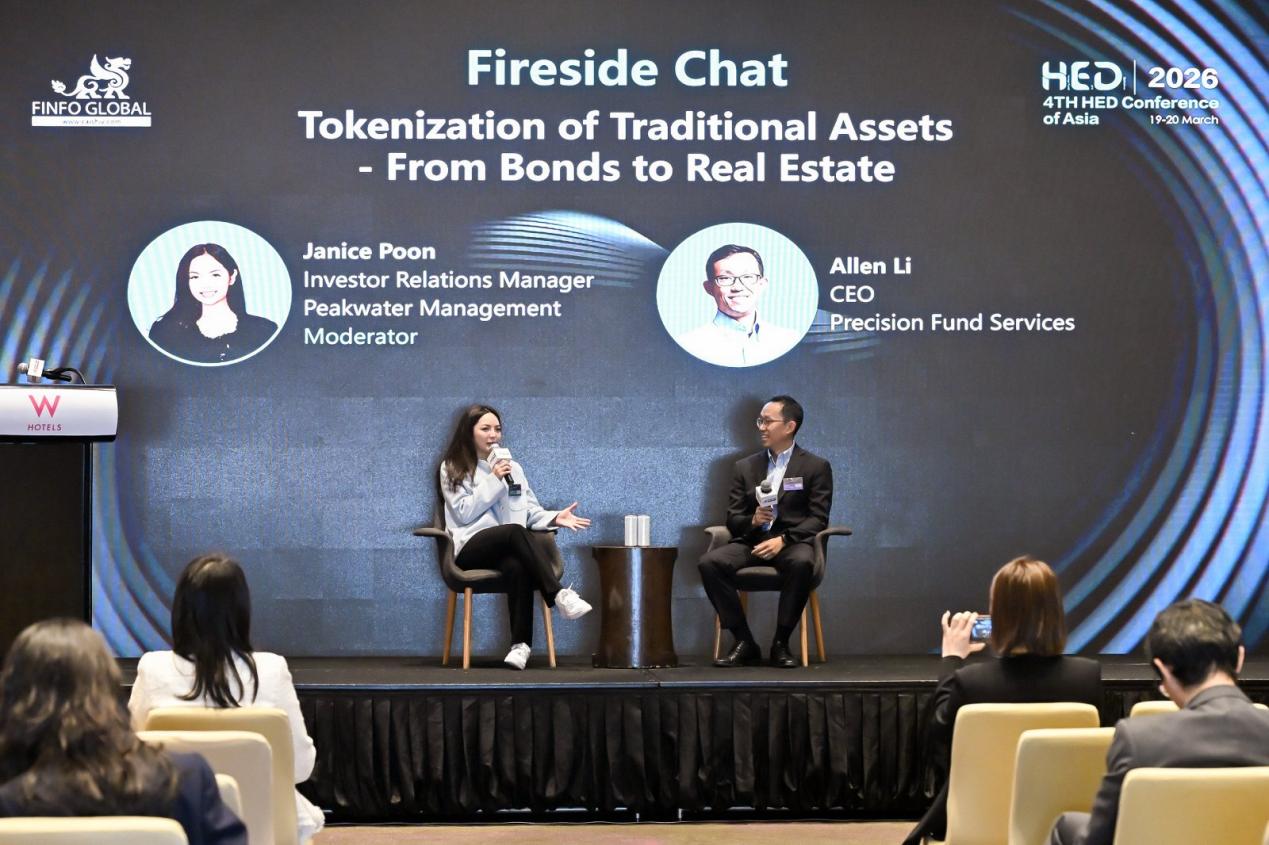
炉边对话“传统资产代币化:从债券到房地产”中,Precision Fund Services首席执行官Allen Li与主持人Peakwater Management投资者关系经理Janice Poon围绕传统资产代币化的现实路径展开讨论,聚焦真实世界资产(RWA)的应用场景及亚洲监管框架。
4

▲炉边对话“传统资产代币化:从债券到房地产”

炉边对话“私募信贷能否在亚洲真正扎根?”,元年金服总经理Ming Bi与主持人VI Asset Management执行董事Sam Clothier共同讨论亚洲市场的异质性。专家强调,在亚洲取得成功的关键不在于资本成本,而在于本地化的项目发掘能力以及在不同司法管辖区内的法律执行韧性。
5

▲炉边对话“私募信贷能否在亚洲真正扎根?”

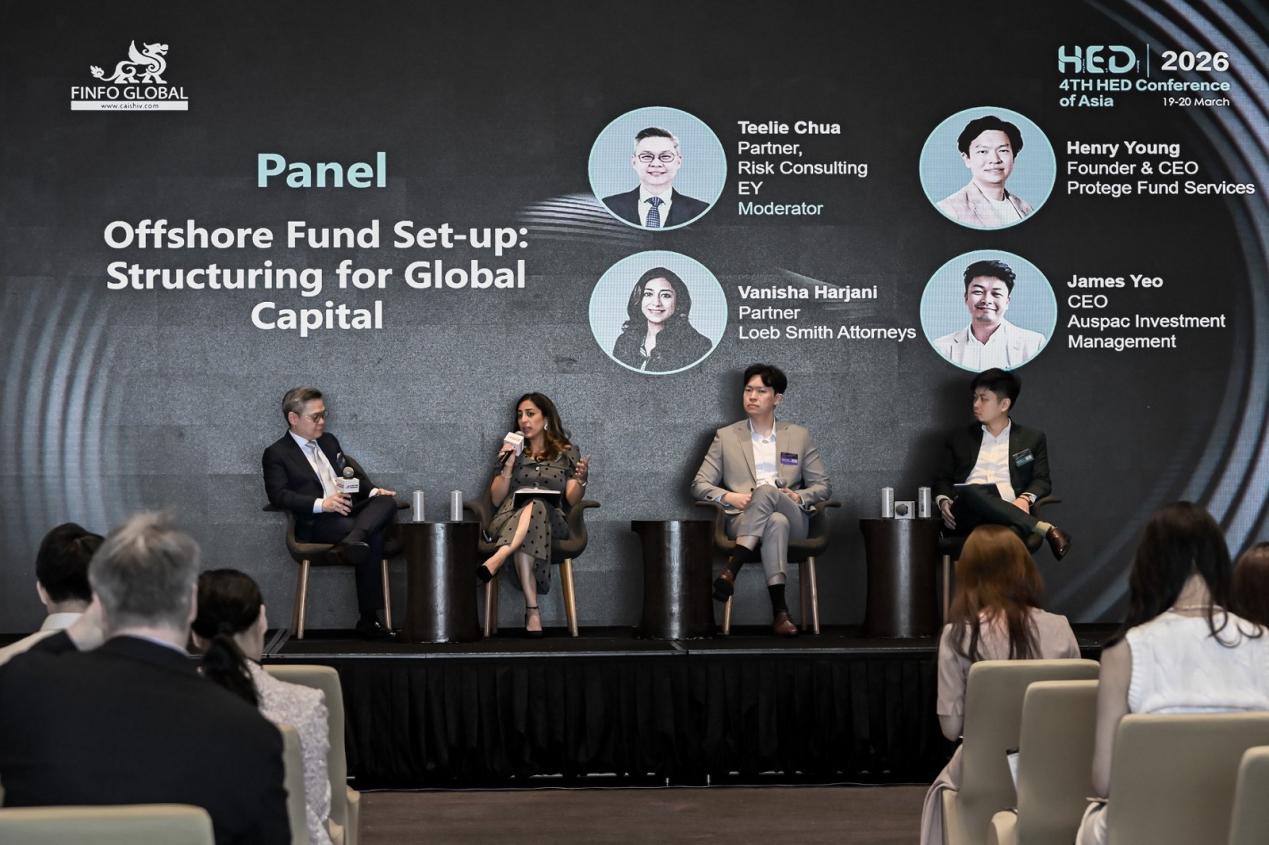
在圆桌讨论“离岸基金设立”中,安永风险咨询合伙人Teelie Chua担任主持,与Protege Fund Services创始人兼CEO Henry Young、Loeb Smith Attorneys合伙人Vanisha Harjani、Auspac Investment Management CEO James Yeo比较了开曼、BVI、新加坡VCC等架构的优劣,并指出在合规趋严的背景下,混合型在岸/离岸架构以及代币化基金可能成为未来3-5年的重要发展趋势。
6

▲圆桌讨论“离岸基金设立”

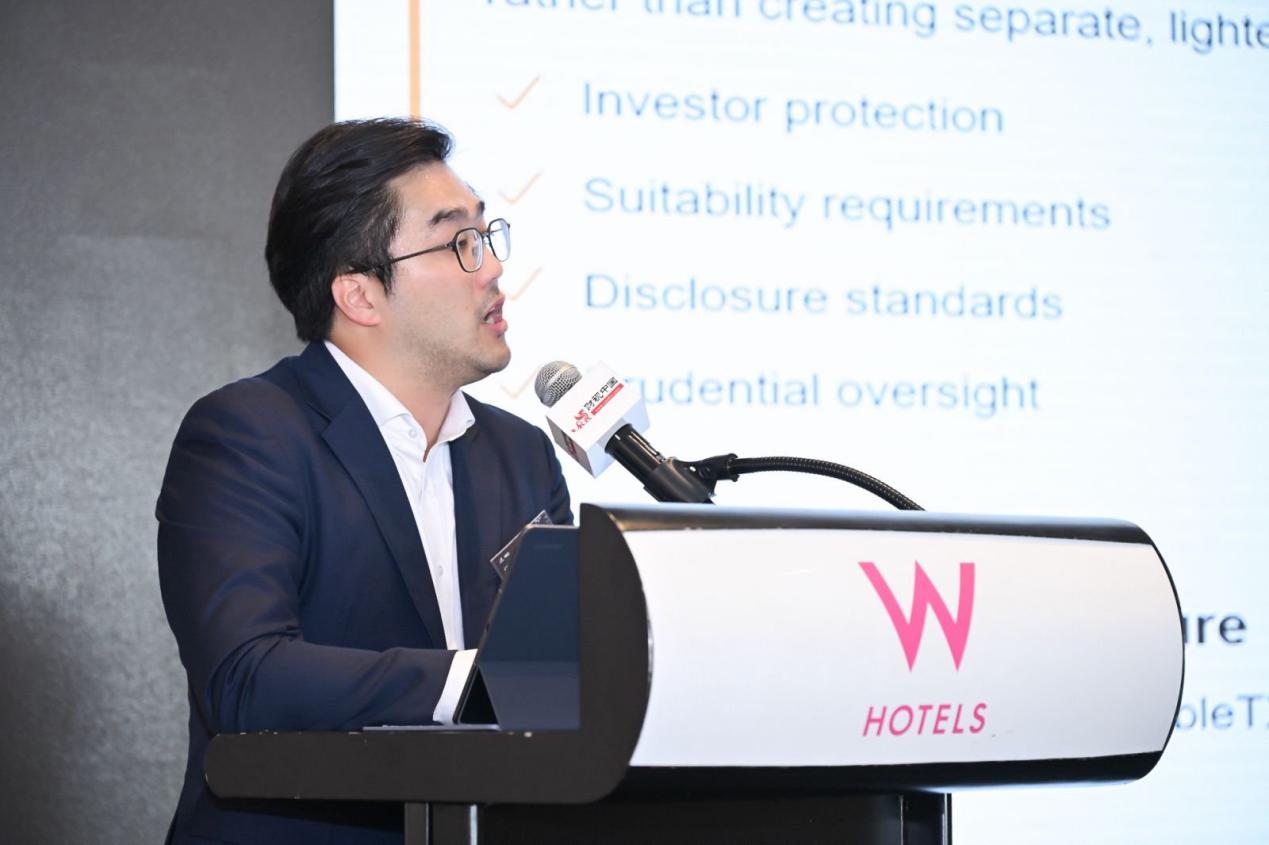
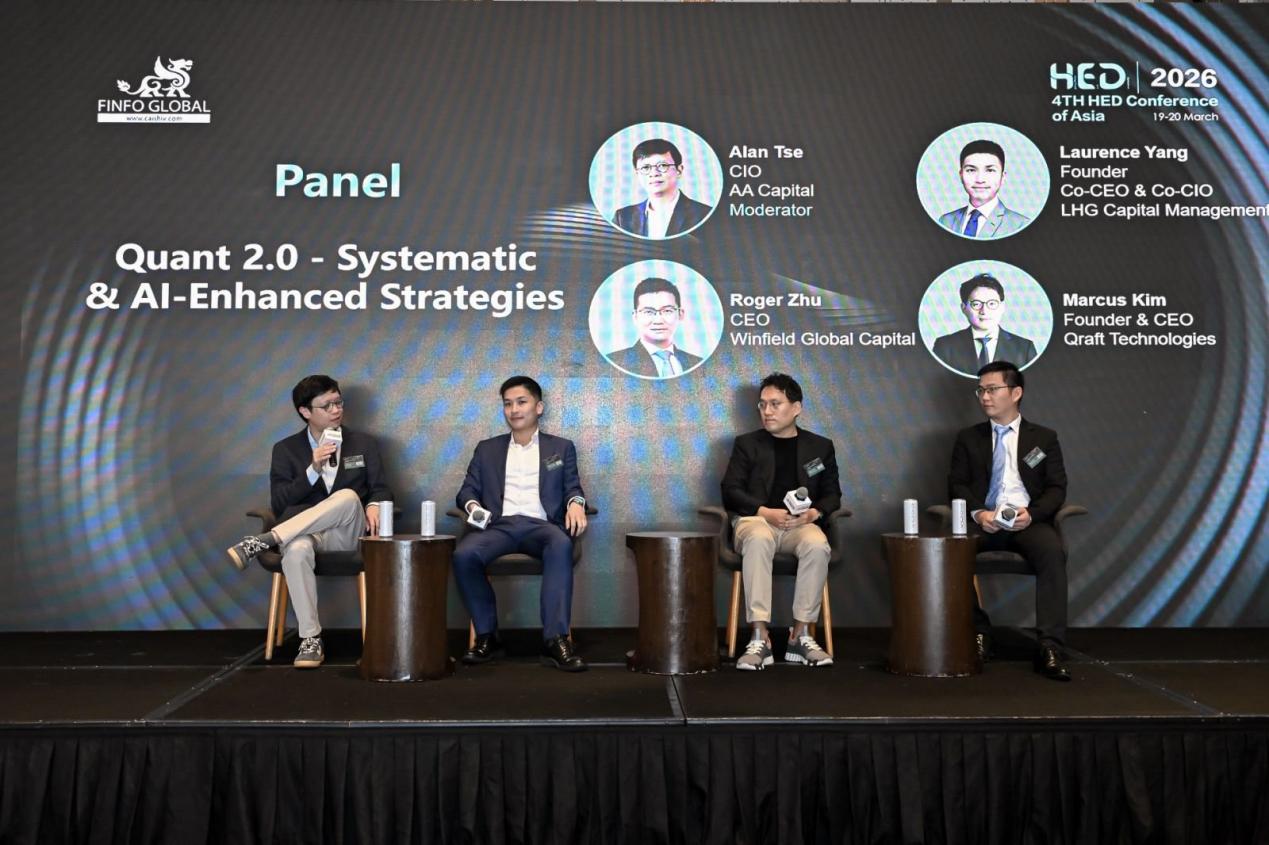
AA Capital首席投资官Alan Tse担任主持,与LHG Capital Management创始人兼联席CEO、联席CIO Laurence Yang,赢领环球资本CEO Roger Zhu,Qraft Technologies创始人兼CEO Marcus Kim共同探讨“量化 2.0时代”。嘉宾指出,利用大语言模型(LLM)从新闻、社交媒体等非结构化数据中提取Alpha信号,正成为量化策略超越传统量价模型的核心竞争力。
7

▲圆桌讨论“量化 2.0——系统化与 AI 增强策略”

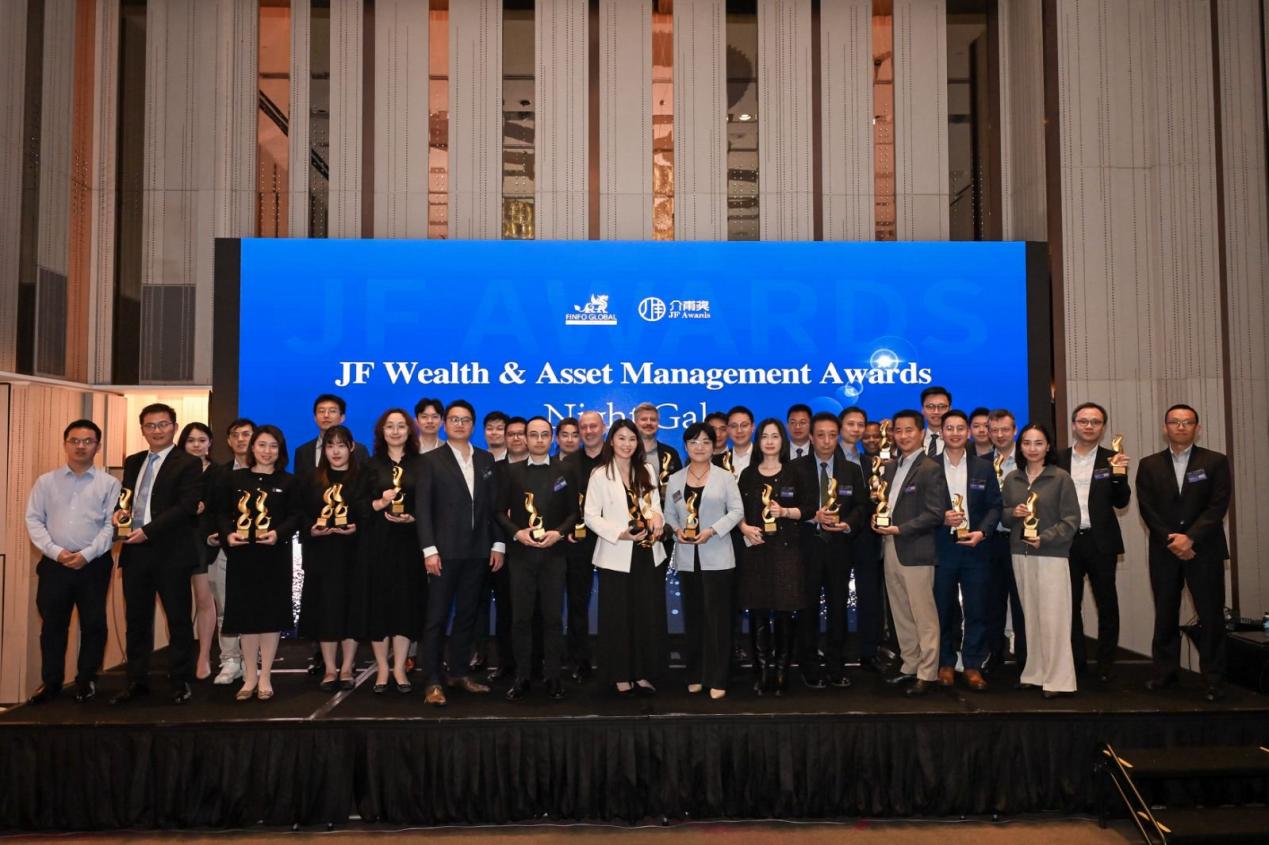
当晚,备受瞩目的“亚洲财富与资产管理·介甫奖颁奖晚宴”隆重举行,以表彰在亚洲财富与资产管理领域中具有卓越成就和突出表现的机构、产品与个人,发掘区域内具有创新性与突破性的资产管理实践。
8

▲“亚洲财富与资产管理·介甫奖颁奖晚宴”

纵深——中国市场机遇与财富管理变革

峰会次日聚焦大中华区投资逻辑与财富管理生态演变。

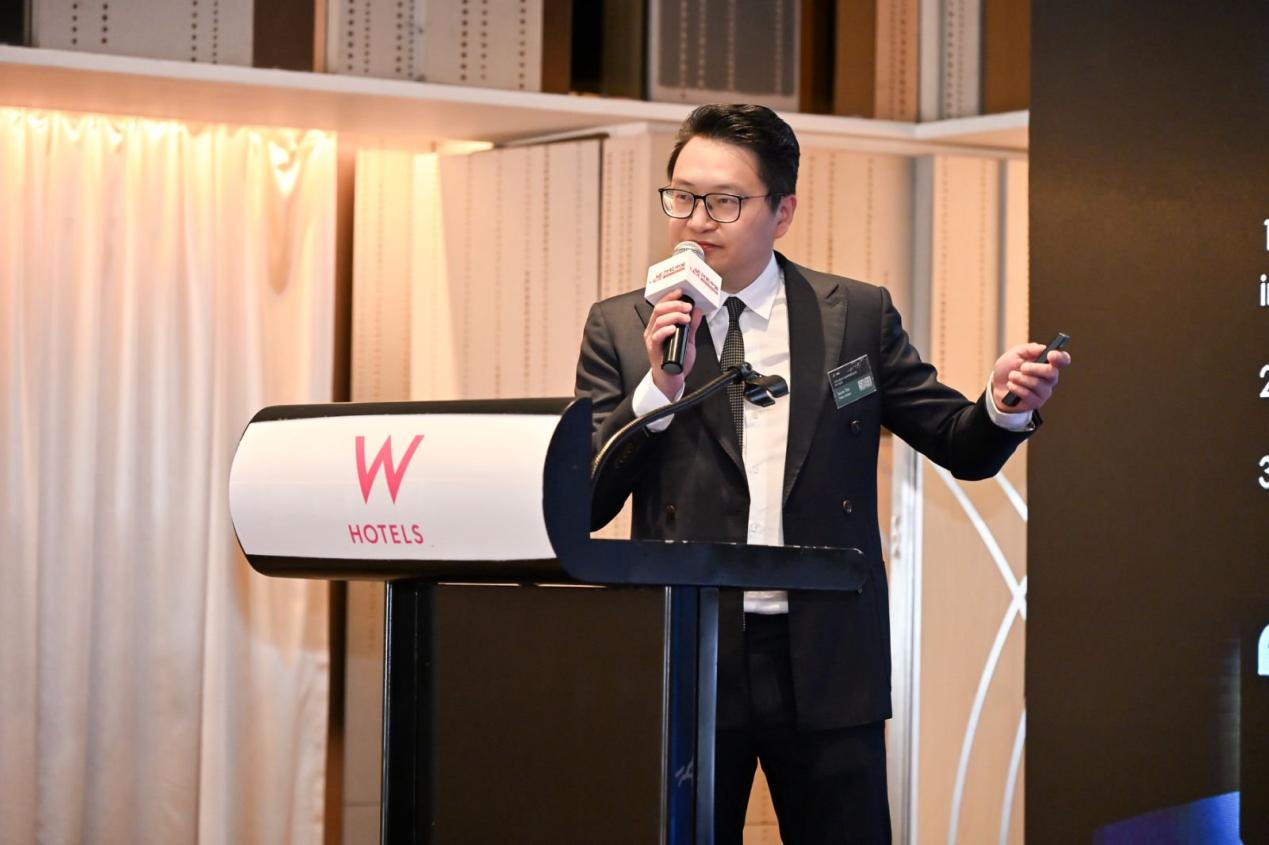
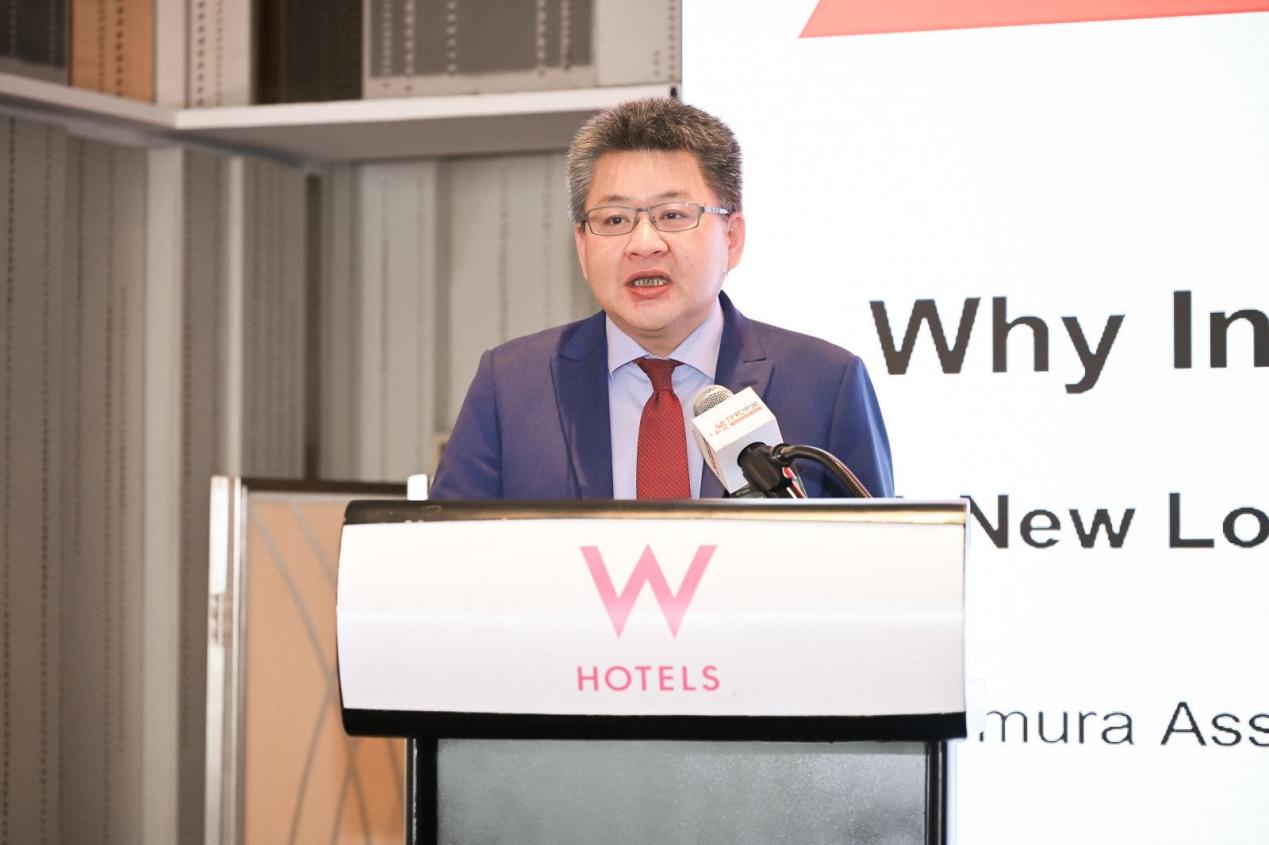
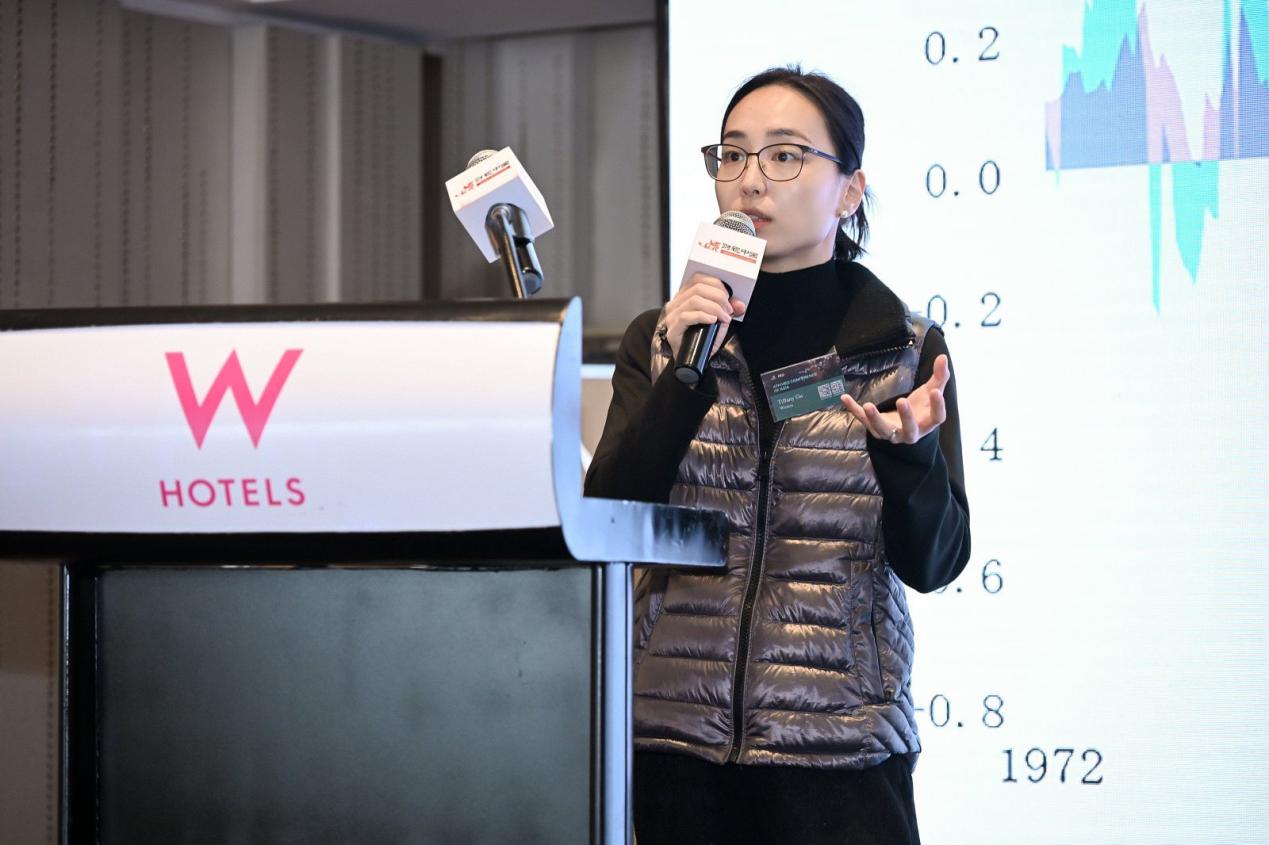
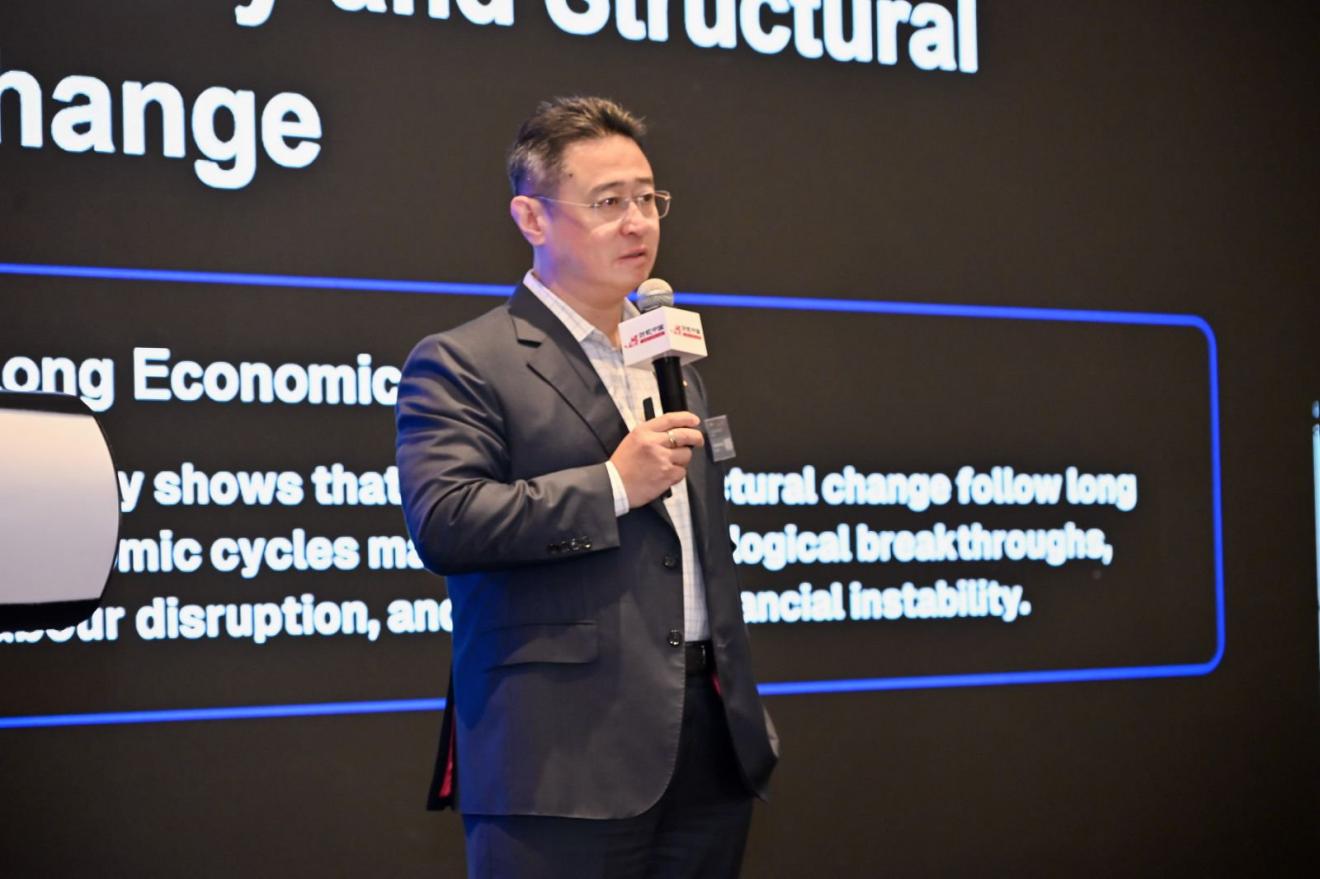
野村资产管理台湾CEO Jeff Huang围绕大中华区资本市场的格局变迁及投资策略定位发表主旨演讲。元盛大中华区业务发展总监顾颖艺则详细分析了“寻找真实多元化”的时代背景,通过数据展示了CTA策略在股票回撤期间的保护作用。
9

▲野村资产管理台湾CEO Jeff Huang

10

▲元盛大中华区业务发展总监 顾颖艺

GRT Capital Management董事总经理Patrick Lui发表了题为“2026市场展望:向有形资产转移”的主旨演说。他表示,当前资本正从“数字可扩展性”转向“物理稀缺性”,他提出的“HALO资产”(重资产、低淘汰率)策略引起了与会者的广泛共鸣。
11

▲GRT Capital Management董事总经理Patrick Lui

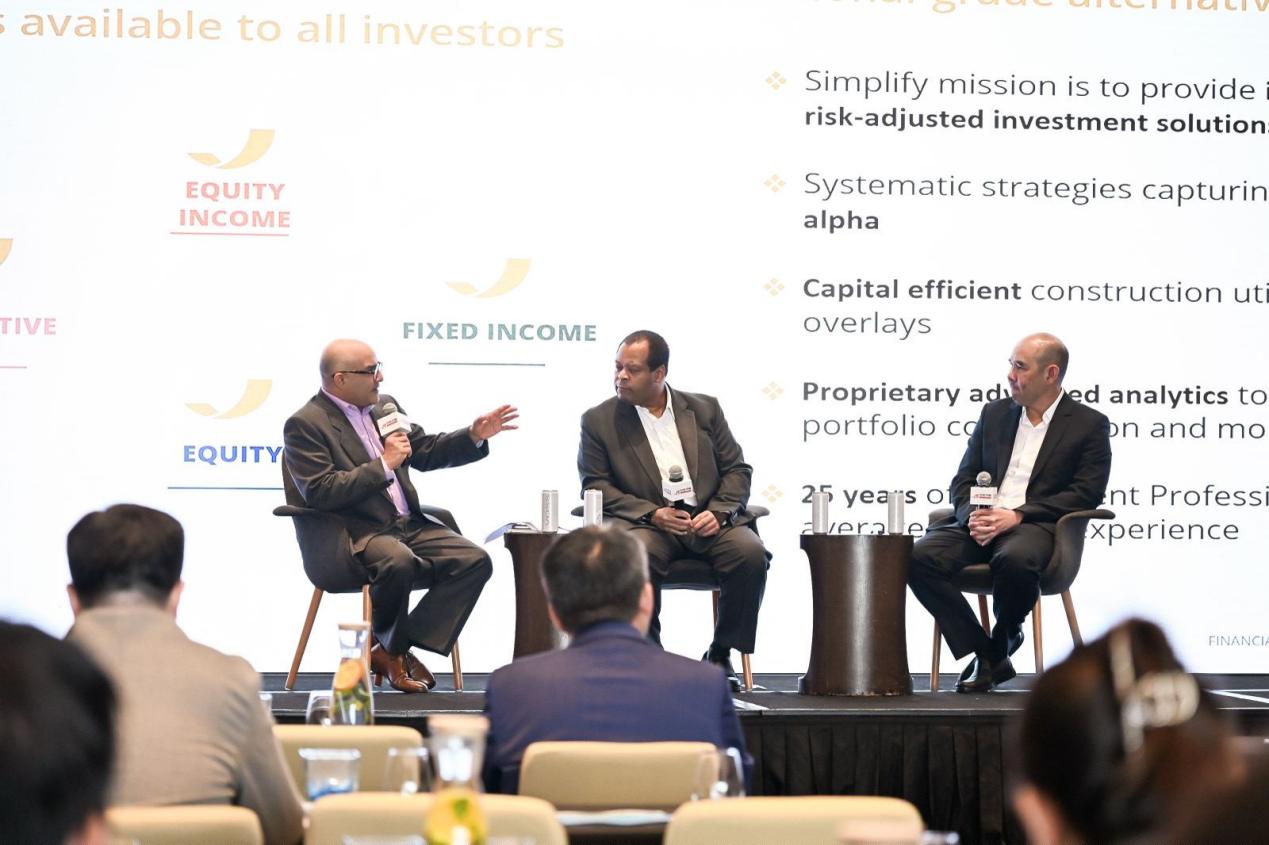
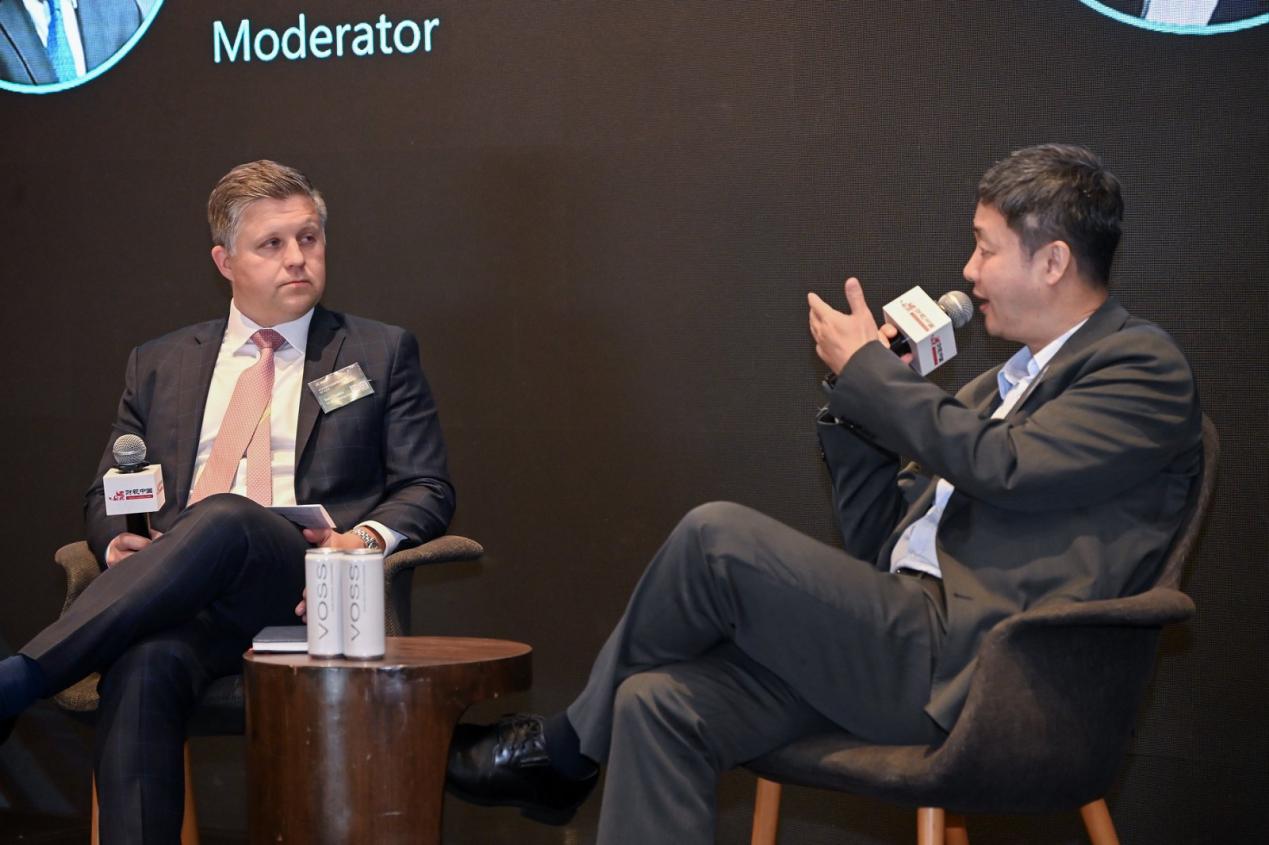
炉边对话“ETF作为全球投资核心工具:产品与实践”由Molokai Capital首席执行官Vijoy Chattergy主持,并邀请到Simplify Asset Management亚洲业务发展负责人Keat Leong与Molokai Capital联合创始人Michael Mills共同参与。在当前高波动的市场环境下,具有高流动性和透明度的ETF工具在实现全球资产多元化配置中发挥着不可替代的作用。ETF已不再仅仅是简单的指数追踪工具,而是逐渐演变为机构投资者构建复杂策略、获取另类收益的核心载体。
12

▲炉边对话“ETF作为全球投资核心工具:产品与实践”

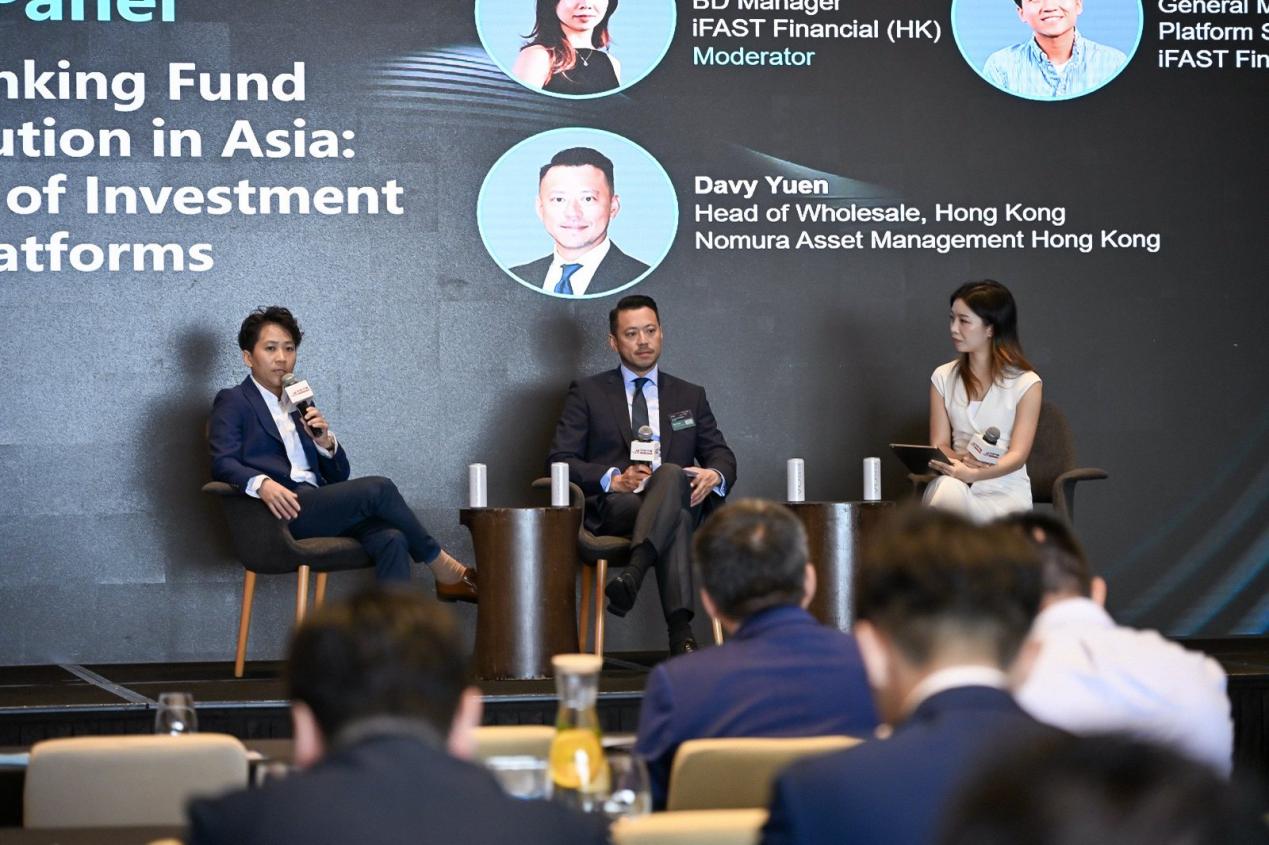
在iFAST奕丰金融(香港)业务发展经理Vickie Chong的主持下,iFAST奕丰金融(香港)平台服务总经理Glory Lau与野村资产管理香港批发业务负责人Davy Yuen共同探讨了亚洲基金分销的新趋势。嘉宾们指出,分销模式正经历从传统银行主导向数字化、平台化渠道的深刻转型。面对监管环境的变化,基金平台在连接资产管理人与终端投资者之间的战略价值日益凸显。
13

▲圆桌讨论“重新思考亚洲的基金分销模式:投资平台的作用”

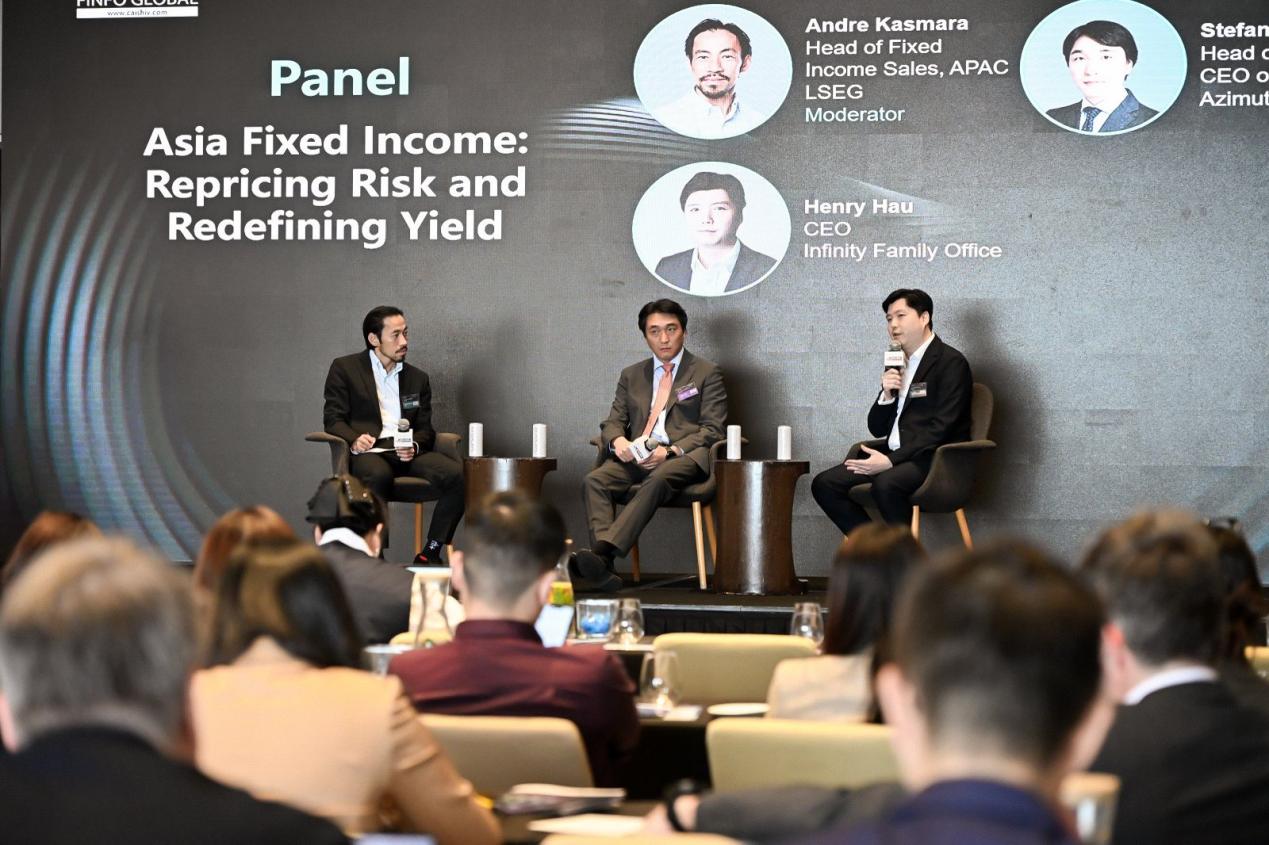
伦敦证券交易所集团(LSEG)亚太区固定收益销售主管Andre Kasmara主持了亚洲固收市场圆桌。Azimut集团亚洲区负责人兼新加坡CEO Stefano Chao与Infinity家族办公室CEO Henry Hau针对全球利率周期分化下的久期风险与收益机遇进行了深度剖析。通过对比亚洲、美国与欧洲信用市场的重新定价逻辑,嘉宾们讨论了保险机构、养老金及主权基金在固定收益配置中角色的演变。
14

▲圆桌讨论“亚洲固定收益:风险重定价与收益率重新定义”

华夏基金(香港)数字资产总监Don Ng分享了华夏基金代币化领域“从愿景到现实”历程,详细阐述了区块链技术如何通过智能合约实现自动合规、即时结算与自动对账,有效解决了传统基金分销的痛点。
15

▲华夏基金(香港)数字资产总监Don Ng

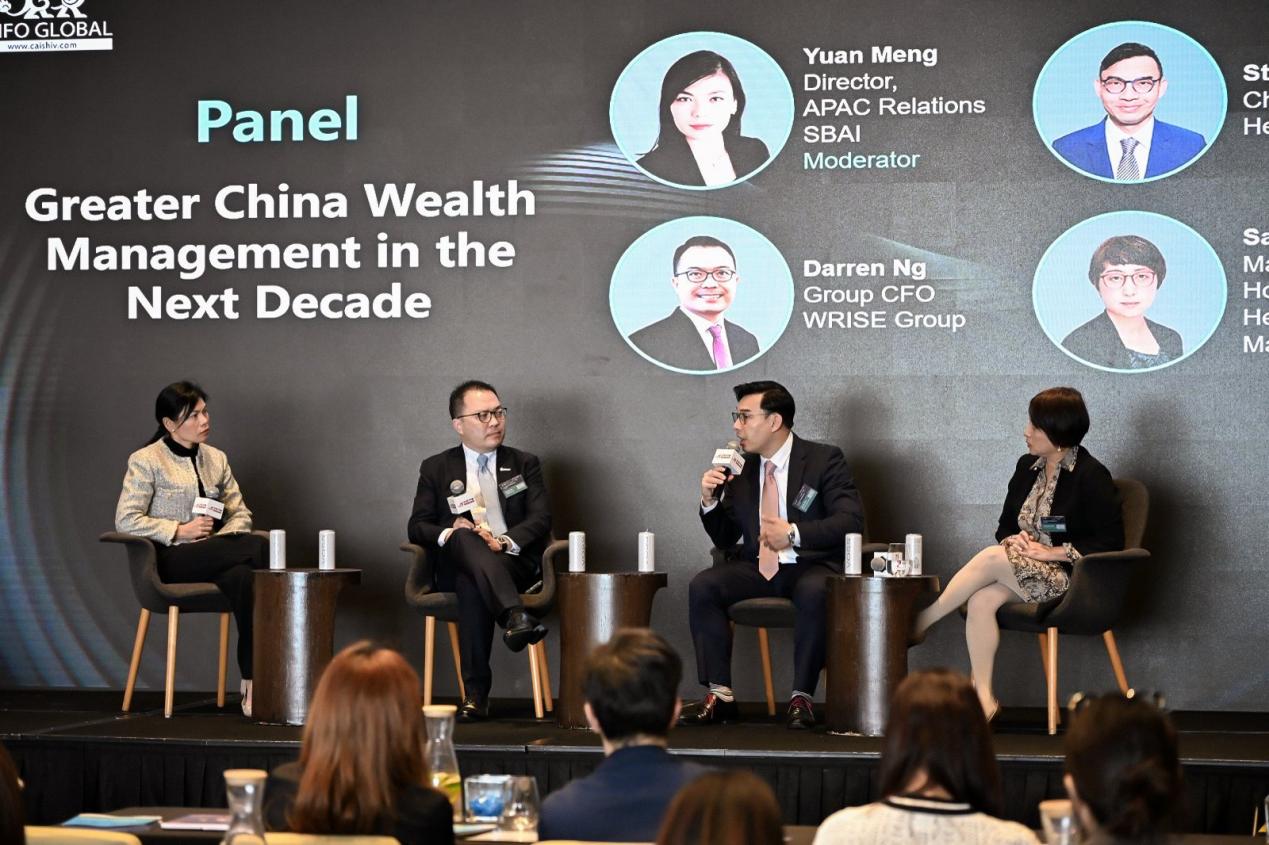
圆桌“大中华区财富管理的下个十年”由另类投资标准委员会(SBAI)亚太关系总监Yuan Meng主持,和丰家族办公室首席投资官Stephen Pau、昇世集团(WRISE Group)首席财务官Darren Ng以及瑞承财富管理(香港)董事总经理兼CEO Samantha Zhai共同展望了行业未来。嘉宾们表示,大中华区客户群体正发生结构性位移,高净值人士、家族办公室以及新一代企业家对财富管理的需求正向更具国际化视野和专业深度的方向转变。
16

▲圆桌讨论“大中华区财富管理的下个十年”

本届峰会通过两天的密集探讨,不仅链接了全球资本与亚洲创新,更为不确定市场环境下的资产配置提供了清晰的战略导航。虽然以上仅为部分精彩议题的截取,但已足以窥见行业转型的方向。财视中国将持续搭建高质量交流平台,推动全球资本与亚洲创新的双向流动。期待明年再聚香港,共话资管行业新篇章。

注:文/龚作仁,文章来源:Laborer,本文为作者独立观点,不代表亿邦动力立场。

【版权提示】亿邦动力倡导尊重与保护知识产权。未经许可,任何人不得复制、转载、或以其他方式使用本网站的内容。如发现本站文章存在版权问题,烦请提供版权疑问、身份证明、版权证明、联系方式等发邮件至run@ebrun.com,我们将及时沟通与处理。

已点赞

+1

{{ praise_text }}

好文章,值得被更多人看到

FAQ回顾

第四届HED亚洲峰会讨论了哪些核心议题?

峰会核心议题包括人民币国际化、跨境基金架构、AI技术应用、量化策略演进、财富管理转型、传统资产代币化(RWA)、私募信贷亚洲市场发展以及离岸基金设立等。

HED亚洲峰会如何看待AI在量化投资中的应用?

峰会指出量化2.0时代的核心是利用大语言模型(LLM)从新闻、社交媒体等非结构化数据中提取Alpha信号,这正成为超越传统量价模型的关键竞争力。

香港在亚洲金融生态中扮演什么角色?

香港作为连接中国内地与世界的独特门户,正凭借人民币国际化加速、跨境基金架构演变和家族办公室生态发展,重新定义其在全球资本配置中的桥梁角色。

广告

下一篇

跨境电商资源对接

《全球跨境电商服务商资源手册》第二期手册现已发布,触达更多资源,了解跨境服务商信息,欢迎点击链接下载。

了解详情

汤臣倍健营收承压 梁允超定调2026“创业年”|财报解析

2025年,汤臣倍健实现营业收入62.65亿元,同比下降8.38%;归母净利润7.82亿元,同比增长19.81%;扣非归母净利润6.86亿元,同比增长9.49%。