



• 亿邦公众号
    • APP下载

七鲜小厨公示核心食材产地:只用好食材,产地真溯源

作者:龚作仁 文章来源:Laborer

2026-03-12 18:20

作者:龚作仁 文章来源:Laborer

2026-03-12 18:20

邦小白快读

EN
全文速览

七鲜小厨公开食材产地和食品安全举措,确保消费者吃得安心放心,提供实操干货供日常参考。

1. 食材产地透明化:公开油、米、肉、菜等核心食材原产地,如非转基因一级大豆油、黑龙江泰来县大米、巴西南部潘帕斯草原牛肉、内蒙古赤峰翁牛特旗猪肉、四川眉山酸萝卜、云南保山螺丝椒,从源头保障安全新鲜。

2. 供应链优化:优先选择临近门店城郊种植基地(如西红柿、芹菜),确保48小时内从产地直达餐桌,最大程度保持食材新鲜度,减少消费者顾虑。

3. 食品安全措施:实施4道关卡检测蔬菜、净菜工厂“两洗一浸”清洗流程、冷链配送严格控温≤8℃,并引入AI全链路食品安全管控系统,提供技术和制度双重保障,减少后顾之忧。

4. 成效与扩展:数据显示每家门店开业三个月后日均单量超500单,带动周边3公里内餐厅流量增长;计划2026年底覆盖全国所有一二线城市,让更多消费者享受品质餐饮。

七鲜小厨通过供应链透明化提升品牌价值,洞察消费趋势和用户行为,为品牌营销和产品研发提供参考。

1. 品牌营销策略:公示食材产地建立消费者信任,强调只用好食材,以“安全新鲜”理念赢得口碑,树立餐饮行业标杆,带动整体消费活力。

2. 消费趋势观察:消费者对食品安全需求强烈,供应链透明化成为必要条件;数据显示门店高单量和周边带动效应反映用户偏好安全、新鲜、正宗的口味,助推品牌增长。

3. 产品研发启示:基于核心食材如非转基因油、特定产区农产品(如北纬47°水稻),研发注重原产地标准,优先城郊基地缩短配送时间,确保地道新鲜。

4. 品牌渠道建设:优化供应链模式(如AI系统),强化渠道效率,提升品牌定价竞争力,通过透明化减少价格竞争风险。

七鲜小厨的扩张计划和食品安全模式揭示增长市场机会,提供可学习点和合作方式,应对消费需求变化。

1. 增长市场机会:计划2026年底覆盖全国一二线城市,门店日均单量超500单,显著带动周边餐厅流量,显示餐饮行业增长潜力。

2. 消费需求变化:消费者关注食品安全,供应链透明化成为核心需求;可学习点包括选择临近产地(如城郊基地)缩短配送,确保48小时内新鲜,应对需求转变。

3. 合作与机会提示:与优质供应商(如黑龙江泰来县、四川眉山)合作,打造透明供应链;正面机会包括AI食品安全系统减少风险,负面风险源自供应链黑箱问题。

4. 最新商业模式:透明化供应链作为行业标杆,提供扶持政策启示,如通过公示产地和供应商建立信任,seller可效仿以提升竞争力。

七鲜小厨的食材标准和生产需求为工厂提供商业机会,启示推进数字化和电商优化生产。

1. 产品生产设计需求:核心食材如非转基因大豆油、内蒙古猪肉、云南螺丝椒需特定产地(如北纬47°种植带),工厂可优化设计满足高质量标准。

2. 商业机会提示:成为供应商(如城郊种植基地),合作七鲜小厨确保48小时内直达;数据支持门店高单量,反映强劲需求。

3. 推进数字化启示:七鲜采用AI全链路食品安全管控系统,工厂可借鉴应用于生产流程(如检测、温控),提升效率;电商启示来自快速配送模式,缩短供应链时间。

七鲜小厨的食品安全方案揭示行业趋势和新技术,解决客户痛点,为服务商提供参考解决方案。

1. 行业发展趋势:供应链透明化成为餐饮业必要基础设施,带动行业规范与繁荣,七鲜小厨树立标杆。

2. 新技术应用:引入AI全链路食品安全管控系统,结合4道检测关卡、净菜工厂清洗流程和≤8℃冷链测温,提供技术和制度双重保险。

3. 客户痛点分析:食品安全问题源于供应链黑箱操作;七鲜解决方案(如产地公示、临近基地选择)直接减少消费者后顾之忧,服务商可借鉴解决类似痛点。

七鲜小厨的供应链管理揭示商业对平台需求和最新做法,指导平台招商、运营和风险规避。

1. 商业需求和平台做法:消费者对食品安全需求促平台强化供应链透明化;七鲜做法包括公开产地、供应商,并优先城郊基地,确保48小时内配送,优化运营管理。

2. 平台招商启示:合作优质产地供应商(如黑龙江泰来县、四川眉山),招商需注重品牌实力和原产地标准,拓展伙伴网络。

3. 运营管理与风向规避:实施AI食品安全系统、4道检测和冷链控制,减少风险;数据高单量反映成功,需规避供应链黑箱问题确保质量。

七鲜小厨模式展示产业新动向和商业模式,提供政策法规启示,研究新问题如供应链规范化。

1. 产业新动向:供应链透明化推动餐饮行业规范与繁荣,七鲜小厨作为先锋带动消费活力,数据高单量证明成效。

2. 新问题分析:供应链黑箱操作导致食品安全问题;七鲜解决方案(如AI系统、产地公示)启示强化行业标准。

3. 商业模式研究:透明化供应链作为标杆模式,通过公示核心食材和供应商赢得消费者信任,促进实证研究。

4. 政策法规启示:案例显示透明化减少风险,建议推动政策强化食品安全检测和溯源,赋能行业创新。

声明:快读内容全程由AI生成,请注意甄别信息。如您发现问题,请发送邮件至 run@ebrun.com 。

我是 品牌商 卖家 工厂 服务商 平台商 研究者 帮我再读一遍。

Quick Summary

7-Fresh Kitchen discloses ingredient origins and food safety measures to ensure consumer confidence, offering practical insights for daily reference.

1. Ingredient origin transparency: Publicly shares sourcing locations for core items like non-GMO soybean oil, rice from Tailai County (Heilongjiang), beef from Brazil's Pampas grasslands, pork from Wengniute Banner (Inner Mongolia), pickled radish from Meishan (Sichuan), and peppers from Baoshan (Yunnan), ensuring safety and freshness from source.

2. Supply chain optimization: Prioritizes suburban farms near stores (e.g., for tomatoes and celery) to guarantee delivery from farm to table within 48 hours, maximizing freshness and reducing consumer concerns.

3. Food safety protocols: Implements 4-step vegetable inspections, a "two-wash, one-soak" process at cleaning facilities, and cold-chain transport with strict temperature control (≤8°C), supported by an AI-powered end-to-end food safety management system for dual technical and institutional safeguards.

4. Results and expansion: Data shows over 500 daily orders per store within three months of opening, boosting traffic for nearby restaurants within a 3km radius; plans to cover all Tier 1-2 cities in China by end-2026 to expand access to quality dining.

7-Fresh Kitchen enhances brand value through supply chain transparency, offering insights into consumer trends and user behavior for marketing and product development.

1. Brand marketing strategy: Builds trust by disclosing ingredient origins, emphasizing premium quality with a "safe and fresh" ethos to set industry benchmarks and stimulate consumer engagement.

2. Consumer trend insights: Strong demand for food safety makes supply chain transparency essential; high order volumes and localized traffic growth reflect user preference for safe, fresh, and authentic flavors, driving brand growth.

3. Product development guidance: Focuses on origin-based standards (e.g., non-GMO oils, crops from specific latitudes like 47°N) and suburban sourcing to shorten delivery times, ensuring authenticity and freshness.

4. Channel optimization: Strengthens pricing competitiveness and reduces price-war risks by leveraging efficient supply chains (e.g., AI systems) and transparent operations.

7-Fresh Kitchen’s expansion plans and food safety model reveal growth opportunities, providing actionable strategies and partnerships to address evolving consumer demands.

1. Growth market potential: Plans to cover all Tier 1-2 cities by end-2026, with stores averaging 500+ daily orders and boosting nearby restaurant traffic, highlighting sector growth.

2. Evolving consumer needs: Transparency is now a core expectation; learnings include sourcing from local farms (e.g., suburban bases) for sub-48-hour freshness to adapt to demand shifts.

3. Partnership opportunities: Collaborate with premium suppliers (e.g., Tailai County, Meishan) to build transparent chains; AI safety systems mitigate risks, while opaque supply chains pose threats.

4. Business model innovation: Transparency as an industry benchmark offers guidance on trust-building via origin disclosure, enabling sellers to enhance competitiveness.

7-Fresh Kitchen’s ingredient standards and production needs present commercial opportunities, guiding digitalization and e-commerce optimization for factories.

1. Production design requirements: Specific origins (e.g., non-GMO oils, pork from Inner Mongolia, peppers from Yunnan) demand tailored processes to meet high-quality standards.

2. Commercial opportunities: Supply partnerships (e.g., suburban farms) ensure 48-hour delivery; high order data reflects robust demand.

3. Digitalization insights: Adopt AI-based safety systems (like 7-Fresh’s) for production workflows (e.g., inspections, temperature control) to boost efficiency; e-commerce models emphasize rapid supply chain shortening.

7-Fresh Kitchen’s food safety approach highlights industry trends and technologies, addressing client pain points with reference solutions.

1. Industry trends: Supply chain transparency is becoming essential infrastructure, driving standardization and growth, with 7-Fresh as a pioneer.

2. Technology adoption: AI-powered safety systems, combined with 4-step checks, cleaning protocols, and ≤8°C cold chains, offer dual technical and institutional safeguards.

3. Pain point resolution: Opaque supply chains cause safety concerns; solutions like origin disclosure and local sourcing reduce consumer anxiety, providing models for service providers.

7-Fresh Kitchen’s supply chain management reveals platform needs and best practices for merchant recruitment, operations, and risk mitigation.

1. Platform strategies: Consumer demand for safety drives transparency; practices include origin disclosure, suburban sourcing, and 48-hour delivery for operational efficiency.

2. Merchant recruitment: Partner with premium suppliers (e.g., Tailai County, Meishan) based on brand strength and origin standards to expand networks.

3. Risk management: AI safety systems, inspections, and冷链 controls minimize risks; high order data validates success, while opaque chains require quality safeguards.

7-Fresh Kitchen’s model illustrates industry shifts and business innovations, offering policy insights and research directions for supply chain standardization.

1. Industry dynamics: Transparency fosters sector regulation and growth, with 7-Fresh driving consumer engagement; high order data validates impact.

2. Emerging issues: Opaque supply chains cause safety problems; solutions (e.g., AI, origin disclosure) inform stronger industry standards.

3. Business model analysis: Transparency as a benchmark builds trust via ingredient and supplier disclosure, enabling empirical study.

4. Policy implications: Case studies support enhanced safety detection and traceability policies to spur innovation.

Disclaimer: The "Quick Summary" content is entirely generated by AI. Please exercise discretion when interpreting the information. For issues or corrections, please email run@ebrun.com .

I am a Brand Seller Factory Service Provider Marketplace Seller Researcher Read it again.

3月12日,继2025年10月正式公示核心食材供应商后,京东集团旗下餐饮品牌七鲜小厨宣布全面公开油、米、肉、菜等核心食材的原产地。此次对食材的溯源,不仅是七鲜小厨在食品安全方面的主动承诺,更是以实际行动践行对食品安全最高标准的坚定追求,让消费者吃得更健康、更放心。
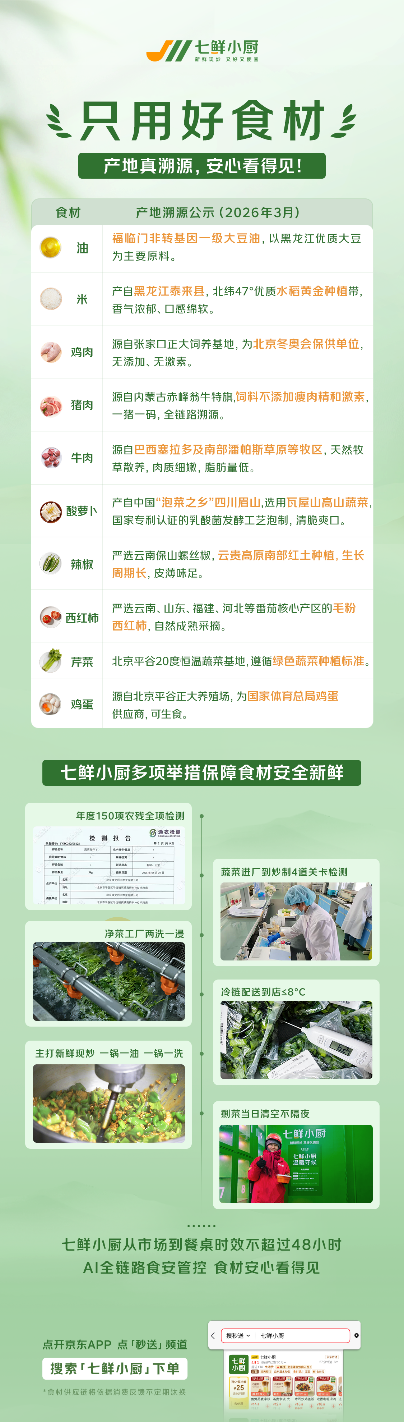
餐饮行业的食品安全问题,往往源于供应链的“黑箱”操作。供应链透明化,已成为消费者“吃得放心、吃得安心”的必要条件。2025年10月,七鲜小厨率先向社会公开核心食材的供应商品牌,本次再度将米、油、肉、蛋、菜等全品类核心食材的来源全面公开。自推出以来,七鲜小厨就坚持使用非转基因一级大豆油,将消费者最关心的食品安全放在首位,从源头上解决消费者对食用油的顾虑。此外“北纬47°优质水稻黄金种植带”黑龙江泰来县的大米、巴西南部潘帕斯草原散养的牛、内蒙古赤峰翁牛特旗饲养的猪、“泡菜之乡”四川眉山生产的酸萝卜、云南保山红土地上生长的螺丝椒……众多核心产区的优质食材,构成了七鲜小厨“安全新鲜”的底气。从田园到餐桌,“口味正宗”的七鲜小厨,以地道新鲜、美味安全赢得消费者信赖。
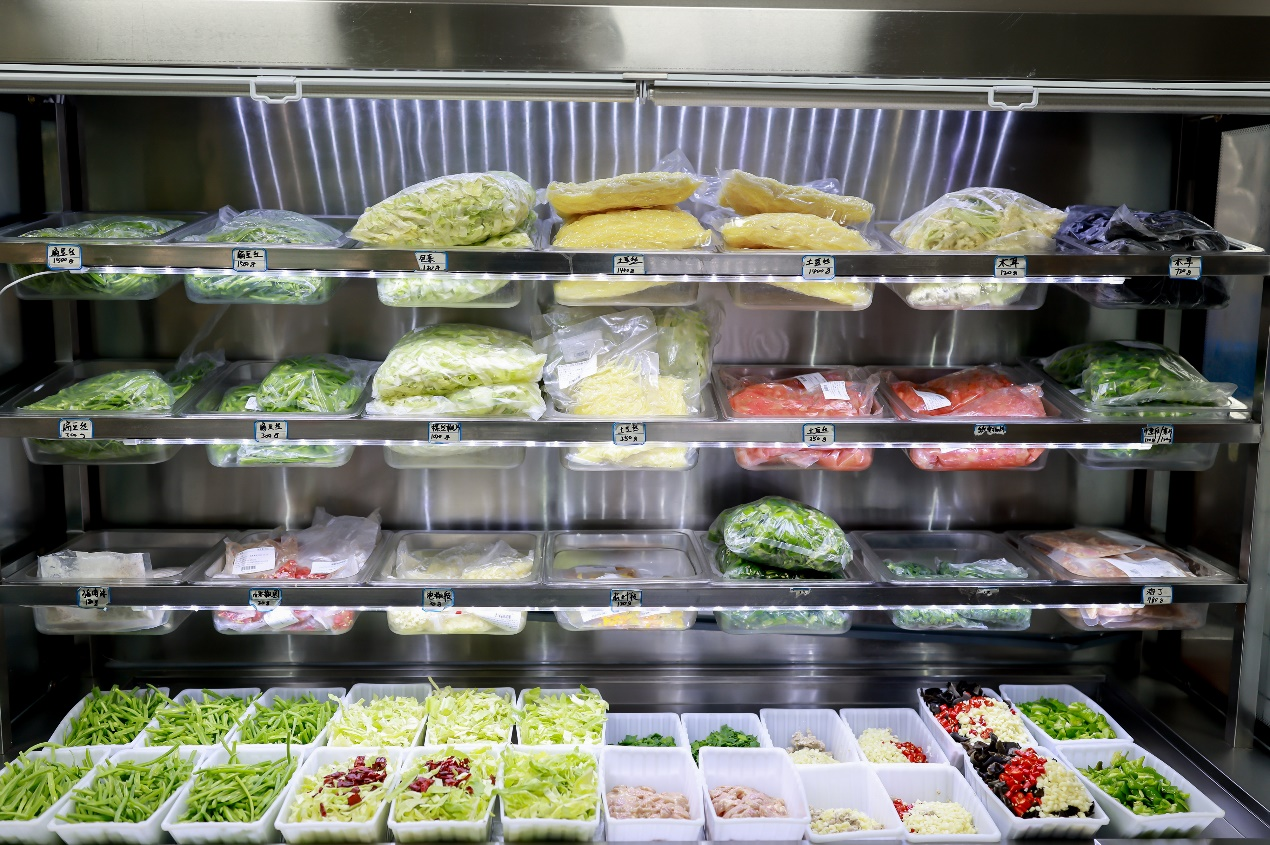
(七鲜小厨门店后厨备菜区)

据七鲜小厨供应链采销负责人介绍:“在食材供应链的选择上,我们不仅注重品牌实力,原产地也是重要的考核标准。除了特定作物的优质产区,如西红柿、芹菜等蔬菜,我们优先选择临近门店的城郊种植基地,确保48小时内从土地直达消费者餐桌,最大程度保障食材的新鲜度。”
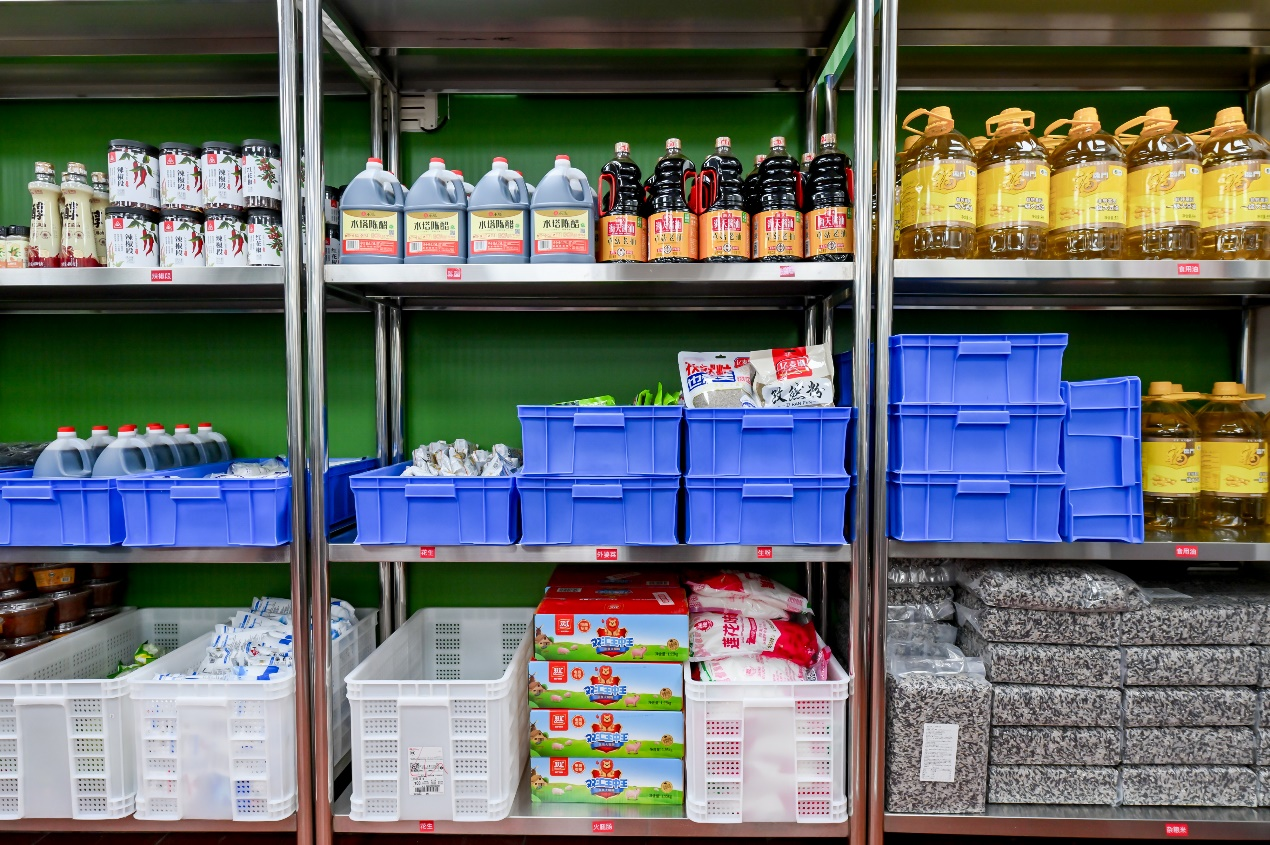
(七鲜小厨门店核心食材存储区)

供应链透明化是七鲜小厨食品安全的基础设施,此时推出的多重“食材安全举措”则是保障食品安全的关键:从蔬菜进厂到门店炒制前的4道关卡检测,净菜工厂“两洗一浸”标准流程清洗,到冷链配送≤8℃的严格测温……更引入AI全链路食品安全管控系统,从技术和制度层面为食品安全提供“双保险”,减少消费者的后顾之忧。

坚守食品安全红线的七鲜小厨已获得广大消费者的认可。数据显示,每家七鲜小厨门店在开业三个月后,日均单量超过500单,并显著带动了周边3公里范围内其他品质餐厅的流量与增速。七鲜小厨计划于2026年底覆盖全国所有一二线城市,让更多消费者享受到菜品丰富、服务周到的品质餐饮。

七鲜小厨核心食材产地的全面公示与食品安全举措的持续升级,不仅树立了餐饮行业的标杆,也带动了整个行业的繁荣与消费活力。通过供应链赋能推动行业规范、利好更多消费者,七鲜小厨正逐步成长为严守食品安全标准的先锋力量。

注:文/龚作仁,文章来源:Laborer,本文为作者独立观点,不代表亿邦动力立场。

【版权提示】亿邦动力倡导尊重与保护知识产权。未经许可,任何人不得复制、转载、或以其他方式使用本网站的内容。如发现本站文章存在版权问题,烦请提供版权疑问、身份证明、版权证明、联系方式等发邮件至run@ebrun.com,我们将及时沟通与处理。

已点赞

+1

{{ praise_text }}

好文章,值得被更多人看到

FAQ回顾

七鲜小厨公开了哪些核心食材的产地信息?

七鲜小厨公开了油、米、肉、蛋、菜等全品类核心食材的原产地,包括黑龙江泰来县大米、巴西南部潘帕斯草原的牛肉、内蒙古赤峰翁牛特旗的猪肉、四川眉山的酸萝卜和云南保山的螺丝椒等。

七鲜小厨如何保障食材的新鲜度?

七鲜小厨优先选择临近门店的城郊种植基地供应蔬菜,确保48小时内从土地直达消费者餐桌,并通过冷链配送≤8℃的严格测温来最大程度保障食材新鲜度。

七鲜小厨采取了哪些食品安全管控措施?

七鲜小厨实施4道关卡检测、净菜工厂“两洗一浸”标准流程,并引入AI全链路食品安全管控系统,从技术和制度层面为食品安全提供双重保障。

广告

下一篇

跨境电商资源对接

《全球跨境电商服务商资源手册》第二期手册现已发布,触达更多资源,了解跨境服务商信息,欢迎点击链接下载。

了解详情

CHIC探展|2026服饰增长点:新型实体、科技重塑生产链

2026年,服装消费能“回暖”吗?这一问题反映了服装人对行业未来的朴素期待和心声。

未来零售

2026-03-12 18:03:41










