• 亿邦公众号
    • APP下载

当敦煌遇见遇意 让传统文化走进青年日常

作者:龚作仁 文章来源:Laborer

2026-03-04 14:54

作者:龚作仁 文章来源:Laborer

2026-03-04 14:54

邦小白快读

EN
全文速览

敦煌博物馆与遇意联名推出的飞花令福袋(灵韵篇),以敦煌文化为灵感,融合现代潮流元素,专为Z世代设计。

1. 设计灵感源自敦煌壁画的经典元素,如北魏《鹿王本生图》、藻井纹样、飞天线条和瑞兽图腾,确保文化真实性。

2. 产品形态多样,包括徽章、色纸、立牌、挂件和礼盒,兼顾收藏价值与日常实用性,适合桌面装饰、穿搭或礼物赠送。

3. 采用三大非遗工艺:景泰蓝掐丝珐琅(需掐丝、点蓝等工序)、螺钿镶贝(十四道严谨工序)和苏绣(数十种针法),由传承人手工制作,提升艺术质感。

4. 色彩提取敦煌经典色系,结合新春主题,让传统祥瑞融入现代生活,推动文创成为情感载体。

本次联名合作展示了文化IP如何通过品牌营销与产品研发吸引Z世代消费者,实现品牌年轻化。

1. 品牌营销策略:锚定新春节点,将敦煌祥瑞文化融入年礼概念,打造破圈之作,借助线上活动如“小马闹元宵”提升用户互动。

2. 产品研发重点:基于文化考据,坚持严谨转译敦煌美学元素,避免符号浅表化,同时融入潮玩形态如谷子,贴合用户收藏和使用场景。

3. 消费趋势洞察:Z世代推动文创圈正版化、精品化、文化化,本次合作响应需求,让敦煌文化成为生活方式和情感消费载体。

4. 用户行为观察:产品设计考虑日常应用,如融入穿搭或社交分享,显示年轻人偏好实用与收藏相结合的文化消费模式。

敦煌与遇意联名事件提供新年销售增长机会,并揭示可复制的商业模式和市场需求变化。

1. 增长市场:新春年礼场景结合文化IP,开拓Z世代消费需求,文创产品从传统纪念走向潮玩化圈层化。

2. 机会提示:联名模式可复用于其他博物馆或潮玩合作,如通过非遗工艺提升产品价值,抓住用户情感消费升级趋势。

3. 可学习点:设计以圈层体验为核心,兼顾文化深度与实用性,从产品形态到色彩表达均借鉴经验,避免陈旧元素。

4. 最新商业模式:博物馆与潮玩品牌跨界联名,打破IP边界,共享资源,为文化传承创造新路径,应对Z世代对正版化和内容深度的要求。

联名产品揭示非遗工艺在现代化生产中的应用与商业机会,提供数字化和电商启示。

1. 产品生产需求:精细工序如景泰蓝掐丝珐琅的点蓝和固色、螺钿的贝材加工、苏绣的丝线排布,强调匠人手工和材质把控。

2. 商业机会:参与文创产业生产高质感产品,满足Z世代对收藏品质和实用性的追求,可扩展到其他文化IP合作。

3. 推进数字化启示:遇意线上活动“小马闹元宵”展示电商销售模式,工厂可借鉴数字化营销手段提升销售渠道,如通过节事活动吸引用户。

行业趋势显示文创从馆藏展示转向生活场景,服务可提供新技术解决方案应对客户痛点。

1. 行业发展趋势:博物馆文创向潮玩化圈层化演变,Z世代成为核心驱动力,需求正版化、内容深度化和审美品质化。

2. 新技术应用:非遗工艺如景泰蓝掐丝珐琅、螺钿镶贝和苏绣的复刻技术,解决文物活化问题,让文化元素以现代形态呈现。

3. 客户痛点:传统文化如何被年轻群体接受,避免陈旧感,痛点在于转译深度和融入生活。

4. 解决方案:联名产品设计实现文化可感知化,通过视觉符号和实用场景,提供情感价值载体服务。

联名活动展示线上平台如何通过节日营销和合作模式提升运营,满足商业需求。

1. 商业对平台需求和问题:平台需吸引Z世代用户,问题在于如何整合文化元素提升内容深度和用户粘性,如线上活动部署。

2. 平台最新做法:遇意举办“小马闹元宵”线上节事活动,作为新品体验官招募,强化用户参与和销售转化。

3. 平台招商机会:博物馆与潮玩品牌联名模式可吸引更多IP入驻,扩展合作范围,响应Z世代消费趋势。

4. 运营管理与风向规避:结合新春场景和文化祥瑞优化营销策略,确保正版化内容,规避风险,如强调非遗工艺的权威性。

案例揭示文创产业新动向与文化商业模式创新,提供政策启示和研究价值。

1. 产业新动向:博物馆IP从文物活化转向文化再生和生活方式延伸,Z世代推动主流化趋势,需求正版化与深度内容。

2. 新问题:如何在传承中平衡历史严谨与当代审美,避免文化浅表化,本次设计以考据为先、转化为核心解决该问题。

3. 政策法规建议和启示:支持非遗工艺保护和文化再生政策,如传承人参与,强化文化自信与传统延续。

4. 商业模式:联名作为结构性创新,实现资源共享和价值提升,为文博IP提供年轻化转型参考,推动文创成为情感载体。

声明:快读内容全程由AI生成,请注意甄别信息。如您发现问题,请发送邮件至 run@ebrun.com 。

我是 品牌商 卖家 工厂 服务商 平台商 研究者 帮我再读一遍。

Quick Summary

The Dunhuang Museum and Yuyi's co-branded 'Feihualing' Fortune Bag (Lingyun Edition) draws inspiration from Dunhuang culture, blending it with modern trendy elements, specifically designed for Gen Z.

1. Its design is inspired by classic elements from Dunhuang murals, such as the Northern Wei 'Story of the Deer King Jataka', caisson ceiling patterns, flying apsaras lines, and auspicious beast totems, ensuring cultural authenticity.

2. The product comes in diverse forms, including badges, colored paper, standees, pendants, and gift boxes, balancing collectible value with everyday practicality, suitable for desk decoration, fashion accessories, or gifting.

3. It incorporates three major intangible cultural heritage crafts: cloisonné enamel (requiring processes like wire inlay and enamel filling), mother-of-pearl inlay (involving fourteen meticulous steps), and Suzhou embroidery (utilizing dozens of stitching techniques), all handcrafted by inheritors to enhance artistic quality.

4. The color palette is extracted from Dunhuang's classic hues, combined with a Spring Festival theme, allowing traditional auspiciousness to integrate into modern life and promoting cultural and creative products as emotional carriers.

This co-branding collaboration demonstrates how cultural IPs can attract Gen Z consumers through brand marketing and product development, achieving brand rejuvenation.

1. Brand Marketing Strategy: Anchored around the Spring Festival period, it integrates Dunhuang's auspicious culture into the concept of New Year gifts, creating a breakthrough product, and leverages online events like 'Little Horse Lantern Festival' to boost user engagement.

2. Product Development Focus: Based on cultural research, it insists on a rigorous translation of Dunhuang's aesthetic elements, avoiding superficial symbolism, while incorporating trendy formats like 'Guzi' merchandise to align with user collection and usage scenarios.

3. Consumer Trend Insight: Gen Z is driving the legitimization, premiumization, and culturalization of the cultural and creative sphere. This collaboration responds to these demands, making Dunhuang culture a lifestyle and emotional consumption vehicle.

4. User Behavior Observation: The product design considers daily applications, such as integration into fashion or social sharing, reflecting young people's preference for cultural consumption that combines practicality with collectibility.

The Dunhuang and Yuyi co-branding initiative presents a New Year sales growth opportunity and reveals a replicable business model and shifts in market demand.

1. Growth Market: Combining the Spring Festival gifting scene with cultural IP taps into Gen Z consumption needs, with cultural products evolving from traditional souvenirs to trendy, niche collectibles.

2. Opportunity Insight: The co-branding model can be replicated with other museums or trendy brands, leveraging intangible cultural heritage crafts to enhance product value and capture the trend of emotional consumption upgrades.

3. Key Learnings: The design centers on community experience, balancing cultural depth with practicality. Experience can be drawn from both product forms and color expression, avoiding outdated elements.

4. Latest Business Model: Cross-border collaborations between museums and trendy brands break IP boundaries, share resources, create new paths for cultural inheritance, and meet Gen Z's demands for authenticity and content depth.

The co-branded product highlights the application and commercial opportunities of intangible cultural heritage crafts in modern production, offering insights into digitalization and e-commerce.

1. Production Requirements: Intricate processes like enamel filling and color fixing in cloisonné, shell material processing for mother-of-pearl, and silk thread arrangement in Suzhou embroidery emphasize artisan craftsmanship and material control.

2. Commercial Opportunity: Participating in the cultural and creative industry to produce high-quality products meets Gen Z's pursuit of collectible quality and practicality, with potential for expansion to other cultural IP collaborations.

3. Digitalization Insight: Yuyi's online event 'Little Horse Lantern Festival' demonstrates e-commerce sales models. Factories can learn from digital marketing tactics to enhance sales channels, such as attracting users through holiday-themed events.

Industry trends indicate a shift of cultural and creative products from museum displays to life scenarios, where services can offer new technological solutions to address client pain points.

1. Industry Development Trend: Museum cultural products are evolving towards trendiness and niche markets, with Gen Z as the core driver demanding authenticity, content depth, and aesthetic quality.

2. New Technology Application: Replication techniques for intangible cultural heritage crafts like cloisonné enamel, mother-of-pearl inlay, and Suzhou embroidery solve the problem of cultural relic revitalization, presenting cultural elements in modern forms.

3. Client Pain Points: The challenge lies in how traditional culture can be accepted by younger demographics, avoiding a dated feel, with the pain point being the depth of translation and integration into daily life.

4. Solution: The co-branded product design achieves cultural perceptibility, providing an emotional value carrier service through visual symbols and practical usage scenarios.

The co-branding campaign showcases how online platforms can enhance operations through holiday marketing and partnership models to meet commercial needs.

1. Platform Commercial Needs and Challenges: Platforms need to attract Gen Z users; the challenge lies in integrating cultural elements to enhance content depth and user stickiness, such as through deploying online events.

2. Platform's Latest Practices: Yuyi hosted the 'Little Horse Lantern Festival' online event as a new product experience officer recruitment drive, strengthening user participation and sales conversion.

3. Platform Merchant Opportunity: The museum and trendy brand co-branding model can attract more IPs to join the platform, expanding collaboration scope and responding to Gen Z consumption trends.

4. Operations Management and Risk Mitigation: Optimizing marketing strategies by combining Spring Festival scenarios and cultural auspiciousness, ensuring authentic content, and mitigating risks, such as emphasizing the authority of intangible cultural heritage crafts.

This case reveals new trends in the cultural and creative industry and innovations in cultural business models, offering policy implications and research value.

1. Industry New Trend: Museum IP is shifting from cultural relic activation to cultural regeneration and lifestyle extension, driven mainstream by Gen Z's demand for authenticity and deep content.

2. New Problem: How to balance historical rigor with contemporary aesthetics in inheritance, avoiding cultural superficiality. This design addresses the issue by prioritizing research and focusing on transformation.

3. Policy and Regulatory Suggestions and Implications: Support policies for protecting intangible cultural heritage crafts and cultural regeneration, such as involving inheritors, to strengthen cultural confidence and traditional continuity.

4. Business Model: Co-branding acts as a structural innovation, achieving resource sharing and value enhancement, providing a reference for the youthful transformation of museum IP, and promoting cultural and creative products as emotional carriers.

Disclaimer: The "Quick Summary" content is entirely generated by AI. Please exercise discretion when interpreting the information. For issues or corrections, please email run@ebrun.com .

I am a Brand Seller Factory Service Provider Marketplace Seller Researcher Read it again.

敦煌博物馆x 遇意联名推出新品——飞花令福袋(灵韵篇),以敦煌壁画为灵感,融古韵于今物。守护敦煌文脉,专注国潮文创。

文创圈迎来新联名,一代人有一代人的新春年礼。

岁启新春,文创焕新。当千年敦煌遇见青年潮玩,一场关于文化、圈层与年礼的革新正式开启。

敦煌博物馆 作为敦煌文旅旗下的文化IP,是以敦煌千年丝路文明为内核,以璀璨深厚的美学意象与历史积淀为灵感源泉的一座连接千年文明与当代生活的桥梁。它不仅保护与展示历史,更注重文化在当代社会中的“转译”与“再生”,使敦煌不再是遥远的地理名词或静止的历史片段,而成为一种持续演进、充满活力的文化能量,为现代人提供精神滋养、审美启迪与文化自信。

遇意 聚焦Z世代用户,专注于潮玩和文创产品的深耕,隶属于上海禀赋集团自主品牌矩阵,集产品研发、制造和营运销售一体,坚守【“遇”见你的专属好物,留下你的心满“意”足】的企业信念。

当下,博物馆文创正从馆藏展示走向生活场景,从传统纪念走向潮玩化、圈层化;而Z世代文创圈也从亚文化消费,走向正版化、精品化、文化化。双方合作打破 IP 边界,重构合作模式,让文博 IP 真正走进年轻消费主场。

恰逢新春上新节点,联名更成为新一代年礼的破圈之作。

它既有敦煌的祥瑞底蕴与文化分量,又有年轻人喜爱的谷子形态与收藏价值,让传统年味不再陈旧,让新潮文创更有底蕴。

以文创为桥,以年礼为媒。

敦煌博物馆 × 遇意,让千年文明走进当代生活,让年轻人热爱的好物,成为千家万户的新春新意。

敦煌IP传承的当代表达:以千年文化赋能现代消费场景

当前国内博物馆文创产业呈现两大核心趋势:

一是博物馆 IP 从文物活化走向文化再生,从线下展示延伸至生活方式、情感消费与价值输出;

二是Z世代文创圈从亚文化圈层走向主流消费场景,Z 世代成为核心驱动力,对 IP 正版化、内容深度化、审美品质化提出更高要求。

在此背景下,敦煌博物馆与遇意的新春联名,既是文博 IP 年轻化的典型实践,也是Z世代文创圈合作模式的结构性创新,具备行业研究与案例参考价值。

从产品创意设计视角来看,本次联名以“文化考据为先、当代转化为要、圈层体验为核”,构建起一套完整的敦煌博物馆IP文创设计创新思路。

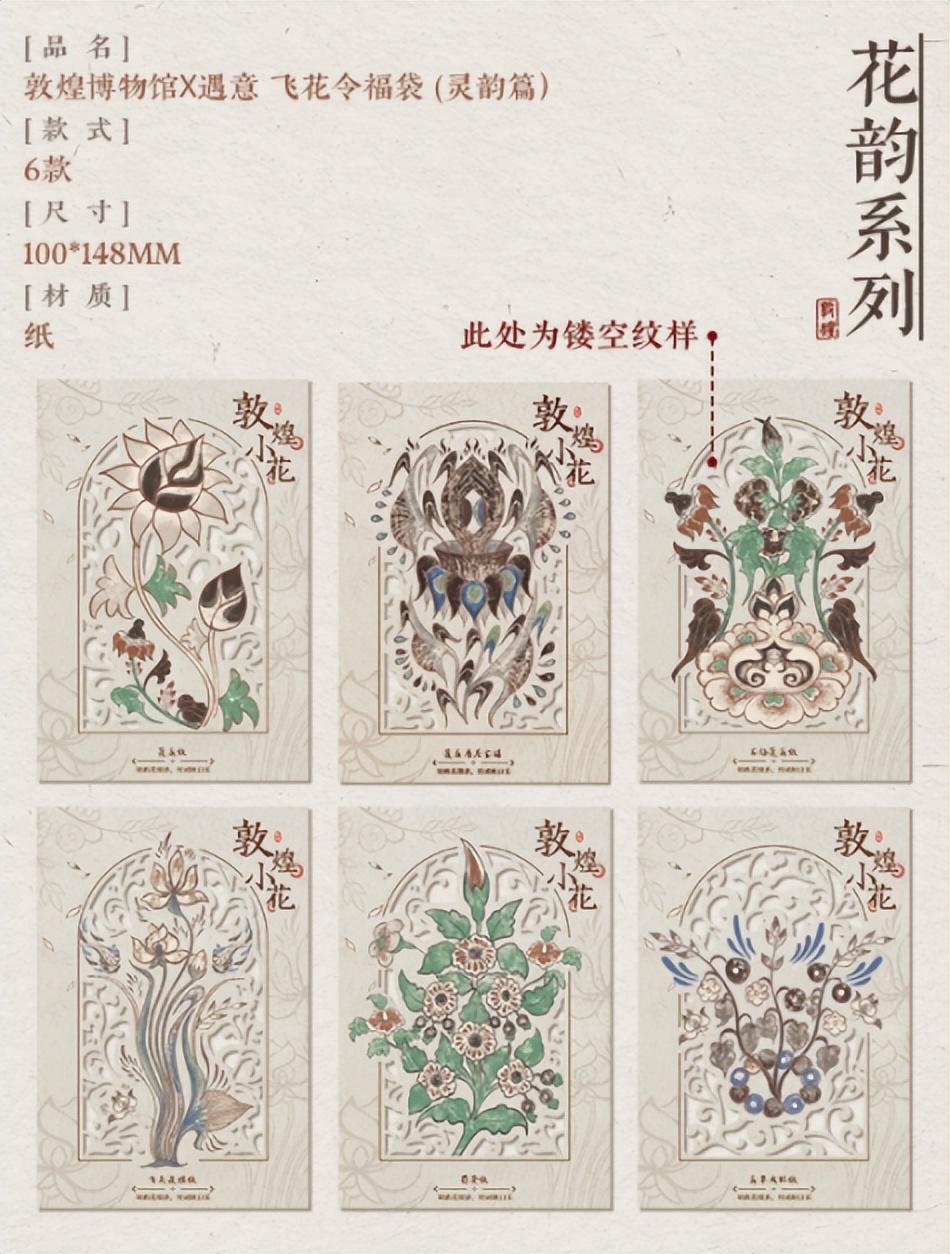
灵感源自北魏时期壁画《鹿王本生图》

在设计灵感的源头,深度锚定敦煌壁画、藻井纹样、飞天线条、瑞兽图腾与色彩体系,坚持文物原型与文化寓意的双重还原,将敦煌的丝路美学、祈福内涵与东方审美,转化为可识别、可感知、可收藏的视觉符号,实现传统文化的严谨转译,而非浅表化符号拼接。
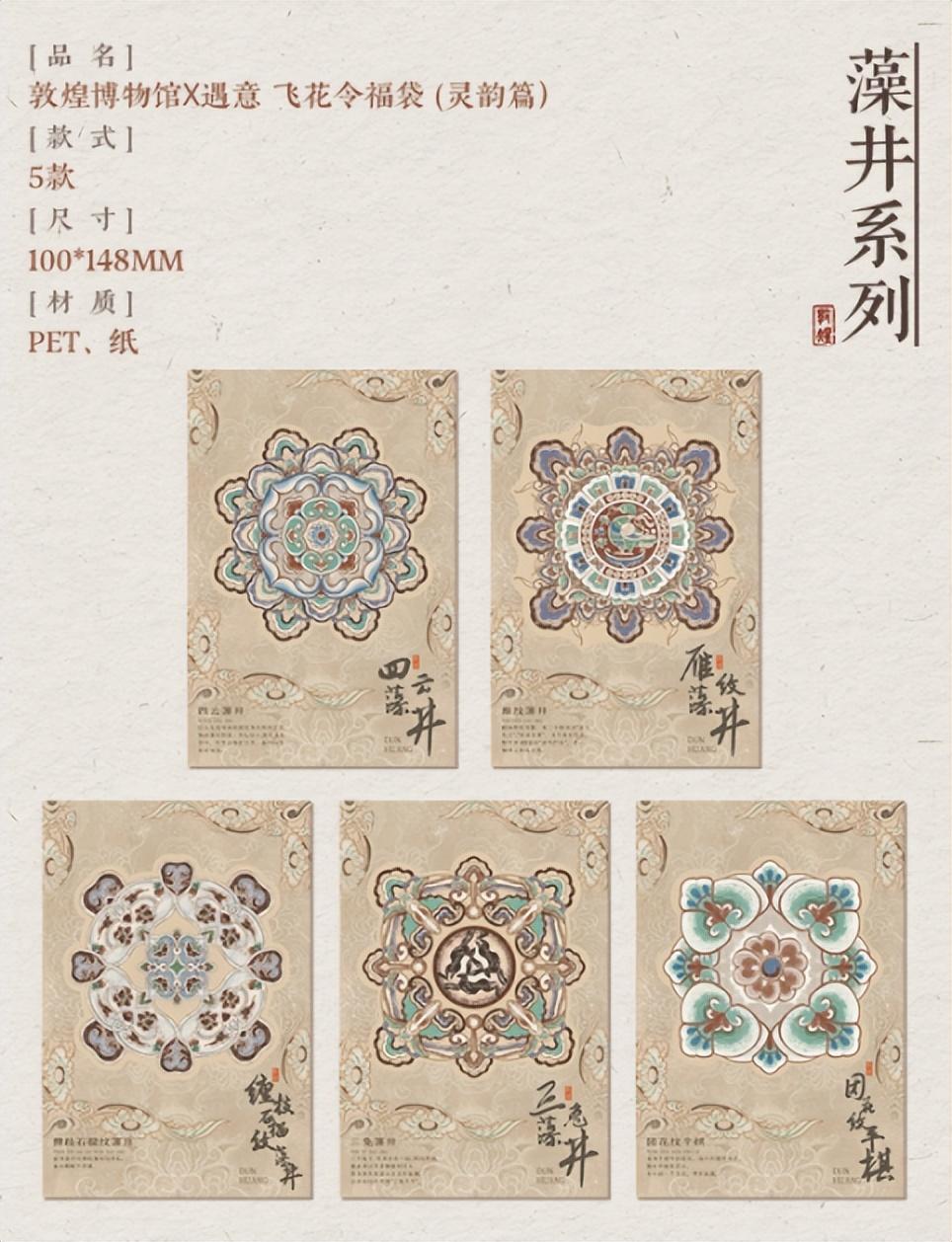
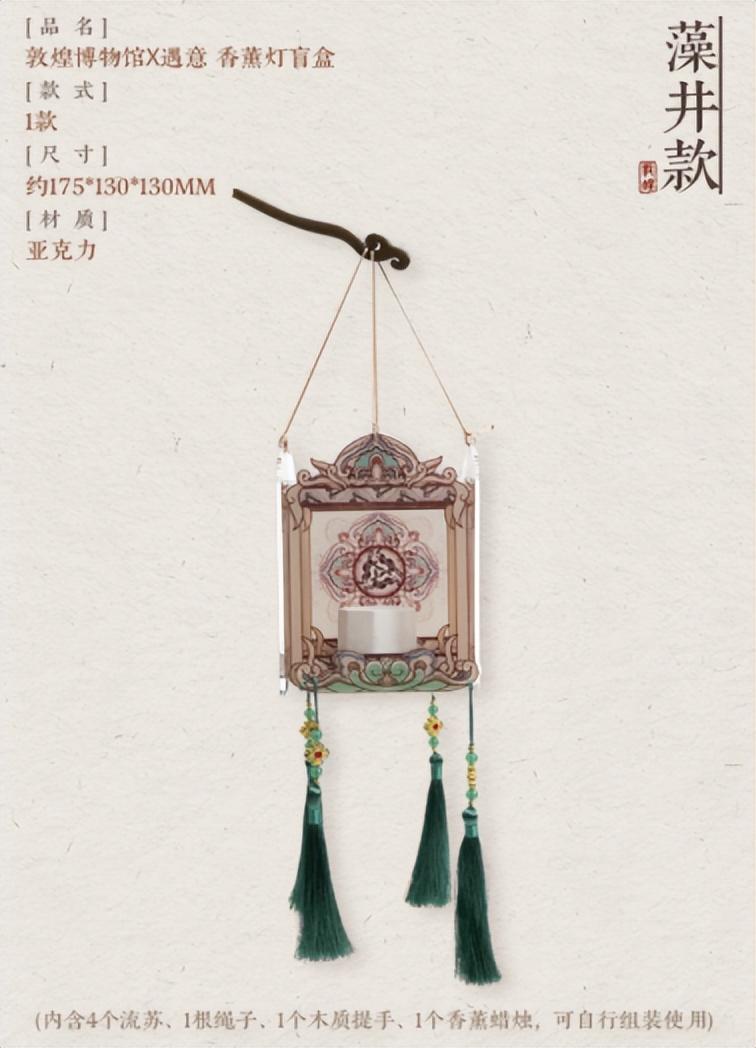
灵感源自敦煌藻井纹样
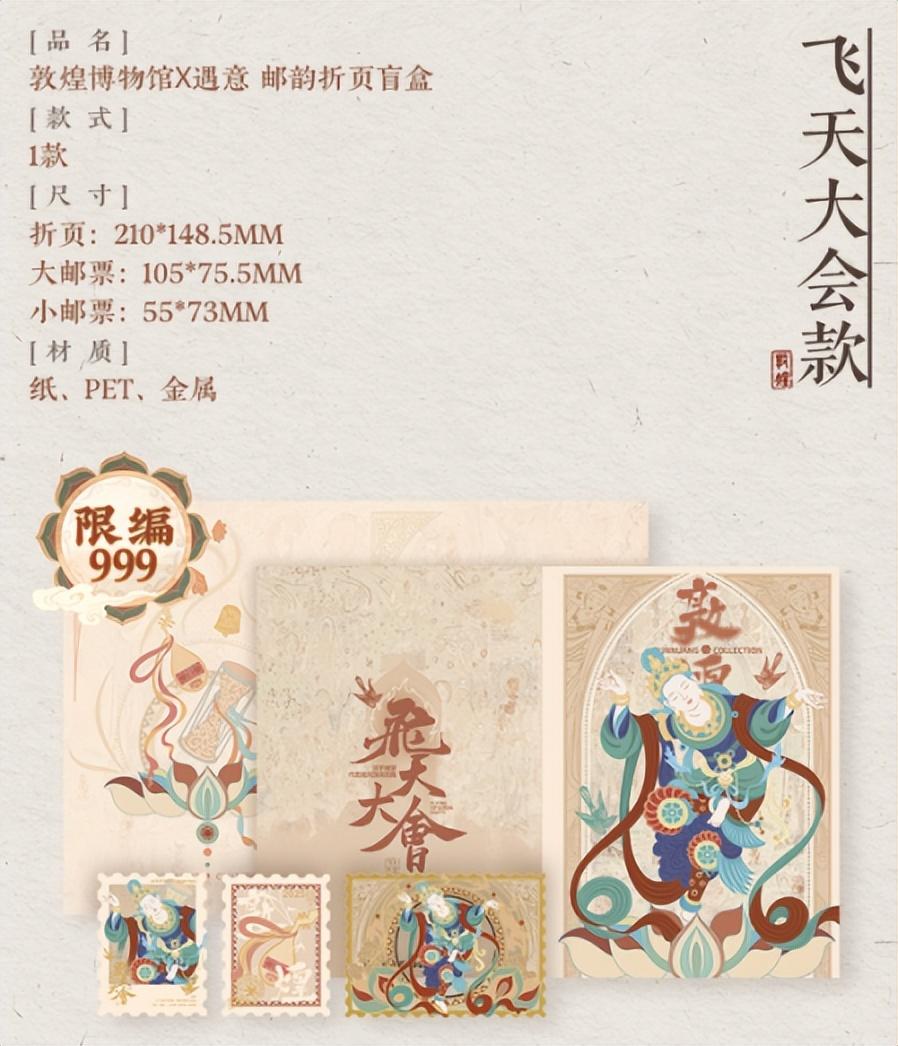
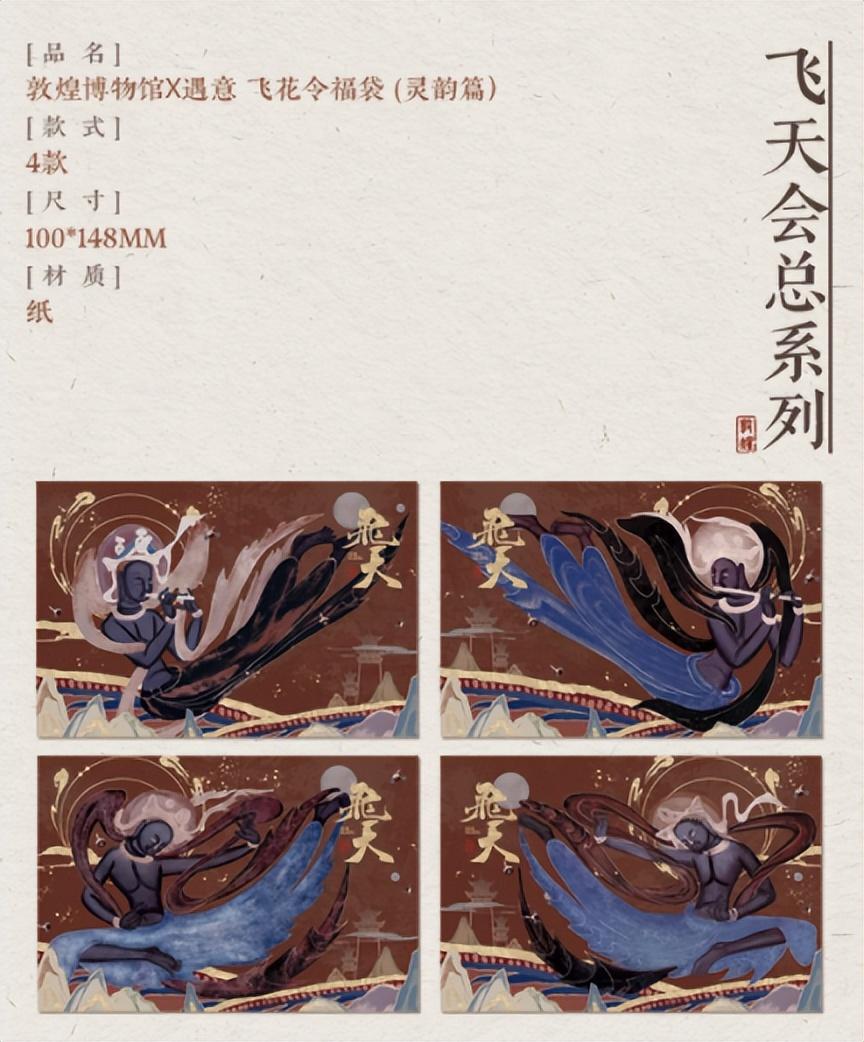
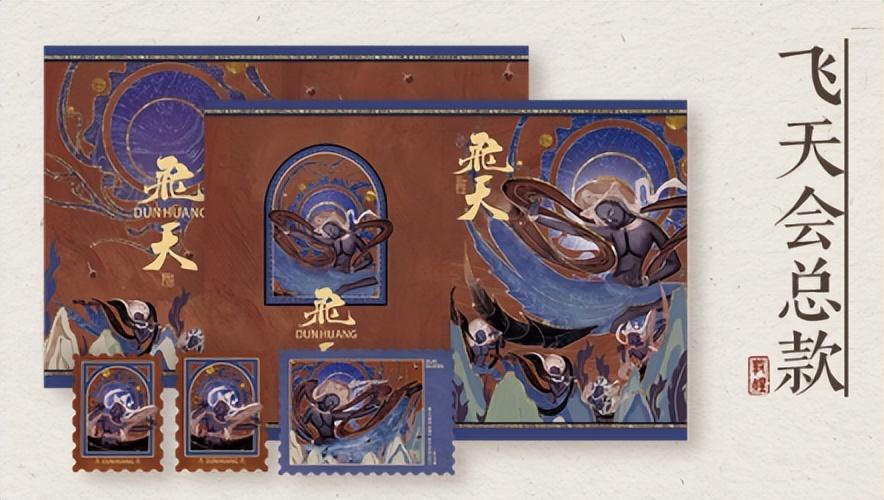
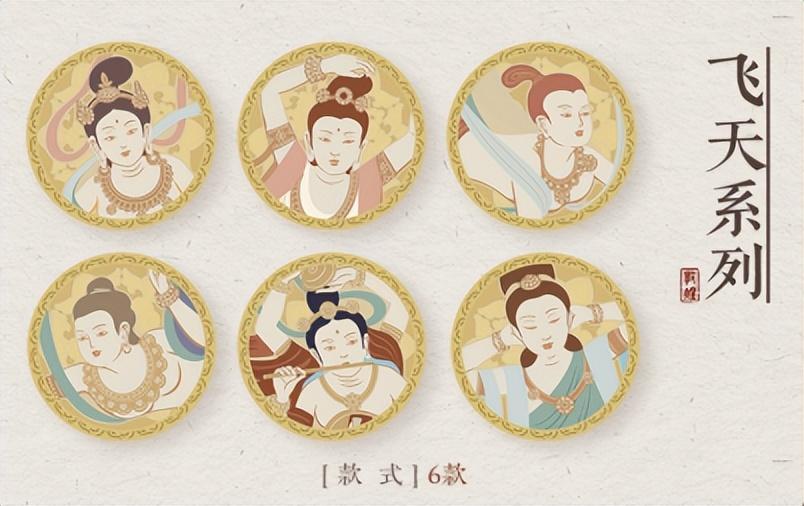
灵感源自敦煌飞天
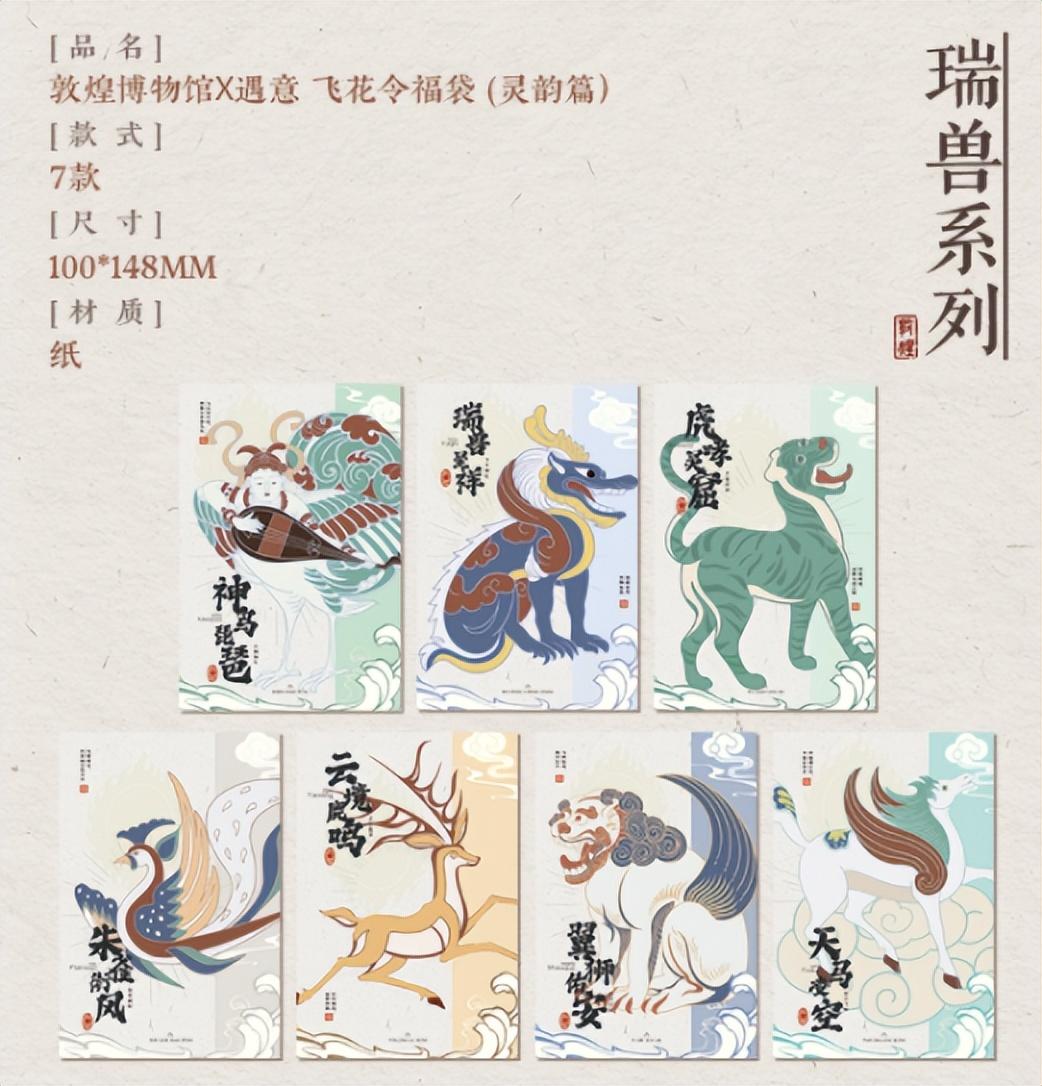
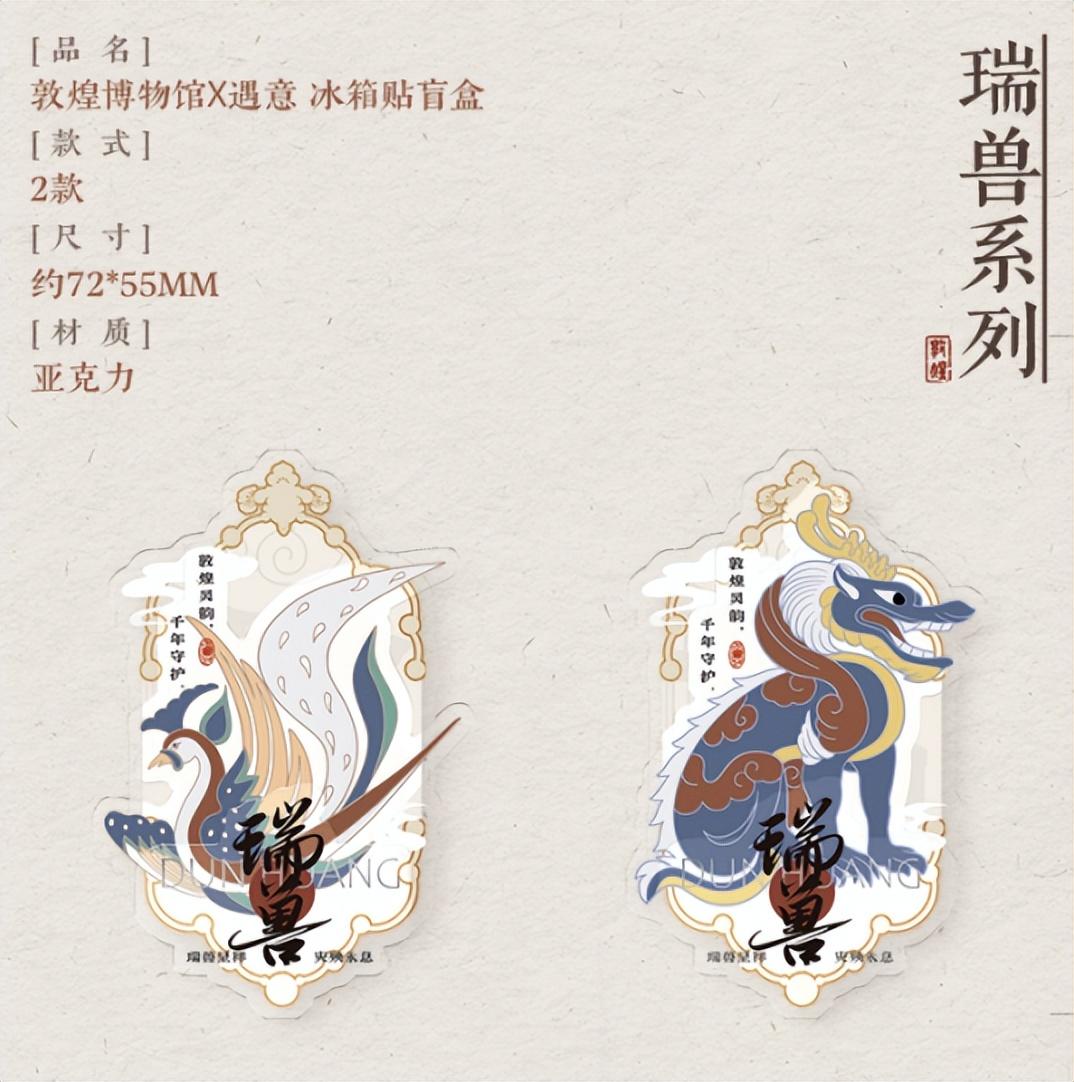
灵感源自敦煌壁画中的瑞兽图腾

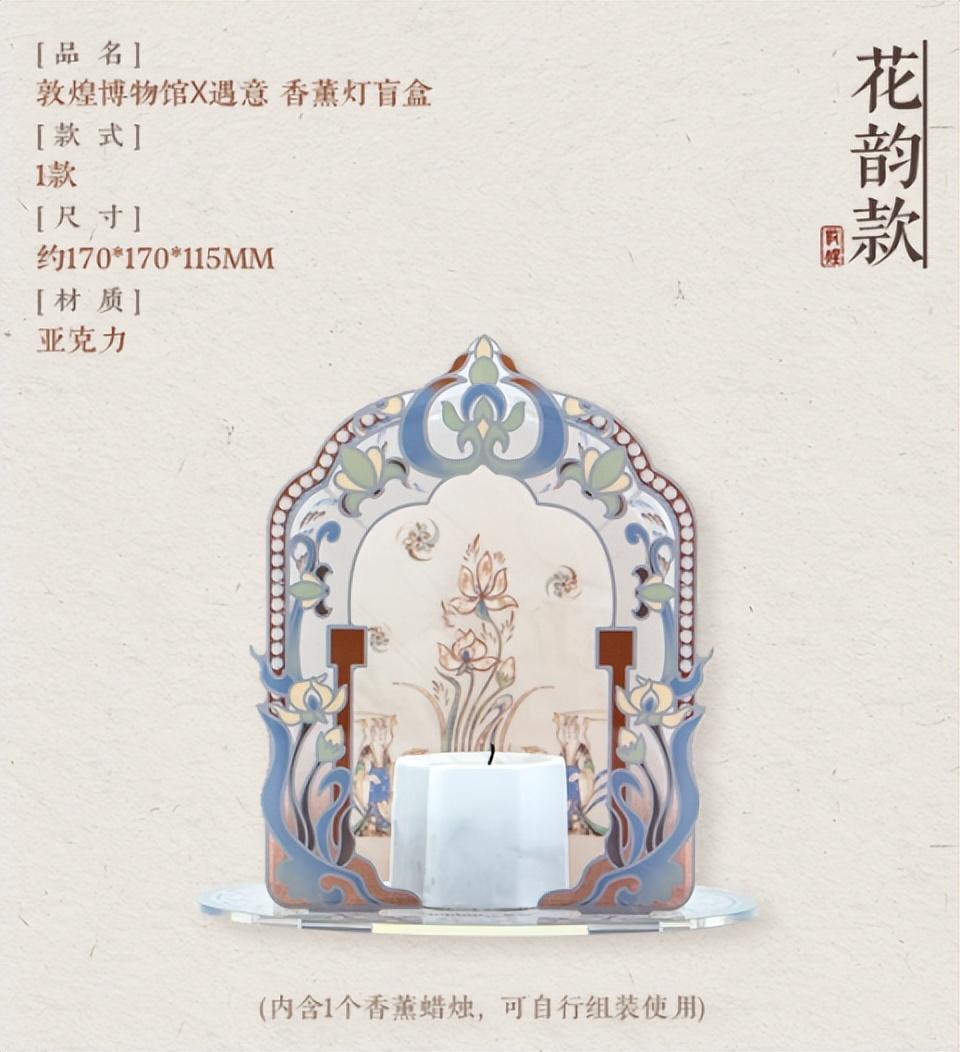
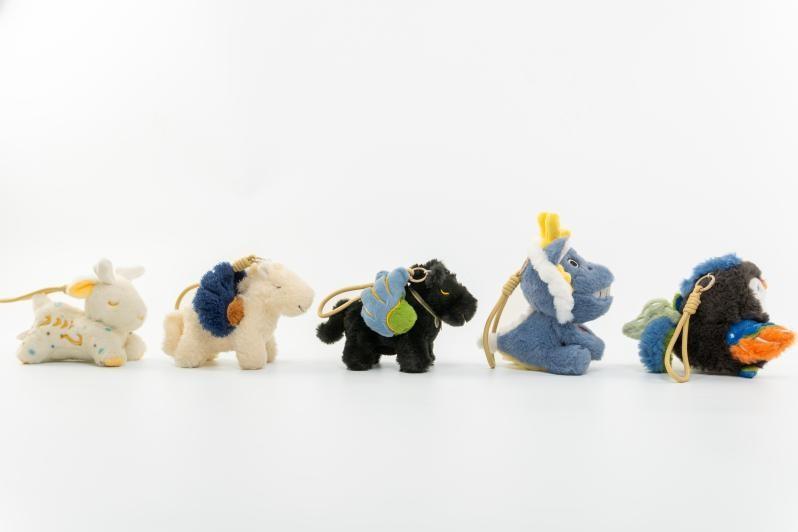
在形态创新上,产品打破传统博物馆文创 “纪念品化” 局限,深度适配Z世代谷子/文创的收藏、展示、社交与使用场景,将徽章、色纸、立牌、挂件、礼盒等成熟品类,与敦煌博物馆IP的庄重质感有机融合。在结构、工艺、材质与细节上进行精细化升级,兼顾收藏质感与日常实用性,让文物不再局限于陈列观赏,真正融入Z世代的桌面、穿搭、礼物与生活空间,实现 “文化可赏、好物可用、收藏可久”。
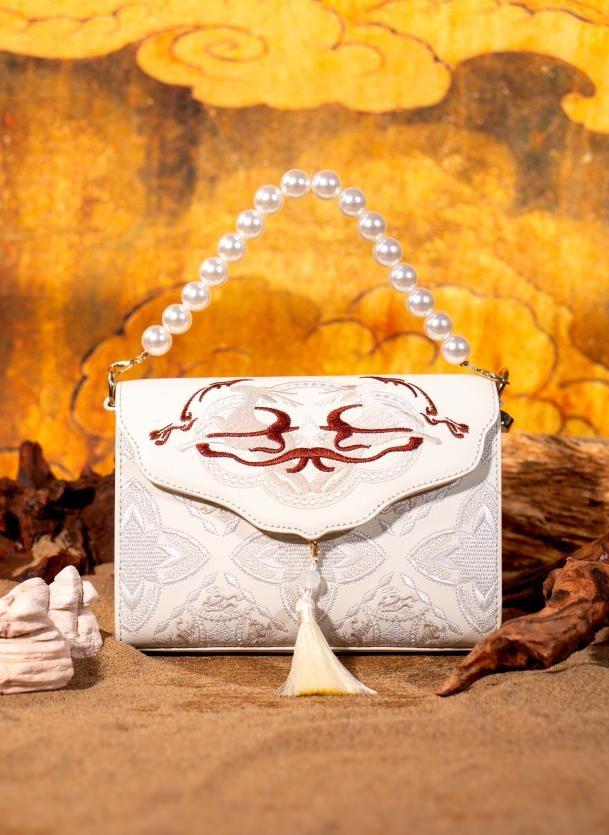
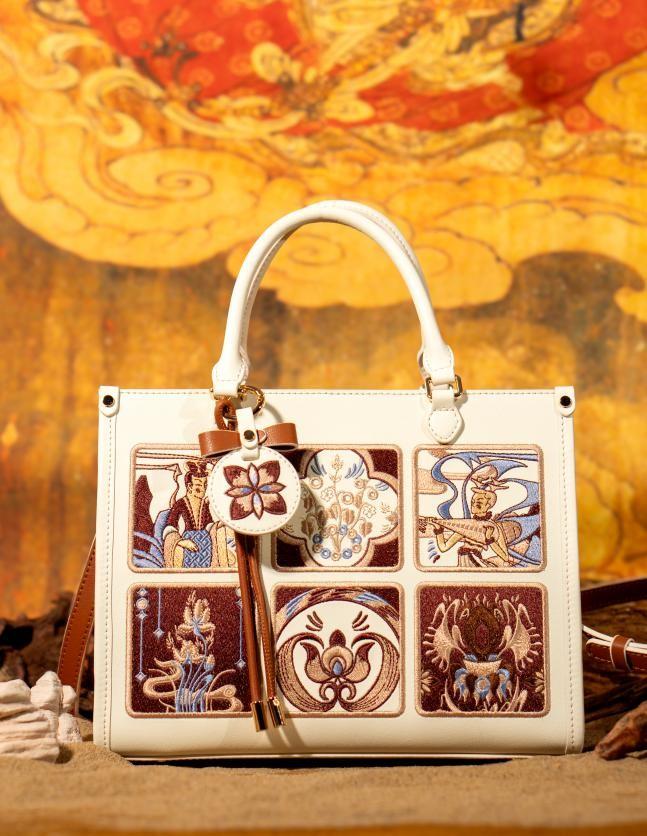
灵感源自北魏时期壁画《鹿王本生图》和西魏时期敦煌壁画中的“散点小花”图案
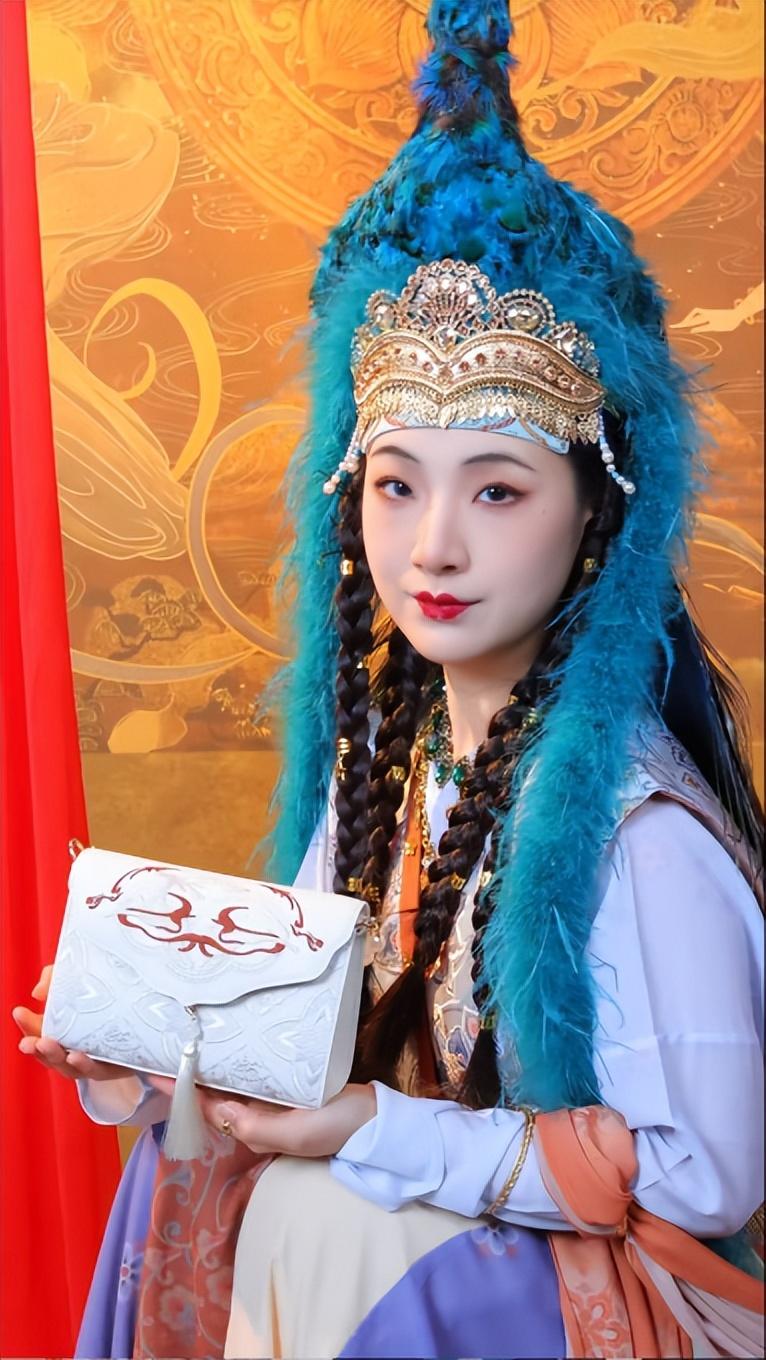
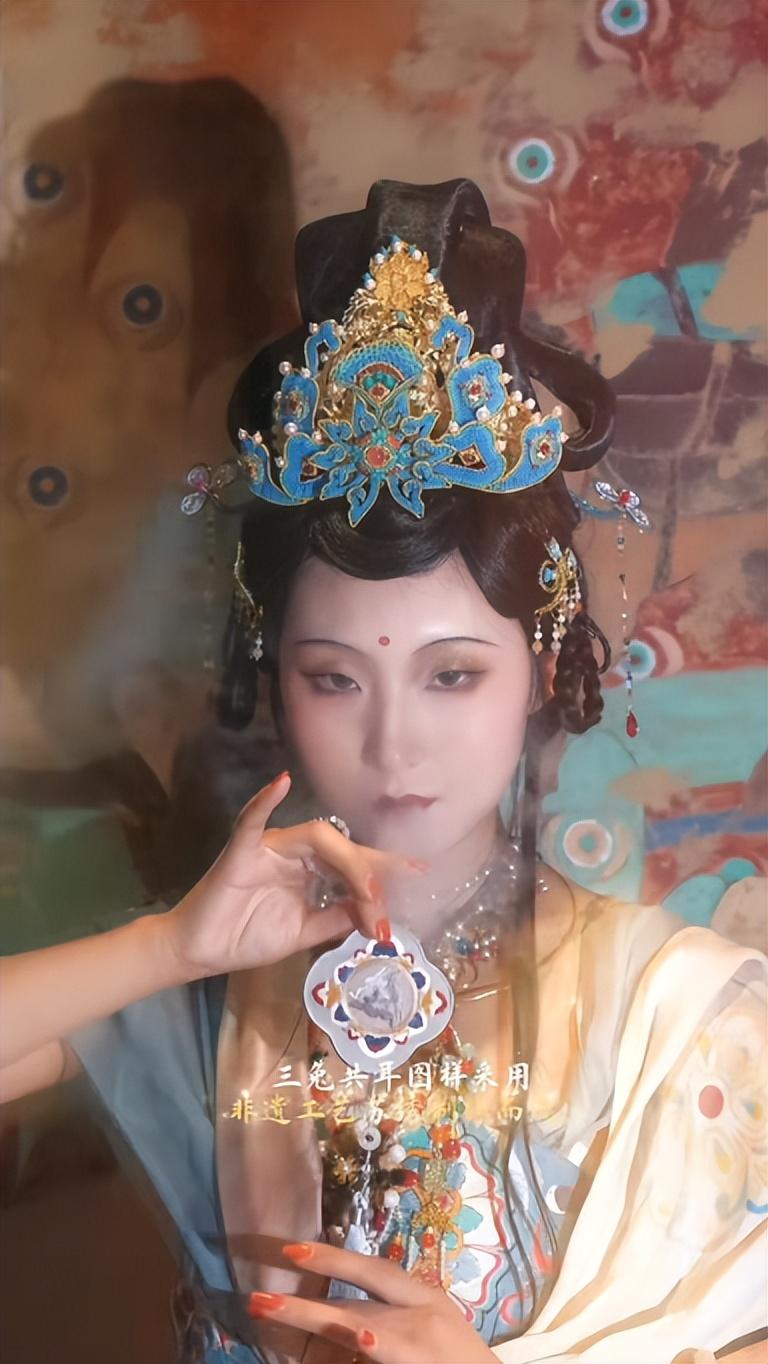
源自小红书用户“孜孜孜”、“秦卿卿”视频笔记截图

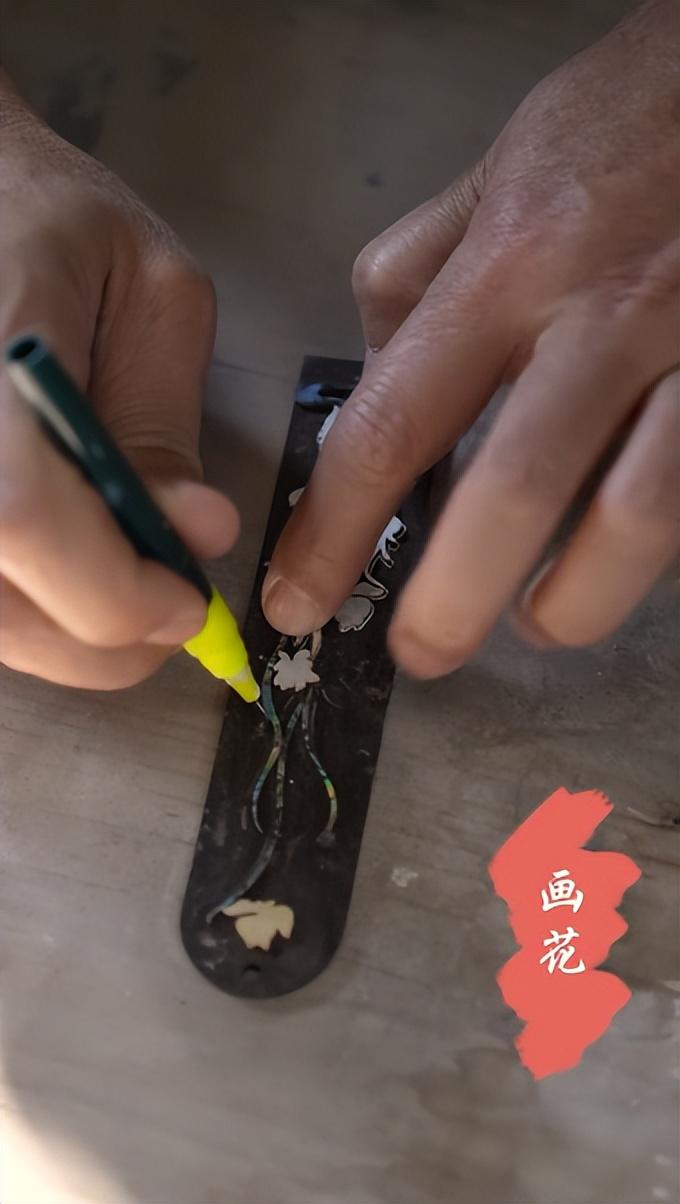
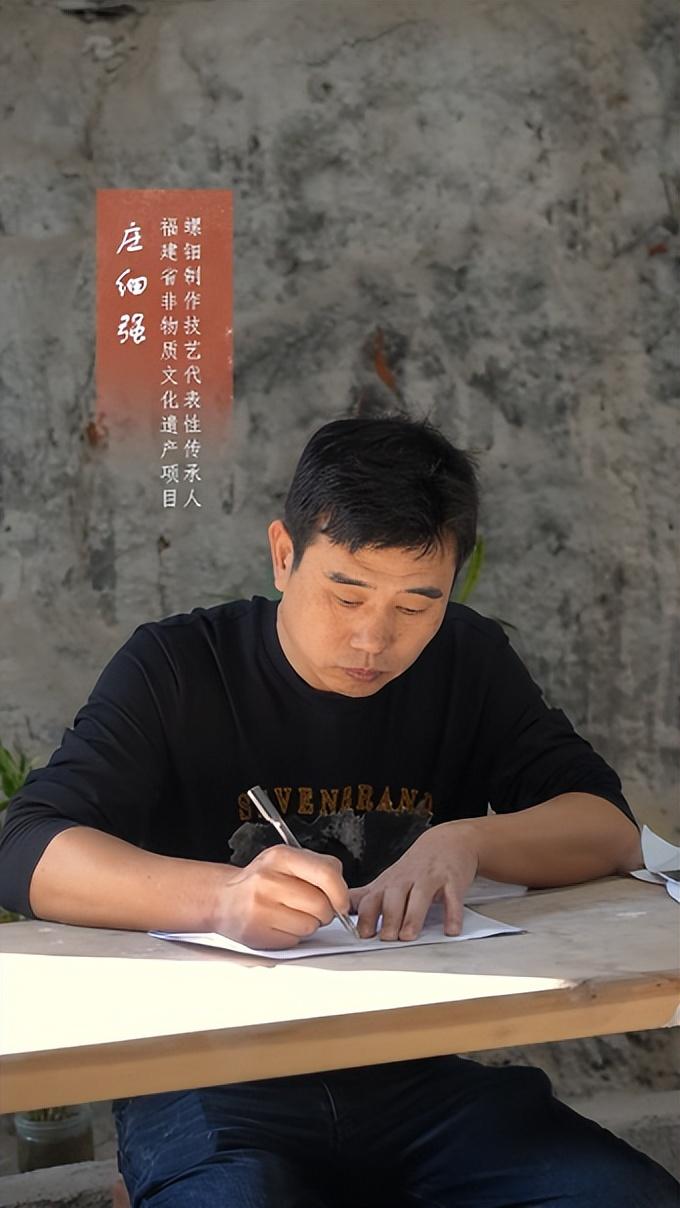
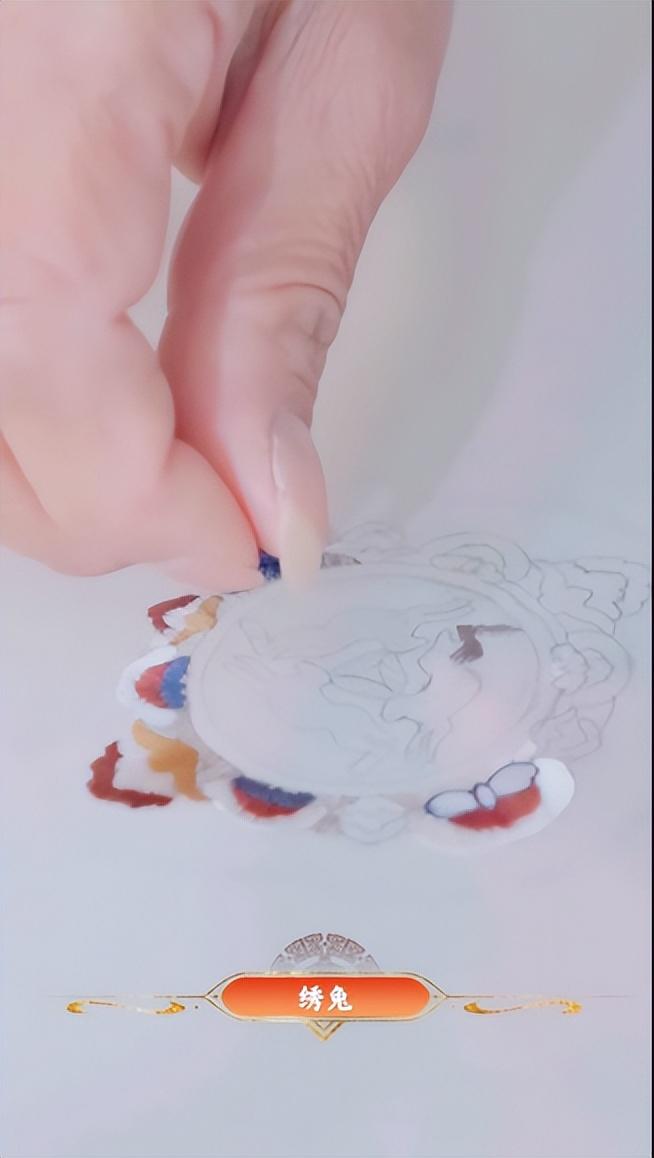
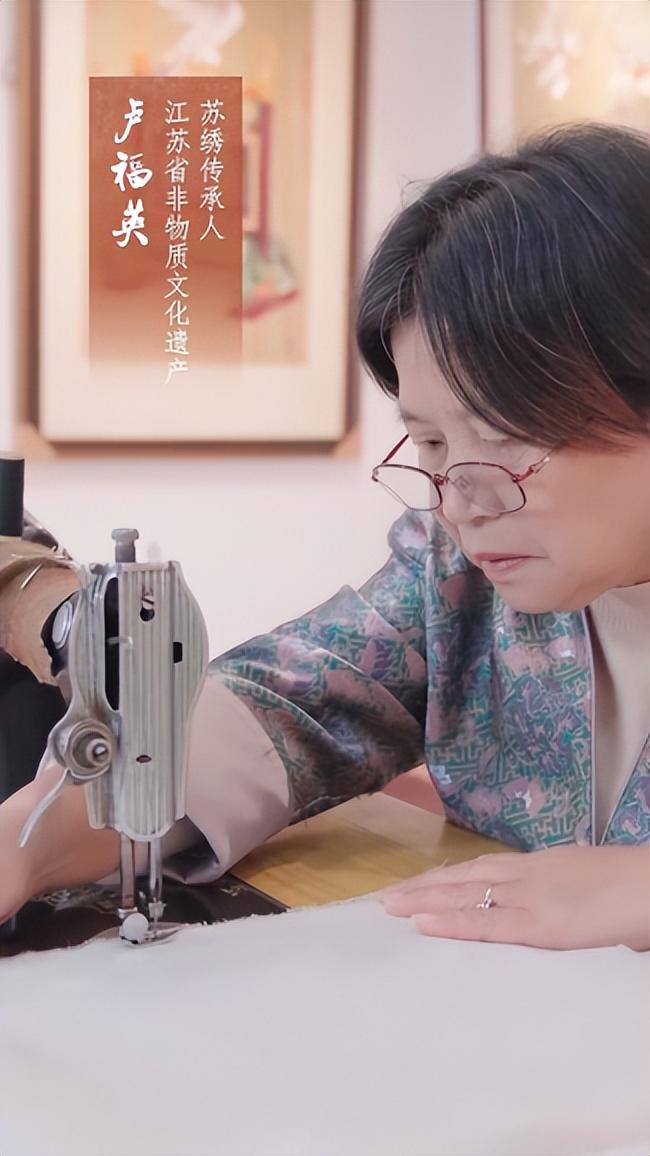
尤为值得一提的是,本次联名创新性地引入三大非遗工艺对敦煌经典纹样进行复刻,让千年壁画的美学肌理以更具质感的形态融入当代生活,这三大非遗工艺分别是:景泰蓝掐丝珐琅、螺钿镶贝工艺、苏绣,并邀请了三位非遗大师参与本次联名手作产品制作,他们分别是:襄阳市非遗景泰蓝掐丝珐琅画代表性传承人任继红老师、福建省非物质文化遗产项目螺钿制作技艺代表性传承人庄细强老师、江苏省非物质文化遗产苏绣代表性传承人卢福英老师。
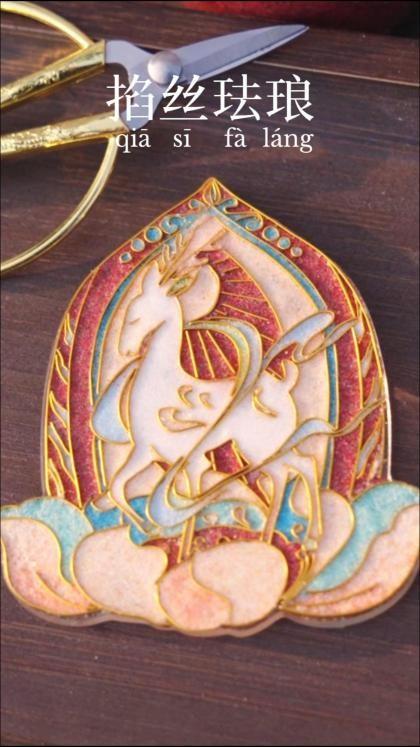
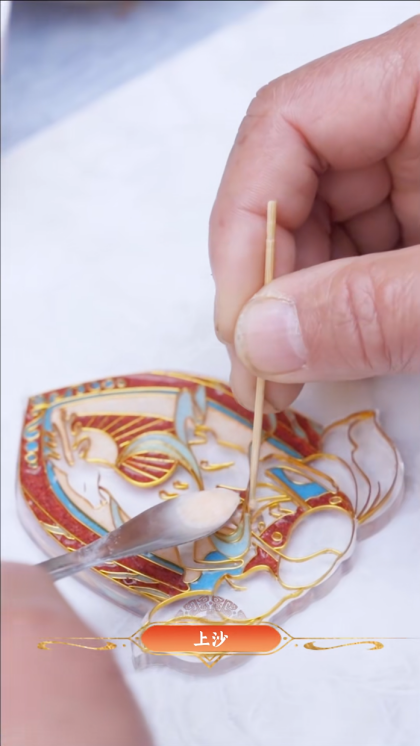
掐丝珐琅,又称景泰蓝,是我国传统金属工艺珍品,其技艺于元代传入,至明清时期发展至鼎盛

掐丝珐琅以金属丝线盘出花纹,再填充各色珐琅釉料

核心工序包含“制图、掐丝、点蓝、固色、淋膜”

每一步均凝聚匠人心血

终使器物呈现出富丽堂皇、华彩照人的艺术效果
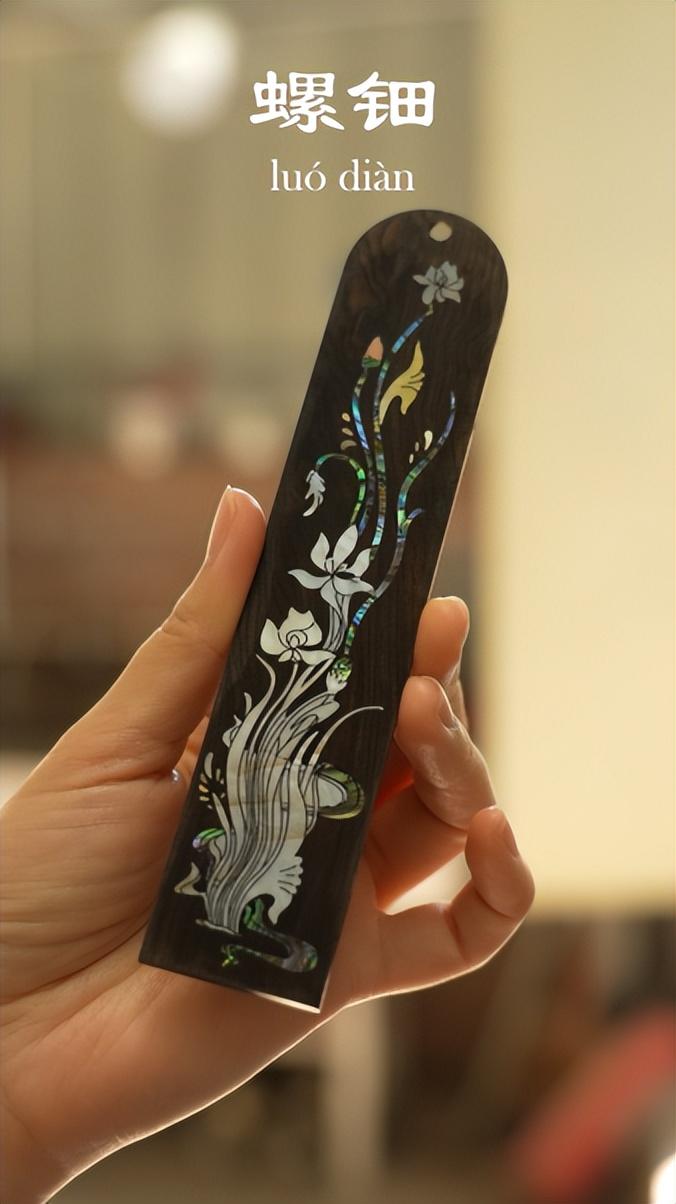
螺钿是我国历史悠久的传统艺术瑰宝,相传起源于商代的漆器工艺

泉港螺钿作为福建省现存重要的传统工艺传承基地

其技艺在泉港城区及山腰、前黄等周边区域广为流传

螺钿工艺精选螺壳与海贝为材,需经十四道严谨工序方成佳作
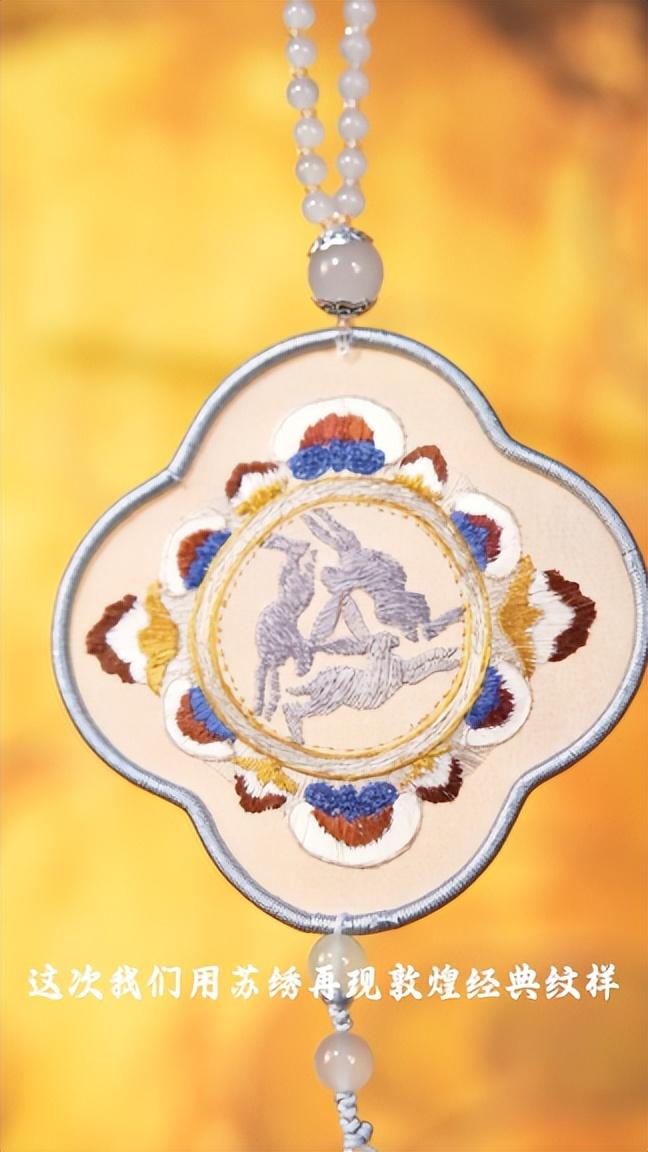
苏绣是我国极具代表性的传统刺绣工艺,起源可追溯至春秋时期

作品以精细雅洁著称,蜚声中外

苏绣以绸缎为地,桑蚕丝为线,运用平针、套针、打籽等数十种针法

通过丝线光泽与排布的变化,使绣品呈现出栩栩如生、光彩流动的非凡意境

在色彩与视觉表达上,提取敦煌经典色系,兼顾传统壁画的厚重感与当代潮玩的清新高级感,既保留文化底蕴,又贴合年轻群体审美偏好,同时以新春为场景锚点,将敦煌祥瑞意象与年节祝福结合,让每一款产品都具备礼赠属性与纪念意义,推动文创产品从“兴趣消费”升级为“情感载体”。
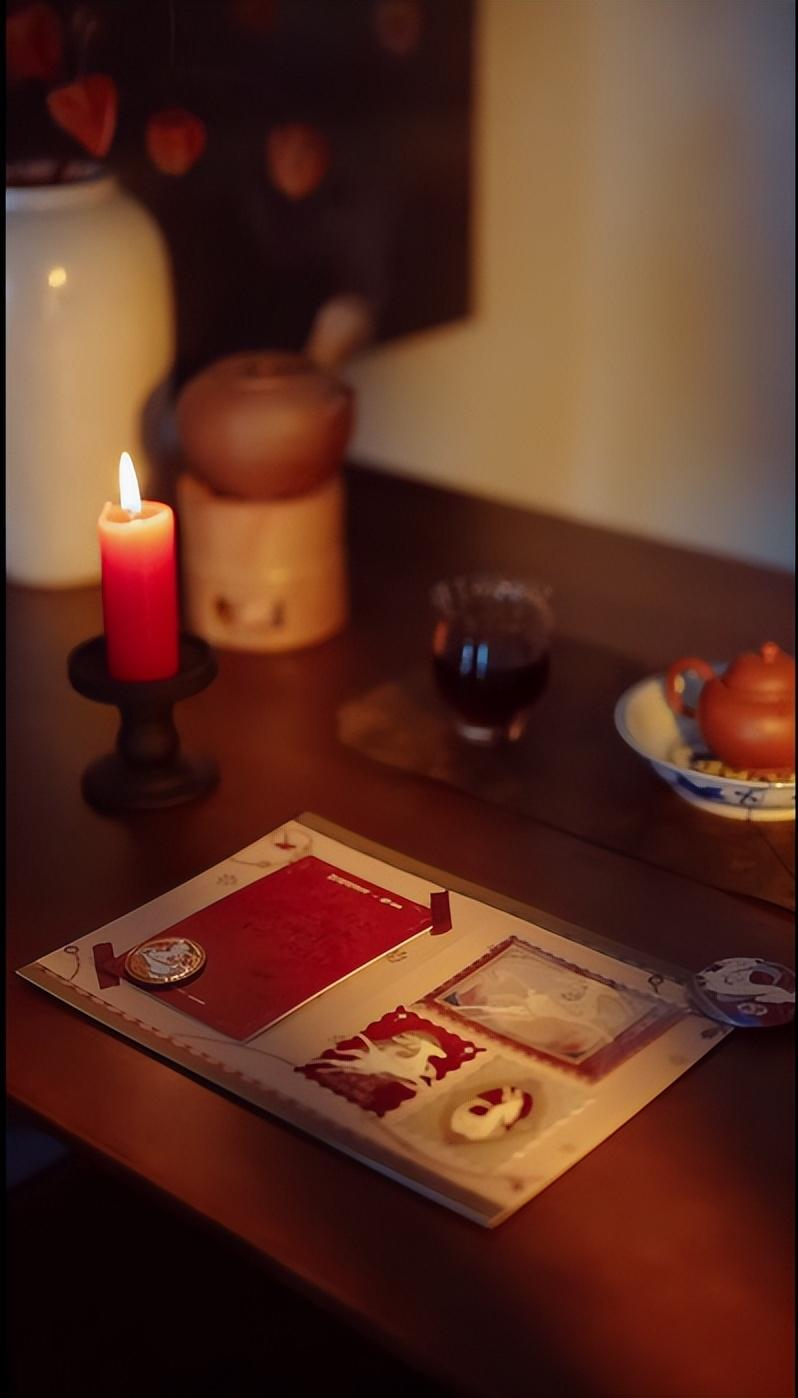
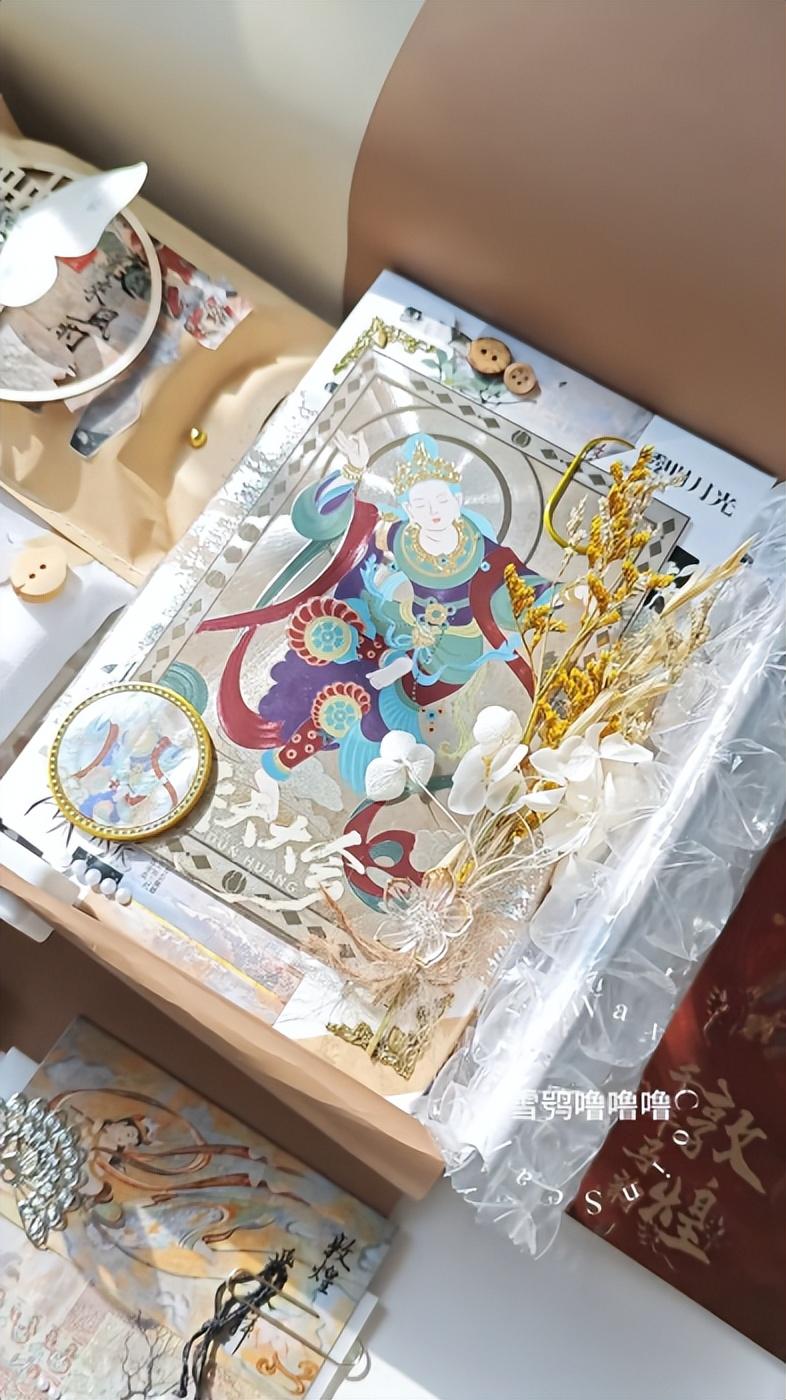
源自小红书用户“山枕月眠”、“南山记”、“雪鸮噜噜噜”视频笔记截图
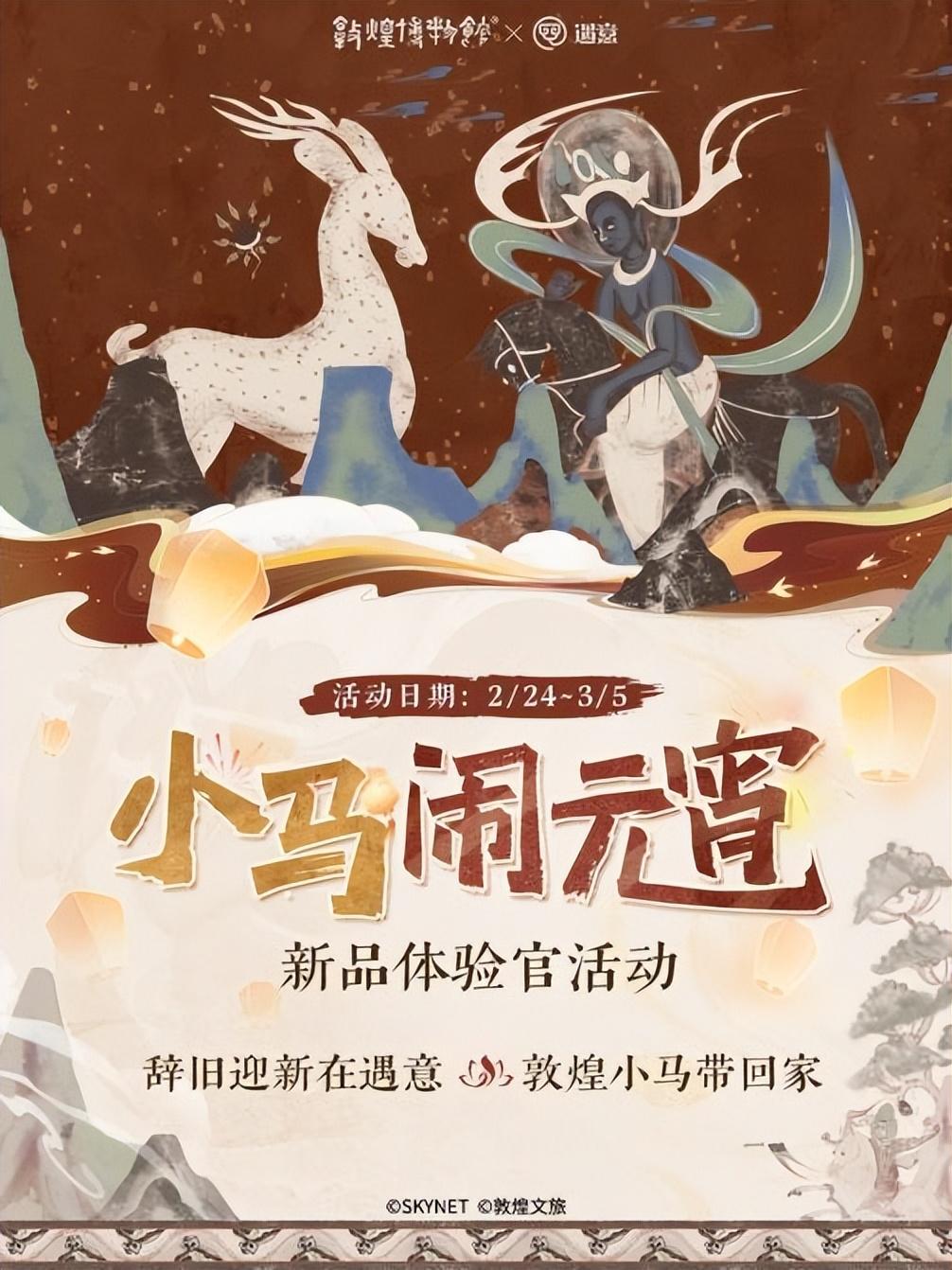
遇意官方线上节事活动——“小马闹元宵”新品体验官

敦煌博物馆文创的年轻化,不是对传统文化的简化迎合,而是以专业设计语言,让敦煌的千年丝路文化在现代产品形态中获得新生。敦煌博物馆与遇意以创意为桥、以设计为媒,真正做到让千年敦煌走进青年生活,让文化传承成为可触摸、可拥有、可分享的当代消费体验。

注:文/龚作仁,文章来源:Laborer,本文为作者独立观点,不代表亿邦动力立场。

【版权提示】亿邦动力倡导尊重与保护知识产权。未经许可,任何人不得复制、转载、或以其他方式使用本网站的内容。如发现本站文章存在版权问题,烦请提供版权疑问、身份证明、版权证明、联系方式等发邮件至run@ebrun.com,我们将及时沟通与处理。

已点赞

+1

{{ praise_text }}

好文章,值得被更多人看到

FAQ回顾

敦煌博物馆与遇意联名推出了什么产品?

敦煌博物馆与遇意联名推出了飞花令福袋(灵韵篇),产品灵感源自敦煌壁画,包含徽章、色纸、立牌、挂件等形态,融合了景泰蓝掐丝珐琅、螺钿镶贝工艺和苏绣三大非遗工艺。

本次联名产品采用了哪些非遗工艺?

产品采用了景泰蓝掐丝珐琅、螺钿镶贝工艺和苏绣三大非遗工艺,并邀请了任继红、庄细强、卢福英三位非遗传承人参与手作产品制作。

敦煌博物馆文创产品的设计灵感来源有哪些?

设计灵感源自敦煌壁画《鹿王本生图》、藻井纹样、飞天线条、瑞兽图腾与色彩体系,深度还原敦煌丝路美学与祈福内涵。

广告

下一篇

跨境电商资源对接

《全球跨境电商服务商资源手册》第二期手册现已发布,触达更多资源,了解跨境服务商信息,欢迎点击链接下载。

了解详情

实探新鲜零食“有.推荐”首店:山姆基因加持 300㎡店日销15万元

2026年1月22日,“有.推荐”武商梦时代首店正式开业。一个多月来,门店无论节假日还是工作日均人气十足。

未来零售

2026-03-04 11:37:22