• 亿邦公众号
    • APP下载

推开莎玛丽丹的门 读懂巴黎的慢奢侈

作者:亿邦动力 文章来源:亿邦动力

2026-02-21 21:47

作者:亿邦动力 文章来源:亿邦动力

2026-02-21 21:47

邦小白快读

EN
全文速览

莎玛丽丹百货体验揭示奢侈消费的本质在于深度体验而非单纯购物。

1. 空间设计:百年建筑如1907年波纹玻璃穹顶和金箔扶手创造历史沉浸感,增强消费认同感。

2. 服务互动:店员以“有分寸的亲近”分享产品细节,如LOEWE夹克使用西班牙植物染羊皮,将购买行为升维为生活方式讨论。

3. 奢侈真义:消费者通过审美选择和服务默契实现“不张扬的拥有”,无需Logo宣告身份。

奢侈品品牌营销可从空间整合和服务创新中受益。

1. 品牌渠道建设:品牌如LOEWE、CELINE嵌入历史场域(如莎玛丽丹百货),借助文化语境自然提升价值延伸。

2. 消费趋势:用户行为从购买物品转向参与设计讨论,如店员分享材质工艺,加深品牌忠诚。

3. 产品研发启示:空间强调历史和艺术元素(如孔雀壁画),可引导产品设计融入叙事。

莎玛丽丹提供市场机会和实操学习点,助力零售增长。

1. 机会提示:利用历史建筑和艺术结合(如周杰伦MV联动)吸引消费者,解决注意力稀缺问题。

2. 可学习点:服务创新“有分寸的亲近”策略,如店员使用中文分享产品知识,可复制以减少距离感。

3. 最新商业模式:空间作为品牌叙事载体(如百货露台咖啡厅),将消费升维为共情体验,减少纯交易风险。

产品生产和设计需注重细节与体验整合,以抓住商业机会。

1. 生产需求:材质和工艺是关键,如LOEWE夹克使用西班牙羊皮植物染法,增强产品柔韧性和价值感。

2. 商业机会:实体空间如莎玛丽丹展示如何通过历史元素提升产品语境,启示工厂合作零售场景。

3. 推进数字化启示:电商不足替代沉浸体验,工厂应强化线下展示,如材质教育。

行业发展趋势指向服务从传统转向参与式体验。

1. 趋势:服务逻辑进化为讨论伙伴角色,如店员分享产品背景,将客户痛点转为解决方案。

2. 客户痛点:传统奢侈品店的距离感抑制消费,需解决疏离问题。

3. 解决方案:真诚分享产品知识(如材质来源),构建共情连接,参考莎玛丽丹服务默契。

平台需整合空间管理和品牌关系,应对运营挑战。

1. 商业需求:多品牌如LOEWE、CELINE共存于统一文化场域,需历史与艺术结合吸引消费者。

2. 最新做法:创建沉浸式环境(如修复建筑),通过服务“有分寸的亲近”提升招商吸引力。

3. 运营管理:确保空间和谐(如试衣间细节),规避风险如过度商业化,强化体验导向。

奢侈产业新动向涉及人文回归和商业模式变革。

1. 新动向:奢侈从交易转向共情,如莎玛丽丹引用圣经隐喻,强调品牌回归人文本源。

2. 新问题:注意力稀缺时代,空间价值成为稀缺资源,需研究如何维持深度消费。

3. 商业模式启示:消费作为身份确认(通过审美和服务默契),提供政策建议如支持文化整合。

声明:快读内容全程由AI生成,请注意甄别信息。如您发现问题,请发送邮件至 run@ebrun.com 。

我是 品牌商 卖家 工厂 服务商 平台商 研究者 帮我再读一遍。

Quick Summary

The Samaritaine experience reveals that luxury consumption is fundamentally about deep engagement rather than mere shopping.

1. Spatial Design: Historic architectural elements, like the 1907 undulating glass dome and gold-leaf handrails, create a sense of historical immersion, enhancing consumer identification.

2. Service Interaction: Staff employ a 'measured closeness' to share product details, such as LOEWE jackets using Spanish vegetable-tanned lambskin, elevating the purchase into a discussion about lifestyle.

3. The Essence of Luxury: Consumers achieve 'understated ownership' through aesthetic choices and service rapport, eliminating the need for overt logo display to signal status.

Luxury brand marketing can benefit from spatial integration and service innovation.

1. Brand Channel Strategy: Brands like LOEWE and CELINE embedded within historic venues (e.g., Samaritaine) naturally extend their value through cultural context.

2. Consumer Trends: User behavior is shifting from purchasing items to participating in design discussions, such as staff sharing material craftsmanship, which deepens brand loyalty.

3. Product Development Insight: Spaces emphasizing historical and artistic elements (e.g., peacock murals) can inspire product design to incorporate narrative elements.

Samaritaine offers market opportunities and practical lessons for retail growth.

1. Opportunity Insight: Leveraging historic architecture combined with art (e.g., Jay Chou's MV collaboration) attracts consumers and addresses attention scarcity.

2. Learnable Tactics: The service innovation of 'measured closeness,' such as staff using Chinese to share product knowledge, is replicable to reduce distance.

3. Emerging Business Model: Using space as a brand narrative vehicle (e.g., the department store's terrace café) elevates consumption into an empathetic experience, reducing pure transactional risk.

Product manufacturing and design must focus on detail and experience integration to capture commercial opportunities.

1. Production Requirements: Material and craftsmanship are key; for example, LOEWE jackets using Spanish vegetable-tanned lambskin enhance product suppleness and perceived value.

2. Commercial Opportunity: Physical spaces like Samaritaine demonstrate how historical elements elevate product context, suggesting factory collaboration with retail environments.

3. Digital Advancement Insight: E-commerce cannot replace immersive experiences; factories should enhance offline displays, such as material education.

Industry trends indicate a shift from traditional service to participatory experiences.

1. Trend: Service logic is evolving towards a discussion partner role, where staff share product backgrounds, transforming customer pain points into solutions.

2. Customer Pain Points: The perceived distance in traditional luxury stores inhibits consumption, necessitating solutions for alienation.

3. Solution: Genuinely sharing product knowledge (e.g., material origins) builds empathetic connections, drawing from Samaritaine's service rapport.

Platforms need to integrate space management and brand relationships to address operational challenges.

1. Business Need: Multi-brand coexistence (e.g., LOEWE, CELINE) in a unified cultural setting requires blending history and art to attract consumers.

2. Latest Practice: Creating immersive environments (e.g., restored architecture) through 'measured closeness' in service enhances tenant appeal.

3. Operational Management: Ensuring spatial harmony (e.g., fitting room details) mitigates risks like over-commercialization, reinforcing an experience-driven approach.

New developments in the luxury industry involve a humanistic return and business model transformation.

1. New Trend: Luxury is shifting from transaction to empathy, as seen in Samaritaine's use of biblical metaphors, emphasizing a return to humanistic origins.

2. New Issue: In an era of attention scarcity, spatial value becomes a scarce resource, requiring research on sustaining deep consumption.

3. Business Model Insight: Consumption as identity confirmation (via aesthetics and service rapport) offers policy suggestions, such as supporting cultural integration.

Disclaimer: The "Quick Summary" content is entirely generated by AI. Please exercise discretion when interpreting the information. For issues or corrections, please email run@ebrun.com .

I am a Brand Seller Factory Service Provider Marketplace Seller Researcher Read it again.

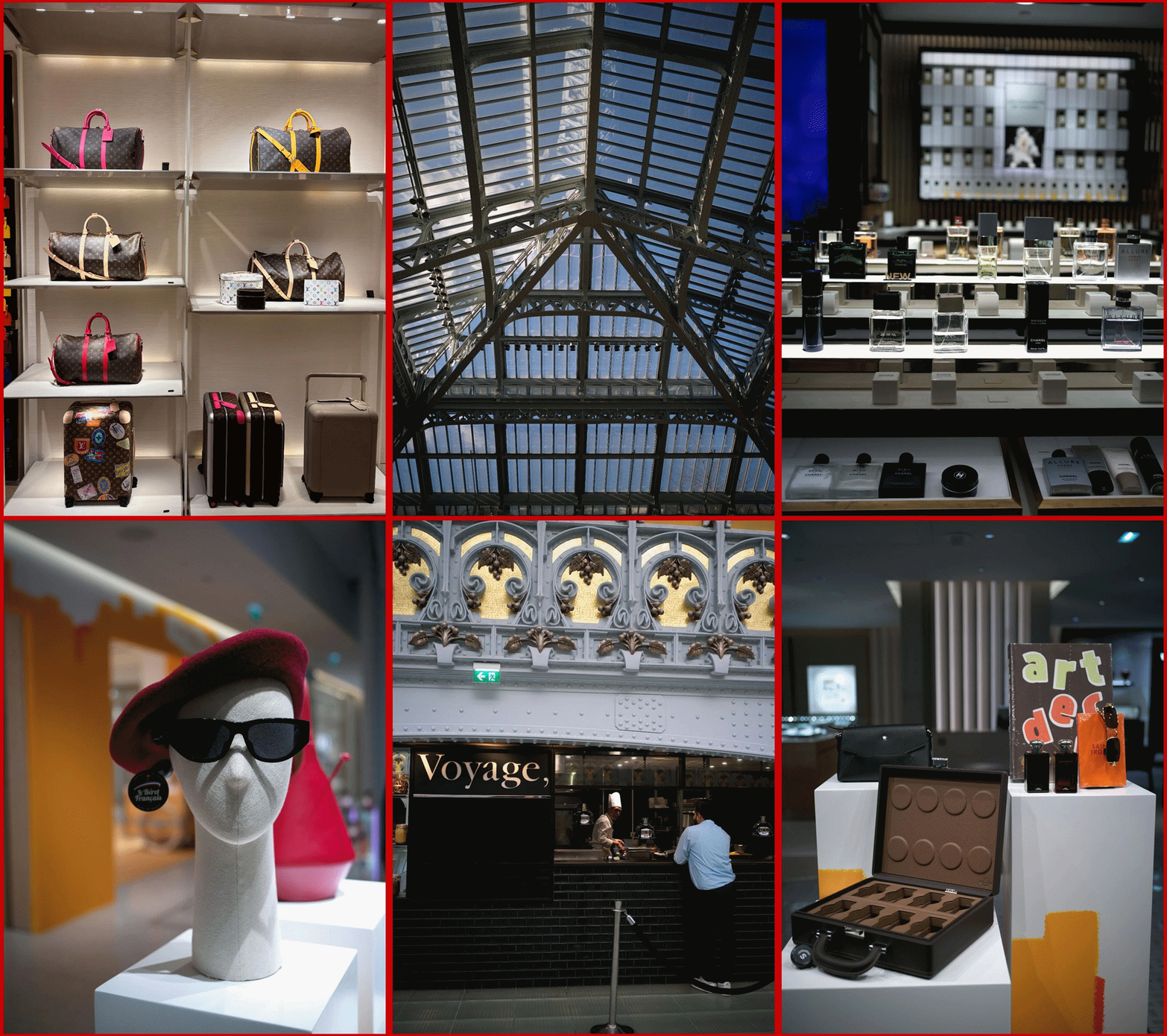
今年春节,我没有随大流奔赴传统年节目的地,而是走进巴黎塞纳河畔的莎玛丽丹(La Samaritaine)。这并非一次寻常购物,而是一场关于奢侈如何通过空间、历史与服务,悄然构建深层消费认同的沉浸式体验。

踏入建筑那一刻,我首先感受到的不是琳琅商品,而是一种被品牌精神温柔包裹的氛围。

这座由LVMH耗时16年修复的百年百货,本身就是奢侈叙事的核心:1907年的波纹玻璃穹顶在我头顶流淌着天光,金箔栗叶扶手在指尖留下微凉触感,新艺术风格的孔雀壁画静默讲述着时光的重量。这种时空交错的史诗感,很难不让人联想到周杰伦在《最伟大的作品》里的那一记“时空推门”。

在那支惊艳世界的MV里,他正是从这里出发,用琴声拨开了巴黎的艺术迷雾。如今我站在这里,仿佛也走进了他笔下那个“世代的狂,音乐的王”的布景中。每一处细节都经过精心编排,传递着法式工艺对时间的敬意。

在这里,品牌不再是孤立的Logo,而是嵌入城市文脉的有机存在。我站在LOEWE专区,看着一件夹克——它不再只是衣架上的单品,而是在这个拥有历史纵深与美学共识的空间里,自然生长出的价值延伸。CELINE的剪裁、Dior的廓形,也因环境的烘托而更具语境。

更让我意外的是服务逻辑。与多数奢侈品店强调“距离感”不同,这里的店员以一种“有分寸的亲近”与我对话。

当我驻足于那件LOEWE夹克前,一位店员用并不太流利的汉语轻声说:“这件夹克使用的羊皮来自西班牙北部,鞣制用了植物染法,所以手感更柔。”没有推销,只有关于材质与工艺的真诚分享。那一刻,消费者的行为从“买一件衣服”升维为“参与一场关于设计与生活方式的讨论”。

五楼露台咖啡厅里,一位女士安静翻阅《Le Monde》,身旁放着烫金logo纸袋;试衣间外,另一位顾客正与店员低声确认肩线是否贴合。这种“不张扬的拥有”,恰是我心中当代奢侈的真义:无需Logo宣告身份,而是通过审美选择、空间归属与服务默契完成自我确认。

离开时回望暮色中的莎玛丽丹,玻璃幕墙映着塞纳河的粼粼波光。我想起它的名字源于《圣经》中那位给予生命之水的撒玛利亚妇人——今天的它,同样在给予:一个值得信赖的场域,一个可被深度阅读的品牌语境,一次奢侈回归人文本源的机会。

在这个注意力稀缺的时代,能让人愿意驻足、细看、慢购的空间,本身就是最稀缺的奢侈品。而莎玛丽丹让我确信:当品牌把消费者当作“人”而非“客”,当艺术像周杰伦的音符一样流淌进商业,消费便成了共情。

【版权提示】亿邦动力倡导尊重与保护知识产权。未经许可,任何人不得复制、转载、或以其他方式使用本网站的内容。如发现本站文章存在版权问题,烦请提供版权疑问、身份证明、版权证明、联系方式等发邮件至run@ebrun.com,我们将及时沟通与处理。

已点赞

+1

{{ praise_text }}

好文章,值得被更多人看到

FAQ回顾

巴黎莎玛丽丹百货有什么历史背景?

莎玛丽丹是巴黎塞纳河畔的百年百货,由LVMH集团耗时16年修复,建筑内保留有1907年的波纹玻璃穹顶、金箔栗叶扶手和新艺术风格孔雀壁画等历史元素。

莎玛丽丹的奢侈体验有哪些特点?

其特点包括沉浸式空间氛围、强调材质工艺的真诚服务(如LOEWE店员介绍植物鞣制羊皮),以及通过审美选择而非Logo宣告的“不张扬的拥有”理念。

周杰伦与莎玛丽丹百货有什么关联?

周杰伦在《最伟大的作品》MV中以此地为场景,通过琴声串联巴黎艺术史,使莎玛丽丹成为连接流行文化与百年建筑的标志性空间。

广告

下一篇

征集报名《品牌数字化服务商资源手册》

《品牌数字化服务商资源手册》展示数字化服务商风采,亿邦全年零售大会通发,触达更多资源,马上加入!

马上入驻

春节新晋“年味担当” 机器人租赁,还能火多久?

从春晚舞台到街头巷尾,机器人租赁正从“短期热潮”向“长期服务生态”转型。未来,只有不断创新,并在运营、渠道、服务等方面全方位升级的玩家,才能为自己赢得更大的生存空间。

未来零售

2026-02-21 08:30:47