



• 亿邦公众号
    • APP下载

连连国际1月跨境商家信心指数报告:三大指数均呈上涨态势 新年跨境市场整体回暖

作者:龚作仁 文章来源:Laborer

2026-02-10 15:57

作者:龚作仁 文章来源:Laborer

2026-02-10 15:57

邦小白快读

EN
全文速览

2026年1月跨境商家信心指数整体上涨,显示市场回暖,但商家决策分化明显。商家可据此调整策略把握机会。

1. 信心指数变化:总指数116环比增5%,即期指数93环比增7%,预期指数139环比增2%,表明卖家对前景乐观,市场开局稳健。

2. 招聘策略:80%商家保守观望,优先优化流程控制成本;13%扩招依赖结构性机会;7%缩减招聘,反映行业处于放缓观望状态。

3. 备货策略:61%商家增加备货但动态调整避免积压;23%基本不变;16%减少备货,体现防守中进攻的库存管理。

品类信心回升,各品类增长点不同,提供实操参考。

1. 家居品类信心115环比增13%,靠欧美户外家具和智能家电需求支撑。

2. 服饰品类信心111环比增3%,利用“小单快反”模式和社交媒体营销吸引年轻消费者。

3. 数码电子品类信心122环比增1%,依靠AIoT设备和3C配件创新驱动增长。

销售增幅分化,运营能力成为突围关键。

1. 30.27%商家增幅5%-10%但环比下降;18.07%负增长环比上升;8.40%增幅15%-20%环比增长,显示强者恒强格局。

报告显示跨境市场回暖,品牌商可关注消费趋势和品类机会以优化营销和产品策略。

1. 消费趋势:欧美市场对家居品类如户外家具和智能家电需求持续,推动信心回升;服饰品类通过TikTok等社交媒体吸引年轻消费者,播放量超50亿次。

2. 用户行为观察:快时尚品牌如ZARA采用“小单快反”模式(15天极速上新),提升响应速度;数码电子品类创新AIoT设备满足用户升级需求。

3. 品牌营销启示:市场转向体验竞争,内容运营成为核心竞争力,服饰品类成功案例可借鉴;品牌渠道建设需结合敏捷供应链,避免库存风险。

产品研发方向明确,各品类增长锚点提供参考。

1. 家居品类靠外部需求与成本红利扩张,品牌可研发智能家电等高需求产品。

2. 服饰品类以内容破局,品牌需强化社交媒体营销;数码电子依靠微创新稳住基本盘,品牌应聚焦技术迭代。

3. 价格竞争弱化,品牌定价需注重差异化体验,提升快速响应能力。

跨境卖家面临市场结构性分化,需把握增长机会并管控风险,报告提供可学习点。

1. 增长市场机会:家居品类信心强劲,可扩大备货;数码电子品类稳步增长,靠创新产品驱动;15%-20%增幅商家占比8.40%环比增,显示运营韧性机会。

2. 风险提示:招聘决策80%保守观望,避免盲目扩张;销售增幅18.07%负增长环比上升,提示供应链滞后或营销不足风险;备货动态调整(61%增加)可防库存积压。

3. 事件应对措施:借鉴敏捷供应链如“小单快反”模式应对需求波动;优化流量运营和产品差异化以提升增幅。

最新商业模式和扶持政策启示。

1. 可学习点:具备核心能力的商家靠精准流量和差异化策略突围;连连国际指数提供决策支持,降低不确定性。

2. 消费需求变化:市场从高速增长转向精细化运营,卖家需注重效率优化而非激进扩张;合作方式如动态备货平衡风险与机会。

工厂可抓住跨境市场的产品需求和商业机会,推进数字化优化生产。

1. 产品生产和设计需求:家居品类如户外家具和智能家电需求增长,工厂可研发相关产品;数码电子品类靠AIoT设备和3C配件创新驱动,提示工厂聚焦技术迭代。

2. 商业机会:61%商家增加备货但动态调整,工厂可提供灵活生产方案;品类信心回升(家居115、服饰111、电子122)显示订单释放机会。

3. 推进数字化启示:报告基于云原生、大数据、AI平台,工厂可投资智能生产提升响应能力;供应链成本回落提示优化成本控制。

电商化启示明确,工厂需注重效率提升。

1. 商家招聘保守(80%观望),优先流程优化,工厂应强调自动化减少人力依赖。

2. 市场强调技术整合,工厂可引入敏捷供应链支持小批量生产;风险规避如动态库存管理,可转化为生产计划优化。

服务商可关注行业发展趋势和新技术,为客户提供痛点解决方案。

1. 行业发展趋势:市场整体回暖但结构性分化,从高速增长转向精细化运营;品类如家居、服饰、电子各具增长锚点,技术整合和内容运营成新竞争力。

2. 新技术应用:报告运行在云原生、大数据、AI深度融合平台,服务商可推广智能基础设施如决策支持工具。

3. 客户痛点:商家决策分化反映痛点如库存管理失衡、营销后劲不足;招聘保守表明人力成本控制需求;销售负增长占比18.07%提示运营风险。

解决方案聚焦效率提升和风险应对。

1. 提供敏捷供应链服务支持动态备货;内容运营工具帮助提升品牌吸引力,如服饰品类社交媒体案例。

2. 针对数码电子创新需求,开发技术迭代方案;优化流程工具应对分化市场,帮助客户提升可预期性。

平台商需注意商家对平台的需求和当前市场动态,优化招商和运营管理。

1. 商业对平台需求:商家寻求降低不确定性和提升可预期性,平台可提供智能工具如信心指数;品类增长(家居、服饰、电子)提示招商机会。

2. 平台最新做法:连连国际推出月度调研支持决策,基于云原生、大数据、AI平台;平台可学习此做法构建基础设施。

3. 风向规避:市场分化(销售负增长18.07%),平台需帮助规避库存和营销风险;招聘保守策略反映效率优化需求。

运营管理和招商策略明确。

1. 招商重点吸引具备运营韧性的商家,如15%-20%增幅群体;品类信心回升提供目标行业。

2. 运营管理强调精细化,平台提供内容运营和流量获取支持;风险管控如动态备货建议,可整合到平台服务中。

研究者可分析跨境产业新动向和商业模式变化,提供政策启示。

1. 产业新动向:市场从高速增长转向精细化运营,信心指数回暖但决策分化;结构性分化明显,销售增幅负增长比例上升至18.07%。

2. 新问题:库存管理失衡、供应链响应滞后成挑战;竞争进入“强者恒强”阶段,运营效率和产品差异化成关键分水岭。

3. 政策法规建议:报告强调技术整合和内容运营,政策可支持数字化推进和供应链优化;指数设计提供决策支持工具参考。

商业模式启示深远。

1. 商家采用动态备货和敏捷供应链如“小单快反”模式;市场转向体验竞争,技术能力成为核心竞争力。

2. 研究者可探讨指数应用,如连连国际平台如何降低不确定性;新商业模式如精细化运营对产业转型的影响。

声明:快读内容全程由AI生成,请注意甄别信息。如您发现问题,请发送邮件至 run@ebrun.com 。

我是 品牌商 卖家 工厂 服务商 平台商 研究者 帮我再读一遍。

Quick Summary

Cross-border merchant confidence index rose overall in January 2026, indicating a market recovery, though merchant decision-making shows clear divergence. Businesses can adjust strategies accordingly to seize opportunities.

1. Confidence Index Changes: The overall index reached 116, up 5% month-over-month; the current index was 93, up 7%; and the expectation index hit 139, up 2%, signaling seller optimism and a stable market start.

2. Hiring Strategies: 80% of merchants adopted a conservative wait-and-see approach, prioritizing process optimization and cost control; 13% expanded hiring based on structural opportunities; 7% reduced hiring, reflecting an industry in a cautious, slowdown phase.

3. Inventory Strategies: 61% of merchants increased stock but made dynamic adjustments to avoid overstocking; 23% kept levels basically unchanged; 16% reduced inventory, reflecting a balanced, offensive-defensive stock management approach.

Category confidence rebounded, with different growth drivers across sectors, offering practical reference points.

1. Home & Garden category confidence reached 115, up 13% MoM, supported by demand for outdoor furniture and smart appliances in Europe and the US.

2. Apparel category confidence was 111, up 3% MoM, leveraging "small-batch, quick-response" models and social media marketing to attract younger consumers.

3. Consumer Electronics category confidence hit 122, up 1% MoM, driven by innovation in AIoT devices and 3C accessories.

Sales growth diverged, making operational capability a key differentiator.

1. 30.27% of merchants achieved 5%-10% growth, though this figure declined MoM; 18.07% experienced negative growth, an increase from the previous period; 8.40% saw 15%-20% growth, an MoM increase, indicating a "winners-take-more" landscape.

The report indicates a recovery in the cross-border market. Brands should focus on consumer trends and category opportunities to optimize marketing and product strategies.

1. Consumer Trends: Sustained demand in European and American markets for Home & Garden categories like outdoor furniture and smart appliances is driving confidence; the Apparel category is attracting younger consumers via platforms like TikTok, with video views exceeding 5 billion.

2. User Behavior Insights: Fast-fashion brands like ZARA employ "small-batch, quick-response" models (15-day rapid上新) to enhance speed; the Consumer Electronics category innovates with AIoT devices to meet upgrade demand.

3. Marketing Implications: Competition is shifting towards experience, making content operations a core competency—successful Apparel case studies are instructive; brand channel development must integrate agile supply chains to mitigate inventory risks.

Product R&D directions are clear, with category growth anchors providing guidance.

1. Home & Garden expands via external demand and cost advantages; brands can develop high-demand products like smart appliances.

2. Apparel breaks through with content; brands need to strengthen social media marketing; Consumer Electronics relies on micro-innovations to stabilize its base; brands should focus on technological iteration.

3. Price competition is weakening; brand pricing must emphasize differentiated experiences and enhance rapid response capabilities.

Cross-border sellers face a structurally diverging market. They need to capture growth opportunities while managing risks, with the report offering actionable learnings.

1. Growth Opportunities: Strong Home & Garden confidence suggests expanding inventory; steady Consumer Electronics growth is innovation-driven; the 8.40% of sellers achieving 15%-20% growth (increasing MoM) highlights opportunities for operational resilience.

2. Risk Warnings: 80% conservative hiring strategies advise against reckless expansion; the 18.07% negative sales growth (increasing MoM) signals risks like supply chain lag or insufficient marketing; dynamic inventory adjustment (61% increasing stock) can prevent overstocking.

3. Response Measures: Adopt agile supply chains like the "small-batch, quick-response" model to handle demand volatility; optimize traffic operations and product differentiation to boost growth.

Insights on latest business models and support policies.

1. Learnings: Sellers with core competencies succeed via precise traffic and differentiated strategies; tools like the LianLian Global Index provide decision support, reducing uncertainty.

2. Evolving Demand: The market is shifting from high-speed growth to refined operations; sellers must prioritize efficiency over aggressive expansion; collaborative models like dynamic inventory balance risk and opportunity.

Factories can capitalize on product demand and commercial opportunities in the cross-border market by advancing digitalization and optimizing production.

1. Production & Design Needs: Growing demand for Home & Garden categories like outdoor furniture and smart appliances presents R&D opportunities; innovation in Consumer Electronics AIoT devices and 3C配件 suggests factories should focus on tech iteration.

2. Commercial Opportunities: 61% of merchants increasing stock dynamically indicates need for flexible production solutions; rebounding category confidence (Home 115, Apparel 111, Electronics 122) signals order release opportunities.

3. Digitalization Insights: The report, built on cloud-native, big data, and AI platforms, suggests factories invest in smart production to enhance responsiveness; falling supply chain costs highlight the need for optimized cost control.

E-commerce implications are clear, emphasizing efficiency gains.

1. With 80% of merchants hiring conservatively and prioritizing process optimization, factories should emphasize automation to reduce labor dependency.

2. The market's focus on tech integration suggests factories adopt agile supply chains for small-batch production; risk-averse practices like dynamic inventory management can be translated into optimized production planning.

Service providers should monitor industry trends and new technologies to offer solutions addressing client pain points.

1. Industry Trends: The market is recovering but structurally diverging, shifting from high-speed growth to refined operations; categories like Home, Apparel, and Electronics have distinct growth anchors, with tech integration and content operations becoming new competitive edges.

2. New Tech Applications: The report operates on a deeply integrated cloud-native, big data, and AI platform; providers can promote smart infrastructure like decision-support tools.

3. Client Pain Points: Divergent merchant decisions reflect issues like poor inventory management and weak marketing momentum; conservative hiring indicates cost control needs; the 18.07% negative sales growth highlights operational risks.

Solutions should focus on efficiency and risk mitigation.

1. Offer agile supply chain services to support dynamic inventory; provide content operation tools to boost brand appeal, as seen in successful Apparel social media cases.

2. Develop tech iteration solutions for Consumer Electronics innovation demands; offer process optimization tools for a diverging market, helping clients improve predictability.

Marketplaces need to understand merchant demands and current market dynamics to optimize merchant acquisition and operations management.

1. Merchant Demands: Sellers seek reduced uncertainty and improved predictability; platforms can provide smart tools like confidence indices; category growth (Home, Apparel, Electronics) indicates acquisition opportunities.

2. Platform Practices: LianLian Global's monthly survey for decision support, based on cloud-native, big data, and AI platforms, is a practice others can learn from to build infrastructure.

3. Risk Mitigation: Market divergence (18.07% negative sales growth) requires platforms to help merchants avoid inventory and marketing risks; conservative hiring strategies reflect a need for efficiency optimization.

Operations and acquisition strategies are clear.

1. Acquisition should target operationally resilient merchants, like the 15%-20% growth cohort; rebounding category confidence provides target industries.

2. Operations management should emphasize refinement, offering content operation and traffic acquisition support; risk control measures like dynamic inventory advice can be integrated into platform services.

Researchers can analyze new trends and business model shifts in the cross-border industry, deriving policy implications.

1. Industry Trends: The market is transitioning from high-speed growth to refined operations; the confidence index is recovering but decision-making is diverging; structural divergence is evident, with the negative sales growth ratio rising to 18.07%.

2. Emerging Challenges: Inventory management imbalances and supply chain response lags are key challenges; competition is entering a "winners-take-more" phase, where operational efficiency and product differentiation are critical differentiators.

3. Policy Suggestions: The report emphasizes tech integration and content operations; policies could support digitalization and supply chain optimization; the index design offers a reference for decision-support tools.

Business model implications are profound.

1. Merchants are adopting dynamic inventory and agile supply chains like the "small-batch, quick-response" model; the market is shifting towards experience-based competition, making technological capability a core competency.

2. Researchers could explore index applications, such as how the LianLian Global platform reduces uncertainty, and the impact of new models like refined operations on industry transformation.

Disclaimer: The "Quick Summary" content is entirely generated by AI. Please exercise discretion when interpreting the information. For issues or corrections, please email run@ebrun.com .

I am a Brand Seller Factory Service Provider Marketplace Seller Researcher Read it again.

近日,连连国际发布的2026年1月LianLian跨境商家信心指数报告显示, 新年伊始商家信心呈现整体回暖态势,市场开局稳健。然而,在备货、招聘策略与品类选择等具体行动层面,商家行为出现显著分化。这种分化反映了市场对消费趋势的差异化响应,但整体上未影响市场稳健发展的基调。

LianLian跨境商家信心指数是由港股上市公司连连数字旗下跨境支付品牌连连国际于2025年1月推出,旨在通过月度调研,持续追踪卖家经营现状与未来预期,为行业提供有价值的洞察与决策支持。该指数是运行在一套云原生×大数据×AI深度融合的智能平台之上。基于这一套技术,连连希望持续构建的不只是单点洞察工具,而是一套帮助跨境商家降低不确定性、提升可预期性的智能基础设施。

一、信心指数:均呈上涨态势,卖家信心稳健向上

2026年1月商家信心总指数为116,环比增加5%;即期指数为93,环比增加7%;预期指数139,环比增加2%。三个主要指数均呈现上涨态势,表明新年开局跨境市场整体回暖,卖家信心稳健向上。
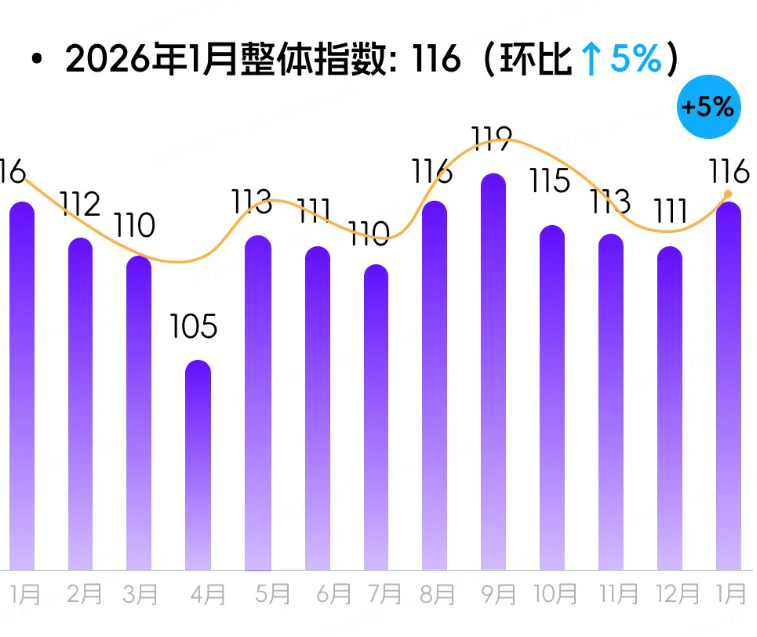
(信心指数由总指数、预期指数和即期指数构成。其中,即期指数反映卖家对现状的看法,预期指数反映卖家对未来3个月内预期的看法,而总指数由即期指数和预期指数综合计算得出,用以反映跨境电商卖家对未来海外经济、行业环境及自身经营状况的预期,指数值大于100表示乐观,等于100表示中立,小于100则表示悲观。)

二、决策分化:招聘端"保守观望"、备货端"动态平衡"

在信心指数之外,LianLian跨境商家信心指数还进一步从招聘与备货决策维度,观察商家信心是否真正转化为实际投入。从预期到行动,招聘与备货是最直接的验证指标。

(一)招聘

选择暂停或小幅补招的商家:占比80%,凸显多数卖家对市场前景持保守态度,优先维持现有团队规模以规避盲目扩张风险。这一策略反映对人力成本控制的重视,尤其在物流、仓储等重资产环节,企业更倾向通过优化流程而非增员提升效率。

明确扩招的商家:占比13%,表明真正具备扩张动力的商家仍属少数,其决策多依赖于结构性机会,如新兴市场开拓或产品线升级。

缩减招聘的商家:占比7%,相对较低,说明行业尚未进入系统性收缩阶段,当前环境更接近“放缓+观望”的过渡状态。

(二)备货

增加备货的商家:占比61%,这表明卖家对短期订单需求持积极预期,但受限于物流成本与时效压力,更倾向滚动补货与动态调整,避免库存积压。

备货规模“基本不变”的商家:占比23%,多因需求稳定或市场判断不明朗,选择以现有库存应对波动。

主动减少备货的商家:仅占16%(小幅减少10%、明显减少6%),比例显著低于增加备货者,说明库存策略整体偏向“防守中进攻”,即在控制风险的同时捕捉增长机会。

连连国际分析指出,新年伊始,跨境电商行业步入关键决策期,备货与招聘决策作为商家信心的“温度计”,直接映射其对市场前景的判断与投入意愿。从招聘与备货决策的数据显示,商家信心在转化为实际投入时呈现明显分化特征:招聘上回避激进扩张,备货上以小幅增加为主,体现商家在把握增长机会与控制风险间的谨慎权衡。整体来看,当前行业处于从高速增长向精细化运营转型的关键阶段,商家决策更加理性务实,注重效率优化而非激进扩张。

三、品类信心指数:服饰、家居及数码电子品类信心回升

根据商家信心指数的调研数据显示,2026年1月服饰、家居及数码电子品类信心回升,旺季订单集中释放支撑信心温和修复。
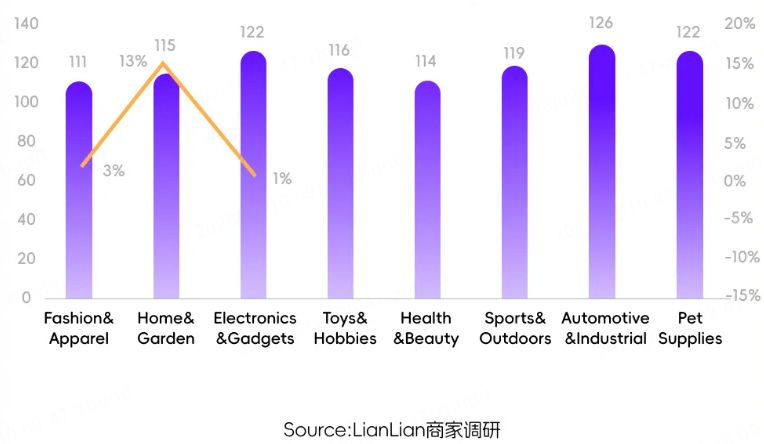
Home&Garden(家居):信心指数达115,环比提升13%,位居三大品类之首。这一增长主要得益于欧美市场对户外家具、智能家电等品类的持续需求,叠加供应链成本回落,推动商家扩大备货规模。

Fashion&Apparel(服饰):信心指数升至111,环比增长3%。尽管全球通胀压力仍存,但快时尚品牌通过“小单快反”模式(如ZARA的15天极速上新)与社交媒体营销(TikTok Fashion内容播放量超50亿次),成功吸引年轻消费者。

Electronics&Gadgets(数码电子):信心指数为122,环比微增1%。该品类增长动能主要来自AIoT设备(如智能手表、无线耳机)与3C配件(手机壳、充电宝)的创新迭代。

连连国际表示,三大品类虽增速不同,但各自找到了增长锚点:家居靠外部需求与成本红利实现扩张,服饰以内容与敏捷供应链破局,数码电子则在高基数上依靠持续微创新稳住基本盘。这标志着市场正从价格竞争转向体验竞争,技术整合、内容运营与快速响应能力成为新核心竞争力。

四、商家销售增幅:呈现“低增与分化并存”的结构特征。

5%-10%增幅区间:占比30.27%,但环比下降4.75%,反映中低速增长商家收缩趋势。主要受头部卖家集中度提升与流量成本攀升挤压,生存空间受到挑战。

负增长区间:占比18.07%,环比上升4.50%。表明部分商家在旺季后可能出现回落压力,可能受限于供应链响应滞后、库存管理失衡或营销后劲不足,未能延续旺季态势。

15%-20%增幅区间:占比8.40%,环比增长1.31%。虽占比较小,但逆势上扬,显示出仍有部分商家具备较强运营韧性。这类商家通常具备敏捷供应链、精准流量运营或差异化产品策略,能够在竞争中突围,实现稳健跃升。

连连国际指出,当前商家增长格局正从普遍性回暖转向‌结构性分化‌:多数商家增长放缓或回落,而少数具备核心能力的商家仍能保持较高增速。这背后折射出市场竞争已进入“强者恒强、优胜劣汰”的新阶段,‌运营效率、流量获取能力与产品差异化‌成为决定增长走势的关键分水岭。

注:文/龚作仁,文章来源:Laborer,本文为作者独立观点,不代表亿邦动力立场。

【版权提示】亿邦动力倡导尊重与保护知识产权。未经许可,任何人不得复制、转载、或以其他方式使用本网站的内容。如发现本站文章存在版权问题,烦请提供版权疑问、身份证明、版权证明、联系方式等发邮件至run@ebrun.com,我们将及时沟通与处理。

已点赞

+1

{{ praise_text }}

好文章,值得被更多人看到

FAQ回顾

什么是LianLian跨境商家信心指数?

LianLian跨境商家信心指数是连连国际于2025年1月推出的月度调研指数,由总指数、即期指数和预期指数构成,用于反映跨境电商卖家对海外经济、行业环境及自身经营的预期,指数大于100表示乐观。

2026年1月跨境商家在招聘和备货方面有哪些策略?

招聘策略保守:80%商家暂停或小幅补招;备货策略积极:61%商家增加备货但采用滚动补货。体现商家在控制风险与捕捉增长机会间的谨慎平衡。

2026年1月哪些跨境电商品类信心指数回升?

家居品类信心指数115环比升13%,服饰品类111环比升3%,数码电子品类122环比微增1%。三大品类分别通过外部需求、敏捷供应链和产品创新实现增长。

广告

下一篇

跨境电商资源对接

《全球跨境电商服务商资源手册》第二期手册现已发布,触达更多资源,了解跨境服务商信息,欢迎点击链接下载。

了解详情

大晓机器人完成天使轮融资 蚂蚁集团领投

本轮融资由蚂蚁集团领投,启明创投、金景资本、弘毅投资、联想创投、上海交大母基金菡源资产等机构跟投,老股东商汤国香资本持续增资。

产业互联网 B2B

2026-02-10 14:59:01









