• 亿邦公众号
    • APP下载

全球首个市值超越万亿美元的传统零售企业诞生

作者:松柏 文章来源:新零售

2026-02-05 08:50

作者:松柏 文章来源:新零售

2026-02-05 08:50

邦小白快读

EN
全文速览

沃尔玛成为全球首个市值超万亿美元的传统零售企业,标志着实体零售估值逻辑的深刻转变。

1. 市值突破:盘中交易突破1万亿美元,跻身科技巨头主导的“万亿市值俱乐部”。

2. 股价表现:过去十二个月累计上涨近26%,十年涨幅高达468%,显著跑赢标普500指数。

3. 成功原因:源于稳定现金流和战略执行力,同时吸引追求性价比的中高收入消费者和价格敏感的中低收入客群。

4. 电商发展:线上平台商品数量扩展至超5亿个SKU,推出一小时达配送服务,完善即时零售网络。

5. AI投入:在供应链自动化、智能补货、生鲜库存管理等投入数十亿美元,提升商品新鲜度、配送效率和库存周转,美国同店销售连续十五个季度超预期。

6. 市场份额:美国每四美元食品杂货支出中有一美元流向沃尔玛,“天天低价”策略在通胀背景下更具吸引力。

7. 中国业绩:截至2026财年第三季度,净销售额61亿美元,同比增长21.8%,电商业务增长32%,数字渠道销售额占比超50%。

沃尔玛的品牌策略和消费趋势洞察提供宝贵参考。

1. 品牌营销:“天天低价”策略在通胀、就业市场降温等背景下有效吸引消费者,稳固市场份额。

2. 品牌渠道建设:电商平台扩展至超5亿个SKU,并推出一小时达配送服务,强化线上渠道竞争力。

3. 品牌定价和价格竞争:低价策略成功吸引不同收入群体,包括中高收入消费者追求性价比和中低收入客群价格敏感。

4. 产品研发:通过AI投入提升商品新鲜度和库存管理,优化产品体验。

5. 消费趋势:消费者持续向线上迁移,推动电商业务增长,数字渠道占比超50%。

6. 用户行为观察:会员体系“Walmart+”直接对标“亚马逊Prime”,增强服务粘性,零售广告业务年收入达40亿美元,改善利润结构。

沃尔玛的增长机会和可学习点为卖家提供启示。

1. 增长市场:电商业务突出增长,中国市场净销售额61亿美元,同比增长21.8%,电商增长32%,数字渠道占比超50%。

2. 消费需求变化:消费者向线上迁移趋势明显,推动即时零售需求,如一小时达服务。

3. 机会提示:AI投资提升效率,带来同店销售超预期表现,合作方式如与OpenAI和谷歌嵌入购物工具,缩小与亚马逊差距。

4. 正面影响:技术驱动转型改善利润,零售广告业务年收入40亿美元,增强边际回报。

5. 风险提示:通胀压力、就业市场降温、关税不确定性及政府停摆阴影可能影响运营。

6. 可学习点:会员体系对标成功案例,战略执行力强,多业态融合平台模式以食品零售为根基。

7. 最新商业模式:电商与新业务布局,培育广告业务,推进即时零售网络。

沃尔玛的数字化启示和商业机会为工厂提供方向。

1. 产品生产和设计需求:供应链自动化和智能补货系统投入数十亿美元,提升商品新鲜度和库存周转效率。

2. 商业机会:电商平台扩展至超5亿个SKU,带来生产需求增长,中国市场业绩强劲,提供潜在合作空间。

3. 推进数字化和电商启示:AI技术应用优化生产流程,如生鲜库存管理,启示工厂通过技术投资提升效率。

4. 成本控制启示:沃尔玛的成本控制策略在通胀背景下有效,工厂可借鉴以平衡投入与产出。

行业发展趋势和新技术解决方案是服务商关注焦点。

1. 行业发展趋势:零售向线上迁移加速,AI驱动效率提升成为主流,沃尔玛市值重估标志传统零售转型。

2. 新技术:AI在供应链自动化、智能补货、搜索与预测系统中的应用,投入数十亿美元提升配送效率和库存管理。

3. 客户痛点:配送速度慢和库存周转问题,解决方案如一小时达服务优化即时零售网络。

4. 解决方案:技术投资解决效率痛点,AI战略提升商品新鲜度,同店销售连续超预期,提供可复制模型。

平台需求和运营管理策略为平台商提供借鉴。

1. 商业对平台的需求和问题:高效配送和库存管理需求,沃尔玛推出一小时达服务解决配送效率问题。

2. 平台的最新做法:会员体系“Walmart+”对标亚马逊Prime,增强粘性;零售广告业务年收入40亿美元,改善利润;合作嵌入AI工具如与OpenAI和谷歌。

3. 平台招商:中国市场增长强劲,电商业务突出,数字渠道占比超50%,吸引更多卖家入驻。

4. 运营管理:AI优化库存周转和销售预测,美国同店销售连续十五个季度超预期,提供高效管理案例。

5. 风向规避:应对通胀和竞争风险,如通过技术投入缩小与亚马逊差距,强化“天天低价”策略。

产业新动向和商业模式分析为研究者提供深度洞察。

1. 产业新动向:传统零售企业市值超万亿美元,标志估值逻辑转变和科技化转型,沃尔玛纳入纳斯达克100指数强化定位。

2. 新问题:如何在加大技术投入中平衡成本控制,正面应对亚马逊等对手竞争,新任CEO约翰·弗纳面临挑战。

3. 政策法规建议和启示:通胀背景下低价策略的有效性,提供政策应对经济不确定性的参考。

4. 商业模式:多业态融合零售平台模式,以食品零售为根基,预计未来市值接近2万亿美元,电商和AI驱动深刻变革。

声明:快读内容全程由AI生成,请注意甄别信息。如您发现问题,请发送邮件至 run@ebrun.com 。

我是 品牌商 卖家 工厂 服务商 平台商 研究者 帮我再读一遍。

Quick Summary

Walmart has become the world's first traditional retailer to surpass a $1 trillion market cap, signaling a profound shift in the valuation logic for physical retail.

1. Market Cap Milestone: Its intraday trading value broke through $1 trillion, joining the 'trillion-dollar club' previously dominated by tech giants.

2. Stock Performance: Shares have risen nearly 26% over the past twelve months and 468% over the past decade, significantly outperforming the S&P 500.

3. Success Drivers: This success stems from stable cash flow and strong strategic execution, attracting both value-seeking higher-income consumers and price-sensitive lower-income shoppers.

4. E-commerce Growth: Its online platform now offers over 500 million SKUs, complemented by one-hour delivery services, enhancing its instant retail network.

5. AI Investment: Billions invested in supply chain automation, intelligent restocking, and fresh inventory management have improved product freshness, delivery efficiency, and inventory turnover, driving U.S. comparable store sales above expectations for 15 consecutive quarters.

6. Market Share: Walmart captures $1 of every $4 spent on U.S. groceries, with its 'Everyday Low Price' strategy proving highly attractive amid inflation.

7. China Performance: As of Q3 FY2026, net sales in China reached $6.1 billion, up 21.8% year-over-year, with e-commerce growing 32% and digital channels accounting for over 50% of sales.

Walmart's brand strategy and consumer insights offer valuable lessons for brands.

1. Brand Marketing: Its 'Everyday Low Price' strategy effectively attracts and retains customers amid inflation and a cooling job market, solidifying market share.

2. Channel Building: The e-commerce platform expanded to over 500 million SKUs, supported by one-hour delivery, strengthening online competitiveness.

3. Pricing Strategy: The low-price approach successfully appeals to diverse income groups, from value-conscious higher earners to budget-sensitive shoppers.

4. Product Development: AI investments enhance product freshness and inventory management, optimizing the consumer experience.

5. Consumer Trends: The sustained shift to online shopping drives e-commerce growth, with digital channels now exceeding 50% of sales.

6. User Behavior: The 'Walmart+' membership program, directly competing with Amazon Prime, increases service stickiness, while its retail media business generates $4 billion in annual revenue, improving profit structure.

Walmart's growth trajectory offers key insights and opportunities for sellers.

1. Growth Markets: E-commerce shows strong growth, with China net sales of $6.1 billion (up 21.8% YoY), e-commerce up 32%, and digital channels exceeding 50% of sales.

2. Consumer Shifts: The clear migration to online shopping boosts demand for instant retail, such as one-hour delivery.

3. Opportunities: AI investments drive efficiency, leading to above-expectation comparable sales; partnerships with OpenAI and Google to embed shopping tools help narrow the gap with Amazon.

4. Positive Impact: Technology-driven transformation improves profitability, with retail media revenue of $4 billion enhancing marginal returns.

5. Risks: Inflation, a cooling job market, tariff uncertainties, and potential government shutdowns could impact operations.

6. Learnings: Successful membership program emulation, strong strategic execution, and a multi-format platform model anchored in grocery retail.

7. New Models: E-commerce and new business layouts, including growing the advertising business and advancing instant retail networks.

Walmart's digital transformation offers direction and opportunities for factories.

1. Production & Design Needs: Billions invested in supply chain automation and smart restocking systems improve product freshness and inventory turnover efficiency.

2. Business Opportunities: E-platform expansion to over 500 million SKUs drives production demand; strong performance in China offers potential collaboration space.

3. Digital & E-commerce Insights: AI applications optimize production processes (e.g., fresh inventory management), demonstrating how tech investments boost efficiency.

4. Cost Control Lessons: Walmart's effective cost management during inflation provides a model for factories to balance input and output.

Industry trends and new technology solutions are key focus areas for service providers.

1. Industry Trends: Accelerated shift to online retail, AI-driven efficiency gains becoming mainstream, and Walmart's market cap revaluation signaling traditional retail transformation.

2. New Technologies: AI applications in supply chain automation, intelligent restocking, and search/prediction systems, with multi-billion dollar investments improving delivery efficiency and inventory management.

3. Customer Pain Points: Slow delivery and inventory turnover issues addressed by solutions like one-hour delivery, optimizing instant retail networks.

4. Solutions: Tech investments tackle efficiency pain points; AI strategy enhances product freshness, with consistently exceeding comparable sales providing a replicable model.

Platform demands and operational strategies offer valuable references for marketplace operators.

1. Platform Needs & Challenges: Demand for efficient delivery and inventory management met by Walmart's one-hour delivery service.

2. Latest Practices: 'Walmart+' membership rivals Amazon Prime, enhancing stickiness; retail media revenue of $4 billion improves profits; AI tool partnerships with OpenAI and Google.

3. Merchant Attraction: Strong growth in China, standout e-commerce performance, and over 50% digital channel share attract more sellers.

4. Operations Management: AI optimizes inventory turnover and sales forecasting, with U.S. comparable sales exceeding expectations for 15 straight quarters, offering a case study in efficient management.

5. Risk Mitigation: Addressing inflation and competition risks through tech investments to narrow the gap with Amazon and reinforcing the 'Everyday Low Price' strategy.

Industry developments and business model analysis provide deep insights for researchers.

1. Industry Shifts: A traditional retailer surpassing $1 trillion market cap indicates a valuation logic shift and tech-driven transformation, reinforced by inclusion in the Nasdaq-100 index.

2. New Challenges: Balancing increased tech investment with cost control, and directly competing with rivals like Amazon, pose challenges for new CEO John Furner.

3. Policy Implications: The effectiveness of low-price strategies during inflation offers references for policy responses to economic uncertainty.

4. Business Model: A multi-format retail platform model anchored in grocery, with potential future market cap nearing $2 trillion, driven by e-commerce and AI-driven transformation.

Disclaimer: The "Quick Summary" content is entirely generated by AI. Please exercise discretion when interpreting the information. For issues or corrections, please email run@ebrun.com .

I am a Brand Seller Factory Service Provider Marketplace Seller Researcher Read it again.

当地时间2月3日,沃尔玛市值在盘中交易突破1万亿美元(约合6.94万亿元人民币),成为全球首家市值跨越这一关口的传统零售企业。

自此,沃尔玛正式跻身由英伟达、Alphabet、苹果等科技巨头主导的“万亿市值俱乐部”。这一里程碑标志着资本市场对实体零售龙头的估值逻辑正在发生深刻转变。

过去十二个月,沃尔玛股价累计上涨近26%;若将时间拉长至十年,其涨幅高达468%,显著跑赢同期标普500指数264%的表现。

分析人士指出,这一长期超额收益源于公司稳定的现金流基础及其持续强化的战略执行力。尤为关键的是,沃尔玛成功同时吸引了追求性价比与便利性的中高收入消费者,并牢牢稳固了价格高度敏感的中低收入核心客群。

过去五年间,沃尔玛持续加码电商与新业务布局。其线上平台商品数量已扩展至超过5亿个SKU,并推出一小时达配送服务,以完善即时零售网络。同时,公司推出的“Walmart+”会员体系在服务粘性上直接对标“亚马逊Prime”,并培育出年收入约40亿美元(约合277.5亿元人民币)的零售广告业务,有效改善了整体利润结构与边际回报。

在技术层面,沃尔玛对人工智能(AI)的投入尤为坚决。公司多年来已向供应链自动化、智能补货、生鲜库存管理以及搜索与预测系统投入数十亿美元(约合数百亿元人民币),旨在全面提升商品新鲜度、配送效率与库存周转。得益于此,沃尔玛美国同店销售已连续十五个季度超出预期。随着消费者持续向线上迁移,市场对其AI战略的认可正直接转化为估值支撑。

目前,美国每四美元(约合27.7元)的食品杂货支出中,就有一美元(约合6.94元人民币)流向沃尔玛。在通胀压力、就业市场降温、关税不确定性及政府停摆阴影交织的背景下,其“天天低价”策略显得更具吸引力。

“这确实是一个了不起的成就。万亿市值通常被视为科技股的专属标签,但沃尔玛是一家非常‘硬核’的旧经济公司,”沃尔玛投资人Charles Sizemore(查尔斯·西兹莫尔)表示,资本市场正在重新评估这家零售巨头在技术投入和成本控制方面的长期价值。

在新任全球CEO约翰·弗纳(John Furner)于2月1日正式接任后,沃尔玛在AI驱动的零售竞争深水区中面临的核心挑战,是在持续加大技术投入的同时,正面应对亚马逊等对手的攻势。目前,公司已与OpenAI和谷歌展开合作,将购物工具嵌入搜索与聊天机器人体系,以缩小与亚马逊GenAI购物助手Rufus之间的差距。

值得一提的是,沃尔玛已于上月正式被纳入纳斯达克100指数,取代英国制药公司AstraZeneca,进一步强化了其在资本市场中“科技化零售商”的定位。截至当天下午交易时段,沃尔玛股价报127.10美元(约合881.6元人民币)。

Navellier&Associates首席投资官Louis Navellier(路易斯·纳维利尔)指出,沃尔玛本质上是一个“多业态融合的零售平台”,其增长根基仍来自食品零售,并预计公司未来几年市值有望接近2万亿美元(约合13.88万亿元人民币)。

自1962年在阿肯色州罗杰斯开出首店以来,沃尔玛已走过六十三年,目前在全球运营超10000家门店,其中美国本土约4600家。这家老牌零售企业正凭借持续的技术驱动,完成一场深刻的市值重估。

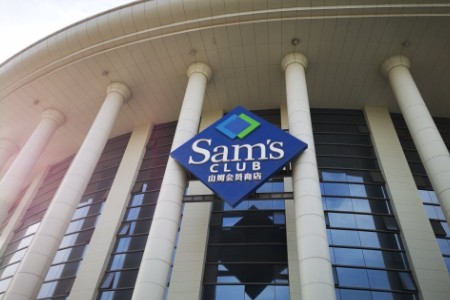
此外,截至2026财年第三季度,“沃尔玛中国”实现净销售额61亿美元(约合人民币423亿),同比增长21.8%。电商业务增长尤为突出,增幅达32%,数字渠道销售额占比已超过50%。截至本季度末,沃尔玛中国共运营334家门店,其中包括277家大卖场与57家山姆会员商店。

注:文/松柏,文章来源:新零售(公众号ID:ixinlingshou),本文为作者独立观点,不代表亿邦动力立场。

【版权提示】亿邦动力倡导尊重与保护知识产权。未经许可,任何人不得复制、转载、或以其他方式使用本网站的内容。如发现本站文章存在版权问题,烦请提供版权疑问、身份证明、版权证明、联系方式等发邮件至run@ebrun.com,我们将及时沟通与处理。

已点赞

+1

{{ praise_text }}

好文章,值得被更多人看到

FAQ回顾

沃尔玛市值突破1万亿美元意味着什么?

沃尔玛成为全球首家市值突破1万亿美元的传统零售企业,标志着资本市场对实体零售龙头的估值逻辑发生转变,并使其跻身由科技巨头主导的'万亿市值俱乐部'。

沃尔玛采取了哪些战略实现市值增长?

沃尔玛通过加码电商布局(线上SKU超5亿)、推出Walmart 会员体系、发展零售广告业务(年收入40亿美元)以及投入数十亿美元用于AI技术提升供应链效率,实现了持续增长。

沃尔玛中国市场的表现如何?

2026财年第三季度,沃尔玛中国净销售额达61亿美元,同比增长21.8%,电商业务增长32%,数字渠道销售额占比超过50%,运营334家门店。

广告

下一篇

征集报名《品牌数字化服务商资源手册》

《品牌数字化服务商资源手册》展示数字化服务商风采,亿邦全年零售大会通发,触达更多资源,马上加入!

马上入驻

盒马2026年开店计划揭秘:冲击千亿 至少开300家

阿里巴巴发布的2025财年年报显示,盒马整体GMV超过750亿元,并首次实现全年经调整EBITA转正。据此估算,到2026年3月底,盒马在2026财年的GMV有望超过1000亿元。