



• 亿邦公众号
    • APP下载

海尔智家推进数字化能源管理 工厂节电35%、减碳36%

作者:龚作仁 文章来源:Laborer

2026-01-28 11:47

作者:龚作仁 文章来源:Laborer

2026-01-28 11:47

邦小白快读

EN
全文速览

总述海尔智家天津工厂在数字化能源管理方面的显著成就和实操方法。

1. 实现节电35%和减碳36%,通过中国节能协会零碳工厂认证,展示节能降碳的实际效果。

2. 采用数字化节能管理体系,包括建立设备稳态电流大数据模型,精准识别无效耗能、自动分析预警,并智能匹配最优节能方案。

3. 搭建能源数字化管理平台,配备自动检测净化技术的水资源管理系统,优化制造和包装工艺以减少废料和碳排放。

总述零碳工厂建设的背景和标准。

1. 在双碳目标下,工信部等五部门联合印发《关于开展零碳工厂建设工作的指导意见》,计划2026年遴选标杆工厂。

2. 认证依据T/CECA-G 0171-2025《零碳工厂评价规范》,要求可再生能源占比≥10%、碳抵消≥50%等关键指标。

总述实践意义。

1. 案例表明数字化管理与全链路绿色创新能实现节能降碳与运营增效的双重目标,为制造业转型提供参考。

总述海尔零碳工厂对品牌营销和产品研发的启示。

1. 品牌营销方面,零碳工厂建设与智慧家庭战略结合,提升绿色形象,为低碳智能生活解决方案提供底层支撑,增强品牌可信度。

2. 产品研发启示,通过数字化管理优化生产流程,如设备参数智能匹配和工艺创新,支持开发更环保产品。

总述消费趋势和用户行为观察。

1. 绿色消费趋势下,用户对低碳生活需求增长,海尔案例展示如何响应政策驱动(如双碳目标)和市场需求。

2. 数据如节电35%和减碳36%可作为营销点,强化品牌在可持续领域的领导地位。

总述品牌渠道建设机会。

1. 零碳工厂认证(如中国节能协会标准)可作为渠道合作亮点,推动品牌在绿色供应链中的整合。

总述政策解读和市场机会。

1. 工信部等五部门《关于开展零碳工厂建设工作的指导意见》明确2026年遴选标杆,提供增长市场方向。

2. 零碳工厂建设带来消费需求变化,如绿色产品需求上升,海尔案例显示节能降碳可提升产品吸引力。

总述事件应对措施和可学习点。

1. 海尔通过数字化能源管理体系(如设备电流模型和排产优化)应对双碳目标,实现节电35%和减碳36%,卖家可借鉴此实操方法。

2. 机会提示:节能增效带来成本降低和效率提升,如减少废料产出,卖家可探索类似商业模式。

总述风险提示和合作方式。

1. 风险包括认证标准严苛(如可再生能源占比≥10%),需提前布局数字化。

2. 合作启示:与工厂或服务商合作,推广绿色创新,海尔实践展示全链路协作的价值。

总述产品生产和设计需求。

1. 数字化节能管理需求,如建立设备稳态电流大数据模型,精准识别无效耗能并智能优化参数,提升生产效率。

2. 设计上需优化制造工艺,如水资源管理系统和包装创新,减少废料和碳排放。

总述商业机会和推进数字化的启示。

1. 节能降碳带来直接商业机会,海尔案例实现节电35%和减碳36%,可转化为成本节约和运营增效。

2. 推进数字化启示:通过能源数字化管理平台和排产优化方法,工厂可复制此路径,实现绿色转型。

总述电商和绿色制造结合。

1. 零碳工厂建设(如海尔认证)展示如何将数字化与电商整合,响应政策如工信部指导意见,提升市场竞争力。

总述行业发展趋势。

1. 零碳工厂建设加速,政策驱动(如双碳目标和工信部指导意见)推动企业实践,海尔案例标志从概念到落地。

2. 趋势显示数字化管理成为主流,如节能降碳需求增长,服务商可瞄准此市场。

总述新技术和解决方案。

1. 创新技术包括设备稳态电流大数据模型、能源数字化管理平台,以及自动检测净化技术,解决客户痛点如无效耗能和资源浪费。

2. 海尔实践提供完整解决方案,实现节电35%和减碳36%,服务商可推广类似数字化工具。

总述客户痛点应对。

1. 痛点包括高能耗和碳排放挑战,解决方案如智能监测和分析优化,帮助客户实现标准要求(如可再生能源占比≥10%)。

总述商业对平台的需求和平台最新做法。

1. 企业需求数字化支持和绿色供应链管理,平台可借鉴海尔能源管理体系(如设备模型和排产优化),提供招商和运营服务。

2. 平台最新做法包括推广零碳工厂认证(如中国节能协会标准),整合资源优化管理。

总述平台招商和运营管理启示。

1. 招商机会:海尔案例展示标杆工厂价值,平台可吸引类似企业入驻,支持绿色转型。

2. 运营管理中,平台需规避风险如合规问题(认证指标严苛),通过数字化工具实现智能监测和优化。

总述风向规避和合作方式。

1. 风险包括政策变动(如2026年遴选计划),平台应提前布局绿色标准。

2. 合作启示:与工厂或服务商协作,推广全链路创新,提升平台生态可持续性。

总述产业新动向和新问题。

1. 动向:零碳工厂从政策(工信部指导意见)到企业实践(海尔案例)落地,标志制造业绿色转型加速。

2. 新问题:如何实现严苛标准(如可再生能源占比≥10%),数字化管理(如设备模型)提供解决路径。

总述政策法规建议和启示。

1. 政策启示:T/CECA-G 0171-2025《零碳工厂评价规范》细节(如四大维度)可作为研究基础,建议完善激励机制。

2. 法规应用:海尔节能降碳数据(节电35%、减碳36)展示法规实际效果。

总述商业模式和产业影响。

1. 商业模式:数字化能源管理实现节能降碳与运营增效双重目标,研究者可分析其可复制性。

2. 产业影响:标杆工厂推动中国制造业路径清晰化,提供政策反馈和未来研究方向。

声明:快读内容全程由AI生成,请注意甄别信息。如您发现问题,请发送邮件至 run@ebrun.com 。

我是 品牌商 卖家 工厂 服务商 平台商 研究者 帮我再读一遍。

Quick Summary

Haier Smart Home's Tianjin factory has achieved remarkable results in digital energy management.

1. The facility reduced electricity consumption by 35% and carbon emissions by 36%, earning a Zero-Carbon Factory certification from the China Energy Conservation Association, demonstrating tangible environmental benefits.

2. It implemented a digital energy management system featuring a big data model for equipment steady-state current, which precisely identifies wasteful energy use, automatically analyzes and issues alerts, and intelligently matches optimal energy-saving solutions.

3. The factory built an energy digital management platform with an automated water purification system and optimized manufacturing and packaging processes to minimize waste and emissions.

The background and standards for zero-carbon factory construction are gaining prominence.

1. Under China's dual-carbon goals, five ministries including the Ministry of Industry and Information Technology issued guidelines to select model factories by 2026.

2. Certification follows the T/CECA-G 0171-2025 standard, requiring key metrics like ≥10% renewable energy usage and ≥50% carbon offsetting.

This case demonstrates practical significance.

1. It shows how digital management and full-chain green innovation can achieve both energy/carbon reduction and operational efficiency improvements, providing a reference for manufacturing transformation.

Haier's zero-carbon factory offers insights for brand marketing and product development.

1. For marketing, it enhances green credentials by aligning with smart home strategies, providing foundational support for low-carbon lifestyle solutions and boosting brand credibility.

2. For R&D, digital optimization of production processes (e.g., intelligent parameter matching) enables development of more environmentally friendly products.

Consumer trends and user behavior observations are evolving.

1. Growing demand for low-carbon lifestyles under green consumption trends shows how Haier responds to both policy drivers and market needs.

2. Metrics like 35% energy savings serve as effective marketing points to strengthen leadership in sustainability.

Certification creates channel partnership opportunities.

1. Zero-carbon factory credentials can differentiate brand partnerships and facilitate integration into green supply chains.

Policy interpretation reveals market opportunities.

1. Government guidelines targeting model factories by 2026 indicate growth directions for green products.

2. Haier's case shows energy/carbon reduction enhances product appeal amid rising green consumer demand.

Practical responses and learnable strategies emerge.

1. Haier's digital energy management achieved 35% energy savings through methods like equipment current modeling - replicable approaches for sellers.

2. Opportunities include cost reduction from efficiency gains and waste reduction for new business models.

Risk warnings and cooperation models should be considered.

1. Challenges include strict certification requirements (≥10% renewable energy) requiring early digital preparation.

2. Partnerships with factories/service providers can drive green innovation, as shown by Haier's full-chain collaboration.

Production and design requirements are evolving.

1. Digital energy management needs include big data models for equipment current to identify waste and optimize parameters for efficiency.

2. Design innovations like water management systems and packaging improvements reduce waste and emissions.

Commercial opportunities from digitalization are clear.

1. Haier's 35% energy savings demonstrate direct cost benefits and operational improvements.

2. Digital energy platforms and production optimization provide replicable paths for green transformation.

Integration with e-commerce enhances competitiveness.

1. Zero-carbon certification shows how digitalization meets policy requirements while boosting market position.

Industry trends are accelerating.

1. Policy-driven zero-carbon factory construction is moving from concept to implementation, as shown by Haier's case.

2. Digital management is becoming mainstream, creating service market opportunities.

New technologies address client pain points.

1. Innovations like equipment current modeling and energy platforms solve issues like energy waste and resource inefficiency.

2. Haier's integrated solution achieving 35% energy savings provides a template for scalable digital tools.

Client challenges require targeted solutions.

1. Services helping meet standards (e.g., ≥10% renewable energy) through smart monitoring and optimization are in high demand.

Business needs and platform practices are evolving.

1. Enterprises require digital support and green supply chain management - platforms can adapt Haier's energy management systems for merchant services.

2. Platform initiatives include promoting zero-carbon certification and integrated resource optimization.

Merchant recruitment and operational insights emerge.

1. Haier's model factory attracts similar businesses seeking green transformation support.

2. Platforms must manage compliance risks (strict certification) through digital monitoring tools.

Risk mitigation and cooperation models are critical.

1. Policy changes (e.g., 2026 selection plan) require early adoption of green standards.

2. Collaborations with factories/service providers can enhance platform sustainability through full-chain innovation.

Industry developments raise new questions.

1. Zero-carbon factories are transitioning from policy to practice, accelerating manufacturing's green transformation.

2. Key research questions include how to meet strict standards (≥10% renewable energy) through digital management solutions.

Policy implications and regulatory applications provide study avenues.

1. The T/CECA-G 0171-2025 standard's four dimensions offer research foundations, suggesting improved incentive mechanisms.

2. Haier's 35% energy reduction data demonstrates real-world policy effectiveness.

Business models and industrial impacts warrant analysis.

1. Digital energy management's dual benefits of efficiency and sustainability present replicable business models.

2. Model factories are clarifying China's manufacturing pathway, providing policy feedback and future research directions.

Disclaimer: The "Quick Summary" content is entirely generated by AI. Please exercise discretion when interpreting the information. For issues or corrections, please email run@ebrun.com .

I am a Brand Seller Factory Service Provider Marketplace Seller Researcher Read it again.

在双碳目标引领下,制造业正加快推进节能降碳进程。此前,工信部等五部门联合印发《关于开展零碳工厂建设工作的指导意见》,明确自2026年起遴选一批零碳工厂,做好标杆引领。

当下已有不少企业展开零碳工厂的探索实践,其中,海尔智家的做法颇具代表性。其零碳工厂建设与企业长期推进的智慧家庭战略一脉相承,既是绿色制造的关键环节,也为向用户提供更低碳、更智能的家庭生活解决方案筑牢了底层支撑。1月26日,海尔智家在零碳工厂建设领域取得新进展,海尔天津洗衣机互联工厂落地数字化能源管理体系,实现节电35%、减碳36%的显著成效,荣获中国节能协会零碳工厂认证。
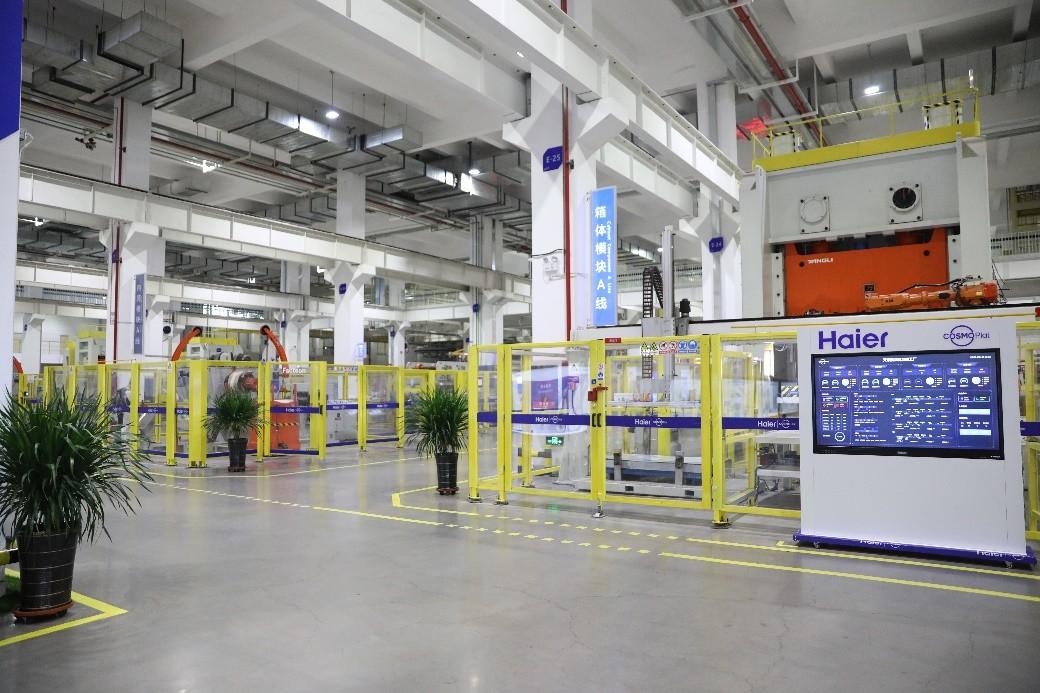
此次认证严格依据中国节能协会发布的T/CECA-G 0171-2025《零碳工厂评价规范》。作为我国首个零碳工厂评价标准,该评价规范涵盖能源、生产、资源和管理四大维度,明确可再生能源占比≥10%、碳抵消≥50%等关键技术指标。这一系列严苛的标准,对企业零碳工厂建设提出了明确的要求。

而海尔天津洗衣机互联工厂能够顺利通过认证,离不开其系统化的数字化节能管理实践。一方面,工厂布局节能管理及节能生产解决方案,通过建立设备稳态电流大数据模型,精准识别设备无效耗能、自动分析以及预警,智能匹配设备工艺参数的最优节能方案;同时工厂还搭建起能源数字化管理平台,配备自动检测净化技术的水资源管理系统,在制造和包装工艺上持续优化创新,减少废料产出和碳排放。另一方面,工厂建立设备用电负荷模型,基于单台生产能耗模型的排产优化方法,实现智能监测、分析、优化,在降低能源消耗的同时减少温室气体排放。

从国家政策的出台到企业层面的扎实实践,零碳工厂建设已从概念走向落地。海尔天津洗衣机互联工厂的案例表明,通过数字化管理与全链路绿色创新,传统制造能够有效实现节能降碳与运营增效的双重目标。随着更多标杆工厂的出现,中国制造业的绿色转型路径将愈发清晰。

注:文/龚作仁,文章来源:Laborer,本文为作者独立观点,不代表亿邦动力立场。

【版权提示】亿邦动力倡导尊重与保护知识产权。未经许可,任何人不得复制、转载、或以其他方式使用本网站的内容。如发现本站文章存在版权问题,烦请提供版权疑问、身份证明、版权证明、联系方式等发邮件至run@ebrun.com,我们将及时沟通与处理。

已点赞

+1

{{ praise_text }}

好文章,值得被更多人看到

FAQ回顾

什么是零碳工厂评价规范?

零碳工厂评价规范是中国节能协会发布的T/CECA-G 0171-2025标准,涵盖能源、生产、资源和管理四大维度,要求可再生能源占比≥10%、碳抵消≥50%,是我国首个零碳工厂评价标准。

海尔智家如何实现工厂节能降碳?

海尔天津洗衣机互联工厂通过数字化能源管理体系,建立设备稳态电流大数据模型和能源数字化平台,实现智能监测、分析和优化,最终达到节电35%、减碳36%的效果。

零碳工厂建设有哪些政策支持?

工信部等五部门联合印发《关于开展零碳工厂建设工作的指导意见》,明确自2026年起遴选一批零碳工厂,为制造业绿色转型提供政策指引。

广告

下一篇

跨境电商资源对接

《全球跨境电商服务商资源手册》第二期手册现已发布,触达更多资源,了解跨境服务商信息,欢迎点击链接下载。

了解详情

AI眼镜能付停车费了

小米与蚂蚁集团达成技术合作,基于蚂蚁自研的全球首个智能终端可信连接技术框架 GPASS,在小米智能眼镜上线停车缴费与 AI 健康问答两大服务功能。

服务商 阿里巴巴 支付 支付宝

2026-01-28 11:29:33









