



• 亿邦公众号
    • APP下载

微醺女孩今冬流行煮啤酒 淘宝国货严选七成低度数酒消费者是年轻女性

作者:龚作仁 文章来源:Laborer

2026-01-21 15:22

作者:龚作仁 文章来源:Laborer

2026-01-21 15:22

邦小白快读

EN
全文速览

今冬微醺女孩流行煮啤酒DIY热饮,低度酒消费大幅增长,提供实用重点信息和操作指南。

1. DIY煮啤酒方法:以啤酒为底料,加入橙子、苹果、红枣、枸杞、桂圆、醪糟等配料,制作橙香热啤酒、苹果热啤酒等花式低度温热酒,为冬天添暖和生活气。

2. 热门低度酒产品:精酿啤酒、养生果酒和新式米酒最受欢迎,果味啤酒中荔枝、青梅、西瓜、冰糖葫芦口味占新品60%,如内蒙“大九酿造”的蓝莓草莓小麦IPA和河南金星的冰镇西瓜啤酒成为爆款。

3. 消费趋势:七成消费者是18-35岁年轻女性,追求质价比消费;男性偏好精酿啤酒;83%年轻人更爱酒精度低于20%的低度酒,通过“微醺”感缓解压力、释放情绪。

4. 购买渠道:淘宝国货严选销量同比增长213%,可选购来自河南、内蒙、江西等产区的特色酒品,年货节期间新增多样选择。

低度酒市场持续升温,品牌需聚焦产品研发、消费趋势和营销策略,以抓住年轻女性主导的质价比需求。

1. 消费趋势:83%年轻人偏好酒精度低于20%的低度酒,追求“微醺”感以缓解疲惫、释放压力;情绪词“快乐”、“开心”、“放松”高频出现,用户行为向DIY热啤酒和健康配方转变。

2. 产品研发:创新口味如果味啤酒(荔枝、青梅、西瓜、冰糖葫芦)、茶啤系列(毛尖、龙井、茉莉花茶)、国潮食啤(冰糖葫芦、西瓜)和养生米酒;老厂牌如泸州老窖推出子品牌“苏洛溪”,瞄准10度以下低度酒市场,首发蜜桃乌龙等口味,预计销量增长15%以上。

3. 品牌营销和渠道:通过淘宝国货严选平台首发新品,如“苏洛溪”年货节首发;线上渠道关键,新品牌如内蒙“大九酿造”GMV环比增长105%,女性消费者过半;品牌定价需结合质价比,新供给来自河南、江西等产区。

4. 数据支持:淘宝数据显示低度酒销量同比去年增长213%,女性占比七成,口味偏好数据可指导研发。

低度酒市场增长迅猛,卖家可抓住消费需求变化、合作机会和可学习点,规避风险。

1. 增长市场:淘宝国货严选低度酒销量同比去年增长213%,年货节需求旺盛;供给量增速超100%,覆盖六大品类,产地包括四川、贵州、浙江、江西、河南、湖北等产业带。

2. 消费需求变化:年轻人从“去班味”缓解压力转向办年货场景,需满足送礼、微醺悦己、新年欢聚等需求;热门产品包括精酿啤酒、养生果酒、新式米酒,果味啤酒占新品60%。

3. 机会提示:新兴产区如河南金星、内蒙大九酿造、江西咪噢酒业提供特色产品;可学习老厂牌转型案例,如泸州老窖推出“苏洛溪”低度酒子品牌;合作方式包括淘宝平台招商,新增1000多款酒水,扶持政策覆盖多产业带。

4. 风险提示:口味小众需圈层扩大,避免同质化竞争;正面影响是女性消费者主导,负面影响可能来自市场饱和;最新商业模式为线上电商主导,满足Z世代到银发经济人群。

工厂面临产品设计需求和商业机会,电商提供启示推进数字化生产。

1. 产品生产和设计需求:开发新口味低度酒,如果味啤酒(荔枝、青梅、西瓜、冰糖葫芦)、茶啤系列(毛尖、龙井、茉莉花茶)和国潮食啤(如河南金星的冰糖葫芦奶皮子啤酒);健康配方和低度微醺是关键,需结合本土口味如江西“咪噢酒业”的桂花荔枝米酒。

2. 商业机会:新兴产区如河南、内蒙、江西提供增长空间;线上销售渠道如淘宝淘工厂,供给量增速超100%,覆盖传统和新兴产业带;老厂牌案例如泸州老窖转型“苏洛溪”,瞄准年轻女性市场。

3. 推进数字化和电商启示:通过淘宝平台拓展销售,满足质价比消费;产地多样化启示包括四川、贵州等传统带和江西、河南等新带;数据支持如销量增长213%,可指导生产优化。

低度酒行业发展趋势明显,服务商需关注客户痛点和提供解决方案。

1. 行业发展趋势:微醺文化流行,低度酒消费持续升温;83%年轻人偏好酒精度低于20%的低度酒,女性消费者占比七成;新供给如精酿啤酒、养生果酒、新式米酒增长迅猛。

2. 客户痛点:传统酒桌文化不适,消费者需缓解疲劳、释放压力,追求“快乐”、“开心”、“放松”情绪;痛点包括口味多样化需求和场景适配(如社交、待友)。

3. 解决方案:提供DIY热啤酒方法(加入水果配料);开发创新产品如果味啤酒、茶啤系列;利用电商平台如淘宝国货严选,新增1000多款酒水覆盖多场景;数据如淘宝销量增长213%支持服务优化。

4. 新技术启示:虽无直接技术提及,但线上销售模式可推数字化应用;案例如内蒙“大九酿造”果泥精酿GMV环比增长105%,提供实操参考。

平台需满足商业需求,通过最新做法支持招商和运营管理。

1. 商业对平台的需求和问题:商家需平台推广新品,如泸州老窖“苏洛溪”低度酒在淘宝国货严选首发;问题包括覆盖年货、悦己、聚会等场景,需规避口味小众风险。

2. 平台的最新做法:新增1000多款酒水,覆盖六大品类,供给量增速超100%;产地包括传统产业带(四川、贵州、浙江)和新兴带(江西、河南、湖北);首发活动如年货节新品推出。

3. 平台招商和运营管理:吸引新品牌(如江西咪噢酒业)和老厂牌(如泸州老窖)入驻;运营策略包括满足Z世代到银发经济人群,质价比消费主导;风向规避需关注女性偏好数据,如七成消费者为年轻女性。

4. 扶持政策:通过淘工厂等支持产业带发展,覆盖多品类;数据支持如低度酒销量同比增长213%,指导招商优化。

产业新动向显示低度酒市场扩张,研究者可分析新问题和商业模式启示。

1. 产业新动向:低度酒销量同比增长213%,微醺文化兴起;新产区如河南、内蒙、江西崛起,老厂牌创新如泸州老窖推出“苏洛溪”子品牌;消费行为向“去班味”缓解压力转变。

2. 新问题:消费情感需求“快乐”、“开心”、“放松”高频,冲击传统酒桌文化;新问题包括口味小众圈层扩大和线上流行挑战。

3. 商业模式:线上电商主导,淘宝平台合作模式;产品创新如果味啤酒占新品60%,国潮食啤系列(冰糖葫芦、西瓜)和茶啤融合;案例包括内蒙“大九酿造”GMV增长105%和河南金星的本土化设计。

4. 政策法规建议和启示:电商平台推动供给增长,启示加强产业带支持;数据如83%年轻人偏好低度酒,女性主导,可指导政策研究。

声明:快读内容全程由AI生成,请注意甄别信息。如您发现问题,请发送邮件至 run@ebrun.com 。

我是 品牌商 卖家 工厂 服务商 平台商 研究者 帮我再读一遍。

Quick Summary

This winter, young women are embracing DIY hot beer cocktails as low-alcohol beverages gain significant popularity. Here are key insights and preparation tips.

1. DIY Hot Beer Method: Using beer as a base, add oranges, apples, red dates, goji berries, longan, and fermented rice to create warm, low-alcohol drinks like orange-flavored or apple hot beer, adding warmth and vibrancy to winter days.

2. Popular Low-Alcohol Products: Craft beer, health-focused fruit wines, and modern rice wines are trending. Fruit-flavored beers—such as lychee, green plum, watermelon, and candied hawthorn—account for 60% of new launches. Examples include Inner Mongolia’s "Dajiu Brewing" blueberry-strawberry wheat IPA and Henan’s Jinxing iced watermelon beer, which have become hits.

3. Consumption Trends: 70% of consumers are women aged 18–35 who prioritize value-for-money. Men prefer craft beer, while 83% of young adults favor beverages under 20% ABV, seeking mild intoxication to relieve stress and uplift mood.

4. Purchase Channels: Sales on Taobao’s "Guohuo Yanxuan" (curated domestic goods) surged 213% YoY, offering specialty drinks from Henan, Inner Mongolia, and Jiangxi. The Chinese New Year sales event has expanded options further.

The low-alcohol beverage market continues to heat up, requiring brands to focus on R&D, consumer trends, and marketing to capture value-driven demand led by young women.

1. Consumer Trends: 83% of young consumers prefer drinks below 20% ABV, seeking mild intoxication for stress relief. Keywords like "happy," "joy," and "relaxed" are frequently mentioned, with user behavior shifting toward DIY hot beer and health-oriented recipes.

2. Product Innovation: New flavors include fruit-infused beers (lychee, green plum, watermelon, candied hawthorn), tea-beer blends (Maojian, Longjing, jasmine), nostalgic-inspired brews (e.g., candied hawthorn), and wellness rice wines. Established brands like Luzhou Laojiao launched sub-brand "Suluoxi" targeting sub-10% ABV drinks, with peach oolong as a flagship flavor, expecting over 15% sales growth.

3. Marketing & Channels: Leverage platforms like Taobao Guohuo Yanxuan for new product launches (e.g., Suluoxi’s New Year sale). Online channels are critical—new brands like Inner Mongolia’s Dajiu Brewing saw 105% GMV growth month-over-month, with over half of consumers being female. Pricing must align with value perception, with new supply emerging from Henan, Jiangxi, etc.

4. Data Support: Taobao data shows low-alcohol sales up 213% YoY, with women comprising 70% of buyers. Flavor preference data can guide R&D.

The low-alcohol market is expanding rapidly. Sellers can capitalize on shifting demand, partnership opportunities, and best practices while managing risks.

1. Market Growth: Low-alcohol sales on Taobao Guohuo Yanxuan rose 213% YoY, with strong demand during the New Year sales. Supply growth exceeded 100%, spanning six categories from regions like Sichuan, Guizhou, Zhejiang, Jiangxi, Henan, and Hubei.

2. Demand Shifts: Young consumers transition from stress relief ("escaping work fatigue") to festive gifting and social gatherings. Popular products include craft beer, fruit wines, and modern rice wines, with fruit beers making up 60% of new launches.

3. Opportunities: Source unique products from emerging producers like Henan Jinxing, Inner Mongolia Dajiu Brewing, and Jiangxi Mio Winery. Learn from traditional brands pivoting to low-alcohol segments (e.g., Luzhou Laojiao’s Suluoxi). Collaborate via Taobao’s merchant recruitment, which added 1,000+ SKUs with support policies covering multiple industrial zones.

4. Risks: Niche flavors require broader appeal to avoid homogenization. Positive trends include female-dominated demand, but market saturation is a concern. The dominant model is e-commerce, catering from Gen Z to silver economy.

Factories face evolving product design demands and commercial opportunities, with e-commerce offering insights for digital production upgrades.

1. Product Design Needs: Develop new low-alcohol variants like fruit-infused beers (lychee, green plum, watermelon, candied hawthorn), tea-beer fusions (Maojian, Longjing, jasmine), and nostalgic-inspired brews (e.g., Henan Jinxing’s candied hawthorn milk skin beer). Health-oriented formulas and mild intoxication are key, incorporating local tastes like Jiangxi Mio Winery’s osmanthus-lychee rice wine.

2. Commercial Opportunities: Emerging production zones (Henan, Inner Mongolia, Jiangxi) offer growth potential. Online channels like Taobao’s Taogongchang drive supply growth over 100%, covering traditional and new industrial belts. Learn from legacy brands (e.g., Luzhou Laojiao’s Suluoxi) targeting young women.

3. Digital & E-commerce Insights: Expand sales via Taobao to meet value-driven demand. Diversify sourcing from traditional (Sichuan, Guizhou) and new (Jiangxi, Henan) zones. Data (e.g., 213% sales growth) can inform production optimization.

Low-alcohol beverage trends are accelerating, requiring service providers to address client pain points with tailored solutions.

1. Industry Trends: "Micro-drunk" culture is rising, with 83% of young consumers preferring sub-20% ABV drinks. Women account for 70% of sales. New products like craft beer, fruit wines, and rice wines are growing rapidly.

2. Client Pain Points: Traditional drinking culture is less relevant; consumers seek fatigue relief, stress reduction, and emotional uplift ("happy," "relaxed"). Needs include flavor diversity and scenario adaptability (socializing, hosting).

3. Solutions: Promote DIY hot beer methods (adding fruits). Support innovative products like fruit beers and tea-beer blends. Utilize e-commerce platforms (e.g., Taobao Guohuo Yanxuan), which added 1,000+ SKVs for multi-scene use. Data (213% sales growth) aids service optimization.

4. Tech Insights: While no direct tech is mentioned, online sales models encourage digital adoption. Cases like Inner Mongolia Dajiu Brewing’s 105% GMV growth offer practical references.

Platforms must meet commercial demands through updated merchant recruitment and operational strategies.

1. Merchant Needs & Challenges: Brands require platform exposure for launches (e.g., Luzhou Laojiao’s Suluoxi on Taobao Guohuo Yanxuan). Challenges include covering scenarios like New Year gifting, self-indulgence, and gatherings while mitigating niche flavor risks.

2. Platform Initiatives: Added 1,000+ alcohol SKUs across six categories, with supply growth exceeding 100%. Sources include traditional (Sichuan, Guizhou, Zhejiang) and emerging (Jiangxi, Henan, Hubei) production zones. Launch events like New Year sales drive novelty.

3. Recruitment & Operations: Attract new brands (e.g., Jiangxi Mio Winery) and legacy players (e.g., Luzhou Laojiao). Operate to serve Gen Z to silver economy, emphasizing value-for-money. Mitigate risks using preference data (70% young female consumers).

4. Support Policies: Foster industrial zone development via Taogongchang, covering multiple categories. Data (e.g., 213% sales growth) guides recruitment optimization.

Industry dynamics show low-alcohol market expansion, offering researchers insights into emerging issues and business models.

1. New Trends: Low-alcohol sales grew 213% YoY amid rising "micro-drunk" culture. Emerging production zones (Henan, Inner Mongolia, Jiangxi) and legacy brand innovation (e.g., Luzhou Laojiao’s Suluoxi) are notable. Consumer behavior shifts toward stress relief ("escaping work fatigue").

2. Emerging Issues: High-frequency emotional needs ("happy," "relaxed") challenge traditional drinking etiquette. New concerns include expanding niche flavor appeal and e-commerce dominance.

3. Business Models: E-commerce-led, with Taobao partnership models. Product innovation (60% of new launches are fruit beers) includes nostalgic-inspired and tea-beer fusions. Cases like Inner Mongolia Dajiu Brewing’s 105% GMV growth and Henan Jinxing’s localized designs are illustrative.

4. Policy Implications: E-platforms drive supply growth, suggesting stronger industrial zone support. Data (83% youth preference, female dominance) can inform policy research.

Disclaimer: The "Quick Summary" content is entirely generated by AI. Please exercise discretion when interpreting the information. For issues or corrections, please email run@ebrun.com .

I am a Brand Seller Factory Service Provider Marketplace Seller Researcher Read it again.

今冬,微醺女孩们纷纷爱上的煮啤酒热潮又带动了一波低度数年酒消费。

在社交媒体上,微醺女孩们开始流行DIY热啤酒,如橙香热啤酒,苹果热啤酒等,以啤酒为底料,加入橙子、苹果、红枣、枸杞、桂圆以及醪糟等配料,用花式低度温热酒为冬天添暖添生活气。

不同于传统的酒桌文化社交,这届年轻人主打一个“微醺”感,以此来去班味、缓解疲惫以及释放压力。“快乐”、“开心”、“放松”也成为年轻人饮酒话题中最高频的三大情绪词。

酒商们发现,年轻人们越来越爱体验各种低度数酒了。据多家媒体公开报道,近两年低度数酒持续升温,83%的年轻人更爱酒精度数低于20%的低度酒和果味酒。
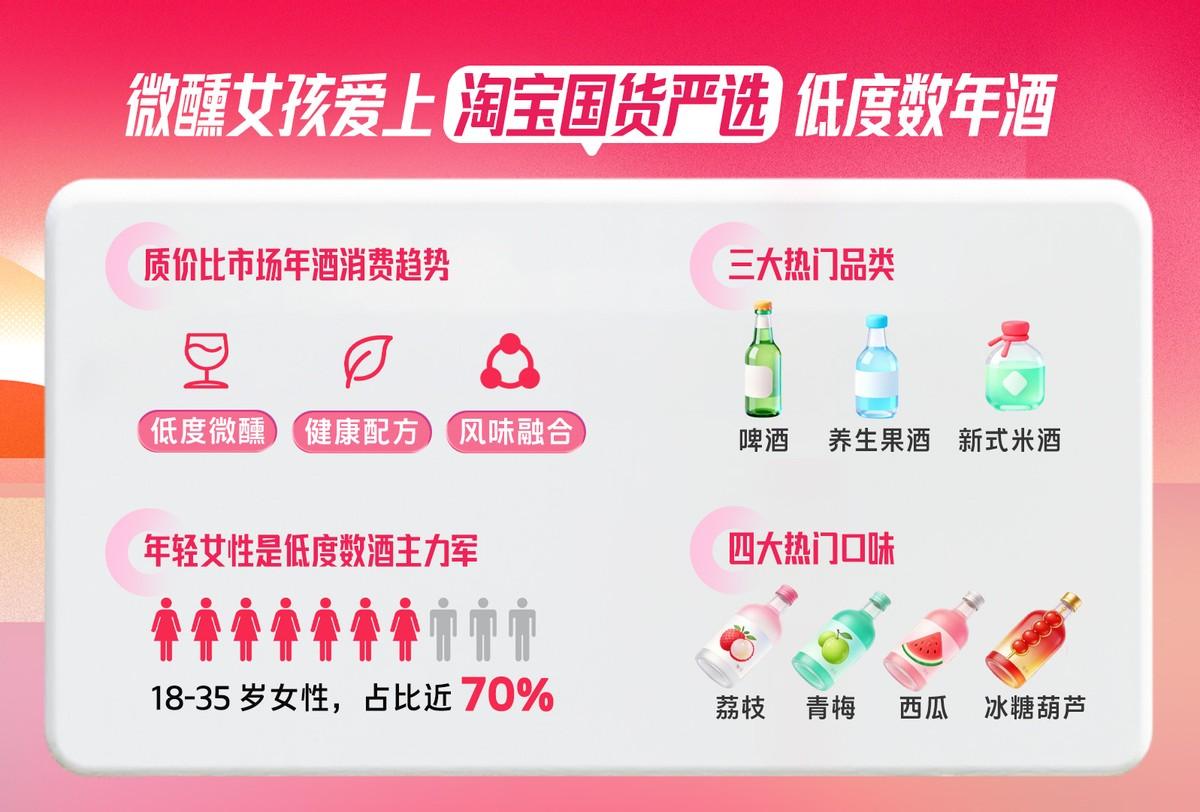
图说:淘宝国货严选年酒消费,整体低度数果酒、啤酒、米酒等更受年轻消费者欢迎。

主打质价比消费的淘宝国货严选数据显示,自2025年以来,低度微醺、健康配方以及风味融合的果酒、啤酒、米酒等在国货严选的爆发增长非常明显。随着临近春节,打年货的氛围越来越浓厚,进阶为新年年货主理人的年轻人们开始从去班味消费场景切换为办年货,纷纷物色和购买起了年酒,国货严选低度酒销量同比去年增长了213%。其中,备受欢迎的三样低度数酒是精酿啤酒、养生果酒和新式米酒。

面对这些有颜值、新口味、多选择的新供给,七成偏爱者则是追求质价比消费、18到35岁的年轻女性。新三样中,男性相对更钟情于各种口味的精酿啤酒。

据了解,这些特色产品主要产自河南、内蒙、江西等新产区,因为口味小众,圈层扩大后逐渐在线上和全国年轻人群中流行开来。

在这些低度酒中,以果味啤酒最受欢迎,荔枝,青梅,西瓜,冰糖葫芦为主要热销趋势,四大口味新品占比超过60%。以内蒙“大九酿造”的果泥精酿为例,GMV环比增长105%,且其女性消费者的占比更是急速攀升,超过半数,消费者尤其喜欢它家的蓝莓、草莓小麦IPA最受消费者喜爱。

来自河南周口的金星,则擅长结合中国人的本土口味,推出了毛尖、龙井绿茶、茉莉花茶、蜜桃乌龙等茶啤系列,以及冰糖葫芦、绿豆、水蜜桃、西瓜、砂糖桔等“国潮食啤”及“果韵佳酿”系列,抓住了一波年轻人的胃。

图说:河南金星出的冰镇西瓜、冰糖葫芦奶皮子等成为热门款中式精酿啤酒。

不同于这些精酿啤酒,果酒也以新的姿态进入了年轻消费者人群中,来自江西的“咪噢酒业”以非物质文化遗产的方向切入,为消费者带来了以桂花、荔枝、青梅等果实为主原料的新国风米酒,成为年轻女性社交、待友等场景的核心需求。

在这些新供给中,不少老厂牌也纷纷下水开始面向年轻人供给新口味的低度数酒。参与今年淘宝国货严选年货节供给的泸州老窖,新推出了主打养生酒赛道的子品牌“苏洛溪”,瞄准酒精度10度以下的年轻女性市场。据了解,“苏洛溪”首批研发了蜜桃乌龙和桂酿月华等四个口味,这次年货节也将在淘宝国货严选首发其中两款。
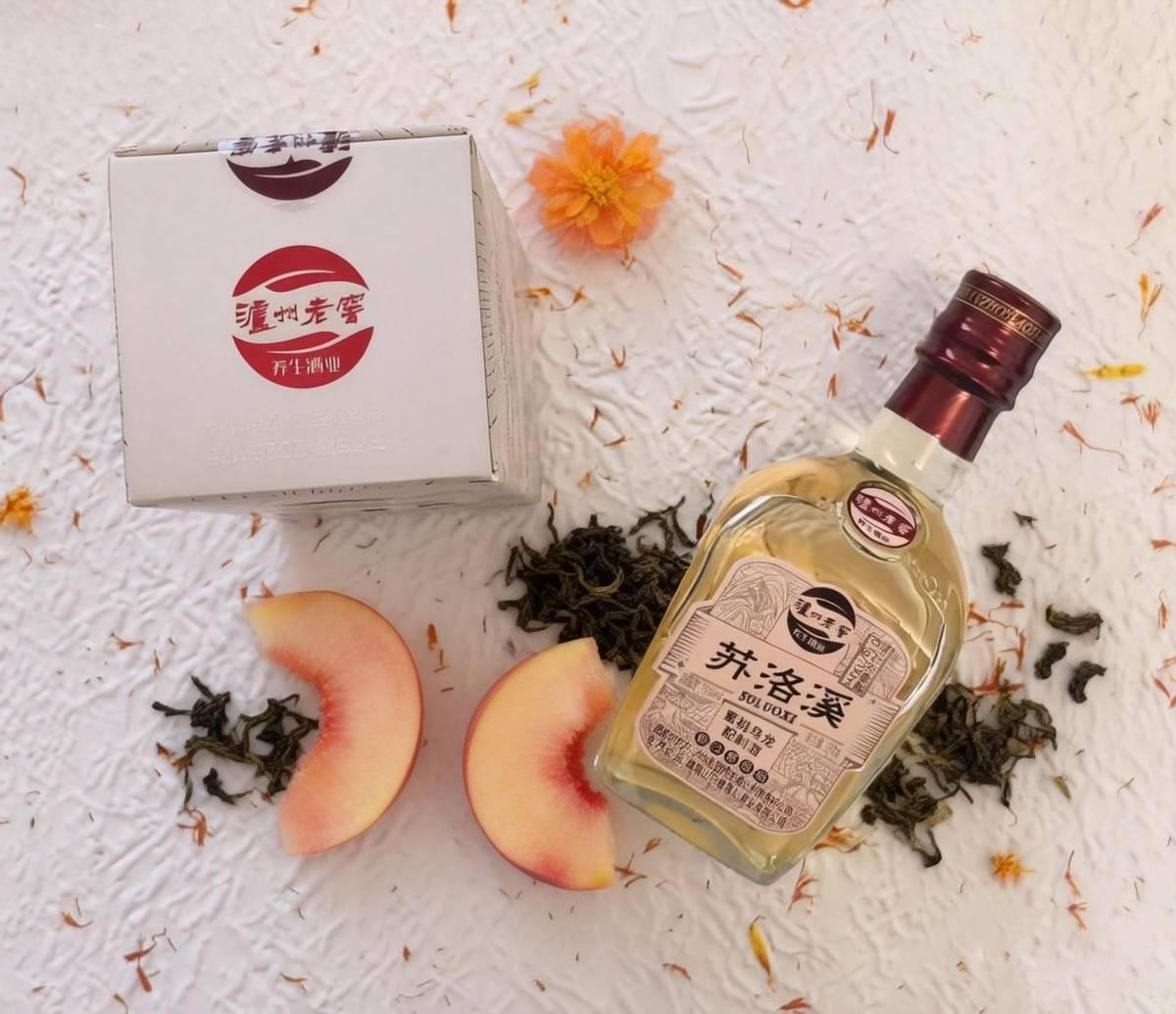
图说:老牌白酒泸州老窖新推出子品牌“苏洛溪”低度酒将在淘宝国货严选首发。

“苏洛溪”相关负责人告诉记者,“苏洛溪”围绕滋养类、草本花果类和食药原材类三大品系已经推出了十余款产品,茗酿、泸州红、绿豆大曲等为其代表性产品,考虑到“低度微醺”的增长,他们预计今年还将实现至少15% 以上的销量增长。

据了解,为质价比人群筹备丰富多样的年酒,今年国货严选和淘工厂新增了覆盖六大品类的1000多款酒水,产地包含传统产业带四川、贵州、浙江等,也有新兴低度酒产业带江西、河南、湖北等啤酒、果酒、米酒产业带,供给量增速超100%,满足了年货送礼、微醺悦己、新年欢聚等消费场景,覆盖了从Z世代 人群到银发经济人群。

注:文/龚作仁,文章来源:Laborer,本文为作者独立观点,不代表亿邦动力立场。

【版权提示】亿邦动力倡导尊重与保护知识产权。未经许可,任何人不得复制、转载、或以其他方式使用本网站的内容。如发现本站文章存在版权问题,烦请提供版权疑问、身份证明、版权证明、联系方式等发邮件至run@ebrun.com,我们将及时沟通与处理。

已点赞

+1

{{ praise_text }}

好文章,值得被更多人看到

FAQ回顾

什么是煮啤酒,今冬为何在年轻女性中流行?

煮啤酒是一种DIY热饮,以啤酒为基底,加入橙子、苹果、红枣、枸杞等配料。其因‘微醺’感能帮助年轻人缓解压力、增添生活气息而流行,社交媒体上橙香热啤酒、苹果热啤酒等话题热度高。

淘宝国货严选低度酒2025年销量增长情况如何?

淘宝国货严选低度酒销量同比去年增长213%,精酿啤酒、养生果酒和新式米酒成为‘新三样’,七成消费者为18-35岁年轻女性,年货节期间需求旺盛。

有哪些代表性的低度酒品牌和热门口味?

内蒙‘大九酿造’的果泥精酿(蓝莓、草莓小麦IPA)GMV环比增105%;河南金星推出茶啤和‘国潮食啤’系列(冰糖葫芦、西瓜味);泸州老窖子品牌‘苏洛溪’主打10度以下蜜桃乌龙等口味。

广告

下一篇

跨境电商资源对接

《全球跨境电商服务商资源手册》第二期手册现已发布,触达更多资源,了解跨境服务商信息,欢迎点击链接下载。

了解详情

一年送出1.1亿只“小黄鸭” ,柠檬茶品牌“林里LINLEE”完成数千万融资

创始人王敬源表示,公司当前重心仍聚焦于国内市场。他认为,相比奶茶品类30%-40%的连锁化率,柠檬茶赛道连锁化率仅约10%,远未进入存量竞争阶段。

未来零售

2026-01-21 14:58:58










