



• 亿邦公众号
    • APP下载

第15批全球灯塔工厂:16家中企上榜 家电行业占3席

作者:龚作仁 文章来源:Laborer

2026-01-16 17:20

作者:龚作仁 文章来源:Laborer

2026-01-16 17:20

邦小白快读

EN
全文速览

第15批全球灯塔工厂名单公布,中国制造表现亮眼。

1.全球23家工厂入选,其中16家来自中国,家电行业占3席,海尔青岛净水互联工厂成为全球净水行业唯一灯塔工厂。

2.海尔累计打造13座灯塔工厂,形成全球规模最大、覆盖品类最广的灯塔工厂集群,彰显中国企业智能化转型决心。

灯塔工厂在智能制造领域取得显著进展。

1.在动荡格局下增强韧性,提升生产效率;将AI融入核心运营,推动从效率引擎向生活守护者进阶;扩大数字化转型规模至整个网络。

2.以海尔为例,AI技术深度融入净水全工艺,实现每滴水纯净和零漏水隐患,重塑行业标准,见证中国制造从规模驱动向技术引领的关键跃迁。

品牌营销和产品研发方面,海尔作为标杆企业提供启示。

1.海尔累计13座灯塔工厂,覆盖品类最广,展示品牌创新实力和全球影响力,可借力提升品牌形象和渠道建设。

2.产品研发中AI技术融入全工艺,如净水环节确保质量纯净和零漏水,推动智能产品升级,满足消费趋势对高品质生活的需求。

消费趋势和用户行为观察显示智能制造的崛起。

1.用户行为偏好客户至上理念,海尔以用户体验为核心,AI应用从效率提升转向生活守护,反映消费者对安全可靠产品的需求。

2.可持续发展趋势下,灯塔工厂强调人才和环境因素,品牌可借鉴以增强定价竞争力,应对价格竞争。

增长市场和消费需求变化带来新机会。

1.中国16家工厂上榜,家电行业占3席,显示中国制造增长潜力,卖家可关注家电领域消费需求向智能化、数字化转变。

2.事件应对措施:增强韧性应对动荡格局,AI融入运营提升效率,卖家可学习海尔模式应对风险。

可学习点和商业模式提供合作启示。

1.海尔数字化转型案例,如AI在净水工艺的应用,可作为实操样板,提升正面影响;风险提示:忽视数字化可能导致竞争力下降。

2.最新商业模式:灯塔工厂网络扩大规模,卖家可探索合作方式,如加入类似平台获取扶持政策,抓住机会提示的AI技术融入趋势。

产品生产和设计需求聚焦AI与数字化。

1.AI技术深度融入生产全工艺,如海尔净水工厂实现纯净水和零漏水,启示工厂优化设计需求,提升产品质量。

2.推进数字化启示:扩大转型规模至整个网络,而非单一工厂,增强生产韧性。

商业机会和电商启示显著。

1.加入灯塔工厂网络提供机会,如海尔集群模式,可提升全球竞争力;电商启示:数字化扩大规模,工厂可借力推进线上渠道。

2.商业机会:家电行业表现突出,工厂可瞄准智能制造领域,借鉴海尔案例,实现从效率工具到价值创造的跃迁。

行业发展趋势和新技术是核心焦点。

1.智能制造趋势:全球灯塔工厂评选显示中国制造向智能化、数字化转型深度发展,AI等前沿科技渗透生产全流程。

2.新技术应用:AI融入核心运营,如效率提升和韧性增强,服务商可开发解决方案支持客户。

客户痛点和解决方案需关注。

1.痛点:生产韧性不足在动荡格局下暴露;解决方案:借鉴灯塔工厂增强韧性方法。

2.痛点:数字化转型挑战;解决方案:提供AI技术整合服务,参考海尔案例,从效率引擎向生活守护者进阶。

商业对平台的需求和问题涉及支持机制。

1.企业对平台需求:数字化转型支持,如扩大规模至网络;平台最新做法可参考灯塔评选,优化招商和运营管理。

2.问题:风险规避需关注动荡格局;风向规避:平台应提供韧性增强方案,避免忽视AI融入趋势。

平台招商和运营管理启示。

1.招商机会:家电行业上榜企业多,平台可吸引类似企业合作;运营管理:学习灯塔工厂标准,提升客户至上和可持续发展。

2.机会提示:AI技术应用成为趋势,平台可整合资源,提供合作方式,如扶持政策,推动智能制造生态。

产业新动向和新问题揭示研究价值。

1.新动向:中国制造从规模驱动向技术引领跃迁,家电行业3家企业上榜,显示产业智能化深度转型。

2.新问题:AI如何重塑行业标准,如海尔案例推动从效率工具到价值创造引擎,引发对技术渗透的探讨。

政策法规启示和商业模式分析。

1.政策启示:灯塔工厂评选标准(效率、韧性、客户至上等)提供法规建议,可借鉴推动产业升级。

2.商业模式:海尔集群模式展示规模效应,研究者可分析其启示,如数字化扩大如何影响全球产业升级路径。

声明:快读内容全程由AI生成,请注意甄别信息。如您发现问题,请发送邮件至 run@ebrun.com 。

我是 品牌商 卖家 工厂 服务商 平台商 研究者 帮我再读一遍。

Quick Summary

The 15th batch of global Lighthouse Factories was announced, with Chinese manufacturing showing strong performance.

1. 23 factories worldwide were selected, 16 of which are from China. The home appliance sector secured 3 spots, with Haier's Qingdao Water Purification Interconnected Factory becoming the only Lighthouse Factory in the global water purification industry.

2. Haier has now established a total of 13 Lighthouse Factories, forming the world's largest and most categorically diverse Lighthouse cluster, demonstrating the commitment of Chinese enterprises to intelligent transformation.

Lighthouse Factories have made significant progress in smart manufacturing.

1. They enhance resilience amid volatile conditions, boost production efficiency, integrate AI into core operations to evolve from efficiency engines to life guardians, and scale digital transformation across entire networks.

2. Taking Haier as an example, AI is deeply integrated into the entire water purification process, ensuring purity in every drop and zero leakage risks, thereby reshaping industry standards and marking a critical shift for Chinese manufacturing from scale-driven to technology-led growth.

In brand marketing and product R&D, Haier serves as a benchmark offering key insights.

1. With 13 Lighthouse Factories covering the broadest range of categories, Haier showcases its innovation capability and global influence, which brands can leverage to enhance their own image and channel development.

2. In product development, the integration of AI across processes—such as ensuring water purity and zero leaks in purification—drives smart product upgrades, meeting consumer demand for high-quality lifestyles.

Consumer trends and user behavior indicate the rise of smart manufacturing.

1. User preferences emphasize customer-centricity; Haier’s focus on user experience and its shift of AI applications from efficiency gains to life protection reflect consumer demand for safe and reliable products.

2. Amid sustainability trends, Lighthouse Factories highlight talent and environmental factors, offering brands strategies to strengthen pricing competitiveness and navigate price competition.

Changing consumer demands and growth markets present new opportunities.

1. With 16 Chinese factories on the list, including 3 in home appliances, China’s manufacturing growth potential is evident. Sellers should note the shift toward smart and digital demand in the appliance sector.

2. Response strategies: Enhancing resilience in volatile environments and integrating AI into operations to improve efficiency—sellers can learn from Haier’s model to mitigate risks.

Actionable insights and business models offer partnership inspiration.

1. Haier’s digital transformation cases, such as AI in water purification, provide practical templates to boost positive impact; risk note: ignoring digitization may lead to loss of competitiveness.

2. Emerging business models: Lighthouse Factories are scaling transformation across networks. Sellers can explore collaborations, such as joining similar platforms for support policies, to capitalize on AI integration trends.

Production and design priorities focus on AI and digitalization.

1. Deep integration of AI into full processes, as seen in Haier’s water factory ensuring purity and zero leakage, offers guidance for factories to optimize designs and improve product quality.

2. Scaling digitization: Extend transformation to the entire network rather than single factories to strengthen production resilience.

Clear e-commerce and business opportunities emerge.

1. Joining Lighthouse networks like Haier’s cluster offers a pathway to enhance global competitiveness; e-commerce insight: scaling digitization helps factories advance online channels.

2. Business opportunity: The strong showing of the home appliance sector suggests factories should target smart manufacturing, using Haier’s case as a model to transition from efficiency tools to value creation.

Industry trends and new technologies are central focuses.

1. Smart manufacturing trend: The global Lighthouse Factory selection reflects the deepening shift in Chinese manufacturing toward intelligence and digitalization, with AI penetrating entire production flows.

2. New tech applications: AI integration into core operations—for efficiency and resilience—creates opportunities for service providers to develop supporting solutions for clients.

Client pain points and solutions require attention.

1. Pain point: Insufficient production resilience exposed by volatility; Solution: Adopt resilience-enhancing methods used by Lighthouse Factories.

2. Pain point: Challenges in digital transformation; Solution: Offer AI integration services, inspired by Haier’s evolution from efficiency engine to life guardian.

Business needs and challenges for platforms involve support mechanisms.

1. Enterprise demands: Support for digital transformation, such as scaling across networks; platforms can refine merchant acquisition and operations by referencing Lighthouse criteria.

2. Challenge: Risk aversion in volatile conditions; platforms should offer resilience solutions and avoid falling behind on AI integration trends.

Merchant acquisition and operational management insights.

1. Acquisition opportunity: The high number of listed home appliance companies suggests platforms can attract similar partners; operations: Learn from Lighthouse standards to improve customer-centricity and sustainability.

2. Trend alert: AI application is becoming mainstream; platforms can aggregate resources, offer partnerships and support policies to foster a smart manufacturing ecosystem.

Industry developments and new questions reveal research value.

1. Trend: Chinese manufacturing is transitioning from scale-driven to technology-led growth, with 3 home appliance firms on the list indicating deep sectoral intelligent transformation.

2. Research question: How AI reshapes industry standards, as seen in Haier’s case driving the shift from efficiency tool to value creation engine, prompting discussion on technology penetration.

Policy implications and business model analysis.

1. Policy insight: Lighthouse evaluation criteria (efficiency, resilience, customer focus, etc.) offer regulatory lessons for promoting industrial upgrading.

2. Business model: Haier’s cluster approach demonstrates scale effects; researchers can analyze its implications, such as how scaling digitalization influences global industrial upgrade pathways.

Disclaimer: The "Quick Summary" content is entirely generated by AI. Please exercise discretion when interpreting the information. For issues or corrections, please email run@ebrun.com .

I am a Brand Seller Factory Service Provider Marketplace Seller Researcher Read it again.

在全球制造业向智能化、数字化深度转型的浪潮中,中国制造正从规模引领迈向质量领跑。作为全球智能制造领域的最高认证之一,世界经济论坛(WEF)评选的灯塔工厂,已成为衡量企业转型深度与高度的重要标志。

1月15日,世界经济论坛公布第15批灯塔工厂名单,全球共有23家工厂入选,其中16家来自中国。从行业分布看,家电行业在本批评选中表现突出,占据3席。值得一提的是,海尔青岛净水互联工厂成功入选,成为全球净水行业唯一灯塔工厂。至此,海尔已累计打造13座灯塔工厂,数量持续位居行业第一,形成全球规模最大、覆盖品类最广的“灯塔工厂集群”。
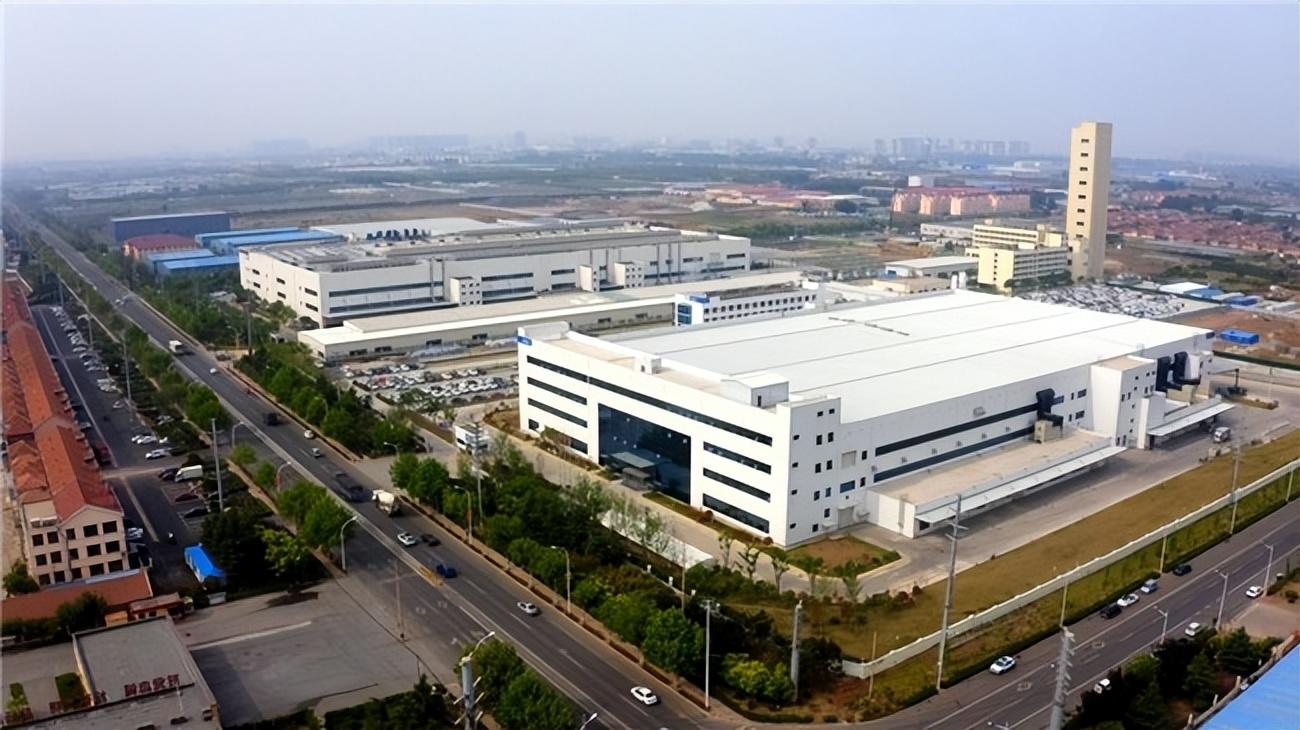
据了解,全球灯塔网络由世界经济论坛与麦肯锡公司共同发起,旨在表彰在生产效率、供应链韧性、客户至上、可持续发展和人才等方面表现卓越的世界一流工厂和价值链。最新一批灯塔工厂在三大领域取得了显著进展:在动荡格局下增强韧性、将AI融入核心运营、在整个网络(而不是单一工厂)扩大数字化转型规模。

此次入选的3家家电企业,正是中国制造创新路径的鲜活实践样本。以海尔青岛净水互联工厂为例,该工厂以用户体验为核心,将AI技术深度融入净水全工艺环节,不仅实现了“每滴水纯净”“零漏水隐患”,还推动AI应用从“效率引擎”向“生活守护者”进阶,重塑净水行业智能制造标准。

灯塔工厂的持续涌现,不仅彰显出中国家电企业向智能化、数字化转型的坚定决心,更见证了中国制造从规模驱动向技术引领的关键跃迁。当AI等前沿科技深度渗透生产全流程,当智能制造从单纯的效率工具升维为价值创造引擎,中国制造正以更智能、更具韧性的姿态,为全球产业升级照亮前行之路。

注:文/龚作仁,文章来源:Laborer,本文为作者独立观点,不代表亿邦动力立场。

【版权提示】亿邦动力倡导尊重与保护知识产权。未经许可,任何人不得复制、转载、或以其他方式使用本网站的内容。如发现本站文章存在版权问题,烦请提供版权疑问、身份证明、版权证明、联系方式等发邮件至run@ebrun.com,我们将及时沟通与处理。

已点赞

+1

{{ praise_text }}

好文章,值得被更多人看到

FAQ回顾

什么是世界经济论坛评选的灯塔工厂?

灯塔工厂是由世界经济论坛与麦肯锡公司共同发起的全球性评选,旨在表彰在生产效率、供应链韧性、客户至上、可持续发展和人才等方面表现卓越的世界一流工厂和价值链,是全球智能制造领域的最高认证之一。

第15批全球灯塔工厂有哪些行业亮点?

在第15批入选的23家全球灯塔工厂中,家电行业表现突出,占据3席。海尔青岛净水互联工厂成功入选,成为全球净水行业唯一的灯塔工厂。

海尔在灯塔工厂建设方面取得了哪些成就?

截至目前,海尔已累计打造13座灯塔工厂,数量持续位居行业第一,形成了全球规模最大、覆盖品类最广的“灯塔工厂集群”。

广告

下一篇

跨境电商资源对接

《全球跨境电商服务商资源手册》第二期手册现已发布,触达更多资源,了解跨境服务商信息,欢迎点击链接下载。

了解详情

2026年天猫新品扶持政策:站内投入亿级流量 品牌外投平台加补

会上官方公布,2025年超1600万款优质新品在天猫首发,新品规模创历史新高,超30000款优质新品成交破百万,数量同比增长35%,新品整体实现34%的成交增长。

阿里巴巴 平台 天猫 未来零售

2026-01-16 17:06:25









