



• 亿邦公众号
    • APP下载

跳出参数竞赛 海尔厨电迈向“主动感知”赛道

作者:龚作仁 文章来源:Laborer

2025-12-23 18:11

作者:龚作仁 文章来源:Laborer

2025-12-23 18:11

邦小白快读

EN
全文速览

海尔厨电通过推出Seeker AI套系,从参数竞赛转向用户导向,解决智能厨电被动问题,提升实际使用体验。

1. 市场现状:智能厨电同质化严重,品牌陷入参数内卷,产品需用户指令才运作,忽视烹饪核心痛点如手忙脚乱。

2. 解决方案:Seeker套系构建“多感官AI”主动智能系统,整合AI视觉、语音和智能中枢,实现主动感知和介入,解放用户双手。

3. 产品创新:设计上聚焦用户困扰,如换装问题,通过结构创新兼顾净烟、美观与适配性;安全层面升级为主动预判,降低厨房风险。

4. 成效数据:转型初步成功,2025年上半年销量超800万台,年内有望创新高,代表行业突破内卷路径。

海尔厨电的转型为品牌商提供了用户导向的营销和研发启示,强调消费趋势和用户行为。

1. 品牌营销:通过2026新品发布会推广Seeker套系,摒弃参数竞赛,转向用户体验导向,重塑行业规则。

2. 产品研发:基于用户痛点深度洞察,开发主动感知技术,如多感官AI系统,精准响应烹饪场景需求。

3. 消费趋势:市场从被动响应转向主动感知,用户行为显示烹饪时需解放双手,Seeker贴合此趋势,销量增长证明接受度高。

4. 品牌定价与渠道:虽未详述,但用户导向转型可启示价格竞争策略,如通过创新设计提升产品价值,避免同质化。

卖家可学习海尔应对市场变化的策略,抓住增长机会和商业模式创新。

1. 增长市场:海尔2025年上半年销量超800万台,显示智能厨电需求旺盛,年内或创新高,提供明确增长信号。

2. 消费需求变化:用户从被动智能转向主动感知需求,Seeker套系解决烹饪痛点,带来新销售机会。

3. 机会提示:行业从参数导向转用户体验导向,海尔提供清晰转型路径,卖家可推广类似产品。

4. 最新商业模式:ToC转型实践,产品以用户为核心设计,如结构创新和安全升级;事件应对上,新品发布直接回应同质化问题。

5. 风险提示:参数内卷可能导致市场饱和,转向主动感知可规避风险,提升竞争力。

工厂可借鉴海尔的产品设计需求和数字化启示,探索商业机会。

1. 产品生产需求:Seeker套系需要结构创新设计,如兼顾净烟、美观与适配性,解决用户换装困扰。

2. 设计需求:聚焦用户痛点,如烹饪时手忙脚乱,通过主动感知系统优化生产流程。

3. 商业机会:转型深化带来新市场,主动智能技术普及或创造需求,如AI组件生产。

4. 推进数字化启示:多感官AI系统整合视觉、语音等技术,启示工厂应用数字化提升效率,如智能生产线适配用户导向产品。

服务商可关注行业趋势和新技术,提供针对客户痛点的解决方案。

1. 行业发展趋势:智能厨电从被动响应转向主动感知,海尔Seeker套系引领此潮流,代表用户体验导向转型。

2. 新技术:多感官AI系统,整合AI视觉、语音、智能中枢与联动执行能力,实现主动感知。

3. 客户痛点:用户面临被动智能问题,如产品需指令运作,Seeker解放双手解决烹饪场景痛点。

4. 解决方案:海尔构建主动智能体系,提供精准响应方案;安全升级为主动预判,启示服务商开发类似风险管理系统。

平台商可考虑支持用户导向产品,管理运营风险,抓住招商机会。

1. 商业对平台需求:用户导向产品如Seeker套系,需要平台支持销售合作,海尔转型显示用户核心需求旺盛。

2. 平台最新做法:虽未直接提及平台,但海尔新品发布可启示平台招商用户导向品牌,强调主动感知卖点。

3. 平台招商与运营管理:产品安全主动预判升级,平台可纳入风险规避策略;Seeker设计创新如适配性,便于平台整合。

4. 风向规避:参数内卷风险高,转向用户体验可避免同质化,平台应优先推广创新产品。

研究者可分析产业新动向和商业模式创新,获取政策启示。

1. 产业新动向:智能厨电从参数导向转向用户导向,海尔Seeker套系代表主动感知技术普及,改写行业规则。

2. 新问题:市场同质化严重,参数内卷导致产品被动,用户痛点未解决,凸显转型紧迫性。

3. 商业模式:ToC转型实践,以用户需求为核心设计产品,如多感官AI系统;成效数据(销量超800万台)验证可行性。

4. 政策法规建议:转型路径启示政策支持创新,如鼓励用户导向研发;安全主动预判可延伸至法规强化风险防控。

声明:快读内容全程由AI生成,请注意甄别信息。如您发现问题,请发送邮件至 run@ebrun.com 。

我是 品牌商 卖家 工厂 服务商 平台商 研究者 帮我再读一遍。

Quick Summary

Haier's kitchen appliance division has shifted from spec-driven competition to user-centric innovation with its Seeker AI series, addressing the passive nature of smart kitchen devices and improving real-world usability.

1. Market Status: Smart kitchen appliances suffer from severe homogenization, with brands trapped in spec wars. Products require user commands to operate, ignoring core cooking pain points like multitasking chaos.

2. Solution: The Seeker series establishes a "multi-sensory AI" proactive system, integrating AI vision, voice, and a smart hub to enable autonomous perception and intervention, freeing users' hands.

3. Product Innovation: Designs focus on user frustrations—e.g., structural improvements for range hoods balance smoke extraction, aesthetics, and compatibility. Safety upgrades include proactive risk prediction to reduce kitchen hazards.

4. Results: The transition shows early success, with over 8 million units sold in H1 2025, positioning Haier to set annual records and demonstrating a viable path beyond industry stagnation.

Haier's transformation offers brand marketers insights into user-driven strategies, emphasizing consumer trends and behavior.

1. Brand Marketing: The 2026 product launch for the Seeker series abandons spec competition in favor of user experience, reshaping industry norms.

2. R&D: Deep user pain point analysis informs proactive sensing technologies like the multi-sensory AI system, which precisely addresses cooking scenarios.

3. Consumer Trends: Market demand shifts from passive response to active perception; Seeker's hands-free appeal aligns with user behavior, driving sales growth.

4. Pricing & Channels: While unspecified, the user-centric approach suggests value-based pricing and differentiation strategies to avoid homogenization.

Sellers can learn from Haier's market adaptation tactics to capture growth and innovate business models.

1. Growth Market: Haier's H1 2025 sales exceeding 8 million units signal strong demand for smart kitchen appliances, with record annual performance likely.

2. Evolving Demand: Users increasingly seek proactive intelligence over passive commands; the Seeker series addresses cooking frustrations, creating new sales opportunities.

3. Opportunity Alert: The industry's pivot from specs to user experience offers a clear roadmap for sellers to promote analogous products.

4. Business Model Innovation: Haier's ToC实践 centers on user-driven design, such as structural and safety upgrades; new launches directly counter homogenization.

5. Risk Mitigation: Spec-driven saturation poses risks; proactive features enhance competitiveness and differentiation.

Factories can draw inspiration from Haier's design needs and digital integration to explore commercial opportunities.

1. Production Demands: The Seeker series requires innovative structural designs—e.g., balancing smoke control, aesthetics, and adaptability to resolve user installation issues.

2. Design Focus: Addressing pain points like cooking multitasking through proactive AI systems can optimize manufacturing processes.

3. Commercial Opportunities: Market transformation fuels demand for active intelligence components, such as AI modules.

4. Digital Integration: The multi-sensory AI system's fusion of vision and voice technologies hints at smart production lines tailored for user-centric products.

Service providers should monitor industry trends and emerging technologies to deliver targeted solutions for client pain points.

1. Industry Trend: Smart kitchen appliances are evolving from passive response to active perception, led by Haier's Seeker series and its user-experience focus.

2. Emerging Tech: The multi-sensory AI system combines vision, voice, and execution capabilities for autonomous operation.

3. Client Pain Points: Users struggle with passive devices requiring commands; Seeker's hands-free approach resolves cooking scenario challenges.

4. Solutions: Haier's proactive intelligence framework offers precise responses; its safety pre-alert system inspires similar risk management services.

Platform operators can support user-centric products, manage operational risks, and seize merchant opportunities.

1. Platform Demand: User-oriented products like the Seeker series require platform collaboration, as Haier's shift reflects strong consumer appetite.

2. Platform Strategies: Haier's launch suggests platforms should recruit brands emphasizing active perception as a key selling point.

3. Merchant Management: Proactive safety features can inform platform risk mitigation; Seeker's adaptable design eases integration.

4. Risk Avoidance: Spec saturation risks homogenization; platforms should prioritize innovative, experience-driven products.

Researchers can analyze industry shifts and business model innovations for policy implications.

1. Industry Dynamics: Smart kitchen appliances are transitioning from spec-centric to user-centric models, with Haier's Seeker series pioneering active perception technology.

2. Emerging Issues: Market homogenization and passive product designs exacerbate unresolved user pain points, underscoring transformation urgency.

3. Business Models: Haier's ToC实践 prioritizes user needs, validated by sales of over 8 million units in H1 2025.

4. Policy Suggestions: The transformation path supports policies incentivizing user-driven R&D; proactive safety measures could inform stricter risk regulations.

Disclaimer: The "Quick Summary" content is entirely generated by AI. Please exercise discretion when interpreting the information. For issues or corrections, please email run@ebrun.com .

I am a Brand Seller Factory Service Provider Marketplace Seller Researcher Read it again.

当前智能厨电市场同质化严重,多数品牌深陷参数内卷,聚焦性能指标堆砌却忽视用户烹饪核心痛点,导致产品“看似智能实则被动”,需用户主动指令才可运作,未能真正提升使用体验。这一困境,凸显了从“产品导向”转向“用户导向”的转型紧迫性。

在此背景下,海尔厨电以用户为核心推进转型,在2026大厨电新品发布会上推出Seeker AI厨电套系,摒弃单纯的参数竞赛,转而以“多感官AI”构建主动智能系统,既精准响应用户真实需求,更推动行业从“被动响应”向“主动感知与介入”转变,成为ToC转型落地的典型实践,悄然改写行业发展规则。
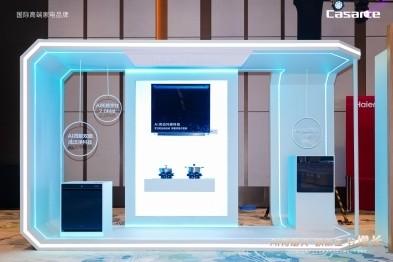
Seeker套系的核心突破,正是这一转型“以用户需求为核心”理念的具象化,其构建的“烹饪感知力”智能体系,整合AI视觉、语音、智能中枢与联动执行能力,打破传统“指令-执行”模式,从根本上重塑厨房人机交互逻辑,让产品真正适配用户烹饪场景而非反之。

基于对用户痛点的深度洞察,该套系精准破解“被动智能”症结,通过主动感知能力解放用户双手,贴合烹饪时手忙脚乱的实际场景,让智能真正服务于烹饪过程。在产品设计上,套系延续用户导向思路,聚焦换装与使用困扰,通过结构创新兼顾净烟、美观与适配性,破解行业长期存在的用户痛点,进一步夯实主动智能的落地体验。

安全层面的创新则进一步深化用户体验,将安全防护从被动应对升级为主动预判,有效降低厨房安全隐患,让用户烹饪更安心,这也是对用户核心需求的深度响应。

综上,转型成效已初步显现,2025年上半年海尔厨电销量已超800万台,年内有望再创新高。Seeker套系不仅是海尔ToC转型的核心成果,更代表行业从“参数导向”向“用户体验导向”的转型方向,为行业突破内卷提供了清晰路径,未来随着转型深化与主动智能技术的普及,智能厨电行业或将迎来以用户需求为核心的全新竞争格局。

注:文/龚作仁,文章来源:Laborer,本文为作者独立观点,不代表亿邦动力立场。

【版权提示】亿邦动力倡导尊重与保护知识产权。未经许可,任何人不得复制、转载、或以其他方式使用本网站的内容。如发现本站文章存在版权问题,烦请提供版权疑问、身份证明、版权证明、联系方式等发邮件至run@ebrun.com,我们将及时沟通与处理。

已点赞

+1

{{ praise_text }}

好文章,值得被更多人看到

FAQ回顾

海尔Seeker AI厨电套系的核心技术是什么?

海尔Seeker套系采用多感官AI技术,整合AI视觉、语音和智能中枢,构建主动感知系统,能够自动识别烹饪场景并主动介入,打破传统指令执行模式。

海尔厨电2025年的市场表现如何?

2025年上半年海尔厨电销量已超过800万台,预计年内将再创新高,体现了其向用户导向转型的市场成效。

智能厨电行业如何突破同质化竞争?

行业需从参数竞赛转向用户体验导向,通过主动感知技术解决用户烹饪痛点,海尔Seeker套系为行业提供了从被动响应到主动智能的转型路径。

广告

下一篇

跨境电商资源对接

《全球跨境电商服务商资源手册》第二期手册现已发布,触达更多资源,了解跨境服务商信息,欢迎点击链接下载。

了解详情

亚马逊日本站商品安全四法即将生效!涉及多个品类 不符合新规将下架

日本修订了四项商品安全法,涉及电气设备、燃气用具、儿童玩具等多个常见品类,并将于2025年12月25日正式生效。










