



• 亿邦公众号
    • APP下载

无缝链接与用户体验:移动增长的隐形驱动力

作者:龚作仁 文章来源:Laborer

2025-12-18 15:44

作者:龚作仁 文章来源:Laborer

2025-12-18 15:44

邦小白快读

EN
全文速览

文章重点讲解了无缝链接与用户体验在移动增长中的核心作用,提供实操干货。

用户旅程的独特性和非线性特征:每个用户路径不同,涉及多触点跨平台,如通过Google搜索或网红帖引发转化,体现了现代移动商务的现实。

移动营销发展的关键策略:包括全渠道扩展(自有渠道成本效益高3-4倍,留存率超2倍)、跨平台旅程(50%购物始于移动网页最终应用内完成,活跃用户LTV高30-40%)、以及深度链接(提高转化率20-30%),这些共同驱动增长。

无缝体验的障碍与解决方案:挑战如链接碎片化导致用户体验差和流失;应对方法是通过协调链接基础设施,使用工具确保渠道背景、平台逻辑和目的地精度,实现流畅过渡。

品牌商应关注无缝用户体验以优化营销策略和渠道建设。

品牌营销与渠道整合:全渠道扩展从付费媒体到自有媒体(如电子邮件、二维码),能提升成本效益和留存率;跨平台旅程中,用户行为显示非线性路径(如网红推荐推动转化),需确保一致体验以增强品牌信任。

消费趋势与用户行为观察:现代用户旅程多触点跨平台,50%购物始于移动网页;深度链接作为无名英雄,减少摩擦,提高转化率20-30%,反映用户偏好变化。

产品研发启示:设计需适应跨平台环境,如深度链接直接引导至产品页面,避免链接不一致破坏用户体验。

卖家可从中获取增长机会和风险应对措施。

增长市场与消费需求变化:移动营销提供机会,如全渠道策略提升LTV 30-40%,跨平台旅程显示用户需求非线性(50%购物始于移动网页);深度链接带来20-30%转化提升,是可学习点。

风险提示与事件应对:碎片化挑战(链接标准多样)导致用户体验差和流失;应对措施包括协调链接基础设施,避免路由故障和美观性差(如无品牌链接)。

机会提示与最新商业模式:公式“全渠道+跨平台+深度链接=无缝体验”驱动更高采用率和留存率;合作方式如使用Adjust工具实现可扩展链接生成,减少错误。

工厂可从中发现商业机会和数字化推进启示。

产品生产和设计需求:需适应跨平台用户旅程,如深度链接技术直接引导用户至相关产品页面,减少摩擦;设计应避免链接不一致导致用户体验差。

商业机会:在移动电商中,优化链接可提高转化率20-30%,碎片化环境提供增长空间;全渠道扩展(如二维码应用)启示推进数字化。

数字化和电商启示:使用工具如Adjust协调链接基础设施,实现渠道背景和平台逻辑,提升用户体验,作为工厂转型的参考。

服务商需关注行业趋势和解决客户痛点。

行业发展趋势:移动营销碎片化加剧,链接标准多样(如通用链接、URI方案),导致生态系统复杂;跨平台旅程成为常态,50%购物始于移动网页。

新技术与客户痛点:深度链接作为关键技术,减少用户旅程摩擦,提高转化20-30%;客户痛点包括链接失效、路由故障(如应用无法打开)和可扩展性问题,破坏信任。

解决方案:提供工具实现跨平台智能,如Adjust的TrueLink,确保目的地精度和渠道背景,弥合设备与用户期望差距。

平台商应管理商业需求和平台运营以规避风险。

商业对平台的需求和问题:用户期望无缝跨平台体验,但碎片化导致路由故障(如按钮失效)和链接不一致,引发流失;平台需确保目的地精度。

平台的最新做法与招商:集成链接工具如Adjust,协调渠道背景和平台逻辑;招商中可合作提供解决方案,避免美观性差(如长链接)。

运营管理与风向规避:管理可扩展链接生成,减少手动错误;规避风险如跨平台故障,通过统一标准提升用户体验。

研究者可探讨产业新动向和商业模式。

产业新动向与新问题:移动营销复杂性增加,用户旅程非线性多触点;新问题如链接碎片化导致技术挑战和情感信任破坏,需行业协调。

商业模式与政策启示:公式“全渠道+跨平台+深度链接=无缝体验”驱动增长,提升采用率、留存率和LTV;隐含政策建议为建立统一链接标准,避免生态割裂。

声明:快读内容全程由AI生成,请注意甄别信息。如您发现问题,请发送邮件至 run@ebrun.com 。

我是 品牌商 卖家 工厂 服务商 平台商 研究者 帮我再读一遍。

Quick Summary

The article highlights the critical role of seamless linking and user experience in driving mobile growth, offering practical strategies.

**Unique, nonlinear user journeys:** Each user's path is distinct, involving multiple touchpoints across platforms (e.g., conversion via a Google search or influencer post), reflecting the reality of modern mobile commerce.

**Key mobile marketing strategies:** These include omnichannel expansion (owned channels are 3-4x more cost-effective with 2x+ higher retention), cross-platform journeys (50% of shopping starts on mobile web but finishes in-app, with active users having 30-40% higher LTV), and deep linking (boosting conversion rates by 20-30%), which collectively fuel growth.

**Barriers and solutions for seamless experiences:** Challenges like link fragmentation lead to poor UX and churn. The solution involves coordinating link infrastructure using tools that ensure channel context, platform logic, and destination accuracy for smooth transitions.

Brands should focus on seamless user experiences to optimize marketing and channel strategies.

**Brand marketing and channel integration:** Expanding from paid to owned media (e.g., email, QR codes) via omnichannel strategies improves cost efficiency and retention. Cross-platform journeys, with nonlinear user behavior (e.g., influencer-driven conversions), require consistent experiences to build brand trust.

**Consumer trends and user behavior:** Modern journeys are multi-touch and cross-platform, with 50% of shopping starting on mobile web. Deep linking, as an unsung hero, reduces friction and increases conversions by 20-30%, reflecting shifting user preferences.

**Product development insights:** Design must adapt to cross-platform environments, using deep links to guide users directly to product pages and avoiding inconsistent links that disrupt UX.

Sellers can identify growth opportunities and risk mitigation tactics from these insights.

**Market growth and changing consumer demand:** Mobile marketing offers opportunities, such as omnichannel strategies boosting LTV by 30-40% and cross-platform journeys revealing nonlinear user paths (50% of shopping starts on mobile web). Deep linking drives a 20-30% conversion increase, a key takeaway.

**Risk alerts and incident response:** Fragmentation challenges (diverse link standards) cause poor UX and churn. Countermeasures include coordinating link infrastructure to avoid routing failures and poor aesthetics (e.g., unbranded links).

**Opportunities and latest business models:** The formula "Omnichannel + Cross-Platform + Deep Linking = Seamless Experience" drives higher adoption and retention. Partnerships, like using tools such as Adjust for scalable link generation, can reduce errors.

Factories can discover commercial opportunities and digital transformation insights.

**Product production and design needs:** Adapt to cross-platform user journeys; for instance, deep linking technology directs users to relevant product pages, reducing friction. Design should avoid inconsistent links that degrade UX.

**Business opportunities:** In mobile e-commerce, optimized links can increase conversion rates by 20-30%. The fragmented environment offers growth potential, with omnichannel expansion (e.g., QR code applications) providing a blueprint for digital advancement.

**Digital and e-commerce insights:** Tools like Adjust can coordinate link infrastructure, ensuring channel context and platform logic to enhance user experience, serving as a reference for factory transformation.

Service providers must track industry trends and address client pain points.

**Industry trends:** Mobile marketing fragmentation is intensifying, with diverse link standards (e.g., Universal Links, URI schemes) creating a complex ecosystem. Cross-platform journeys are now the norm, with 50% of shopping starting on mobile web.

**New technologies and client pain points:** Deep linking is a key technology that reduces journey friction, boosting conversions by 20-30%. Client challenges include link failures, routing issues (e.g., apps failing to open), and scalability problems that erode trust.

**Solutions:** Provide tools that enable cross-platform intelligence, such as Adjust's TrueLink, to ensure destination accuracy and channel context, bridging the gap between devices and user expectations.

Marketplaces should manage commercial demands and platform operations to mitigate risks.

**Commercial demands and platform issues:** Users expect seamless cross-platform experiences, but fragmentation causes routing failures (e.g., broken buttons) and link inconsistencies, leading to churn. Platforms must ensure destination accuracy.

**Latest platform practices and merchant acquisition:** Integrate link tools like Adjust to coordinate channel context and platform logic. In merchant acquisition, partnerships can offer solutions to avoid poor aesthetics (e.g., long URLs).

**Operational management and risk avoidance:** Manage scalable link generation to reduce manual errors. Mitigate risks like cross-platform failures by adopting unified standards to enhance UX.

Researchers can explore new industry movements and business models.

**Industry trends and emerging issues:** Mobile marketing complexity is rising, with nonlinear, multi-touch user journeys. New challenges include link fragmentation causing technical hurdles and eroding emotional trust, necessitating industry coordination.

**Business models and policy implications:** The formula "Omnichannel + Cross-Platform + Deep Linking = Seamless Experience" drives growth, improving adoption, retention, and LTV. This implies a policy recommendation for establishing unified link standards to prevent ecosystem fragmentation.

Disclaimer: The "Quick Summary" content is entirely generated by AI. Please exercise discretion when interpreting the information. For issues or corrections, please email run@ebrun.com .

I am a Brand Seller Factory Service Provider Marketplace Seller Researcher Read it again.

在绩效营销人员深陷数据、用户定向与素材优化的当下,用户旅程中那些无形的纽带——用户如何在平台与触点之间流转——往往被忽视。然而,这其中正蕴藏着大量隐性的增长机会。为此,领先的移动监测与分析平台Adjust将与移动营销人员分享优先事项、注意事项以及如何通过无缝链接与用户体验来开启新的增长空间。

每个用户旅程都是独特的

没有两个用户旅程是完全相同的。即使是拥有标准化漏斗的品牌,每个用户的互动方式也会有所不同,无论是通过不同的设备、渠道,还是在不同的时间等。
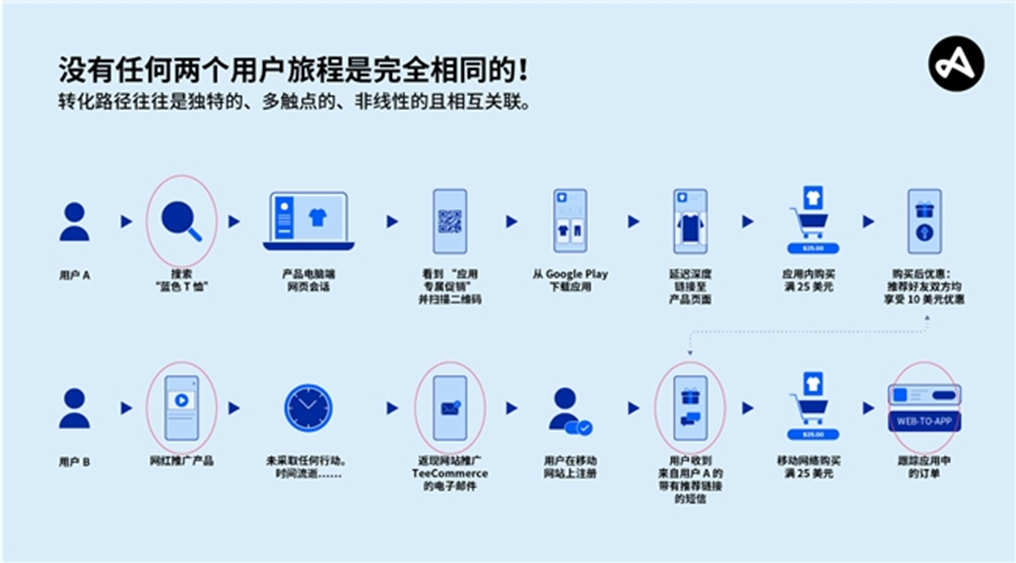
假设两个用户在购买相同的产品。一个用户可以通过Google搜索发现它,然后扫描二维码,并在应用内完成购买。另一个人第一次在网红帖子中看到它,受到返利电子邮件的推动,最终在收到朋友的推荐链接后转化。

他们的路径看似不同,但都反映了现代移动商务的非线性、多触点、跨平台的现实情况。

移动营销的发展

十年前,绩效营销较现在而言要简单得多。用户旅程大多是线性的:点击、转化、重复。但自那时起,该生态系统的复杂性急剧增加。

移动营销人员已在三个维度上实现多样化:

1.全渠道扩展: 从付费媒体到自有媒体和赢得媒体,如电子邮件、短信、推送通知和二维码。当集成得当时,自有渠道的成本效益高出3–4倍,并且会带来超过2 倍的留存率。

2. 跨平台旅程: 移动网页、桌面和联网电视 (CTV)不再是应用程序的竞争对手,而是供养者。超过50% 的购物旅程始于移动网页,但最终在应用内完成;同时活跃于应用和网页的用户,拥有比其他用户高30–40% 的生命周期价值。

3. 深度链接: 它是移动营销的无名英雄,可直接将用户引导至相关的应用内内容,减少用户旅程摩擦并将转化率提高20-30%。

这些转变共同创造了巨大的机遇,同时也带来了同等程度的复杂性。

高度多元化伴随着高度碎片化

每一次进步都会带来其独有的挑战。随着移动营销格局的多样化,它在链接标准、设备和环境方面也变得支离破碎。
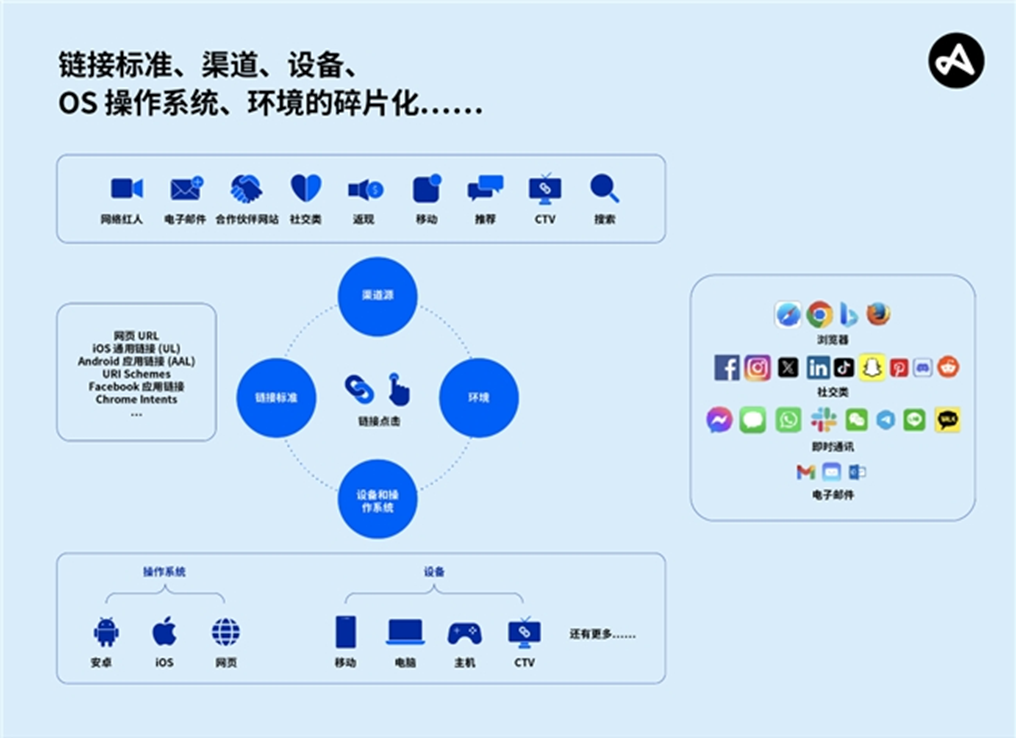
曾经是一个简单的网页URL,现在已经演变成通用链接、应用链接、URI方案、Chrome Intents以及数不胜数的其他标准。再加上社交、网红、消息传递和CTV渠道的激增,就形成了一个链接经常无声无息失效的生态系统。

这种割裂不仅是技术上的,也是情感上的。当用户点击链接后,若跳转到错误的页面或App Store,而非他们想要的产品页面时,他们就会流失。

不一致的链接会破坏用户信任,不连贯的用户旅程会阻碍应用增长。

无缝用户体验:移动增长看不见的武器

尽管无缝用户体验具有不可忽视的影响力,但它很少被列入营销人员的优化清单首位。我们热衷谈论AI、第一方数据、增量、以及营销组合模型 (MMM),但其实所有这些都是浮在水面上的冰山一角。

而冰山隐藏在水下的部分才是其基础:链接、用户旅程和体验。

如果各接触点之间没有流畅、直观的过渡,再先进的数据驱动技术也无法挽救糟糕的用户体验。

全新的增长方程

以下是将所有因素联系在一起的简单公式:

全渠道 + 跨平台 + 深度链接 = 无缝体验 → 更高的应用采用率、留存率和生命周期价值 (LTV)

这是移动优先品牌的新增长手册:掌握关联的机制,自然地实现增长。

通往无缝用户体验道路上的障碍

就像在蛇梯棋游戏中一样,有许多 “蛇” 可以拉垮品牌:

美观性差:无品牌的跟踪域名、充满查询字符串的长链接以及无休止的重定向会让用户感到不安。再加上弹出式窗口和无品牌的桥页,您就已经失去了用户信任。

跨平台路由故障:应用已安装但无法打开,按钮失效,优惠券无法应用——这些小错误累积起来会造成巨大损失。

缺乏可扩展的链接生成:无法扩展的手动链接创建过程会导致错误、缺乏统一和时间浪费。

协调无缝用户体验

那么品牌该如何正确做到这一点呢?首先要协调链接基础设施本身,确保每个渠道的每次点击都确切地知道要引导用户去哪里。
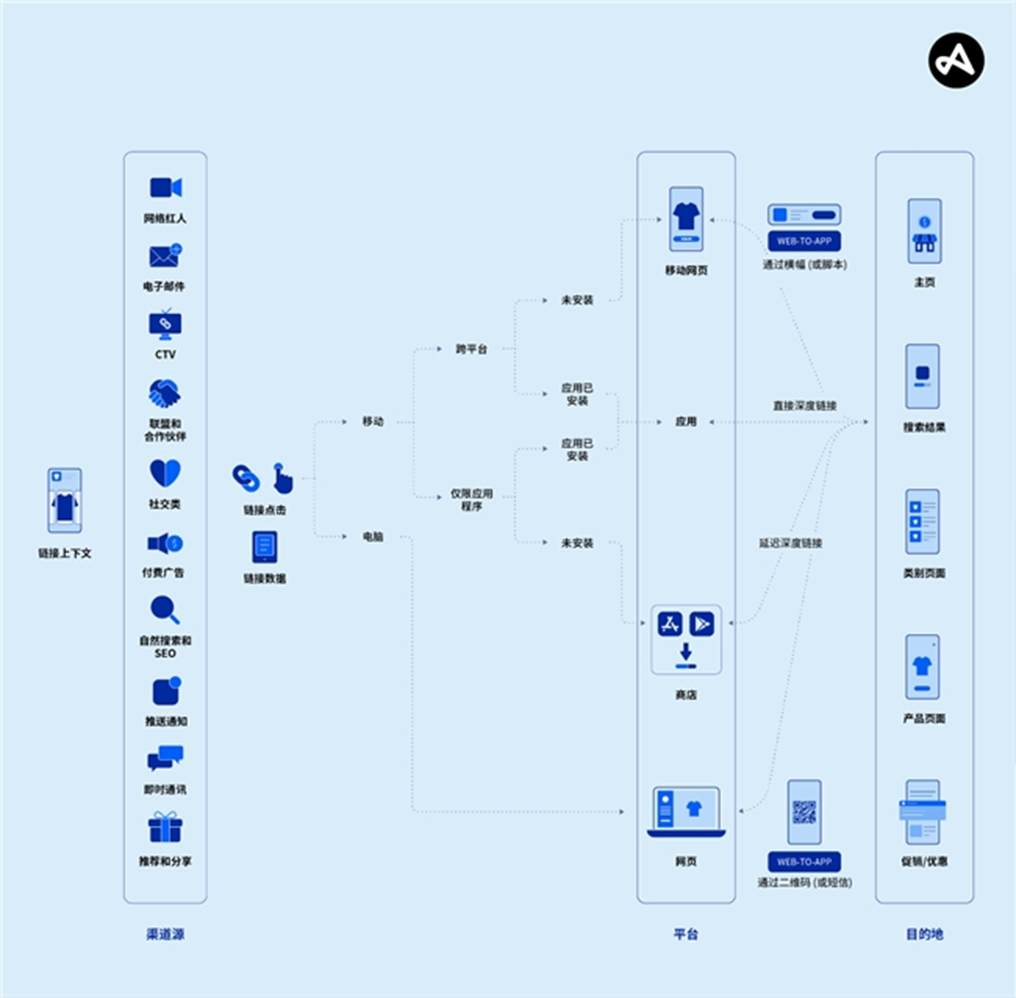
一个真正无缝的系统必须掌握:

渠道背景:点击的来源 (例如:网红、推荐或返利合作伙伴)。

平台逻辑:是打开应用、移动网页,还是通过桌面上的二维码进行路由。

目的地精度:将用户直接带到相关产品或优惠页面。

在Adjust,我们的TrueLink等工具可以帮助品牌实现这种跨平台智能,弥合设备、渠道和用户期望之间的差距。

归根结底,这取决于我们所有人

糟糕的链接就像把顾客请进商店,却让他们在货架过道中迷失方向。好的链接就像提供周到且上乘的服务,轻松引导用户找到他们想要的产品,记住他们的偏好,让他们满意而归。

挫败感和忠诚度之间、流失和转化之间的差异往往难以察觉,但却影响重大。

创造无缝的用户体验不仅仅是一项技术任务。这是营销人员、工程师、渠道和合作伙伴的共同责任。我们可以携手将移动旅程转化为增长引擎

作为营销人员和技术专家,我们习惯于追逐下一个吸睛的事物:AI、自动化、数据扩充。但在追求创新的过程中,我们不能忘记基本原则:每一次点击都是对用户体验的承诺。

当用户获得无缝体验时,用户会以交互、留存和口碑来回馈我们。

注:文/龚作仁,文章来源:Laborer,本文为作者独立观点,不代表亿邦动力立场。

【版权提示】亿邦动力倡导尊重与保护知识产权。未经许可,任何人不得复制、转载、或以其他方式使用本网站的内容。如发现本站文章存在版权问题,烦请提供版权疑问、身份证明、版权证明、联系方式等发邮件至run@ebrun.com,我们将及时沟通与处理。

已点赞

+1

{{ praise_text }}

好文章,值得被更多人看到

FAQ回顾

什么是移动营销中的无缝用户体验?

无缝用户体验是指用户在不同渠道和设备间的流转过程中获得流畅、直观的过渡体验,通过全渠道扩展、跨平台旅程和深度链接技术实现,能将转化率提高20-30%,并提升用户留存率和生命周期价值。

移动营销中实现无缝用户体验面临哪些主要障碍?

主要障碍包括美观性差的链接设计、跨平台路由故障以及缺乏可扩展的链接生成。这些问题会导致用户信任丧失,超过50%的购物旅程会因此中断,严重影响应用增长。

如何通过深度链接技术提升移动应用转化率?

深度链接技术可直接将用户引导至应用内特定内容页面,减少用户旅程摩擦。正确实施深度链接可将转化率提高20-30%,同时使跨平台用户的生命周期价值提升30-40%。

广告

下一篇

跨境电商资源对接

《全球跨境电商服务商资源手册》第二期手册现已发布,触达更多资源,了解跨境服务商信息,欢迎点击链接下载。

了解详情

质量不为任何事情让步:黑白调阐释质量分级下的企业“铁律”

12月17日,2025家装建材行业产品质量分级标准成果发布会在浙江省杭州市召开,人体工学椅行业领军品牌黑白调应邀参会。

未来零售 独家

2025-12-18 15:30:16









