• 亿邦公众号
    • APP下载

千人峰会共鸣!磅旗吴小倩:具身智能时代 智能制造从自动化迈向认知协同的新纪元

作者:龚作仁 文章来源:Laborer

2025-12-09 11:17

作者:龚作仁 文章来源:Laborer

2025-12-09 11:17

邦小白快读

EN
全文速览

制造业正经历从自动化到具身智能的深刻变革,核心是让智能贴近现实世界。

1. 过去三十年自动化用机器替代动作,过去五年智能体让AI参与判断,现在具身智能让智能拥有身体,直接作用于现实世界,解决制造中的摩擦、热力、误差等实际问题。

2. 具身智能复制组织认知能力,系统性降低判断偏差、协同低效、错误返工和交付延误等隐性成本,提升效率。

3. 场景需求如固态电池要求机器人洁净与微米级误差意识,储能PACK需理解节奏与风险,这些苛刻场景倒逼技术进化,缩短产品迭代周期。

4. 中国制造利用复杂供应链、快速迭代、深应用纵深和苛刻交付场景等优势,定义全球规则而非跟随,磅旗合肥基地投产是本地化实践的起点。

总:磅旗科技董事长吴小倩强调,具身智能时代中国制造改变潮水方向,合肥基地作为试验场推动智能进入现实。

具身智能技术为品牌商提供产品研发和消费趋势洞察,助力品牌在智能制造中定位。

1. 产品研发启示:场景需求如新能源汽车柔性化要求机器人“自演进”与“自适应”,品牌可借鉴此技术驱动产品创新,满足苛刻市场要求。

2. 消费趋势观察:制造业向认知协同转变,用户行为显示对高效、低风险生产的需求,品牌需关注具身智能降低隐性成本的趋势,以优化产品设计。

3. 品牌营销机会:中国制造独特优势如复杂供应链和快速迭代,可作为品牌故事元素,磅旗合肥基地案例展示本地化实践如何赋能产业集群,提供合作灵感。

总:吴小倩观点强调技术从产业倒逼进化,品牌商应把握场景共生逻辑,推动技术融入现实应用。

具身智能带来增长市场和合作机遇,同时提示风险与应对措施。

1. 机会提示:具身智能复制组织认知能力,降低生产协同成本,为卖家提供新商业模式如人型机器人作为价值链伙伴,提升效率并开拓市场。

2. 合作方式:磅旗科技合肥生产基地投产,以“本地化研发+交付”为核心,卖家可借鉴此区域战略,与平台或企业协同,重构产线决策和风险预判流程。

3. 风险提示:技术落地需解决物理阻力如误差和风险,卖家应关注场景苛刻性如储能PACK的风险共因,避免盲目部署,同时学习正面案例如合肥基地的快速迭代。

总:峰会事件显示产业趋势,具身智能时代卖家需从场景需求出发,抓住中国制造定义规则的机会。

工厂可从中获取生产设计需求和数字化启示,挖掘商业机会。

1. 产品生产需求:场景如固态电池工艺要求机器人具备洁净与微米级误差意识,启示工厂升级技术以适应苛刻交付场景,减少返工和延误。

2. 推进数字化启示:具身智能通过复制组织认知能力,降低协同低效和判断偏差等隐性成本,工厂可应用此技术优化流程,实现从自动化到认知协同的跃迁。

3. 商业机会:磅旗合肥基地案例展示本地化实践如何赋能产业集群,工厂可探索类似合作,利用中国复杂供应链优势,推动技术快速响应市场需求。

总:吴小倩观点强调场景倒逼技术进化,工厂应聚焦“场景共生”逻辑,让智能进入现实生产。

行业发展趋势和新技术为服务商提供客户痛点解决方案。

1. 行业趋势:具身智能与人型机器人融合正重塑制造业,从智能体到认知协同,服务商需关注此技术前瞻,如峰会讨论的产业变革方向。

2. 新技术应用:具身智能解决客户痛点如协同低效、风险预测和交付延误,通过复制组织认知能力,服务商可开发方案优化价值链协同。

3. 解决方案:场景需求如储能PACK要求智能体理解节奏与风险,服务商可借鉴磅旗合肥基地的“场景共生”模式,让技术在与产业碰撞中进化,缩短迭代周期。

总:吴小倩阐述具身智能降低隐性成本,服务商应提供基于现实摩擦的解决方案。

商业对平台的需求和平台最新做法涉及整合具身智能技术。

1. 平台需求:具身智能时代,平台需支持人型机器人作为价值链参与者,处理决策生成、风险预测和实时协同,如峰会讨论的生产关系重构需求。

2. 最新做法:磅旗合肥基地作为“新生产关系”试验场,平台可参考其本地化战略,通过招商和运营管理,推动“机器人+具身智能”协同本地企业。

3. 风向规避:平台应关注技术理解物理现实而非逻辑,避免部署时忽视误差、热力等阻力,学习合肥基地的实践确保算法作用于现实世界。

总:吴小倩观点强调场景倒逼进化,平台商需优化管理以应对苛刻交付场景。

产业新动向涉及智能范式更替和商业模式,提供政策启示。

1. 产业新动向:制造业从自动化到具身智能的范式更替,复制组织认知能力而非个体工人,研究者需探究此生产关系重构,如人型机器人成为价值链参与者。

2. 新问题:场景共生逻辑让技术进化由需求倒逼,引出问题如固态电池的微米级误差要求,研究者可分析其对产业的影响和挑战。

3. 政策法规启示:中国制造利用复杂供应链和苛刻场景定义全球规则,研究者应建议政策支持本地化实践,如磅旗合肥基地模式,推动技术从产业倒逼未来。

总:吴小倩在峰会阐述具身智能时代机遇,研究者可深入商业模式如“规则制定者”逻辑。

声明:快读内容全程由AI生成,请注意甄别信息。如您发现问题,请发送邮件至 run@ebrun.com 。

我是 品牌商 卖家 工厂 服务商 平台商 研究者 帮我再读一遍。

Quick Summary

Manufacturing is undergoing a profound shift from automation to embodied intelligence, with the core principle being the integration of intelligence into the physical world.

1. While automation replaced manual labor over the past 30 years, and AI agents began assisting with judgment in the last five, embodied intelligence now equips AI with a physical form to act directly on the real world, solving practical issues like friction, heat, and errors in production.

2. By replicating organizational cognitive abilities, embodied intelligence systematically reduces hidden costs associated with judgment bias, inefficient collaboration, rework, and delivery delays, thereby boosting overall efficiency.

3. Demanding scenarios, such as solid-state battery manufacturing requiring clean environments and micron-level precision, or energy storage PACK assembly needing rhythm and risk awareness, are forcing technological evolution and shortening product development cycles.

4. Leveraging advantages like complex supply chains, rapid iteration, deep application expertise, and challenging delivery scenarios, Chinese manufacturing is increasingly defining global standards rather than following them. The launch of Pounder Flag's Hefei base marks a starting point for this localized practice.

In summary: As Pounder Flag's Chairwoman Wu Xiaoqian emphasized, the era of embodied intelligence is changing the tide for Chinese manufacturing. The Hefei base serves as a testing ground to push intelligence into tangible reality.

Embodied intelligence offers brands insights for product development and consumer trends, helping them position themselves within smart manufacturing.

1. Product Development Insights: Scenario demands, like the need for flexibility in new energy vehicles requiring robots to be "self-evolving" and "adaptive," provide brands with a technological model to drive product innovation and meet stringent market requirements.

2. Consumer Trend Observation: The shift towards cognitive collaboration in manufacturing reflects user behavior favoring high-efficiency, low-risk production. Brands should note how embodied intelligence reduces hidden costs to optimize product design.

3. Brand Marketing Opportunity: The unique advantages of Chinese manufacturing, such as complex supply chains and rapid iteration, can be woven into brand narratives. The case of Pounder Flag's Hefei base demonstrates how localized practices empower industrial clusters, offering inspiration for partnerships.

In summary: Wu Xiaoqian's perspective highlights technology evolving in response to industrial pressures. Brands should grasp the logic of scenario symbiosis to integrate technology into practical applications.

Embodied intelligence presents new growth markets and partnership opportunities for sellers, alongside risks that require mitigation strategies.

1. Opportunity Alert: By replicating organizational cognition to lower production coordination costs, embodied intelligence enables new business models, such as humanoid robots acting as value chain partners, improving efficiency and opening new markets.

2. Collaboration Models: The operational launch of Pounder Flag's Hefei production base, centered on "localized R&D + delivery," offers a regional strategy for sellers to emulate. Partnering with platforms or enterprises can help redesign production line decision-making and risk prediction processes.

3. Risk Warning: Technology implementation must overcome physical resistances like errors and risks. Sellers should pay attention to scenario stringency, such as shared risk factors in energy storage PACK assembly, to avoid blind deployment, while learning from positive cases like the Hefei base's rapid iteration.

In summary: The summit event signals an industry trend. In the era of embodied intelligence, sellers must start from scenario demands to seize opportunities as Chinese manufacturing defines new rules.

Factories can derive production design requirements, digitalization insights, and business opportunities from this analysis.

1. Production Design Needs: Scenarios like solid-state battery manufacturing, which demands cleanroom conditions and micron-level error awareness, indicate that factories must upgrade technology to adapt to stringent delivery environments, reducing rework and delays.

2. Digitalization Advancement: Embodied intelligence, by replicating organizational cognitive abilities, reduces hidden costs like inefficient collaboration and judgment bias. Factories can apply this technology to optimize processes, achieving a leap from automation to cognitive collaboration.

3. Business Opportunity: The Pounder Flag Hefei base case shows how localized practices empower industrial clusters. Factories can explore similar collaborations, leveraging China's complex supply chain advantages to enable technology to respond quickly to market demands.

In summary: Wu Xiaoqian's view emphasizes technology evolving under pressure from real-world scenarios. Factories should focus on the "scenario symbiosis" logic to bring intelligence into actual production.

Industry trends and new technologies offer service providers solutions to address client pain points.

1. Industry Trend: The convergence of embodied intelligence and humanoid robots is reshaping manufacturing, moving from intelligent agents to cognitive collaboration. Service providers must monitor this forward-looking technology, as discussed at the summit regarding industrial transformation.

2. New Technology Application: Embodied intelligence addresses client pain points like inefficient collaboration, risk prediction, and delivery delays. By replicating organizational cognition, service providers can develop solutions to optimize value chain coordination.

3. Solution Development: Scenario demands, such as energy storage PACK assembly requiring an understanding of rhythm and risk, provide a model. Service providers can learn from Pounder Flag's Hefei base "scenario symbiosis" approach, where technology evolves through industrial application, shortening iteration cycles.

In summary: Wu Xiaoqian elaborated on how embodied intelligence reduces hidden costs. Service providers should offer solutions grounded in real-world physical friction.

Business demands on platforms and the latest platform strategies involve integrating embodied intelligence technology.

1. Platform Demand: In the era of embodied intelligence, platforms must support humanoid robots as value chain participants, handling decision generation, risk prediction, and real-time collaboration, reflecting the discussed need to reconfigure production relationships.

2. Latest Practices: As a testing ground for "new production relations," Pounder Flag's Hefei base offers a reference for platforms. Its localized strategy, involving investment attraction and operations management, promotes "robot + embodied intelligence" collaboration with local enterprises.

3. Risk Mitigation: Platforms must ensure technology understands physical reality, not just logic, avoiding deployment that overlooks resistances like errors and heat. Learning from the Hefei base's practice ensures algorithms effectively act upon the real world.

In summary: Wu Xiaoqian's view stresses evolution driven by scenarios. Platform operators need to optimize management to cope with demanding delivery environments.

New industry movements involve paradigm shifts in intelligence and business models, offering policy implications.

1. Industry Movement: The manufacturing paradigm is shifting from automation to embodied intelligence, replicating organizational cognition rather than individual worker skills. Researchers should investigate this reconfiguration of production relations, such as humanoid robots becoming value chain participants.

2. New Research Questions: The logic of scenario symbiosis, where technology evolves driven by demand, raises questions—for instance, the impact and challenges of micron-level error requirements for solid-state batteries on the industry.

3. Policy Implications: Chinese manufacturing is leveraging complex supply chains and demanding scenarios to define global rules. Researchers should propose policies supporting localized practices, like the Pounder Flag Hefei base model, to foster technology evolution driven by industrial needs.

In summary: Wu Xiaoqian's summit address outlined opportunities in the embodied intelligence era. Researchers can delve into business models, such as the logic of becoming a "rule-setter."

Disclaimer: The "Quick Summary" content is entirely generated by AI. Please exercise discretion when interpreting the information. For issues or corrections, please email run@ebrun.com .

I am a Brand Seller Factory Service Provider Marketplace Seller Researcher Read it again.

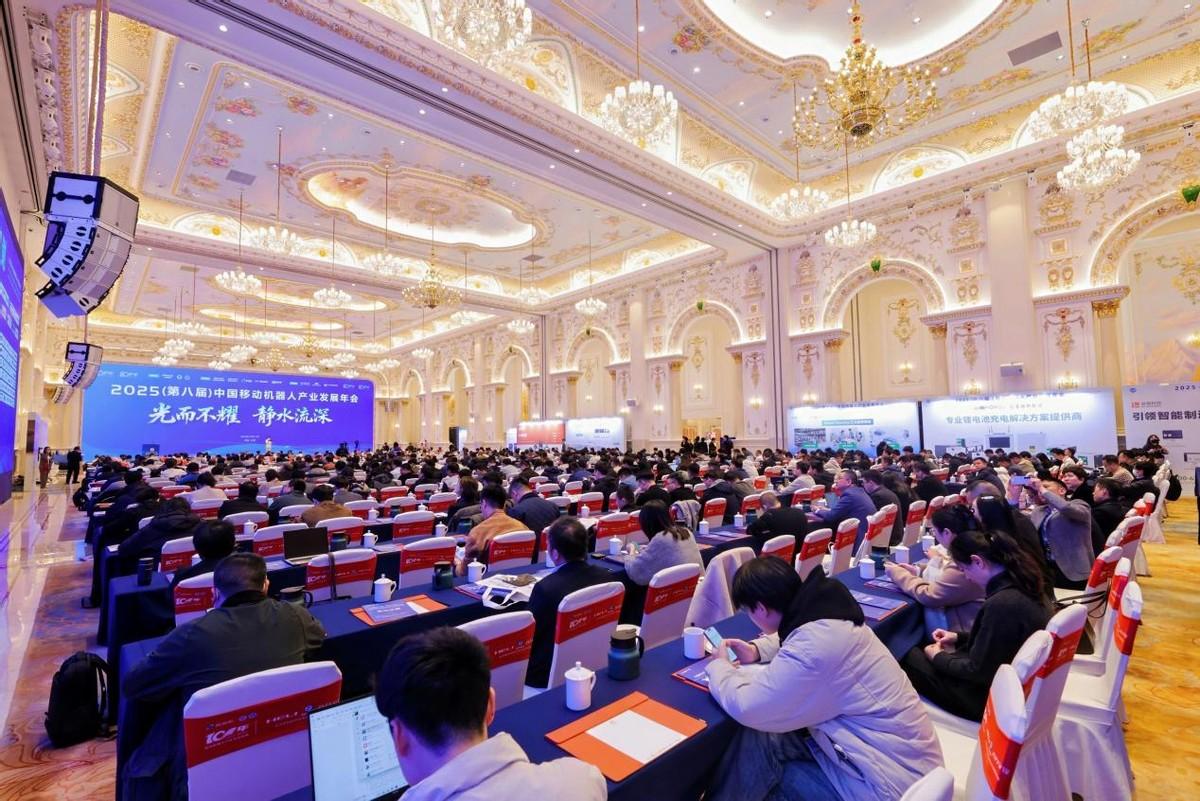
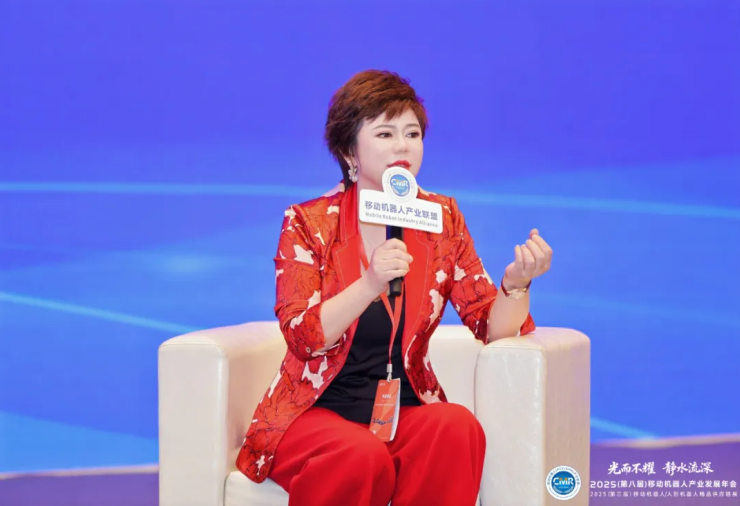
2025年12月3日,由合肥市包河区人民政府、移动机器人产业联盟等联合主办的“2025(第八届)移动机器人行业发展年会暨具身智能移动与人形机器人融合峰会” 在合肥启幕,汇聚了政、产、学、研、用、资、协、媒多方力量。作为全球AI+无人工厂、无人仓库引领者,磅旗科技董事长吴小倩女士受邀出席活动。

在汇聚了新松、极智嘉、杭叉智能、磅旗科技等行业头部企业的“深度思考对话:技术前瞻” 圆桌环节,吴小倩系统阐述了对于产业变革的深刻洞察,引发全场共鸣。

同期,吴小倩正式宣布,磅旗科技合肥生产基地即将投产。这标志着公司以“本地化研发+交付”为核心的区域战略进入新阶段,为深度赋能长三角乃至更广阔的智能制造产业集群奠定了产能与协同基石。

以下内容整理自吴小倩在峰会现场的发言核心观点。

01制造业的底层逻辑正在发生30年以来最深刻的迁移

从自动化到智能体,再到如今的具身智能,制造业的进化始终围绕“让智能更贴近现实制造”展开,而这一趋势也正是磅旗布局合肥基地的核心考量。
过去三十年,我们谈自动化——用机器替代动作,用系统替代流程。

过去五年,我们谈智能体——让AI参与判断,让系统进行推理。

今天,随着具身智能与人型机器人加速融合,我们正在进入具身智能引领的新阶段:让智能拥有身体,让判断能落地,让算法直接作用于现实世界。

因为制造不是PPT,制造是摩擦、热力、误差、风险、交期、协同。传统AI理解数据,但不理解代价;平台算法理解逻辑,但不理解物理阻力。

具身智能,让智能第一次理解现实世界的重量。

02具身智能不是功能增强,而是智能范式的更替

很多人把具身智能理解为“更高级的机器人”,这完全低估了它的战略意义。吴小倩提出的核心判断,恰恰点破了其本质:

具身智能不是复制一个工人,而是复制一个组织的认知能力。

为什么认知能力如此重要?因为真正昂贵的不是动作本身,而是动作背后的认知与协同成本——是判断偏差、协同低效、错误返工、交付延误和过程中的不确定性。

具身智能的价值,正是通过复制组织认知,系统性降低这些隐性成本。

03场景不是技术的附属,是技术演化的方向盘

围绕本次活动 “具身智能与人型机器人应用” 的主轴,吴小倩进一步明确技术与场景的关系:

下一轮智能革命,不是让技术去找场景,而是让场景倒逼技术进化。

具体到产业实践中,这种 倒逼”体现得尤为明显:固态电池工艺要求机器人具备洁净与微米级误差意识;储能PACK要求智能体理解节奏与风险共因;新能源汽车柔性化要求机器人 “自演进” 与 “自适应”……

这些场景需求看似苛刻,实则是时代命题;不是被动的需求牵引,而是主动的产业强迫。

具身智能不是“部署设备”,而是在形成新的工业逻辑:场景共生。也正因如此,磅旗合肥基地正将这些 “时代命题” 搬进现实 —— 通过还原电池PACK等核心场景,让技术在与产业的碰撞中完成进化,产品迭代周期实现大幅缩短。

04人型机器人不是设备,是新型生产关系

在讨论人型机器人的价值时,吴小倩特别纠正了一个行业误区:

如果只把人型机器人视作 “替代人”,那是对技术未来的误判。

真正的变革在于,人型机器人 × 具身智能将重塑生产的核心逻辑:决策如何生成,风险如何预测,协同如何实时发生,价值链如何自动调节。

正如她所指出的,“机器人走向具身智能之后,它不是执行者,是价值链的参与者。”

这意味着什么?这不是简单的自动化升级,而是生产组织形态的重构。

合肥基地的投产,正是这种“新生产关系”的试验场 —— 未来将通过“机器人+具身智能”与本地企业协同,重构产线决策、风险预判的流程,让机器人从“工具”真正变成“价值链伙伴”。

05中国的机会不在跟随,而在定义

当视角拉高至全球产业竞争,吴小倩看到了中国制造独有的优势:

中国拥有最复杂的供应链生态,最快的迭代速度,最深的应用纵深,最苛刻的交付场景。

这些特质常被外界看作产业升级的 “挑战”,但吴小倩有不同判断:这些 “挑战” 恰恰是技术落地的 “实战土壤”—— 复杂供应链需要更精准的协同能力,苛刻交付场景倒逼技术快速响应,这些都是其他市场难以复制的产业条件,也正是具身智能落地最需要的试金石。

她总结道:“这不是挑战,这是世界给予中国制造的机会。具身智能时代,中国制造不是参与者,而是规则制定者。”

背后的逻辑很清晰:我们不是从实验室迈向产业,而是从产业倒逼技术走向未来。因此,人型机器人+具身智能应用共生,不是在追随全球趋势,而是在定义下一代工厂的模样。

06写在最后

吴小倩在最后总结道,“具身智能,让算法拥有身体;场景共生,让智能进入现实。而中国制造,不是追随潮水,而是改变潮水方向。”

磅旗合肥生产基地即将投产,正是磅旗 “改变潮水方向” 的第一步——以本地化实践为锚点,让具身智能的蓝图真正照进智能制造的现实。

注:文/龚作仁,文章来源:Laborer,本文为作者独立观点,不代表亿邦动力立场。

【版权提示】亿邦动力倡导尊重与保护知识产权。未经许可,任何人不得复制、转载、或以其他方式使用本网站的内容。如发现本站文章存在版权问题,烦请提供版权疑问、身份证明、版权证明、联系方式等发邮件至run@ebrun.com,我们将及时沟通与处理。

已点赞

+1

{{ praise_text }}

好文章,值得被更多人看到

FAQ回顾

什么是具身智能在制造业中的核心价值?

具身智能的核心价值是通过复制组织的认知能力,系统性降低制造过程中的判断偏差、协同低效、错误返工等隐性成本,实现智能从数据理解到物理世界作用的能力跃迁。

磅旗科技合肥生产基地的战略意义是什么?

合肥生产基地以本地化研发和交付为核心,通过还原电池PACK等真实场景,加速具身智能技术与产业融合,缩短产品迭代周期,为长三角智能制造集群提供产能与协同支撑。

人型机器人如何改变智能制造的生产关系?

人型机器人结合具身智能将从工具升级为价值链参与者,重塑产线决策生成、风险预测和实时协同逻辑,推动生产组织形态从自动化执行向认知协同重构。

广告

下一篇

跨境电商资源对接

《全球跨境电商服务商资源手册》第二期手册现已发布,触达更多资源,了解跨境服务商信息,欢迎点击链接下载。

了解详情

鹿明机器人完成数亿元两轮融资 加速寻找高价值商业化场景|产业融资快报

本轮融资将用于公司在具身智能数据和硬件领域的持续投入。值得一提的是,今年鹿鸣机器人累计已完成4轮融资。