



• 亿邦公众号
    • APP下载

震坤行携手全球品牌共探工业用品服务新生态

作者:龚作仁 文章来源:Laborer

2025-12-03 17:16

作者:龚作仁 文章来源:Laborer

2025-12-03 17:16

邦小白快读

EN
全文速览

文章介绍震坤行在进博会与全球品牌合作,聚焦工业用品服务新生态的三大核心议题:渠道协同、ESG实践和本土化增长。

在渠道协同方面,震坤行打破传统与数字化渠道的壁垒,构建共生共赢模式。具体包括:1.在全国建立智能仓储体系,如32个区域总仓、105个服务中心仓和6000余台智能小仓库,实现产品快速触达客户;2.提供全链路在线化履约能力,使订单状态和物流进度实时同步,提升响应效率;3.整合海量工业数据,通过AI技术优化客户选型和采买流程,帮助品牌精准洞察需求。

在ESG实践方面,文章强调从理念到落地的转化。主要干货为:1.杜邦采用可回收材料Tyvek特卫强防护服,并推行电子说明书和未暴露化学品防护服回收项目;2.杜邦生产工厂获ISCC Plus认证,推动绿色生产;3.震坤行联合品牌推出安全防护赋能体系,包括按行业场景制定选型手册、AI选型工具和“一对一”专业咨询服务,帮助中小企业提升职业安全。

在本土化增长方面,文章突出全球品牌的本地化策略。核心内容:1.卡赫依托本土工厂和研发中心,实现85%产品本地供应,推出“租赁+购置”多元结算模式;2.震坤行通过客户画像分析,发现新兴市场如新能源车领域的数据需求,助力品牌调整推广方向;3.提供“设备+耗材+运维服务”一体化解决方案,结合供应商协同机制优化供应链。

文章为品牌商提供品牌营销、渠道建设和产品研发的干货参考,重点围绕震坤行与全球品牌的合作实践。

在品牌渠道建设方面,丹佛斯通过合作解决中小客户采购痛点。具体为:1.利用震坤行数字化平台的正品保障和覆盖能力,填补传统渠道长尾服务空白;2.震坤行构建智能仓储和在线履约系统,提升品牌市场响应速度;3.通过数据整合和AI技术优化选型流程,实现渠道互补协同。

在产品研发与消费趋势方面,杜邦和卡赫展示创新方向。关键点:1.杜邦聚焦可持续材料如可回收Tyvek防护服,响应环保消费趋势;2.卡赫推出“租赁+购置”模式和10年生命周期管理,适应中国市场多样化需求;3.根据震坤行数据分析,品牌可调整研发方向,如开拓新能源车等高增长领域。

在用户行为观察与本土化服务方面,文章提供实操启示。包括:1.震坤行帮助卡赫挖掘区域复购率数据,拓展化工和零售高端设备市场;2.杜邦推广电子说明书和回收项目,简化终端用户流程;3.品牌可借鉴供应商协同机制,提升产品质量和服务响应。

文章为卖家解读ESG政策影响、消费需求变化和市场机会的干货,强调风险规避和增长策略。

在政策解读与事件应对方面,ESG理念和双碳目标提供行动指南。关键为:1.杜邦落实绿色采购,通过可回收材料和生产认证降低风险;2.中小企业面临防护选型难题,震坤行安全体系简化决策,如编制选型手册和专业培训;3.政策推动中,卖家可推广电子说明书模式减少纸质使用,避免合规风险。

在增长市场与需求变化方面,文章揭示新领域机会。包括:1.数据驱动发现清洁设备需求向新能源和高端制造延伸,卖家可拓展相关市场;2.卡赫多元结算模式启示卖家优化采购路径,平衡成本;3.震坤行一体化解决方案提升客户粘性,卖家可学习“设备+耗材+运维”模式增加复购。

在风险提示与合作方式方面,文章提供正面应对措施。重点为:1.传统渠道长尾客户服务不足提示风险,卖家可借数字化平台提升效率;2.供应商协同机制提供成本和质量评估,减少供应链波动风险;3.卖家可参与安全培训研讨会,获取知识支持化解防护难题。

文章为工厂提供产品生产启示、数字化机会和电商应用干货,侧重实操经验。

在产品生产和设计需求方面,杜邦和卡赫展示绿色与本土化案例。包括:1.杜邦采用可回收材料Tyvek和生产获ISCC Plus认证,启示工厂推进可持续工艺;2.卡赫本土化生产实现85%供应,快速响应需求,工厂可学习本地供应链策略;3.通过品牌合作,工厂可借鉴防护服产品设计,减少纸质包装。

在商业机会与数字化推进方面,震坤行平台提供优化方向。关键为:1.数字化渠道整合数据,帮助工厂精准洞察客户需求,如AI选型工具简化生产匹配;2.区域仓储和在线履约启示工厂提升物流效率;3.供应商协同机制评估交付指标,提供持续改进机会,如优化成本管理。

在电商化启示方面,文章显示合作效益。包括:1.工厂可借平台填补长尾客户空白,扩增市场覆盖;2.安全防护赋能体系提示工厂开发相关产品线;3.数据驱动模式助力调整研发方向。

文章为服务商揭示行业趋势、新技术应用和解决方案干货,聚焦痛点解决。

在行业发展趋势与客户痛点方面,ESG落地和数字化成为核心。包括:1.趋势如双碳目标推动绿色采购变革,中小企业在防护品选型面临专业知识缺乏;2.渠道向共生模式演变,传统壁垒被打破;3.痛点如长尾客户正品获取难,震坤行提供覆盖方案。

在新技术与解决方案方面,文章突出创新实践。关键为:1.新技术如AI选型工具和数据分析优化决策流程,震坤行结合AI提升采买效率;2.解决方案如构建智能仓储网络(32总仓、105服务中心仓),实现快速履约;3.安全防护赋能体系整合专业培训和手册,提供一步到位服务。

在客户痛点响应方面,文章展示实效措施。包括:1.震坤行在线化系统实时同步物流状态,提升透明度;2.数据整合建立“神经网络”,帮助品牌洞察需求;3.供应商协同机制多维度评测优化供应链,解决交付问题。

文章为平台商解读平台需求、最新做法和管理启示干货,强调运营优化。

在商业对平台的需求和问题方面,响应速度和覆盖是焦点。包括:1.品牌如丹佛斯要求平台正品保障并填补长尾客户空白;2.问题如传统渠道效率低下,平台需提升快速触达能力;3.需求还包括供应链协同数据支持。

在平台的最新做法和招商方面,震坤行示范行动。关键为:1.构建智能仓储体系,如全国32个区域总仓和105服务中心仓,加强物理覆盖;2.开发全链路在线化履约系统,实时同步订单状态吸引品牌合作;3.推出供应商协同机制,评估成本、质量等指标生成报告,优化招商和管理。

在运营管理和风向规避方面,文章提供数据支撑。包括:1.整合海量工业数据结合AI规避客户选型风险;2.通过客户画像和区域数据挖掘新市场,如新能源领域,提示增长方向;3.ESG实践如杜邦回收项目启示平台推广绿色运营。

文章为研究者提供产业动向、政策启示和商业模式干货,突出现实应用。

在产业新动向与政策启示方面,ESG和本土化是关键。包括:1.新动向:ESG从理念转向落地实践,如杜邦可回收材料和ISCC认证推动绿色法规;2.政策启示:双碳目标启发监管支持可持续采购;3.新问题:渠道博弈进化从零和到共生,需平衡传统与数字化路径。

在商业模式和解决方案方面,文章剖析创新框架。关键为:1.商业模式如震坤行“设备+耗材+运维”一体化解决方案提升客户粘性;2.卡赫租赁+购置模式启示价值平衡生命周期管理;3.安全防护赋能体系作为可复制模型,响应中小企业需求。

在政策法规建议方面,合作提供启示。包括:1.数据驱动精准洞察市场,为产业优化提供方向;2.供应商协同机制生成评测报告,支持供应链政策完善;3.数字化赋能全球本土协调,助推制造业高质量转型。

声明:快读内容全程由AI生成,请注意甄别信息。如您发现问题,请发送邮件至 run@ebrun.com 。

我是 品牌商 卖家 工厂 服务商 平台商 研究者 帮我再读一遍。

Quick Summary

The article highlights Zhenkunhang's collaboration with global brands at the CIIE, focusing on three core themes in industrial supplies services: channel synergy, ESG implementation, and localized growth.

In channel synergy, Zhenkunhang breaks down barriers between traditional and digital channels to foster a win-win ecosystem. Key measures include: 1. Establishing a nationwide smart warehousing system with 32 regional hubs, 105 service center warehouses, and over 6,000 smart mini-warehouses for rapid product delivery; 2. Providing end-to-end digital fulfillment capabilities, enabling real-time order and logistics tracking to enhance responsiveness; 3. Leveraging AI-powered industrial data analytics to optimize product selection and procurement, helping brands gain precise demand insights.

In ESG practices, the article emphasizes translating concepts into action. Notable examples: 1. DuPont adopts recyclable Tyvek protective suits and promotes e-manuals and chemical-free suit recycling programs; 2. DuPont's production facilities obtain ISCC Plus certification, advancing green manufacturing; 3. Zhenkunhang collaborates with brands to launch safety empowerment systems—including industry-specific selection guides, AI tools, and one-on-one consulting—to help SMEs improve workplace safety.

In localized growth, global brands' adaptation strategies take center stage. Core highlights: 1. Karcher achieves 85% local supply through domestic production and R&D centers, while introducing flexible "lease + purchase" payment models; 2. Zhenkunhang's customer profiling identifies emerging opportunities like EV sector demands, guiding brands' marketing adjustments; 3. Integrated "equipment + supplies + maintenance" solutions, coupled with supplier collaboration mechanisms, optimize supply chain efficiency.

The article offers brands actionable insights into marketing, channel development, and product innovation through Zhenkunhang's partnerships with global players.

In channel strategy, Danfoss addresses SME procurement pain points via collaboration. Key takeaways: 1. Leveraging Zhenkunhang's digital platform for authentic product assurance and extensive coverage to fill long-tail service gaps; 2. Utilizing smart warehousing and digital fulfillment systems to accelerate market responsiveness; 3. Enhancing selection processes through data integration and AI for complementary channel synergy.

In product R&D and consumer trends, DuPont and Karcher demonstrate innovation pathways. Critical points: 1. DuPont's focus on sustainable materials like recyclable Tyvek aligns with eco-conscious demand; 2. Karcher's "lease + purchase" model and 10-year lifecycle management cater to China's diverse needs; 3. Brands can leverage Zhenkunhang's data analytics to refine R&D focus, such as tapping high-growth sectors like electric vehicles.

In user behavior and localization, the article provides practical guidance: 1. Zhenkunhang helps Karcher analyze regional repurchase data to expand into chemical and retail equipment markets; 2. DuPont's e-manuals and recycling programs streamline end-user processes; 3. Brands can adopt supplier collaboration frameworks to enhance product quality and service agility.

The article deciphers ESG impacts, shifting demand patterns, and growth opportunities for sellers, emphasizing risk mitigation and strategy optimization.

In policy and compliance, ESG principles and carbon neutrality goals guide action. Key points: 1. DuPont's green procurement via recyclable materials and certifications reduces regulatory risks; 2. Zhenkunhang's safety systems simplify protective gear selection for SMEs through handbooks and training, addressing compliance hurdles; 3. Sellers can adopt e-manuals to minimize paper use and avoid penalties.

In growth markets and demand shifts, the article reveals new avenues: 1. Data-driven insights show cleaning equipment demand expanding into EVs and advanced manufacturing—sellers can target these segments; 2. Karcher's flexible payment models inspire cost-effective procurement strategies; 3. Zhenkunhang's integrated solutions boost customer retention, encouraging sellers to adopt "equipment + supplies + maintenance" bundles for repeat business.

In risk management and collaboration, proactive measures are highlighted: 1. Digital platforms mitigate long-tail service gaps in traditional channels; 2. Supplier collaboration mechanisms assess cost and quality to buffer supply chain disruptions; 3. Sellers can join safety workshops to resolve protective gear challenges with expert support.

The article provides factories with practical insights into production innovation, digitalization, and e-commerce applications.

In product design and sustainability, DuPont and Karcher offer replicable cases: 1. DuPont's recyclable Tyvek and ISCC Plus certification exemplify eco-friendly production upgrades; 2. Karcher's 85% local supply strategy enables rapid response—factories can emulate localized supply chains; 3. Collaboration with brands inspires packaging reductions and protective gear design improvements.

In digital opportunities, Zhenkunhang's platform delivers optimization pathways: 1. Data integration and AI selection tools help factories pinpoint customer needs and streamline production matching; 2. Regional warehousing and digital fulfillment models highlight logistics efficiency gains; 3. Supplier collaboration frameworks offer continuous improvement via delivery metrics and cost management.

In e-commerce adoption, collaboration benefits are clear: 1. Factories can use platforms to reach underserved long-tail clients; 2. Safety empowerment systems signal demand for related product lines; 3. Data-driven models aid R&D adjustments for market alignment.

The article reveals industry trends, tech applications, and solution frameworks for service providers, focusing on pain point resolution.

In industry shifts and client challenges, ESG implementation and digitization are pivotal: 1. Carbon neutrality policies drive green procurement, while SMEs lack expertise in protective gear selection; 2. Channels evolve toward symbiotic models, dissolving traditional barriers; 3. Zhenkunhang addresses authenticity and accessibility issues for long-tail customers.

In tech and solutions, innovative practices stand out: 1. AI selection tools and data analytics optimize decision-making, boosting procurement efficiency; 2. Smart warehousing networks (32 hubs, 105 service warehouses) enable rapid fulfillment; 3. Safety empowerment systems combine training and manuals for turnkey services.

In client pain point responses, effective measures include: 1. Real-time logistics synchronization via digital systems enhances transparency; 2. Data integration creates a "neural network" for demand insights; 3. Supplier collaboration mechanisms multi-dimensionally evaluate and stabilize supply chains.

The article dissects platform demands, operational strategies, and management insights for marketplace operators, emphasizing optimization.

In brand expectations and challenges, speed and coverage are critical: 1. Brands like Danfoss require authenticity guarantees and long-tail customer reach; 2. Inefficient traditional channels necessitate faster delivery capabilities; 3. Data-supported supply chain collaboration is increasingly demanded.

In platform strategies and merchant recruitment, Zhenkunhang sets a benchmark: 1. Building smart warehousing (32 regional hubs, 105 service warehouses) strengthens physical coverage; 2. Developing end-to-end digital fulfillment systems with real-time tracking attracts brand partnerships; 3. Supplier collaboration mechanisms generate cost/quality reports to refine merchant management.

In operational risk mitigation, data-driven approaches are key: 1. Industrial data and AI tools minimize selection errors; 2. Customer profiling uncovers new markets like EVs for growth targeting; 3. ESG practices (e.g., DuPont’s recycling) inspire green platform operations.

The article offers researchers industry trends, policy implications, and business model analyses with real-world applications.

In industry and policy dynamics, ESG and localization are central: 1. ESG shifts from theory to practice, as seen in DuPont’s recyclable materials and certifications influencing green regulations; 2. Carbon neutrality policies spur support for sustainable procurement; 3. Channel competition evolves from zero-sum to symbiotic, requiring balance between traditional and digital paths.

In business models and solutions, innovative frameworks are examined: 1. Zhenkunhang’s "equipment + supplies + maintenance" bundles enhance customer stickiness; 2. Karcher’s hybrid lease/purchase model demonstrates lifecycle value management; 3. Safety empowerment systems serve as replicable models for SME needs.

In policy recommendations, collaboration yields insights: 1. Data-driven market analysis guides industrial optimization; 2. Supplier collaboration reports inform supply chain policy refinements; 3. Digital tools facilitate global-local coordination, advancing manufacturing upgrades.

Disclaimer: The "Quick Summary" content is entirely generated by AI. Please exercise discretion when interpreting the information. For issues or corrections, please email run@ebrun.com .

I am a Brand Seller Factory Service Provider Marketplace Seller Researcher Read it again.

第八届中国国际进口博览会(以下简称“进博会”)作为全球经贸交流与合作的重要平台,汇聚了全球顶尖企业与创新成果。震坤行工业超市(以下简称“震坤行”)作为工业用品数字化服务领域的代表企业,在展会期间与丹佛斯、杜邦、卡赫三大全球品牌展开深度对话,围绕渠道生态协同、ESG价值落地、本土化服务深化三大核心议题,分享实践经验、共商合作路径,彰显了震坤行以数字化能力链接全球资源、服务中国市场的核心价值。
一、渠道协同:打破博弈壁垒,构建共生共赢新生态

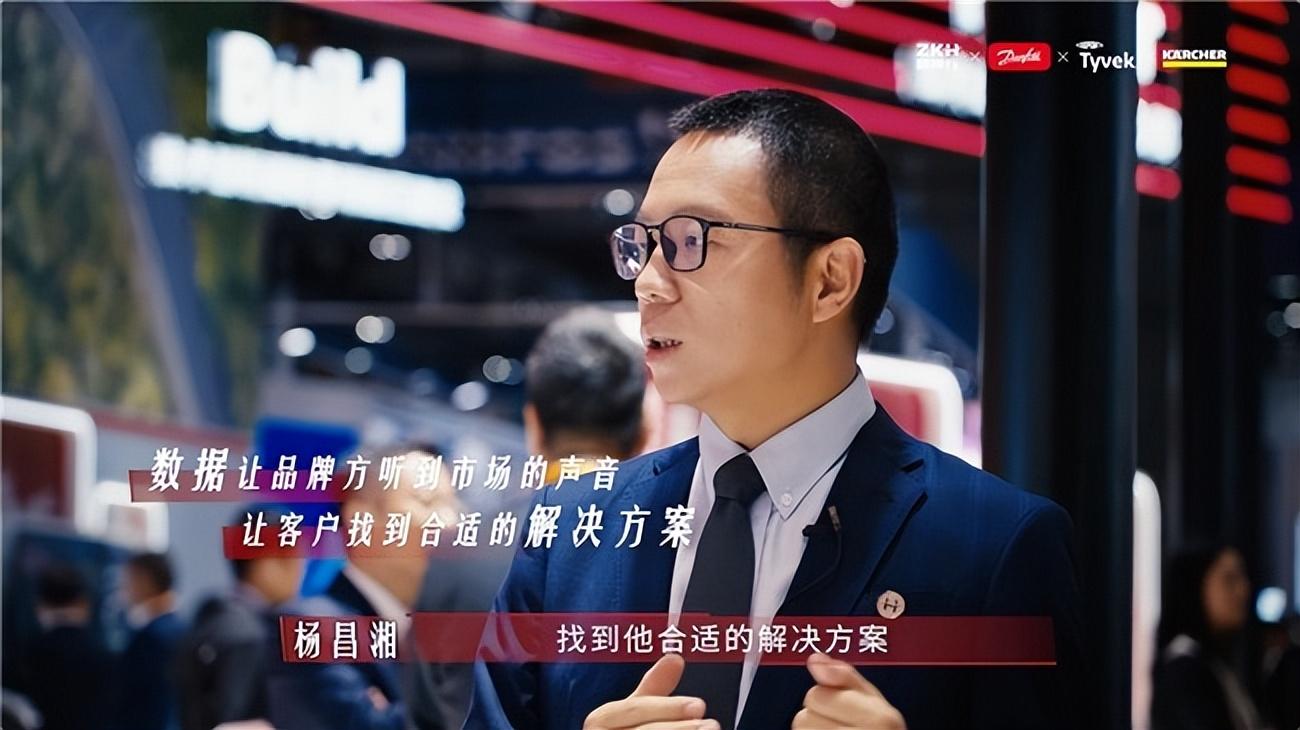
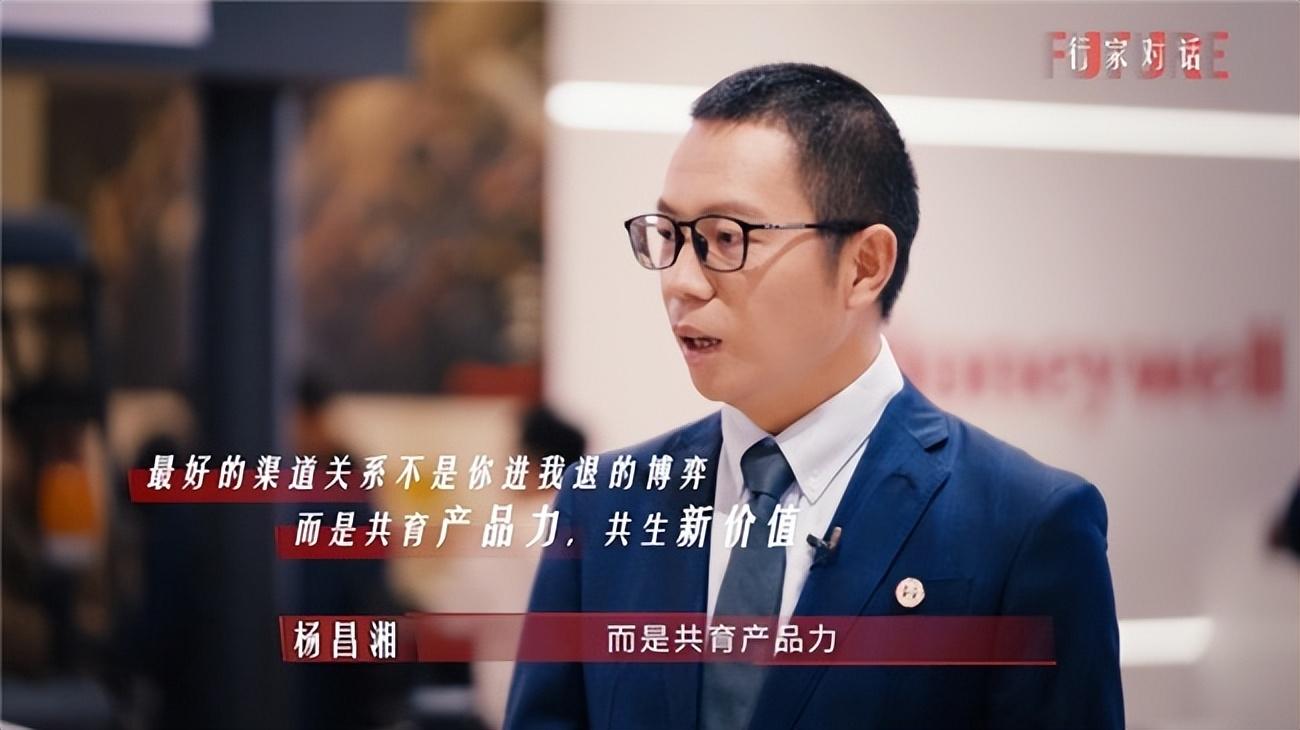
在工业用品渠道变革的背景下,“如何平衡传统渠道优势与新兴数字化渠道价值”成为行业关注焦点。震坤行工业超市副总裁杨昌湘在对话中提出:“优质的渠道关系并非‘零和博弈’,而是与品牌方共育产品力,为客户共创新价值——这是震坤行构建渠道生态的核心逻辑。”

丹佛斯动力系统中国区总裁张海松表示,丹佛斯长期深耕中国市场,采用“直销+区域代理”模式服务中小客户,但随着工业用品采购电商化趋势加速,海量长尾客户面临“正品获取难、采购效率低”的核心痛点。“选择与震坤行合作,正是看中其数字化平台的覆盖能力与正品保障体系,能够填补传统渠道在长尾客户服务中的空白。”

如何利用震坤行的平台优势增强品牌方的市场响应速度,杨昌湘详细介绍了震坤行的解决方案:一是构建覆盖全国的智能仓储与履约体系,通过32个区域总仓、105个服务中心仓及6000余台智能小仓库,实现产品快速触达客户;二是打造全链路在线化履约能力,订单状态、物流进度实时同步至品牌方与客户,提升响应效率;三是整合工业用品领域海量数据,结合AI技术优化客户选型与采买流程,“让数据成为链接品牌方与市场的‘神经网络’,帮助丹佛斯及众多品牌方精准洞察需求,实现传统渠道与数字化渠道的互补协同。”
二、ESG实践:从“理念”到“落地”,让绿色采购与职业安全可见可感

随着“双碳”目标与ESG(环境、社会、治理)理念成为企业发展的重要导向,“如何将绿色采购与职业安全转化为可落地的解决方案”成为本次对话的另一核心议题。杜邦防护服中国区销售总监赵君围绕杜邦在可持续发展领域的实践展开分享:

在产品材料端,其核心产品Tyvek®特卫强®防护服面料采用100%高密度聚乙烯材料,具备可回收特性,相较传统覆膜材料更符合环保要求;在生产运营端,杜邦位于里世满、卢森堡的生产工厂已获ISCC Plus(可持续供应链标准)认证,系统性推进气候变化应对与绿色生产; 在包装与终端环节,杜邦防护服即将在中国市场推出“电子说明书替代纸质说明书”的防护服产品,并在多个国家和地区推进“未暴露化学品的废弃防护服回收再生”项目,实现全生命周期环保管理。

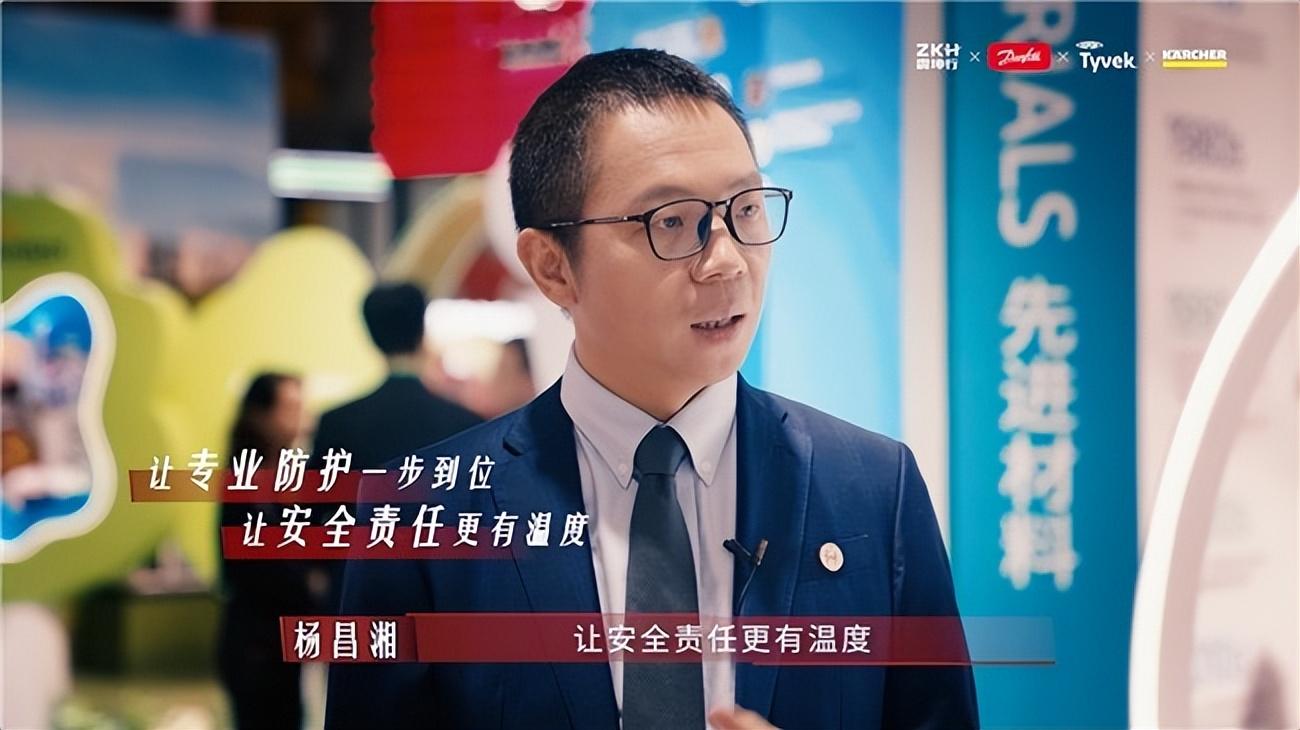
当前,很多中小企业想提升员工职业健康安全保障,但在防护用品的选型和配备上缺乏专业知识。如何帮助这些企业解决"怎么选、怎么配"的难题,杨昌湘表示,震坤行已联合杜邦这样的专业品牌方构建了一套完整的中小企业安全防护赋能体系:一方面,基于各行业应用场景(如化工制造、食品加工),共同梳理并编制防护用品需求清单与选型手册,搭配AI选型工具简化决策流程;另一方面,专业选型咨询团队提供“一对一”服务,并定期举办安全培训研讨会,邀请杜邦等品牌分享防护技术和标准,“让专业防护一步到位,让安全责任更有温度,助力中小企业落实ESG责任。”
三、本土化增长:深耕中国市场,以数字化赋能“全球标准+本土适配”

中国市场需求的多元化,对全球化品牌的本土化服务能力提出更高要求。卡赫中国区业务发展总监薛腾介绍,卡赫深耕中国市场多年,构建了本土化的生产研发体系:依托常熟绿色环保工厂和苏州全球研发中心,实现了85%产品本土供应,高效响应市场需求;同时推出“租赁+购置”多元结算模式,让清洁设备像快消品一样便捷采购,并以“10年设备使用寿命”的全生命周期管理,平衡成本与价值。

在数字化赋能本土化方面,杨昌湘从三方面分享合作实践:一是通过客户画像分析,发现卡赫核心客户从传统服务业向新能源汽车、高端制造等新兴领域延伸,助力其调整市场推广方向;二是基于区域交易数据(复购率、需求频次等),挖掘化工、零售等领域高端清洁设备需求,开拓新市场空间;三是结合关联交易数据,与卡赫联合推出“设备+耗材+运维服务”一体化解决方案,提升客户粘性。此外,震坤行还建立多维度供应商协同机制,包含成本、质量、服务、交付等多个核心指标,定期生成评测报告,为供应链的持续优化提供数据支撑与改进方向,实现合作共赢。
结语:以数字化链接全球,共推工业用品服务升级

对话尾声,杨昌湘指出,进博会为企业搭建了全球资源与中国市场的对接桥梁,未来震坤行将持续深化与丹佛斯、杜邦、卡赫等全球优质品牌的战略合作,作为价值创造者,将技术、产品、服务,精准地送达每一个客户手中,不仅为中国企业提供更高效、更绿色、更贴合需求的工业品采购解决方案,更将助力全球品牌深度融入中国市场,共同推动中国制造业高质量发展与工业品数字化转型。

注:文/龚作仁,文章来源:Laborer,本文为作者独立观点,不代表亿邦动力立场。

【版权提示】亿邦动力倡导尊重与保护知识产权。未经许可,任何人不得复制、转载、或以其他方式使用本网站的内容。如发现本站文章存在版权问题,烦请提供版权疑问、身份证明、版权证明、联系方式等发邮件至run@ebrun.com,我们将及时沟通与处理。

已点赞

+1

{{ praise_text }}

好文章,值得被更多人看到

FAQ回顾

震坤行如何通过数字化平台解决工业用品采购痛点?

震坤行构建覆盖全国的智能仓储体系,包括32个区域总仓和105个服务中心仓,通过全链路在线化履约和AI选型工具,帮助品牌方快速响应市场需求,解决中小客户正品获取难、采购效率低等核心问题。

杜邦在ESG实践方面有哪些具体措施?

杜邦采用100%可回收Tyvek防护服材料,生产工厂获ISCC Plus认证,在中国市场推出电子说明书替代纸质版,并推进废弃防护服回收再生项目,实现全生命周期环保管理。

卡赫如何实现中国市场本土化服务?

卡赫通过常熟工厂和苏州研发中心实现85%产品本土供应,推出租赁+购置多元结算模式,提供10年全生命周期管理,并基于震坤行数据洞察拓展新能源汽车等新兴领域市场。

广告

下一篇

跨境电商资源对接

《全球跨境电商服务商资源手册》第二期手册现已发布,触达更多资源,了解跨境服务商信息,欢迎点击链接下载。

了解详情

亚马逊大规模下调欧洲站销售佣金及物流费用 2026年全面生效

2026年将在欧洲站推出有史以来最大规模的费用下调之一,每件商品的费用将平均降低0.15英镑或0.17欧元。










