



• 亿邦公众号
    • APP下载

俞浩未来基金会“未来教室公益计划”多省落地 探索可复制的科教公益新路径

作者:龚作仁 文章来源:Laborer

2025-11-26 11:41

作者:龚作仁 文章来源:Laborer

2025-11-26 11:41

邦小白快读

EN
全文速览

未来教室公益计划的核心在于提供一套标准化的科技教育解决方案

1. 计划已在华东和西南地区多个省份落地,包括四川省成都市青白江区,为乡镇学校搭建先进的教育场域。

2. 空间设计分三大区:展示墙(灵感碰撞板)、协作岛(可移动桌椅)和智造区(硬核科技如AI、激光切割机),推动协作化学习方式。

3. 硬件配置包括空中机器人系列、智能制造工具和AI套装,循序渐进培养学生编程到制造的科技素养。

4. 课程运营分三大模块:创意工坊、物联网世界和机器人类赛,配有前沿工程师和导师团队,遵循入门到创造的递进路径。

计划的可复制性和社会意义

1. 标准化+本地化+体系化模式已验证可行性,确保教育质量基线一致。

2. 旨在促进城乡教育公平,为国家培养创新型人才,未来可能扩展到全球。

基金会的公益项目对品牌的社会责任营销和产品研发有启示

1. 代表企业俞浩未来基金会通过教育公益提升品牌影响力,探索CSR策略的可复制性。

2. 品牌渠道建设借鉴空间和设备标准化,如协作岛和智造区的硬件组合,启示品牌在多元化渠道布局。

3. 产品研发参考课程中的科技设备(如空中机器人套装),捕捉教育科技消费趋势,用户行为显示乡镇学生对科技教育需求增大。

消费趋势和用户行为观察

1. 教育公平成为社会热点,品牌可借类似模式开发针对基层消费者的产品。

2. 硬件选型基于实际教学,启示品牌在定价和价格竞争中注重可及性。

教育科技市场的增长机会和学习点

1. 消费需求层面显示乡镇学校对科技装备需求上升,如空中机器人和AI套装,提供销售机会。

2. 事件应对措施:计划标准化+本地化模式可学习,应对不同区域需求如从东部到西南的快速复制。

合作方式和扶持政策启示

1. 基金会与学校合作模式启示卖家寻找多方协作机会,如通过专业导师团队提供支持。

2. 风险提示:硬件配置需结合实际,避免过时风险;机会提示在于国家教育政策推动下类似市场的扩展。

可学习点和新商业模式

1. 递进式课程运营体系(入门到竞赛)可应用于产品服务创新。

生产需求和设计启示

1. 产品如激光切割机、机器人竞技平台在计划中应用,工厂可开发类似教育硬件以应对市场需求。

2. 推进数字化启示源自课程体系,设备选型支持系统化科技素养培养,优化生产流程。

商业机会和电商启示

1. 教育装备需求增加(如智造区设备),为工厂提供新增长点。

2. 体系化解决方案(空间+硬件+课程)启示工厂整合数字技术,提升产品线可扩展性。

行业趋势和新技术应用

1. 教育科技普及趋势明显,服务商可支持AI、IoT等新技术在课程如物联网世界模块中的部署。

2. 客户痛点在于城乡教育不平等,解决方案体现于基金会提供的标准化体系(空间设计和课程运营)。

客户痛点与行业解决方案

1. 解决方案强调可持续性:导师团队和递进式培养路径提供可复制模式。

2. 新技术如人工智能在课堂实践中的应用,服务商可开发类似工具解决教学痛点。

平台需求和运营管理启示

1. 商业对平台的需求在协调多地实施,如公益网络的全球化拓展可能,启示平台招商策略。

2. 平台的最新做法借鉴模式标准化+本地化,确保质量一致,如空间规划的分区管理。

运营管理和风险规避

1. 灵活实施策略预留地方特色空间,帮助规避地域风险。

2. 课程体系学期制课时安排启示平台在运营中优化资源配置。

产业新动向和商业模式

1. 新问题:教育公平与科技普及结合探索,计划提供可复制的科教公益模式(标准化+本地化+体系化)。

2. 产业动向:公益项目向城乡扩展,如多省落地案例显示创新路径。

政策法规启示和商业模式深化

1. 政策建议启示推动更多城乡教育均衡发展,支持国家人才培养。

2. 代表企业基金会的社会实践,研究者可分析其作为新型商业模式的经济和社会价值。

声明:快读内容全程由AI生成,请注意甄别信息。如您发现问题,请发送邮件至 run@ebrun.com 。

我是 品牌商 卖家 工厂 服务商 平台商 研究者 帮我再读一遍。

Quick Summary

The Future Classroom initiative provides a standardized science and technology education solution.

1. It has been implemented across multiple provinces in eastern and southwestern China, including Qingbaijiang District in Chengdu, Sichuan, establishing advanced learning environments in township schools.

2. The space is designed with three zones: an Inspiration Wall (for brainstorming), a Collaboration Island (with movable furniture), and a Maker Zone (featuring advanced tech like AI and laser cutters) to foster collaborative learning.

3. Hardware includes aerial robotics kits, smart manufacturing tools, and AI sets, progressively building students' skills from programming to fabrication.

4. The curriculum is structured into three modules—Creative Workshops, IoT World, and Robotics Competitions—supported by engineers and mentors, following a path from beginner to creator.

The initiative's replicability and social impact:

1. Its standardized yet localized and systematic model has proven viable, ensuring consistent educational quality.

2. It aims to bridge the urban-rural education gap and cultivate innovative talent for the nation, with potential for future global expansion.

The foundation's philanthropic project offers insights for brand CSR strategies and product development.

1. It demonstrates how corporate foundations, like Yu Hao's, can enhance brand influence through educational initiatives and explore replicable CSR models.

2. The standardized spatial design and hardware configurations (e.g., Collaboration Island, Maker Zone) inform brands on diversifying channel layouts.

3. Product R&D can draw from the tech equipment used (e.g., aerial robotics kits) to tap into growing EdTech consumer trends, as demand from rural students rises.

Consumer trends and user behavior observations:

1. Education equity is a societal focus, prompting brands to develop products for grassroots consumers.

2. Hardware selection based on practical teaching needs highlights the importance of affordability in pricing strategies.

Growth opportunities and lessons from the EdTech market:

1. Rising demand for tech equipment in township schools (e.g., aerial robots, AI kits) presents sales opportunities.

2. The standardized + localized model offers a replicable approach to addressing regional variations, enabling rapid scaling from east to southwest China.

Partnership models and policy insights:

1. The foundation-school collaboration model suggests sellers seek multi-stakeholder partnerships, such as leveraging mentor teams for support.

2. Risks: Hardware must be practical to avoid obsolescence. Opportunities: Market expansion is fueled by national education policies.

Actionable insights and new business models:

1. The progressive curriculum (from beginner to competition) can be applied to innovate product service offerings.

Production demand and design inspiration:

1. Products like laser cutters and robotics platforms used in the initiative indicate market demand for educational hardware, which factories can develop.

2. The curriculum's emphasis on systematic tech literacy inspires factories to adopt digital processes and optimize production.

Business opportunities and e-commerce insights:

1. Growing demand for educational equipment (e.g., Maker Zone tools) offers new growth avenues for factories.

2. The integrated solution (space + hardware + curriculum) suggests factories enhance product scalability by incorporating digital technologies.

Industry trends and new technology applications:

1. The growing adoption of EdTech enables service providers to support deployments of AI, IoT, and other technologies in modules like IoT World.

2. A key client pain point is educational inequality; the foundation's standardized system (space design and curriculum) offers a viable solution.

Client pain points and industry solutions:

1. The solution emphasizes sustainability through mentor teams and progressive training paths, providing a replicable model.

2. The application of AI in classroom settings suggests service providers can develop similar tools to address teaching challenges.

Platform needs and operational management insights:

1. The initiative's coordination across multiple regions, with potential for global expansion, informs platform strategies for merchant recruitment.

2. The standardized + localized model ensures consistent quality, offering lessons for platform management, such as zonal spatial planning.

Operational management and risk mitigation:

1. Flexible implementation strategies that preserve local characteristics help mitigate regional risks.

2. The semester-based curriculum scheduling offers insights for optimizing resource allocation on platforms.

Industry developments and business models:

1. A new area of inquiry: integrating education equity with tech普及, with the initiative providing a replicable model (standardized + localized + systematic).

2. Industry trend: Philanthropic projects are expanding to urban and rural areas, as seen in multi-province implementations, revealing innovative pathways.

Policy implications and business model refinement:

1. The initiative suggests policies to promote balanced urban-rural educational development and support national talent cultivation.

2. Researchers can analyze the economic and social value of corporate foundations' practices as a new form of business model.

Disclaimer: The "Quick Summary" content is entirely generated by AI. Please exercise discretion when interpreting the information. For issues or corrections, please email run@ebrun.com .

I am a Brand Seller Factory Service Provider Marketplace Seller Researcher Read it again.

一项旨在以科技赋能乡镇教育、促进教育公平的教育创新性公益计划正展现出强大的生命力与可复制性。记者日前从俞浩未来基金会获悉,其发起的“未来教室公益计划”自启动以来,已在华东地区及西南地区多个省份快速建成并投入运营多间“未来教室”,成功将一套标准化、系统化的科技教育创新解决方案输送至不同地域、不同发展水平的乡镇学校,标志着该项目在全国范式布局初步完成,为探索可持续、可扩展的科教公益模式提供了实践范例。

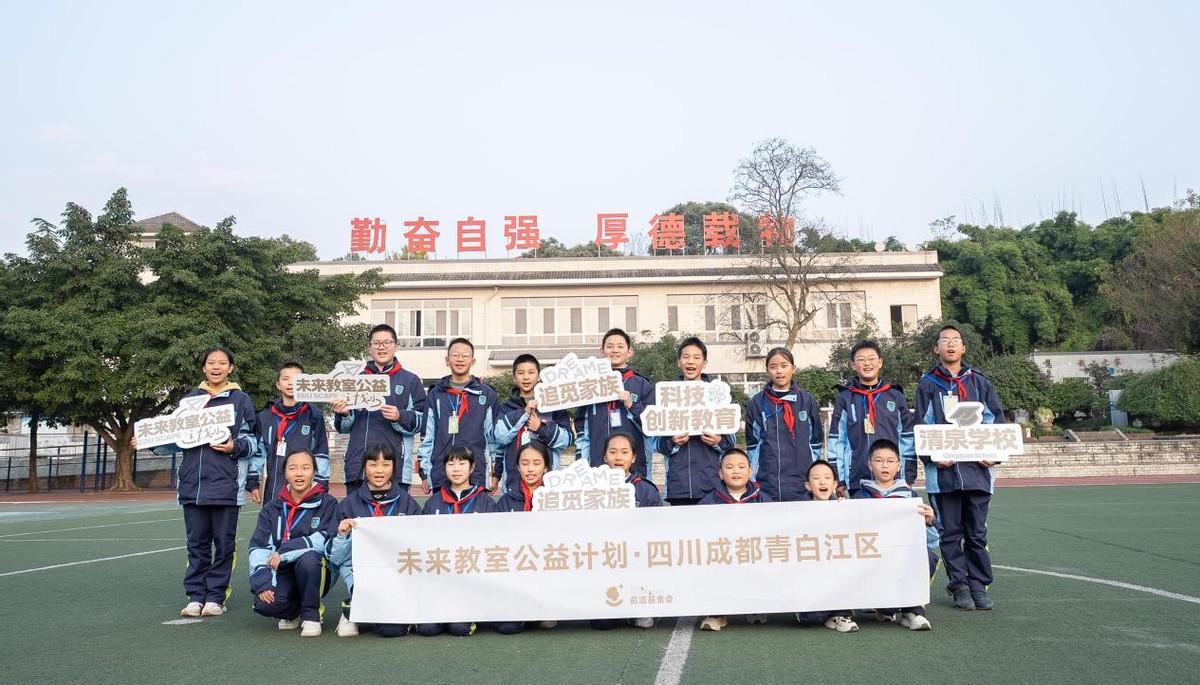
近日,该公益计划在成都市落地——四川省成都市青白江区清泉学校的首间未来教室正式建成并启用,成功为当地乡镇学子构建起一个全国领先的科技教育新场域。
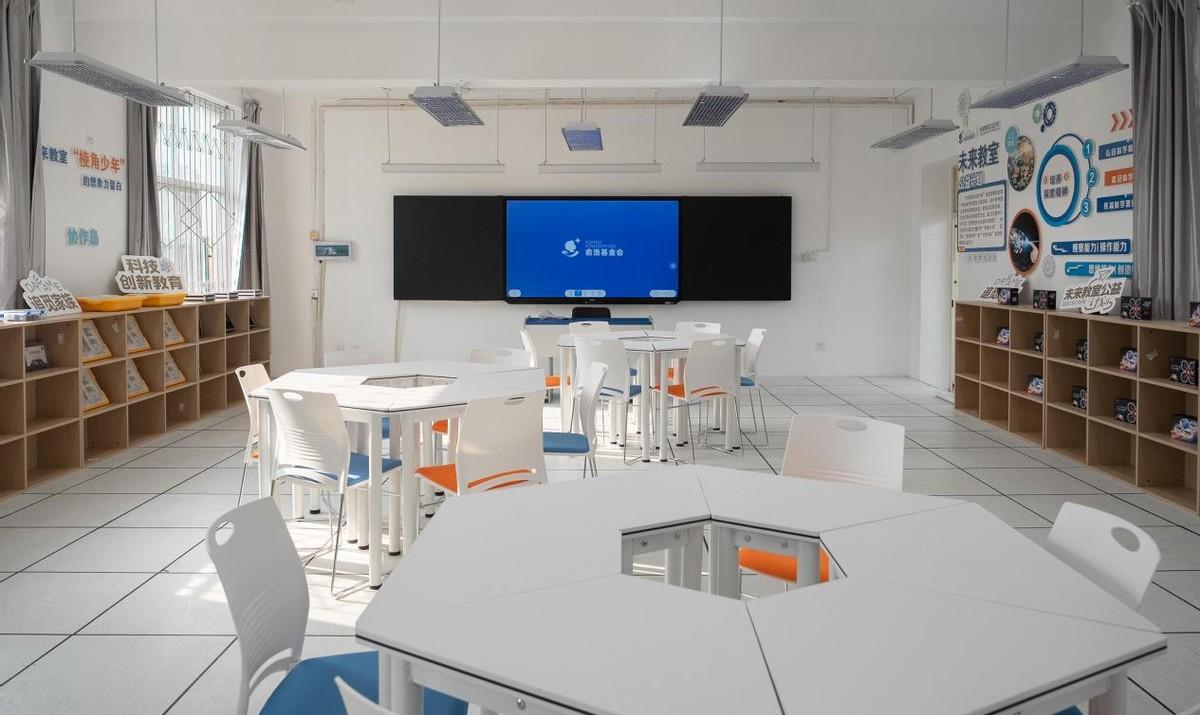
“未来教室公益计划”的核心竞争力源于其高度标准化的整体解决方案,深度融合空间设计、智能科技与课程运营,确保了每一间落地教室都能提供一致的高品质学习体验。

在空间规划上,教室严格区分为设置“灵感碰撞板”的展示墙、配备可移动拼接桌椅的协作岛,以及搭载人工智能、积木机器人套装、激光切割机等硬核科技元件的智造区,从物理环境上推动学习方式向项目化、协作化转变。
在硬件配置上,未来教室提供严选配比的“科技装备组合”,涵盖空中机器人系列、智能制造工具、人工智能套装及机器人竞技平台等。设备选型与搭配充分考虑乡镇学校教学实际,支持学生在循序渐进中系统性构建从编程控制、传感交互到人工智能与数字化制造的科技素养。

课程运营体系是该项目可持续性、规模化复制的关键保障。针对乡镇学生科技素养提升需求,未来教室系统性规划“创意工坊”、“物联网世界”、“机器人类赛”三大核心课程模块,并配备由前沿科技工程师与资深科创导师等组成的“强大导师团”。课程遵循“入门→理论→实践→竞赛→创造”的递进式培养路径,以学期制提供体系化课时,实现师生融合教学与跨学段共同成长。
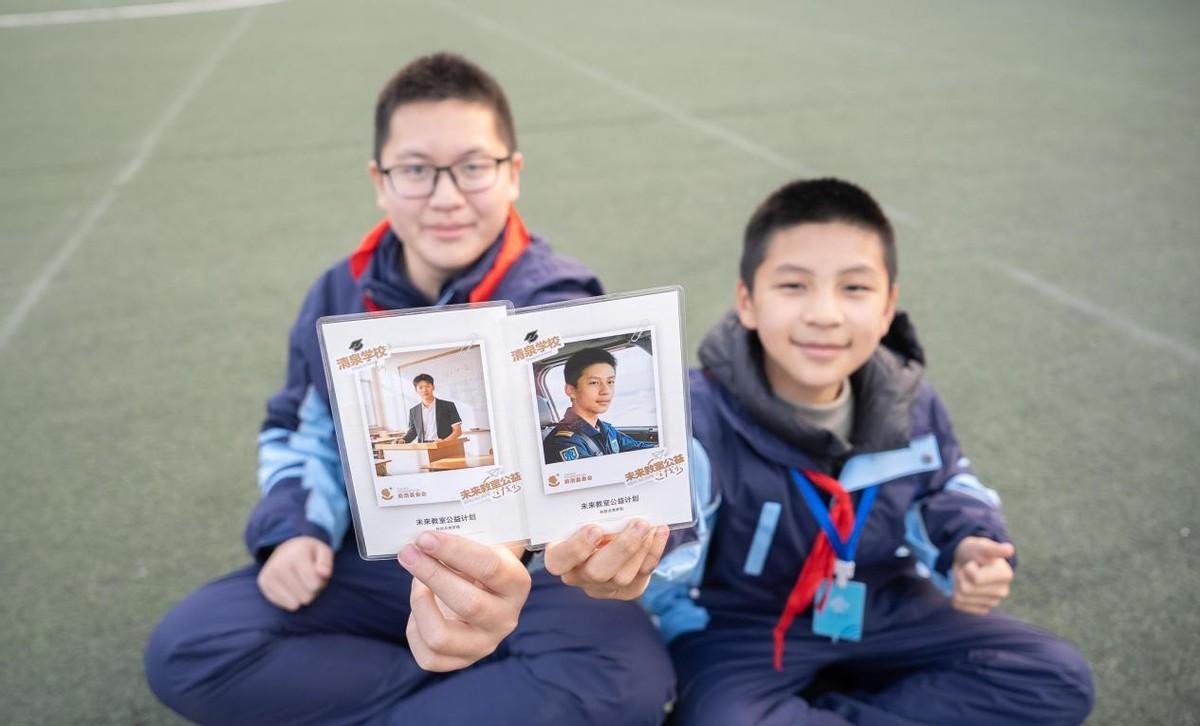
未来教室公益计划的快速、成功复制,验证了其“标准化+本地化+体系化”模式的可行性。从东部沿海到西南腹地,“空间+设备+课程”三位一体模式保障了教育质量基线,而灵活的实施策略则为结合地方特色预留空间。俞浩未来基金会项目负责人表示,以现有成果为基石,持续推进“未来教室公益计划”在全国多地的落子,并探索公益网络的全球化拓展可能,系统性推动城乡科技教育均衡发展,为国家创新型人才培养储备早期土壤。

注:文/龚作仁,文章来源:Laborer,本文为作者独立观点,不代表亿邦动力立场。

【版权提示】亿邦动力倡导尊重与保护知识产权。未经许可,任何人不得复制、转载、或以其他方式使用本网站的内容。如发现本站文章存在版权问题,烦请提供版权疑问、身份证明、版权证明、联系方式等发邮件至run@ebrun.com,我们将及时沟通与处理。

已点赞

+1

{{ praise_text }}

好文章,值得被更多人看到

FAQ回顾

什么是未来教室公益计划?

未来教室公益计划是俞浩未来基金会发起的教育公益项目,通过标准化解决方案在乡镇学校建设科技教室,包含空间设计、智能设备和课程体系,已在华东、西南多省落地实施。

未来教室包含哪些核心课程模块?

未来教室设置创意工坊、物联网世界、机器人类赛三大课程模块,配备科技工程师和科创导师团队,采用从入门到创造的递进式培养路径,以学期制提供体系化课时。

未来教室的空间设计如何促进协作学习?

教室分为展示墙、协作岛和智造区三个功能区,配备可移动拼接桌椅、人工智能套装、机器人设备等,通过物理环境设计推动项目化、协作化学习方式转变。

广告

下一篇

跨境电商资源对接

《全球跨境电商服务商资源手册》第二期手册现已发布,触达更多资源,了解跨境服务商信息,欢迎点击链接下载。

了解详情

财报解析|阿里巴巴Q3收入2477.95亿元 淘宝闪购订单结构与UE得到显著改善

今年第三季度,阿里巴巴集团收入为2477.95亿元,同比增长5%。净利润为206.12亿元,同比下降53%,主要是由于经营利润的减少所致。

阿里巴巴 平台 天猫 未来零售

2025-11-26 11:31:01









