• 亿邦公众号
    • APP下载

黑白调加速线下布局 全国超200家门店构筑渠道护城河

作者:亿邦动力 文章来源:亿邦动力

2025-11-03 14:28

作者:亿邦动力 文章来源:亿邦动力

2025-11-03 14:28

邦小白快读
EN
全文速览

文章聚焦黑白调线下门店扩张和用户体验创新,提供实操干货。

1.门店布局策略:品牌在全国开设超过200家门店,覆盖20多个核心城市,包括杭州、上海等地新店开业;采用“核心城市精品店+区域覆盖店”模式,深入二三线城市。

2.实操服务流程:顾客可在现场体验一对一调节指导,针对身高、体重等特征定制腰托、椅背角度;提供沉浸式场景(如办公、游戏)试坐,并建立“售前体验-售中指导-售后回访”全周期关怀体系。

3.健康管理结合:门店通过专业科普和设备试坐,将购物转化为健康管理;依托用户数据反馈形成研发闭环。

文章凸显黑白调的品牌渠道建设和产品研发策略,反映消费趋势变化。

1.品牌渠道变革:品牌2020年起从电商平台转向线下布局,构建全国门店网络;打造体验式购物模式,精准匹配用户个性化需求,推动“线上+线下”渠道整合。

2.产品研发机制:通过门店收集用户体型、坐姿数据,反哺研发形成“用户需求-门店反馈-产品迭代”闭环;基于健康需求升级,开发人体工学椅等创新产品。

3.用户行为洞察:消费趋势显示健康需求驱动线下体验偏好,顾客行为偏好长时间试坐和专业指导,体现用户对健康管理的重视。

文章解读黑白调的增长市场机会和服务模式亮点,提供可学习点和合作提示。

1.增长市场和机会:品牌在二三线城市拓展门店,发现消费需求变化机会;立体布局覆盖全国城市群,提示市场下沉策略。

2.最新商业模式创新:采用体验式健康管理,从简单购物转向全周期关怀,可学习点包括个性化调节和沉浸式体验设计;研发闭环反馈机制提示高效迭代方案。

3.机会提示和扶持:门店网络加速建设,带来合作方式如整合配送服务;风险提示在于平衡线上与线下渠道,对策是提供一致配送安装支持。

文章揭示黑白调的产品设计需求和商业机会启示,推进数字化结合实践。

1.产品设计驱动:工厂关注用户反馈数据(如坐姿特征),用于优化人体工学椅的设计;门店个性化调节方案提示生产端定制化需求。

2.商业机会挖掘:品牌线下扩张带来渠道参与机会,覆盖核心城市和二三线市场;立体布局模型提供生产和供应链整合案例。

3.电商启示:品牌从电商平台基础转向线下,提示推进数字化和电商整合启示,如线上线下数据共享和渠道协同模式。

文章反映行业发展趋势和解决方案亮点,聚焦用户痛点应对。

1.行业发展趋势:人体工学椅行业从线上向“线上+线下”融合转型,品牌加速全国门店布局;客户健康需求升级驱动体验式服务普及趋势。

2.客户痛点和解决方案:痛点包括用户个性化健康需求不匹配;方案是门店提供脊柱科普、专业指导调节,建立全周期关怀体系;技术反馈机制解决数据收集不足问题。

3.创新方案细节:通过沉浸式体验场景和一对一调节,解决用户试坐不足痛点;研发闭环反馈提供持续优化方案启示。

文章分析商业渠道需求和运营管理实践,提供平台招商启示。

1.渠道需求和问题:商业对线下门店整合有需求,问题是如何平衡用户体验和效率;文章显示品牌自建网络应对需求,采用立体布局规避渠道风险。

2.平台运营管理:品牌门店管理包括精品店建设、区域覆盖策略,以及配送安装一致性;运营涉及用户档案管理和定期回访体系,用于优化服务流程。

3.平台招商动向:门店网络扩展提示招商机会,如融入二三线城市市场;风险规避策略如统一服务标准提供运营参考。

文章展现产业新动向和商业模式创新,提供政策启示。

1.产业新动向:人体工学椅行业加速线下布局,带来渠道变革问题;品牌扩张到200+门店,覆盖城市群,动向包括健康管理融合创新。

2.新问题和商业模式:问题是线上线下整合挑战,对策是研发闭环反馈模式;商业模式创新体现在体验式健康管理,将用户数据转化为产品迭代。

3.政策启示建议:基于用户行为观察,可建议政策支持健康产业标准化;创新模式提示法规启示如全周期服务监管框架。

声明:快读内容全程由AI生成,请注意甄别信息。如您发现问题,请发送邮件至 run@ebrun.com 。

我是 品牌商 卖家 工厂 服务商 平台商 研究者 帮我再读一遍。

Quick Summary

The article focuses on Heidiao's offline store expansion and user experience innovations, offering practical insights.

1. Store Layout Strategy: The brand has opened over 200 stores across more than 20 key cities, including new locations in Hangzhou and Shanghai. It employs a "core city boutique + regional coverage store" model to penetrate second- and third-tier cities.

2. Practical Service Process: Customers receive one-on-one adjustment guidance tailored to their height and weight, with customized lumbar support and backrest angles. Immersive scenarios (e.g., office, gaming) are provided for testing, alongside a full-cycle care system covering pre-sale experience, in-store guidance, and post-sale follow-ups.

3. Health Management Integration: Stores transform shopping into health management through expert education and product trials, leveraging user feedback to create a R&D loop.

The article highlights Heidiao's brand channel development and product R&D strategies, reflecting shifting consumer trends.

1. Brand Channel Transformation: Since 2020, the brand has shifted from e-commerce to offline expansion, building a national store network. It emphasizes experiential shopping to precisely meet personalized needs, driving online-offline channel integration.

2. Product R&D Mechanism: Stores collect user data on body type and sitting posture, feeding into a "user demand-store feedback-product iteration" loop. Innovations like ergonomic chairs are developed in response to growing health concerns.

3. User Behavior Insights: Health-driven demand is fueling preference for offline experiences, with customers valuing extended trials and professional guidance, underscoring the importance of health management.

The article decodes Heidiao's growth opportunities and service model strengths, offering learnings and partnership cues.

1. Growth Markets and Opportunities: Expansion into second- and third-tier cities reveals shifting consumer demand, with a multi-layered coverage strategy highlighting market penetration tactics.

2. Business Model Innovations: The shift to experiential health management—from simple transactions to full-cycle care—offers learnings in personalized adjustments and immersive experiences. The R&D feedback loop demonstrates efficient iteration.

3. Partnership and Support Cues: Rapid store network growth opens collaboration avenues like integrated delivery services. Balancing online and offline channels requires consistent delivery and installation support to mitigate risks.

The article reveals Heidiao's product design demands and commercial opportunities, advancing digital integration practices.

1. Product Design Drivers: Factories can leverage user feedback (e.g., sitting posture data) to optimize ergonomic chair designs. Store customization solutions signal production-side demand for tailored offerings.

2. Commercial Opportunity Mining: Offline expansion creates channel participation opportunities in core and lower-tier markets. The multi-layered layout model offers case studies in production and supply chain integration.

3. E-commerce Insights: The brand’s pivot from e-commerce to offline underscores the need for digital integration, such as data sharing and channel synergy between online and offline operations.

The article reflects industry trends and solution highlights, focusing on addressing user pain points.

1. Industry Trends: The ergonomic chair sector is transitioning from online to integrated online-offline models, with brands accelerating national store layouts. Rising health demands are driving experiential service adoption.

2. Pain Points and Solutions: Users struggle with mismatched personalized health needs. Solutions include in-store spine education, professional adjustments, and a full-cycle care system. Technical feedback mechanisms address data collection gaps.

3. Innovation Details: Immersive trial scenarios and one-on-one adjustments tackle insufficient testing issues. The R&D feedback loop offers continuous optimization insights.

The article analyzes commercial channel needs and operational practices, providing platform partnership insights.

1. Channel Needs and Challenges: Businesses seek offline store integration but face efficiency-user experience trade-offs. The brand’s self-built network and multi-layered layout mitigate channel risks.

2. Platform Operations: Store management involves boutique setups, regional coverage strategies, and consistent delivery-installation standards. Operations include user profile management and periodic follow-ups to refine services.

3. Partnership Opportunities: Store network growth signals collaboration potential in lower-tier markets. Risk mitigation strategies, like unified service standards, offer operational benchmarks.

The article showcases industry shifts and business model innovations, offering policy implications.

1. Industry Trends: The ergonomic chair sector is accelerating offline expansion, raising channel integration challenges. Heidiao’s 200+ stores cover urban clusters, with trends including health management integration.

2. Challenges and Business Models: Online-offline integration hurdles are addressed via R&D feedback loops. Innovation lies in experiential health management, converting user data into product iterations.

3. Policy Implications: User behavior observations suggest policy support for health industry standardization. Innovative models hint at regulatory frameworks for full-cycle service oversight.

Disclaimer: The "Quick Summary" content is entirely generated by AI. Please exercise discretion when interpreting the information. For issues or corrections, please email run@ebrun.com .

I am a Brand Seller Factory Service Provider Marketplace Seller Researcher Read it again.

【亿邦原创】日前,黑白调在杭州城西银泰的新店正式开业,吸引了一众顾客现场体验各类型的人体工学椅,场面十分火爆。

据悉,自今年9月以来,黑白调已先后在杭州的亚奥万象天地、西溪印象城、萧山万象汇等地,连开三家新门店,让越来越多人关注到了“人体工学椅”。黑白调相关负责人透露,截至目前黑白调在全国的门店数量已超过200家,到今年12月前还将在全国近十家线下门店开业。
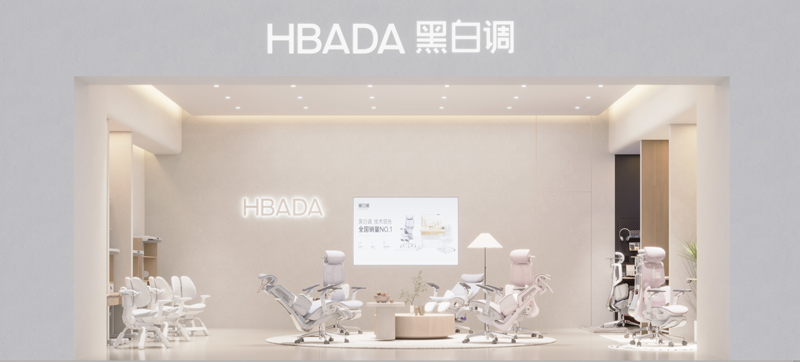
黑白调作为国内最早的一批聚焦互联网健康家具的品牌之一,多年来在天猫、京东等电商平台渠道,已经积累了深厚的市场基础与用户口碑。从2020年开始,随着公众健康需求不断升级,黑白调启动线下布局,通过增强产品的体验性,进一步精准匹配消费者的个性化需求。这也带动了人体工学椅行业从“线上”到“线上+线下”的渠道变革。

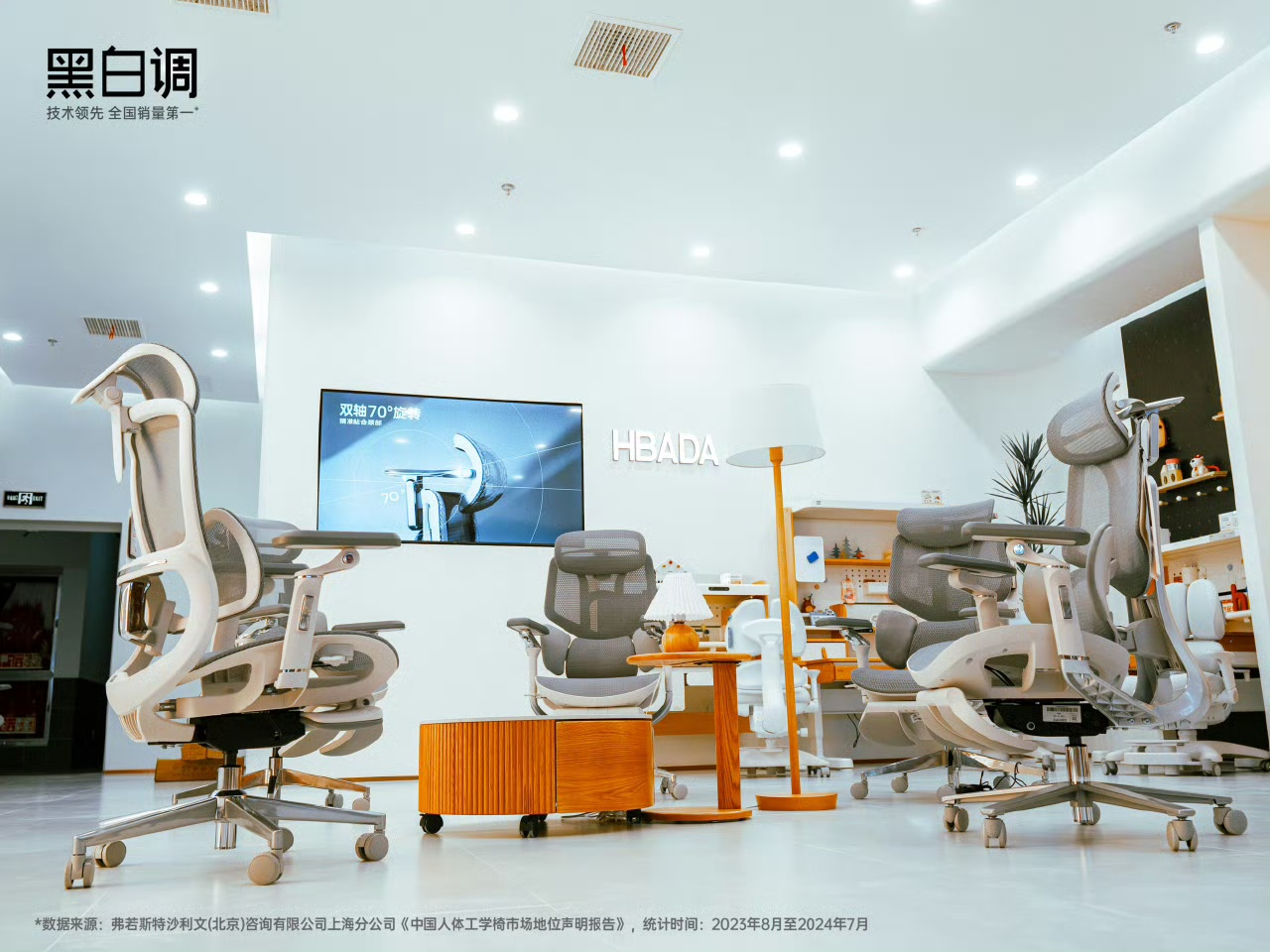
在线下门店,黑白调除展示人体工学椅、电动升降桌等产品外,还配备了专业人员,开展脊柱健康相关科普,并提供“一对一调节指导+长时间试坐”的现场服务。黑白调门店会针对不同用户的身高、体重、腰腹曲线等特征,在椅背角度、腰托位置、支撑力度等方面,提供个性化调节指导、制定个性化方案等;同时,店内还提供家庭、游戏、办公等多个场景的沉浸式体验,让顾客可以在现场长时间模拟体验实际使用的感受。

在销售服务方面,黑白调线下门店,提供与线上渠道一致的配送、安装服务,并建立用户档案,做定期的使用体验回访等,形成了“售前体验-售中指导-售后跟进”的全周期关怀。

通过这种体验式购买、全周期关怀的门店模式,黑白调把单纯的“购物”变成了“健康管理”。

而依托线下门店收集的用户体型数据、坐姿反馈、功能需求等信息,黑白调将其反哺给研发端,又形成了“用户需求-门店反馈-产品迭代”的研发闭环。

作为 “人体工学椅全国销量第一” 的品牌,黑白调目前已在北京、上海、杭州、深圳、成都等全国20+核心城市布局超200家线下门店。截至2025年9月,黑白调已构建起覆盖全国主要城市群的线下门店网络,不仅包括一线城市核心商圈,还深入二三线城市,形成了“核心城市精品店+区域覆盖店”的立体布局。

【版权提示】亿邦动力倡导尊重与保护知识产权。未经许可,任何人不得复制、转载、或以其他方式使用本网站的内容。如发现本站文章存在版权问题,烦请提供版权疑问、身份证明、版权证明、联系方式等发邮件至run@ebrun.com,我们将及时沟通与处理。

已点赞

+1

{{ praise_text }}

好文章,值得被更多人看到

FAQ回顾

黑白调人体工学椅线下门店提供哪些特色服务?

黑白调线下门店提供脊柱健康科普、一对一调节指导、长时间试坐体验,并根据用户身高体重等特征制定个性化方案,覆盖家庭、游戏、办公等多场景沉浸式体验。

黑白调线下门店的布局策略和规模如何?

截至2025年9月,黑白调已在北京、上海、杭州等20多个核心城市布局超200家门店,形成一线城市核心商圈与二三线城市覆盖的立体网络,计划年底前再增近十家新店。

黑白调如何通过线下门店实现研发闭环?

黑白调将门店收集的用户体型数据、坐姿反馈和功能需求反哺研发端,形成“用户需求-门店反馈-产品迭代”的闭环,推动产品精准匹配个性化需求。

广告

下一篇

征集报名《品牌数字化服务商资源手册》

《品牌数字化服务商资源手册》展示数字化服务商风采,亿邦全年零售大会通发,触达更多资源,马上加入!

马上入驻

中国电车闯“拉美 ”滴滴要当最佳助攻

准确来说,是滴滴给墨西哥带来了500台国产电动车。这是滴滴在拉美推出的首个标准化专车品类,车子来自广汽埃安、江汽集团等中国本土品牌。