



• 亿邦公众号
    • APP下载

唯品会与众多“顶流”质检机构深化合作 推动商品质量标准建设

作者:龚作仁 文章来源:Laborer

2025-10-29 14:58

作者:龚作仁 文章来源:Laborer

2025-10-29 14:58

邦小白快读

EN
全文速览

总:唯品会深化质检合作提升商品质量体系。

1.10月28日宣布与16家国内头部检验检测机构如中国检验认证集团深化合作,完善质量管理体系和建设商品品质分级评价体系。

2.质检做法包括神秘买家下单抽检商品和深入仓库源头检验,监督原材料、生产工艺和成品。

3.推动团体标准制定,如服装环保染料、美妆成分安全、家居耐用性等关键指标。

4.加强数字化质检协同生态,实现线上化精准管理。

5.10月22日与中检合作,奢侈品全检并覆盖鉴定报告案例展示正品保障。

总:具体质检和标准应用干货。

1.质检确保商品安全性能、内在质量和外观标识符合要求。

2.品质分级体系旨在守卫消费者体验和市场信任。

3.供应链负责人张剑强调标准化对电商效率提升。

总:质检合作强化品牌信任和产品研发支持。

1.唯品会深化合作推动品牌营销,通过权威质检提升正品形象和消费者信心。

2.团体标准制定指导产品研发,如环保染料、成分安全性等关键参数规范设计。

3.品牌渠道建设受益于数字化质检协同生态,确保商品合规和用户行为观察(质量偏好)保障销售趋势。

总:消费趋势和质量保障机遇。

1.质检事件应对市场信任需求,支持品牌在电商竞争中的价格策略稳定。

2.用户行为变化如追求正品,通过奢侈品的全检案例提供背书启示。

3.供应链服务负责人张秋茹观点强调质量作为品牌增长核心。

总:质检事件带来增长机会和风险应对启示。

1.政策解读:唯品会深化质检合作政策支持卖家合规入驻,减少质量风险提示。

2.市场机会:参与团体标准制定可学习点,如针对服装、美妆标准调整商品策略。

3.事件正影响增强消费者信任驱动销售增长,负影响忽略质检可能面临平台处罚。

总:合作模式和扶持政策干货。

1.最新商业模式:与质检机构共建平台,如奢侈品的全检创新模式提供合作方式启示。

2.风险规避:仓库源头检验做法建议卖家强化质量控制以应对平台抽检。

3.广东质检院负责人黄雅玫观点强调中立监督作为机会基础。

总:质检标准指导生产设计和数字化转型。

1.产品生产需求:原材料、工艺和成品检验规范,如服装环保要求改进制造流程。

2.商业机会:团体标准制定启示工厂参与新标准(如耐用性)开发适应电商需求。

3.数字化启示:质检协同生态推动工厂推进数字化管理提升效率。

总:电商合作和质量控制干货。

1.生产启示:唯品会品质分级评价体系引导设计适应市场趋势。

2.机会案例:奢侈品全检做法提示工厂在高端产品线强化检测。

3.供应链部张剑观点强调数字化质检作为工厂电商升级支撑。

总:行业趋势和新技术应用干货。

1.发展趋势:电商质量管控增强,唯品会合作案例展示检验检测需求上升。

2.新技术:数字化线上化质检协同生态引入大数据能力提升精准检测效率。

3.客户痛点:解决消费者质量风险担忧,如美妆成分安全通过标准制定缓解。

总:解决方案和服务机遇。

1.质检机构专业能力提供解决方案案例,如中检奢侈品全检覆盖报告模式。

2.服务痛点:高效检测实践启示服务商开发类似合作方式支持电商平台。

3.合作观点:黄雅玫强调中立公正原则作为服务基础。

总:平台新举措强化招商和运营管理。

1.商业需求:唯品会深化合作应对质量保障需求,如奢侈品全检吸引高端商家招商。

2.最新做法:建设品质分级评价体系推动数字化质检协同生态优化运营。

3.风险规避:源头检验和标准制定减少平台商品违规风向。

总:平台管理创新干货。

1.运营管理:供应链全链路管理提升效率,如神秘买家抽检机制。

2.平台动向:共建标准体系支持商家合作方式简化。

3.张秋茹观点强调质量管控作为平台信任基础。

总:产业新动向和政策启示干货。

1.新动向:电商与质检机构深度合作模式,如唯品会品质标准共创平台推动行业创新。

2.新问题:商品品质分级评价体系构建挑战,研究数据标准制定(如服装环保)应用。

3.政策建议:团体标准启示法规完善支持行业规范。

总:商业模式和研究点细节。

1.商业模式创新:奢侈品仓入驻鉴定师案例展示电商正品保障新方式。

2.研究启示:数字化质检协同生态提供趋势案例供分析。

3.代表观点:张剑和张秋茹论述质量作为高质量发展支撑。

声明:快读内容全程由AI生成,请注意甄别信息。如您发现问题,请发送邮件至 run@ebrun.com 。

我是 品牌商 卖家 工厂 服务商 平台商 研究者 帮我再读一遍。

Quick Summary

Vipshop is enhancing its quality control system through deeper collaborations with inspection agencies.

1. On October 28, the company announced strengthened partnerships with 16 leading domestic inspection institutions, including China Certification & Inspection Group, to improve its quality management framework and develop a product grading system.

2. Inspection methods include mystery shopping for random sampling and warehouse-level checks covering raw materials, production processes, and finished goods.

3. Vipshop is promoting industry standards for key metrics such as eco-friendly dyes in apparel, cosmetic ingredient safety, and home product durability.

4. The platform is building a digital quality control ecosystem to enable precise online management.

5. On October 22, Vipshop partnered with CCIC to implement full inspection for luxury goods, with authentication reports displayed to assure authenticity.

Key takeaways on quality control and standards:

1. Inspections ensure product safety, intrinsic quality, and labeling compliance.

2. The grading system aims to protect consumer experience and market trust.

3. Supply chain lead Zhang Jian emphasized that standardization boosts e-commerce efficiency.

Vipshop’s quality control collaborations strengthen brand trust and support product development.

1. Partnerships with authoritative inspection bodies enhance brand marketing by reinforcing authenticity and consumer confidence.

2. Industry standards guide R&D, with parameters like eco-friendly dyes and ingredient safety informing design.

3. Brands benefit from the digital inspection ecosystem, ensuring compliance and enabling sales trend analysis through user quality preferences.

Consumer trends and quality assurance opportunities:

1. Quality initiatives address market trust needs, stabilizing brands’ pricing strategies amid e-commerce competition.

2. Full luxury inspections provide a blueprint for brands to leverage growing consumer demand for authenticity.

3. Supply chain lead Zhang Qiuru highlights quality as a core driver of brand growth.

Vipshop’s quality control initiatives present growth opportunities and risk mitigation insights for sellers.

1. Policy support simplifies compliant onboarding while reducing quality-related risks.

2. Sellers can align product strategies with emerging standards for apparel and cosmetics.

3. Positive impacts include boosted consumer trust driving sales; neglect may lead to platform penalties.

Partnership models and support mechanisms:

1. Innovative models like full luxury inspections offer collaboration templates.

2. Warehouse-level checks advise sellers to strengthen internal quality controls.

3. Guangdong Inspection Institute’s Huang Yamei emphasizes impartial oversight as a foundation for opportunity.

Vipshop’s quality standards guide production design and digital transformation.

1. Specifications for raw materials, processes, and finished goods (e.g., apparel eco-requirements) refine manufacturing.

2. Factories can participate in developing new standards (e.g., durability) to meet e-commerce demands.

3. The digital inspection ecosystem encourages factories to adopt digital management for efficiency.

E-commerce collaboration and quality control insights:

1. The grading system informs product design aligned with market trends.

2. Luxury inspections highlight the need for enhanced testing in premium product lines.

3. Supply chain lead Zhang Jian notes digital quality control as key to factory e-commerce upgrades.

Industry trends and technology applications in quality control:

1. E-commerce quality demand is rising, as shown by Vipshop’s partnerships.

2. Digital ecosystems leverage big data for precise, efficient inspections.

3. Standards address consumer pain points (e.g., cosmetic safety) to mitigate risks.

Solution and service opportunities:

1. Inspection agencies offer models like CCIC’s full luxury coverage with report displays.

2. Service providers can develop similar partnerships to support e-commerce platforms.

3. Huang Yamei underscores impartiality as a service foundation.

Vipshop’s initiatives strengthen merchant recruitment and operational management.

1. Quality assurances (e.g., luxury inspections) attract high-end brands.

2. The grading system and digital ecosystem optimize operations.

3. Source inspections and standards reduce compliance risks.

Platform management innovations:

1. Full supply-chain management (e.g., mystery shopping) boosts efficiency.

2. Co-developed standards simplify merchant collaboration.

3. Zhang Qiuru positions quality control as the bedrock of platform trust.

Industry developments and policy implications:

1. E-commerce and inspection agency collaborations (e.g., Vipshop’s standard-setting platform) drive innovation.

2. Challenges include building grading systems and applying data standards (e.g., apparel sustainability).

3. Industry standards inform regulatory improvements for sector normalization.

Business models and research angles:

1. Luxury authentication with in-house inspectors exemplifies new authenticity guarantees.

2. Digital inspection ecosystems offer case studies for trend analysis.

3. Zhang Jian and Zhang Qiuru frame quality as foundational to high-quality development.

Disclaimer: The "Quick Summary" content is entirely generated by AI. Please exercise discretion when interpreting the information. For issues or corrections, please email run@ebrun.com .

I am a Brand Seller Factory Service Provider Marketplace Seller Researcher Read it again.

10月28日,特卖电商唯品会宣布,与中国检验认证集团、广东产品质量监督检验研究院、宁波海关技术中心、广州检验检测认证集团有限公司、深圳市计量质量检测研究院、浙江方圆检测集团股份有限公司等16家国内头部检验检测认证机构深化合作,旨在在第三方权威机构的监督与专业赋能之下,进一步完善唯品会商品质量管理体系,推动“唯品会商品品质分级评价体系”的建设。

据了解,从成立以来,唯品会即在商家入驻资质审核、商品质检、质量管理体系认证、商家质量标准培训等多方面与第三方质检机构保持着紧密合作。以商品质检为例,权威质检机构既作为神秘买家下单抽检平台商品,同时也深入仓库,从源头对商品质量进行检验。对原材料、生产工艺、成品检验等关键节点进行监督检测,确保商品安全性能、内在质量、标识外观等各个维度均符合质量要求。

唯品会供应链服务与治理体验部负责人张剑介绍,此次唯品会与众多质检“顶流”机构深化合作,一方面希望加速唯品会“品质标准共创平台”的建设,针对服装的环保染料、美妆的成分安全性、家居的耐用性等关键指标,推动制定团体标准,建立健全“唯品会商品品质分级评价体系”。另一方面,也意在加强唯品会质量管控大数据能力,结合检测机构的专业技术水平,实现“数字化、线上化质检协同生态”,推动质量管控的精准化与高效化。
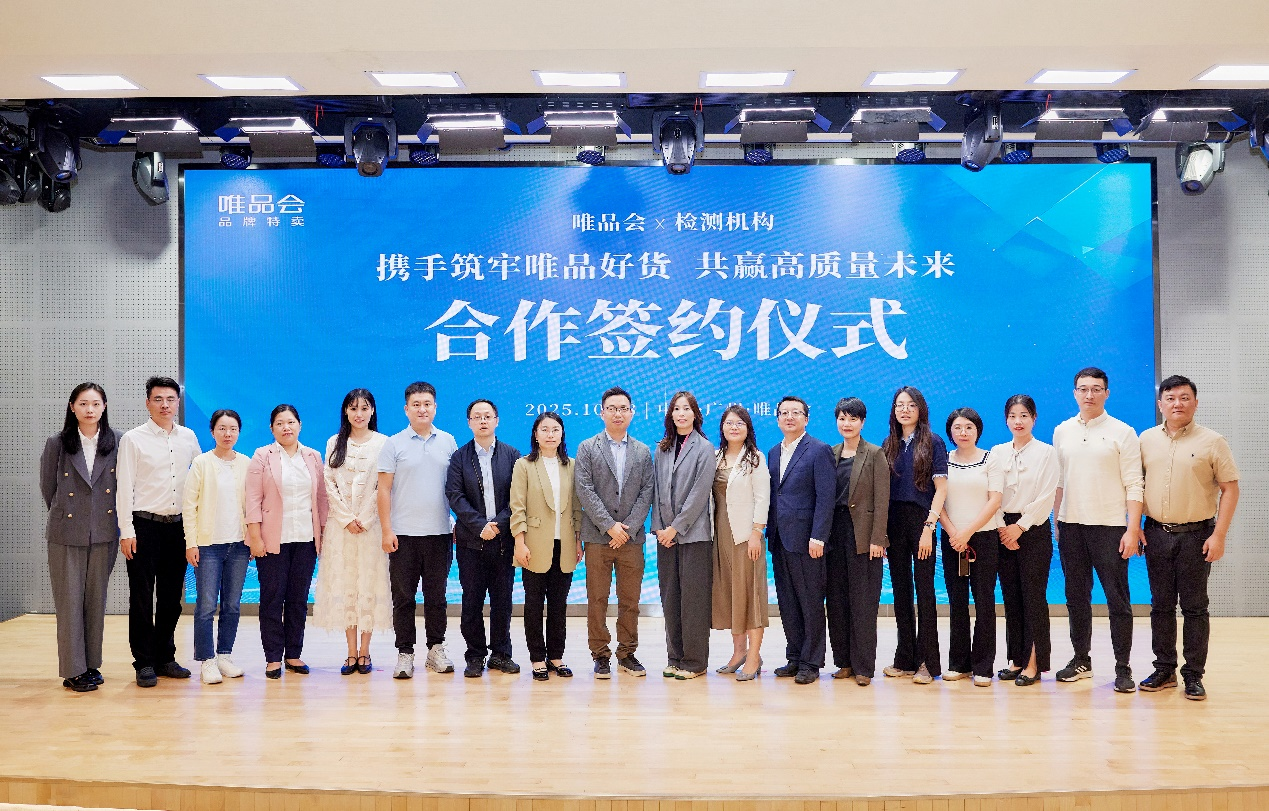
唯品会供应链平台治理部负责人张秋茹认为,在整个质量体系全链路管理中,对商品进行专业、高效、精准的检验检测,不仅是商品合规的核心保障,也是唯品会守卫消费者体验、赢得市场信任、追求高质量发展的关键支撑。

广东产品质量监督检验研究院业务部部长黄雅玫表示,广东质检院始终坚守“中立、公正、严谨”的原则,不偏袒、不妥协。以专业能力对电商平台进行行之有效的监督与检验检测,为消费者规避质量风险,推动行业高质量发展。

值得一提的是,10月22日,唯品会与中国中检共同宣布,中检将选派鉴定师入驻唯品会奢侈品仓,对奢侈品全检,并逐步实现鉴定报告全覆盖。这被业内人士视为电商行业首创,也展示了唯品会在保障正品、提升商品质量方面的决心。

注:文/龚作仁,文章来源:Laborer,本文为作者独立观点,不代表亿邦动力立场。

【版权提示】亿邦动力倡导尊重与保护知识产权。未经许可,任何人不得复制、转载、或以其他方式使用本网站的内容。如发现本站文章存在版权问题,烦请提供版权疑问、身份证明、版权证明、联系方式等发邮件至run@ebrun.com,我们将及时沟通与处理。

已点赞

+1

{{ praise_text }}

好文章,值得被更多人看到

FAQ回顾

唯品会与哪些质检机构深化合作以提升商品质量?

唯品会与中国检验认证集团、广东产品质量监督检验研究院、宁波海关技术中心等16家国内头部检验检测认证机构深化合作,共同完善商品质量管理体系。

唯品会商品品质分级评价体系包含哪些关键指标?

该体系针对服装环保染料、美妆成分安全性、家居耐用性等关键指标推动制定团体标准,旨在实现商品质量的分级评价与精准管控。

唯品会如何通过合作实现数字化质检协同?

唯品会结合检测机构专业技术,加强质量管控大数据能力,构建数字化、线上化质检协同生态,提升质量管控的精准性与效率。

广告

下一篇

跨境电商资源对接

《全球跨境电商服务商资源手册》第二期手册现已发布,触达更多资源,了解跨境服务商信息,欢迎点击链接下载。

了解详情

京东外卖:要对标快驴了

开始了,要开始了,近日京东外卖核心人员都在密集前往北京,对标快驴做餐饮b2b,准备给商家供货,首站北京。










