



• 亿邦公众号
    • APP下载

运行满一年,杭州这项全国唯一“一点退全国” 跨境电商跨关区退货新政成效如何?

作者:中国跨境电商综合实验区 文章来源:全球跨境电商知识服务中心

2024-10-22 09:41

作者:中国跨境电商综合实验区 文章来源:全球跨境电商知识服务中心

2024-10-22 09:41

邦小白快读

EN
全文速览

本文核心介绍了全国唯一试点、运行满一年的杭州跨境电商“一点退全国”跨关区退货新政的基本情况与成效,干货信息如下:

1. 新政解决了原有退货规则的痛点,原来消费者退跨境保税商品必须退回原发货地仓库,现在全国所有跨境保税进口退货都可以统一退到杭州综试区的退货中心仓,普通消费者退货更方便,退款速度也更快。

2. 试点一年的核心数据:杭州海关累计监管全国退货商品11.34万件,货值3322.72万元,退货仓从初始100多平米扩大10倍,高峰期单日可处理2000多个退货包裹。

3. 退货商品按规范分类处理,残次品销毁或退运出境,无质量问题商品留待后续处理,海关通过全链条数字化管理兼顾监管效率与合规,目前杭州已推出10项措施推广该模式,未来跨境网购退货会更加便利。

本文介绍的跨关区退货新政,能帮助布局跨境进口业务的品牌商解决运营痛点,优化品牌发展,核心干货如下:

1. 当前消费趋势显示,跨境网购渗透率不断提升,消费者退货需求持续增长,原有退货规则要求品牌在各个发货地单独建设退货仓,大幅拉高人力物力成本,还会因为退货流程慢影响消费者体验,损害品牌口碑。

2. 新政打破地域限制,全国退货可统一退入杭州退货中心仓,不需要在多布局退货仓,能有效降低运营成本,目前试点企业已经在退货环节节约成本超300万元,品牌可将节省的资金投入产品研发和品牌营销。

3. 新模式提升消费者退货退款效率,改善购物体验,有助于提升品牌复购率与口碑,杭州已将推广该试点纳入支持跨境电商高质量发展10项措施,未来品牌布局全国跨境业务的成本会进一步降低。

本文解读了杭州试点的全国唯一跨境电商“一点退全国”退货新政,给跨境进口卖家明确了政策红利与发展机会,核心干货如下:

1. 新政核心内容打破了原有规则限制,原要求退货商品必须返回原发货海关特殊监管区域,新模式允许全国的跨境进口退货统一退入杭州综试区退货中心仓,海关通过全链条数字化闭环管理,实现了“管得住”和“通得快”的平衡。

2. 新政给卖家带来明确利好:不需要在多个发货地布局建设退货仓,减少了前期人力物力投入,试点企业运行一年已经节约退货成本超300万元,同时消费者退货流程更短、退款更快,能提升卖家店铺的用户体验,带动转化率和复购率增长。

3. 机会与风险提示:杭州已经明确将推广该试点纳入跨境电商支持措施,未来模式大概率逐步向更大范围推广,卖家可提前对接试点资源,优化自身退货流程,规避原有模式的高成本风险,抓住行业发展新机会。

本文介绍的“一点退全国”退货新模式,给做跨境电商相关业务的工厂带来了新商业机会与转型启示,核心干货如下:

1. 新模式降低了跨境电商行业的整体运营成本,有助于推动跨境进口行业规模扩大,带动进口商品市场需求增长,给对接跨境电商渠道的生产工厂带来更多订单机会,拓展了工厂的业务增长空间。

2. 畅通的集中退货模式,能帮助工厂更便捷地处理退回商品:残次品可以集中销毁或退运,没有质量问题的商品可以快速重新进入流通渠道,有效降低工厂的库存损耗,减少不必要的成本浪费。

3. 该模式依托跨区域、跨部门的系统互联互通与全周期数字化管理实现高效运行,给布局跨境业务的工厂带来启示,需要加快自身数字化改造,打通与电商平台、海关的信息链路,提升运营效率,适应跨境电商新业态的发展要求,后续杭州还会持续深化改革,行业发展环境会进一步优化。

本文介绍的跨境电商跨关区退货试点,给跨境电商相关服务商明确了行业痛点、可行方案与发展趋势,核心干货如下:

1. 明确了行业普遍存在的客户痛点:随着跨境电商进口业务全国化布局,原有退货规则要求企业在每个发货关区都建设退货仓,大幅拉高企业运营成本,同时延长消费者退货退款时间,影响用户体验,是全行业都需要解决的共性痛点。

2. 验证了可行的解决方案:“一点退全国”模式通过集中退货+全链条数字化监管,有效解决了该痛点,试点一年已经积累了成熟的运行经验,累计监管退货11.34万件,货值3322.72万元,帮助企业节约成本超300万元,模式可行性已经得到实践验证。

3. 明确了行业发展趋势:跨境电商新业态对便利化、数字化服务的需求会持续增长,杭州已经将推广该试点纳入支持跨境电商高质量发展的10项措施,未来集中退货、数字化监管相关的服务需求会大幅增长,服务商可以围绕该模式布局相关服务产品,对接行业需求。

本文介绍的跨关区退货新政,给跨境电商平台明确了行业需求,也为平台运营、招商提供了新方向,核心干货如下:

1. 明确了行业对平台的核心需求:随着跨境进口业务发展,商家和消费者对退货便利性的要求越来越高,原有退货模式的关区限制已经成为制约平台业务增长的痛点,平台需要适配新的退货模式优化自身运营流程。

2. “一点退全国”模式为平台提供了成熟的解决方案,平台对接杭州退货中心仓后,不需要协助商家在各地布局退货仓,能降低平台整体运营成本,同时提升消费者退货体验,有助于平台拉新留客,打造差异化服务优势。

3. 平台可借助政策红利获得新增长:目前杭州推出支持跨境电商高质量发展10项措施,大力推广该试点,贸易便利化水平不断提升,平台可以入驻杭州综试区对接试点资源,依托政策吸引力开展招商,扩大平台商家规模,同时需要做好和海关的数字化系统对接,落实监管要求,规避合规风险。

本文介绍的杭州跨境电商“一点退全国”跨关区退货试点,是跨境电商监管制度创新的新实践,对产业和政策研究都有较高价值,核心干货如下:

1. 明确了产业发展的新动向与新问题:随着跨境电商进口业务全国化布局,原有分关区退货的监管制度已经不适应行业发展需求,企业对跨关区集中退货的需求越来越迫切,催生了新的制度创新需求。

2. 总结了新模式的创新成果与实践成效:该模式是全国首个跨关区退货试点,打破了关区地域限制,实现“一点退全国”,通过跨区域系统互联互通打造全链条数字化闭环管理,平衡了监管有效性和贸易便利化,试点一年累计监管退货11.34万件,货值3322.72万元,帮助企业节约成本超300万,还入选了浙江自贸区省级最佳制度创新案例,模式已经得到实践验证。

3. 提出了政策研究的启示:跨境电商新业态发展需要监管制度同步创新,该模式为全国跨境电商监管制度优化提供了可复制的样本,地方可结合自身产业优势探索制度创新,后续杭州还将深化改革构建智慧监管体系,值得研究者持续跟踪。

声明:快读内容全程由AI生成,请注意甄别信息。如您发现问题,请发送邮件至 run@ebrun.com 。

我是 品牌商 卖家 工厂 服务商 平台商 研究者 帮我再读一遍。

Quick Summary

This article outlines the basics and outcomes of Hangzhou’s pioneering "One Entry, National Returns" cross-border e-commerce cross-customs zone returns policy, China’s only pilot program that has now operated for one full year. Key takeaways are as follows:

1. The new policy addresses long-standing pain points of the old return rules. Previously, consumers returning cross-border bonded goods had to send items back to the original departure warehouse. Under the new system, all cross-border bonded import returns from across the country can be sent uniformly to the centralized returns center warehouse in Hangzhou Comprehensive Pilot Zone, making returns much more convenient for consumers and speeding up refund processing.

2. One-year pilot core data: Hangzhou Customs has supervised a cumulative total of 113,400 returned items nationwide, worth 33.23 million yuan. The returns warehouse has expanded 10-fold from its initial 100+ square meters, and can process over 2,000 return packages per day during peak periods.

3. Returned items are processed according to standardized classification: defective products are destroyed or shipped back out of the country, while non-defective items are held for subsequent redistribution. Customs uses full-supply-chain digital management to balance regulatory efficiency and compliance. Hangzhou has already launched 10 measures to scale this model, and cross-border online shopping returns will become even more convenient in the future.

This article explains how the new cross-customs returns policy helps brands with cross-border import operations solve operational pain points and optimize brand growth. Key takeaways are as follows:

1. Current consumer trends show that cross-border online shopping penetration is rising steadily, driving continuous growth in consumer return demand. Under the old rules, brands had to build separate return warehouses at every departure location, which drastically increased labor and infrastructure costs. Slow return processes also hurt consumer experience and damaged brand reputation.

2. The new policy eliminates geographical restrictions: all returns from across the country can be sent to the centralized Hangzhou returns center, so brands no longer need to maintain multiple return warehouses, effectively cutting operational costs. Pilot companies have already saved more than 3 million yuan in return-related costs, which brands can redirect to product R&D and brand marketing.

3. The new model improves return and refund speed, enhances shopping experience, and helps boost brand repeat purchase rates and reputation. Hangzhou has included scaling this pilot in its 10 measures to support high-quality cross-border e-commerce development, and the cost of expanding national cross-border operations for brands will fall further going forward.

This article breaks down Hangzhou’s unique national pilot "One Entry, National Returns" cross-border e-commerce returns policy, and outlines the policy dividends and growth opportunities for cross-border import sellers. Key takeaways are as follows:

1. The core of the new policy breaks limits of old rules, which required returned goods to be sent back to the original customs special supervision area of departure. The new model allows all cross-border import returns nationwide to be sent uniformly to the returns center in Hangzhou Comprehensive Pilot Zone. Customs uses a closed-loop full-supply-chain digital management system to balance effective regulation and fast clearance.

2. The policy delivers clear benefits to sellers: they no longer need to build and operate return warehouses across multiple departure locations, reducing upfront labor and capital investment. Pilot companies have saved more than 3 million yuan in return costs over one year of operation. At the same time, shorter return processes and faster refunds improve user experience for sellers’ stores, driving growth in conversion and repeat purchase rates.

3. Opportunity and risk note: Hangzhou has explicitly included scaling this pilot in its cross-border e-commerce support measures, and the model will likely be rolled out to a wider area gradually. Sellers can connect with pilot resources in advance, optimize their own return processes, avoid the high cost risks of the old model, and capture new industry growth opportunities.

This article explores the new business opportunities and transformation insights the "One Entry, National Returns" returns model brings to factories engaged in cross-border e-commerce-related business. Key takeaways are as follows:

1. The new model reduces overall operating costs for the cross-border e-commerce industry, helps drive expansion of the cross-border import sector, boosts growing demand for imported goods, and creates more order opportunities for production factories working with cross-border e-commerce channels, expanding factories’ growth space.

2. The streamlined centralized returns model also helps factories process returned goods more efficiently: defective products can be destroyed or returned in bulk, while non-defective products can quickly re-enter distribution channels, effectively reducing factory inventory loss and unnecessary cost waste.

3. The model operates efficiently based on cross-regional, cross-departmental system interconnection and full-lifecycle digital management, which provides a key lesson for factories building cross-border businesses: they need to accelerate their own digital transformation, connect information links with e-commerce platforms and customs, improve operational efficiency, and adapt to the requirements of the new cross-border e-commerce format. Hangzhou will continue to deepen reform going forward, and the industry’s development environment will improve further.

This article outlines industry pain points, viable solutions and development trends for cross-border e-commerce service providers from the new cross-customs returns pilot. Key takeaways are as follows:

1. It clarifies a common industry-wide pain point: as cross-border e-commerce import businesses expand nationally, old return rules require companies to build return warehouses in every departure customs zone, which drastically increases operating costs and extends return and refund waiting times for consumers, hurting user experience. This is a shared problem across the industry that needs to be solved.

2. It validates a workable solution: the "One Entry, National Returns" model, which combines centralized returns with full-supply-chain digital regulation, effectively solves this pain point. The one-year pilot has accumulated mature operating experience, with 113,400 supervised returned items worth 33.23 million yuan, and helped companies cut costs by over 3 million yuan. The model’s feasibility has been verified in practice.

3. It clarifies industry development trends: demand for convenient, digital services from the new cross-border e-commerce format will continue to grow. Hangzhou has included scaling this pilot in its 10 measures to support high-quality cross-border e-commerce development, and demand for services related to centralized returns and digital regulation will grow substantially. Service providers can build new service offerings around this model to meet industry demand.

This article outlines industry demand and new directions for operation and merchant recruitment for cross-border e-commerce platforms from the new cross-customs returns policy. Key takeaways are as follows:

1. It clarifies the core industry demand for platforms: as cross-border import business develops, merchants and consumers have increasingly high requirements for return convenience. The customs zone restrictions of the old return model have become a pain point constraining platform business growth, and platforms need to adapt their operating processes to fit the new return model.

2. The "One Entry, National Returns" model provides platforms with a proven solution. After connecting to the Hangzhou centralized returns center, platforms no longer need to support merchants to build return warehouses across different regions, reducing the platform’s overall operating costs. It also improves consumer return experience, helping platforms acquire and retain users and build differentiated service advantages.

3. Platforms can achieve new growth through policy dividends: Hangzhou has launched 10 measures to support high-quality cross-border e-commerce development and is actively scaling the pilot, with trade facilitation continuing to improve. Platforms can locate in Hangzhou Comprehensive Pilot Zone to access pilot resources, leverage policy incentives for merchant recruitment to expand their merchant base, and at the same time complete digital system integration with customs to meet regulatory requirements and avoid compliance risks.

This article analyzes Hangzhou’s "One Entry, National Returns" cross-customs returns pilot for cross-border e-commerce, a new institutional innovation practice in cross-border e-commerce regulation that holds high value for both industrial and policy research. Key takeaways are as follows:

1. It identifies new trends and emerging problems in industrial development: as cross-border e-commerce import businesses expand nationally, the old regulatory framework of separate returns by customs zone no longer meets industry development needs, and demand from enterprises for cross-customs centralized returns is growing increasingly urgent, driving demand for new institutional innovation.

2. It summarizes the innovative outcomes and practical results of the new model: as China’s first cross-customs returns pilot, the model breaks geographical barriers between customs zones to realize "One Entry, National Returns." It builds a closed-loop full-supply-chain digital management system through cross-regional system interconnection, balancing regulatory effectiveness and trade facilitation. After one year of operation, the pilot has supervised 113,400 returned items worth 33.23 million yuan, helped enterprises save over 3 million yuan in costs, and was selected as one of the best provincial-level institutional innovation cases of the Zhejiang Free Trade Zone. The model’s effectiveness has been verified in practice.

3. It offers insights for policy research: the development of the new cross-border e-commerce format requires synchronized innovation in regulatory systems. This model provides a replicable template for national cross-border e-commerce regulatory optimization, and local regions can explore institutional innovation based on their own industrial advantages. Hangzhou will continue to deepen reform to build a smart regulatory system, which is worth continued tracking by researchers.

Disclaimer: The "Quick Summary" content is entirely generated by AI. Please exercise discretion when interpreting the information. For issues or corrections, please email run@ebrun.com .

I am a Brand Seller Factory Service Provider Marketplace Seller Researcher Read it again.

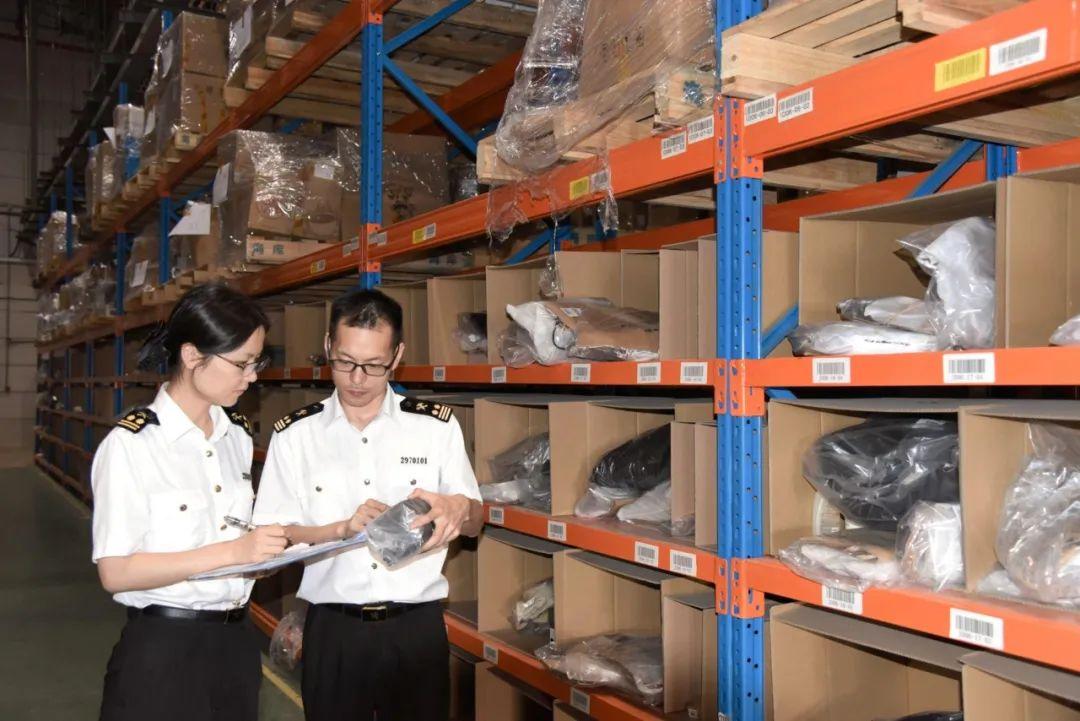
卸货、查验、质检……近日,在杭州跨境电商综试区下沙园区的跨境电商商品退货中心仓里,一批来自全国各地消费者退货的跨境电商商品,正通过杭州海关所属钱江海关关员的现场监管,有序退入仓内。作为全国唯一开展跨境电商零售进口商品跨关区退货试点的海关,一年来,杭州海关共监管来自全国的跨境电商进口退货商品11.34万件,货值3322.72万元。

“跨关区退货新政,让我们处理退货的效率更高、成本更低,消费者的购物体验也能更好。”杭州海库供应链管理有限公司关务负责人周东方表示。
图片

随着越来越多消费者在跨境电商平台购买进口商品,跨境电商进口商品退货需求随之增长。此前,国内消费者下单购买的跨境电商保税进口商品,一般从各地的综合保税区、保税物流中心等海关特殊监管区域发货,电商平台收到消费者的退货申请后,需要在规定时间内将退货商品运到原先发货的海关特殊监管区域。“比如,杭州的消费者购买的跨境电商进口商品,如果是从郑州综保区发货,退货时就要退回到平台设在郑州综保区的仓库,而不能就近退回企业设在杭州的仓库。”周东方说。随着电商平台在全国各地布局跨境电商业务,为了保障消费者的购物体验,企业需要在各个不 同的“发货地”都建设退货仓,由此产生的人力物力投入,成为电商企业发展的一个“痛点”。

图片

服务新业态发展,需要新举措支撑。关注到企业和消费者的诉求后,杭州海关在海关总署指导下,探索优化进口跨境电商商品退货新模式,并于2023年9月作为全国海关唯一试点单位,正式启动跨境电商零售进口商品跨关区退货试点。新模式有效打破地域限制,从全国各地发出的跨境电商零售进口商品,在退货时都可以统一退入杭州跨境电商综试区的退货仓,为消费者提供更便捷的退货服务,也有助于企业降低处理退货的运营成本。“刚开始的时候,我们这个退货中心仓只有100多平米,现在面积扩大了10倍,高峰期一天要处理2000多个包裹。”周东方表示,那些退货商品中品质存在缺陷的残次品将被销毁或退运出境,没有质量问题的商品进入放行区,等待电商平台和供货商下一步处理。

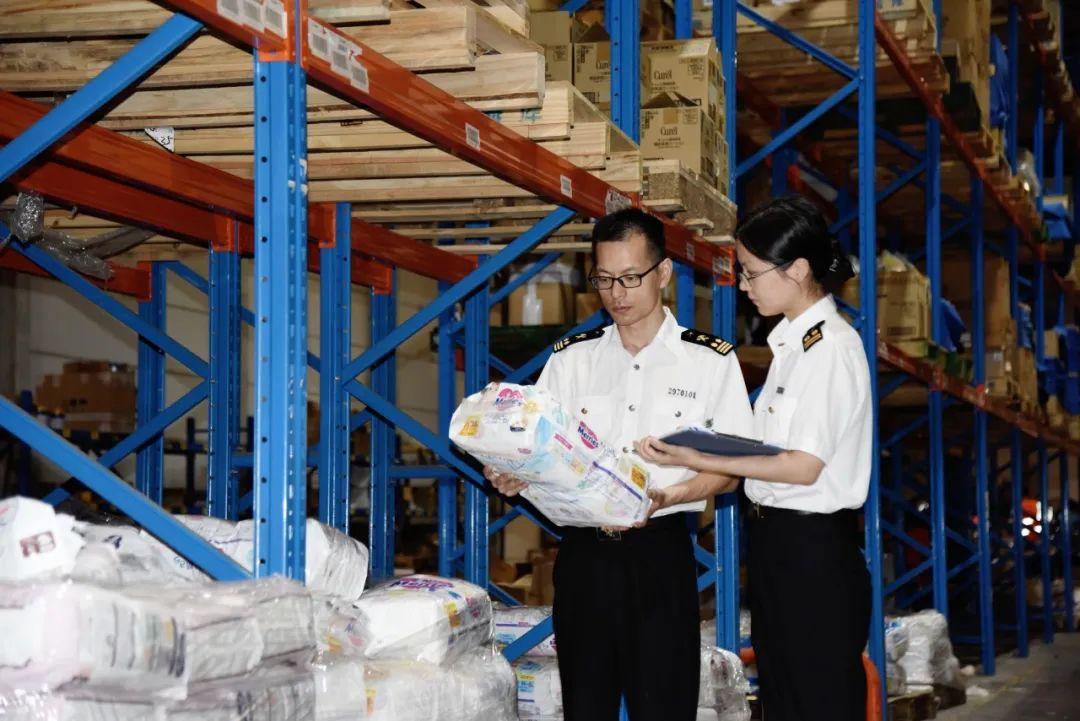
为了保障退货商品既“管得住”又“通得快”,杭州海关深化智慧海关建设,通过科技赋能构建跨境电商退货商品全周期管理。通过推进业务系统互联互通,及时获取来自全国160多个跨境电商综试区的退货商品销售清单等信息,通过数据比对和实物验核,提升退货监管效能。在商品完成退货后,相关信息通过系统自动反馈至发货地海关,实现全链条数字化闭环管理。“新模式运行一年来,我们在退货上节约成本超过300万元。”京东国际物流关务经理师少杰说。
图片

“跨关区退货模式不仅为企业带来利好,对消费者来说,退货更加便捷高效,也能更快收到商品退款。”杭州海关所属钱江海关驻下沙办事处主任王忭说,“同时,我们通过和企业数据对接,也能进一步提高监管便利度,提升跨境电商支撑服务能力。”今年7月,“跨境电商网购保税零售进口商品跨关区退货试点”成功入选2024年浙江自由贸易试验区第一批省级最佳制度创新案例。

“一点退全国”模式,是杭州海关助力跨境电商新业态实现新发展的生动实践。近期,杭州海关结合浙江省跨境电商发展实际,推出了支持跨境电商高质量发展10项措施,从模式创新、服务能力提升、监管制度优化等多维度提升跨境电商贸易便利化水平,“推广跨境电商退货‘一点退全国’试点”就是其中一项。接下来,杭州海关将持续深化改革创新,积极构建更加安全、便利、高效的跨境电商新业态智慧监管体系,加力推动跨境电商高质量发展。

注:文/中国跨境电商综合实验区,文章来源:全球跨境电商知识服务中心,本文为作者独立观点,不代表亿邦动力立场。

【版权提示】亿邦动力倡导尊重与保护知识产权。未经许可,任何人不得复制、转载、或以其他方式使用本网站的内容。如发现本站文章存在版权问题,烦请提供版权疑问、身份证明、版权证明、联系方式等发邮件至run@ebrun.com,我们将及时沟通与处理。

已点赞

+1

{{ praise_text }}

好文章,值得被更多人看到

FAQ回顾

什么是跨境电商跨关区退货新政?

跨境电商跨关区退货新政是杭州海关于2023年9月推出的全国唯一试点政策,允许消费者将全国各地购买的跨境电商进口商品统一退回杭州跨境电商综试区退货仓,打破地域限制。

跨关区退货政策为企业带来哪些效益?

该政策使企业无需在不同发货地建设退货仓,京东国际物流表示一年节约成本超300万元,退货处理效率提升,高峰期日处理2000多个包裹。

杭州海关如何监管跨关区退货商品?

杭州海关通过智慧海关系统对接全国160多个跨境电商综试区数据,进行数据比对和实物验核,实现退货商品全链条数字化闭环管理。

广告

下一篇

跨境电商资源对接

《全球跨境电商服务商资源手册》第二期手册现已发布,触达更多资源,了解跨境服务商信息,欢迎点击链接下载。

了解详情

30元一杯星巴克 卷不过县城瑞幸们

“十一”假期前夕,河北一个常住人口不到80万的县城,迎来第一家星巴克开业。

品牌故事 咖啡 未来零售

2024-10-22 08:30:00










