



• 亿邦公众号
    • APP下载

各地跨境网购商品都能在杭州退货,“一点退全国”模式为企业节约百万元成本

作者:中国跨境电商综合实验区 文章来源:全球跨境电商知识服务中心

2024-10-21 10:32

作者:中国跨境电商综合实验区 文章来源:全球跨境电商知识服务中心

2024-10-21 10:32

邦小白快读

EN
全文速览

本文核心介绍了杭州试点的跨境网购“一点退全国”跨关区退货新模式,核心干货如下

1. 原来的跨境网购保税退货规则要求商品退回原发货关区,不少小体量保税仓不支持已拆封的客退商品,消费者不仅退货范围受限,还经常要等待很长时间才能收到退款,体验很差

2. 新模式落地后,全国各地消费者退回的跨境网购商品,都可以统一退到杭州综合保税区集中处理,消费者退货范围放宽,也能更快收到退款,售后体验提升明显

3. 截至今年7月底,该试点已经验放退货商品10.5万件,货值3089万元,模式运行成熟稳定,现在普通海淘用户都可以享受这一模式带来的便利

本文介绍的“一点退全国”新模式,能帮助跨境品牌解决售后痛点,优化运营,提升品牌竞争力,相关干货如下

1. 原有“原进原出”退货模式下,品牌需要在多个关区布局建设退货仓,因为退货零散,仓库整体利用率低,大幅推高了售后运营成本,同时部分小保税仓不支持客退,会导致用户体验差,影响品牌口碑与复购

2. 新模式下品牌可将全国范围的退货集中到杭州综保区处理,通过人力物力的集约利用,有效降低退货处置的运营成本,同时支持全类型退货,能提升消费者购物信心,改善品牌口碑

3. 试点数据显示,该模式已经帮助企业降低直接运营成本上百万元,模式成熟稳定,品牌可依托该模式优化全国售后布局,提升自身市场竞争力

本文介绍了浙江自贸试验区杭州试点的“一点退全国”跨境电商跨关区退货新政策,给跨境卖家带来明确的机会与利好,干货如下

1. 政策核心内容:原有规则要求跨境保税退货必须退回原发货关区,新模式放开限制,全国所有跨境电商网购保税零售进口退货,都可以集中退到杭州综合保税区统一处理

2. 机会与利好:卖家不需要再投入成本在多个关区布局退货仓,减少了固定投入,集约处理退货也能降低日常运营成本,同时解决了原来部分保税仓不支持客退的问题,减少用户投诉与纠纷,提升店铺权重与用户信任

3. 该试点运行接近一年,已经验证模式成熟可行,累计帮助企业降本百万元,卖家可主动对接杭州当地退货中心仓资源,优化自身售后体系,降低运营成本

本文介绍的“一点退全国”跨境电商退货新模式,给开展跨境业务的工厂带来新的商业机会与转型启示,干货如下

1. 新模式解决了跨境电商进口行业长期存在的退货痛点,能够推动跨境网购进口行业的整体发展,扩大进口商品的消费需求,给做进口商品代加工、为跨境品牌供货的国内工厂带来更多订单机会

2. 该模式本身是海关监管数字化创新的成果,通过技术手段实现了不同关区间的数据安全互通与监管协同,这启示开展跨境业务的工厂,要加快自身数字化转型,适配跨境电商新的监管与运营要求,才能更好的享受政策红利,拓展业务

3. 新模式带动了杭州综保区跨境售后基础设施的完善,工厂开展跨境业务时,可以依托当地成熟的集中退货服务,降低自身售后运营成本,把更多精力投入到产品生产与设计升级中

本文的内容反映了跨境电商售后领域的行业痛点、发展趋势,给相关供应链、仓储服务商指明了业务方向,干货如下

1. 当前行业核心痛点:原有原进原出退货模式下,电商企业需要在多个关区布局退货仓,投入大利用率低,运营成本高,消费者退货难,行业对集中化退货处理有非常强烈的需求,同时跨关区退货存在数据连通、监管协同的技术难题,需要成熟的解决方案

2. 行业发展趋势:跨境电商行业正在走向集约化运营,售后仓储物流也会向区域集中处理的方向发展,给仓储、供应链服务商带来了新的增量业务机会

3. 杭州试点已经验证了“一点退全国”模式的可行性,相关服务商可以参考该模式,在核心保税区域布局区域集中退货中心仓,对接电商平台、品牌商家的需求,拓展新的盈利增长点,抢占市场先机

“一点退全国”跨关区退货新模式解决了跨境电商平台售后运营的核心痛点,给平台运营、招商带来新的方向,干货如下

1. 新模式解决了平台原有退货模式的核心问题,原有模式下平台需要在多个关区布局退货仓,固定投入大,仓库利用率低,推高了整体运营成本,同时部分小保税仓不支持客退,容易引发用户投诉,影响平台口碑,新模式下集中退货可以大幅降低运营成本,提升用户体验

2. 平台可以依托该模式优化自身售后运营体系,对接杭州综保区的退货中心仓资源,还可以把“全国便捷退货”作为平台卖点,吸引更多消费者和品牌商家入驻,提升平台招商竞争力

3. 该模式涉及跨关区数据互通和监管协同,平台需要严格对接海关监管要求,做好数据合规与安全工作,规避监管风险,目前试点已经验证了合规方案的可行性,模式具备复制推广的条件

本文介绍的“一点退全国”模式是我国跨境电商监管领域的重要制度创新,反映了产业发展新动向,具备较高的研究价值,干货如下

1. 产业新动向:近年来我国跨境网购保税零售进口规模不断增长,退货量也持续提升,原有“原进原出”的退货监管模式已经无法适配产业发展的需求,制度创新呼之欲出,“一点退全国”就是响应产业需求诞生的新机制

2. 该创新的核心经验:通过技术升级实现不同关区间的安全数据互通,建立跨关区监管结果互认的协同机制,解决了跨关区退货的数据安全、监管责任划分两大核心问题,为我国跨境电商监管创新提供了典型案例

3. 试点结果验证该模式一年可帮助企业降低直接运营成本上百万元,证明制度创新可以有效降低产业运营成本,推动行业发展,为后续该模式在全国推广提供了实践基础,也为其他跨境电商领域的监管创新提供了参考方向

声明:快读内容全程由AI生成,请注意甄别信息。如您发现问题,请发送邮件至 run@ebrun.com 。

我是 品牌商 卖家 工厂 服务商 平台商 研究者 帮我再读一遍。

Quick Summary

This article introduces the new "One Exit for National Returns" cross-customs district cross-border online shopping returns model being piloted in Hangzhou, with key takeaways as follows:

1. Under the old rules for cross-border online shopping bonded returns, goods were required to be returned to the original issuing customs district. Many small bonded warehouses do not accept opened returned goods, leaving consumers with limited return eligibility, long refund waiting times and poor overall experience.

2. Under the new model, all cross-border online shopping returns from consumers across China can be shipped collectively to Hangzhou Comprehensive Bonded Zone for centralized processing. Consumers now enjoy expanded return eligibility, faster refunds and significantly improved after-sales experience.

3. By the end of July this year, the pilot had processed 105,000 returned items worth 30.89 million yuan. The model operates reliably and maturely, and all ordinary cross-border online shoppers can now benefit from its convenience.

This article introduces how the new "One Exit for National Returns" model solves after-sales pain points for cross-border brands, optimizes operations and boosts brand competitiveness, with key insights as follows:

1. Under the old "original entry, original exit" return model, brands were required to build return warehouses across multiple customs districts. Low utilization from scattered returns drove up after-sales operating costs significantly. In addition, many small bonded warehouses do not accept returns, which hurts user experience, harms brand reputation and reduces repeat purchases.

2. Under the new model, brands can centralize all national returns for processing in Hangzhou Comprehensive Bonded Zone. Centralized pooling of labor and resources effectively reduces operating costs for return processing. The model also accepts all types of returns, which boosts consumer confidence and improves brand reputation.

3. Pilot data shows the model has already helped enterprises cut more than 1 million yuan in direct operating costs. The model is mature and stable, and brands can leverage it to optimize their national after-sales layout and enhance market competitiveness.

This article outlines the new "One Exit for National Returns" cross-border e-commerce cross-customs district return policy piloted in Hangzhou under the China (Zhejiang) Pilot Free Trade Zone, which brings clear opportunities and benefits for cross-border sellers, with key takeaways as follows:

1. Core policy content: While the old rules required cross-border bonded returns to be sent back to the original issuing customs district, the new model lifts this restriction, allowing all cross-border e-commerce bonded retail import returns from across the country to be collectively returned to Hangzhou Comprehensive Bonded Zone for unified processing.

2. Opportunities and benefits: Sellers no longer need to invest in building return warehouses across multiple customs districts, cutting fixed capital expenditures. Centralized return processing also reduces daily operating costs. It resolves the longstanding issue of many bonded warehouses refusing to accept returns, reducing user complaints and disputes, boosting store weighting and consumer trust.

3. After nearly one year of operation, the pilot has proven the model is mature and feasible. It has helped enterprises cut cumulative costs by more than 1 million yuan. Sellers can proactively connect with return center warehouse resources in Hangzhou to optimize their after-sales system and reduce operating costs.

The new "One Exit for National Returns" cross-border e-commerce return model brings new business opportunities and transformation insights for factories engaged in cross-border business, with key points as follows:

1. The model solves a longstanding return pain point in the cross-border e-commerce import industry, which will drive overall growth of cross-border online shopping imports and expand consumer demand for imported goods. This will bring more order opportunities to domestic factories that do contract manufacturing for imported goods and supply cross-border brands.

2. The model itself is an outcome of digital innovation in customs supervision. It enables secure data interconnection and regulatory coordination across different customs districts via technical solutions. This provides an important insight for cross-border-focused factories: accelerating your own digital transformation to adapt to new regulatory and operational requirements of cross-border e-commerce is the key to capturing policy dividends and expanding business.

3. The new model has driven improvement of cross-border after-sales infrastructure in Hangzhou Comprehensive Bonded Zone. Factories engaged in cross-border business can leverage the mature centralized return services available locally to cut their own after-sales operating costs, and allocate more resources to product manufacturing and design upgrades.

This article outlines industry pain points and development trends in the cross-border e-commerce after-sales sector, and points out clear business directions for relevant supply chain and warehouse service providers, with key takeaways as follows:

1. Current core industry pain points: Under the old "original entry, original exit" return model, e-commerce companies had to build return warehouses across multiple customs districts, resulting in high upfront investment, low utilization and high operating costs, while consumers struggled with returns. There is strong industry demand for centralized return processing, but cross-customs district returns still face technical barriers related to data connectivity and regulatory coordination that require mature solutions.

2. Industry development trends: The cross-border e-commerce industry is shifting toward intensive operations, and after-sales warehousing and logistics will also move toward regional centralized processing. This creates new incremental business opportunities for warehousing and supply chain service providers.

3. The Hangzhou pilot has already verified the feasibility of the "One Exit for National Returns" model. Relevant service providers can use this model as a reference, build regional centralized return center warehouses in core bonded areas, serve demand from e-commerce platforms and brand merchants, expand new profit growth points and capture first-mover advantage in the market.

The "One Exit for National Returns" cross-customs district return model solves the core after-sales pain point for cross-border e-commerce platforms, and opens up new directions for platform operation and merchant recruitment, with key insights as follows:

1. The new model solves core problems of the old return system. Under the old model, platforms had to build return warehouses across multiple customs districts, leading to high fixed investment, low warehouse utilization and higher overall operating costs. In addition, many small bonded warehouses refused to accept returns, which often triggered user complaints and harmed platform reputation. Centralized returns under the new model significantly reduce operating costs and improve user experience.

2. Platforms can leverage this model to optimize their after-sales operation system by connecting with return center warehouse resources in Hangzhou Comprehensive Bonded Zone. They can also position "convenient national returns" as a core selling point to attract more consumers and brand merchants to settle on the platform, boosting the platform's competitiveness in merchant recruitment.

3. This model requires cross-customs district data interconnection and regulatory coordination. Platforms must strictly align with customs regulatory requirements, ensure data compliance and security to avoid regulatory risks. The pilot has already verified the feasibility of the compliance framework, and the model is ready for replication and broader rollout.

The "One Exit for National Returns" model introduced in this article is an important institutional innovation in China's cross-border e-commerce regulatory space, reflects new industrial development trends and carries high research value, with key takeaways as follows:

1. New industrial trends: In recent years, the scale of China's cross-border online bonded retail imports has continued to grow, driving a steady increase in return volume. The original "original entry, original exit" return regulatory model can no longer meet industrial development needs, creating urgent demand for institutional innovation. "One Exit for National Returns" is a new mechanism developed in direct response to this industrial demand.

2. Core insights from the innovation: This model achieves secure data interconnection across customs districts via technological upgrades, and establishes a coordinated mechanism for mutual recognition of cross-customs regulatory results. It resolves two core challenges for cross-customs returns: data security and division of regulatory responsibilities, providing a representative case for China's cross-border e-commerce regulatory innovation.

3. Pilot results confirm the model can help enterprises cut more than 1 million yuan in direct operating costs annually, proving institutional innovation can effectively reduce industrial operating costs and drive industry development. It provides a practical foundation for the nationwide rollout of the model, and also offers a reference for future regulatory innovation in other cross-border e-commerce sectors.

Disclaimer: The "Quick Summary" content is entirely generated by AI. Please exercise discretion when interpreting the information. For issues or corrections, please email run@ebrun.com .

I am a Brand Seller Factory Service Provider Marketplace Seller Researcher Read it again.

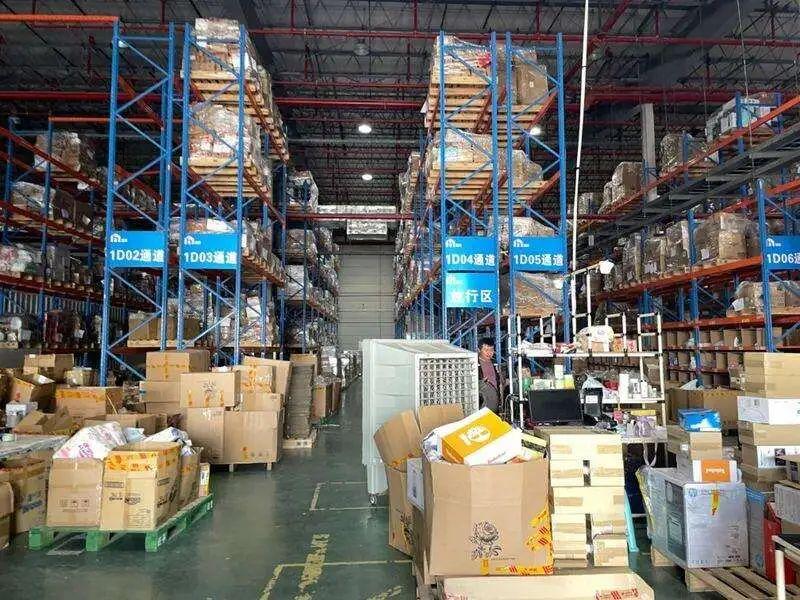
工作日下午3点多,一辆装载着跨境网购商品的货车驶入杭州综合保税区。几分钟后,随着车辆停在杭州海库供应链管理有限公司的退货中心仓门口,眼前1200平方米的空间顿时忙碌起来,卸货、查验、质检……在工作人员执行完入库流程后,这些被海淘用户退回的跨境商品进入放行区,等待电商平台和供货商下一步的处理。


这些商品来自各地不同的关区,根据海关对于跨境电商网购保税零售进口商品退货规定,应退回至发货关区。但如今,消费者购买的跨境商品都可以退回到杭州综合保税区。部分消费者可更快收到退款,企业处理退货的运营成本也在降低,这一改变,源于浙江自贸试验区的一项制度创新——跨境电商网购保税零售进口商品跨关区退货试点(“一点退全国”跨关区退货新模式)。
图片

海库的退货中心仓

自去年9月“一点退全国”模式在杭州试点以来,为海购平台提供仓储发货业务的海库,真切触摸到了这一模式带来的便利。

“一年前,这里存放货物数为0,现在存放了来自各地的14万件商品。”海库重点客户渠道部总监葛海英介绍,因为这一模式,海库服务的电商平台在此建立了区域退货中心仓,将各地关区的退货件运到这集中处理,通过人力物力的集约,降低退货处置的运营成本。

图片

葛海英在查看退货物品

葛海英透露,跨境电商退货分逆退和客退,逆退即订单发出后,客户直接拒收或取消订单,包裹未被拆开,退回流程较简单;客退则是商品被拆开或有使用痕迹,这类需要查验后根据情况处理,流程比较繁琐。对企业来说,以往“原进原出”模式下,电商平台需要在多地综保区建设退货仓,但因退货零散,总体利用率不高,售后成本增加。而对消费者而言,部分小体量保税仓因条件限制,则不支持客退单。

跨关区退货解决了这一痛点,用户退货范围放宽,平台和供应商也能集中力量快速处理退货件。“以前退货中心仓只有100多平方米,现在面积扩大了10倍,每天收到300多件被退回的跨境商品,高峰期一天有2000多件。”葛海英说。

在杭州综保区,“一点退全国”模式为企业带来新气象。回顾诞生过程,从提出想法到落地实践,该模式历经一年多时间,制度、技术上都面临不小难度,钱江海关驻下沙办事处跨境电商监管一科科长潘鹏参与见证了这一过程。
图片

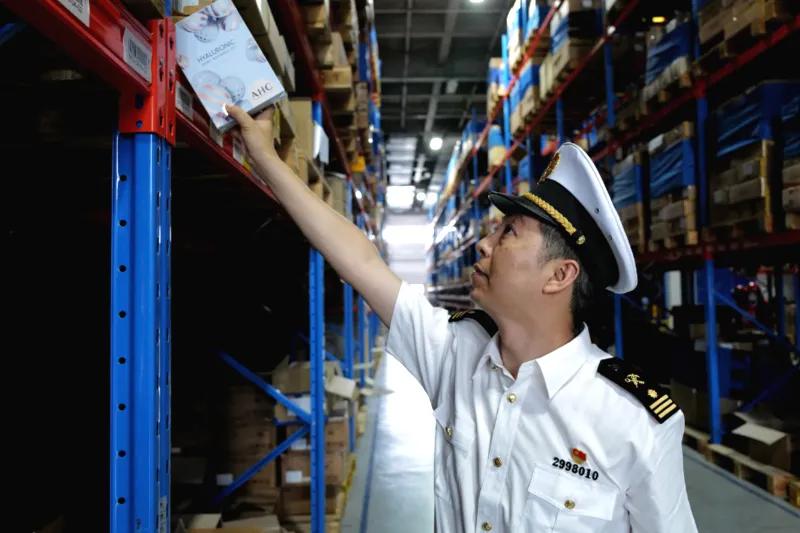
潘鹏在查验货物

“数据的连通是核心,如果把海关数据看成一个大池子,各地海关数据是汇入的小河分支,我们的难点就是如何让小河互通。”潘鹏解释,跨关区退货涉及各关区的商品数据流通,但海关数据中存在大量敏感信息,对安全性要求高,加之各关区系统不同,为连通带来了挑战。而该模式还涉及到监管责任的问题,保税区内的跨境商品在交付国内客户后需缴纳关税,经历“一发一退”后,关税是否缴纳?需要各地与杭州互认结果,实现协同监管。“比如用户从广州仓买的东西要从杭州退回,我们要及时通气,核对商品数据和税收情况。”潘鹏举例。

试点将满一年,“一点退全国”也交出了一份“成绩单”:截至今年7月底,杭州综保区验放了进口跨关区退货商品10.5万件,货值3089万元,帮助区内企业降低直接运营成本上百万元。


注:文/中国跨境电商综合实验区,文章来源:全球跨境电商知识服务中心,本文为作者独立观点,不代表亿邦动力立场。

【版权提示】亿邦动力倡导尊重与保护知识产权。未经许可,任何人不得复制、转载、或以其他方式使用本网站的内容。如发现本站文章存在版权问题,烦请提供版权疑问、身份证明、版权证明、联系方式等发邮件至run@ebrun.com,我们将及时沟通与处理。

已点赞

+1

{{ praise_text }}

好文章,值得被更多人看到

FAQ回顾

什么是跨境电商“一点退全国”跨关区退货新模式?

“一点退全国”是浙江自贸试验区的制度创新,允许消费者将各地购买的跨境网购保税商品统一退至杭州综合保税区处理,改变了以往需退回原发货关区的“原进原出”模式。

跨关区退货模式为企业解决了哪些痛点?

该模式解决了电商平台需在多地建设退货仓导致利用率低、成本高的问题,通过集中处理退货,实现人力物力集约化。试点一年已为企业降低直接运营成本上百万元。

跨关区退货模式在数据连通上面临哪些挑战?

核心挑战是各关区海关系统差异及数据安全要求高,需实现商品数据与税收情况的跨关区互通互认,并建立协同监管机制以确保关税处理准确。

广告

下一篇

跨境电商资源对接

《全球跨境电商服务商资源手册》第二期手册现已发布,触达更多资源,了解跨境服务商信息,欢迎点击链接下载。

了解详情

得物双11再推价优流量包 报名可享千万流量扶持

双11在即,得物再推出价优流量包,商家可用低成本换取高流量,报名可享千万流量扶持,优质商品额外享费率优惠。

电商平台 潮牌 未来零售 得物

2024-10-21 10:24:20









