• 亿邦公众号
    • APP下载

杭州→大阪,跨境电商货物次日达!杭州机场今年首条东亚国际全货机航线开通

作者:中国跨境电商综合实验区 文章来源:全球跨境电商知识服务中心

2024-10-18 17:52

作者:中国跨境电商综合实验区 文章来源:全球跨境电商知识服务中心

2024-10-18 17:52

邦小白快读

EN
全文速览

本文核心信息为杭州今年首条东亚国际全货机航线杭州-大阪正式开通,为跨境电商物流带来重大利好。

1. 航线基础信息:该航线由顺丰航空执飞,计划每周5班,出港货物主要是长三角地区生产的日用品、小电器等跨境电商商品,搭配海关高效通关服务,可实现杭州到大阪跨境货物次日达。

2. 行业整体发展情况:截至目前,浙江全省机场今年共开通国际全货机航线5条、恢复1条,累计运营44条;今年上半年杭州机场进出口跨境电商货物达到5.4万吨,同比增长77.29%。

3. 除东亚航线外,杭州机场今年还开通了杭州-迈阿密全货机航线,复航了杭州往返墨西哥城全货运航线,整体跨境电商出口保持高速增长态势。

杭州-大阪全货机航线的开通,给布局日本市场的各类品牌商带来了新的发展机遇,也释放了跨境电商领域的多个行业信号。

1. 物流渠道升级:新航线实现杭州到大阪跨境货物次日达,搭配高效通关,解决了品牌商做日本市场物流时效慢、用户体验差的痛点,能够帮助品牌提升日本消费者的满意度,强化品牌口碑。

2. 消费趋势明确:上半年杭州跨境电商货量同比增长近八成,东亚、美洲都是增长核心区域,日本市场对中国长三角生产的日用品、小电器需求稳定,品牌商可以针对性加大日本市场的布局力度。

3. 渠道拓展空间大:依托杭州机场不断加密的全球全货机网络,品牌商可以拓展更多国际市场渠道,带动区域品牌出海打开更广阔的增长空间。

杭州-大阪全货机航线的开通,给做跨境电商的卖家带来了明确的市场机会和物流利好,也指明了后续的增长方向。

1. 日本市场增长机会:日本是东亚重要的跨境电商消费市场,新航线实现次日达,相比传统物流时效提升明显,能够帮助做日本站的卖家提升用户好评率,增强产品竞争力,更容易获得平台流量倾斜,拓展市场份额。

2. 物流保障提升:新航线每周5班,运力稳定,主要服务长三角地区卖家,本地卖家发货更加方便,成本也会随着航线常态化运营逐步稳定,降低物流波动带来的经营风险。

3. 行业趋势提示:目前杭州跨境电商出口货量同比增长超七成,除东亚市场外,美洲也是核心增长市场,已经开通多条美洲全货机航线,卖家可以多维度布局高增长市场,分散经营风险。

杭州-大阪全货机航线的开通,给长三角地区的生产制造工厂带来了新的出海商业机会,也为工厂转型发展提供了启示。

1. 产品需求明确:该航线出港货物以长三角生产的日用品、小电器为主,说明这类产品在日本市场需求旺盛,相关工厂可以针对性优化产品设计,扩大适配日本市场的产品产能,更好对接跨境电商的出海需求。

2. 直接出海机会:新航线提供了稳定快捷的物流通道,实现次日达,解决了工厂做跨境电商直接出海的核心物流痛点,工厂可以跳过中间贸易商,直接对接海外消费者,获得更高的利润空间。

3. 转型启示:当前跨境电商出口保持高速增长,杭州机场不断加密国际全货机网络,物流基础设施越来越完善,工厂可以加快推进数字化转型,布局电商渠道,依托便利的物流资源拓展国际市场。

杭州-大阪全货机航线的开通,反映出跨境电商物流行业的发展新趋势,也给各类跨境相关服务商指明了新的发展方向。

1. 行业发展趋势:今年上半年杭州机场跨境电商进出口货量达到5.4万吨,同比增长77.29%,跨境电商出口保持高速增长态势,市场对快捷、稳定的国际专线全货机物流需求大幅提升,东亚、美洲都是核心需求市场。

2. 客户痛点清晰:不管是品牌商还是跨境卖家,布局海外市场的核心痛点之一就是物流时效不稳定、配送慢,影响用户体验和店铺评分,市场对高时效的专线物流有迫切需求。

3. 业务发展机会:物流等相关服务商可以围绕新开通的杭州-大阪航线,结合高效通关政策,开发主打次日达的日本专线物流产品,对接长三角大量卖家和品牌商的出货需求,也可以围绕杭州机场新开的美洲航线开发对应产品,扩大业务版图。

杭州开通杭州-大阪全货机航线,给各类航空货运平台、跨境电商平台带来了很多启发,也带来了新的发展机会。

1. 商家需求明确:当前跨境电商出口保持高速增长,商家对稳定、高时效的国际货运专线的需求越来越强烈,尤其是东亚核心消费市场,对短配送时效的要求很高,平台需要针对性优化对应服务,满足商家的核心需求。

2. 招商运营方向:杭州机场今年已经新开5条国际全货机航线,恢复1条,加密了东亚、美洲的全货机网络,叠加跨境电商货量高速增长的趋势,平台可以加大对跨境卖家、品牌商、物流企业的招商力度,吸引更多产业资源入驻,扩大平台规模。

3. 运营风险规避:平台需要根据跨境电商货量的增长趋势,提前规划运力,保障航线稳定运营,同时要配合优化通关等配套服务,提升整体服务能力,巩固自身的竞争优势,规避运力不足、服务跟不上的风险。

杭州开通今年首条东亚国际全货机航线这一事件,反映出当前我国跨境电商空港物流产业的新动向,具备较高的研究价值。

1. 产业新动向:当前我国跨境电商出口保持高速增长,上半年杭州跨境电商货量同比增长接近八成,国内核心空港正在加速织密国际全货机网络,重点布局东亚、美洲等高需求跨境电商市场,这种布局精准适配了跨境电商小批量、多批次、高时效的出货需求。

2. 商业模式验证:“全货机专线+跨境电商+高效通关”的模式,成功实现了东亚跨境货物次日达,大幅提升了跨境供应链的整体效率,验证了专线全货机模式适配跨境电商出口的可行性,为行业提供了新的商业模式参考。

3. 产业发展启示:地方空港可以通过新开、恢复国际全货机航线的方式,拉动区域跨境电商业务增长,带动本地生产企业出海,这一发展路径可为其他地区发展空港跨境电商提供研究参考。

声明:快读内容全程由AI生成,请注意甄别信息。如您发现问题,请发送邮件至 run@ebrun.com 。

我是 品牌商 卖家 工厂 服务商 平台商 研究者 帮我再读一遍。

Quick Summary

This article covers the official launch of Hangzhou-Osaka, Hangzhou's first East Asia all-cargo international route this year, which marks a major boost for cross-border e-commerce logistics.

1. Route basics: Operated by SF Airlines, the route is scheduled for 5 flights per week. Outbound cargo mainly consists of daily necessities and small electrical appliances produced in the Yangtze River Delta region for cross-border e-commerce, paired with efficient customs clearance services that enable next-day delivery for cross-border goods from Hangzhou to Osaka.

2. Overall industry development: As of now, airports across Zhejiang Province have launched 5 new international all-cargo routes and resumed 1 this year, bringing the total number of active routes to 44. In the first half of this year, import and export cross-border e-commerce cargo at Hangzhou Airport reached 54,000 tons, a year-on-year increase of 77.29%.

3. Beyond the new East Asian route, Hangzhou Airport has also launched the Hangzhou-Miami all-cargo route this year and resumed the round-trip all-cargo route between Hangzhou and Mexico City, putting cross-border e-commerce exports on a solid high-growth trajectory.

The launch of the Hangzhou-Osaka all-cargo route creates new development opportunities for brands targeting the Japanese market and sends multiple key industry signals for the cross-border e-commerce sector.

1. Upgraded logistics channels: The new route delivers next-day cross-border cargo from Hangzhou to Osaka, and when paired with efficient customs clearance, it solves the long-standing pain points of slow logistics and poor end-consumer experience for brands operating in Japan. This helps boost satisfaction among Japanese consumers and strengthen brand reputation.

2. Clear consumer growth trends: Cross-border e-commerce cargo volume from Hangzhou grew by nearly 80% year-on-year in the first half of the year, with East Asia and the Americas as the core growth regions. Japanese demand for Chinese-made daily necessities and small electronics from the Yangtze River Delta remains stable, so brands can increase their targeted market expansion efforts in Japan.

3. Greater room for channel expansion: Leveraging Hangzhou Airport's rapidly expanding global all-cargo network, brands can open up more international market channels, helping regional Chinese brands go global and unlock broader growth potential.

The launch of the Hangzhou-Osaka all-cargo route brings clear market opportunities and logistics benefits for cross-border e-commerce sellers, while pointing out the direction for future growth.

1. Growth opportunities in the Japanese market: Japan is a major East Asian cross-border e-commerce consumer market. The new route offers next-day delivery, a marked improvement in transit time over traditional logistics. This helps sellers on Japanese marketplaces improve customer review ratings, strengthen product competitiveness, gain preferential algorithmic traffic allocation from platforms, and expand market share.

2. Improved logistics security: With 5 weekly flights, the route offers stable capacity, and is primarily designed to serve sellers based in the Yangtze River Delta. Local sellers benefit from more convenient fulfillment, and costs will gradually stabilize as the route becomes a regular service, reducing operational risks caused by logistics volatility.

3. Clear industry trend signals: Cross-border e-commerce export cargo volume from Hangzhou has grown by more than 70% year-on-year, with the Americas as another core growth market alongside East Asia, where multiple new all-cargo routes have already launched. Sellers can diversify into multiple high-growth markets to spread operational risk.

The launch of the Hangzhou-Osaka all-cargo route creates new cross-border business opportunities for manufacturing factories in the Yangtze River Delta and provides insights for factory transformation.

1. Clear product demand: Outbound cargo on the route is dominated by Yangtze River Delta-made daily necessities and small electrical appliances, indicating strong demand for these product categories in the Japanese market. Relevant factories can optimize product design and expand production capacity for Japanese-market-specific products to better meet the export demand of cross-border e-commerce.

2. Direct-to-global market opportunities: The new route provides a stable, fast logistics channel with next-day delivery, solving the core logistics pain point that prevented factories from selling directly to global consumers via cross-border e-commerce. Factories can now cut out middleman traders and connect directly with overseas consumers to capture higher profit margins.

3. Insights for transformation: With cross-border e-commerce exports growing rapidly and Hangzhou Airport continuously expanding its international all-cargo network, logistics infrastructure is increasingly完善. Factories can accelerate digital transformation, establish direct e-commerce channels, and leverage convenient logistics resources to expand into international markets.

The launch of the Hangzhou-Osaka all-cargo route reflects new development trends in the cross-border e-commerce logistics industry and points out new growth directions for cross-border-related service providers.

1. Industry development trends: In the first half of this year, import and export cross-border e-commerce cargo at Hangzhou Airport reached 54,000 tons, up 77.29% year-on-year, with cross-border e-commerce exports maintaining strong growth. Market demand for fast, stable international dedicated all-cargo logistics has risen sharply, with East Asia and the Americas as the core demand markets.

2. Clear customer pain points: For both brands and cross-border sellers, one of the core pain points of expanding into overseas markets is unstable logistics transit time and slow delivery, which hurts customer experience and store ratings. There is strong market demand for high-speed dedicated logistics services.

3. New business development opportunities: Logistics and related service providers can build next-day-delivery-focused Japanese dedicated logistics products centered on the newly launched Hangzhou-Osaka route, paired with efficient customs clearance policies, to serve the shipment needs of large numbers of Yangtze River Delta-based sellers and brands. Providers can also develop matching products for Hangzhou Airport's newly launched Americas routes to expand their business footprint.

The launch of the Hangzhou-Osaka all-cargo route in Hangzhou provides valuable insights and new development opportunities for all types of air cargo platforms and cross-border e-commerce platforms.

1. Clear merchant demand: Against the backdrop of rapid cross-border e-commerce export growth, merchants' demand for stable, high-speed international dedicated freight routes is growing steadily. In particular, core East Asian consumer markets have very high requirements for short delivery lead times, so platforms need to develop targeted service upgrades to meet merchants' core needs.

2. Adjusted direction for merchant recruitment and operations: Hangzhou Airport has launched 5 new international all-cargo routes and resumed 1 this year, expanding its all-cargo network in East Asia and the Americas. Combined with the rapid growth trend of cross-border e-commerce cargo volume, platforms can step up recruitment of cross-border sellers, brands, and logistics companies, attract more industry resources to settle in, and expand platform scale.

3. Operational risk mitigation: Platforms need to plan capacity in advance in line with cross-border e-commerce cargo growth trends to ensure stable route operation. At the same time, they should coordinate to optimize supporting services such as customs clearance, improve overall service capabilities, consolidate competitive advantages, and avoid risks caused by insufficient capacity and mismatched service quality.

The launch of Hangzhou's first East Asian international all-cargo route this year reveals new trends in China's cross-border e-commerce airport logistics industry and carries high research value.

1. New industry trends: China's cross-border e-commerce exports are growing rapidly, with Hangzhou's cross-border e-commerce cargo volume growing nearly 80% year-on-year in the first half of the year. Core domestic airports are accelerating the expansion of their international all-cargo networks, focusing on high-demand cross-border e-commerce markets such as East Asia and the Americas. This layout precisely matches the small-batch, multi-batch, high-time-sensitivity shipping requirements of cross-border e-commerce.

2. Business model validation: The "dedicated all-cargo route + cross-border e-commerce + efficient customs clearance" model has successfully achieved next-day delivery for cross-border goods in East Asia, greatly improving overall cross-border supply chain efficiency. It validates the feasibility of the dedicated all-cargo route model for cross-border e-commerce exports, providing a new reference business model for the industry.

3. Insights for industrial development: Local airports can drive growth in regional cross-border e-commerce and support local manufacturing enterprises to go global by launching new and resuming suspended international all-cargo routes. This development path provides valuable research reference for other regions looking to develop airport-centered cross-border e-commerce ecosystems.

Disclaimer: The "Quick Summary" content is entirely generated by AI. Please exercise discretion when interpreting the information. For issues or corrections, please email run@ebrun.com .

I am a Brand Seller Factory Service Provider Marketplace Seller Researcher Read it again.

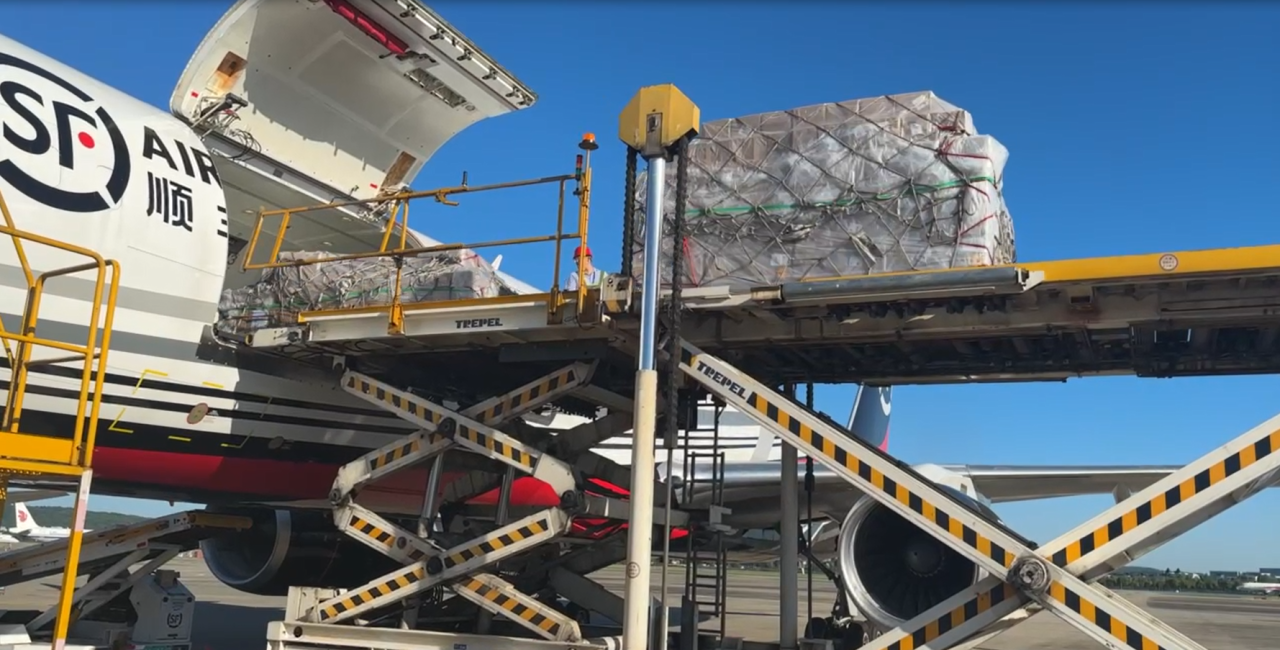
7月29日11:00,一架波音757型全货机装载17.58吨跨境电商货物从杭州机场起飞前往日本大阪,标志着杭州-大阪全货运航线的正式开通。

新开通的货运航线由顺丰航空执飞,计划每周5班,出港装载的主要是长三角地区生产的日用品、小电器等跨境电商货物。该条航线的开通,将为国内电商加快布局日本市场,促进长三角地区跨境电商业务的发展提供更方便、更快捷的物流服务,为区域内的企业打开更为广阔的国际市场。

“这是今年杭州机场开通的首条东亚国际全货机航线。”物流公司直属杭州国际货站公司总经理王晗森表示。截至目前,全省机场今年共开通国际全货机航线5条,恢复1条,累计运营44条。

“这条航线开通后,加上海关高效便捷的通关服务,我们能够承诺去往大阪方向的商品实现‘次日达’
今年上半年,杭州机场进出口跨境电商货物5.4万吨,同比增长77.29%,除杭州飞往东亚的航线外,美洲也是杭州跨境电商的主要目的地,今年4月,杭州萧山国际机场开通第四条杭州往返北美的全货机航线——“杭州—迈阿密”全货机航线;今年6月,杭州往返墨西哥城全货运航线顺利复航。全货机航线开通和航线网络的织密将进一步延续空港跨境电商出口增长的良好态势。


注:文/中国跨境电商综合实验区,文章来源:全球跨境电商知识服务中心,本文为作者独立观点,不代表亿邦动力立场。

【版权提示】亿邦动力倡导尊重与保护知识产权。未经许可,任何人不得复制、转载、或以其他方式使用本网站的内容。如发现本站文章存在版权问题,烦请提供版权疑问、身份证明、版权证明、联系方式等发邮件至run@ebrun.com,我们将及时沟通与处理。

已点赞

+1

{{ praise_text }}

好文章,值得被更多人看到

FAQ回顾

杭州至大阪全货机航线由哪家航空公司执飞?

该航线由顺丰航空执飞,使用波音757型全货机,计划每周运行5班,主要运输长三角地区生产的日用品、小电器等跨境电商货物。

杭州机场今年上半年跨境电商货物量增长情况如何?

2023年上半年,杭州机场进出口跨境电商货物达5.4万吨,同比增长77.29%,显示出跨境电商业务的强劲增长势头。

杭州机场今年开通了哪些重要的国际全货机航线?

除杭州-大阪航线外,今年还开通了杭州-迈阿密全货机航线,并恢复了杭州-墨西哥城航线,目前全省机场累计运营44条国际全货机航线。

广告

下一篇

跨境电商资源对接

《全球跨境电商服务商资源手册》第二期手册现已发布,触达更多资源,了解跨境服务商信息,欢迎点击链接下载。

了解详情

艰中保“坚” 门窗五金龙头坚朗五金的平台化转型之路

近期多个城市出台政策放松住房限购,加之资本市场回暖,对于坚朗五金等相关企业而言,或许将迎来新的增长阶段。

产业互联网 品牌故事 五金 B2B

2024-10-18 17:26:03