• 亿邦公众号
    • APP下载

国新办:2023年完成国际及港澳台邮件快递31.1亿件,有力支撑跨境电商的快速发展

作者:中国跨境电商综合实验区 文章来源:全球跨境电商知识服务中心

2024-10-18 16:16

作者:中国跨境电商综合实验区 文章来源:全球跨境电商知识服务中心

2024-10-18 16:16

邦小白快读

EN
全文速览

本文是国新办“推动高质量发展”主题发布会上关于我国国际物流建设的官方信息,核心披露了近年我国国际物流发展成果与后续规划,重点干货信息如下

1. 核心运行数据:2023年我国完成国际及港澳台邮件快递31.1亿件,中欧班列开行了1.7万列、发运190万标箱,国际道路运输货运量同比增长105%,多项业务实现高增长,整体能力有力支撑跨境电商发展。

2. 现有建设成果:我国已经建成覆盖全球主要经济体的多元国际物流网络,海运连接度连续多年居世界第一,航空货运通达60多个国家和地区,近期新开通中欧跨里海直达快运,正式形成多元立体互联互通的交通格局。

3. 后续规划:交通运输部后续会联合多部门持续推动多元化国际物流通道建设,进一步推进国际物流互联互通,整体国际物流服务环境会持续优化。

本文披露了我国国际物流体系建设的最新进展与政策方向,对出海品牌布局全球供应链、拓展海外市场具备较高参考价值,核心干货如下

1. 物流选择空间:我国已经形成以海运为主体,航空、中欧班列、国际寄递等为补充的完整物流体系,海运承担95%以上进出口货量适合大宗货物,航空适合时效性强、附加值高的高端货物,每年31.1亿件的国际寄递能力可以支撑品牌开展跨境电商业务,品牌可根据自身产品属性匹配物流方案。

2. 市场拓展支撑:当前我国物流网络已经覆盖全球绝大多数主要市场,新开通的中欧跨里海直达快运进一步畅通了中欧物流通道,提升了供应链稳定性,大幅降低了品牌拓展欧洲等海外市场的物流风险。

3. 长期趋势:国家会持续推进国际物流互联互通建设,长期跨境物流环境持续向好,品牌可以提前规划全球市场布局,抓住跨境电商发展的红利。

本文公布了我国国际物流建设的政策方向与最新发展成果,能够给跨境卖家明确行业趋势、把握市场机会提供参考,核心干货如下

1. 政策层面:国家高度重视国际物流供应链建设,已经从顶层设计层面出台了一系列政策,推动多元化国际物流通道建设,同时促进物流企业与产业链上下游协同,给跨境贸易提供了稳定的政策保障。

2. 市场机会:当前完善的国际物流网络已经覆盖全球百余个国家和地区,2023年31.1亿件的国际寄递规模说明跨境电商仍保持快速增长,新开通的中欧跨里海直达快运进一步畅通了中欧物流链路,给卖家开拓欧洲市场提供了更稳定的供应链选项,带来新的增长空间。

3. 风险提示:当前我国已经形成多层次的国际物流服务体系,不同货量、不同时效要求的货物都有匹配方案,卖家可以结合自身需求选择,降低物流中断等风险,保障业务稳定运行。

本文披露的我国国际物流体系建设成果,给国内工厂拓展海外业务、推进出海发展带来了不少商业机会与启示,核心干货如下

1. 出海商业机会:当前我国已经建成覆盖全球主要市场的完善国际物流网络,各类运输方式的服务能力都实现明显提升,2023年国际寄递、中欧班列、国际道路货运都实现高速增长,物流稳定性提升、成本优化,大大降低了工厂出海拓展业务的门槛,工厂可以借助现有物流体系直接对接海外B端、C端市场,减少中间环节。

2. 生产调整启示:随着跨境物流体系完善,跨境电商等新型贸易模式快速发展,工厂可以结合海外市场的消费需求,调整产品生产与设计,推出适配跨境渠道的产品,打开新的增长空间。

3. 供应链保障:当前多元立体的互联互通格局已经形成,能够保障出口货物出得去、进口货物进得来,工厂可以更灵活的布局全球产业链供应链,保障生产与销售的稳定性。

本文公布的国际物流发展最新动态,给国际物流相关服务商指明了行业发展趋势,帮助服务商精准把握客户需求,核心干货如下

1. 行业发展趋势:国家层面持续推动多元化国际物流通道建设,鼓励物流企业和产业链上下游协同合作,未来国际物流的市场规模会持续扩大,行业整体保持向上发展态势,服务商拥有充足的增长空间。

2. 客户核心痛点:当前跨境电商快速发展,对国际寄递服务的需求持续提升,同时不同类型的进出口企业对物流方案有多元需求,大宗货物需要低成本的海运方案,高附加值时效要求高的货物需要航空货运,中欧贸易需要稳定的陆路通道,客户对供应链稳定性的要求越来越高。

3. 业务发展方向:服务商可以依托现有的多元物流网络,针对不同客户群体打造细分的物流产品,同时抓住中欧跨里海直达快运开通的机遇,提前布局新的服务线路,满足客户多元化的供应链需求,打造自身竞争力。

本文披露的国际物流发展情况,对布局跨境业务的平台商来说,在运营、招商、风险规避等方面都有参考价值,核心干货如下

1. 市场需求情况:当前我国国际物流体系不断完善,已经可以支撑跨境电商持续快速发展,2023年国际及港澳台邮件快递业务量达到31.1亿件,说明跨境电商的市场规模仍在快速增长,跨境平台拥有充足的发展空间。

2. 招商与运营方向:当前我国国际物流网络已经覆盖全球百余个国家和地区,中欧等核心贸易通道的物流稳定性进一步提升,平台商可以依托稳定的物流配套,加大对欧洲等重点海外市场的招商力度,吸引更多品牌、卖家入驻,扩大平台规模。

3. 风险规避方向:国家层面持续推进国际物流供应链体系建设,从顶层设计到网络建设都在持续优化,平台商可以抓住政策红利,完善平台自身的物流配套服务,降低物流波动带来的运营风险,提升用户体验和平台竞争力。

本文公布了我国国际物流供应链建设的最新进展与官方政策方向,给相关领域研究者提供了一手产业信息与研究素材,核心内容如下

1. 产业新动向:我国已经初步建成以国际海运为主体,以国际航空、中欧班列、国际寄递、国际道路运输为补充的成熟国际物流服务体系,我国全球海运连接度多年居世界第一,近期新开通中欧跨里海直达快运,正式形成集多种运输方式为一体的多元立体互联互通格局,这是我国国际物流建设的最新成果。

2. 政策研究素材:我国交通运输部从统筹谋划顶层设计、拓展国际物流通道网络、提升国际货运服务能力三个维度推进国际物流供应链建设,后续还会持续推动多元化通道建设,为研究政策赋能产业发展提供了典型案例。

3. 商业模式研究方向:完善的国际物流基础设施支撑了跨境电商等新型贸易商业模式的发展,2023年31.1亿件的国际寄递业务量就是明证,研究者可以围绕物流基础设施建设对贸易创新的支撑作用展开相关研究。

声明:快读内容全程由AI生成,请注意甄别信息。如您发现问题,请发送邮件至 run@ebrun.com 。

我是 品牌商 卖家 工厂 服务商 平台商 研究者 帮我再读一遍。

Quick Summary

This article compiles official updates on China’s international logistics development from the State Council Information Office’s press conference themed "Promoting High-Quality Development". It outlines key achievements of recent years and future policy plans, with core takeaways as follows:

1. Key operational growth: In 2023, China handled 3.11 billion international and Hong Kong, Macau and Taiwan-bound express and mail parcels. China-Europe Railway Express operated 17,000 trips, delivering 1.9 million TEUs of cargo, while international road freight volume rose 105% year-over-year. Strong growth across multiple segments has created solid capacity to underpin cross-border e-commerce development.

2. Completed infrastructure progress: China has built a diversified international logistics network covering all major global economies. Its maritime shipping connectivity has ranked first globally for multiple consecutive years, and air cargo routes connect to more than 60 countries and regions. The recent launch of the new China-Europe Trans-Caspian direct express service has finalized a multi-dimensional, interconnected transportation landscape.

3. Future policy plans: The Ministry of Transport will coordinate with multiple government departments to continue advancing the development of diversified international logistics corridors, further expand cross-border connectivity, and continuously improve the overall international logistics service environment.

This article outlines the latest progress and policy directions for China’s international logistics system development, offering valuable insights for global brands based in China expanding their overseas supply chains and market reach. Core takeaways are as follows:

1. Diversified logistics options: China has built a complete logistics ecosystem with maritime shipping as its core, complemented by air freight, China-Europe Railway Express, and international parcel delivery. Maritime shipping handles over 95% of China’s import and export cargo volume, making it ideal for bulk goods. Air freight suits high-value, time-sensitive premium products, and the annual international parcel delivery capacity of 3.11 billion parcels supports brands’ cross-border e-commerce operations. Brands can match their product characteristics to the most suitable logistics solution.

2. Support for market expansion: China’s logistics network now covers the vast majority of the world’s major markets. The newly launched China-Europe Trans-Caspian direct express service has further unblocked China-Europe logistics corridors, improved supply chain stability, and significantly reduced logistics risks for brands expanding into Europe and other overseas markets.

3. Long-term outlook: The Chinese government will continue advancing international logistics connectivity, and the long-term cross-border logistics environment will keep improving. Brands can proactively plan their global market layout to capture the growth dividends from cross-border e-commerce.

This article announces the latest development achievements and policy directions for China’s international logistics sector, providing useful insights to help cross-border sellers understand industry trends and capture market opportunities. Core takeaways are as follows:

1. Policy backdrop: The Chinese government prioritizes international logistics and supply chain development, and has rolled out a series of top-level policy initiatives to support the expansion of diversified international logistics corridors. It also promotes collaboration between logistics providers and upstream and downstream industry players, creating stable policy guarantees for cross-border trade.

2. New growth opportunities: China’s established international logistics network now covers more than 100 countries and regions worldwide. The 3.11 billion international parcels handled in 2023 confirms that cross-border e-commerce continues to grow rapidly. The newly launched China-Europe Trans-Caspian direct express service has further smoothed China-Europe logistics links, offering cross-border sellers a more stable supply chain option for expanding into the European market and unlocking new growth potential.

3. Risk mitigation: China now has a multi-tiered international logistics service system, with tailored solutions for cargo of different volumes and time requirements. Sellers can select options aligned with their specific needs to reduce risks such as logistics disruptions and ensure stable business operations.

The achievements in China’s international logistics system outlined in this article create significant new business opportunities and strategic insights for Chinese factories looking to expand overseas. Core takeaways are as follows:

1. Lower barriers to overseas expansion: China now has a complete international logistics network covering all major global markets, with sharply improved service capacity across all transport modes. International parcel delivery, China-Europe Railway Express and international road freight all saw rapid growth in 2023. Improved logistics stability and optimized costs have significantly lowered the threshold for factories to expand overseas. Factories can now use the existing logistics network to directly connect with both B2B and B2C customers overseas, cutting out unnecessary middlemen.

2. Insights for production adjustment: As the cross-border logistics system improves and new trade models such as cross-border e-commerce grow rapidly, factories can adjust their product design and production to align with overseas consumer demand, develop products tailored for cross-border sales channels, and unlock new growth opportunities.

3. Supply chain guarantees: The multi-dimensional interconnected logistics landscape now in place ensures smooth movement of both export and import cargo. This allows factories to more flexibly arrange their global industrial and supply chain layout, and secure stable production and sales operations.

The latest updates on international logistics development outlined in this article clarify industry trends for logistics service providers and help them better align with customer demand. Core takeaways are as follows:

1. Positive industry outlook: The national government continues to promote the development of diversified international logistics corridors and encourages collaboration between logistics companies and upstream and downstream industry players. The overall market size of international logistics will continue to expand, and the industry will maintain an upward growth trajectory, creating abundant room for service providers to grow.

2. Evolving customer demands: The rapid growth of cross-border e-commerce is driving continuously rising demand for international parcel services. Different types of import and export enterprises have diversified logistics needs: bulk cargo requires low-cost maritime solutions, high-value time-sensitive cargo relies on air freight, and China-Europe trade demands stable overland corridors. Customers are increasingly prioritizing supply chain stability.

3. Strategic growth directions: Service providers can leverage the existing diversified logistics network to develop segmented logistics products tailored to different customer groups. They can also capitalize on the launch of the new China-Europe Trans-Caspian direct express service to proactively lay out new service routes, meet customers’ diversified supply chain needs, and build up their core competitiveness.

The update on China’s international logistics development outlined in this article offers actionable insights for cross-border e-commerce marketplaces on operations, merchant recruitment, and risk management. Core takeaways are as follows:

1. Strong market demand: China’s international logistics system is continuously improving and can already support the sustained rapid growth of cross-border e-commerce. The 3.11 billion international and Hong Kong, Macau and Taiwan-bound express and mail parcels handled in 2023 confirms that cross-border e-commerce market size is still expanding rapidly, leaving ample room for cross-border platforms to grow.

2. Guidance for recruitment and operations: China’s international logistics network now covers more than 100 countries and regions worldwide, and logistics stability on core trade corridors such as the China-Europe route has further improved. Platforms can leverage this stable logistics infrastructure to step up merchant recruitment targeting key overseas markets such as Europe, attract more brands and sellers to onboard, and expand platform scale.

3. Risk mitigation strategies: The national government is continuously advancing international logistics and supply chain system development, optimizing the sector from top-level policy design to physical network construction. Platforms can capitalize on this policy momentum to improve their own in-platform logistics services, reduce operational risks caused by logistics volatility, and enhance user experience and platform competitiveness.

This article announces the latest progress and official policy direction for China’s international logistics and supply chain development, providing first-hand industry data and research materials for scholars in this field. Core content is as follows:

1. Latest industry developments: China has completed the initial buildout of a mature international logistics service system with international maritime shipping as the core, complemented by international air freight, China-Europe Railway Express, international parcel delivery, and international road transport. China’s global maritime connectivity has ranked first in the world for multiple consecutive years, and the recent launch of the China-Europe Trans-Caspian direct express service has formalized a multi-dimensional interconnected logistics landscape integrating multiple transport modes, marking the latest milestone in China’s international logistics development.

2. Materials for policy research: The Ministry of Transport has advanced international logistics and supply chain development across three core dimensions: top-level strategic planning, expansion of international logistics corridor networks, and improvement of international freight service capacity. It will continue to promote the development of diversified corridors, providing a representative case study for research on how policy drives industrial development.

3. Directions for business model research: Improved international logistics infrastructure has supported the development of innovative trade models such as cross-border e-commerce, as evidenced by the 3.11 billion international parcels handled in 2023. Researchers can conduct targeted research on how logistics infrastructure development enables trade innovation.

Disclaimer: The "Quick Summary" content is entirely generated by AI. Please exercise discretion when interpreting the information. For issues or corrections, please email run@ebrun.com .

I am a Brand Seller Factory Service Provider Marketplace Seller Researcher Read it again.

国新办7月10日举行“推动高质量发展”系列主题新闻发布会,交通运输部部长李小鹏在会上表示,交通运输部将会同有关部门聚焦开放合作,着力推动多元化的国际物流通道建设,持续推动国际物流互联互通。
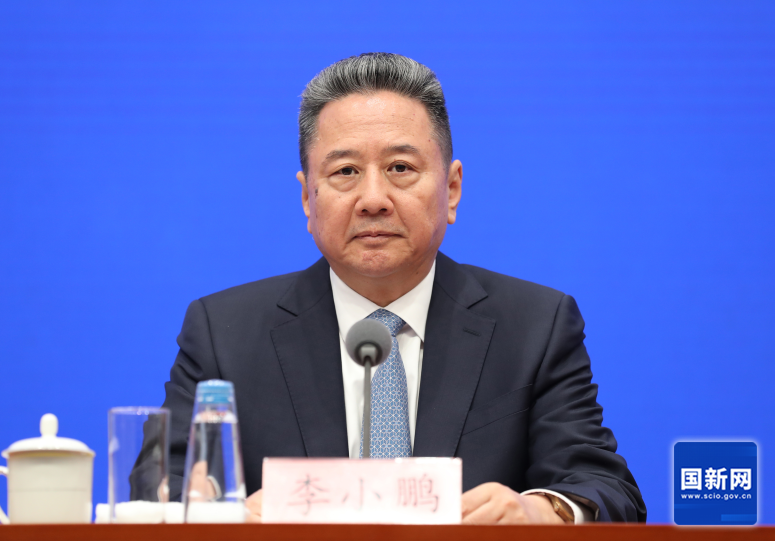
李小鹏介绍,加快推动国际物流供应链体系建设,对于保障我国国际国内大循环畅通,保障出口货物出得去、进口货物进得来,对于维护全球产业链供应链的安全稳定都具有十分重要的意义。近年来,在加强网络建设、提升服务能力、强化交流合作等方面,交通运输部做了一系列工作。

首先,加强统筹谋划和顶层设计。交通运输部会同相关部门制定了一系列政策措施,一方面是推动多元化的国际物流大通道的建设;另一方面,促进物流企业与产业链上下游企业协同合作。

第二,积极拓展国际物流通道网络。国际海运线路通达全球的各个主要港口,集装箱班轮航线往来全球100多个国家和地区,我国的全球海运连接度多年来居世界第一。在航空货运方面,国际航空货运通达全球60多个国家和地区,香港和上海分别成为全球第一和第三大国际航空货运枢纽。在国际道路运输方面,与22个共建“一带一路”国家签署了政府间的国际道路运输协定。在铁路方面,中欧班列已经连通了欧洲25个国家220多个城市。总体上看,网络建设有了很大的进展。

第三,着力提升国际货运的服务能力。我国已经初步形成了以国际海运为主体,以国际航空、中欧班列、国际寄递、国际道路运输为补充的国际物流服务体系。我国的国际海运承担了我国95%以上的进出口货量,国际航空货运成为时效性强、附加值高的高端货物的主要运输方式。2023年,全年完成国际及港澳台邮件快递31.1亿件,有力支撑了跨境电商的快速发展。2023年中欧班列共开行了1.7万列,发运190万标箱。另外,在国际道路运输方面,去年完成货运量同比增长了105%。运输服务能力方面,无论是海运还是航空,还是国际寄递,还是国际道路运输,都取得了新的进展。

就中欧跨里海直达快运,李小鹏指出,在7月3日,交通运输部会同哈萨克斯坦交通运输部门组织开展了中欧跨里海直达快运的开通活动。这次中方车辆首次以公路直达运输的方式抵达了里海的沿岸港口,标志着集公路、铁路、航空和管道运输为一体的多元立体交通的互联互通格局已经形成,为中欧物流供应链安全稳定畅通提供了有力的保障。

李小鹏表示,下一步,交通运输部将会同有关部门聚焦开放合作,着力推动多元化的国际物流通道建设,持续推动国际物流互联互通。


注:文/中国跨境电商综合实验区,文章来源:全球跨境电商知识服务中心,本文为作者独立观点,不代表亿邦动力立场。

【版权提示】亿邦动力倡导尊重与保护知识产权。未经许可,任何人不得复制、转载、或以其他方式使用本网站的内容。如发现本站文章存在版权问题,烦请提供版权疑问、身份证明、版权证明、联系方式等发邮件至run@ebrun.com,我们将及时沟通与处理。

已点赞

+1

{{ praise_text }}

好文章,值得被更多人看到

FAQ回顾

2023年中国国际及港澳台邮件快递业务量是多少?

2023年全年完成国际及港澳台邮件快递31.1亿件,有力支撑了跨境电商的快速发展。

中欧班列2023年的开行情况如何?

2023年中欧班列共开行1.7万列,发运190万标箱,已连通欧洲25个国家220多个城市。

中国国际物流体系的主要构成有哪些?

中国已形成以国际海运为主体,国际航空、中欧班列、国际寄递、国际道路运输为补充的国际物流服务体系,其中国际海运承担了95%以上的进出口货量。

广告

下一篇

跨境电商资源对接

《全球跨境电商服务商资源手册》第二期手册现已发布,触达更多资源,了解跨境服务商信息,欢迎点击链接下载。

了解详情

如何理解新一轮的互联互通?

根据公开报道,近期,以阿里、京东、腾讯为代表的互联网大公司在「互联互通」上动作频频,曾经互设门槛甚至剑拔弩张的公司,正在陆续接入彼此的服务。

平台 未来零售 电商平台

2024-10-18 16:11:03