• 亿邦公众号
    • APP下载

提前1个月突破2万亿元 今年1至5月浙江外贸进出口增长7.6%

作者:中国跨境电商综合实验区 文章来源:全球跨境电商知识服务中心

2024-10-18 14:17

作者:中国跨境电商综合实验区 文章来源:全球跨境电商知识服务中心

2024-10-18 14:17

邦小白快读

EN
全文速览

本文核心公布了今年1至5月浙江外贸进出口的最新运行数据,整体外贸增长表现优于全国,提前1个月突破2万亿元大关,核心干货信息如下:

1.整体数据:今年1-5月浙江进出口总值2.10万亿元,同比增长7.6%,进出口、出口、进口增速分别高出全国1.3、1.3和2.0个百分点,三项指标分别位居全国第3、第2、第5位。

2.结构特征:对美国、东盟、韩国出口增速快于整体,对共建“一带一路”国家出口占比突破50%;出口端机电产品占比稳中有升,船舶、集装箱出口分别增长95.5%和2倍,进口端能源矿砂进口量大幅增长,民营企业贡献了超八成的进出口额。

本文披露的浙江外贸最新数据,可以为外贸品牌把握市场趋势、调整产品布局提供决策参考,核心干货如下:

1.市场趋势方面:当前出口增长较快的市场为美国、东盟、韩国以及共建“一带一路”国家,其中东盟、韩国出口增速分别高出全省整体水平3.8个、6.1个百分点,对共建“一带一路”国家出口占比已经突破50%,是品牌出海拓市的核心增量市场。

2.产品需求方面:机电产品出口需求稳中有升,占浙江出口比重提升0.4个百分点;劳动密集型产品出口竞争力持续提升,占全国同类出口份额提升1个百分点;船舶、集装箱出口爆发式增长,相关品牌增长空间较大,进口端消费品进口占全国份额提升,国内消费市场需求稳定。

本文公布的外贸数据可以帮助跨境出海卖家找准增长方向、把握市场机会,核心干货整理如下:

1.市场与品类机会:出口端,东盟、韩国、美国以及共建“一带一路”国家出口保持较快增长,其中共建“一带一路”国家出口占比已经突破50%,是核心增量市场;品类方面,机电、劳动密集型产品保持稳定增长,船舶、集装箱出口分别增长95.5%和2倍,卖家可针对性布局相关赛道。

2.趋势与机会提示:当前欧盟出口增速虽仅为2.3%,但较今年1-4月提升1.8个百分点,呈现回升态势;外贸整体增速高于全国,民营企业占比超八成,政策对民营外贸的支持效果凸显,做进口的卖家可把握能源、大宗商品进口量大幅增长的行业红利。

本文的外贸数据对生产制造工厂调整生产计划、把握商业机会有明确的指导意义,核心干货如下:

1.生产与设计需求调整:出口端,机电产品出口占全省出口比重提升0.4个百分点,需求稳中有升;劳动密集型产品占全国同类出口份额提升1个百分点,竞争力持续增强;船舶、集装箱出口分别增长95.5%和2倍,需求爆发式增长,相关工厂可根据这一需求变化调整产能布局,匹配市场需求。

2.商业机会与转型启示:当前对东盟、韩国等市场出口增速较快,对共建“一带一路”国家出口占比破五成,做出口的工厂可重点开拓这些新兴市场;进口端能源矿砂、大宗商品进口量大幅增长,配套生产类工厂可把握进口配套商机;浙江外贸整体增长势头好,工厂可加快布局电商渠道,抓住外贸增长红利。

本文披露的浙江外贸最新运行情况,可以帮助外贸服务商把握行业趋势,找准客户需求,优化服务方案,核心干货如下:

1.行业发展趋势:今年1-5月浙江外贸提前1个月突破2万亿元,整体增速高出全国1.3个百分点,进出口、进口出口增速均优于全国,外贸行业整体保持稳健增长,为外贸服务商提供了充足的市场空间,行业发展前景向好。

2.客户需求与服务方向:民营企业占浙江外贸总值的80.5%,是服务商的核心客户群体;当前出口端商家有拓展东盟、韩国、共建“一带一路”等新兴市场的服务需求,进口端能源、大宗商品进口增长快,需要配套的供应链服务,船舶集装箱等高增长品类也需要专业的跨境物流、金融服务,服务商可针对性推出适配的解决方案。

本文的最新外贸数据,可以帮助外贸平台调整招商方向、优化运营管理,规避发展风险,核心干货如下:

1.招商方向调整:出口端,机电产品、劳动密集型产品以及船舶、集装箱等品类保持较高增长,民营企业占浙江外贸总值超八成,是外贸增长的核心动力,平台可加大对应品类、民营商家的招商布局;新兴市场中,东盟、韩国、共建“一带一路”国家出口增长快,平台可针对性推出这些市场的专属招商与扶持政策。

2.运营优化与风险规避:当前浙江进口端能源矿砂、大宗商品、消费品进口增长较快,消费品进口占全国份额提升1.1个百分点,平台可拓展进口业务板块,完善大宗商品进口配套服务;欧盟出口增速虽处于低位,但已经呈现回升态势,平台可帮助商家做好市场风险对冲,把握回升红利。

本文公布的今年1-5月浙江外贸最新数据,是中国外贸发展的典型样本,对研究中国外贸产业发展新动向有重要的参考价值,核心内容如下:

1.外贸结构新动向:浙江外贸提前1个月突破2万亿元,整体增速明显高于全国平均水平,民营经济贡献了超八成的进出口额,民营主体在外贸增长中的拉动作用进一步凸显;对共建“一带一路”国家出口占比突破50%,外贸市场结构多元化布局成效显著,有效对冲了单一市场的波动风险。

2.可研究的核心方向:当前出口产品结构中,机电产品占比稳中有升,劳动密集型产品仍保持较强的国际竞争力,船舶集装箱等品类出口爆发增长,反映出中国外贸产品竞争力的结构变化;进口端大宗商品进口量大幅增长,反映出国内生产需求稳步复苏,这些都是外贸领域值得深入研究的新变化。

声明:快读内容全程由AI生成,请注意甄别信息。如您发现问题,请发送邮件至 run@ebrun.com 。

我是 品牌商 卖家 工厂 服务商 平台商 研究者 帮我再读一遍。

Quick Summary

This article releases the latest foreign trade data for Zhejiang covering January to May this year. The province’s overall foreign trade growth outperformed the national average, exceeding the 2 trillion yuan threshold one month ahead of schedule. Key takeaways are as follows:

1. Overall performance: Zhejiang’s total import and export volume reached 2.10 trillion yuan from January to May, up 7.6% year-on-year. Growth rates for total trade, exports, and imports were 1.3, 1.3, and 2.0 percentage points higher than the national averages respectively, ranking third, second, and fifth nationwide for the three metrics.

2. Structural characteristics: Export growth to the U.S., ASEAN, and South Korea outpaced Zhejiang’s overall export growth; the share of exports to countries participating in the Belt and Road Initiative (BRI) exceeded 50%. On the export side, the share of mechanical and electrical products rose slightly, with ship exports jumping 95.5% and container exports surging 200%. On the import side, volumes of energy and ore imports increased sharply. Private enterprises contributed over 80% of Zhejiang’s total import and export volume.

The latest Zhejiang foreign trade data released in this article provides actionable insights for export-focused brands to identify market trends and adjust product portfolios. Key takeaways are as follows:

1. Market trends: The fastest-growing export destinations are the U.S., ASEAN, South Korea, and BRI-participating countries. Export growth to ASEAN and South Korea outpaced Zhejiang’s overall export growth by 3.8 and 6.1 percentage points respectively, and the share of exports to BRI countries has surpassed 50%, making these regions the core growth markets for brands looking to expand globally.

2. Product demand: Export demand for mechanical and electrical products is growing steadily, with its share in Zhejiang’s total exports rising 0.4 percentage points. Labor-intensive products continue to gain competitiveness, with their share in China’s total exports of the same category rising 1 percentage point. Exports of ships and containers are surging, leaving significant room for growth for relevant brands. On the import side, the share of consumer goods imports in the national total has increased, indicating stable domestic consumer demand.

The foreign trade data published in this article helps cross-border sellers identify growth directions and capture market opportunities. Key takeaways are as follows:

1. Market and category opportunities: On the export side, exports to ASEAN, South Korea, the U.S., and BRI-participating countries maintain strong growth, with the share of exports to BRI countries exceeding 50% to make them core incremental markets. In terms of categories, mechanical and electrical products and labor-intensive products see steady growth, while ship exports grew 95.5% and container exports grew 200% — sellers can adjust their product portfolios to target these high-growth segments.

2. Trend and opportunity alerts: While export growth to the EU stood at only 2.3%, this was 1.8 percentage points higher than the January-April period, showing a clear recovery trend. Zhejiang’s overall foreign trade growth outpaces the national average, and private enterprises account for over 80% of total trade, highlighting the tangible effect of policy support for private sector foreign trade. Import-focused sellers can capitalize on the industry boom driven by the sharp growth in imports of energy and bulk commodities.

The foreign trade data in this article provides clear guidance for manufacturing factories to adjust production plans and capture business opportunities. Key takeaways are as follows:

1. Adjust production and design based on demand shifts: On the export side, the share of mechanical and electrical products in Zhejiang’s total exports rose 0.4 percentage points, with demand growing steadily. The share of labor-intensive products in China’s total exports of the same category rose 1 percentage points, reflecting continued strengthening of competitiveness. Ship exports grew 95.5% and container exports grew 200%, showing explosive demand growth. Relevant factories can adjust their capacity allocation to match these market demand changes.

2. Business opportunities and insights for transformation: Currently, export growth to ASEAN, South Korea and other markets is strong, and the share of exports to BRI-participating countries has exceeded 50%. Export-oriented factories can prioritize expanding into these emerging markets. On the import side, import volumes of energy ore and bulk commodities have increased sharply, creating business opportunities for supporting manufacturing factories. With Zhejiang’s strong overall foreign trade growth momentum, factories can accelerate their layout of e-commerce channels to capture the foreign trade growth dividend.

The latest Zhejiang foreign trade performance disclosed in this article helps foreign trade service providers grasp industry trends, identify client needs, and optimize service solutions. Key takeaways are as follows:

1. Industry development trend: From January to May this year, Zhejiang’s total foreign trade crossed the 2 trillion yuan threshold one month ahead of schedule, with overall growth 1.3 percentage points higher than the national average. Growth rates for both imports and exports outperformed national levels, and the foreign trade industry maintains steady growth, providing sufficient market space for service providers with positive industry prospects.

2. Client demand and service direction: Private enterprises account for 80.5% of Zhejiang’s total foreign trade volume, making them the core client group for service providers. Currently, export-oriented businesses have growing demand for services to expand into emerging markets including ASEAN, South Korea, and BRI-participating countries. On the import side, rapid growth in energy and bulk commodity imports drives demand for supporting supply chain services, while high-growth categories such as ships and containers require professional cross-border logistics and financial services. Service providers can launch targeted, tailored solutions to meet these needs.

The latest foreign trade data in this article helps foreign trade platforms adjust investment attraction strategies, optimize operations, and mitigate risks. Key takeaways are as follows:

1. Adjusting招商 direction: On the export side, mechanical and electrical products, labor-intensive products, ships and containers maintain strong growth. Private enterprises account for over 80% of Zhejiang’s total foreign trade volume and are the core driver of growth, so platforms can expand招商 efforts for these categories and private merchants. Among emerging markets, exports to ASEAN, South Korea and BRI-participating countries grow rapidly, so platforms can launch targeted招商 and support programs for these markets.

2. Operational optimization and risk mitigation: In Zhejiang, imports of energy ore, bulk commodities, and consumer goods are growing rapidly, and the share of consumer goods imports in the national total rose 1.1 percentage points. Platforms can expand their import business segments and improve supporting services for bulk commodity imports. While export growth to the EU remains low, it has started to show a recovery trend, so platforms can help merchants hedge market risks and capture the recovery dividend.

The latest Zhejiang foreign trade data for January-May published in this article serves as a typical sample of China’s overall foreign trade development, offering important reference value for studying new trends in China’s foreign trade industry. Key content is as follows:

1. New trends in foreign trade structure: Zhejiang’s total foreign trade exceeded 2 trillion yuan one month ahead of schedule, with overall growth significantly outpacing the national average. Private enterprises contributed more than 80% of total import and export volume, highlighting their increasingly prominent role as a driver of foreign trade growth. The share of exports to BRI-participating countries exceeded 50%, demonstrating that the diversified layout of foreign trade markets has delivered notable results and effectively hedged against volatility risks from over-reliance on single markets.

2. Core directions for further research: In the current export product structure, the share of mechanical and electrical products is rising steadily, labor-intensive products still maintain strong international competitiveness, and exports of categories such as ships and containers are surging — all of which reflect structural shifts in the competitiveness of China’s export products. The sharp growth in bulk commodity imports on the import side indicates steady recovery of domestic production demand. These are all new developments in the foreign trade sector that deserve in-depth research.

Disclaimer: The "Quick Summary" content is entirely generated by AI. Please exercise discretion when interpreting the information. For issues or corrections, please email run@ebrun.com .

I am a Brand Seller Factory Service Provider Marketplace Seller Researcher Read it again.

今年1至5月,浙江进出口总值2.10万亿元,较去年同期(下同)增长7.6%,比去年提前1个月突破2万亿元。其中,出口1.55万亿元,增长7.4%,进口5599.1亿元,增长8.4%。进出口、出口、进口增速分别高出全国1.3、1.3和2.0个百分点,占全国份额分别为12.0%、15.5%和7.4%,居全国第3、第2和第5位。
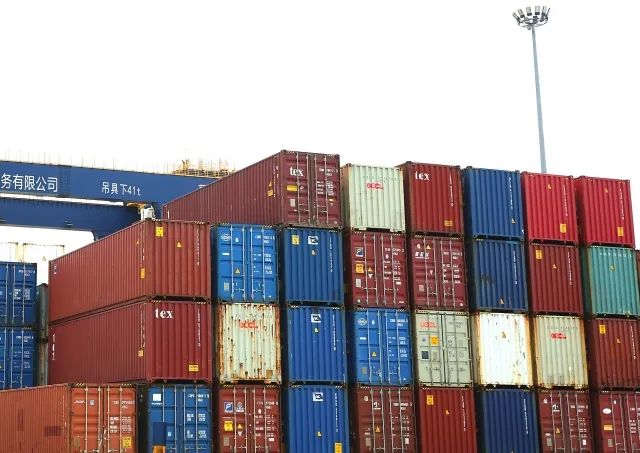
今年1至5月,浙江对美国、东盟、韩国出口2426.3亿元、2112.1亿元和407.0亿元,分别增长9.4%、11.2%和13.5%,分别高出全省出口整体水平2.0个、3.8个和6.1个百分点;对欧盟出口2632.5亿元,增长2.3%,较今年1至4月提升1.8个百分点。

同期,浙江自沙特阿拉伯、美国、巴西进口557.1亿元、421.1亿元和303.7亿元,增长61.3%、21.3%和60.2%,分别拉动整体进口增速4.1个、1.4个和2.2个百分点。此外,全省对共建“一带一路”国家出口7796.9亿元,增长7.9%,占全省出口总值比重突破50%,达到50.5%。

出口方面,机电产品出口比重稳中有升,劳动密集型产品占全国份额提升。今年1至5月,浙江出口机电产品7126.5亿元,增长8.3%,占全省出口总值的46.1%,提升0.4个百分点。浙江出口劳动密集型产品4720.8亿元,增长10.9%,占全国同类商品出口总值的27.9%,提升1.0个百分点。此外,船舶、集装箱出口89.2亿元和51.6亿元,分别增长95.5%和2.0倍。

进口方面,能源矿砂进口量持续增加。今年1至5月,浙江大宗商品进口量达1.20亿吨,增长30.0%。其中,金属矿及矿砂进口8166.2万吨,增长39.0%;能源产品进口3782.0万吨,增长15.6%。同期,机电产品进口716.2亿元,增长6.3%,占全省进口总值的12.8%;消费品进口587.9亿元,增长4.5%,占全国同类商品进口总值的8.1%,提升1.1个百分点。

民营企业进出口贡献大,外商投资企业保持增长。今年1至5月,民营企业进出口1.69万亿元,增长8.7%,占全省进出口总值的80.5%;其中,出口1.32万亿元,进口3726.4亿元,分别增长8.8%和8.3%。同期,外商投资企业进出口、出口、进口分别增长5.0%、4.1%和6.5%,均好于全国整体水平。


注:文/中国跨境电商综合实验区,文章来源:全球跨境电商知识服务中心,本文为作者独立观点,不代表亿邦动力立场。

【版权提示】亿邦动力倡导尊重与保护知识产权。未经许可,任何人不得复制、转载、或以其他方式使用本网站的内容。如发现本站文章存在版权问题,烦请提供版权疑问、身份证明、版权证明、联系方式等发邮件至run@ebrun.com,我们将及时沟通与处理。

已点赞

+1

{{ praise_text }}

好文章,值得被更多人看到

FAQ回顾

2024年1至5月浙江外贸进出口主要数据有哪些?

2024年1至5月,浙江进出口总值2.10万亿元,同比增长7.6%。其中出口1.55万亿元增长7.4%,进口5599.1亿元增长8.4%。进出口、出口、进口增速分别高出全国1.3、1.3和2.0个百分点。

浙江对主要贸易伙伴的出口表现如何?

浙江对美国出口2426.3亿元增长9.4%,对东盟出口2112.1亿元增长11.2%,对韩国出口407.0亿元增长13.5%。对欧盟出口2632.5亿元增长2.3%。对共建“一带一路”国家出口7796.9亿元,占全省出口比重达50.5%。

浙江外贸进出口的主要产品结构是什么?

出口方面,机电产品出口7126.5亿元占46.1%,劳动密集型产品出口4720.8亿元占全国27.9%。进口方面,大宗商品进口1.20亿吨增长30%,其中金属矿及矿砂进口8166.2万吨增长39.0%。

广告

下一篇

跨境电商资源对接

《全球跨境电商服务商资源手册》第二期手册现已发布,触达更多资源,了解跨境服务商信息,欢迎点击链接下载。

了解详情

1场直播卖货320万 中小企业应该这么做

最近小红书直播出现了各种风格“脱口秀”“英语直播”“小说剧场”“闲聊”的风格,给人感觉就是很松弛,直播间互动效果不要太好,甚至连转化也还不错。