• 亿邦公众号
    • APP下载

共生组织,16位CEO的进化路径! | 马蹄社组织管理研学

作者:马蹄社 文章来源:马蹄社

2024-09-10 14:34

作者:马蹄社 文章来源:马蹄社

2024-09-10 14:34

邦小白快读
EN
全文速览

本文拆解了草根企业盛祺集团打造共生组织,短短几年孵化16位CEO、业绩飙升超30亿的实战管理经验,核心干货如下

1. 选人核心原则是志同道合远比能力重要,选择合伙人最看重价值观同频,只要为人没问题,公司愿意投入资源培养,最终实现老板与员工彼此成就,员工从打工者转变为合伙人。

2. 针对95后、00后新生代员工,总结了可落地的管理方法:年轻人追求自我价值、渴望发声,可采用共享决策+目标结果驱动的管理模式,给资源、给方法、给空间,过程盯节点,最终验收结果,管理本质是赋能激发,鼓励比指责更有效。

3. 组织管理要突破传统框架,制度要服务企业初心,打造有温度的管理,用包容性领导力培养员工归属感,尊重多元风格,建立共同价值观下的信任文化。

本文分享的盛祺集团共生组织打造经验,对品牌商的团队建设、组织管理有较高参考价值,核心干货如下

1. 团队建设方面:盛祺用实践验证了共生合伙人模式的可行性,最初8名核心员工全部成长为集团旗下公司CEO,短短几年孵化出16位能独当一面的CEO,整体业绩飙升超30亿,选核心团队优先看价值观同频,志同道合比能力更重要,普通人也能通过优质组织实现成长。

2. 新生代员工管理方面:占比越来越高的95后、00后员工偏好自我实现,品牌商可调整管理模式,采用共享决策+目标结果驱动的方法,给员工足够空间,用赋能替代控制,有效激发年轻人的创造力与能动性。

3. 组织文化方面:把员工当作品牌用户优化体验,尊重多元工作风格,包容不同尝试,建立基于共同价值观的信任文化,能有效提升团队凝聚力与创新力。

盛祺集团从草根公司逆袭,靠组织创新实现业绩大幅增长的经验,能给卖家带来组织增长、团队管理等多方面的可参考干货,核心内容如下

1. 内部增长机会打造:卖家可借鉴内部孵化合伙人的模式,给内部有冲劲、想干事的员工足够成长空间,将优秀员工转化为业务板块合伙人,激活内部增长动力,实现组织裂变增长,盛祺靠该模式短短几年孵化16位CEO,业绩增长超30亿,验证了模式的有效性。

2. 解决新生代员工管理痛点:当前卖家团队中95后、00后占比越来越高,传统管理模式很难调动积极性,可借鉴盛祺的方法,开放共享决策满足年轻人的价值需求,采用目标结果驱动管理,给资源空间,用赋能激发替代命令控制。

3. 风险提示:组织框架与制度要围绕企业初心设计,不能为了制度而制度,要打造有归属感的团队文化,选核心人才优先看价值观,避免价值观不合带来的内耗风险。

本文分享的共生组织经验,对传统工厂推进组织升级、数字化电商转型有诸多启示,核心干货如下

1. 转型中的组织变革启示:传统工厂在拓展电商新业务、推进数字化转型时,可借鉴盛祺的共生组织模式,打破传统层级管理的限制,给内部有想法、有冲劲的年轻人成长机会,内部孵化新业务的合伙人,激活转型的内部动力,实现组织裂变增长。

2. 新生代员工管理参考:当前工厂也面临新生代员工管理难的问题,可借鉴盛祺的方案,认可95后、00后追求自我实现的特点,采用目标结果驱动的管理模式,开放共享决策,给资源方法和试错空间,用赋能激发替代指责控制,提升年轻人的归属感与创造力。

3. 团队建设方向:工厂搭建核心团队时,要优先选择价值观同频的合作者,志同道合比能力更重要,打造基于共同理念的信任文化,用包容的氛围激发团队创新力。

本文拆解的盛祺集团共生组织实践,对企业服务类服务商挖掘客户需求、打磨解决方案有不少参考价值,核心干货如下

1. 当前企业客户的普遍痛点:一是新生代员工成为职场主力后,传统命令控制式管理已经无法适配,新生代管理难、团队凝聚力不足成为多数企业的共性问题;二是传统雇佣制组织很难激活内部增长动力,难以培养出独当一面的业务带头人,限制了企业规模扩张。

2. 可落地的解决方案参考:针对组织增长需求,可推广共生合伙人模式,核心是选人权优先看价值观同频,给内部员工成长机会,将优秀员工转化为合伙人,实现企业与员工彼此成就,激活内部增长动力。

3. 针对新生代管理痛点,可推广目标结果驱动+共享决策的管理模式,倡导包容性领导力,把员工视作组织的用户,优化员工体验,尊重多元个性,建立基于共同价值观的信任文化,提升凝聚力与创新力。

本文呈现的内容对企业服务平台、商业研学平台的运营、招商有诸多参考干货,核心内容如下

1. 当前市场需求:大量企业正面临组织升级、新生代员工管理的普遍痛点,对真实可落地的实战管理经验有强烈需求,愿意参与深度共创的研学活动,这对平台来说是明确的增长机会。

2. 平台运营可借鉴点:马蹄社采用闭门私密共创研学模式,要求所有参与者签署保密协议,既保护了分享方的隐私,也能满足学员获取真实一线实战经验的需求,能吸引不同领域的企业高管、创始人参与,提升平台的口碑与影响力。

3. 平台招商与产品开发方向:平台可围绕企业当下的共性痛点打造垂直内容产品,比如围绕组织升级、增长战略等方向,联合一线实战派企业家打造导师阵容,推出深度落地的课程产品,本文提到马蹄社后续将联合推出品类战略增长大课,就是精准匹配企业增长需求的产品策略。

本文呈现了国内民营企业组织管理的创新实践,总结了共生组织模式的落地经验,对组织管理领域的研究者有较高的研究价值,核心内容如下

1. 产业组织新动向:当前国内民营企业正在突破传统雇佣制的限制,探索共生型合伙人组织这一新的组织模式,通过内部孵化合伙人实现组织裂变增长,盛祺集团作为典型案例,短短几年孵化16位CEO、业绩飙升超30亿,验证了这一模式的有效性。

2. 组织领域新问题:随着95后、00后新生代员工成为职场主力,传统层级化、命令控制式的管理模式已经不再适配,如何调整管理模式、凝聚新生代员工,成为当前组织管理领域需要研究的新问题。

3. 共生组织模式的核心特征:该模式以共同价值观为核心基础,选人优先看志同道合而非能力,管理上以赋能激发替代命令控制,用包容性领导力打造员工归属感,尊重多元个性,建立信任文化,最终实现企业与员工的彼此成就,是值得深入研究的新型组织模式。

声明:快读内容全程由AI生成,请注意甄别信息。如您发现问题,请发送邮件至 run@ebrun.com 。

我是 品牌商 卖家 工厂 服务商 平台商 研究者 帮我再读一遍。

Quick Summary

This article breaks down the practical management experience of grassroots Chinese enterprise Shengqi Group, which built a symbiotic organization, incubated 16 CEOs in just a few years, and grew its revenue to over 3 billion yuan. Its core insights are as follows:

1. The core hiring principle: shared values matter far more than raw ability. When selecting partners, the company prioritizes alignment on core values. As long as a candidate demonstrates good character, Shengqi is willing to invest resources in their development. This approach ultimately creates mutual success for both business leaders and employees, turning traditional wage workers into business partners.

2. For the post-95 and post-00 generation of new workers, who prioritize personal fulfillment and want a voice in decision-making, Shengqi developed a actionable management framework: a model of shared decision-making paired with goal- and results-driven accountability. The company provides resources, guidance, and autonomy, while monitoring key milestones and only assessing outcomes at the final stage. The essence of management here is empowerment and inspiration: encouragement works far better than criticism.

3. Organizational management must break through traditional frameworks. Systems should serve the original mission of the business, to build people-centric management. Inclusive leadership fosters employee belonging, respects diverse working styles, and builds a culture of trust anchored in shared values.

The experience of building a symbiotic organization shared in this article offers high reference value for brand builders’ team building and organizational management. The key takeaways are as follows:

1. For team building: Shengqi has verified the feasibility of a symbiotic partner model through practice. All 8 of its original core employees have grown into CEOs of subsidiaries under the group, and the company has incubated 16 independent CEOs in just a few years, pushing overall revenue to over 3 billion yuan. When selecting core team members, value alignment comes first: shared purpose is more important than existing capability. Even ordinary employees can achieve growth within a high-quality organizational system.

2. For managing the new generation of workers: As Gen Z (post-95 and post-00) makes up an increasingly large share of the workforce, brands can adjust their management approach by adopting shared decision-making and results-driven management. Giving employees sufficient autonomy and replacing control with empowerment effectively unlocks young workers’ creativity and initiative.

3. For organizational culture: Treating employees as "brand users" to optimize their work experience, respecting diverse working styles, tolerating experimental attempts, and building a culture of trust based on shared values can effectively improve team cohesion and innovation.

Shengqi Group’s turnaround from a grassroots startup driven by organizational innovation to achieve explosive revenue growth offers actionable insights for sellers on organizational growth and team management. Key takeaways are as follows:

1. Building internal growth opportunities: Sellers can learn from Shengqi’s internal partner incubation model, which provides sufficient growth space for driven, ambitious internal employees, and turns top performers into partners in charge of their own business units. This activates internal growth drivers and enables fractal organizational expansion. Shengqi’s success — incubating 16 CEOs and growing revenue past 3 billion yuan in a few years — proves this model works.

2. Solving the pain point of managing Gen Z workers: Gen Z now makes up an increasingly large share of most seller teams, and traditional management models struggle to motivate this group. Sellers can adopt Shengqi’s approach: open shared decision-making to meet young workers’ demand for meaning and value, adopt results-driven management, provide resources and autonomy, and replace command-and-control with empowerment.

3. Risk reminder: Organizational frameworks and systems should be designed around the core mission of the business, not for the sake of following formal rules. Build a team culture that creates a strong sense of belonging, and prioritize values when selecting core talent to avoid internal friction caused by misalignment.

The symbiotic organization experience shared in this article offers many insights for traditional factories pursuing organizational upgrading and digital e-commerce transformation. Key takeaways are as follows:

1. Inspiration for organizational change during transformation: When traditional factories expand into new e-commerce business lines and pursue digital transformation, they can adopt Shengqi’s symbiotic organizational model to break through the constraints of traditional hierarchical management. The model gives ambitious, innovative young internal employees growth opportunities by incubating them as partners for new business lines, activating internal momentum for transformation and enabling fractal organizational growth.

2. Reference for managing Gen Z workers: Traditional factories now also face the challenge of managing a younger workforce. They can draw on Shengqi’s solution: acknowledge that Gen Z pursues self-fulfillment, adopt a results-driven management model, open up shared decision-making, provide resources, guidance and room for trial and error, and replace criticism and control with empowerment, to boost young workers’ sense of belonging and creativity.

3. Direction for team building: When building a core team, factories should prioritize partners with aligned values. Shared purpose is more important than existing capability. Build a culture of trust based on shared philosophy, and use an inclusive atmosphere to unlock the team’s innovative capacity.

The breakdown of Shengqi Group’s symbiotic organizational practice in this article offers useful reference for business service providers to identify customer needs and refine solutions. Key insights are as follows:

1. Common pain points of enterprise clients today: First, after Gen Z became the dominant force in the workforce, traditional command-and-control management no longer fits. Difficulty managing younger workers and low team cohesion have become common problems for most enterprises. Second, traditional employment-based organizations struggle to activate internal growth drivers and cultivate capable business leaders that can operate independently, which limits enterprise scaling.

2. Reference for actionable solutions: For enterprises with organizational growth needs, service providers can promote the symbiotic partner model, whose core is prioritizing value alignment in hiring, giving internal employees growth opportunities, turning top employees into partners to achieve mutual success for the enterprise and employees, and activate internal growth momentum.

3. For the pain point of Gen Z management, providers can promote the management model combining results-driven accountability and shared decision-making, advocate inclusive leadership, treat employees as organizational "users" to optimize their experience, respect diverse personalities, build a culture of trust based on shared values, and improve team cohesion and innovation.

The content in this article offers many actionable insights for the operation and business development of enterprise service platforms and business research study tour platforms. Key takeaways are as follows:

1. Current market demand: A large number of enterprises are facing the common pain points of organizational upgrading and Gen Z workforce management, and have strong demand for actionable, real-world management experience. They are also willing to participate in in-depth co-created research activities, which represents a clear growth opportunity for platforms.

2. Insights for platform operation: Horse Shoe Club (Mati She) uses a closed-door, private co-creation research model that requires all participants to sign non-disclosure agreements. This not only protects the privacy of guest speakers, but also meets participants’ demand for real, frontline practical experience. It attracts executives and founders from different industries, and improves the platform’s reputation and influence.

3. Direction for business development and product development: Platforms can build vertical content products focused on the common pain points enterprises face today. For example, they can work with frontline practicing entrepreneurs to build an instructor team, and launch in-depth, actionable course products focused on organizational upgrading and growth strategy. The article notes that Horse Shoe Club will launch a new category strategy growth course, which is a product strategy that precisely matches enterprises’ demand for growth.

This article presents an innovative organizational management practice by a Chinese private enterprise, and summarizes the implementation experience of the symbiotic organization model, which offers high research value for scholars in the organizational management field. Core content is as follows:

1. New trend in industrial organization: Chinese private enterprises are now breaking through the constraints of traditional employment systems, and exploring the new symbiotic partner organizational model, which achieves fractal organizational growth through internal partner incubation. As a typical case, Shengqi Group incubated 16 CEOs and grew revenue to over 3 billion yuan in just a few years, verifying the effectiveness of this model.

2. New research question in the organizational field: As Gen Z became the main force in the workforce, traditional hierarchical, command-and-control management models no longer fit. How to adjust management approaches and build cohesion among younger workers has become a new research question in the field of organizational management today.

3. Core characteristics of the symbiotic organization model: This model takes shared values as its core foundation. It prioritizes shared purpose over existing ability when selecting talent, replaces command-and-control with empowerment and inspiration in management, uses inclusive leadership to build employee belonging, respects diverse personalities, and builds a culture of trust, ultimately achieving mutual success for the enterprise and its employees. It is a new organizational model worthy of in-depth research.

Disclaimer: The "Quick Summary" content is entirely generated by AI. Please exercise discretion when interpreting the information. For issues or corrections, please email run@ebrun.com .

I am a Brand Seller Factory Service Provider Marketplace Seller Researcher Read it again.

图片

短短几年时间,孵化出16位年轻能打的CEO,业绩飙升超30亿!

从“团伙”到“团队”,被称为“野路子”的管理模式长什么样?为何奏效?

从被年轻员工吐槽“公司气氛很差”,到组织人、财、事真正凝聚,盛祺做对了什么?又走过哪些弯路?


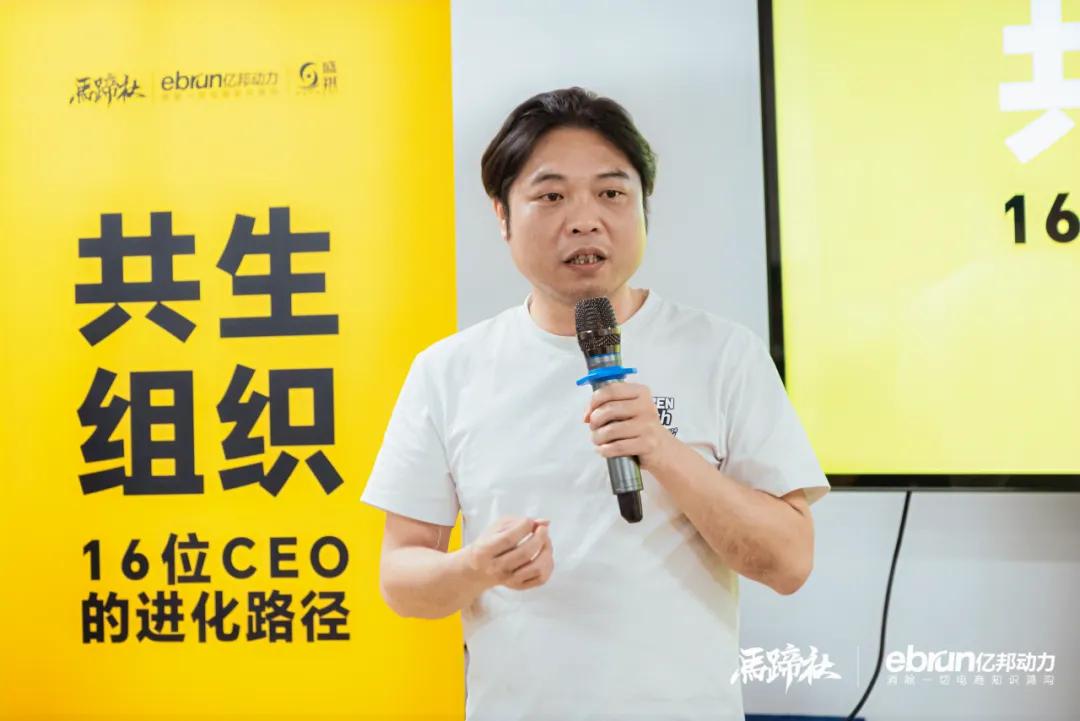
日前,马蹄社走进盛祺集团,对话集团创始人姚敏新与“祺士”CEO们,拆解一家普通的草根公司如何打造共生组织,成功逆袭。

图片

姚敏新

盛祺集团创始人


图片

马蹄社课程为闭门私密共创研学,每节课程全体同学均会签署课程内容《保密协议》,因此以下内容仅呈现已公开观点,不涉及马蹄社课程现场具有保密属性的核心内容。


志同道合远比能力更重要


创始人是一个组织的灵魂,组织体系是因创始人发心而形成的,保持清醒的头脑,学会聆听和包容,志同道合远比能力更重要。

图片


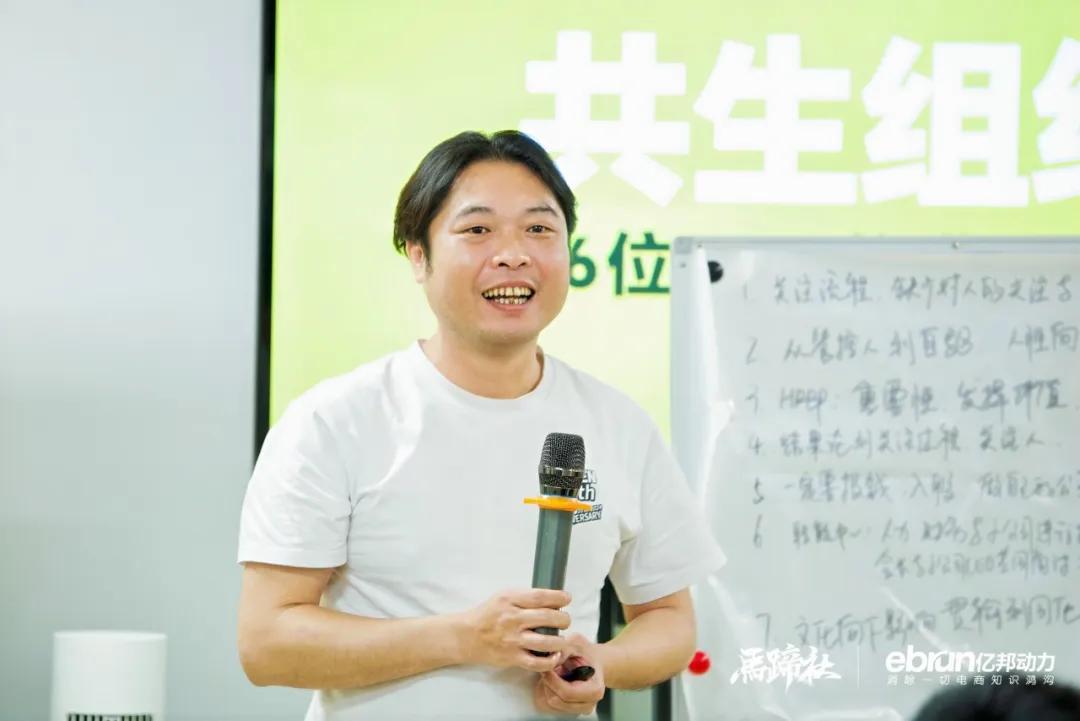
姚敏新到深圳创业的时候只带了一个助理,当时招募的第一个员工就是李晓文(现任集团旗下盛祺创新副董事长),之后又加入了几位伙伴,前面的八名员工,后来成了集团八家公司的CEO。


面对公司年轻的员工,姚敏新总是不厌其烦地表示:“只要你想干、只要你有冲劲,你就一定可以做出成绩。”


在姚敏新看来,公司的员工都是在机缘中把他们的青春、探索都奉献给了盛祺,他们拿到了相应的报酬,而公司也获得了很多意想不到的成就:“表面上我是他们的老板,但是他们也一个个从员工变成了我的合伙人,其实在这个过程当中,我们在成就彼此。”


突破传统的管理


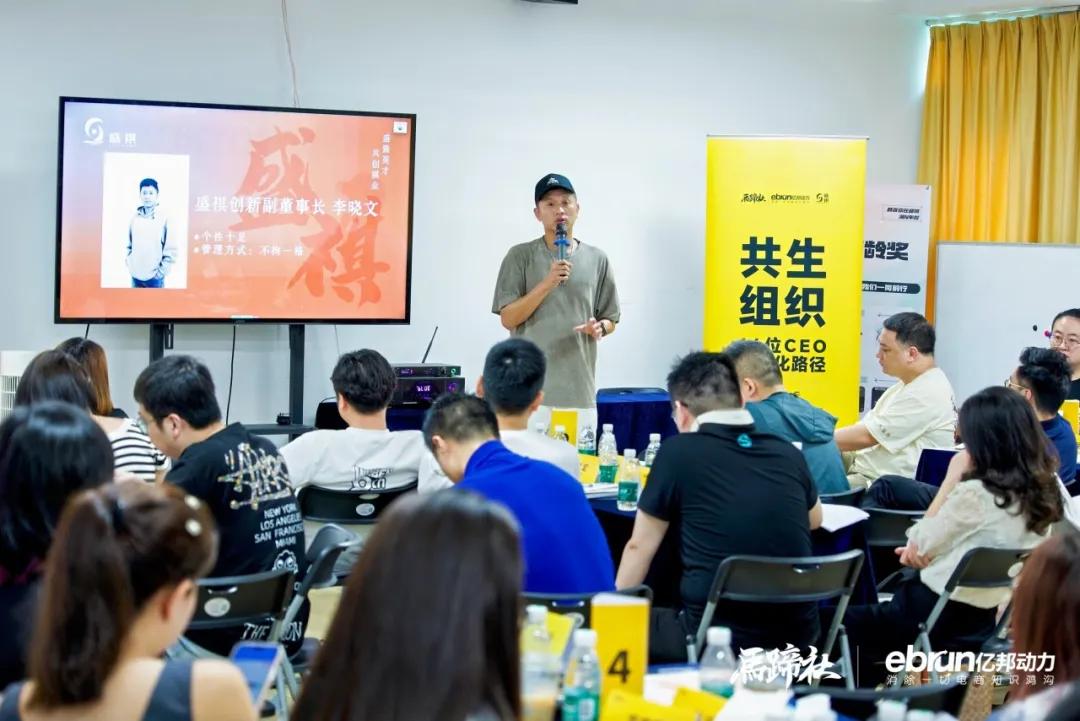
李晓文是盛祺的001号员工,以不拘一格的管理思维,打拼出集团最大体量的分公司。

图片


李晓文建议企业的管理者们应当换个角度去看年轻人。比如,他们为什么下班了还喜欢待在公司里面?他们不去约朋友、不去泡吧、不去打游戏……哪怕他下班之后是在公司里面吹空调、喝茶、聊天,不也正是一种归属感的表现么?这至少证明了公司不是他讨厌的地方,而是他觉得很舒适的地方。对于这样的员工,实际上需要做很多突破传统的管理。


他提到,组织框架和制度应该是为企业最初的初心服务的,由此而设计出的管理动作才会更温度,它也许并不是最有效率的做法,但它一定是最符合初心的。“也正是因为要让我们这帮‘土八路’能够在一个组织里往同一个方向去努力,才形成各种各样所谓奇葩的制度。”


做企业事,行江湖路


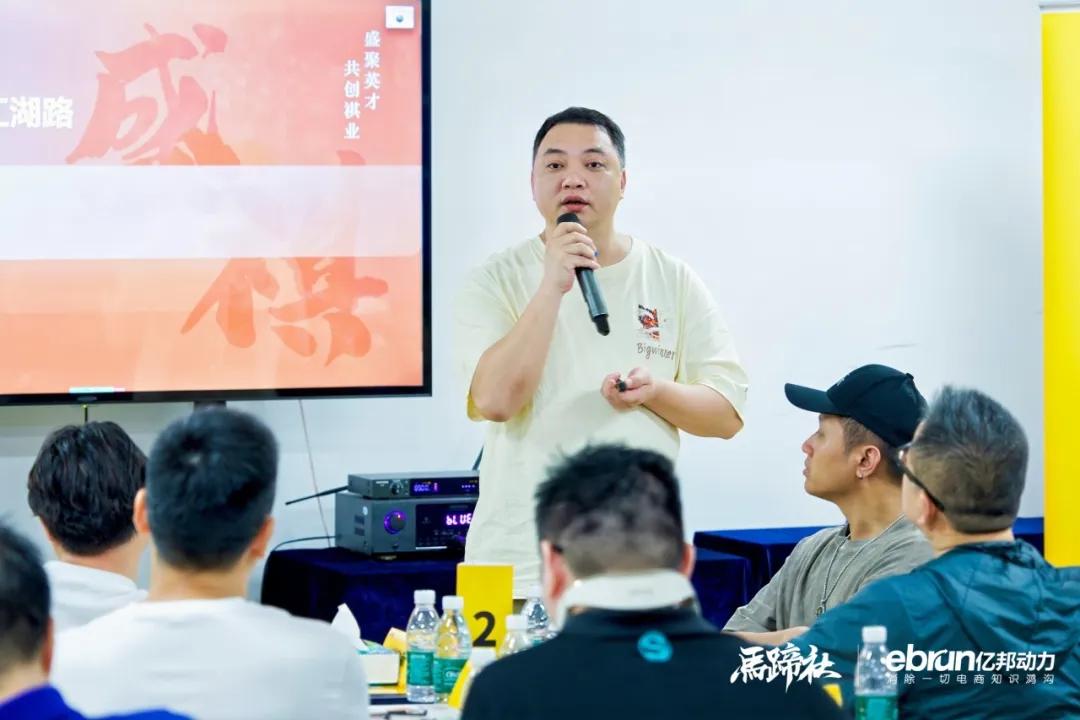
盛祺集团旗下盛龙公司CEO姚汉龙分享了对于“做企业事,行江湖路”的理解。

图片


盛龙的企业文化是“清醒、包容、创新、感恩”,作为一个创业团队,选择合伙人的最核心标准就是价值观一定要同频。用姚汉龙的话说,就是:“只要这个人的为人没有问题,就算现在不行,公司可以不断投入让他能行!”


优秀的组织,让普通人也能“涅槃升格”


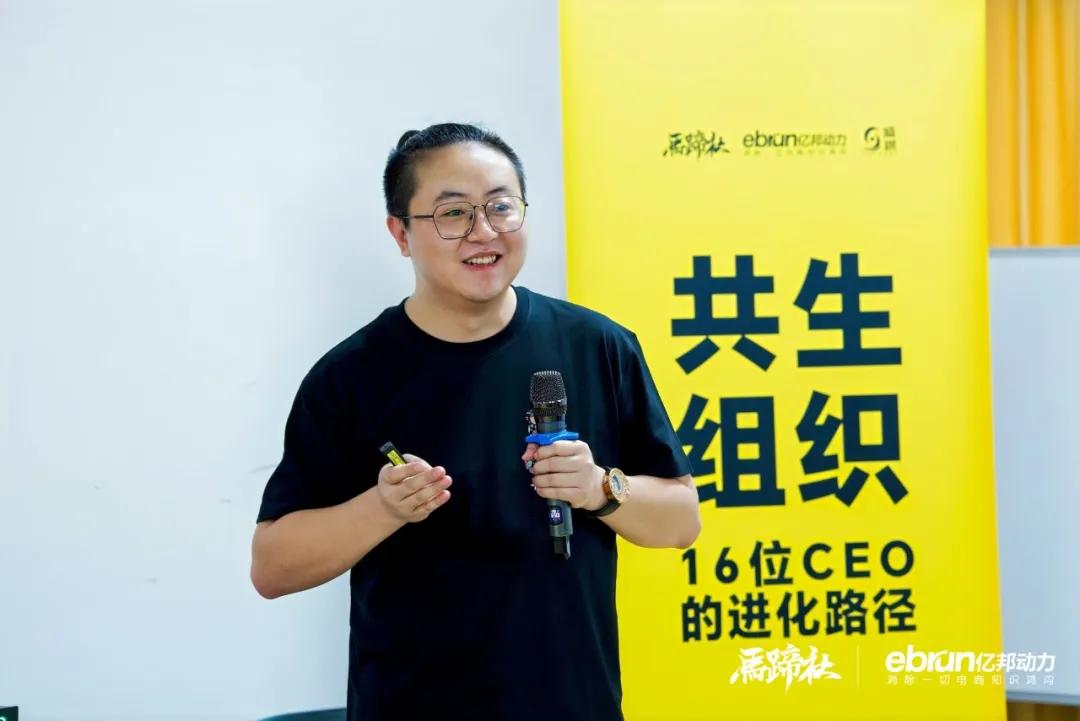
优秀的组织,让普通人也能“涅槃升格”!盛祺集团旗下祺临公司CEO崔进以自己的经历向参会的同学们分享了组织如何帮助员工实现“升级”以及他个人的成长和感受:

· 良师益友,弥足珍贵

· 天资薄弱,我所知道的都是经历过的

· 给你“经历”这个“过程”的都是恩人

· 不抛弃,不放弃

· 没抛弃,没放弃

· 相信相信的力量

图片


如何管理00后员工


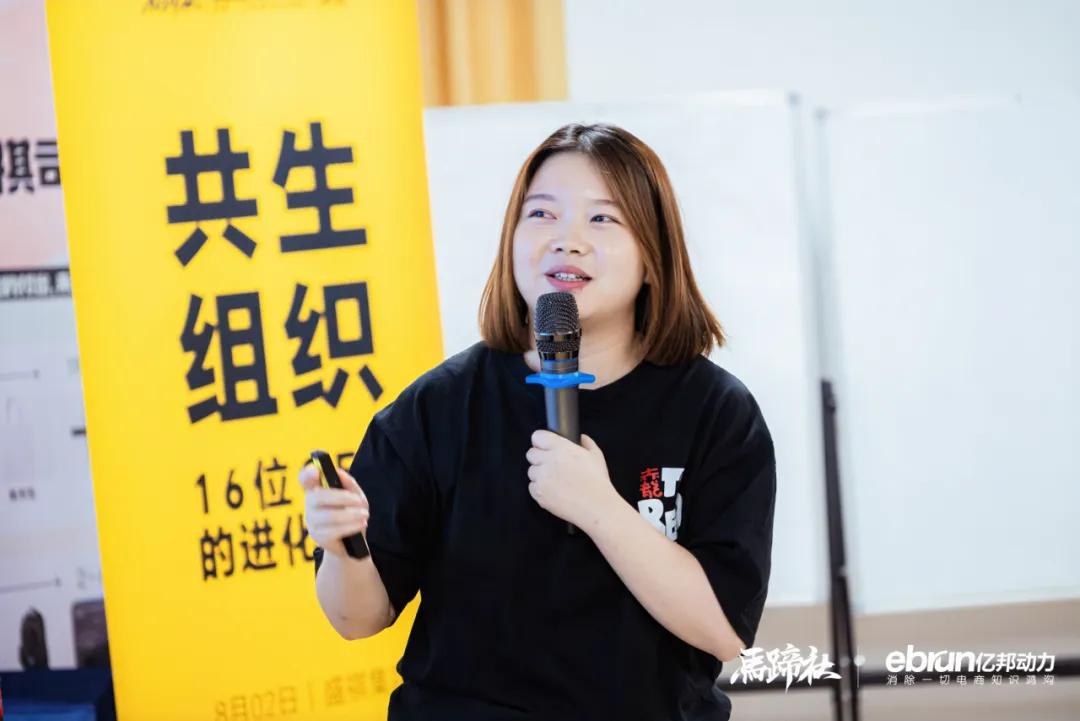
盛祺集团有很大一部分员工是95后、00后的年轻人,如何带领这样一群被网友戏称为“整顿职场”的新生代打造出团队的凝聚力?盛祺集团旗下大赢家公司CEO张慧给出了她的答案。

图片


00后年轻人的特点是追求自我实现价值、真实、敢于说不、特立独行、佛系、愿意挑战,他们渴望参与决策,希望自己的声音被听到。因此,共享决策会让他们感受到自己的价值,从而愿意为公司的发展贡献自己的力量。


事实上,00后员工确实“很难管”,管理者可以尝试建立以目标结果为驱动的管理体系,给资源、给方法、给时间与空间,过程中盯节点,最后验收结果。这样可以在很大程度上激发出年轻人的创造力和能动性。


管理的本质不是命令与控制,而是赋能与激发,鼓励的影响力远远大于指责。


包容性领导力培养出组织的归属感与创新力


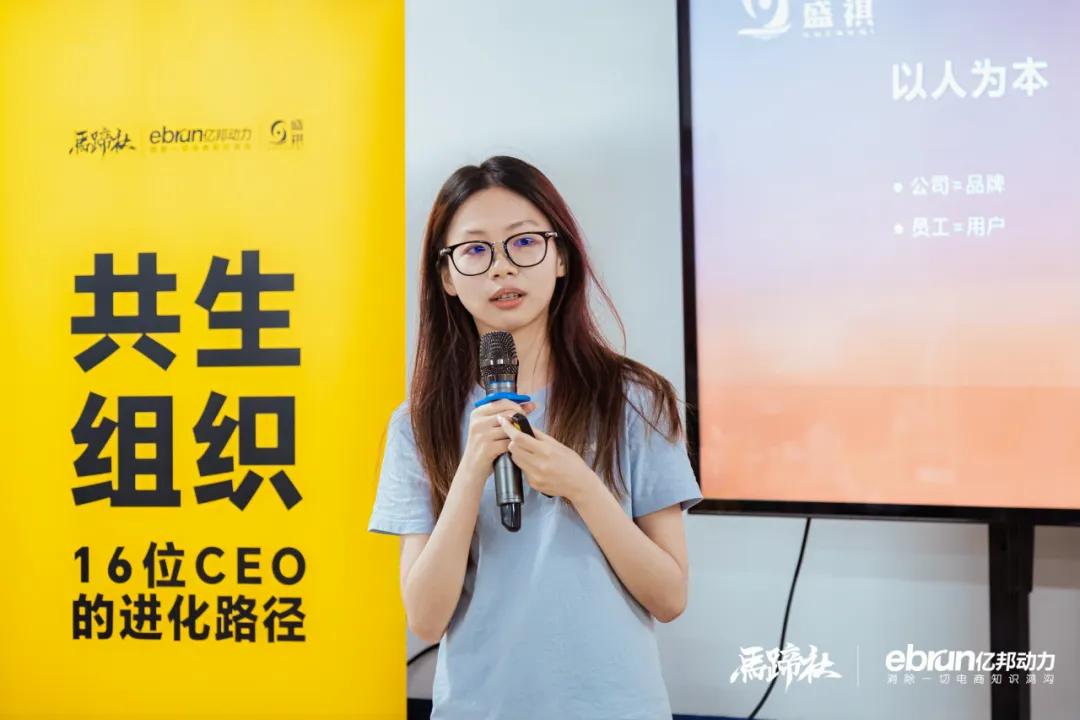
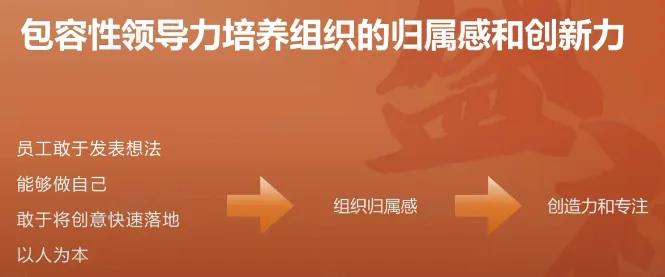
盛祺旗下务本公司国际营销副总Mia从员工视角分享了包容性领导力如何培养组织的归属感与创新力。她把公司假设成一个品牌,而员工就是这个品牌的用户,只有当用户的体验提升了,才会带来留存和复购的提升。

图片


相对应的,如果组织希望提升员工体验,就需要明确这些“用户”对“产品”的需求是什么,然后优化“用户”在“使用产品”时的体验。


Mia提到两个对于员工来说非常重要的体验:

· 公司尊重并鼓励多元工作风格:积极吸取员工带来的新视角、新想法和新氛围

· 包容“争论”:让不同的人进行不同的尝试


对个性的尊重让团队中的每个人都能发挥最大潜力,进而让团队的整体实力得以最大限度的释放。

图片


在一个不信任的世界里建立信任


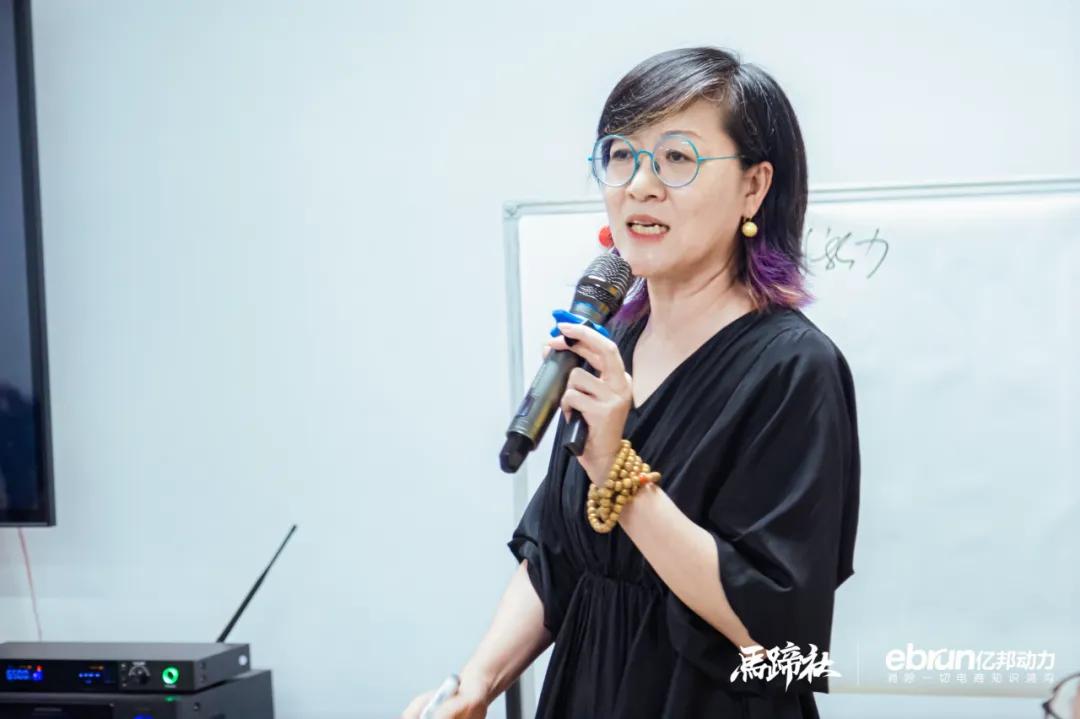
最后,盛祺集团人力资源部总监李丽俐从组织的视角分享了《如何在一个不信任的世界里建立信任》。

图片


在加入盛祺之前,李丽俐历经了各种职场,“底层逻辑都是商业利益”的认知根深蒂固,但到了盛祺以后,她真心体会到了“相同价值观和理念文化下才有的凝聚,才有的组织和团队”,心灵上实现了一场翻天覆地的大转变。


一开始,她对于创始人姚敏新所讲的凝聚力以及“相信相信的力量”等等都是心存质疑的,因为此前看过了太多的职场文化和职场传统,看遍了人和事,会自然认为这些是老板日常“画饼”的套路。但在加入盛祺一段时间后,李丽俐成为了盛祺文化的宣传大使,用自身行动向各个公司去宣传盛祺的“大凝聚”。


她总结自己说:“一开始是放不开的,但是到后面,越来越控制不住自己(去宣传盛祺文化),与其说被盛祺同化,还不如说是找到了内心冰山下的一种曾经不相信的真实,所以现在有了坚定的信仰。”


花絮瞬间

图片

图片

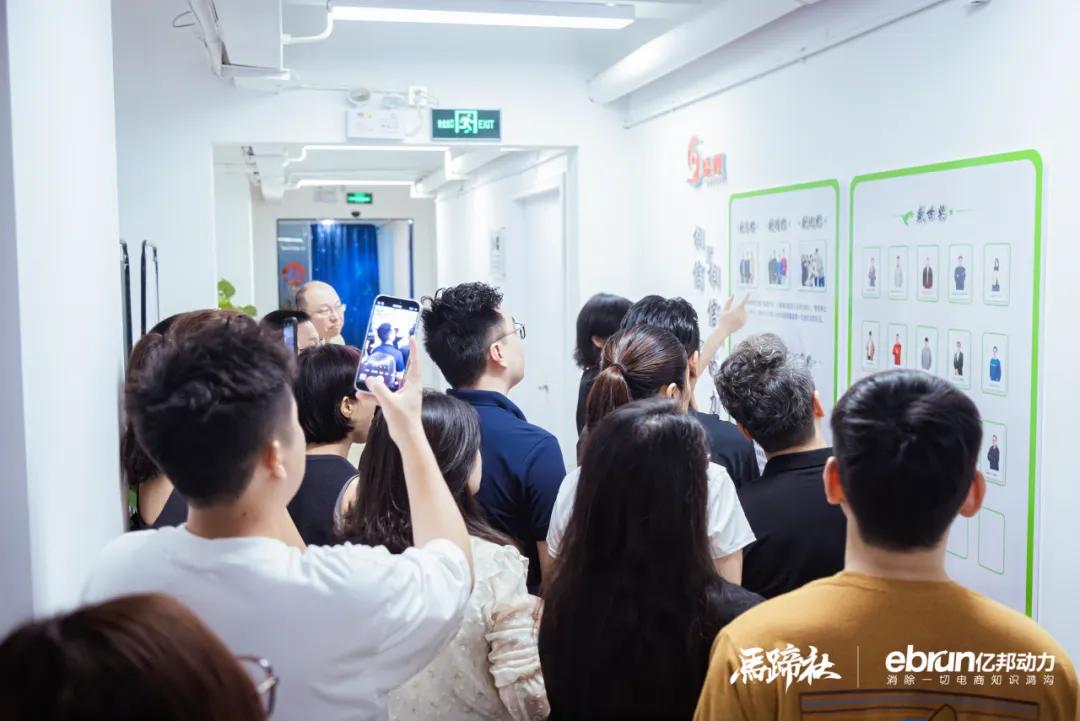
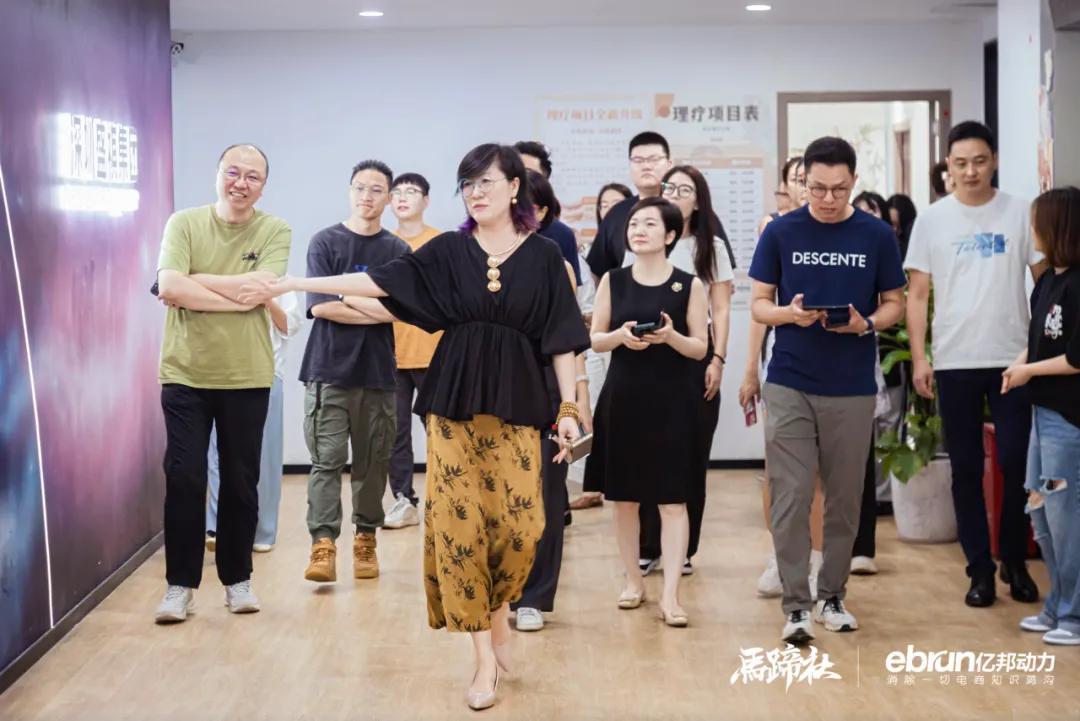
参观盛祺集团企业文化


图片

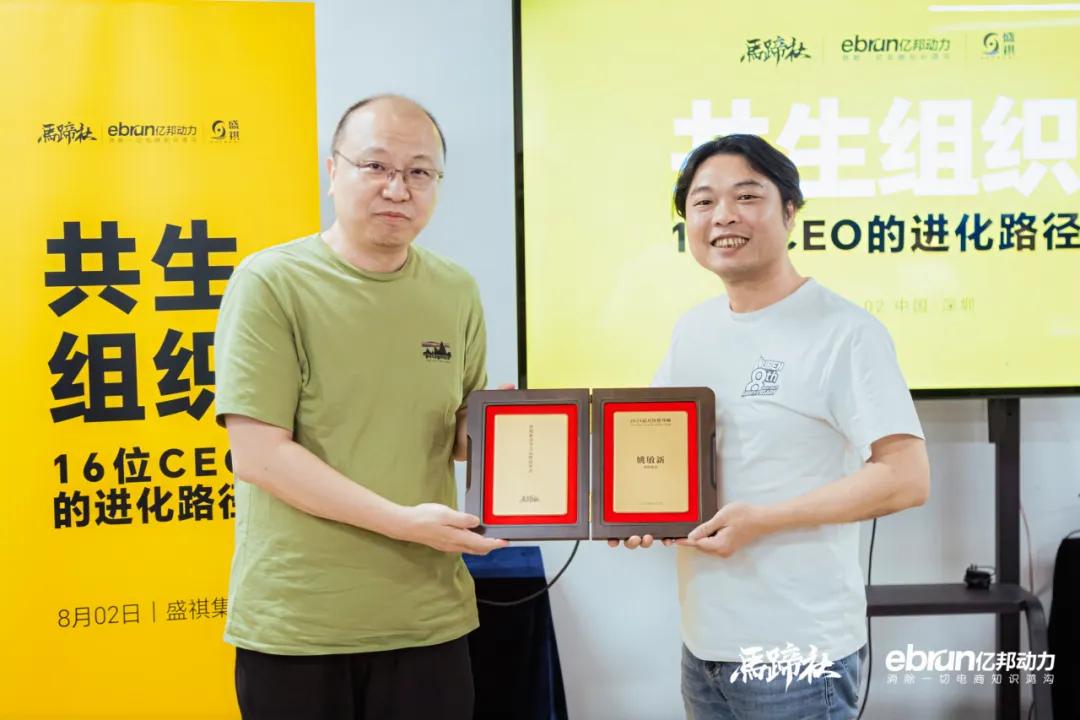
亿邦动力联合创始人、马蹄社主理人刘宸为盛祺集团创始人姚敏新颁发导师证书



图片

图片

图片

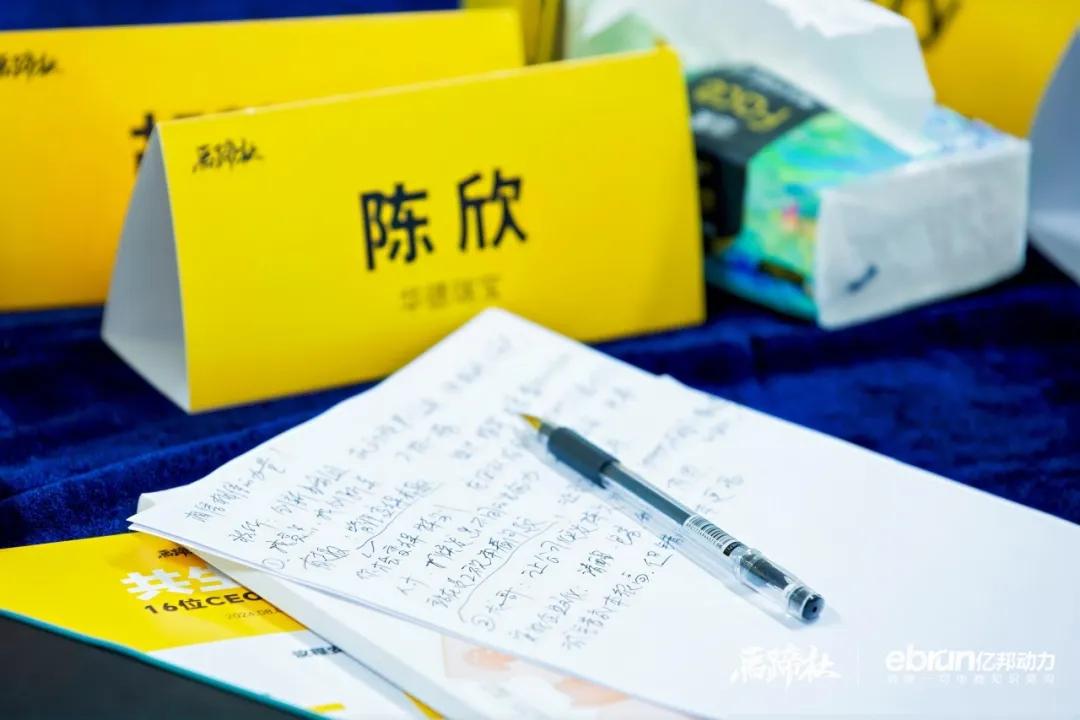
课堂干货多多  同学笔记满满


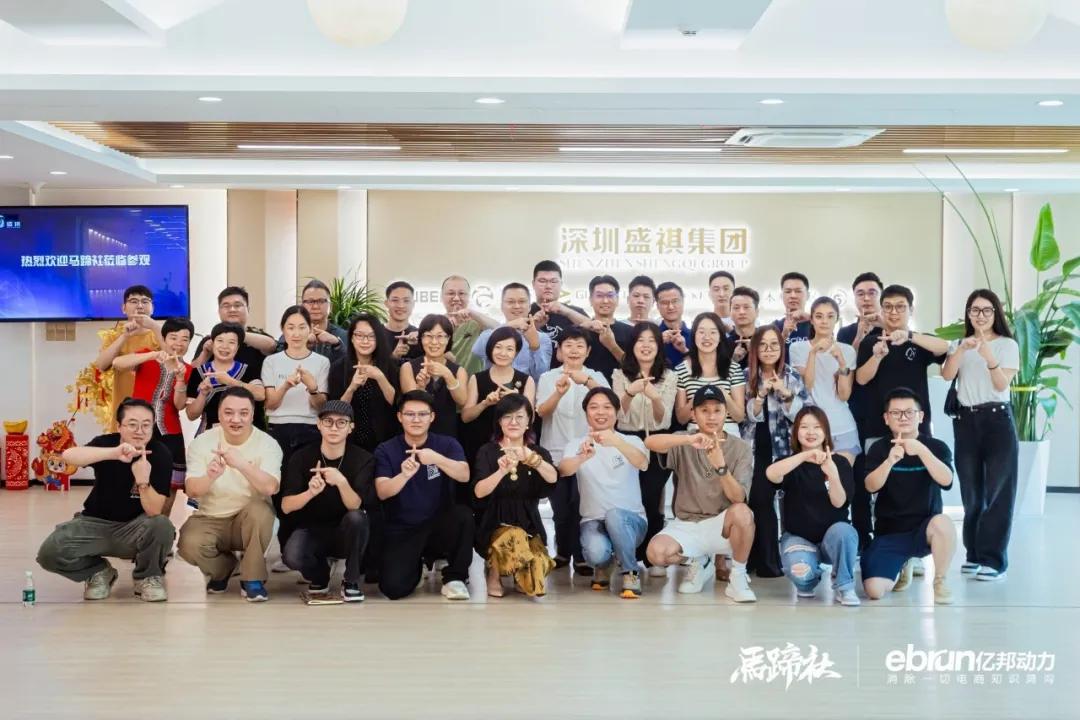
马蹄社本期参会同学

(A-Z首字母排序)

图片


Jerry   利他科技 创始人     

陈文娟 老板电器 大线上总经理     

陈    欣 华德瑞宝 副总裁     

费靖峰 灏米科技 副总     

葛莹莹 UNOUNO质惠家 联合创始人     

何    定 千岸科技 创始人     

胡慧玲 亚飞电子 副总裁     

纪鲁杰 健安医药 网络营销事业部负责人     

经    超 有色yoose CEO     

康小辉 SKG 销售经理     

李春辉 欧达家居 创始人     

李纯滨 Leaderment理德铭科技 CEO     

廖    敏 瑞怡乐 总经理     

刘美汐 EveryWatt半固态储能 总经理     

楼    聪 焕颜有方 创始人     

彭美林 亚飞电子 事业部总经理     

邱永艳 欧达家居 副总经理     

盛    姣 SKG 人力资源负责人     

孙楚桓 华德瑞宝 总经理     

谭    宁 华德瑞宝 总经理     

王若帆 德晟 国内业务总经理     

吴    昊 玖治科技 CEO     

吴卫明 脉威控股 创始人/董事长     

徐    杉 淘淘羊 CEO     

杨    君 沐家家居 CEO     

俞    健 速境生活 COO     

张何文 彤鑫实业 CEO     

钟佳奇 柚比科技 CEO     

周    妍 汤臣倍健 HRM     


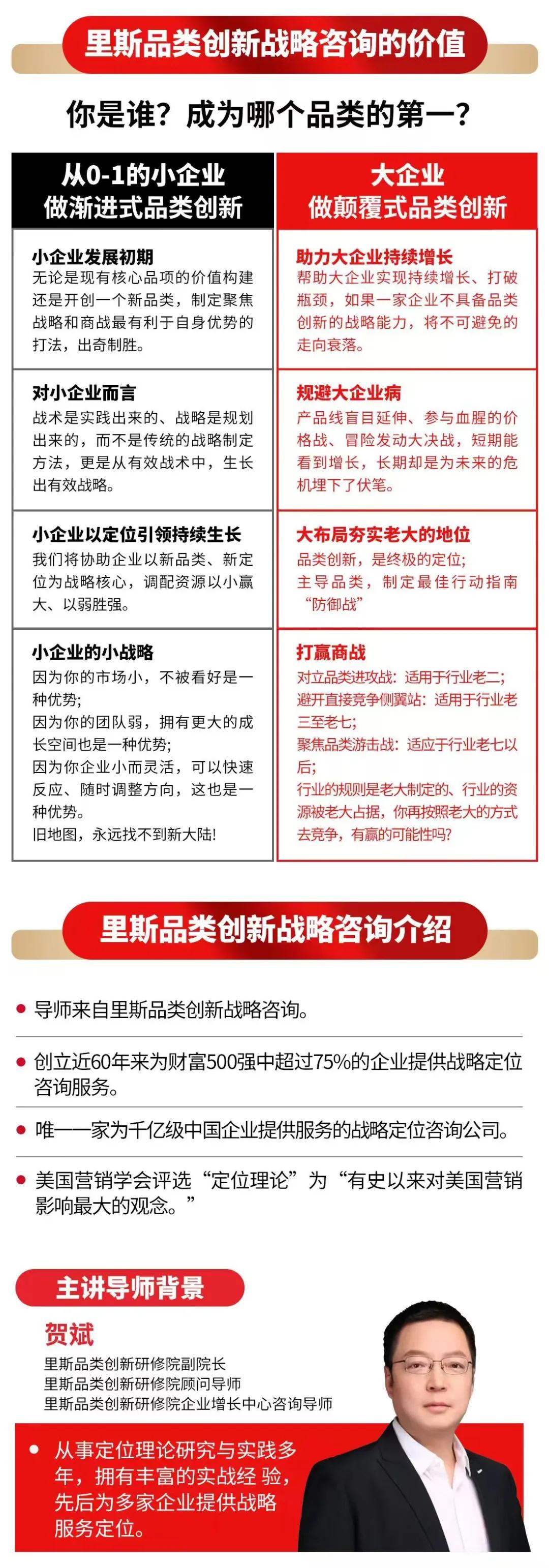
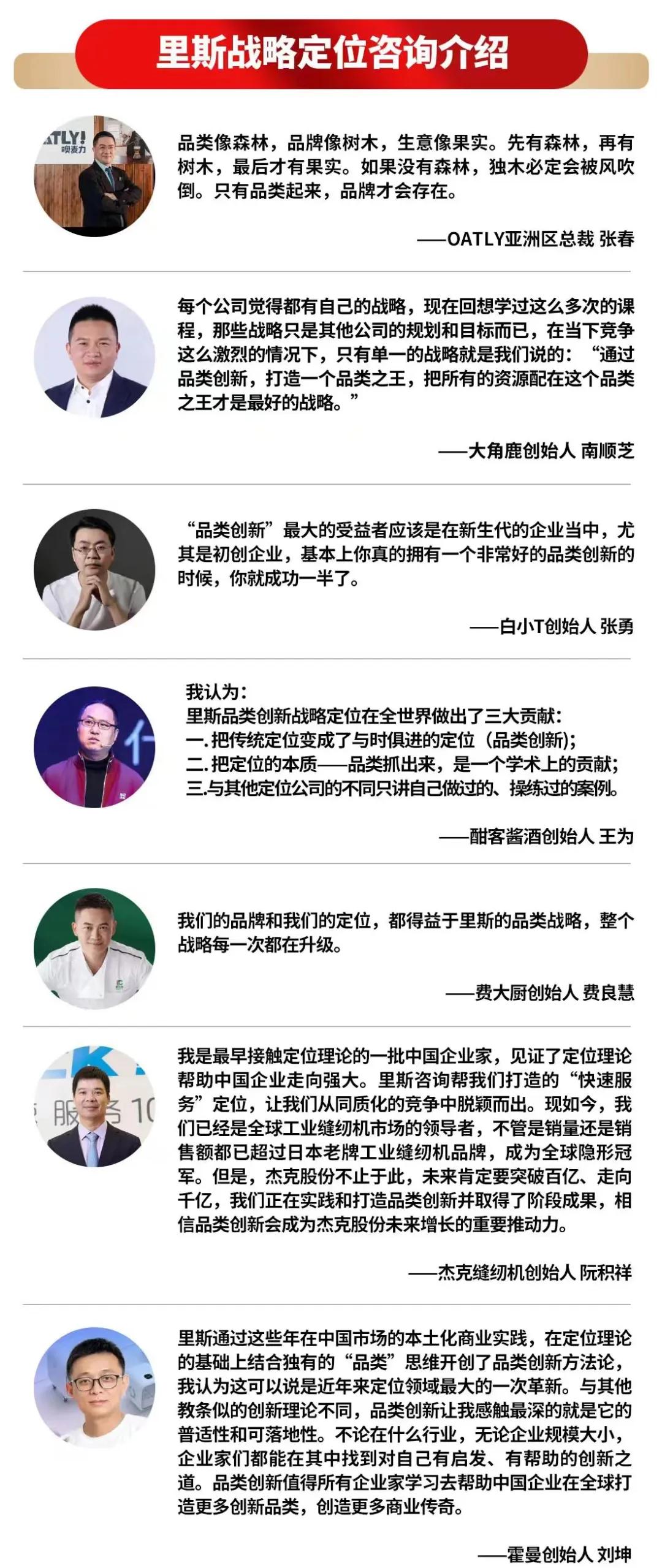
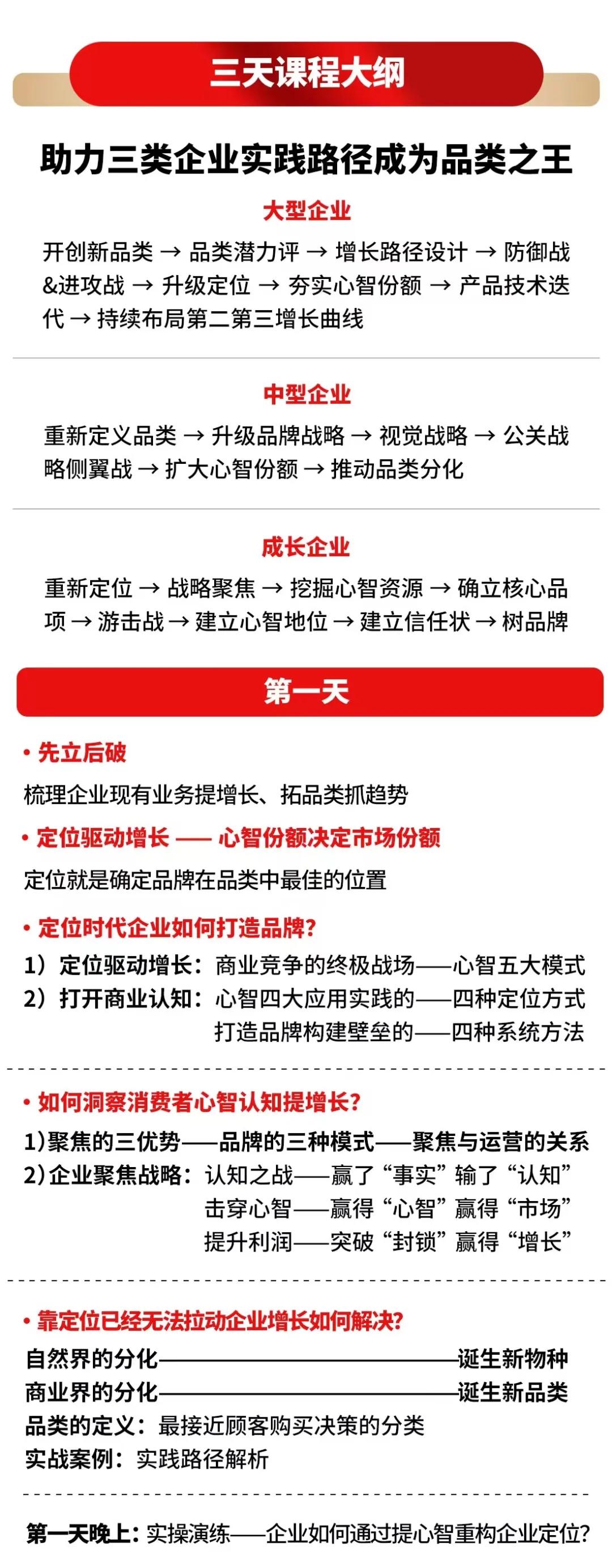
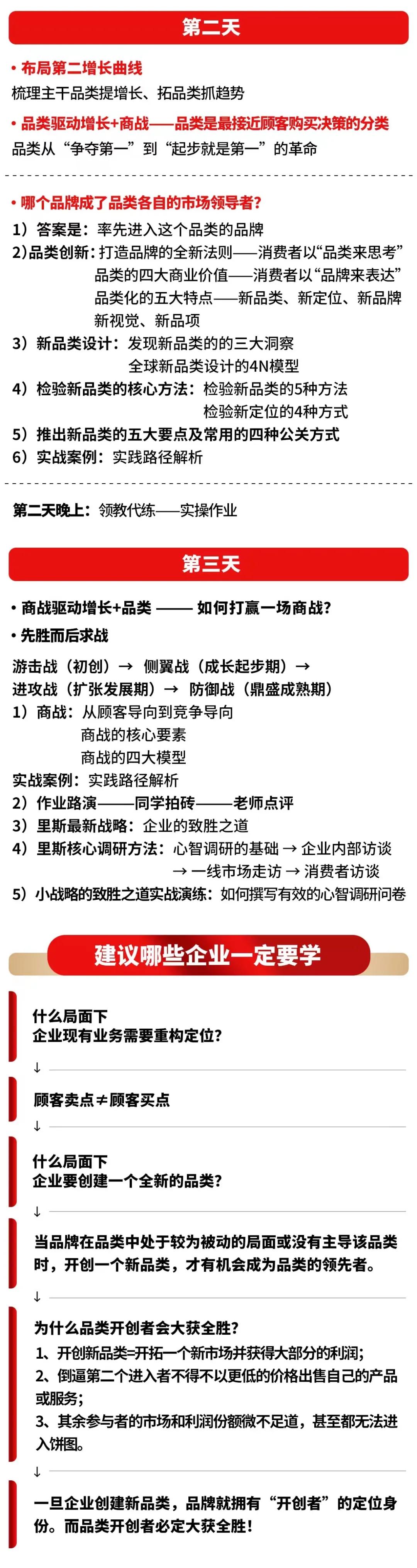
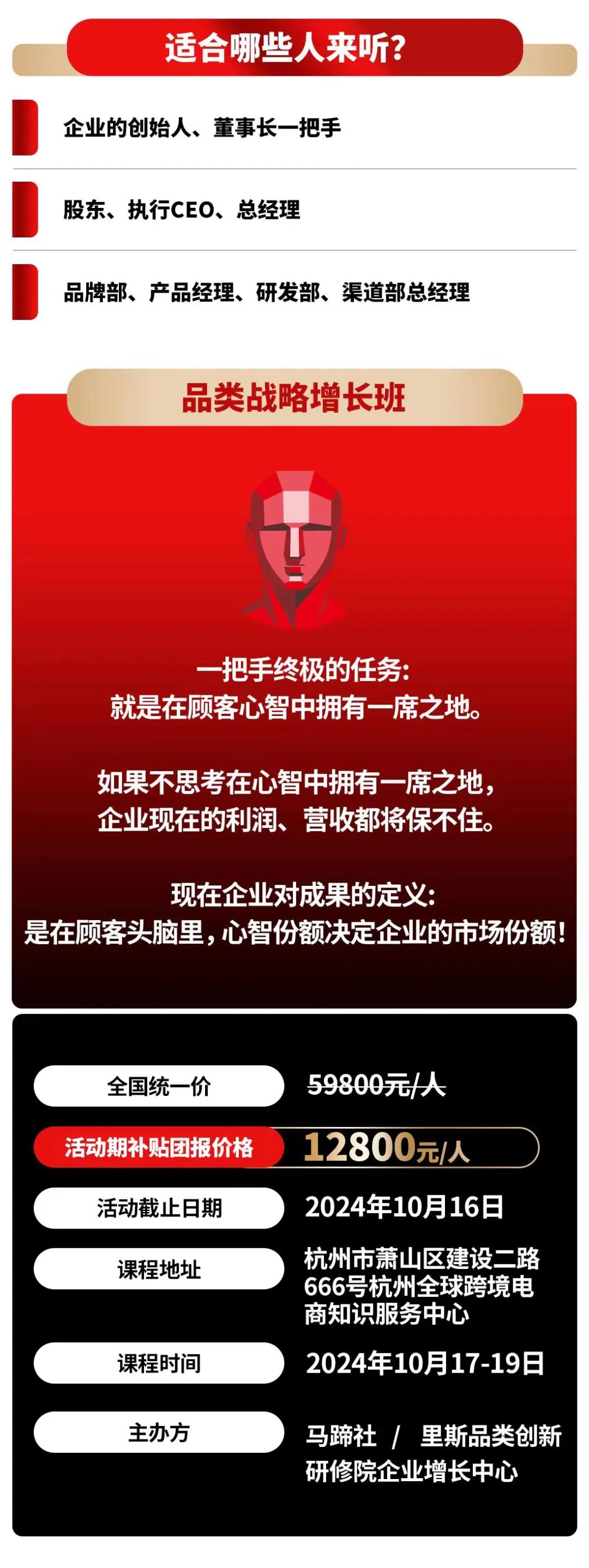
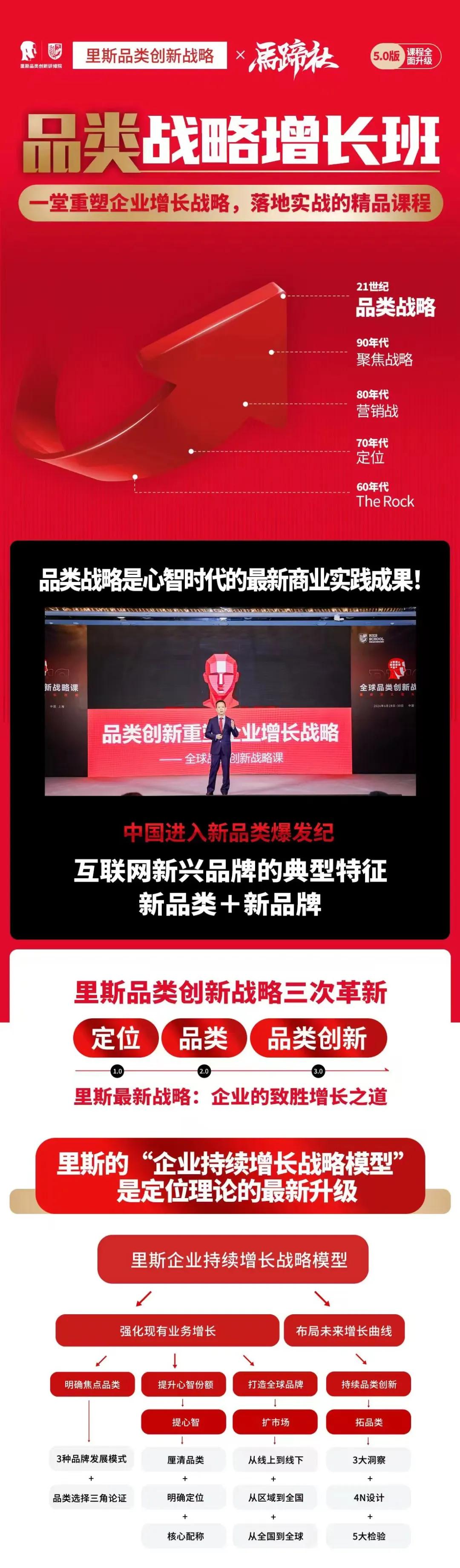
优质课程 马不停蹄,马蹄社与里斯共同打造的3天2夜大课“品类战略增长班”将于10月17-19日开课。这是一堂重塑企业增长战略、落地实战的精品课程,期待与同学们一起成为品类之王,开创新增长!

图片

图片

图片

图片

图片

图片

图片

图片

详询马蹄社工作人员

图片


【版权提示】亿邦动力倡导尊重与保护知识产权。未经许可,任何人不得复制、转载、或以其他方式使用本网站的内容。如发现本站文章存在版权问题,烦请提供版权疑问、身份证明、版权证明、联系方式等发邮件至run@ebrun.com,我们将及时沟通与处理。

已点赞

+1

{{ praise_text }}

好文章,值得被更多人看到

FAQ回顾

什么是共生组织管理模式?

共生组织管理模式是盛祺集团从‘团伙’到‘团队’的管理实践,核心是志同道合的合伙人文化,通过突破传统管理、包容性领导力和共享决策,孵化出16位CEO,实现业绩增长超30亿。

如何管理00后员工提升团队凝聚力?

针对00后员工追求自我实现的特点,建立以目标结果为驱动的管理体系,给资源、给方法、给时间与空间,过程中盯节点,最后验收结果,通过共享决策激发创造力和能动性。

包容性领导力如何培养组织归属感?

包容性领导力尊重并鼓励多元工作风格,包容‘争论’,让员工发挥最大潜力。通过优化员工体验,明确需求,提升归属感与创新力,实现团队整体实力的最大释放。

广告

下一篇

跨境电商资源对接

《全球跨境电商服务商资源手册》第二期手册现已发布,触达更多资源,了解跨境服务商信息,欢迎点击链接下载。

了解详情

新能源车 哪些方向不卷?

2023年初,随着碳酸锂价格步入下行区间后,成本约束减弱的新能源汽车行业正式进入贴身肉搏阶段。

品牌故事 汽车 未来零售

2024-09-10 14:04:32