



• 亿邦公众号
    • APP下载

杭州跨境电商又有新布局!钱塘自贸中心正式开园

作者:亿邦动力 文章来源:亿邦动力

2024-05-21 17:38

作者:亿邦动力 文章来源:亿邦动力

2024-05-21 17:38

邦小白快读

EN
全文速览

本文核心是杭州钱塘自贸中心正式开园的相关信息,核心干货整理如下:

1. 基础信息:该园区位于杭州钱塘区杭州综合保税区内,由普洛斯集团与钱塘产业集团联合打造,总建筑面积近14万平方米,总投资额约9亿元,以开放、创新、共享为核心价值,目标是推动跨境电商产业高质量发展。

2. 已落地合作资源:开园现场已经和多家机构企业签订战略合作,包括和协会合作打造跨境企业沙龙会,给企业提供交流合作平台;和海仓科技合作提供仓配关检一站式服务,和小熊环球合作打造产销一体化供应链服务。

3. 未来定位:园区目标是打造领先的产业办公与保税仓储综合体,依托杭州电商产业基础,助力国内跨境电商企业出海,提升中国电商行业的全球竞争力。

钱塘自贸中心的开园给布局跨境出海的品牌商带来了诸多利好,相关干货整理如下:

1. 配套服务优势:园区自带保税仓储与产业办公空间,已经对接好了成熟的第三方服务资源,入驻品牌可以直接享受一站式仓配关检服务、产销一体化供应链服务,不需要品牌自行搭建全套出海配套体系,可降低运营成本。

2. 资源对接优势:园区专门设立了跨境企业沙龙会,方便品牌对接同行资源、合作渠道,拓展行业人脉与商业机会,帮助品牌快速对接产业链上下游。

3. 区位与政策优势:园区依托杭州电商之都的产业基础,身处杭州综合保税区,能帮助品牌更快打通出海链路,融入全球市场,契合当前全球跨境电商蓬勃发展的趋势,适合品牌拓展海外市场、布局国际化业务。

本文透露了跨境电商领域的新发展机会,对跨境卖家的干货整理如下:

1. 新的入驻发展机会:杭州钱塘自贸中心正式开园,面向跨境电商企业开放入驻,园区定位就是服务跨境电商企业出海,能给卖家提供完善的产业生态支持。

2. 配套服务解决核心痛点:卖家入驻后可享受仓配关检一站式服务,直接解决跨境出海的物流、通关难点,还能获得产销一体化供应链支持,降低运营的复杂度与成本。

3. 资源与红利加持:园区有专门的跨境企业交流沙龙,方便卖家对接货源、渠道、资本等各类资源,依托杭州电商产业基础和综保区的优势,能帮助卖家更快打开海外市场,抓住当前全球电商市场蓬勃增长的红利,想要拓展海外业务的卖家可以抓住这个入驻机会。

钱塘自贸中心的开园给想要布局跨境电商的生产工厂带来了新的商业机会,相关干货整理如下:

1. 直接对接出海渠道的机会:园区已经和小熊环球达成跨境电商供应链产销一体化合作,工厂可以依托这个合作直接对接跨境销售渠道,缩短传统外贸的中间链路,减少渠道层级,提升自身的利润空间。

2. 配套服务降低转型门槛:园区提供保税仓储、一站式仓配关检服务,工厂做跨境电商不需要自行搭建全套物流通关体系,可依托园区的配套服务完成相关环节,降低转型的资金与人力投入。

3. 数字化转型启示:当前全球跨境电商市场持续增长,工厂可以借助这类专业产业园区的生态支持,推进自身的数字化、电商化转型,直接对接海外消费者,打造自有出海业务,提升自身的抗风险能力与盈利水平,更快实现国际化布局。

本文透露了跨境电商服务领域的行业趋势与机会,相关干货整理如下:

1. 行业发展趋势:当前跨境电商产业正朝着专业化集聚的方向发展,多地都在打造专门的跨境电商产业园区,推动国内跨境企业抱团出海,市场对一体化跨境产业服务的需求持续提升,行业整体处于增长阶段。

2. 客户核心痛点:跨境出海企业最核心的需求是低成本获取配套服务,以及稳定的交流合作对接渠道,具体包括便捷的物流通关服务、稳定的供应链支持、同行资源对接机会,这些都是客户未被完全满足的痛点。

3. 服务商的发展方向:服务商可以和钱塘自贸中心这类专业跨境产业园区开展战略合作,依托园区的企业集聚优势触达更多潜在客户,整合自身资源打造一体化的服务解决方案,满足入驻企业的多元需求,抓住跨境电商产业增长的行业红利。

钱塘自贸中心的开园运营给跨境产业平台商带来了很多可参考的运营经验,相关干货整理如下:

1. 摸清企业核心需求:跨境企业入驻产业平台,核心需求不止是办公和仓储空间,还需要完善的配套服务、资源对接场景,平台需要围绕这些需求搭建生态,才能提升对企业的吸引力。

2. 可复制的开发运营模式:钱塘自贸中心采用“产业资本+地方产业集团”强强联合的开发模式,可以整合双方的产业运营能力和地方资源优势,同时在开园前就对接各类专业服务商和行业机构,提前完善生态配套,开园即可给企业提供成熟服务。

3. 运营方向参考:平台要依托所在地的产业基础,明确助力企业出海的核心定位,通过和各类专业机构合作完善服务生态,同时搭建企业交流合作的场景,促进企业联动发展,帮助企业对接全球市场,才能打造有竞争力的跨境产业平台。

本文呈现了当前国内跨境电商产业发展的新动向,对产业研究的参考干货整理如下:

1. 产业发展新动向:当前国内跨境电商产业正加速向专业化集聚方向发展,头部电商城市都在加大跨境电商领域的战略布局,通过打造专业化的产业综合体,整合资源推动行业出海,这是近几年跨境电商产业发展的新特征。

2. 可研究的创新商业模式:钱塘自贸中心采用“产业运营商+地方国有企业”联合开发的模式,打造集产业办公、保税仓储、全链条配套服务于一体的综合体,通过提前对接专业服务机构搭建完善生态,这种模式对国内其他地区的跨境产业园区建设有重要的参考价值。

3. 产业发展新方向:当前国内跨境电商产业正在整合资源提升全球竞争力,依托综合保税区的政策优势打造产业集聚平台,已经成为推动国内跨境电商企业出海的重要路径,这种发展路径的效果与可持续性,都值得深入研究。

声明:快读内容全程由AI生成,请注意甄别信息。如您发现问题,请发送邮件至 run@ebrun.com 。

我是 品牌商 卖家 工厂 服务商 平台商 研究者 帮我再读一遍。

Quick Summary

This article shares key updates on the official opening of the Hangzhou Qiantang Free Trade Center, with core takeaways summarized below:

1. Basic Facts: Located within the Hangzhou Comprehensive Bonded Zone in Qiantang District, the center is a joint development by GLP and Qiantang Industrial Group. It covers a total construction area of nearly 140,000 square meters, with a total investment of approximately 900 million yuan. Built around the core values of openness, innovation and sharing, its goal is to drive high-quality development of the cross-border e-commerce industry.

2. Already Inked Partnerships: Multiple strategic cooperation agreements were signed at the opening ceremony. These include a partnership with industry associations to launch cross-border business salons that provide a platform for enterprise exchange and collaboration; a partnership with Haicang Technology to deliver one-stop warehouse, distribution, customs and inspection services; and a partnership with Xiongxiong Global to build an integrated production and sales supply chain service.

3. Future Positioning: The center aims to become a leading industrial office and bonded warehousing complex. Leveraging Hangzhou's established e-commerce industry foundation, it will support domestic cross-border e-commerce enterprises in going global and enhance the global competitiveness of China's e-commerce industry.

The opening of Qiantang Free Trade Center brings multiple benefits for brands planning cross-border expansion, with key takeaways below:

1. Superior Supporting Services: The center comes with built-in bonded warehousing and industrial office space, and has already integrated mature third-party service resources. Settled brands can directly access one-stop warehouse, distribution, customs and inspection services, plus integrated production and sales supply chain services, eliminating the need to build a full set of cross-border expansion infrastructure in-house and cutting operational costs.

2. Streamlined Resource Matching: The dedicated cross-border enterprise salon hosted by the center makes it easy for brands to connect with peer resources and cooperation channels, expand industry networks and unlock new business opportunities, and quickly access upstream and downstream links of the industrial chain.

3. Location and Policy Advantages: Backed by Hangzhou's status as China's e-commerce hub and located within the Hangzhou Comprehensive Bonded Zone, the center helps brands smooth out their cross-border expansion paths and integrate into the global market. Aligning with the current booming growth of global cross-border e-commerce, it is an ideal base for brands looking to expand into overseas markets and build out their international operations.

This article outlines new growth opportunities in the cross-border e-commerce space, with key insights for cross-border sellers summarized below:

1. New Settlement and Growth Opportunity: The newly opened Qiantang Free Trade Center is now accepting applications from cross-border e-commerce enterprises. Positioned specifically to support cross-border e-commerce sellers in going global, it provides comprehensive industrial ecosystem support.

2. Supporting Services Solve Core Pain Points: After moving in, sellers can access one-stop warehouse, distribution, customs and inspection services, which directly resolves the key logistics and customs clearance pain points of cross-border expansion. They also gain access to integrated production and sales supply chain support, reducing operational complexity and costs.

3. Resource and Dividend Support: The center's dedicated cross-border enterprise exchange salon makes it easy for sellers to connect with a wide range of resources including supply sources, sales channels and capital. Leveraging Hangzhou's e-commerce industry foundation and the advantages of the comprehensive bonded zone, it helps sellers enter overseas markets faster and capture the booming growth dividend of the global e-commerce market. Sellers looking to expand overseas operations should not miss this settlement opportunity.

The opening of Qiantang Free Trade Center brings new business opportunities for manufacturing factories looking to enter cross-border e-commerce, with key takeaways below:

1. Direct Access to Cross-Border Sales Channels: The center has reached an integrated production and sales cross-border e-commerce supply chain cooperation with Xiongxiong Global. Factories can leverage this partnership to directly access cross-border sales channels, cut out intermediary links in traditional foreign trade, reduce channel tiers, and boost profit margins.

2. Supporting Services Lower Transformation Barriers: With the center's bonded warehousing and one-stop warehouse, distribution, customs and inspection services, factories do not need to build their own full logistics and customs clearance system to run cross-border e-commerce. They can complete all relevant links through the center's supporting services, cutting the capital and labor investment required for digital transformation.

3. Inspiration for Digital Transformation: Amid the continuous growth of the global cross-border e-commerce market, factories can leverage the ecosystem support of professional industrial parks like this to advance their own digital and e-commerce transformation, connect directly with overseas consumers, build in-house cross-border business, improve risk resilience and profitability, and achieve international expansion faster.

This article outlines industry trends and opportunities in the cross-border e-commerce service sector, with key insights summarized below:

1. Industry Development Trend: The cross-border e-commerce industry is increasingly moving toward specialized agglomeration. Many regions across China are building dedicated cross-border e-commerce industrial parks to support domestic cross-border enterprises in expanding overseas as a collective. Market demand for integrated cross-border industrial services continues to rise, and the overall industry is in a growth phase.

2. Core Client Pain Points: The most pressing needs of cross-border enterprises are access to low-cost supporting services and stable channels for exchange, cooperation and matching. This includes convenient logistics and customs clearance services, stable supply chain support, and opportunities to connect with peer resources — all pain points that have not yet been fully met.

3. Growth Direction for Service Providers: Service providers can pursue strategic cooperation with professional cross-border industrial parks like Qiantang Free Trade Center. Leveraging the park's enterprise agglomeration advantage to reach more potential clients, they can integrate their own resources to build integrated service solutions that meet the diverse needs of settled enterprises, and capture the industry growth dividend of the cross-border e-commerce boom.

The launch and operation of Qiantang Free Trade Center offers valuable operational insights for cross-border industrial platform operators, with key takeaways summarized below:

1. Clarify Enterprises' Core Needs: When cross-border enterprises settle in an industrial platform, their core demands go beyond office and warehousing space — they also need comprehensive supporting services and resource matching scenarios. Platforms must build out their ecosystem around these needs to boost their appeal to enterprises.

2. A Replicable Development and Operation Model: Qiantang Free Trade Center adopts a strong joint development model of "industrial capital + local industrial group", which integrates the industrial operation capabilities of the industrial player and the local resource advantages of the government-linked group. It also signed on various professional service providers and industry organizations before opening, completing ecosystem preparation in advance to deliver mature services to enterprises from day one.

3. Reference for Operational Strategy: To build a competitive cross-border industrial platform, operators should leverage their location's existing industrial foundation, clarify a core positioning of supporting enterprises in going global, improve the service ecosystem through partnerships with various professional institutions, and build exchange and collaboration scenarios to drive interconnected development among enterprises and help them access the global market.

This article presents new developments in China's current cross-border e-commerce industry, with key insights for industrial research summarized below:

1. New Industry Development Trends: China's cross-border e-commerce industry is accelerating toward specialized agglomeration. Leading e-commerce cities are stepping up strategic布局 in the cross-border e-commerce sector, building specialized industrial complexes to integrate resources and support industry-wide global expansion. This is a defining new feature of cross-border e-commerce development in recent years.

2. An Innovative Business Model Worth Studying: Qiantang Free Trade Center adopts a joint development model of "industrial operator + local state-owned enterprise" to build a complex integrating industrial office, bonded warehousing and full-chain supporting services, with a complete ecosystem built through pre-opening partnerships with professional service institutions. This model offers significant reference value for cross-border industrial park construction in other regions of China.

3. A New Direction for Industrial Development: China's cross-border e-commerce industry is currently integrating resources to improve global competitiveness. Building an industrial agglomeration platform leveraging the policy advantages of comprehensive bonded zones has become an important path to support domestic cross-border e-commerce enterprises in going global. The effectiveness and sustainability of this development path both warrant in-depth research.

Disclaimer: The "Quick Summary" content is entirely generated by AI. Please exercise discretion when interpreting the information. For issues or corrections, please email run@ebrun.com .

I am a Brand Seller Factory Service Provider Marketplace Seller Researcher Read it again.

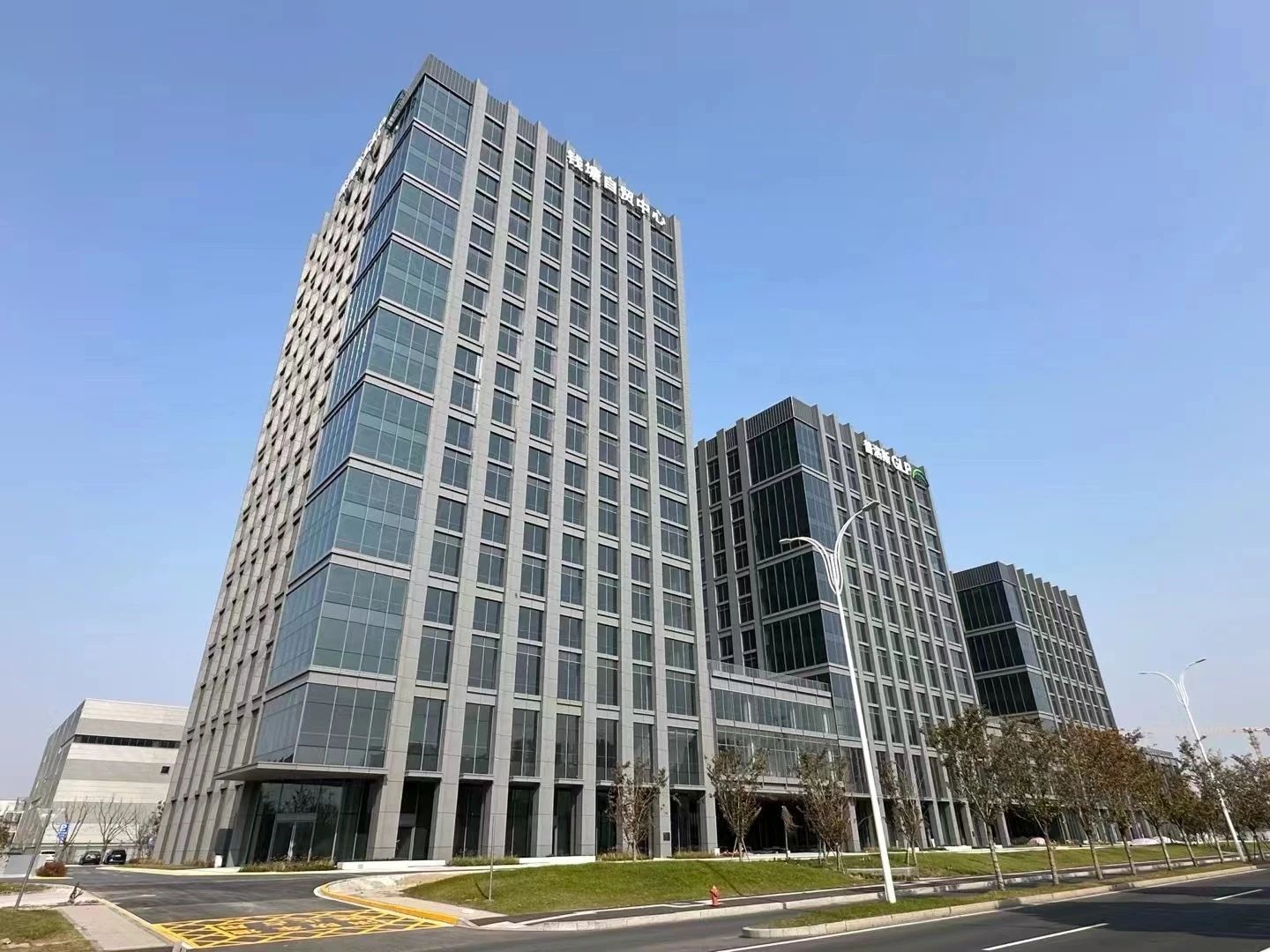
近日,位于杭州钱塘区的钱塘自贸中心正式开园。该园区由普洛斯集团与钱塘产业集团联合打造,此次开园标志着杭州在跨境电商领域的进一步布局,园区以开放、创新、共享为核心价值,致力于推动跨境电商产业的高质量发展。
活动现场,钱塘自贸中心与多家机构和企业达成了战略合作协议,其中,与IPLKAC协会联手创立的钱塘自贸中心跨境企业沙龙会,将为园区内的跨境企业提供交流与合作的平台。同时,与海仓科技签订的国内及跨境仓配关检一站式服务合作协议,将为入驻企业提供更为便捷的物流和关检服务。此外,小熊环球也与钱塘自贸中心签订了国际跨境电商供应链产销一体化服务协议,双方将共同探索跨境电商供应链的优化与创新。

钱塘自贸中心总经理罗鸣霄表示:“我们希望通过这些合作,为入驻企业提供更完善的跨境电商生态环境,帮助他们更好地融入全球市场,实现国际化发展。”

杭州综合保税区管理办公室副主任周郑宇在致辞中高度赞扬了跨境电商对地方经济的推动作用,并对钱塘自贸中心的未来充满期待。

钱塘自贸中心坐落于杭州综合保税区内,园区总建筑面积近14万平方米,总投资额约9亿元人民币。依托杭州电商之都的坚实基础,加之股东双方的强大产业服务能力,钱塘自贸中心有望成为领先的产业办公与保税仓储综合体,进一步推动中国电商行业在全球市场的竞争力。

在全球电商市场蓬勃发展的背景下,钱塘自贸中心的开园无疑为中国电商行业带来了新的发展机遇。相关负责人表示,园区将继续发挥其创新平台和战略高地的优势,推动中国电商行业走向世界舞台的中央。

【版权提示】亿邦动力倡导尊重与保护知识产权。未经许可,任何人不得复制、转载、或以其他方式使用本网站的内容。如发现本站文章存在版权问题,烦请提供版权疑问、身份证明、版权证明、联系方式等发邮件至run@ebrun.com,我们将及时沟通与处理。

已点赞

+1

{{ praise_text }}

好文章,值得被更多人看到

FAQ回顾

杭州钱塘自贸中心的基本情况是什么?

钱塘自贸中心位于杭州综合保税区内,由普洛斯集团与钱塘产业集团联合打造,总建筑面积近14万平方米,总投资额约9亿元人民币。

钱塘自贸中心为跨境电商企业提供了哪些服务?

中心提供产业办公与保税仓储服务,并与海仓科技、小熊环球等企业合作,提供仓配关检一站式服务及国际跨境电商供应链产销一体化服务。

钱塘自贸中心开园的意义是什么?

该中心的开园标志着杭州在跨境电商领域的新布局,旨在打造完善的产业生态环境,提升中国电商行业在全球市场的竞争力。

广告

下一篇

跨境电商资源对接

《全球跨境电商服务商资源手册》第二期手册现已发布,触达更多资源,了解跨境服务商信息,欢迎点击链接下载。

了解详情

天猫618首日直播战报:67个品牌直播间成交破千万

有15个直播间成交有显著增幅,同比去年天猫618开卖首日成交增幅超100%。

阿里巴巴 平台 未来零售 天猫

2024-05-21 17:31:50









