



• 亿邦公众号
    • APP下载

校企合作新典范,这所学院由跨境电商平台与高校共建培养人才

作者:亿邦动力 文章来源:亿邦动力

2024-05-21 17:25

作者:亿邦动力 文章来源:亿邦动力

2024-05-21 17:25

邦小白快读

EN
全文速览

本文核心分享了跨境电商人才培养的典型校企合作案例——杭州师范大学与阿里巴巴集团共建的阿里巴巴商学院国际商务专业的办学经验,核心干货如下:

1. 该专业是国家一流本科专业建设点,走差异化错位发展路线,经过十年发展已经建成结构合理、专兼结合的优质师资队伍,近三年取得多项优质教学成果,4本教材入选浙江省十四五重点教材,承担多项国家级、教育部社科项目。

2. 形成了成熟的“阿里巴巴模式”培养体系,采用产教融合多元协同模式,开设有跨境电商微专业,还有“啸计划”品牌实训项目,对接数百家合作企业和多个产业园区实践基地,对创业学生提供一对一指导和项目孵化。

3. 培养成效突出,学生多次斩获“互联网+”大赛等国家级赛事大奖,还培养出多名助力中国品牌出海的优秀跨境主播。

对于布局跨境出海的品牌商来说,本文可提供人才储备、资源合作相关干货,内容如下:

1. 该学院已经形成紧贴产业需求的跨境电商人才培养体系,能输出具备国际化视野、互联网思维,掌握跨境电商实务技能的复合型人才,还培养了多名能助力中国品牌出海的优秀跨境主播,可以为品牌商出海提供稳定的人才储备支持。

2. 学院是中国(杭州)跨境电商人才联盟发起单位,和国内多个跨境电商产业园、数百家相关企业有深度合作,品牌商可以依托学院的合作资源对接优质人才、拓展产业合作渠道,对接出海相关资源。

3. 学院的人才培养覆盖直播带货、KOL营销等新型跨境营销模式,品牌商可以参考学院的人才能力要求调整自身招聘标准,也可以和学院合作开展品牌营销实训、项目孵化,探索新的出海营销模式。

对于跨境电商卖家来说,本文带来的机会、资源、人才相关干货如下:

1. 阿里巴巴商学院有成熟的产教融合培养体系,每年输出大量掌握跨境电商实操技能的毕业生,还有不少具备直播带货、KOL运营能力的专业人才,卖家可以通过学院的合作渠道招聘适配的专业人才,解决行业招人难的痛点。

2. 学院和数百家企业、多个跨境电商产业园有深度合作,还是中国(杭州)跨境电商人才联盟发起单位,卖家可以依托学院平台对接产业资源,寻找跨领域合作机会,创业型卖家还可以申请获得专家一对一指导和项目孵化支持。

3. 学院的培养内容紧贴跨境电商行业最新动态,覆盖直播带货等新兴跨境运营模式,卖家可以参与相关实训合作,学习最新运营玩法,也可以和学院合作开发新项目,降低创新试错成本。

对于布局跨境电商转型的生产工厂来说,本文带来的干货内容如下:

1. 当前跨境电商行业发展迅速,专业人才缺口大,阿里巴巴商学院的人才培养完全紧贴产业实际需求,侧重培养能适配跨境电商全链路运营的应用型人才,计划转型做跨境电商自有品牌的工厂,可以直接对接学院招聘专业人才,快速搭建自身的跨境运营团队。

2. 学院有成熟的创业项目孵化体系,会为有创业意向的项目提供专家一对一跟踪指导,工厂想要转型做跨境电商直达海外消费者,可以和学院合作,依托学院的师资、平台资源孵化自有品牌项目,更快推进自身的数字化和电商转型。

3. 学院培养的人才熟悉海外最新的消费趋势和营销玩法,能帮助工厂更快把握海外市场的产品需求,调整自身的产品生产和设计方向,让产品更适配海外市场,提升工厂产品的海外竞争力。

对于跨境电商相关服务商来说,本文带来的行业痛点、发展机会相关干货如下:

1. 当前跨境电商行业高速发展,核心痛点之一就是专业人才缺口大,市场对兼具国际化视野、实操能力、创新能力的复合型跨境电商人才需求极其迫切,这对服务商来说是全新的业务增长点,可以围绕人才培养、人才对接开发对应的服务产品,抢占市场。

2. 本文给出了经过验证的校企合作人才培养解决方案:采用企业全程参与的产教融合+多元协同模式,实现课程、教材、师资、基地四方共建,配套完整实践体系和创业孵化服务,服务商可以参考该模式,搭建高校和企业的对接服务平台,开发配套服务产品。

3. 当前行业对直播运营、KOL营销等新型跨境运营人才需求增长极快,服务商可以围绕这类细分岗位的技能培训、人才对接开发对应业务,贴合产业最新的发展需求,打造差异化竞争力。

对于跨境电商平台商来说,本文分享的校企合作模式有很高的参考价值,干货内容如下:

1. 平台生态发展的核心支撑就是人才,阿里巴巴和高校共建学院的模式,验证了平台全程参与人才培养的可行性,平台商可以参考这种模式,和国内高校开展深度合作,定向培养适配平台规则和运营需求的专业人才,完善自身的生态建设。

2. 这种校企合作模式可以帮助平台提前对接潜在运营人才和创业者,为平台持续输送新鲜血液,平台商可以学习该模式,推出面向高校的人才培养计划、创业孵化计划,既解决产业人才缺口问题,也能为平台招商拓展新渠道,扩大平台的行业影响力。

3. 平台参与校企合作,可以深度参与课程和教材建设,把平台最新的规则、玩法融入人才培养,同时还能及时收集产业端对平台的需求,反向优化平台自身的运营管理,提前规避生态发展中人才供给不足的风险。

对于研究跨境电商产业发展、产教融合模式的研究者来说,本文提供的干货内容如下:

1. 产业新动向方面,当前跨境电商行业高速发展,专业人才缺口已经成为制约行业发展的核心问题之一,产教融合、校企协同培养是解决行业人才缺口的核心方向,也是未来产教融合发展的新趋势。

2. 本文提供了成熟可参考的校企合作人才培养商业模式样本,也就是“阿里巴巴模式”:核心是企业全程参与人才培养,创新创业教育全线贯通,依托产教融合+多元协同实现课程、教材、师资、基地共建,围绕产业需求设置课程,构建四年一体化实践教学体系,对产教融合模式研究有很高的样本价值。

3. 该模式还延伸出服务国家一带一路战略的国际人才培养、创业项目一对一共孵等新实践,比如开设全国唯一的跨境电商留学生国家班,为创业学生提供项目孵化支持,这些新实践都为相关研究提供了全新的方向。

声明:快读内容全程由AI生成,请注意甄别信息。如您发现问题,请发送邮件至 run@ebrun.com 。

我是 品牌商 卖家 工厂 服务商 平台商 研究者 帮我再读一遍。

Quick Summary

This article shares key takeaways from a typical university-enterprise cross-border e-commerce talent development cooperation case: the operating experience of the international business program at Alibaba Business School, a joint initiative between Hangzhou Normal University and Alibaba Group. Core insights are as follows:

1. Designated a national first-tier undergraduate program, it follows a differentiated development strategy. After a decade of development, it has built a high-quality faculty with a reasonable mix of full-time and industry practitioners. It has achieved multiple high-level teaching outcomes in the past three years: four textbooks have been selected as key 14th Five-Year Plan textbooks for Zhejiang Province, and the faculty leads numerous national and Ministry of Education social science research projects.

2. It has developed a mature "Alibaba Model" training system based on an industry-education integrated multi-stakeholder collaboration model. It offers a cross-border e-commerce micro-major and the proprietary "Xiao Program" practical training project, with connections to hundreds of partner enterprises and practice bases in multiple industrial parks. It provides one-on-one guidance and project incubation for student entrepreneurs.

3. Its training outcomes are outstanding: students have repeatedly won top awards in national competitions such as the China Internet+ College Students Innovation and Entrepreneurship Competition, and the program has cultivated many outstanding cross-border live streamers who help Chinese brands enter global markets.

For brands planning cross-border expansion, this article provides actionable insights into talent pipeline development and resource cooperation:

1. Alibaba Business School has built a cross-border e-commerce talent development system closely aligned with industry needs, which produces interdisciplinary talents with global vision, digital thinking, and practical cross-border operation skills. It has also cultivated many outstanding cross-border live streamers that support Chinese brands' global expansion, providing a stable talent pipeline for brands.

2. As a founding member of the China (Hangzhou) Cross-Border E-Commerce Talent Alliance, the school maintains deep partnerships with multiple domestic cross-border industrial parks and hundreds of related enterprises. Brands can leverage the school's cooperation network to access high-quality talent, expand industry cooperation channels, and connect with cross-border expansion resources.

3. The school's talent development covers emerging cross-border marketing models such as live commerce and KOL marketing. Brands can reference the school's talent competency framework to adjust their own recruitment standards, and can collaborate with the school on brand marketing training and project incubation to explore new go-global marketing strategies.

For cross-border e-commerce sellers, this article outlines opportunities, resources and talent-related takeaways:

1. Alibaba Business School operates a mature industry-education integrated training system that graduates a large number of cross-border e-commerce practitioners with practical skills every year, including many professionals with live commerce and KOL operation capabilities. Sellers can recruit suitable talent through the school's cooperation channels to solve the industry-wide hiring challenge.

2. As a founding member of the China (Hangzhou) Cross-Border E-Commerce Talent Alliance, the school maintains deep partnerships with hundreds of enterprises and multiple cross-border industrial parks. Sellers can leverage the school's platform to access industrial resources and explore cross-sector collaboration opportunities. Entrepreneurial sellers can also apply for one-on-one expert guidance and project incubation support.

3. The school's curriculum closely follows the latest industry trends and covers emerging operation models such as cross-border live commerce. Sellers can participate in practical training collaborations to learn the latest operation strategies, and can co-develop new projects with the school to lower the cost of innovation trial-and-error.

For manufacturing factories planning cross-border e-commerce transformation, this article provides the following key takeaways:

1. The cross-border e-commerce industry is growing rapidly and facing a severe shortage of professional talent. Alibaba Business School's talent development program is fully aligned with actual industry demand, and focuses on cultivating applied talents capable of end-to-end cross-border e-commerce operations. Factories planning to transition to selling their own branded products cross-border can directly partner with the school to recruit professional talent and quickly build an in-house cross-border operation team.

2. The school operates a mature entrepreneurial project incubation system that provides one-on-one expert mentorship for promising projects. Factories looking to transition to cross-border e-commerce to reach overseas consumers directly can partner with the school to incubate their own branded projects leveraging the school's faculty and platform resources, accelerating their digital and e-commerce transformation.

3. Talents trained by the school are familiar with the latest overseas consumption trends and marketing strategies, and can help factories quickly grasp product demand in overseas markets, adjust product development and production directions, better adapt products to global markets, and improve the overseas competitiveness of factory products.

For cross-border e-commerce service providers, this article outlines industry pain points and growth opportunities:

1. Against the backdrop of rapid industry growth, one of the core pain points for cross-border e-commerce is the severe shortage of professional talent. There is extremely strong market demand for composite cross-border talents who combine global vision, practical skills and innovative capabilities, which creates a new business growth opportunity for service providers. Providers can develop corresponding service products focused on talent development and matching to capture this market.

2. This article introduces a proven university-enterprise cooperation model for talent development: an industry-education integrated, multi-stakeholder collaboration model with full enterprise participation, that enables joint development of curricula, textbooks, faculty and practice bases, supported by a complete practical training system and entrepreneurial incubation services. Service providers can reference this model to build a matching platform connecting universities and enterprises and develop supporting service products.

3. Demand for new cross-border operation talents such as live stream operators and KOL marketing specialists is growing extremely fast. Service providers can develop targeted businesses around skills training and talent matching for these niche roles, align with the latest industry development needs, and build differentiated competitive advantages.

For cross-border e-commerce platforms, the university-enterprise cooperation model shared in this article offers high reference value:

1. Talent is the core foundation for platform ecosystem development. The model of Alibaba co-founding a business school with a university proves the feasibility of platforms participating fully in talent development. Platforms can reference this model to build deep partnerships with domestic Chinese universities, provide targeted training for talents adapted to the platform's rules and operation needs, and improve their overall ecosystem development.

2. This university-enterprise cooperation model allows platforms to connect with potential operation talents and entrepreneurs in advance, continuously injecting fresh blood into the ecosystem. Platforms can learn from this model to launch university-focused talent development programs and entrepreneurial incubation initiatives: this not only addresses the industry's talent gap, but also opens up new channels for platform merchant recruitment and expands the platform's industry influence.

3. When platforms participate in university-enterprise cooperation, they can get deeply involved in curriculum and textbook development, integrate the platform's latest rules and operation practices into talent training, and collect industry demand for platform improvements in real time, enabling reverse optimization of the platform's own operations and management, and proactively mitigating the risk of insufficient talent supply for ecosystem growth.

For researchers studying cross-border e-commerce industry development and industry-education integration models, this article provides the following key insights:

1. Regarding new industry trends: against the backdrop of rapid cross-border e-commerce growth, the shortage of professional talent has become one of the core constraints on industry development. Industry-education integration and university-enterprise collaborative training is the core direction to solve the talent gap, and represents a new trend for future industry-education development.

2. This article provides a mature, replicable business model sample for university-enterprise cooperation talent development: the "Alibaba Model". Its core is full enterprise participation in talent training, full integration of innovation and entrepreneurship education, joint development of curricula, textbooks, faculty and practice bases through industry-education integration and multi-stakeholder collaboration, curriculum design aligned with industry demand, and a four-year integrated practical teaching system. It offers high sample value for research on industry-education integration models.

3. This model has also expanded into new practices such as international talent development to support China's Belt and Road Initiative and one-on-one co-incubation for entrepreneurial projects, for example the country's only national-level cross-border e-commerce program for international students, and project incubation support for student entrepreneurs. These new practices open up entirely new research directions for related academic work.

Disclaimer: The "Quick Summary" content is entirely generated by AI. Please exercise discretion when interpreting the information. For issues or corrections, please email run@ebrun.com .

I am a Brand Seller Factory Service Provider Marketplace Seller Researcher Read it again.

开放发展激荡起蓬勃春潮,跨境电商已在高潮浪尖跳动。跨境精英指点山河、创造想象,在不同时空交汇下产生无限可能的力量,用跨境电商的速度丈量时代的脚步。

后继之道,惟在得人,济济多士,人才蔚起。

高校是人才培育的主力军,是未来精英的摇篮,代代相承,薪火以续。在此,我们将对浙江高校跨境电商人才培养的先进经验和典型模式作连载分享,敬请期待。

YIXIAOYIPIN

杭州师范大学阿里巴巴商学院

阿里巴巴商学院是杭州师范大学与阿里巴巴集团共建的校企合作学院,以培养数字经济时代创新型优秀管理人才和创业者为使命,致力于商业和管理理论创新,努力成为新型商学院的标杆。

阿里巴巴商学院国际商务专业是国家一流本科专业建设点自成立以来,始终根据产业对人才的实际需求和学院的办学定位,培养具有国际化视野和互联网思维的应用型、复合型高素质专门人才,同全国开设同类专业的本科院校形成错位竞争和差异化发展。

01

师资建设

SHIZIJIANSHE

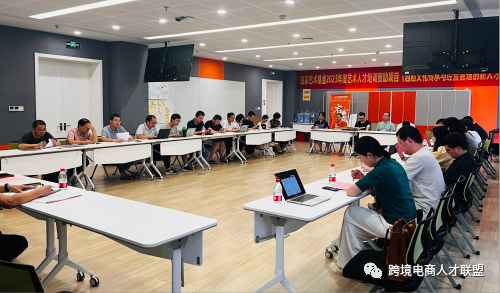
经过十年发展,阿里巴巴商学院国际商务专业逐步形成了一支结构合理、素质优异、专兼结合的可持续发展的教师队伍。

近三年来,国际商务专业教学质量先进,课程建设项目成果卓越,四本教材获浙江省“十四五”重点教材建设项目,主持多项国家和教育部社科项目为人才培养提供了有力支撑。
02

培养模式

PEIYANGMOSHI

阿里巴巴商学院逐步形成了融入阿里巴巴优秀企业文化,企业全程参与、创新创业教育全线贯通、与产业发展紧密结合的人才培养“阿里巴巴模式”,确定“基础+素养+能力+视野”四要素相结合的跨境电商人才培养理念,依托“产教融合+多元协同”实现课程共建、教材共建、师资共建和基地共建。

03

校企合作

XIAOQIHEZUO

以阿里为代表的合作企业全程参与阿里巴巴商学院人才培养。

校企双方围绕产业需求,遵循OBE理念,基于“国标”和专业核心能力培养设置学科基础平台课程和专业核心课程,通过重构专业课程体系、创建四年一体化实践教学体系和创业训练与实战平台、打造高水平校企协同的教学团队等举措确保培养目标达成。

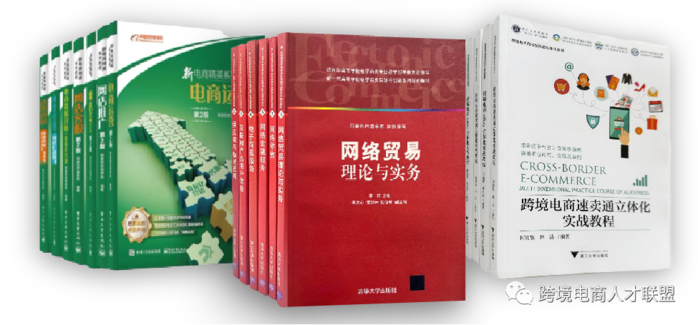
校企协同开发编写出版“电子商务实践与创新系列规划教材”、“新电商精英系列教程”、“跨境电商速卖通立体化实战教程”等新型专业教材。
04

国际合作

GUOJIHEZUO

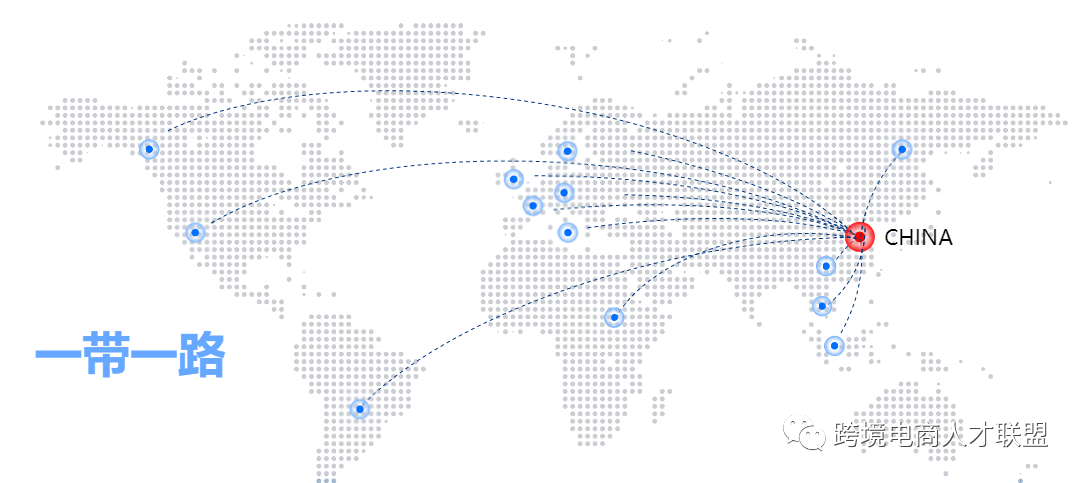
国际商务专业服务国家战略,为“一带一路”沿线38个国家培养具有互联网思维和跨文化交流能力,掌握跨境电子商务理论及实务,能适应和参与数字经济时代工作的创新型国际商务人才。
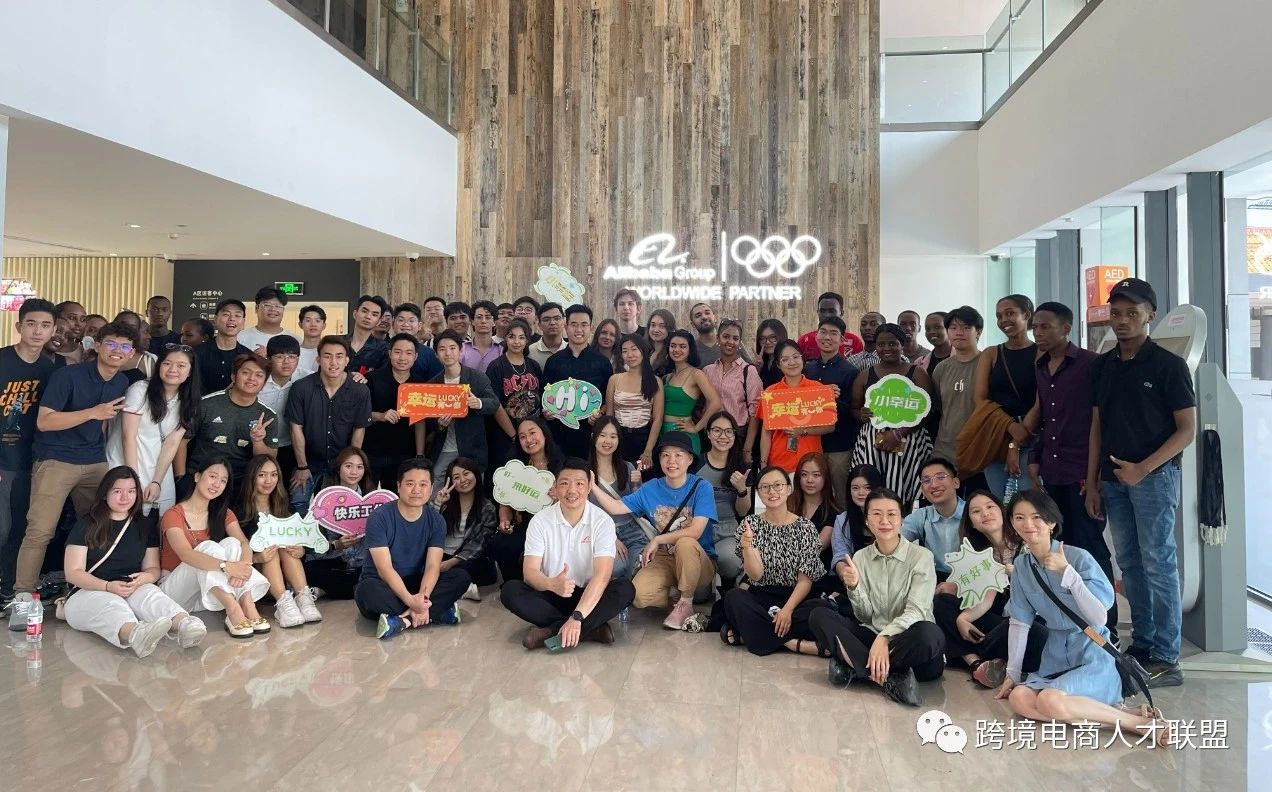
开展全国唯一跨境电子商务专业留学生国家班——卢旺达国家班人才培养项目。阿里巴巴商学院不断优化专业培养方案,使之具有与产业联系紧密、校企合作培养、创新创业贯穿始终等特点,便于学生直接向行业佼佼者学习,体验直播带货、智能家居物联网等项目,开展KOL训练营等活动,诞生了多位(如李辰阳、李桐等)参与到助力中国品牌出海的优秀主播。

05

实践基地

SHIJIANJIDI

学院除了与阿里巴巴集团持续开展15年的合作办学外,还与国内外数百家企业合作,是中国(杭州)跨境电商人才联盟的发起单位之一,与萧山跨境电商园区、东方科技城产业园等跨境电商园区、企业开展合作,对有创业意向的学生,组织专家与其结对子,开展“一对一”的跟踪指导服务,推进项目孵化,促进项目落地。
06

课程建设

KECEHNGJIANSHE

阿里巴巴商学院开展跨境电商微专业,通过提炼跨境电商岗位群的核心技能设置相应的课程体系,以个性化和集中培养的方式教授跨境电商知识和技能。现已构建跨境电商“微专业”的“132”课程体系,完成6门微专业课程的数字化建设工作。

阿里巴巴商学院与阿里巴巴集团合作开展以“啸计划”命名的品牌实训活动,通过“成长训练营”、“商业实战训练营”、“职场预备营”等帮助学生把握行业的发展。

07

培养成效

PEIYANGCHENGXIAO

经过多年建设,专业学生获“互联网+”大赛国赛金奖铜奖、电子商务“三创赛”全国特等奖、正大杯市场调查大赛全国一等奖等荣誉。

【版权提示】亿邦动力倡导尊重与保护知识产权。未经许可,任何人不得复制、转载、或以其他方式使用本网站的内容。如发现本站文章存在版权问题,烦请提供版权疑问、身份证明、版权证明、联系方式等发邮件至run@ebrun.com,我们将及时沟通与处理。

已点赞

+1

{{ praise_text }}

好文章,值得被更多人看到

FAQ回顾

阿里巴巴商学院跨境电商人才培养模式有哪些特点?

该模式融入阿里巴巴企业文化,企业全程参与,形成'基础+素养+能力+视野'四要素结合理念,通过产教融合实现课程、教材、师资、基地四大共建。

阿里巴巴商学院校企合作取得了哪些具体成果?

学生获'互联网+'大赛国赛金奖铜奖、电子商务'三创赛'全国特等奖等荣誉;开发'电子商务实践与创新系列规划教材'等专业教材;与数百家企业建立合作关系。

阿里巴巴商学院如何开展跨境电商实践教学?

构建'132'课程体系的跨境电商微专业,开展'啸计划'品牌实训活动,通过直播带货、智能家居物联网等项目,组织KOL训练营等实战训练。

广告

下一篇

跨境电商资源对接

《全球跨境电商服务商资源手册》第二期手册现已发布,触达更多资源,了解跨境服务商信息,欢迎点击链接下载。

了解详情

独角兽陨落!商家连叫苦 520爆单生意为何难做?

曾经风头无两的独角兽企业,如今个个凋零散落。一朵鲜花,在电商见证生与死的蜕变。

未来零售 爱尚鲜花

2024-05-21 17:08:41










