• 亿邦公众号
    • APP下载

阳采集团:数字化采购领域的领航者 打造高效协同供应链生态

作者:李佳晅 文章来源:亿邦动力

2024-05-13 14:25

作者:李佳晅 文章来源:亿邦动力

2024-05-13 14:25

邦小白快读

EN
全文速览

本文核心介绍了数字化采购领域头部企业阳采集团的发展情况和成功运营经验,干货内容如下

1. 企业基本信息:阳采集团2014年成立于山西太原,是数字化全品类企业采购服务平台,目前服务超300家政企客户,2023年产值突破百亿元,拥有五大供采体系、超300万SKU、5000家合作供应商,还是国内首个拥有To B采购实体店的平台。

2. 核心运营方法:选品采用三轮叠加优选模式,打造集货商、供应商、服务商三商一体定位,用AI技术和三码标准化体系解决行业常见的商品信息不规范问题,创新商城+供应链+线下店的线上线下一体化模式,有效提升采购效率、降低采购成本。

本文梳理了当前政企数字化采购领域的发展趋势,以及品牌商可挖掘的渠道和增长机会,干货内容如下

1. 行业趋势:当前政企采购数字化转型加速,政策端多部门大力支持行业发展,央国企等政企客户对合规、高效、低成本的标准化采购需求明确,B端采购市场空间广阔。

2. 合作机会:阳采作为头部平台已经获得2700家一线品牌合作授权,开放供应链生态赋能上下游,品牌商可通过入驻头部平台对接超300家政企客户资源,拓展To B销售渠道。

3. 创新场景:国内首家To B采购实体店落地,为品牌商提供了线下展示触达政企客户的新场景,同时阳采的三码标准化体系还能为品牌开发自有品牌提供数据支撑。

本文透露了政企数字化采购赛道的增长机会,以及头部玩家的可参考经验和风险提示,干货内容如下

1. 赛道红利:当前政策端多部门共同支持政企采购数字化供应链建设,行业大会吸引近千名业界同仁参与,赛道发展前景明朗,政企客户对数字化采购的需求持续提升,存在大量增长机会。

2. 可借鉴经验:阳采创新S2B2B模式,打造阳采工品物流商城,其B2B2B电商采购管理SaaS系统已经赋能全国近千家经销商,卖家可对接头部平台获得数字化赋能,降低自身运营成本。

3. 机会方向:To B线下即时采购是新的增量市场,阳采的仓储式实体店满足企业随买随用的需求,降低企业库存压力和资金占用,卖家可尝试布局该方向,同时要注意政企采购核心要求是合规,需要做好自身合规管理。

本文梳理了政企数字化采购领域给工厂带来的商业机会,以及数字化转型的相关启示,干货内容如下

1. 适配标准获得合作机会:当前数字化采购对产品标准化提出明确要求,阳采开创三码标准化体系,工厂只要适配统一的产品编码标准,优化产品信息规范,就更容易进入头部平台的供应链体系,对接政企客户资源。

2. 拓展自有品牌合作机会:阳采平台拥有超过5万个自有品牌SKU,开放供应链合作,工厂可以依托平台的渠道和数据支持,开展自有品牌代工开发,依托平台触达政企客户,拓展To B端的业务增量。

3. 数字化转型启示:工厂可以依托头部采购平台的数字化能力,获取真实需求数据,反过来优化自身的生产和产品设计,还能借助平台的物流配送体系解决To B端的交付难题,降低自身库存压力。

本文明确了当前政企数字化采购行业的发展趋势、核心客户痛点以及可参考的解决方案,干货内容如下

1. 行业核心痛点:当前政企数字化采购发展过程中,普遍存在数字化初期遗留的商品信息不完善、缺乏统一分类编码标准的问题,而工业品分类编码一直是整个行业的难题,直接影响采购效率、库存管理效率,客户痛点突出。

2. 可参考解决方案:阳采探索出的三码标准化体系,整合EAN编码、主流电商链接码、税收编码,可覆盖超70万个产品,同时搭配AI图像识别、AI智能分词技术优化商品库和寻源系统,有效解决商品信息不规范的痛点,服务商可参考该思路优化自身解决方案。

3. 行业发展趋势:当前政企客户不再只满足于线上采购服务,越来越需要线上线下一体化服务,需要线下体验场景和即时交付能力,服务商可围绕该方向拓展新的业务。

本文分享了头部数字化采购平台的成功运营经验,以及政企客户对采购平台的核心需求,干货内容如下

1. 明确平台核心定位:政企网上采购平台和大众消费网购平台存在本质区别,政企采购平台核心聚焦阳光集采、合规保供、增效降本,平台运营需要围绕合规管理、品类品牌优化、成本管控来搭建体系,不能直接照搬To C平台的运营逻辑。

2. 可借鉴的运营方法:选品端采用三轮叠加优选模式,平衡sku数量、质量和成本;打造集货商、供应商、服务商三商一体的定位,赋能上下游合作伙伴;搭建统一的产品编码标准化体系,解决行业共性痛点;创新商城+供应链+线下店的线上线下一体化模式,满足客户即时采购需求,降低客户库存压力。

3. 生态建设方向:开放合作整合供应商、经销商资源,构建协同共生的供应链生态,符合当前行业发展要求,能有效提升平台的整体竞争力。

本文展现了当前政企数字化采购供应链领域的产业新动向、创新商业模式和行业待解决问题,干货内容如下

1. 产业新动向:当前政企采购数字化转型加速,政策层面多部门共同支持行业发展,行业整体朝着链接、协同、再生的方向发展,线上线下一体化是行业新的创新方向,国内已经诞生了成熟的To B仓储式采购实体店的实践样本。

2. 创新商业模式研究样本:阳采集团探索的集货商、供应商、服务商三商一体定位,商城+供应链+线下店的线上线下一体化模式,以及用SaaS系统赋能经销商的S2B2B模式,都是行业内的创新性探索,为整个行业提供了可研究的实践样本。

3. 行业问题研究方向:当前行业普遍存在数字化初期遗留的商品信息不标准、分类编码不统一的问题,阳采提出的三码一体化解决方案为解决该行业痛点提供了实践参考,值得进一步深入研究其推广价值。

声明:快读内容全程由AI生成,请注意甄别信息。如您发现问题,请发送邮件至 run@ebrun.com 。

我是 品牌商 卖家 工厂 服务商 平台商 研究者 帮我再读一遍。

Quick Summary

This article centers on the development and successful operational experience of Yangcai Group, a leading player in the digital procurement space. Key takeaways are as follows:

1. Company overview: Founded in 2014 in Taiyuan, Shanxi, Yangcai Group operates a digital, full-category enterprise procurement service platform. It currently serves over 300 government and enterprise clients, posted over 10 billion yuan in revenue in 2023, owns five procurement and supply systems, hosts more than 3 million SKUs and 5,000 partnered suppliers, and is China's first B2B procurement platform with physical offline stores.

2. Core operational strategies: It adopts a three-round layered selection model for product sourcing, positions itself as an integrated player combining the roles of goods consolidator, supplier and service provider, leverages AI technology and a three-code standardization system to resolve the pervasive industry problem of non-standard product information, and has innovated an online-offline integrated model combining marketplace, supply chain and physical stores that effectively improves procurement efficiency and cuts procurement costs.

This article sorts out current development trends of the government and enterprise digital procurement industry, as well as accessible channels and growth opportunities for brand owners. Key takeaways are as follows:

1. Industry trends: The digital transformation of government and enterprise procurement is accelerating, with multiple government departments rolling out strong policy support for industry growth. Government and enterprise clients including central and state-owned enterprises have clear demand for standardized procurement that is compliant, efficient and low-cost, creating enormous market space for B2B procurement.

2. Partnership opportunities: As a leading platform, Yangcai has already secured cooperation authorization from 2,700 first-tier brands, and opens up its supply chain ecosystem to empower upstream and downstream players. Brand owners can access resources of over 300 government and enterprise clients by joining the leading platform and expand their B2B sales channels.

3. Innovative touchpoints: The launch of China's first physical B2B procurement store creates a new offline scenario for brands to showcase their products and connect with government and enterprise clients. Meanwhile, Yangcai's three-code standardization system can provide data support for brands developing their private label lines.

This article outlines growth opportunities in the government and enterprise digital procurement track, along with referenceable experience from leading players and risk notes. Key takeaways are as follows:

1. Track dividends: Multiple government departments jointly support the development of digital supply chains for government and enterprise procurement, and a recent industry conference for the sector drew nearly 1,000 industry participants. The track has a clear growth outlook, with continuously rising demand for digital procurement from government and enterprise clients and abundant growth opportunities.

2. Lessons from leading players: Yangcai has innovated an S2B2B model and launched the Yangcai Industrial Products Logistics Mall. Its B2B2B e-commerce procurement management SaaS system has empowered nearly 1,000 distributors across China. Sellers can access digital empowerment and cut their own operational costs by partnering with leading platforms.

3. Promising growth directions: Offline on-demand B2B procurement is an emerging incremental market. Yangcai's warehouse-style physical stores meet enterprises' demand for immediate purchase and usage, and reduce enterprises' inventory pressure and capital occupation. Sellers can explore layout in this direction, while noting that compliance is the core requirement of government and enterprise procurement, so they must build solid compliance management.

This article sorts out business opportunities brought by the government and enterprise digital procurement sector for factories, along with insights for digital transformation. Key takeaways are as follows:

1. Access cooperation opportunities through standard alignment: Digital procurement puts forward clear requirements for product standardization. Yangcai has created a proprietary three-code standardization system. As long as factories align with the unified product coding standard and optimize their product information规范, they can more easily enter the supply chain system of leading platforms and connect with government and enterprise client resources.

2. Expand private label cooperation opportunities: The Yangcai platform hosts more than 50,000 SKUs under its private labels, and opens up supply chain cooperation. Factories can develop private label contract manufacturing supported by the platform's channels and data, reach government and enterprise clients through the platform, and expand their B2B business increment.

3. Insights for digital transformation: Factories can leverage the digital capabilities of leading procurement platforms to obtain real demand data to optimize their own production and product design. They can also solve B2B delivery challenges through the platform's logistics and distribution system, and reduce their own inventory pressure.

This article clarifies current industry trends, core client pain points and referenceable solutions for the government and enterprise digital procurement sector. Key takeaways are as follows:

1. Core industry pain points: During the development of digital government and enterprise procurement, the sector generally faces the legacy problems of incomplete product information and the lack of unified classification and coding standards left from the early digitalization stage. In particular, industrial product classification and coding has long been a universal industry challenge that directly undermines procurement and inventory management efficiency, creating a prominent pain point for clients.

2. Referenceable solutions: The three-code standardization system developed by Yangcai integrates EAN codes, mainstream e-commerce link codes and tax classification codes, covering more than 700,000 products. Combined with AI image recognition and AI intelligent word segmentation technology to optimize product libraries and sourcing systems, it effectively resolves the pain point of non-standard product information. Service providers can refer to this framework to optimize their own solutions.

3. Industry development trends: Government and enterprise clients are no longer satisfied with only online procurement services. An increasing number of clients demand integrated online-offline services that offer offline experience scenarios and immediate delivery capabilities. Service providers can expand new business around this direction.

This article shares successful operational experience from a leading digital procurement platform, and outlines the core demands of government and enterprise clients for procurement platforms. Key takeaways are as follows:

1. Clarify core platform positioning: There is a fundamental difference between government and enterprise online procurement platforms and consumer e-commerce platforms. Government and enterprise procurement platforms focus on open centralized procurement, compliant supply guarantee, efficiency improvement and cost reduction. Platform operations must build systems around compliance management, category and brand optimization and cost control, rather than directly copying the operational logic of To C platforms.

2. Referenceable operational strategies: On the product sourcing side, adopt a three-round layered selection model to balance the quantity, quality and cost of SKUs; position itself as an integrated player combining goods consolidator, supplier and service provider to empower upstream and downstream partners; build a unified product coding standardization system to resolve common industry pain points; innovate an online-offline integrated model combining marketplace, supply chain and physical stores to meet clients' immediate procurement demand and reduce clients' inventory pressure.

3. Ecosystem development direction: Open cooperation to integrate supplier and distributor resources and build a collaborative and co-existent supply chain ecosystem aligns with current industry development requirements, and can effectively improve a platform's overall competitiveness.

This article presents new industrial trends, innovative business models and unresolved industry issues in the government and enterprise digital procurement and supply chain space. Key takeaways are as follows:

1. New industrial trends: The digital transformation of government and enterprise procurement is accelerating, with joint policy support from multiple government departments. The industry as a whole is developing toward connectivity, collaboration and circularity, and online-offline integration has emerged as a new innovative direction. China already has a mature practical example of warehouse-style physical B2B procurement stores.

2. Innovative business model research sample: Yangcai Group's explorations, including the integrated positioning of goods consolidator, supplier and service provider, the online-offline integrated model of marketplace + supply chain + physical stores, and the S2B2B model that empowers distributors via a SaaS system, are innovative practices for the industry that provide a researchable practical sample for the entire sector.

3. Future research directions on industry issues: The sector generally faces legacy problems of non-standard product information and inconsistent classification coding from the early digitalization stage. Yangcai's integrated three-code solution provides practical reference for addressing this industry-wide pain point, and its promotional value is worthy of further in-depth research.

Disclaimer: The "Quick Summary" content is entirely generated by AI. Please exercise discretion when interpreting the information. For issues or corrections, please email run@ebrun.com .

I am a Brand Seller Factory Service Provider Marketplace Seller Researcher Read it again.

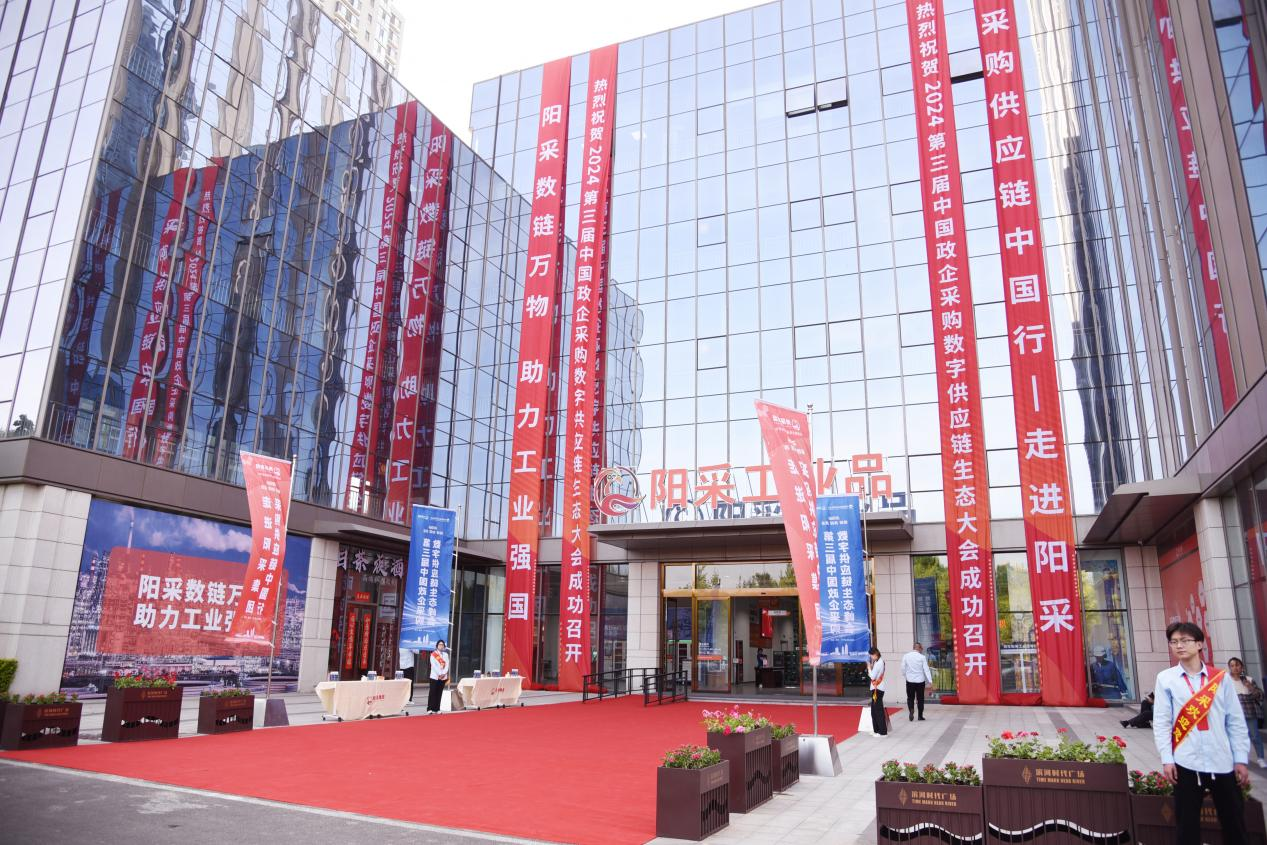
【亿邦原创】2024年5月10日,备受瞩目的第三届政企采购数字供应链生态大会在历史文化名城太原圆满落下帷幕。

此次大会的成功举办,得益于山西省人民政府国有资产监督管理委员会、山西省发展和改革委员会、山西省工业和信息化厅、山西省数据局等单位的深入指导和鼎力支持。同时,本次大会由中国物流与采购联合会与太原中北高新技术产业开发区管理委员会携手主办,并由中物联采购与供应链管理专业委员会、中物联公共采购分会、阳采集团有限公司及山西杏花村汾酒集团有限责任公司等单位共同承办,共同确保了大会的圆满举行。

本次大会以“链接·协同·再生”为主题,深入探讨政企数字化采购领域优秀案例、当前挑战与未来机遇。来自有关政府机关单位、央国企与其他企业的采购供应链管理部门、专家学者以及行业媒体等近千名业界同仁参会。
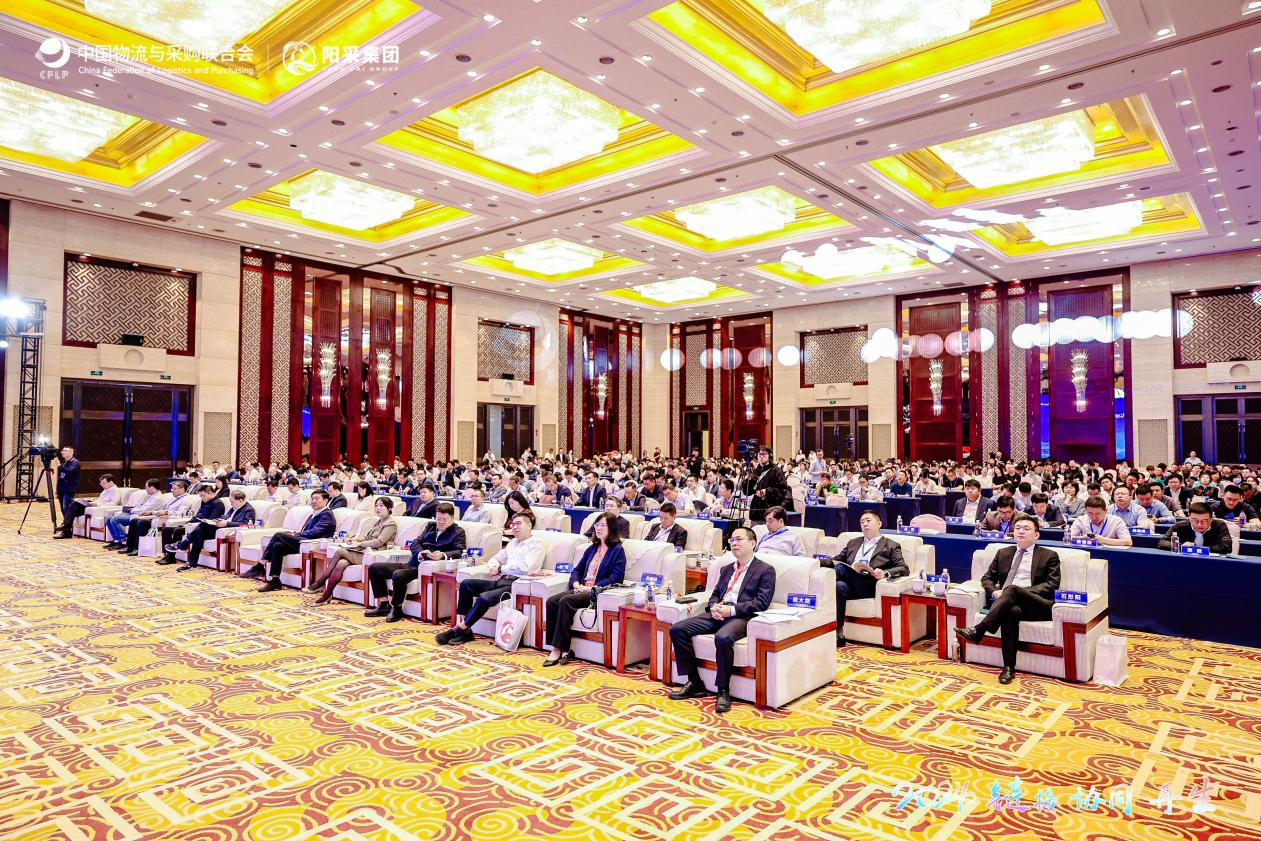
会上,行业专家和央国企代表分享了当前企业在数字化采购领域作出的探索和思考。其中,“山西省数字化采购供应链生态建设”分论坛集结当地政企与领先数字化供应链各端企业,就如何共筑多元、协同数字化采购供应链生态深入交流探讨。
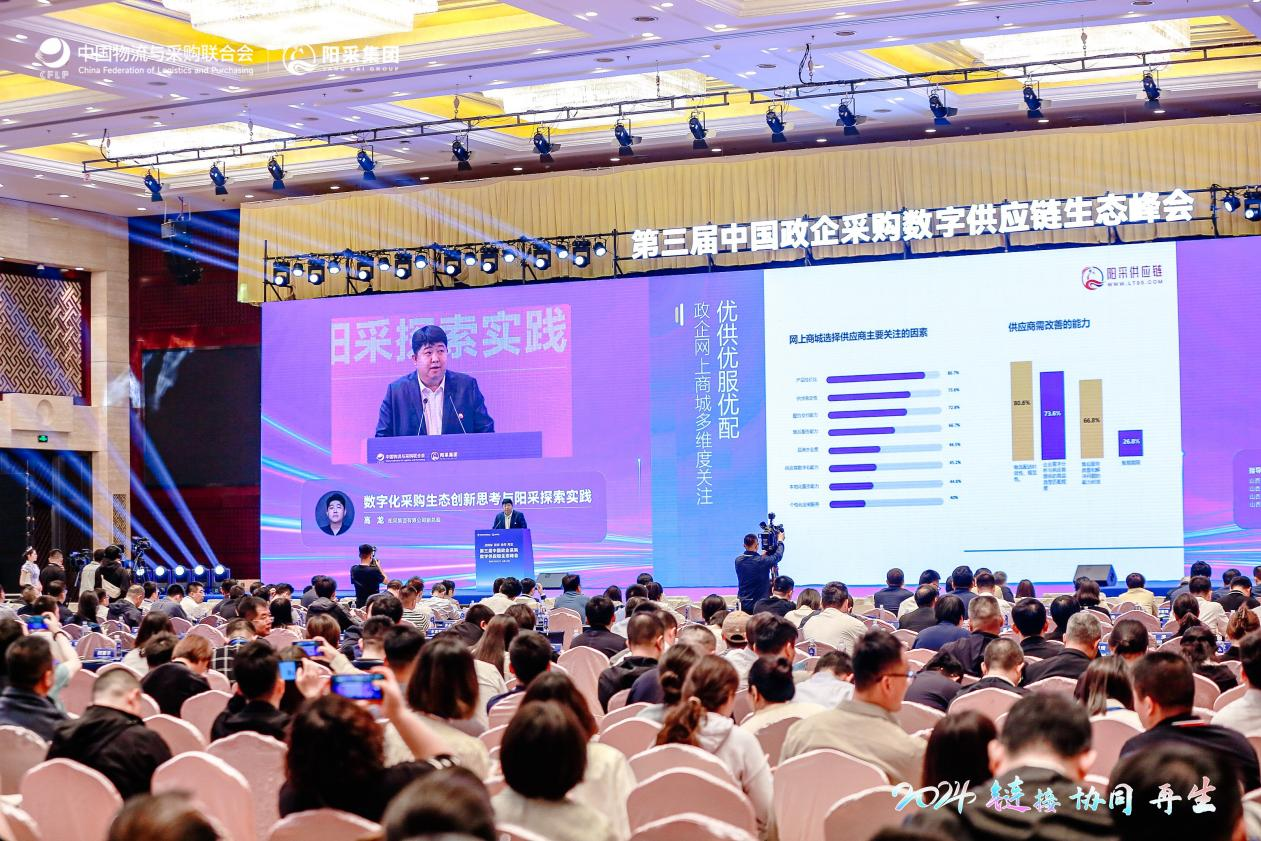
阳采集团副总裁高龙以《数字化采购生态创新思考与阳采探索实践》为题在会上分享观点。作为当地数字化采购龙头企业,阳采集团服务超300家政企客户,在2023年产值突破百亿元。

此外,阳采集团拥有国内首家To B采购实体店,通过线上线下运营一体化满足客户日常生活需求。在过去十年中,阳采集团是如何打造供应链优势,赋能供应链全链路的? 亿邦动力将深入剖析阳采集团的成功经验,探讨其如何通过数字化手段优化供应链管理,提高采购效率,降低成本。

01

“三商一体”赋能数字化采购全链

阳采集团2014年在山西太原成立总部。作为一家数字化全品类企业采购服务平台,阳采集团共拥有工业用品、家电设备、日用百货、办公数码、粮油食品五大供采体系,拥有超300万SKU,5000家供应商,50000+SKU自有品牌产品,数十项专利,2700家一线品牌合作授权。其客户覆盖能源电力、石油化工、钢铁冶金、航天军工、轨道交通、建筑工程、运输物流、通讯信息、金融保险、政采税务等行业。

亿邦动力获悉,在选品方面,阳采集团还采取了“三轮叠加优选”模式,以“商品优选、自营主导、自有品牌”三大优选策略为核心,实现阳采供应链在“数量、质量、能量”三个维度上的稳定三角关系,优化采购流程、降低采购成本,进而提升整体运营效率。

在物流方面,阳采集团通过自身积累经验与探索,组织创新S2B2B模式,建立“阳采工品物流商城”,运用互联网+智能物流的方式自建物流配送系统,快速响应客户,高效完成交付;其商城的B2B2B电商采购管理SaaS系统已赋能全国近千余家经销商。

在先进技术领域,阳采集团积极探索,为智慧供应链提供全新解决方案。阳采集团将AI图像识别技术和AI智能分词技术应用至商品库以及寻源系统中,解决数字化发展初期遗留的商品基本信息不完善、缺乏统一标准等问题,从而提高报价准确性,节约询价时间,提升采购效率。

工业品的分类和编码标准是数字化采购行业的难题。阳采集团建立了标准化物料信息商品库管理系统,开创了三码(EAN编码、主流电商链接码、税收编码)标准化体系,覆盖产品超70万个。 “三码一体”可以精准推荐产品,满足客户的采购需求;精准计算出采购入仓产品的种类和数量,优化仓储管理;同时,还可为开发自有品牌产品及营销策略提供有力支持。
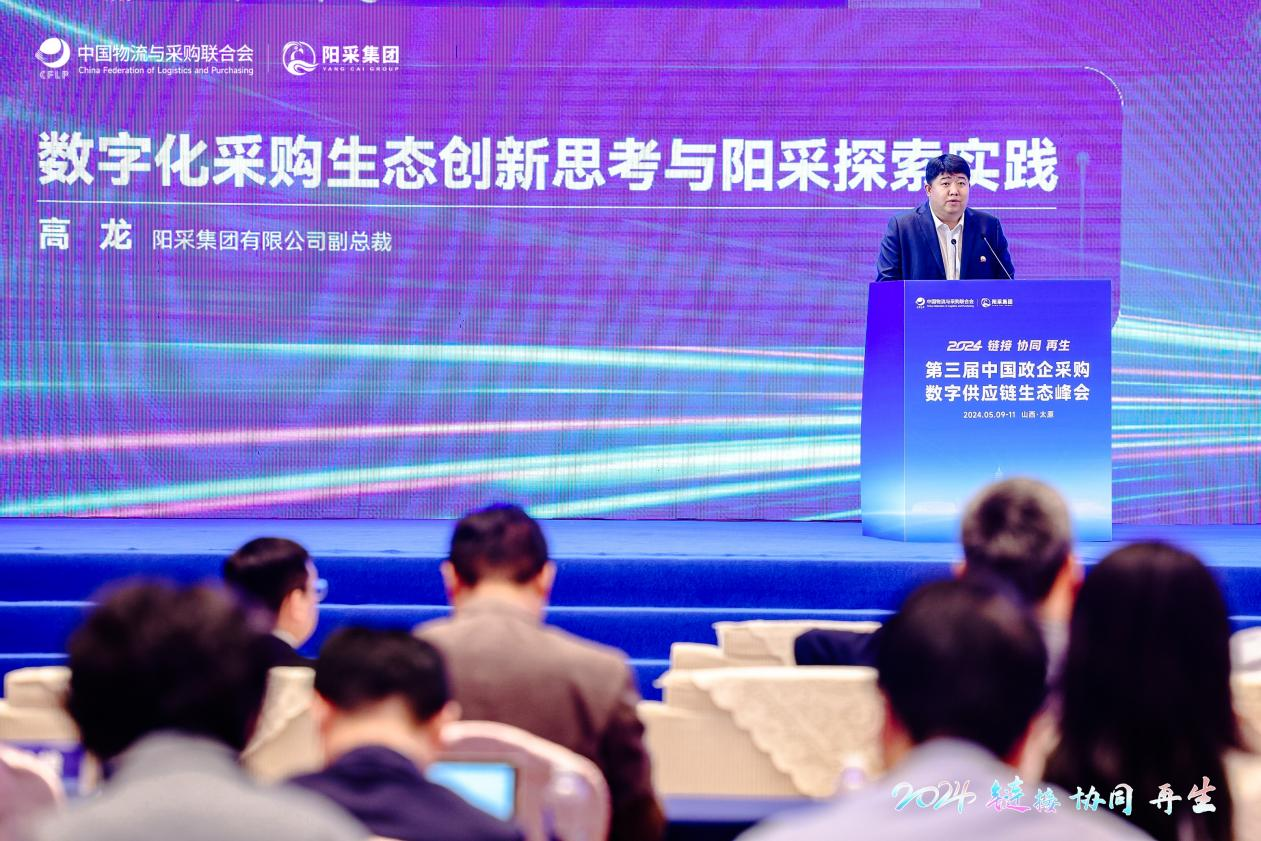
高龙表示,政企网上商城有别于消费者网购商城,聚焦于阳光集采、合规保供、增效降本,更加关注合规高效低成本,要对品类、品牌、商品要进行管理和优化。

阳采集团以集货商、供应商、服务商“三商一体”的角色,基于在上述方面的探索成果,采取全品类延伸,提效物流体系,数字化赋能上下游,建立编码标准化体系等举措,助力央国企数字化采购模式变革,实现生态协同价值。

02

模式创新:商城+供应链+线下店

在本次峰会上的另一个亮点是采购供应链中国行(2024)第一期——走进阳采活动。

来自137家相关单位的300余名领导和代表来到阳采集团,深入调研探讨阳采集团在采购供应链数字化、科技化、智慧化方向作出的探索与成果,以及阳采集团的模式创新:商城+供应链+线下店组成的线上线下一体化业务模式。
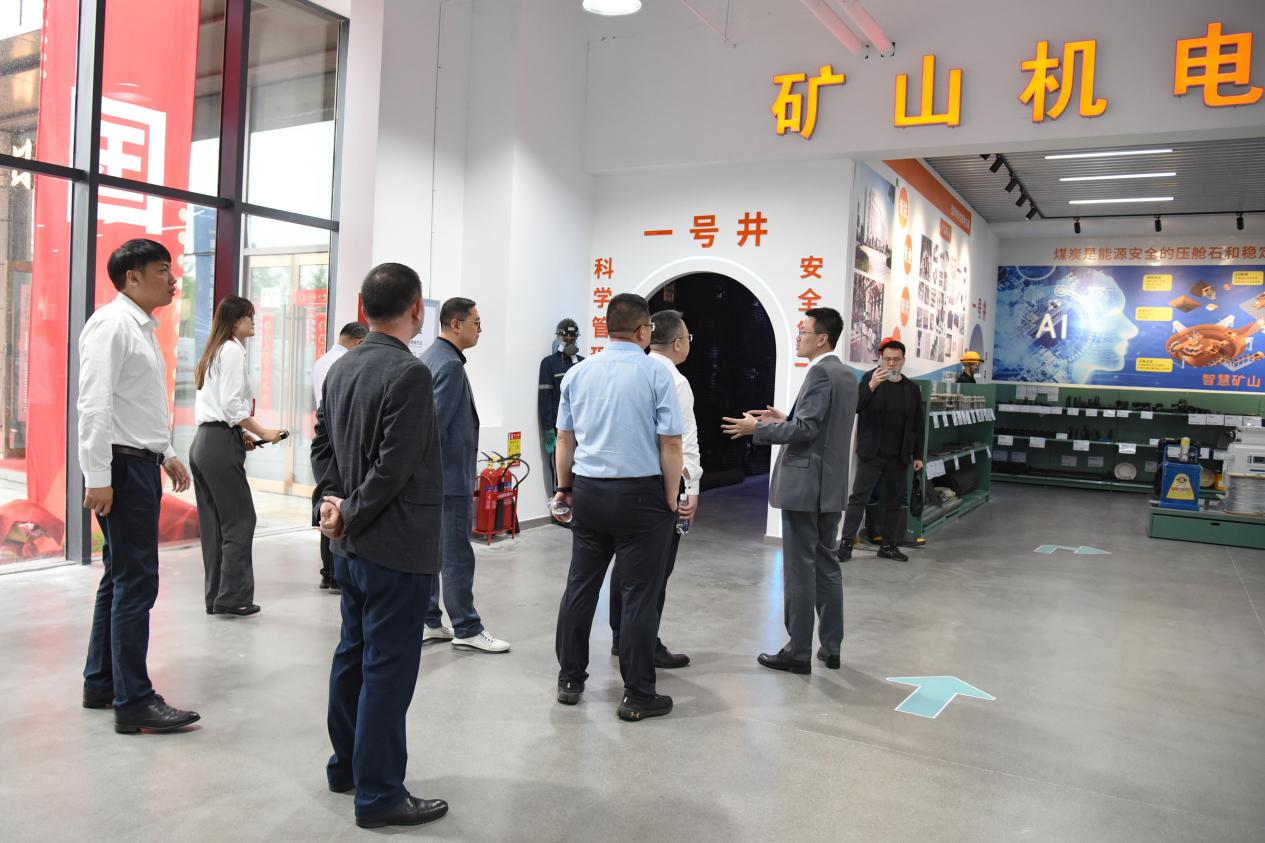
到访人员参观阳采工业品仓储式卖场、企业数字化展厅、阳采商城体验店等,通过现场讲解、实景演绎、视频短片等方式实地调研,全面了解阳采集团的发展历程、业务布局以及未来规划。本次参观最为吸睛的是位于阳采集团太原总部一层的仓储式卖场。该卖场是国内首家To B采购实体店,占地面积7000平米,主要经营工业品,同时涵盖员工福利、数码产品、电器等产品。
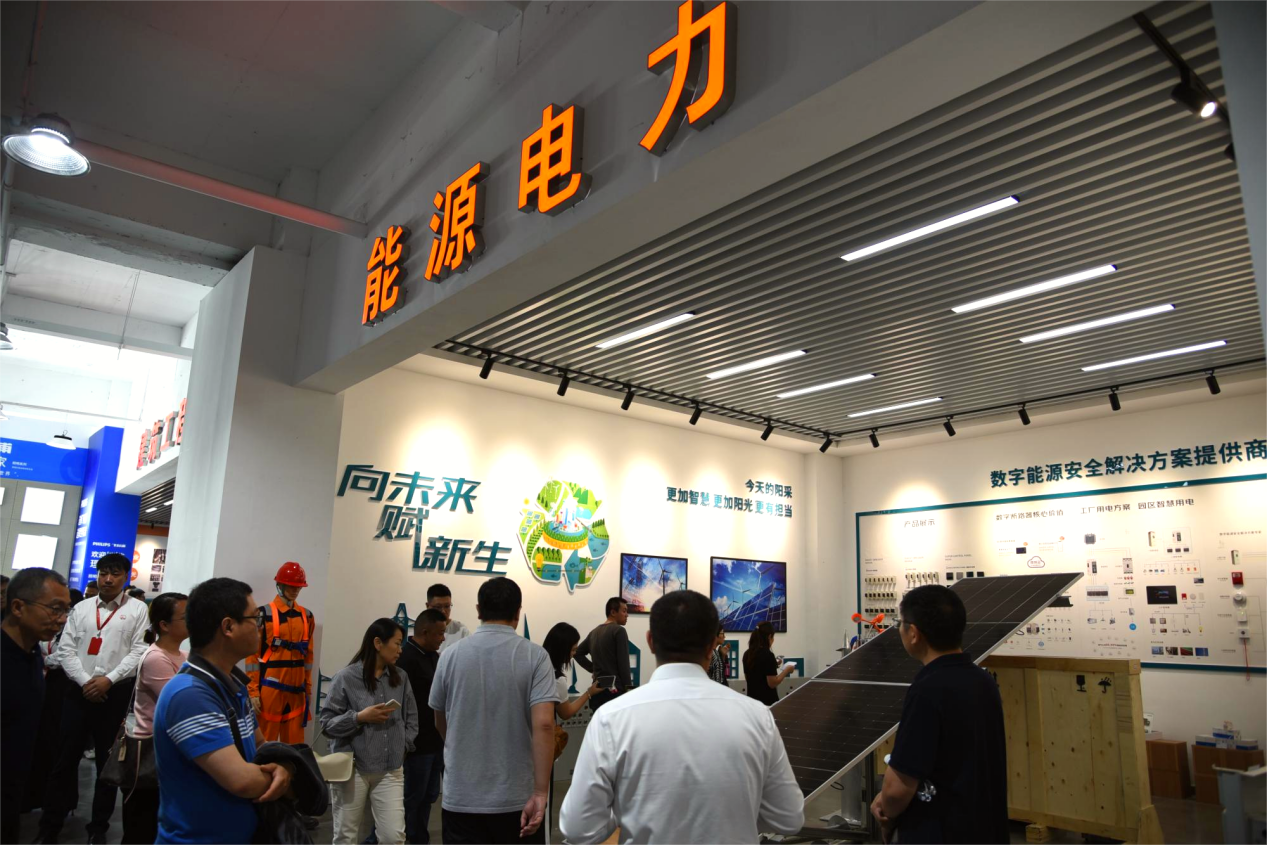
该仓储式卖场采取企业会员制,从选品、采购及仓储等方面为企业提供一站式服务,更加便捷地为本地会员企业物资采购及工会福利提供线上+线下采购解决方案,全方位解决企业采购需求,企业在购买全品类工业必需品的同时,企业员工也可购买全品类工会福利产品。
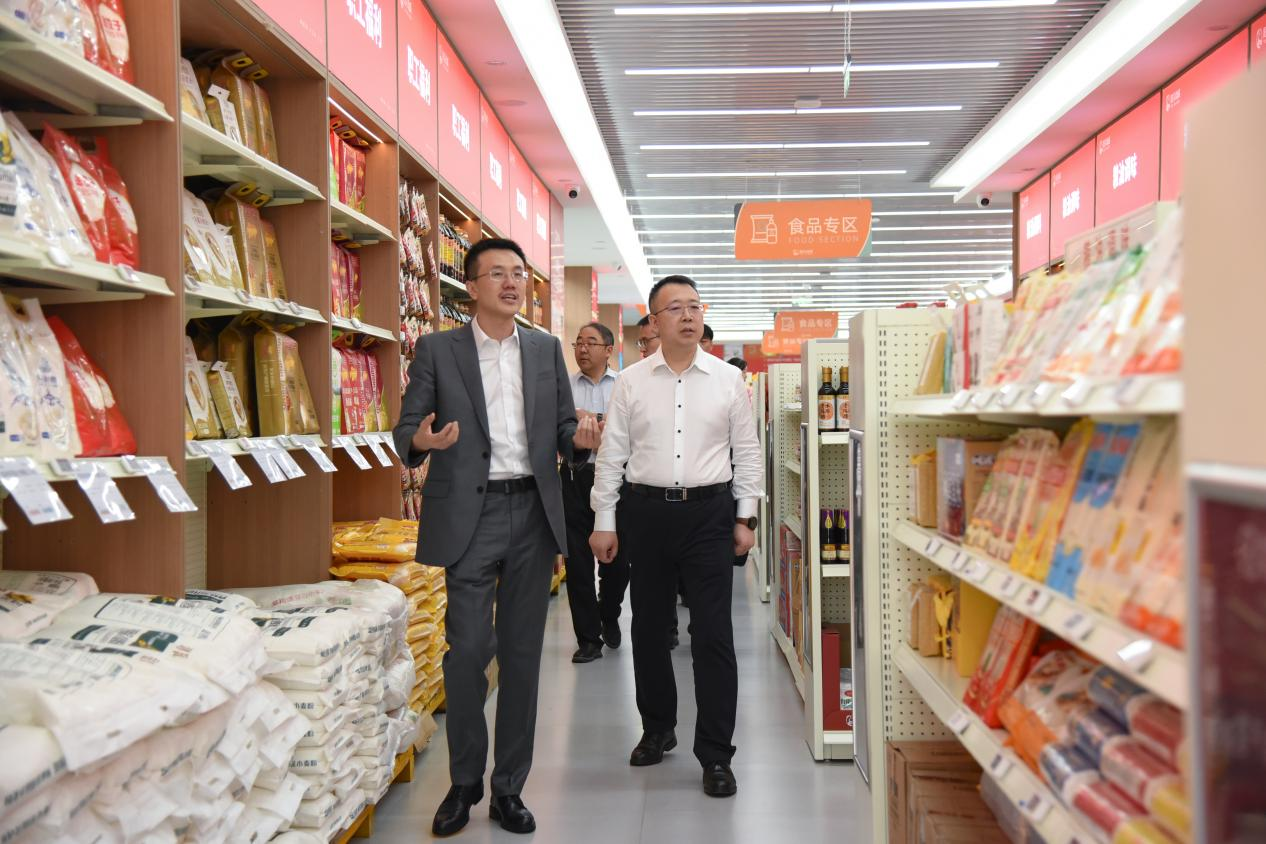
卖场内价格透明,产品明码标价,价格管控系统确保售价低,还可响应快速采购决策,一单多品、快速送达提升采购效率高,其即时零售的属性让当地企业可随买随用,降低库存压力,减少资金占用。该卖场被当地企业称为“工业品Costco”、“工业品山姆会员店”。
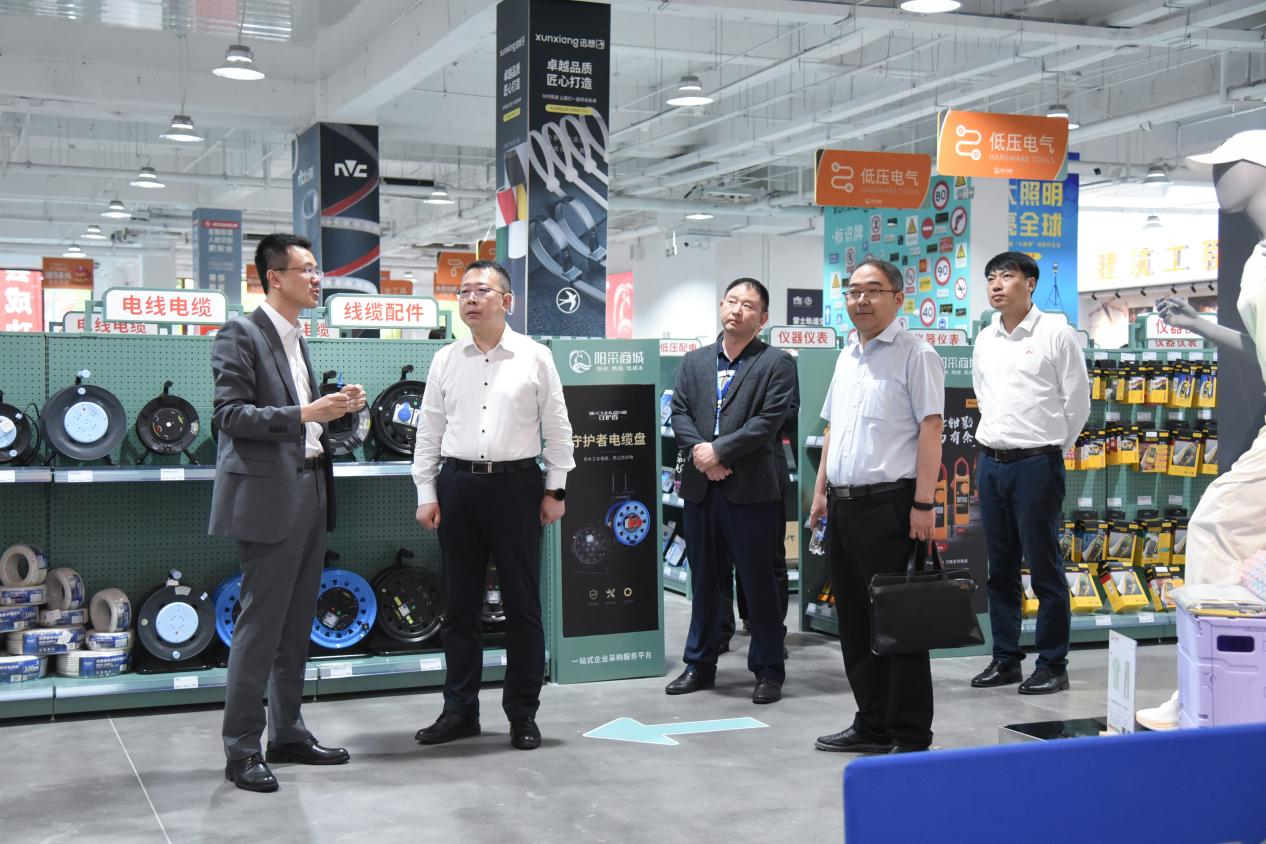
强大的供应链能力是阳采集团跑通线上线下一体化逻辑的重要支撑,数字化供应链能力是企业未来重点建设方向。

阳采集团通过其不懈的探索与实践,为政企采购数字供应链领域提供了重要的参考与启示。其以数字化为核心驱动力,不断推动采购供应链的创新与升级,致力于构建一个更加高效、协同且具备再生能力的生态环境。这一努力不仅彰显了企业的前瞻性与责任感,也为整个行业的进步贡献了智慧与力量。
正如中国物流与采购联合会副会长蔡进指出的那样,“面对未来,我们必须正视政企采购数字供应链建设的重要意义,持续完善系统功能,建立供应链协同平台;加强数据分析,驱动供应链革新升级;推动资源整合,形成供应链发展合力,共筑多元赋能、协同共生新生态。”

【版权提示】亿邦动力倡导尊重与保护知识产权。未经许可,任何人不得复制、转载、或以其他方式使用本网站的内容。如发现本站文章存在版权问题,烦请提供版权疑问、身份证明、版权证明、联系方式等发邮件至run@ebrun.com,我们将及时沟通与处理。

已点赞

+1

{{ praise_text }}

好文章,值得被更多人看到

FAQ回顾

阳采集团如何通过数字化手段优化供应链管理?

阳采集团应用AI图像识别和智能分词技术完善商品库,建立三码标准化体系覆盖70万产品,并自建S2B2B物流系统,从而提高报价准确性并提升采购效率。

阳采集团的线上线下一体化业务模式有哪些特点?

该模式由商城、供应链和国内首家7000平米To B采购实体店组成,采用企业会员制,提供全品类工业品和员工福利产品,实现价格透明和快速配送。

阳采集团的三商一体策略具体指什么?

三商一体指阳采集团同时作为集货商、供应商和服务商,通过全品类延伸、物流提效和数字化赋能,助力央国企实现阳光集采和降本增效。

广告

下一篇

征集报名《品牌数字化服务商资源手册》

《品牌数字化服务商资源手册》展示数字化服务商风采,亿邦全年零售大会通发,触达更多资源,马上加入!

马上入驻

拼多多直播商家注意:用图文工具发布上架商品将获更多精准流量

由于此前拼多多收紧了直播业务的秒拼权限,秒拼商品将在主站搜索推荐被屏蔽继续使用,影响直播流量和GMV的提升,因此平台建议商家切换为图文工具发布、上架商品。

未来零售 电商平台 拼多多

2024-05-13 14:24:51