



• 亿邦公众号
    • APP下载

这所学校的跨境电商人才培养特色是小语种跨境直播!

作者:亿邦动力 文章来源:亿邦动力

2023-10-19 11:14

作者:亿邦动力 文章来源:亿邦动力

2023-10-19 11:14

邦小白快读

EN
全文速览

本文主要介绍了浙江外国语学院跨境电商人才培养的先进经验,核心特色是小语种+跨境直播培养模式,干货信息如下:

1. 学校搭建了四层人才培养体系,分别是四年制本科跨境电商专业(全国首批开设该专业的本科院校)、两年制专升本、面向全校三年级学生选拔的一年制创业学院实验班,还有全校性创业教育模块,覆盖不同基础、不同专业的学生。

2. 人才培养有三大核心特色,分别是应用型导向,对接政府和全球知名跨境平台资源,建有8个专业实验室,多个省级国家级产教融合、实践基地;国际化导向,和40多个国家120多所高校合作,开设了拉美留学生跨境电商班;核心特色为小语种跨境直播,每年暑期组织团队为各地企业做300余场直播服务,助力出海和乡村振兴。

3. 培养成果突出,拿到多项国家级省级教学成果,多次获得跨境电商人才培育奖项,教材课程建设成果丰富。

本文围绕浙江外国语学院跨境电商人才培养模式展开介绍,对布局出海的品牌来说,可对接的资源和参考信息如下:

1. 人才资源对接:浙外依托自身小语种学科优势,培养了大量懂小语种、会跨境直播运营的复合型跨境电商人才,每年还会组织实践团队为企业提供跨境运营、直播营销服务,品牌可以对接校企合作获取人才和运营支持,解决小语种区域市场的营销缺口。

2. 平台资源对接:学校已经和阿里巴巴、Wish、亚马逊、日本乐天、谷歌等全球主流跨境平台建立了深度合作关系,品牌可以借助校企合作渠道,对接不同平台的最新政策、流量扶持,拓展多平台出海渠道。

3. 市场拓展参考:依托学校的国际化合作资源,品牌可以更好地适配不同语种区域市场的用户习惯,调整品牌营销和产品策略,挖掘下沉新兴市场的增长机会,提升品牌出海的成功率。

本文分享了浙江外国语学院跨境电商人才培养的典型模式,对跨境卖家来说,有很多机会和可参考的内容如下:

1. 人才对接机会:当前跨境电商行业,尤其是小语种新兴市场,极度缺少懂语言、会运营直播的复合型人才,浙外每年输出大量这类适配人才,卖家可以通过校招、实践项目对接,弥补自身团队的人才缺口,降低人才招聘培养的成本。

2. 资源对接机会:浙外和全球各大主流跨境平台都有深度合作,卖家可以借助校企合作渠道,了解平台最新政策、获取平台扶持资源,还能借助学校的小语种优势,提前布局小语种区域新兴市场,抓住差异化增长机会。

3. 运营模式参考:小语种跨境直播已经被验证是帮助产品出海、拉动销量增长的有效模式,卖家可以借鉴这个方向,调整自身海外营销布局,打造差异化竞争优势,开辟新的增长曲线。

本文介绍了浙江外国语学院小语种跨境电商人才培养模式,对打算做数字化出海的生产工厂来说,有不少商业机会和启示如下:

1. 现成运营服务机会:浙外每年暑期都会组织实践团队,奔赴国内多省县域为企业提供跨境直播、日常运营服务,工厂如果刚启动跨境出海,缺少相关团队和能力,可以对接这类服务,低成本启动跨境项目,推进自有产品数字化出海。

2. 长期人才合作机会:工厂可以参与学校的产教融合项目,成为校外实践基地,既可以提前锁定适配的小语种跨境运营人才,解决长期发展的人才缺口,还能借助学校的平台资源,对接更多跨境渠道资源。

3. 数字化转型启示:小语种+跨境直播是当前出海的新风口,传统工厂转型做自有品牌出海,可以依托这类人才服务,快速搭建出海运营团队,降低转型的门槛和风险,抓住乡村振兴和数字化出海的政策红利。

本文介绍了跨境电商行业人才需求和浙外的培养模式,对跨境电商相关服务商来说,有不少行业趋势和业务参考如下:

1. 行业发展趋势:当前跨境电商进入高速发展阶段,市场对小语种跨境直播运营、复合型跨境电商人才的需求持续增长,不管是人才培养服务,还是中小商家出海运营服务,都有很大的市场增长空间。

2. 客户核心痛点:大量传统工厂、县域中小卖家转型跨境出海,普遍缺乏小语种运营能力、跨境直播营销能力,这类缺口还没有被完全满足,是服务商可以重点切入的细分方向。

3. 业务模式参考:服务商可以借鉴浙外的政校企合作模式,对接地方政府、高校资源,联合开展人才培养和企业运营服务,一方面可以借助高校的信任优势获取客户,另一方面可以稳定输出能力,打造可持续的盈利业务模式。

本文分享了跨境平台和高校合作培养人才的落地案例,对跨境电商平台来说,有很多生态建设和招商运营的参考如下:

1. 平台生态建设方向:跨境电商行业长期发展的核心限制是人才缺口,平台可以和地方优势院校开展深度合作,落地专属人才培养计划,像阿里巴巴、亚马逊、Wish都在浙外落地了人才项目,这类项目可以为平台生态提前培养大量适配的运营人才和潜在卖家,完善平台的人才供给生态。

2. 招商拓展机会:依托高校的产教融合项目,平台可以对接大量传统工厂、县域传统企业,这些都是还未开发的潜在出海卖家,而且有现成的小语种跨境人才配套,转化成本更低,可以有效拓展平台的商家规模。

3. 差异化布局参考:平台可以依托合作院校的特色优势,打造差异化的人才培养和商家孵化体系,比如和外语类院校合作做小语种市场商家孵化,避开同质化竞争,抓住新兴市场的增长机会。

本文分享了地方本科院校跨境电商人才培养的典型创新模式,对研究跨境电商产业和人才培养的研究者来说,有很多研究素材和启示如下:

1. 产业新动向:当前跨境电商产业高速发展,复合型人才缺口已经成为限制产业发展的核心问题,产教融合、校企合作是解决行业人才缺口的核心路径,而结合院校原有特色打造差异化培养模式,是产教融合成功的关键。

2. 创新商业模式总结:浙江外国语学院作为外语类院校,打造了“分层培养+政校企合作+小语种+跨境直播”的人才培养模式,分层培养覆盖不同专业、不同基础的学生,政校企整合平台政府资源,核心特色发挥了原有的小语种学科优势,这个模式具备可复制性,值得深入研究推广。

3. 研究启示:地方院校服务地方产业发展,不需要盲目追全做大,依托自身原有学科优势,对接地方产业的细分需求,就可以形成特色成果,这个办学和产教融合的思路,给相关领域研究提供了典型的成功案例。

声明:快读内容全程由AI生成,请注意甄别信息。如您发现问题,请发送邮件至 run@ebrun.com 。

我是 品牌商 卖家 工厂 服务商 平台商 研究者 帮我再读一遍。

Quick Summary

This article introduces Zhejiang International Studies University's (ZISU) advanced experience in cross-border e-commerce talent development, with a core distinctive model of "minority language + cross-border live streaming". Key takeaways are as follows:

1. ZISU has built a four-tier talent development system, covering students with different foundations and from different majors: a four-year undergraduate cross-border e-commerce program (among the first batch of undergraduate programs of its kind in China), a two-year advanced diploma to bachelor degree program, a one-year experimental class at the university's entrepreneurship school selected from all third-year students, and a university-wide entrepreneurship education module.

2. The program has three core strengths:

- Application-oriented: It leverages resources from government and leading global cross-border platforms, operates 8 specialized laboratories and multiple provincial and national industry-education integration practice bases.

- Internationalization-oriented: It has partnerships with more than 120 universities in over 40 countries, and runs a cross-border e-commerce program for international students from Latin America.

- Minority language cross-border live streaming: Every summer, student teams conduct more than 300 live streaming sessions for enterprises across China, supporting brands' global expansion and rural revitalization.

3. The talent development model has delivered outstanding results, winning multiple national and provincial teaching awards, and achieving rich outcomes in teaching material and curriculum development.

This article outlines Zhejiang International Studies University's (ZISU) cross-border e-commerce talent development model, and the following resources and insights are available for brands planning global expansion:

1. Talent resource access: Leveraging its strength in language education, ZISU trains a large number of compound cross-border e-commerce talents proficient in minority languages and cross-border live streaming operations. It also organizes student practice teams to provide cross-border operation and live marketing services for enterprises. Brands can access talents and operational support through university-enterprise cooperation to fill marketing gaps in non-English speaking markets.

2. Platform resource access: ZISU has established in-depth cooperation with leading global cross-border platforms including Alibaba, Wish, Amazon, Rakuten and Google. Brands can get access to the latest platform policies and traffic support through university-enterprise cooperation channels to expand their multi-platform global distribution.

3. Market expansion insights: Supported by ZISU's international cooperation resources, brands can better adapt to user preferences in different language markets, adjust brand marketing and product strategies, tap growth opportunities in emerging下沉 markets, and improve the success rate of brand globalization.

This article shares ZISU's typical cross-border e-commerce talent development model, which brings the following opportunities and insights for cross-border sellers:

1. Talent access opportunities: The cross-border e-commerce industry, especially for emerging minority language markets, faces a severe shortage of compound talents with both language skills and live streaming operation capabilities. ZISU graduates a large number of such tailored talents every year. Sellers can fill team gaps and reduce recruitment and training costs by connecting with graduates through campus recruitment and practice programs.

2. Resource access opportunities: ZISU has in-depth cooperation with all major global cross-border platforms. Sellers can learn the latest platform policies and obtain support resources through university-enterprise cooperation channels, and leverage the university's language advantages to lay out in emerging minority language markets early to capture differentiated growth opportunities.

3. Operational insights: Minority language cross-border live streaming has been proven as an effective model to drive sales growth for product globalization. Sellers can adjust their overseas marketing layout based on this proven approach to build a differentiated competitive edge and open up a new growth curve.

This article introduces Zhejiang International Studies University's (ZISU) minority language-focused cross-border e-commerce talent development model, which brings the following business opportunities and insights for manufacturing factories planning digital globalization:

1. Off-the-shelf operational service opportunities: Every summer, ZISU organizes practice teams to provide cross-border live streaming and daily operation services for enterprises in counties across multiple Chinese provinces. For factories that have just launched cross-border business and lack in-house teams and capabilities, cooperating with ZISU enables low-cost launch of cross-border projects and digital globalization of own products.

2. Long-term talent cooperation opportunities: Factories can participate in the university's industry-education integration programs and become off-campus practice bases. This allows factories to lock in suitable minority language cross-border operation talents in advance to solve long-term talent gaps, and access more cross-border channel resources through the university's platform network.

3. Digital transformation insights: The combination of minority language expertise and cross-border live streaming is a new high-growth trend in global expansion. For traditional factories transforming to own brand globalization, this talent service model helps quickly build an overseas operation team, lower transformation barriers and risks, and capture policy dividends from rural revitalization and digital globalization.

This article introduces cross-border e-commerce industry talent demand and ZISU's talent development model, which brings the following industry trend insights and business references for cross-border e-commerce related service providers:

1. Industry growth trends: As cross-border e-commerce enters a stage of rapid development, market demand for minority language cross-border live operation and compound cross-border e-commerce talents continues to grow. There is large room for market growth in both talent development services and cross-border operation services for small and medium-sized sellers.

2. Core customer pain points: A large number of traditional factories and county-level small and medium-sized sellers transforming to cross-border e-commerce generally lack minority language operation capabilities and cross-border live marketing capabilities. This unmet gap is a key niche segment for service providers to focus on.

3. Business model reference: Service providers can learn from ZISU's government-university-enterprise cooperation model, partner with local governments and university resources to jointly provide talent development and enterprise operation services. This approach leverages the trust advantage of universities to acquire customers while delivering stable capabilities to build a sustainable profitable business model.

This article shares an implementation case of cross-border platform and university joint talent development, which brings the following insights for ecosystem building and merchant operations for cross-border e-commerce platforms:

1. Platform ecosystem development direction: Talent shortage is the core bottleneck for the long-term development of the cross-border e-commerce industry. Platforms can carry out in-depth cooperation with local leading universities and launch customized talent development programs. Just like Alibaba, Amazon and Wish have already done at ZISU, such programs can cultivate a large number of matching operation talents and potential sellers in advance for the platform ecosystem, improving the ecosystem's talent supply.

2. Merchant expansion opportunities: Through university-led industry-education integration programs, platforms can connect with a large number of traditional factories and local enterprises, which are untapped potential cross-border sellers. With the supporting advantage of ready-made minority language cross-border talents, the conversion cost is lower, helping platforms effectively expand their merchant base.

3. Differentiated positioning reference: Platforms can build differentiated talent development and merchant incubation systems based on the unique advantages of partner universities. For example, partnering with foreign language universities to incubate merchants targeting minority language markets allows platforms to avoid homogeneous competition and capture growth opportunities in emerging markets.

This article shares a typical innovative cross-border e-commerce talent development model from a local undergraduate university, which provides rich research materials and insights for researchers studying cross-border e-commerce industry and talent development:

1. New industrial trends: With the rapid development of the cross-border e-commerce industry, the shortage of compound talents has become a core bottleneck restricting industrial growth. Industry-education integration and university-enterprise cooperation are the core pathways to solve industry talent shortages, and building a differentiated training model based on the university's original strengths is the key to successful industry-education integration.

2. Summary of innovative business models: As a foreign language institution, Zhejiang International Studies University has developed a "layered training + government-university-enterprise cooperation + minority language + cross-border live streaming" talent development model. The layered structure covers students from different majors and with different foundations; government-university-enterprise collaboration integrates resources from platforms and government; the core advantage leverages the university's original strength in minority language education. This replicable model deserves in-depth research and promotion.

3. Research insights: For local universities to serve local industrial development, there is no need to blindly pursue full coverage and scale. By leveraging existing disciplinary strengths to match the segmented needs of local industries, universities can achieve distinctive outcomes. This approach to school running and industry-education integration provides a typical successful case for research in related fields.

Disclaimer: The "Quick Summary" content is entirely generated by AI. Please exercise discretion when interpreting the information. For issues or corrections, please email run@ebrun.com .

I am a Brand Seller Factory Service Provider Marketplace Seller Researcher Read it again.

开放发展激荡起蓬勃春潮,跨境电商已在高潮浪尖跳动。跨境精英指点山河、创造想象,在不同时空交汇下产生无限可能的力量,用跨境电商的速度丈量时代的脚步。

后继之道,惟在得人,济济多士,人才蔚起。

高校是人才培育的主力军,是未来精英的摇篮,代代相承,薪火以续。在此,我们将对浙江高校跨境电商人才培养的先进经验和典型模式作连载分享,敬请期待。

YIXIAOYIPIN

浙江外国语学院

浙江外国语学院作为一所地方本科院校,开设15余种小语种语言专业和跨境电子商务等商科类专业,以服务于浙江改革开放强省对人才需求为导向,积极开展应用型人才培

01

培养模式

PEIYANGMOSHI

一、四年制本科人才培养模式:全国首批开设跨境电子商务专业的本科院校。2019年成功申报跨境电子商务专业;二、两年制人才培养模式(专升本);三、一年制人才培养模式:跨境电商创业学院“3+1”实验班)面向全校所有专业3年级学生,经过选拔面试进入创业学院集中学习一年;四、全校性创业教育模块课程。

02

人才培养应用型导向特色

YINGYONGXINGDAOXIANG

浙江外国语学院主动对接政府主管部门,充分利用政府资源,将全球知名电商平台及企业引入高校,在中国(杭州)跨境电子商务综合实验区支持下:

2016年,浙江外国语学院创业学院首届“阿里巴巴鑫校园”开班

2017年,“Wish星青年人才培养计划”落户浙外

2018年,亚马逊101.时代青年人才计划在浙外试航

2020年,与日本第一大跨境电商平台“乐天”合作开展跨境人才培养

2021年,与谷歌合作举办“谷歌教师培训营”活动
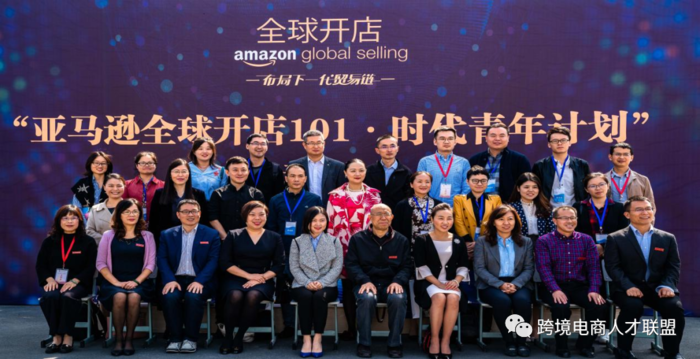
校内实验室建设完备

建设有“电子商务综合实验室、创新创业实验室、电子商务研究中心、数理金融实验室”等八个与跨境电商人才培养相关实验室,满足应用型人才培养校内环境的需要。

校外基地配套齐全

2019年入选“第三批浙江省普通高校产教融合示范基地”,2022年入选“省十四五跨境电商实验示范基地”“省十四五跨境电商教育校外实践基地”,2023年获批“教育部跨境电商虚拟教研室”。

03

人才培养国际化特色

GUOJIHUATESE

浙江外国语学院重视并积极开展对外交流合作,现已与40多个国家的120多所高校和机构建立了合作关系,国际合作项目覆盖学校13个语种专业,年均派出学生450余人次、接收来华留学生200余人次,开设了拉美留学生 “2+2” 跨境电商班。
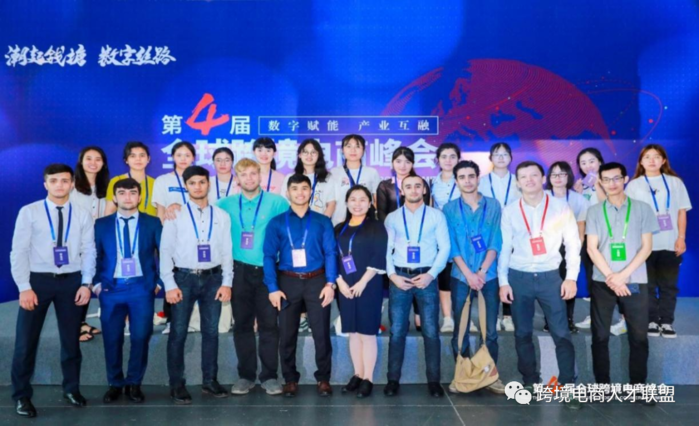
2018年,秘鲁应用科技大学师生前往浙江外国语学院参观交流。2019年,拉斐拉大学校长、墨西哥齐瓦瓦大学校长前往访问并参观跨境电商创业学院。

2020年,古巴教育部高级代表团来访,就浙江外国语学院跨境电商人才培养经验展开交流。

04

小语种跨境电商直播特色

KUAJINGDIANSHANGZHIBO

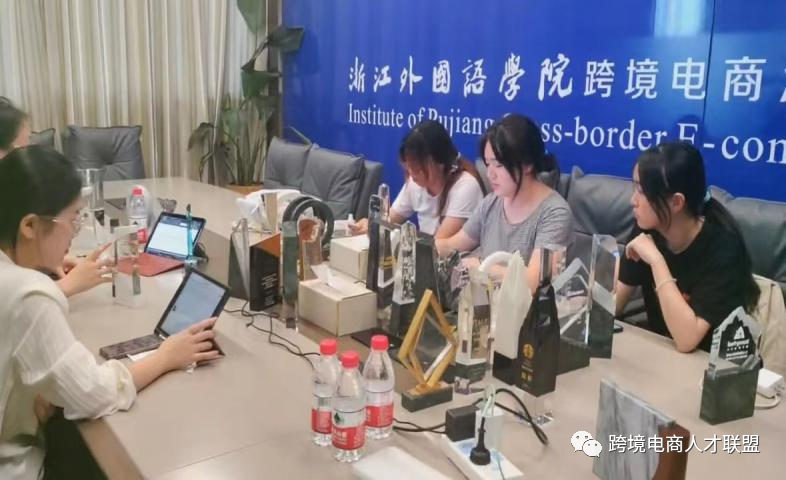
每年暑期,浙江外国语学院会组织社会实践团队和竞赛团队奔赴浙江、四川等省内外不同县域,为当地企业开展跨境电商日常运营和营销服务,每年暑期总计服务直播300余场次,助力乡村振兴和企业数字化出海取得良好成效,受到学习强国、中国教育在线等媒体报道。
05

人才培养成效显著

CHENGXIAOXIANZHU

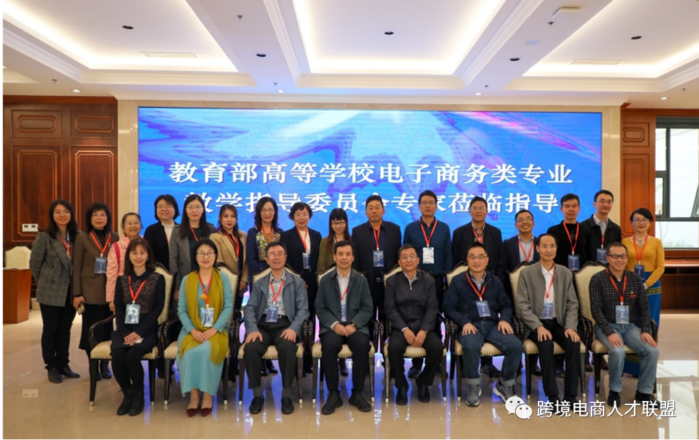
全国性会议及师资培训

2020年,承办了全国首届跨境电商专业建设与人才培养论坛

2021年,举办首届中外人文交流与全国跨境电商师资培训班

2022年,联合主办全国首届跨境电商教育与发展论坛
课程教材成果

浙江外国语学院“跨境物流与供应链管理”等五门课程电商课程被评为省一流课程;八个与跨境电商项目被立项为教育部产学研合作项目;出版一本国家十四五规划教材、二本省级新形态教教材及其它三本跨境电商核心课程教材,2022年至2023年,八本教材由清华大学出版社出版。

竞赛获奖

获得第十二届、十三届全国大学生电子商务“创新、创意及创业”挑战赛各类奖项若干

第五届、第六届全国跨境电商专业能力大赛组织二等奖和银奖,各类单项赛一至三等奖若干

社会认可

2016年,在首届“潮起钱塘·全球跨境电商峰会”上被授予跨境电商“人才培育奖”

2021年,被授予100万跨境电商人才培育专项奖

2022年,被授予授予跨境电商人才培养杰出贡献奖


【版权提示】亿邦动力倡导尊重与保护知识产权。未经许可,任何人不得复制、转载、或以其他方式使用本网站的内容。如发现本站文章存在版权问题,烦请提供版权疑问、身份证明、版权证明、联系方式等发邮件至run@ebrun.com,我们将及时沟通与处理。

已点赞

+1

{{ praise_text }}

好文章,值得被更多人看到

FAQ回顾

浙江外国语学院跨境电商人才培养有哪些模式?

学院提供四年制本科、两年制专升本、一年制创业学院实验班及全校创业教育模块课程四种培养模式,是全国首批开设跨境电商本科专业的高校。

浙江外国语学院跨境电商人才培养的校企合作有哪些成果?

学院与阿里巴巴、Wish、亚马逊、乐天、谷歌等平台合作开展人才培养计划,建设8个实验室,获批教育部虚拟教研室,入选省级产教融合示范基地。

浙江外国语学院小语种跨境直播特色如何体现?

学院每年组织暑期实践团队赴各省县域开展跨境电商直播服务,年均300余场次,覆盖13个语种专业,助力乡村振兴和企业出海。

广告

下一篇

跨境电商资源对接

《全球跨境电商服务商资源手册》第二期手册现已发布,触达更多资源,了解跨境服务商信息,欢迎点击链接下载。

了解详情

今年双11 除了低价 各平台还在拼什么?

从2009年到2023年,双11已行至第15年。它由天猫开始,如今已成为电商行业的年度最重磅节点,被寄予了诸多厚望,今年双11尤为如此。

快手 小红书 抖音 京东

2023-10-19 11:04:25









