• 亿邦公众号
    • APP下载

杭州机场东区国际货站出口首单跨境电商货物

作者:亿邦动力 文章来源:亿邦动力

2023-10-11 11:52

作者:亿邦动力 文章来源:亿邦动力

2023-10-11 11:52

邦小白快读

EN
全文速览

本文核心信息是杭州萧山国际机场刚投运的东区国际货站完成首单出口跨境电商货物,该货站通过自动化作业和海关监管升级大幅提升跨境电商出口效率,当前杭州空港跨境出口业务增长迅速。

1. 货站作业全程实现自动化,货物自动分拣后由AGV无人驾驶叉车运送至固定打板台,完成包装查验后经自动传送带送往立体货架等待装机,作业效率远高于传统人工模式。

2. 通关和运输时效提升明显,目前跨境电商货物可实现当日申报、当日放行、当日出口、当日抵达,能很好满足跨境订单的时效要求。

3. 当前杭州空港口岸运力充足,今年新增5条国际货运航线,总共拥有17条国际货运航线,每周约有45班航班,8月以来每日出口跨境电商货物稳定在45万单以上,业务增长势头强劲。

杭州萧山机场东区国际货站的投运,给布局跨境出口的品牌商带来了新的渠道优势和增长机会,核心干货总结如下。

1. 渠道能力升级,新货站通过自动化作业和海关监管创新,实现跨境电商货物当日申报、当日放行、当日出口、当日抵达,时效提升能帮助品牌提升海外消费者购物体验,进而增强品牌口碑和市场竞争力,帮助品牌拓展海外市场。

2. 运力有保障,今年杭州空港口岸新增往返比隆、芝加哥、阿姆斯特丹等5条核心出口市场的国际货运航线,目前总共有17条国际航线,每周约45班,能满足品牌不同批量货物的出口运力需求。

3. 消费趋势向好,当前杭州空港跨境电商出口业务增长强劲,8月以来日均出口超过45万单,说明跨境电商出口市场需求旺盛,品牌提前布局这个高效口岸能抓住市场增长红利。

杭州空港新货站的投运给出口跨境电商卖家带来了明确的增长机会,相关利好信息总结如下。

1. 配套政策支持完善,海关已经将监管环节嵌入物流企业作业流程,在流水线实现包裹精准分拣,完成跨境电商出口货物快速验放,卖家可以享受到高效的通关服务,不用长时间等待清关。

2. 新的增长机会,目前杭州空港加密了国际货运网络,新增5条覆盖欧美核心市场的航线,总航线达17条每周45班,运力充足,时效优势明显,卖家选择这个口岸发货能提升自身竞争力,获得更多买家青睐。

3. 机会提示,当前杭州空港跨境出口业务增长迅速,8月日均出口超过45万单,业务势头向好,卖家可以对接该口岸的货代资源,布局新的出口通道,拓展自身业务规模,享受口岸升级带来的红利。

杭州空港新国际货站的投运,给做出口业务的生产工厂带来了新的商业机会和数字化升级启示,核心干货如下。

1. 新商业机会,新货站时效提升、运力增加,解决了跨境电商出口的物流痛点,工厂可以借此开通直接面向海外消费者的跨境电商出口渠道,省去中间贸易环节,获得更高的利润空间,同时也能直接获取海外消费者的需求反馈。

2. 生产调整方向,当前跨境电商出口空港业务增长迅速,日均出口超过45万单,市场需求旺盛,工厂可以调整生产模式,适配跨境电商小批量、多批次的订单需求,抓住新的市场机会。

3. 数字化转型启示,新货站全程采用自动化作业,AGV无人驾驶叉车、自动分拣系统大幅提升效率,海关监管嵌入作业流程,工厂对接新通道也需要加快自身数字化升级,提升订单处理和发货效率,适配新的物流模式。

杭州空港东区国际货站的运营,反映了跨境电商出口物流行业的发展趋势,给各类物流服务商提供了不少干货参考,总结如下。

1. 行业发展趋势,当前跨境电商出口空港业务需求旺盛,增长势头强劲,杭州空港8月以来日均出口跨境电商货物超过45万单,市场规模增长快,同时客户对物流时效的要求越来越高,时效已经成为服务商获取客户的核心竞争力。

2. 客户核心痛点与解决方案,客户的核心痛点是通关慢、作业效率低影响整体时效,杭州空港的模式是将海关监管嵌入作业全流程,结合自动化作业实现快速验放,能有效解决时效痛点,文中的杭州瑞升国际货运就借助这个优势吸引到更多优质客户。

3. 自身升级方向,行业已经开始普及自动化作业,AGV无人驾驶叉车、自动分拣传送带等新技术的应用能大幅提升作业效率,服务商可以跟进这类技术升级,匹配口岸新的作业模式,提升自身竞争力。

杭州萧山机场东区国际货站的运营,给各类跨境物流平台、口岸平台的运营发展提供了不少参考,核心干货总结如下。

1. 商家核心需求明确,做跨境出口的商家对口岸平台最核心的需求是稳定运力和高效通关,杭州空港通过升级自动化硬件设施、上线新的海关监管系统、加密国际货运航线,刚好满足了这两类需求,直接带动货量快速增长,8月日均出口就超过45万单。

2. 可借鉴的运营做法,将海关监管环节嵌入物流作业全流程,在流水线完成精准分拣和快速验放,同时加大自动化设备投入,用AGV无人驾驶叉车、自动传送带实现全流程自动化作业,能大幅提升整体运营效率。

3. 招商与增长方向,平台只要加密开通覆盖核心出口市场的货运航线,提升运力和时效,就能吸引更多货量,进而吸引更多服务商入驻,形成正向增长循环,目前杭州空港已经拥有17条国际航线,每周45班,业务增长势头明确。

杭州萧山机场东区国际货站完成首单跨境电商货物出口,反映了我国空港跨境电商出口产业的最新动向,对产业研究有不少参考价值,总结如下。

1. 产业新动向,当前我国空港跨境电商出口进入高速增长阶段,杭州空港今年新增5条国际货运航线,运力提升后,8月日均出口跨境电商货物就超过45万单,业务增长势头强劲,空港已经成为跨境电商出口的核心通道之一,产业占比会进一步提升。

2. 监管创新启示,海关打破原有监管模式,将监管环节嵌入物流企业作业全流程,在流水线完成自动分拣和快速验放,实现了当日申报、当日放行、当日出口,这种监企融合的创新模式为全国口岸监管升级提供了可复制的样本。

3. 产业升级方向,口岸物流产业的数字化自动化升级是必然趋势,杭州新货站通过AGV无人驾驶叉车、自动分拣传送带等自动化设备的应用,大幅提升作业效率,足以支撑跨境电商的高速增长,为整个产业升级指明了方向。

声明:快读内容全程由AI生成,请注意甄别信息。如您发现问题,请发送邮件至 run@ebrun.com 。

我是 品牌商 卖家 工厂 服务商 平台商 研究者 帮我再读一遍。

Quick Summary

This article covers the first shipment of cross-border e-commerce export goods processed by the newly opened Eastern District international cargo terminal at Hangzhou Xiaoshan International Airport. The terminal has significantly boosted cross-border e-commerce export efficiency through automated operations and upgraded customs supervision, and Hangzhou Airport's cross-border export business is currently growing rapidly.

1. The entire cargo handling process is automated: after automatic sorting, goods are transported by AGV driverless forklifts to fixed palletizing stations. After packaging inspection, they are sent via automated conveyors to three-dimensional storage racks waiting for loading, with far higher efficiency than traditional manual operations.

2. Clearance and transit lead times have improved markedly. Cross-border e-commerce goods now can be declared, cleared, exported and delivered all on the same day, fully meeting the timeliness requirements of cross-border orders.

3. Hangzhou Airport currently has abundant cargo capacity. It added 5 new international cargo routes this year, bringing its total to 17 international cargo routes with around 45 flights per week. Since August, daily cross-border e-commerce export volume has stayed stable at over 450,000 orders, indicating strong business growth momentum.

The opening of the Eastern District international cargo terminal at Hangzhou Xiaoshan Airport brings new channel advantages and growth opportunities to brands with cross-border export layouts. Key takeaways are as follows:

1. Upgraded channel capabilities: through automated operations and innovative customs supervision, the new terminal enables cross-border e-commerce goods to be declared, cleared, exported and delivered all on the same day. Faster delivery improves overseas consumers' shopping experience, which in turn enhances brand reputation and market competitiveness, and helps brands expand into overseas markets.

2. Reliable cargo capacity guarantee: this year, Hangzhou Airport added 5 new international cargo routes connecting to core export markets including Billund, Chicago and Amsterdam. It now operates 17 international routes with 45 flights per week, enough to meet the export cargo capacity needs of brands for shipments of all sizes.

3. Favorable consumer demand trends: Hangzhou Airport's cross-border e-commerce export business is growing strongly, with average daily exports exceeding 450,000 orders since August, indicating robust market demand for cross-border e-commerce exports. Brands that布局 this efficient port early can capture the market growth dividend.

The opening of Hangzhou Airport's new cargo terminal brings clear growth opportunities for cross-border e-commerce export sellers. Key advantages are summarized below:

1. Sound supporting policy support: Customs has integrated supervision into logistics operators' workflow, enabling accurate sorting on production lines and fast inspection and clearance for cross-border e-commerce export goods. Sellers can access highly efficient customs clearance services without long waiting times.

2. New growth opportunities: Hangzhou Airport has expanded its international cargo network, adding 5 new routes covering core markets in Europe and North America, bringing the total to 17 routes with 45 flights per week. With abundant capacity and clear timeliness advantages, sellers who ship through this port can improve their own competitiveness and win more favor from buyers.

3. Opportunity note: Hangzhou Airport's cross-border export business is growing rapidly, with average daily exports exceeding 450,000 orders since August, showing strong upward momentum. Sellers can connect with local freight forwarder resources at this port,布局 new export channels, expand their business scale, and capture the dividends brought by the port upgrade.

The opening of Hangzhou Airport's new international cargo terminal brings new business opportunities and digital transformation insights for export-oriented manufacturing factories. Key takeaways are as follows:

1. New business opportunities: The new terminal's improved timeliness and expanded capacity solve core logistics pain points for cross-border e-commerce exports. Factories can use this infrastructure to launch direct cross-border e-commerce export channels reaching overseas consumers, cutting out intermediate trade links to capture higher profit margins, while also gaining direct access to consumer demand feedback from overseas markets.

2. Guidance for production adjustment: Currently, cross-border e-commerce export business via air ports is growing rapidly, with average daily exports exceeding 450,000 orders, indicating strong market demand. Factories can adjust their production models to adapt to the small-batch, multi-batch order pattern of cross-border e-commerce, and capture this new market opportunity.

3. Insights for digital transformation: The new terminal adopts fully automated operations, with AGV driverless forklifts and automatic sorting systems greatly improving efficiency, and customs supervision integrated into workflow. To connect to this new channel, factories also need to speed up their own digital upgrades to improve order processing and delivery efficiency, and adapt to the new logistics model.

The operation of Hangzhou Airport's Eastern District international cargo terminal reflects development trends in the cross-border e-commerce export logistics industry, and provides valuable insights for all types of logistics service providers. Summary below:

1. Industry development trends: Cross-border e-commerce export via air ports currently sees robust demand and strong growth momentum. Since August, Hangzhou Airport has handled an average of over 450,000 cross-border e-commerce export orders per day, showing rapid market expansion. At the same time, customer requirements for logistics timeliness are getting higher and higher, and delivery speed has become a core competitiveness for service providers to acquire customers.

2. Core customer pain points and solutions: The core pain point for customers is that slow customs clearance and low operational efficiency drag down overall delivery timeliness. Hangzhou Airport's model integrates customs supervision into the entire operational process, and combines it with automated operations to achieve fast inspection and clearance, effectively solving the timeliness pain point. Local operator Hangzhou Ruisheng International Freight has already attracted more high-quality clients by leveraging this advantage.

3. Direction for self-upgrade: Automated operations are becoming industry standard. The application of new technologies such as AGV driverless forklifts and automatic sorting conveyors can greatly improve operational efficiency. Service providers can follow this technology upgrade trend, adapt to the port's new operational model, and improve their own competitiveness.

The operation of the Eastern District international cargo terminal at Hangzhou Xiaoshan Airport provides valuable references for the operation and development of all types of cross-border logistics platforms and port platforms. Key takeaways are summarized below:

1. Clear core merchant demands: The top demands cross-border export merchants have for port platforms are stable cargo capacity and efficient customs clearance. Hangzhou Airport meets both demands by upgrading automated hardware, launching an upgraded customs supervision system, and expanding international cargo routes, which directly drove rapid cargo volume growth, with average daily exports exceeding 450,000 orders in August.

2. Replicable operational practices: Integrating customs supervision into the entire logistics workflow, completing accurate sorting and fast clearance on production lines, investing heavily in automation equipment, and using AGV driverless forklifts and automated conveyors to achieve full-process automated operations can greatly improve overall operational efficiency.

3. Direction for merchant recruitment and growth: As long as a platform expands cargo routes covering core export markets to improve capacity and timeliness, it can attract more cargo volume, which in turn attracts more service providers to settle in, forming a positive growth cycle. Currently, Hangzhou Airport operates 17 international routes with 45 flights per week, and shows clear strong business growth momentum.

The completion of the first cross-border e-commerce export shipment at Hangzhou Xiaoshan Airport's Eastern District international cargo terminal reflects the latest developments in China's air-based cross-border e-commerce export industry, and provides valuable reference for industrial research. Summary below:

1. New industry developments: China's air-based cross-border e-commerce export sector is now entering a period of high-speed growth. After adding 5 new international cargo routes this year and expanding capacity, Hangzhou Airport has handled over 450,000 cross-border e-commerce export orders on average per day since August, with strong growth momentum. Air ports have become one of the core channels for cross-border e-commerce exports, and their industry share will continue to rise.

2. Insights for regulatory innovation: Customs has broken away from traditional regulatory models, integrating supervision into the entire operational process of logistics enterprises, completing automatic sorting and fast clearance on production lines, and achieving same-day declaration, clearance and export. This innovative integrated regulator-operator model provides a replicable template for port regulatory upgrades across the country.

3. Direction for industrial upgrading: Digital and automated upgrading of port logistics is an inevitable trend. Hangzhou's new cargo terminal has greatly improved operational efficiency through the application of automated equipment such as AGV driverless forklifts and automatic sorting conveyors, enough to support the high-speed growth of cross-border e-commerce, and points the direction for upgrading the entire industry.

Disclaimer: The "Quick Summary" content is entirely generated by AI. Please exercise discretion when interpreting the information. For issues or corrections, please email run@ebrun.com .

I am a Brand Seller Factory Service Provider Marketplace Seller Researcher Read it again.

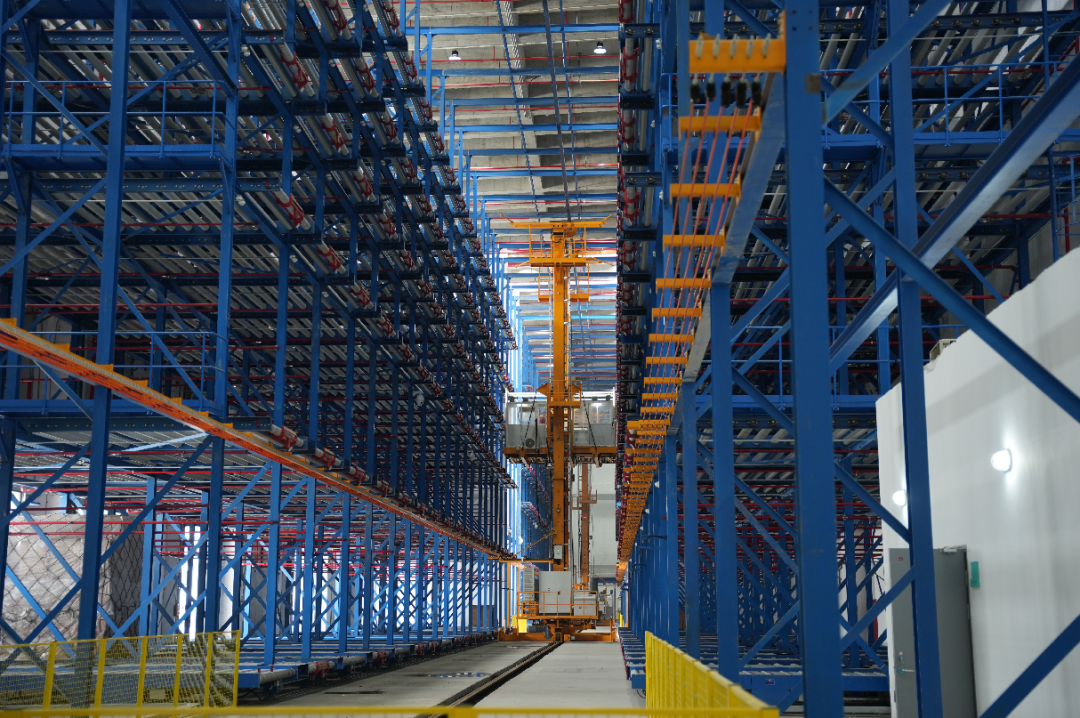
自动分拣后“乘坐”AGV无人驾驶叉车来到固定打板台,包装后接受海关查验,随后被自动传送带送往立体货架,等待装机起飞……8月31日上午,一批出口跨境电商货物,经海关监管后,从刚投运不久的杭州萧山国际机场东区国际货站出口。这是该国际货站正式启用后首单出口的跨境电商货物。

杭州萧山国际机场东区货站的二层是浙江省单体最大的海关快件、跨境货物监管中心。杭州瑞升国际货运代理有限公司副总经理方辉介绍,从东区货站出发,目前公司的跨境电商货物实现了当日申报、当日放行、当日出口,当日抵达。“这能为我们吸引到更多优质客户,让我们对通过跨境电商拓展海外市场充满信心。”

今年以来,在物流公司和机场公司的共同努力下,杭州空港口岸新增往返比隆、芝加哥、阿姆斯特丹、布达佩斯、巴黎等5条国际货运航线,恢复了杭州-达卡货运航线,目前总国际货运航线17条,每周航班约45班。随着航线加密、运力增加,空港跨境电商出口业务发展势头强劲。8月份以来,每天通过杭州空港口岸出口的跨境电商货物在45万单以上。

为了让跨境电商出口货物从空港“起飞”更加顺畅,海关在东区货站上线相关系统,将海关监管嵌入物流企业作业流程,在流水线实现对包裹的精准分拣,实现跨境电商出口货物快速验放。

【版权提示】亿邦动力倡导尊重与保护知识产权。未经许可,任何人不得复制、转载、或以其他方式使用本网站的内容。如发现本站文章存在版权问题,烦请提供版权疑问、身份证明、版权证明、联系方式等发邮件至run@ebrun.com,我们将及时沟通与处理。

已点赞

+1

{{ praise_text }}

好文章,值得被更多人看到

FAQ回顾

杭州萧山国际机场东区国际货站的首单跨境电商货物是什么时候出口的?

杭州萧山国际机场东区国际货站的首单跨境电商货物于8月31日上午出口,这是该货站正式启用后的首单出口跨境电商货物。

杭州空港口岸目前有多少条国际货运航线?

杭州空港口岸目前共有17条国际货运航线,每周航班约45班,2023年新增了往返比隆、芝加哥、阿姆斯特丹等5条航线,并恢复了杭州-达卡货运航线。

海关如何保障杭州空港跨境电商出口货物的快速验放?

海关在东区货站上线了相关系统,将监管嵌入物流企业作业流程,通过流水线对包裹进行精准分拣,实现了跨境电商出口货物的快速验放。

广告

下一篇

跨境电商资源对接

《全球跨境电商服务商资源手册》第二期手册现已发布,触达更多资源,了解跨境服务商信息,欢迎点击链接下载。

了解详情

B站需要“李佳琦”

B站正试图打造“下一个李佳琦”。9月初,B站宣布全新UP主直播带货孵化计划——超新星计划,通过向直播小白提供流量和商品资源扶持,拟孵化上百个百万量级的带货UP主。

B站 直播 二次元 平台

2023-10-11 11:33:51