• 亿邦公众号
    • APP下载

杭州跨境电商人才培养模式走向世界!

作者:亿邦动力 文章来源:亿邦动力

2023-06-28 11:35

作者:亿邦动力 文章来源:亿邦动力

2023-06-28 11:35

邦小白快读

EN
全文速览

本文核心是杭州跨境电商综试区的人才培养模式开启对欧合作,带来多方面的行业新动态,核心干货如下

1. 会议基本情况:5月5日杭州联合欧洲希腊西希腊大区等三个地区,召开IURC项目线上会议,探讨跨境电商教育培训合作,杭州是2021-2023年第三轮中欧区域政策合作中方案例地区,有官方合作背书。

2. 杭州现有人才培养成果:浙江金融职业学院已累计培训超1万名跨境电商人才,eWTP的AGI项目已培训60多个国家近3000名企业家,此前举办的创业大赛吸引欧洲170余支团队、38所高校约600人参与。

3. 未来合作方向:双方计划共建人才培养孵化基地,创办跨境电商云大学、联合举办创业大赛,开展教育资源输出、定制化人才培训等多领域合作,共同支持中小企业数字化国际化。

本次中欧跨境电商人才培养合作为品牌出海欧洲带来诸多利好,核心干货如下

1. 能力提升支持:双方明确将在建设直面消费者(DTC)品牌、企业数据管理、资质认证、运营能力建设等方面开展联合培训,还计划推出联合品牌服务,能帮助品牌商系统学习欧洲市场DTC运营规则、合规要求,解决出海能力不足的问题。

2. 人才缺口解决:国内多家机构可提供传统外贸转型跨境电商、全球数字营销等方向的定制化培训,能帮助品牌商培养适配出海业务的专业人才,填补人才缺口。

3. 资源对接优势:杭州已经建成成熟的跨境电商综试区、配套支付和物流体系,还有eWTP的全球资源,可帮助品牌对接欧洲当地政商资源,把握中欧跨境电商增长的趋势,拓展欧洲市场。

本次合作为跨境出海卖家带来明确的政策红利和市场机会,核心干货如下

1. 政策层面支持:本次合作是中欧区域政策合作官方框架下的项目,杭州作为国家认定的中方案例地区,依托跨境电商先发优势获得国家和欧盟双方的指导支持,有明确的政策背书,合作可靠性高。

2. 市场机会利好:本次合作核心目标是支持中小企业数字化和国际化,双方围绕卖家最关心的欧洲市场运营、DTC品牌建设、数据分析等能力培养布局,卖家可获得专业的转型和出海培训,解决自身能力不足的问题。

3. 机会提示:卖家可抓住本次中欧合作契机,利用对接欧洲资源的渠道,提前布局欧洲市场,还可参与后续的联合创业大赛等活动,获得展示对接的机会,拓展自身业务。

本次合作为布局跨境业务的生产工厂带来新的商业机会和转型启示,核心干货如下

1. 明确商业机会:本次合作将中国制造出海作为核心合作方向,依托中欧官方合作渠道,可帮助工厂对接欧洲市场真实需求,拓宽外销渠道,助力工厂打造自有品牌出海,拓展国际业务增量。

2. 数字化转型支撑:杭州成熟的跨境电商人才培养模式,可帮助工厂解决转型缺人才的问题,浙江金融职业学院等机构可提供传统外贸转型跨境电商的专项培训,帮助工厂快速培养适配数字化运营的专业团队。

3. 能力提升方向:工厂可参与中欧联合培训项目,学习DTC品牌建设、消费者数据分析、企业数字化管理等相关能力,优化自身产品设计适配欧洲市场需求,提升品牌出海的竞争力,依托官方合作平台降低出海风险。

本次合作透露出跨境电商服务领域的行业新趋势和需求,核心干货如下

1. 行业发展新趋势:当前国内成熟的跨境电商人才培养模式已经开始向海外输出,欧洲市场对跨境电商运营、DTC品牌建设、数字化转型、数据分析等领域的教育培训需求旺盛,行业有较大的增长空间。

2. 客户核心痛点:不管是中国出海的中小微企业,还是欧洲本地想要拓展跨境业务的中小企业,都普遍存在跨境电商运营能力不足、专业人才缺口大的问题,尤其是传统外贸企业转型、品牌国际化运营方面的需求非常突出。

3. 可参考的解决方案:可以参考杭州“双元制”产业教育、eWTP全链路培训加商业赛事的培养模式,联合政府、高校、海外机构多方资源,打造共享型人才培养孵化基地,推出定制化的短期培训、专题班等服务,适配不同客户的需求。

本次中欧合作为跨境电商平台的业务布局和运营管理提供了诸多参考,核心干货如下

1. 市场需求明确:当前中欧中小企业都有跨境电商人才培养、国际化发展的强烈需求,欧洲市场对DTC品牌建设、数据分析、企业数字化转型等培训服务需求明确,平台可针对性布局相关业务,拓展海外市场。

2. 可参考的运营做法:可参考eWTP的人才培养模式,推出全链路数字经济培训,结合商业赛事完成人才培养和项目对接;也可以参考杭州综试区的合作模式,联合政府、高校、海外机构多方资源,共同开发项目,降低运营成本,获得政策支持。

3. 风向提示:依托国家中欧区域政策合作的官方框架开展业务,有明确的政策背书,合规风险更低,平台可抓住本轮合作契机,开展面向欧洲商家的招商、人才服务等业务,打造新的业务增长曲线。

本次会议透露出跨境电商产业和中欧区域合作的多个新动向,具备较高的研究价值,核心干货如下

1. 产业新动向:中国经过多年发展形成的成熟跨境电商人才培养模式,开始向欧洲地区输出,杭州将跨境电商人才培养作为中欧区域合作的核心特色领域,推动跨境教育、人才、技术、电商服务、中国制造多维度协同出海,是产业国际化的新探索。

2. 创新合作与商业模式:本次合作形成了政府牵头引导、高校+平台企业联合参与、中欧城市对接落地的跨境电商人才培养合作模式,创新出双元制产业教育、跨境电商云大学、联合创业赛事培养等多种人才培养商业模式,具备研究价值。

3. 未来研究方向参考:可进一步研究政府间主导的跨境电商产业合作模式对中小企业国际化的推动作用,以及中国跨境电商服务能力出海的发展路径、潜在问题与优化方向,为相关产业政策的制定提供参考。

声明:快读内容全程由AI生成,请注意甄别信息。如您发现问题,请发送邮件至 run@ebrun.com 。

我是 品牌商 卖家 工厂 服务商 平台商 研究者 帮我再读一遍。

Quick Summary

This article focuses on the new China-EU cooperation launched by Hangzhou Cross-Border E-Commerce Comprehensive Pilot Zone in cross-border e-commerce talent development, and breaks down key industry developments as follows:

1. Event background: On May 5, Hangzhou held an online conference for the Interregional Urban-Rural Cooperation (IURC) program with three European regions including Greece’s Western Greece Region, to discuss cooperation in cross-border e-commerce education and training. Hangzhou is a Chinese pilot city for the 2021-2023 third round of China-EU regional policy cooperation, giving the initiative official backing.

2. Current talent development outcomes: Zhejiang Financial College has trained more than 10,000 cross-border e-commerce professionals to date. The eWTP AGI program has trained nearly 3,000 entrepreneurs from over 60 countries, and a previous entrepreneurship competition attracted more than 170 European teams and around 600 participants from 38 European universities.

3. Future cooperation priorities: The two sides plan to co-build a talent development and incubation base, launch a cross-border e-commerce cloud university, co-host entrepreneurship competitions, and expand cooperation across education export and customized talent training, to jointly support the digitalization and globalization of small and medium-sized enterprises (SMEs).

This China-EU cross-border e-commerce talent development cooperation brings multiple benefits for Chinese brands expanding into Europe, with key takeaways below:

1. Capability building support: The two sides will launch joint training programs covering direct-to-consumer (DTC) brand building, corporate data management, qualification certification and operational capacity building, and plan to roll out co-branded services. This allows brands to systematically learn DTC operation rules and compliance requirements for the European market, addressing gaps in go-global capabilities.

2. Closing talent gaps: Multiple Chinese institutions offer customized training in areas such as traditional foreign trade transformation to cross-border e-commerce and global digital marketing, helping brands cultivate professionals tailored for their international expansion and fill talent gaps.

3. Access to matched resources: Hangzhou has built a mature cross-border e-commerce ecosystem with complete supporting payment and logistics systems, backed by eWTP’s global resources. This helps brands connect with local political and business resources in Europe, capitalize on the growth of China-EU cross-border e-commerce, and expand their European market presence.

This cooperation brings clear policy dividends and market opportunities for cross-border sellers, with key insights below:

1. Official policy backing: The initiative falls under the official framework of China-EU regional policy cooperation. As a nationally designated Chinese pilot city, Hangzhou benefits from guidance and support from both China and the EU thanks to its first-mover advantage in cross-border e-commerce, giving the cooperation high credibility.

2. Expanded market opportunities: The core goal of this cooperation is to support SME digitalization and internationalization, with capacity building focused on the areas sellers care most about: European market operation, DTC brand building and data analysis. Sellers can access professional training for transformation and global expansion, addressing capability gaps.

3. Opportunity outlook: Sellers can leverage this China-EU cooperation to access channels connecting them to European resources, lay out their European market presence in advance, and participate in future co-hosted entrepreneurship competitions to gain exposure and partnership opportunities to grow their business.

This cooperation brings new business opportunities and transformation insights for manufacturing factories looking to build cross-border business, with key takeaways below:

1. Clear new business opportunities: This cooperation prioritizes enabling Chinese manufacturing to go global. Leveraging the official China-EU cooperation channel, it helps factories connect with real demand in the European market, expand export channels, build their own brands for global expansion, and unlock new international revenue growth.

2. Support for digital transformation: Hangzhou’s mature cross-border e-commerce talent development system helps factories solve talent shortages for transformation. Institutions such as Zhejiang Financial College offer specialized training for traditional foreign trade players transitioning to cross-border e-commerce, helping factories quickly build professional teams adapted to digital operation.

3. Clear capability upgrade paths: Factories can participate in joint China-EU training programs to build capabilities in DTC brand building, consumer data analysis and corporate digital management. This helps them adjust product design to match European market demand, improve the competitiveness of their global brands, and reduce go-global risks via the official cooperation platform.

This cooperation reveals new industry trends and demand in the cross-border e-commerce service sector, with key insights below:

1. Emerging industry trend: China’s mature homegrown cross-border e-commerce talent development models have begun to expand overseas, and European demand for education and training in cross-border e-commerce operation, DTC brand building, digital transformation and data analysis is strong, creating significant room for industry growth.

2. Core pain points of clients: Both Chinese SMEs expanding overseas and European SMEs looking to grow cross-border business generally face low cross-border e-commerce operation capabilities and large talent gaps, with particularly strong demand for support in traditional foreign trade transformation and international brand operation.

3. Referenceable solution: Providers can adapt Hangzhou’s dual-system industry education model, which combines eWTP’s end-to-end training with business competitions. By partnering with government, universities and overseas institutions, providers can build shared talent development and incubation bases, and launch customized short-term training and themed courses to meet the needs of different clients.

This China-EU cooperation provides multiple references for cross-border e-commerce platforms to plan their business layout and operation, with key takeaways below:

1. Clear market demand: Both Chinese and European SMEs have strong demand for cross-border e-commerce talent development and support for international growth, with clear European demand for training services in DTC brand building, data analysis and corporate digital transformation. Platforms can build targeted offerings to expand into the European market.

2. Referenceable operation models: Platforms can adapt eWTP’s talent development model to launch end-to-end digital economy training, combining business competitions to deliver talent development and project matching. They can also draw on Hangzhou Pilot Zone’s cooperation model by partnering with government, universities and overseas institutions to co-develop projects, cut operating costs and gain policy support.

3. Strategic outlook: Operating under the official framework of China-EU regional policy cooperation provides clear policy endorsement and lowers compliance risks. Platforms can capitalize on this cooperation round to launch merchant recruitment and talent services targeting European merchants, and build new growth drivers.

This conference reveals multiple new trends in cross-border e-commerce and China-EU regional cooperation with high research value, with key insights below:

1. New industry trends: China’s mature cross-border e-commerce talent development model, built after years of development, has begun to expand into Europe. Hangzhou has positioned cross-border e-commerce talent development as a core featured area of China-EU regional cooperation, driving the coordinated global expansion of cross-border education, talent, technology, e-commerce services and Chinese manufacturing. This represents a new exploration of industry internationalization.

2. Innovative cooperation and business models: This initiative has formed a new cross-border e-commerce talent development cooperation model: government-led, with joint participation from universities and platform enterprises, delivered via city-to-city pairing between China and Europe. It has also innovated multiple talent development business models, including dual-system industry education, cross-border e-commerce cloud university, and talent cultivation via co-hosted entrepreneurship competitions, all with high research value.

3. Future research directions: Further research can explore how government-led cross-border e-commerce industry cooperation models promote SME internationalization, as well as the development paths, potential challenges and optimization directions for the global expansion of China’s cross-border e-commerce service capabilities, to provide references for the formulation of relevant industrial policies.

Disclaimer: The "Quick Summary" content is entirely generated by AI. Please exercise discretion when interpreting the information. For issues or corrections, please email run@ebrun.com .

I am a Brand Seller Factory Service Provider Marketplace Seller Researcher Read it again.

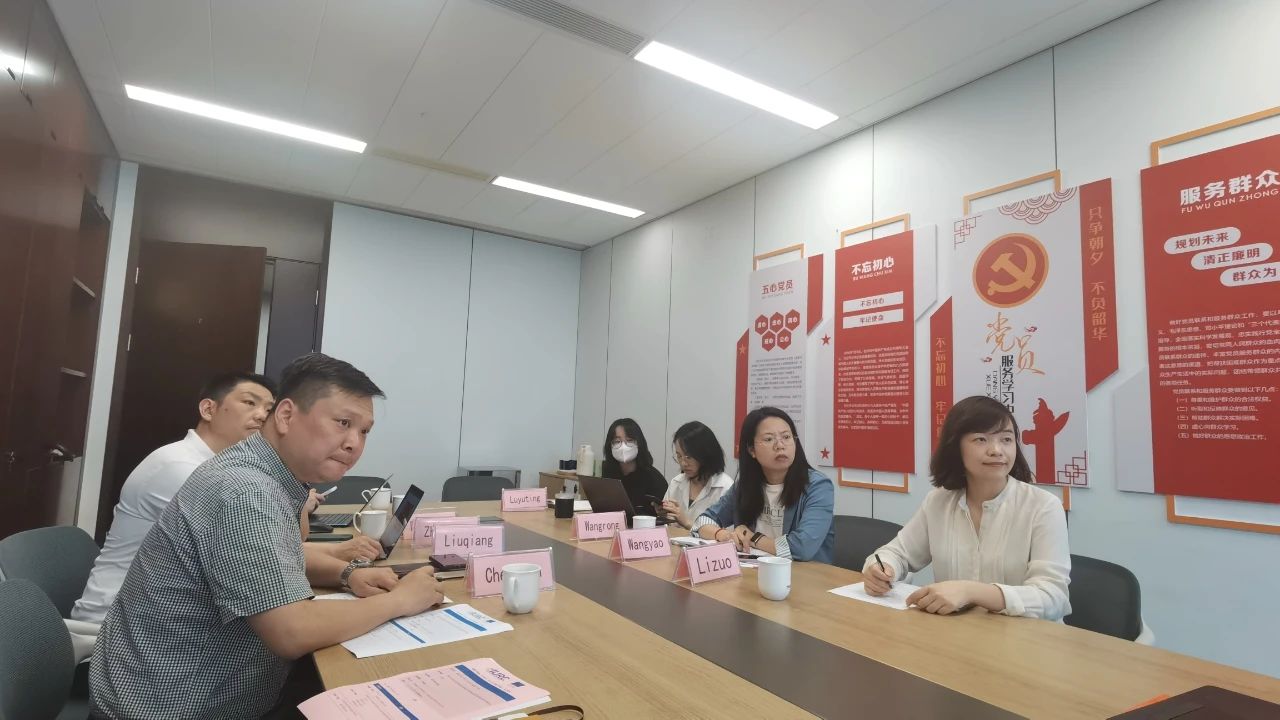
5月5日,杭州跨境电商综试区与IURC项目欧洲案例城市希腊西希腊大区、葡萄牙阿连特茹大区及西班牙富恩拉夫拉达市成功召开线上工作会议,双方就提供中小企业电子商务教育和培训服务探讨潜在合作机会。中欧双方的城市代表和跨境电商人才培养高校代表分享了关于支持中小企业数字化和国际化的经验和想法,并探索在电子商务教育和培训方面的深入合作。
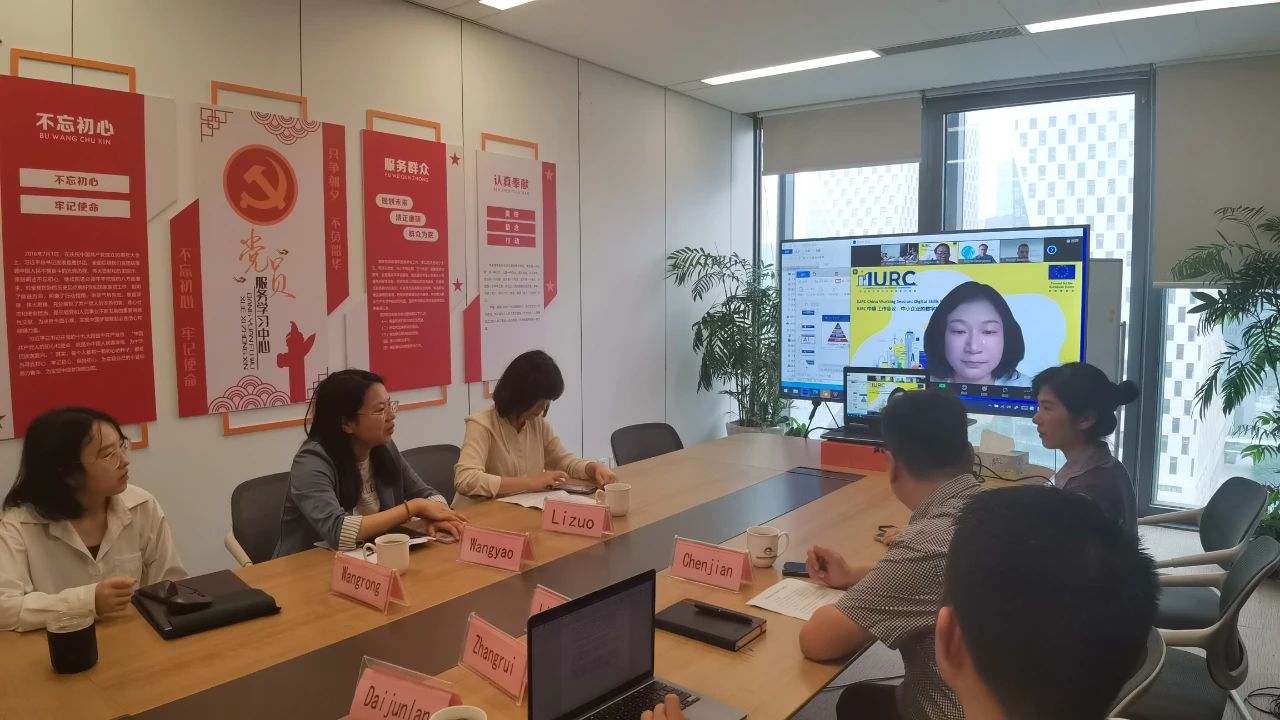
作为中欧区域政策合作的重要组成部分,在国家发展改革委地区司和欧盟委员会地区与城市政策总司的共同指导下,欧盟国际城市与区域合作项目(IURC-China)致力于推动中欧在城市可持续发展和区域创新方面开展深入交流和务实合作。

杭州市商务局、杭州市发改委、浙江工商大学中国(杭州)跨境电商学院、浙江金融职业学院国际商学院(跨境电子商务学院)、eWTP、IURC中国项目、希腊西希腊大区、葡萄牙阿连特茹大区及西班牙富恩拉夫拉达市的代表,参加了本次会议。


杭州市自贸委跨境电商综试处副处长陈健向与会嘉宾介绍了杭州跨境电商综试区的基本情况及人才培养模式。杭州将发挥跨境电商先发优势,务实推进中欧交流合作。加强跨境人文交流,推动与欧洲案例地区共建、共享人才培养、培训和实训等综合性孵化基地。与欧洲知名高校和国际教育机构开展学术交流和项目合作,创办跨境电商“云”大学、联合举办创业大赛、共建数字友好城市等方面与欧盟城市在数字经济领域开展深入战略合作。
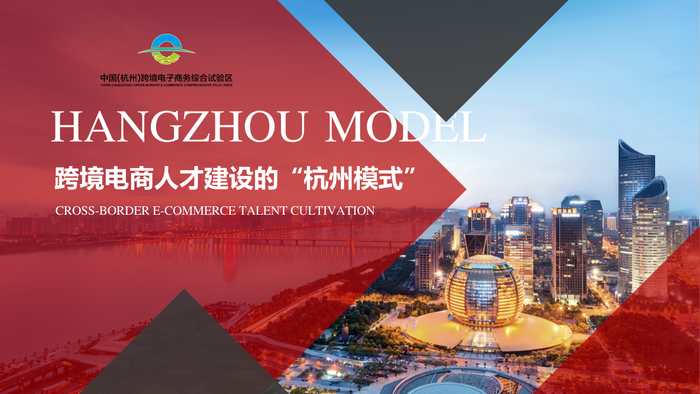
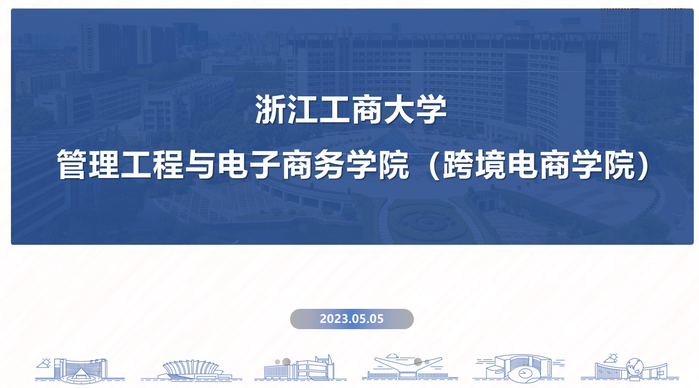
中国(杭州)跨境电商学院副院长张芮介绍学院的跨境电商人才培养项目。中国(杭州)跨境电商学院计划从跨境教育出海、中国制造出海、电商服务出海、创新技术出海、中国文化出海等方面与欧盟城市展开合作,如跨境及相关教育资源输出,跨境电商及相关人才培养合作共建,企业、政府定制班、专题班短期培训等。
浙江金融职业学院国际交流处副处长、国际交流学院副院长李佐介绍在跨境电商以及国际商务方面的课程,依托阿里巴巴数字贸易学院等产业二级学院开展创新 "双元制 "教育。自2005年成立以来,该校已培训了超过1万名国际贸易和跨境电子商务人才。可在传统外贸转型跨境电商培训、传统外贸转型跨境电商培训等方面提供支持。
eWTP国际数字人才培训资深顾问刘强介绍eWTP在全球数字营销青年人才培养的实践,AGI项目已直接培训了来自60多个国家和地区的近3000名企业家和商业领袖,他们与社区分享他们的知识。eWTP从2017年起举办的阿里巴巴GDT项目可为青年学生及教师提供全链路的数字经济培训及商业挑战赛事。
西希腊大区政府、亚该亚商会、富恩拉夫拉达市政府、阿连特茹大区发展局有关负责人介绍了各城市基本情况及合作意向,双方展开了积极对接,有兴趣在跨境电子商务、电子商务运营、数据分析、建设直面消费者(DTC)品牌、企业数据管理、认证以及能力建设等方面开展联合培训项目。中欧双方还考虑通过提供联合培训和建立品牌服务,支持中小企业进行国际化。
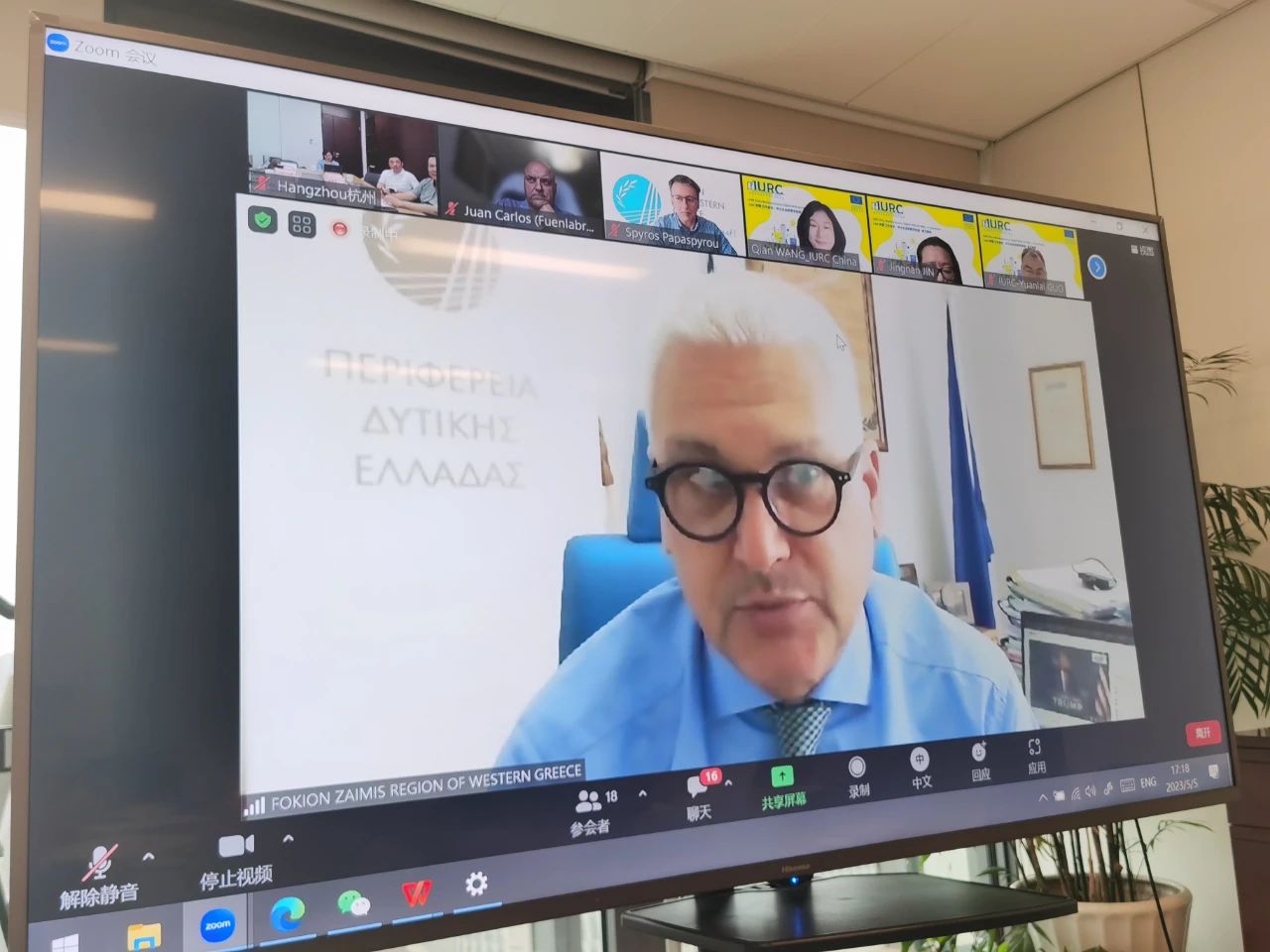
本次工作会议是杭州作为中方案例地区推动中欧区域合作的重要实践之一。

2021年,国家发展改革委公布第三轮中欧区域政策合作中方案例地区,合作期为2021—2023年,杭州跨境电商案例入选中方案例地区名单。中方案例地区依托独特资源禀赋,具有鲜明的对欧合作特色领域,杭州依托跨境电商先发优势,建设跨境电商综试区、跨境电商支付机构、跨境电商物流体系,推动中欧跨境电商合作。

近年来,杭州综试区联合阿里巴巴举办了面向全球高校的第三届“GDT全球创新创业大赛”和面向来华留学生的第二届‘扬帆起杭’全球跨境电商创新创业大赛,其中欧洲报名的团队超过170支,涉及欧洲高校38所,总报名人数约600人。
【版权提示】亿邦动力倡导尊重与保护知识产权。未经许可,任何人不得复制、转载、或以其他方式使用本网站的内容。如发现本站文章存在版权问题,烦请提供版权疑问、身份证明、版权证明、联系方式等发邮件至run@ebrun.com,我们将及时沟通与处理。

已点赞

+1

{{ praise_text }}

好文章,值得被更多人看到

FAQ回顾

杭州跨境电商人才培养有哪些主要模式?

杭州模式包括共建综合性孵化基地、与高校开展学术合作、创办跨境电商“云”大学、举办创业大赛。浙江金融职业学院实施“双元制”教育,自2005年已培养超1万名人才。

杭州与欧盟在跨境电商领域有哪些合作项目?

合作包括联合培训项目,涉及电子商务运营、数据分析、DTC品牌建设等。eWTP的AGI项目已培训60多国近3000名企业家,GDT项目为青年提供数字经济培训。

杭州如何通过跨境电商大赛推动人才培养?

杭州联合阿里巴巴举办GDT全球创新创业大赛和‘扬帆起杭’大赛,第三届欧洲有170多支团队、38所高校约600人参与,促进国际人才交流。

广告

下一篇

跨境电商资源对接

《全球跨境电商服务商资源手册》第二期手册现已发布,触达更多资源,了解跨境服务商信息,欢迎点击链接下载。

了解详情

菜鸟自营快递来了 瞄准高性价比、品质服务

据了解,菜鸟速递是适应市场上对高质量快递需要而生,主要聚焦“菜鸟自营、品质快递、好用不贵”。

产业互联网

2023-06-28 11:31:36