• 亿邦公众号
    • APP下载

三方势力竞逐万亿数字化采购市场,全新欧菲斯何以致胜

作者:亿邦动力 文章来源:亿邦动力

2021-10-12 16:13

作者:亿邦动力 文章来源:亿邦动力

2021-10-12 16:13

邦小白快读

EN
全文速览

本文核心介绍了万亿数字化采购赛道的整体发展情况,以及头部玩家欧菲斯的竞争经验,干货内容整理如下

1. 市场整体情况:国内非核心物资采购整体规模超十万亿,目前数字化率不足3%,赛道已经从前期积累进入高速增长期,未来3-5年将决出头部玩家,十年内有望诞生营收千亿、市值千亿的双千亿平台,目前共有互联网平台、垂直行业平台、SaaS技术平台三类玩家入场竞争。

2. 行业核心门槛:想要在赛道立足需要突破三重壁垒,分别是适配行业的平台技术能力、行业专业能力、2B交付基础设施硬实力,三者缺一不可。

3. 头部玩家经验:头部垂直平台欧菲斯通过打造技术竞争力+运营竞争力双体系,突破了三重壁垒,实现了从年销几亿到近百亿的快速增长,对想要了解该赛道的普通人有清晰的参考价值。

本文披露了万亿数字化采购市场的最新发展态势,对品牌商布局To B企业采购渠道、拓展增长空间有较多参考干货,整理如下

1. 行业与消费趋势:2014年以来央国企、政府机构、大型集团纷纷推行阳光化数字化采购,非生产性物资线上采购成为万亿增量市场,目前行业整体数字化率不足3%,增长空间充足,商业模式清晰的平台可保持年50%以上的增速,未来发展潜力大。

2. 渠道合作机会:头部垂直平台欧菲斯搭建了不影响供应商原有渠道体系的SCS协同平台,支持品牌方以多种身份灵活入驻,还依托自身规模优势,和品牌方深度合作打造千个极致单品,可为品牌方提供大额定制订单,缩短流通链条,帮助品牌方提升利润率。

3. 合作提示:行业进入门槛高,选择已经突破三重壁垒的头部平台合作,更能保障长期稳定的收益。

本文梳理了数字化采购赛道的发展现状、机会与风险,对想要入局或拓展业务的卖家有明确的指引,干货整理如下

1. 政策与市场机会:2014年开始央国企等公共部门推行阳光化采购改革,直接拉动了万亿数字化采购市场诞生,目前行业整体数字化率不足3%,赛道已经进入高速增长期,商业模式清晰的玩家可保持每年50%以上的增速,未来十年有望诞生双千亿平台,增长空间十分广阔。

2. 风险提示:该赛道存在极高的三重进入壁垒,分别是适配行业的平台技术能力、行业专业沉淀能力、2B交付基础设施硬实力,新卖家入局需要提前补足对应短板,避免盲目进入。

3. 可借鉴的经验与合作机会:头部玩家欧菲斯的技术+运营双竞争力体系值得学习,同时欧菲斯正在拓展全国本地化服务网络,卖家可以加入生态合作,获得总部赋能,分享行业增长红利。

本文为对接数字化采购赛道、推进数字化升级的工厂整理了多个干货内容,具体如下

1. 商业合作机会:当前万亿数字化采购市场正处于高速增长期,头部平台欧菲斯开放上游供应商合作,不仅支持工厂多身份灵活入驻,还会依托自身规模优势和品牌方深度合作打造极致单品,可为工厂提供大额稳定的定制订单,通过企业采购渠道直接触达终端用户,缩短流通链条,帮助工厂提升利润率。

2. 数字化转型启示:数字化采购要求工厂实现业务全链路线上化,需要和平台完成系统对接,实现订单、库存、结算的在线协同,工厂可借助平台的数字化能力反向推动自身的数字化升级,提升运营效率。

3. 生产设计指引:平台贴近终端客户,可以积累大量采购需求数据,能够反向指导工厂调整产品结构,优化产品设计,贴合企业客户的真实需求,还能帮助工厂降低库存周转成本,提升生产效率。

本文梳理了数字化采购行业的发展趋势、核心痛点,对服务该赛道的服务商有较高的参考价值,干货整理如下

1. 行业发展趋势:万亿数字化采购赛道已经跨过前期客户积累阶段,正式进入高速增长期,目前行业整体数字化率不足3%,未来十年将诞生双千亿平台,行业年增速可保持50%以上,对技术服务、仓配服务、本地化运营服务的需求会持续增长,市场空间广阔。

2. 行业客户核心痛点:目前市面上通用型的SaaS工具、WMS仓储系统不符合数字化采购行业的专业需求,上线后适配性差,无法满足行业的个性化管理需求;同时2B采购交付依赖全国协同的本地化服务网络,行业对专业的赋能服务需求强烈。

3. 解决方案方向参考:服务商开发产品需要深度融合采购行业特性,贴合行业商务逻辑开发底层技术和算法,同时要围绕全产业链协同打造赋能能力,才能满足客户的核心需求,欧菲斯的模式为行业提供了成熟参考。

本文分析了数字化采购赛道的核心需求、头部玩家的成熟玩法,对布局该赛道的平台商有较多借鉴意义,干货整理如下

1. 客户核心需求:不同规模类型的企业客户对采购场景有差异化需求,需要平台提供多种对接方式适配现有采购体系,同时需要全链路的数字化协同、稳定高效的全国交付能力以及本地化的售后配套服务,对技术适配性和专业能力要求远高于2C领域。

2. 头部平台成熟做法:头部垂直平台欧菲斯打造了技术+运营双竞争力体系,技术端搭建覆盖多场景的前端入口矩阵、上游供应商协同平台,构建算法驱动的全链路交付网络;运营端打造极致单品规模集采优势、三级云仓全国配送体系、本地化顾问服务网络,该模式已经验证可以突破行业三重壁垒。

3. 风险规避提示:行业需要同时突破技术、专业、基础设施三重壁垒,互联网平台和SaaS技术平台需要补足专业能力和基础设施短板,垂直行业平台需要加大技术投入补足技术短板,避免短板导致丧失竞争优势。

本文梳理了数字化采购赛道的发展历程、竞争格局和创新模式,为产业研究提供了丰富的一手素材,干货整理如下

1. 产业新动向:数字化采购市场起源于2014年政企阳光采购改革,目前已经跨过前期客户积累阶段进入高速增长期,国内非核心物资采购整体规模超十万亿,行业整体数字化率不足3%,年增速可达50%以上,未来十年有望诞生双千亿平台,当前市场分为互联网平台、垂直行业平台、SaaS技术平台三方势力竞逐。

2. 行业新问题:该赛道存在极高的进入壁垒,通用型数字技术产品无法满足行业的专业需求,2B交付体系需要长期打磨整合资源,新入场玩家极难突破,不同背景的玩家都存在各自的短板,互联网和SaaS平台缺专业和基础设施,垂直平台缺技术积累。

3. 创新商业模式研究:头部垂直平台欧菲斯创新提出技术+运营双竞争力体系,通过全链条数字化链接加生态协同运营的模式,成功突破三重壁垒,实现了高速增长,这种垂直平台的创新模式值得深入研究。

声明:快读内容全程由AI生成,请注意甄别信息。如您发现问题,请发送邮件至 run@ebrun.com 。

我是 品牌商 卖家 工厂 服务商 平台商 研究者 帮我再读一遍。

Quick Summary

This article outlines the overall development of China's trillion-dollar digital procurement track and shares competitive insights from Ofss, the industry's leading vertical platform. Key takeaways are as follows:

1. Market overview: China's total market size of indirect procurement exceeds 10 trillion yuan, while the current digital penetration rate stands below 3%. The industry has moved beyond the initial accumulation phase and entered a period of high-speed growth. Top players are expected to emerge within the next 3 to 5 years, and the industry is projected to spawn a "double 100-billion" platform—with 100 billion yuan in annual revenue and 100 billion yuan in market capitalization—within a decade. Three types of players currently compete in the space: general internet platforms, vertical industry platforms, and SaaS technology platforms.

2. Core industry barriers: Three core barriers must be overcome to establish a foothold in this track: industry-adapted platform technical capabilities, deep industry expertise, and hard 2B delivery infrastructure. All three are indispensable to success.

3. Lessons from a leading player: Top vertical platform Ofss has broken through these three barriers by building a dual system of technical and operational competitiveness, enabling its rapid growth from several hundred million yuan to nearly 10 billion yuan in annual sales. This growth story serves as a clear reference for general readers seeking to understand the industry.

This article outlines the latest development trends in China's trillion-dollar digital procurement market, offering actionable insights for brands looking to expand into the B2B enterprise procurement channel and unlock new growth. Key takeaways are as follows:

1. Industry and consumption trends: Since 2014, central state-owned enterprises, government agencies, and large corporate groups have progressively rolled out transparent, digitalized procurement initiatives, turning online indirect procurement into a trillion-yuan incremental market. With the overall digital penetration rate still below 3%, the industry holds enormous growth potential. Well-positioned platforms with clear business models can maintain annual growth of over 50%.

2. Channel partnership opportunities: Leading vertical platform Ofss has built an SCS collaboration platform that does not disrupt suppliers' existing channel systems, allowing brands to onboard flexibly in multiple roles. Leveraging its scale advantage, Ofss partners deeply with brands to develop 1,000 SKUs of optimized, high-volume products, and can provide large custom orders for brand partners. This model shortens distribution chains and helps brands improve profit margins.

3. Partnership tip: The industry has high entry barriers. Partnering with a leading platform that has already overcome the three core industry barriers is the best way to secure long-term, stable returns.

This article summarizes the current development status, opportunities, and risks of the digital procurement track, offering clear guidance for sellers looking to enter or expand in the space. Key takeaways are as follows:

1. Policy and market opportunities: Starting in 2014, public sector entities including central state-owned enterprises launched procurement transparency reforms, directly spurring the creation of China's trillion-dollar digital procurement market. With overall digital penetration below 3%, the industry has entered a high-growth phase, with clear business model players maintaining annual growth of more than 50%. The track is projected to produce a "double 100-billion" platform within a decade, creating enormous room for growth.

2. Risk warning: The track has three extremely high entry barriers: industry-adapted platform technical capabilities, deep industry expertise, and hard 2B delivery infrastructure. New entrants must shore up these gaps in advance to avoid blind entry.

3. Learnable insights and partnership opportunities: Ofss's dual competitiveness system combining technology and operations is a valuable model to study. Meanwhile, Ofss is expanding its national localized service network, and sellers can join its ecosystem partnership to gain headquarter enablement and share in the industry's growth dividend.

This article compiles key insights for factories looking to tap into the digital procurement track and advance their own digital transformation. Key takeaways are as follows:

1. Business partnership opportunities: China's trillion-dollar digital procurement market is currently in a high-growth phase, and leading platform Ofss is open to partnerships with upstream suppliers. It not only supports flexible onboarding for factories in multiple roles, but also partners with brands to develop optimized high-volume products leveraging its scale, providing factories with large, stable custom orders. This model enables factories to reach end business users directly through the enterprise procurement channel, shortening distribution chains and boosting profit margins.

2. Insights for digital transformation: Digital procurement requires factories to digitize their entire business chain, complete system integration with the platform, and achieve online collaboration for orders, inventory, and settlement. Factories can leverage the platform's digital capabilities to drive their own digital transformation and improve operational efficiency.

3. Guidance for production and product design: Platforms are close to end customers and accumulate large volumes of procurement demand data, which can be used to guide factories to adjust product structure, optimize product design to better match the actual needs of business customers, reduce inventory turnover costs, and improve production efficiency.

This article summarizes the development trends and core pain points of the digital procurement industry, offering high reference value for service providers serving this track. Key takeaways are as follows:

1. Industry development trends: The trillion-dollar digital procurement track has crossed the initial customer accumulation phase and officially entered a high-speed growth period. With the overall digital penetration rate below 3%, a "double 100-billion" platform will emerge within the next decade, and the industry will maintain annual growth of over 50%. This will drive sustained growth in demand for technical services, warehousing and distribution services, and localized operation services, creating broad market space.

2. Core customer pain points in the industry: Existing general-purpose SaaS tools and WMS warehouse management systems do not meet the specialized requirements of the digital procurement industry, with poor adaptability after launch that cannot satisfy the industry's personalized management needs. At the same time, 2B procurement delivery relies on a nationally coordinated localized service network, creating strong demand for specialized enabling services.

3. Reference for solution development: Service providers need to deeply integrate product development with industry characteristics, build underlying technologies and algorithms aligned with the industry's business logic, and build enabling capabilities around full-industry-chain collaboration to meet customers' core needs. Ofss's proven model provides a mature reference for the industry.

This article analyzes the core demands of the digital procurement track and the proven practices of leading players, offering valuable insights for marketplace operators looking to enter the space. Key takeaways are as follows:

1. Core customer demands: Enterprise customers of different sizes and types have differentiated needs for procurement scenarios, requiring platforms to provide multiple integration methods to adapt to customers' existing procurement systems. They also need full-link digital collaboration, stable and efficient national delivery capabilities, and localized after-sales support, placing much higher requirements on technical adaptability and professional capabilities than the 2C sector.

2. Proven practices from a leading platform: Top vertical platform Ofss has built a dual competitiveness system of technology and operations. On the technical side, it has built a multi-scenario front-end entry matrix and an upstream supplier collaboration platform, and built an algorithm-driven full-link delivery network. On the operational side, it has built out scale group purchasing advantages for optimized products, a three-tier cloud warehouse national distribution system, and a localized consultant service network. This model has been proven to break through the industry's three core barriers.

3. Risk mitigation guidance: The industry requires players to overcome three core barriers in technology, expertise, and infrastructure simultaneously. General internet platforms and SaaS technology platforms need to shore up gaps in industry expertise and infrastructure, while vertical industry platforms need to increase technical investment to close technical gaps, to avoid losing competitive edge due to unaddressed weaknesses.

This article sorts out the development history, competitive landscape, and innovative business models of the digital procurement track, providing rich first-hand materials for industry research. Key takeaways are as follows:

1. New industry trends: The digital procurement market originated from the 2014 government and state-owned enterprise procurement transparency reform. It has now crossed the initial customer accumulation phase and entered a high-growth period. China's total indirect procurement market size exceeds 10 trillion yuan, with overall digital penetration below 3% and annual industry growth exceeding 50%. A "double 100-billion" platform is expected to emerge within a decade, and the market is currently contested by three types of players: general internet platforms, vertical industry platforms, and SaaS technology platforms.

2. New industry issues: The track has extremely high entry barriers. General-purpose digital technology products cannot meet the industry's professional needs, and the 2B delivery system requires long-term refinement and resource integration, making it extremely difficult for new entrants to break through. Players from different backgrounds all have inherent weaknesses: internet and SaaS platforms lack industry expertise and infrastructure, while vertical platforms lack technical accumulation.

3. Innovative business model research: Leading vertical platform Ofss has innovated the dual competitiveness system of technology plus operations. Through a model of full-link digital connection combined with ecosystem collaborative operations, it has successfully broken through the three core barriers and achieved rapid growth. This innovative model from vertical players is worthy of in-depth research.

Disclaimer: The "Quick Summary" content is entirely generated by AI. Please exercise discretion when interpreting the information. For issues or corrections, please email run@ebrun.com .

I am a Brand Seller Factory Service Provider Marketplace Seller Researcher Read it again.

【亿邦原创】2014年,央国企、政府机构、军队、金融机构开始推行阳光化采购,同一时期,大型集团企业也逐步加强非生产性物资采购的采购管理,拉开了数字化采购万亿市场大幕。在此之前,办公物资、员工福利、MRO等物资的2B线上化采购基本上是一个空白市场。过去几年时间,先后有三类平台进入这一市场,分别是以京东、苏宁为代表的互联网平台,以欧菲斯、齐心、震坤行为代表的行业垂直平台以及以阳光印网、商越、甄云科技为代表的SaaS类技术平台。

经过数年积累,几家主流平台年交易规模即将突破百亿,今年5月,欧菲斯率先对外发布新战略,立足28年行业资源积累打造数字化采购服务平台,也标志着这一赛道已经跨过前期客户积累阶段,正式进入高速增长期,谁能跻身行业头部建立长期竞争优势,将在未来3到5年内初见分晓。

01

数字化采购的三重壁垒

据测算,非核心物资采购市场整体规模超过十万亿,仅需10%的线上化就能带来过万亿的新增市场空间,然而,在如此巨大的市场里,具有一定知名度的下场玩家还不到20家,原因就在于这个领域具备极高的竞争壁垒。

第一层壁垒是适配行业的平台和技术能力。这里的平台不仅仅是简单的在线交易平台,而是通过不同的交易场景入口、SaaS工具,将下游采购用户、上游供应商以及各类服务商进行数字化链接,实现全链条的高效协作。以交易场景为例,根据不同客户基础,可分为内部商城API对接、Punch-out对接ERP系统、线上自选商城、代建企业采购商城等多种方式,且不同来源的订单最终能够在后端通过系统完成采购备货、支付对账、物流交付等作业流程。除上层平台和SaaS工具之外,更需要平台具备符合行业商务惯例的算法能力和数据逻辑,能够识别和收集有效的底层数据,实现快速迭代。

第二层壁垒归因于行业的专业性。与其他所有2B行业一样,专业性是数字化采购领域最大的显性壁垒,包括行业基因和资源沉淀、专业流程管理、商品及订单管理等因素。以仓储管理为例,在走访中我们发现很多办公用品经销企业都部署了WMS系统,然而市面上的通用型WMS上线后却都“不好用”,很难满足库存管理的专业需求。此外,办公物资、MRO等产品的交付极其依赖本地化的专业服务商,针对合作交付网点提供管理赋能和数字化赋能,都需要建立在强大的专业能力基础上。

第三层壁垒是全新的基础设施硬实力。区别于2C,2B交付是一套全新的交付体系,在上游需要具备全国集采及省级共享供应链的整合能力,在交付层面需要具备大区中心智能仓、省级共享智能仓、前置仓协同的2B集成物流交付网络,在末端需要具备服务不同类型用户的本地化服务能力。构建数字化的2B交付体系是一个长期打磨、升级的过程,涉及到资源整合、流程优化及相关参与方的利益分配,最终比拼的是行业硬实力,是后来者极难突破的壁垒。

在数字化采购这条赛道上,只有能够同时打破上面所述的三层壁垒的平台,才有机会赢得头部位置。互联网类、SaaS类平台在技术上更具优势,但专业能力和基础设施短板明显,而行业类平台则需要在技术层面实现突破。纵观下来,我们发现欧菲斯已经沿着这几个层面做新的战略部署。

02

欧菲斯的双竞争力体系

欧菲斯自1993年创业开始一直扎根在办公物资采购领域,2014年5月改制设立控股公司,以服务央企集中采购为契机,成为第一批进入数字化采购领域的企业,从年销售额只有几亿的企业快速成长为年交易规模近百亿的平台。今年5月,欧菲斯对外发布全新战略,宣布将致力打造“全国领先的数字化采购服务平台”。通过进一步了解,我们发现欧菲斯新战略聚焦在两个能力体系的建设,即技术竞争力体系和运营竞争力体系。

图片

(发布会现场何志演讲)

1.把商业逻辑系统化,形成技术竞争力体系

作为垂直行业平台,欧菲斯在技术层面一直保持重资投入,在技术研发上充分融合采购行业的特性,在数字平台、交付网络和数据资源三个层面建立了数字化采购技术体系。

(1)数字平台打通全链条业务场景

在整个采购链条上,自上而下有供应商、经销商、采购平台、本地服务商、企业采购用户等多方角色,欧菲斯首先与各方的业务场景实现了平台化。

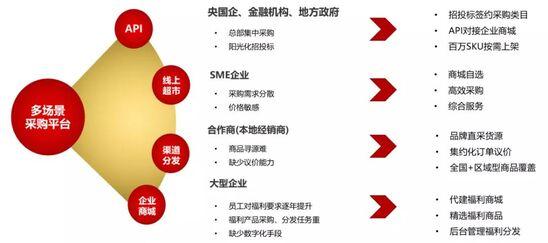
多场景采购平台。在采购领域,根据企业的规模和公司结构、内部管理、采购需求的差异,央国企、大型企业、SME企业之间,乃至企业内部不同业务线之间,会采用不同的采购方式,通常包括与企业内部商城的API对接、Punch-out对接ERP系统、为企业代建采购商城、线上超市等。在前端,欧菲斯已经构建起满足企业现有采购方式的入口矩阵。
图片

供应商SCS协同平台。在上游,欧菲斯在不影响供应商原有渠道体系的原则下,为供应商提供了SCS协同平台。供应商可根据自身需求,以品牌官方、区域经销商、特渠业务线等多种身份灵活入驻,并通过平台实现从入驻、ERP系统对接、商品管理、订单管理到对账结算的全流程业务闭环,通过以上平台,欧菲斯实现了全业务链条的线上化。

(2)技术驱动下的2B交付网络

配合各业务端的平台,欧菲斯通过一系列底层的系统链接,形成了全流程在线化的2B交付网络。

首先,上游不同类型供应商通过SCS平台,将商品上架到后,形成了规模化的在线商品SKU,并通过WMS之间互联,实现库存共享,实时掌握各类产品库存情况。目前,欧菲斯已经累计获得超过2000家知名品牌授权,在线SKU超过120万,欧菲斯可根据客户采购需求,在商品池内快速巡演,在客户采购商城内上架相关产品。其次,在供应链交付层面,基于OMS、WMS/TMS、T3系统,能够实现整个交付过程中订单流、物流、资金流的在线管理和多方协同。最后,欧菲斯正在按照专业线打造末端服务网络,根据客户采购需求,欧菲斯基于系统算法将订单派发到全国的供应链交付网点,提供配送、安装、调试及售后服务。
图片

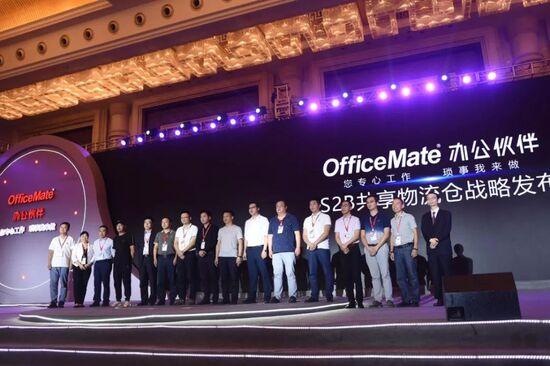
2019年欧菲斯集团(原欧菲斯办公伙伴控股有限公司)发布S2B共享仓战略

(3)基于知识图谱研发应用行业算法

在采购行业普遍缺少标准化、结构化数据的形势下,欧菲斯在业务具备一定规模后就开始了数据积累和应用,首创了PUSP数据模型,采集产品数据(P)、用户数据(U)、供应链数据(S)及项目数据(P),构建数字化采购领域知识图谱,持续强化算法能力,将主要业务环节实施算法取代人工、“算法+人工”的方式,实现流程作业自动化、智能化。目前,欧菲斯已经在商品上架、价格调整、库存管理、仓配管理、商品推荐、订单签收、用户对账、供应链网点管理等方面实现了算法应用,实现了平台运营效率的质变。

(数字化采购PUSP数据)

2.协同产业生态各方,构建运营竞争力体系

在运营层面,欧菲斯通过与采购领域的上下游建立了全场景生态合作,形成了规模集采、全国统配和本地服务能力,形成独有的运营竞争力体系。

(1)千个极致单品的规模集采优势

在供应商合作方面,欧菲斯基于自身规模效应和对客户采购决策的专业建议能力,通过与品牌方深度合作,正在打造千个极致单品,以更好满足客户采购需求的同时,获得更多溢价空间。

一方面,欧菲斯在服务客户采购过程中,能够通过专业建议,引导客户采购更具性价比的产品,同时依托自身的规模优势,形成向上游的议价能力;另一方面,在上游,欧菲斯能提供大额订单给品牌方进行产品定制,通过企业采购渠道直接销售给企业用户,缩短流通链条,提升利润率。

(2)三级云仓实现全国高效统配

在仓储物流层面,欧菲斯根据大办公行业供应链特点,通过整合各类合作方仓配资源,同时筹备建设区域中心仓,为末端网点进行订单集成,形成覆盖全国的24小时订单统一配送体系,目前,欧菲斯系统内协同管理的仓储面积超20万平方米,配送车辆超1000辆。

通过这种资源整合模式,一方面能够充分利用各方的库存资源,实现商品的分布式仓储,降低整个采购链条的周转成本;另一方面,能够与各方实现灵活合作,在不打乱各方原有渠道的情况下,实现共赢。

(3)50万专业采购顾问打造当地服务能力

在本地化服务方面,欧菲斯已经形成超过50万专业采购顾问的当地化服务网络,提供商机开发、采购咨询、商品寻源、订单履约等服务。同时,欧菲斯正在打造用户专业运营体系,通过总部赋能,持续提升合作伙伴专业能力。未来,欧菲斯将具备百万级的采购顾问团队,除了可以提供上门安装、24小时上门的本地化服务外,也能近距离的接触市场以更好的了解客户需求,调整供货结构,反向指导、优化属地化供应商交付能力。

03

谁能成为业内首个双千亿平台

在企业非核心物资采购领域,整体数字化率不足3%,为各家平台留下了充足的市场空间。从近些年行业的数字化渗透率和各主要平台规模来看,商业模式清晰的平台将会保持每年50%以上的增长,有望在十年内出现营收千亿和市值千亿的双千亿平台。

目前,欧菲斯已经开辟了两条核心增长线,即品类增长线和客户增长线。基于数字化采购平台这一行业基础设施,为央国企、大型企业、政府机构、SME企业等全类型采购用户,提供MRO、员工福利、企业维修等广域产品和服务。

据悉,由欧菲斯独家承办,中国物流与采购联合会(前身为国家物资部)主办的2021政企采购供应链生态峰会将于10月15日-16日在北京举行,届时将汇聚500+央国企采购数字化转型负责人以及500+行业上下游代表现场交流,欢迎业内专业人士点击下方链接报名关注。

https://wx.vzan.com/live/tvchat-830341976?v=637693018505001174

【版权提示】亿邦动力倡导尊重与保护知识产权。未经许可,任何人不得复制、转载、或以其他方式使用本网站的内容。如发现本站文章存在版权问题,烦请提供版权疑问、身份证明、版权证明、联系方式等发邮件至run@ebrun.com,我们将及时沟通与处理。

已点赞

+1

{{ praise_text }}

好文章,值得被更多人看到

广告

下一篇

征集报名《品牌数字化服务商资源手册》

《品牌数字化服务商资源手册》展示数字化服务商风采,亿邦全年零售大会通发,触达更多资源,马上加入!

马上入驻

CEO自习室:饿了么起诉美团 小红书回应赴港IPO传闻

饿了么诉美团不正当竞争,美团被判赔偿100万元;淘宝App“长辈模式”正式亮相;京东公布即时零售品牌“小时购”。

未来零售 淘宝 美团 淘宝闪购

2021-10-12 16:11:19