• 亿邦公众号
    • APP下载

欧菲斯从经销商到服务商

作者:亿邦动力网 文章来源:亿邦动力网

2020-09-02 21:48

作者:亿邦动力网 文章来源:亿邦动力网

2020-09-02 21:48

邦小白快读

EN
全文速览

本文核心分享了传统办公经销平台欧菲斯转型为专业服务商的完整路径,整理了关键重点信息和可参考的实操干货:

1. 提前预判需求调整定位,早在2001年欧菲斯就捕捉到用户一站式采购需求,跳出传统产品经销逻辑,注册了国内第一个办公行业服务类商标,率先将定位从传统渠道经销转向To B用户导向,提前踩中了企业服务的风口。

2. 抓住政策趋势率先完成数字化升级,2014年办公采购电商化趋势显现后,欧菲斯率先转型电商,通过信息化改造升级交易模式、提升整体运营效率,目前已经发展为拥有63万SKU的一站式办公整体解决方案提供商。

3. 打造差异化竞争优势,深耕几十年本地化配送服务积累,主打B2B专属交付模式,体验优于综合电商的B2C交付模式,还推出开放模式帮助同行转型。

本文梳理了国内大办公市场的发展现状和行业趋势,给办公领域品牌商提供了多维度的参考干货:

1. 行业与消费趋势明确,企业数字化转型驱动办公采购市场变革,国家政策推动政府采购、央企集团采购全面线上化,市场整体保持年均9%的增速,预计2022年规模接近2.7万亿,政企大客户占整体采购额的50%以上,是核心目标用户。

2. 当前品牌商的行业现状清晰,目前头部文具品牌商布局全品类办公直销,自有产品占整体配送的比例不到5%,95%的品类需要做供应链整合,交付阶段高度依赖本地供应链协助。

3. 可参考的差异化优化方向,品牌商可以借鉴欧菲斯的经验,补齐本地化交付和售后能力短板,打造更好的B2B采购服务体验,提升自身竞争力。

本文梳理了办公采购经销赛道的政策环境、市场机会与转型路径,给办公领域卖家整理了核心干货:

1. 政策与市场红利明确,2014年中央国家机关推出政府采购网上商城,2019年国家要求央企推进集团采购线上化,政策驱动行业全面电商化转型,国内大办公市场保持年均9%的增速,2022年规模将接近2.7万亿,增长空间充足。

2. 风险提示清晰,当前行业正处于洗牌阶段,效能低、信息化程度低的传统经销企业会被淘汰,中小经销商仅靠自身能力转型难度非常大。

3. 现成转型路径可参考,卖家可以加入欧菲斯的千店计划,获得欧菲斯积累二十多年的电商化、信息化、仓储物流、运营管理等经验输出,转型为城市服务商;也可以选择平台+个人模式,成为欧菲斯合伙人,转化自身私域流量实现转型。

本文梳理了大办公市场的需求变化与合作机会,给办公领域生产工厂整理了核心干货:

1. 产品需求方向明确,当前办公采购市场已经转向一站式全品类需求,用户需要从办公物资到办公非物资的全方位服务,头部玩家欧菲斯已经布局63万SKU,领先未来也拥有17万SKU,多品类产品整合是行业明确趋势。

2. 存在明确的商业合作机会,目前头部文具品牌商布局全品类直销,自有品牌产品占整体配送量的比例不到5%,95%的产品需要对外整合供应链,工厂可以对接品牌商、专业经销平台的供应链需求,进入政企To B办公采购赛道,获得稳定订单。

3. 数字化转型启示明确,大办公行业正在经历全链条数字化转型,工厂需要加快自身数字化升级,适配平台的数字化采购供应链要求,才能更好对接行业需求,提升自身交付效率,获得更多合作机会。

本文梳理了大办公采购服务赛道的行业趋势、客户痛点与成熟解决方案,给相关服务商整理了核心干货:

1. 行业发展趋势清晰,企业数字化转型驱动办公采购市场变革,市场整体保持年均9%的增速,行业整体正在从传统产品贸易转向To B数字化供应链采购服务,未来会延伸至全场景办公服务,B2B大办公转型是长周期的升级过程,需要慢慢打磨。

2. 核心客户痛点明确,政企大客户采购流程复杂,备案、招投标、履约各个环节要求高,对本地化交付和售后能力要求高,目前综合电商采用B2C交付模式体验不足,品牌商依赖外部供应链,本地服务能力存在短板,市场存在明显需求缺口。

3. 成熟解决方案可参考,可以提前转向用户思维,脱离传统产品代理逻辑,深耕本地化配送交付能力,打造B2B专属交付,做到上门安装教学,同时可以开放自身能力整合中小从业者,做大最后一百米的服务优势。

本文梳理了大办公采购领域用户对平台的核心需求,总结了可参考的运营和招商经验,给平台商整理了核心干货:

1. 行业对平台的核心需求清晰,平台需要适配政企采购线上化的政策要求,满足用户一站式多品类采购需求,同时要具备强本地化交付和售后能力,解决行业长期存在的最后一百米交付痛点。

2. 差异化运营方向可参考,对比综合电商的B2C交付模式,平台可以主打B2B专属交付,深耕本地化服务能力,覆盖全品类SKU,同时兼顾政企大客户和中小客户,欧菲斯的实践已经验证该模式可以做到行业前三的成交规模,可行性较强。

3. 创新招商合作模式可借鉴,可以推出千店计划开放自身能力输出,吸纳传统经销商转型为城市服务商,补齐本地交付能力;也可以推出平台+个人模式,吸纳转型困难的经销商从业者成为合伙人,转化私域流量,扩大平台的市场覆盖范围。

本文以欧菲斯为核心案例,梳理了传统办公经销行业转型的新动向和成熟商业模式,给产业研究者整理了核心干货:

1. 产业新动向清晰,政策端推动政府采购、央企采购全面线上化,驱动大办公采购行业整体向电商化、数字化转型,国内市场保持年均9%的增速,目前行业正处于洗牌阶段,低效能、低信息化的传统经销企业会逐步被淘汰。

2. 成熟转型商业模式明确,总结了欧菲斯从经销商到数字化服务商的完整转型路径:提前从产品思维转向用户思维,脱离厂家代理制,深耕本地化交付能力,打造一站式解决方案,同时开放能力推出千店计划,创新平台+个人的合作模式,逐步转向数字化供应链服务商。

3. 产业研究启示明确,B2B大办公市场的数字化转型是长链条的漫长过程,和消费互联网的转型逻辑不同,全行业参与者都需要完成从硬件到软件再到服务的全维度升维,核心是利用数字化基础设施提升用户效能。

声明:快读内容全程由AI生成,请注意甄别信息。如您发现问题,请发送邮件至 run@ebrun.com 。

我是 品牌商 卖家 工厂 服务商 平台商 研究者 帮我再读一遍。

Quick Summary

This article outlines the complete transformation journey of OfficeFirst, a traditional office supplies distribution platform that has evolved into a professional enterprise service provider, and summarizes key takeaways and actionable insights:

1. Anticipate demand and reposition early: As early as 2001, OfficeFirst captured the market demand for one-stop office procurement, broke away from traditional product distribution logic, registered China's first service-oriented trademark in the office industry, and shifted its positioning from traditional channel distribution to a user-centric B2B model, catching the enterprise service wave ahead of competitors.

2. Seize policy trends and complete digital upgrading early: After the trend of e-commerce-based office procurement emerged in 2014, OfficeFirst pivoted to e-commerce early, upgraded its trading model and improved overall operational efficiency through information transformation. It has now grown into a one-stop office solutions provider with 630,000 SKUs.

3. Build differentiated competitive advantages: Leveraging decades of experience in localized delivery services, it focuses on a B2B-specific delivery model that outperforms the B2C delivery model of generalist e-commerce platforms. It also launched an open platform to help peers complete their own transformations.

This article sorts out the current development status and industry trends of China's large office supplies market, and provides multi-dimensional actionable insights for office industry brands:

1. Clear industry and consumption trends: Enterprise digital transformation is driving changes in the office procurement market, while national policies have pushed government procurement and central state-owned enterprise (SOE) group procurement to move fully online. The market maintains an average annual growth rate of 9%, and is expected to reach nearly 2.7 trillion yuan in scale by 2022. Government and enterprise large clients account for over 50% of total procurement volume, making them the core target audience.

2. Clear current industry landscape for brands: Leading stationery brands have expanded into full-category direct office sales, but their own products account for less than 5% of total delivery volume. Up to 95% of product categories require supply chain integration, and delivery is heavily reliant on support from local supply chains.

3. Referenceable differentiated optimization directions: Brands can learn from OfficeFirst's experience to address gaps in localized delivery and after-sales capabilities, build better B2B procurement service experiences, and improve their overall competitiveness.

This article sorts out the policy environment, market opportunities and transformation paths for the office procurement distribution track, and compiles core insights for office industry sellers:

1. Clear policy and market dividends: In 2014, central government agencies launched an online government procurement mall; in 2019, the state required central SOEs to move their group procurement online. Policy has driven the entire industry's e-commerce transformation. China's large office market maintains 9% annual growth, and will reach nearly 2.7 trillion yuan in 2022, leaving ample room for growth.

2. Clear risk warning: The industry is currently in a consolidation phase. Traditional distribution firms with low efficiency and low digitalization will be eliminated, and small and medium-sized distributors face very high barriers to transformation relying only on their own capabilities.

3. Ready-to-adopt transformation paths available: Sellers can join OfficeFirst's "Thousand Stores Plan" to gain access to the firm's more than 20 years of accumulated experience in e-commerce operation, digitalization, warehousing logistics and management, and transform into a city service provider. Alternatively, they can adopt the "platform + individual" model to become an OfficeFirst partner, and monetize their existing private domain traffic to complete transformation.

This article sorts out changing demand and cooperation opportunities in the large office market, and compiles core insights for office industry manufacturing factories:

1. Clear product demand direction: The office procurement market has shifted to demand for one-stop full-category offerings, where users require comprehensive services ranging from office supplies to non-physical office services. Industry leader OfficeFirst already offers 630,000 SKUs, while competitor Leading Future carries 170,000 SKUs, making multi-category product integration a clear industry trend.

2. Clear business cooperation opportunities available: Leading stationery brands have expanded into full-category direct sales, but their own-brand products account for less than 5% of total delivery volume, with 95% of products requiring external supply chain integration. Factories can connect with the supply chain needs of brands and professional distribution platforms, enter the government and enterprise B2B office procurement track, and secure stable orders.

3. Clear insights for digital transformation: The large office industry is undergoing full-chain digital transformation. Factories need to accelerate their own digital upgrading to adapt to the digital procurement supply chain requirements of platforms, so they can better match industry demand, improve delivery efficiency, and access more cooperation opportunities.

This article sorts out industry trends, core customer pain points and mature solutions in the large office procurement service track, and compiles core insights for relevant service providers:

1. Clear industry development trends: Enterprise digital transformation is driving changes in the office procurement market, which maintains an average annual growth rate of 9%. The industry as a whole is shifting from traditional product trade to B2B digital supply chain procurement services, and will gradually expand to cover full-scenario office services in the future. B2B large office transformation is a long-cycle upgrading process that requires gradual refinement.

2. Clear core customer pain points: Government and enterprise large clients have complex procurement processes with high requirements for filing, bidding and fulfillment, as well as strict demands for localized delivery and after-sales capabilities. Currently, generalist e-commerce platforms use B2C delivery models that cannot deliver satisfactory experiences, while brands rely on external supply chains and have gaps in local service capabilities, leaving a clear unmet demand gap in the market.

3. Referenceable mature solutions: Providers can shift to user-centric thinking early, break away from traditional product agency logic, deepen localized delivery capabilities, build B2B-specific delivery with on-site installation and user training, and open up their own capabilities to integrate small and medium industry players to strengthen last-100-meter service advantages.

This article sorts out users' core requirements for platforms in the large office procurement sector, summarizes referenceable operation and recruitment experience, and compiles core insights for marketplace operators:

1. Clear core industry requirements for platforms: Platforms need to adapt to policy requirements for online government and enterprise procurement, meet user demand for one-stop multi-category procurement, and have strong localized delivery and after-sales capabilities to solve the long-standing last-100-meter delivery pain point in the industry.

2. Referenceable differentiated operation directions: Compared to the B2C delivery model of generalist e-commerce platforms, platforms can focus on B2B-specific delivery, deepen localized service capabilities, cover full-category SKUs, and serve both large government and enterprise clients and small and medium clients. OfficeFirst's practice has verified that this model can achieve top-three transaction scale in the industry, proving its strong feasibility.

3. Learnable innovative merchant cooperation models: Platforms can launch a thousand-store plan to open up their capability output, absorb traditional distributors to transform into city service providers, and supplement local delivery capabilities. They can also launch a "platform + individual" model to absorb distributors facing transformation difficulties as partners, convert their private domain traffic, and expand the platform's market coverage.

This article uses OfficeFirst as a core case study to sort out new trends and mature business models for the transformation of the traditional office distribution industry, and compiles core insights for industry researchers:

1. Clear new industry trends: Policy has driven the full onlineization of government and central SOE procurement, pushing the entire large office procurement industry to transform toward e-commerce and digitalization. China's market maintains 9% annual growth, and the industry is currently in a consolidation phase where traditional distribution firms with low efficiency and low digitalization will gradually be eliminated.

2. Clear mature transformation business model: The article summarizes OfficeFirst's complete transformation path from distributor to digital service provider: it shifted early from product-centric thinking to user-centric thinking, broke away from the manufacturer agency model, deepened localized delivery capabilities to build one-stop solutions, opened up its capabilities through the Thousand Stores Plan, innovated the "platform + individual" cooperation model, and gradually transformed into a digital supply chain service provider.

3. Clear insights for industry research: The digital transformation of the B2B large office market is a long, multi-chain process that follows a different logic than consumer internet transformation. All industry participants need to complete a full-dimensional upgrade from hardware to software and finally to services, with the core goal of improving user efficiency through digital infrastructure.

Disclaimer: The "Quick Summary" content is entirely generated by AI. Please exercise discretion when interpreting the information. For issues or corrections, please email run@ebrun.com .

I am a Brand Seller Factory Service Provider Marketplace Seller Researcher Read it again.

【亿邦原创】企业数字化转型正在驱动办公采购市场的变革。

2014年9月,中央国家机关政府采购中心开始探索建立政府采购网上商城,旨在通过电商化让政府采购更“阳光”;2019年,国家发改委发布《关于深化公共资源交易平台整合共享的指导意见》,要求央企推进集团采购线上化。

国内大办公市场规模预计2020年可达到2.26万亿,年均增长9%,预计到2022年市场规模将接近2.7万亿。

参与这个市场的企业主要四大类:齐心、得力、晨光科力普等文具品牌商,欧菲斯办公伙伴、领先未来等经销平台,京东、苏宁、天猫等电商平台,海尔、联想等办公设备商。

电商平台拥有流量和用户优势,文具品牌商和办公设备商拥有货源和品牌优势,最新财报显示,齐心和晨光科力普年营收分别为45.5亿元和36.6亿元,那么经销型平台未来的生存空间在哪里?

以经营批发市场、传统代理、商超等业务出生,在垂直办公领域精耕了27年后,从一家销售文具用品的经销商蜕变为一家办公垂直领域的龙头企业欧菲斯,一定程度上体现了传统办公采购经销型平台的一个转型出路。

亿邦动力专访了欧菲斯集团总经理何志,对这一问题进行了探讨。

角色蜕变

1993年成立于重庆的欧菲斯,最早觉察到了用户一站式的需求变化。2001年,欧菲斯学习美国史泰博、欧迪等全球领先公司经验,结合对国内市场的预判,整合成了全国性公司,并率先注册了officemate这个当时国内办公行业的第一个服务商标。

“这个商标起初就不是以产品类商标注册的,而是以服务类商标来注册的。”何志表示,也就是从这个时期开始,欧菲斯的定位从传统渠道经销转换为To B用户导向。

通过开办连锁店、直销拜访的方式来推动以O2O电商平台及创新的现代服务商业模式,实现行业核心资源的全面整合,打造全新的企业需求生态链。

何志认为,欧菲斯的优势是率先从产品思维转向了用户思维,脱离厂家代理制,以用户的一站式需求及管理采购流程为出发点,帮助终端企业提升效率。

尤其是在2014年以后,办公用品采购电商化成主要趋势,欧菲斯率先转型电商,通过信息化提升了整个交易的模式与效率。而何志在15年所预言的“互联网+办公用品行业将成为争夺企业服务入口的风口”也最终得到了印证。

如今,欧菲斯已经发展成为涵盖30大类、169中类、1314小类、63万SKU的一站式办公整体解决方案提供商。

当电商、大数据、互联网成为基础设施后,办公采购的交易模式也将发生变化。何志认为,大办公行业的参与者,是否充分利用这些基础设施来提升用户的效能、创造用户价值、提升用户体验非常关键。“这一轮洗牌,肯定会淘汰一部分效能低、信息化程度低的经销型企业。”

做大最后一百米优势

亿邦智库研究报告显示,在所有采购用户中,政府、央企、地方大型企业占到所有采购的50%以上,是目前各大平台发展的核心用户。这些用户采购一般要经过供应商备案、招投标、履约等多个环节。

办公采购平台在供应商备案、系统对接、采购项目应答等方面都需要投入极大精力,重团队、重服务,是影响平台增速的关键因素之一。

得力、晨光、齐心从2015年开始涉足全品类办公直销、办公配送,其自有品牌在整个办公物资配送上的占比不到5%,也就是说,还有95%是供应链整合。这也意味着,项目中标后,在交付阶段,它们需要寻求当地供应链协助交付。

但欧菲斯的自有交付比例要远远高于上述企业,本地化服务能力和售后能力是欧菲斯的优势之一。

何志介绍,政府、央企及全国跨区域的大型公司等头部客户,欧菲斯和齐心的占比旗鼓相当,但欧菲斯的中小型客户的数量超过齐心、得力。“因为欧菲斯在每一座城市都有二十多年的直销、配送的积累。”何志说。
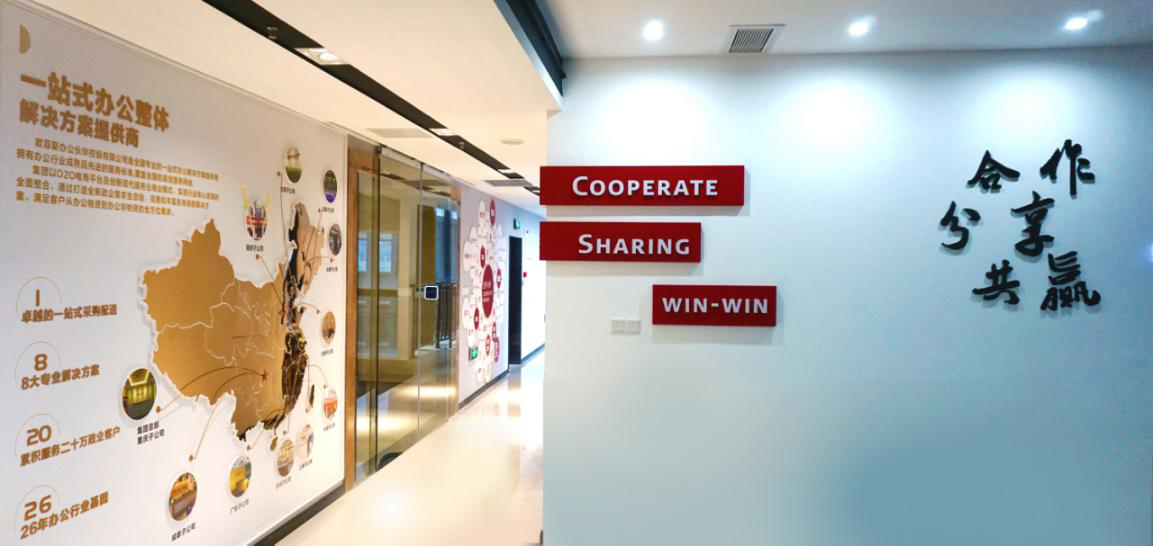
至于同苏宁、京东等综合类电商相比,何志认为,电商在品牌知名度上占据优势,拥有强大的C端供应链,大客户的中标能力强于欧菲斯,但京东、苏宁仍然采用B2C的供应链交付模式,欧菲斯采用B2B的交付模式体验更好——不仅把物品送到公司的每个部门,还会把设备安装好,同时,还会教会他们怎么用。

这也是为何在《公共采购》杂志2019年发布的《2018年度全国电子商城交易数据报告》中,欧菲斯办公伙伴成交金额及成交量仅次于京东企业购与苏宁大客户的重要原因之一。

办公经销行业的转型

2015年,欧菲斯推出“千店计划”,向经销商合作伙伴输出资源和能力,帮助后者转型。

何志介绍,欧菲斯将二十多年积累的电商化、信息化、智能仓储物流管理、团队管理、业务管理以及用户场景化的等经验输出,帮助经销商的组织结构、运营模式以及信息化、物流仓储模式以及业务拓展模式转型,并以欧菲斯的城市服务商的角色,承担配送服务和售后服务工作。

经销商转型需要结合一些大的电商类平台,共同提升他们的本地化服务、定制化服务优势,把最后一百米交付优势做大做强。何志认为,这是目前很多经销商转型的路径之一,因为行业已经具备了一些门槛,经销商全部依靠自己的能力转型难度较大。

同时,何志强调,欧菲斯还有一种合作新模式是“平台+个人”,即经销商即便在这一轮被淘汰,经销商经营人可以转为企业合伙人,用平台推进业务,转换私域流量触达用户,达到用户满意度的同时,也欧菲斯创造了价值。

欧菲斯下一步的计划是,加强信息化、技术的投入,由产品贸易转向To B数字化供应链采购的服务商提供商,最终实现从办公物资到办公非物资多方位服务的行业领衔的宏伟愿景。

2007年以经销型平台出生的领先未来科技集团有限公司,在国家提出阳光化采购政策倡议下,自2014年起,从技术平台、服务体系、产品方案、团队等各方面加强服务政企采购电商化的能力,提供完整的办公解决方案。目前,领先未来集团网上商城拥有16大品类超过17万SKU的优质商品。

“B2B大办公市场是一个长链条的数字化转型过程,相较于消费互联网而言,是一条漫长的道路。”何志强调,如何从硬件到软件到服务的升维升级,是每一个大办公行业参与者都要面对的思考题。

【版权提示】亿邦动力倡导尊重与保护知识产权。未经许可,任何人不得复制、转载、或以其他方式使用本网站的内容。如发现本站文章存在版权问题,烦请提供版权疑问、身份证明、版权证明、联系方式等发邮件至run@ebrun.com,我们将及时沟通与处理。

已点赞

+1

{{ praise_text }}

好文章,值得被更多人看到

广告

下一篇

征集报名《品牌数字化服务商资源手册》

《品牌数字化服务商资源手册》展示数字化服务商风采,亿邦全年零售大会通发,触达更多资源,马上加入!

马上入驻

钟鼎资本严力:超级平台的背后都有供应链思想

经过这些年的探索,我们意识到:谈论平台经济,其实本质上谈的是供应链思想,谈的是复杂利益体的协同系统。