• 亿邦公众号
    • APP下载

盒马超盒算NB发力加盟 释放了什么信号?

作者:林平 文章来源:联商网

2026-10-15 16:14

作者:林平 文章来源:联商网

2026-10-15 16:14

邦小白快读
EN
全文速览

总1:硬折扣赛道已经进入体系竞争期,低价和开店速度只是入场券。

1.代表性数据:ALDI奥乐齐在华127家,超盒算NB超600家,美团快乐猴超100家,京东折扣超市、物美超值等也在扩张;超盒算NB半年内从409家增至550家,覆盖城市从12座增至24座。

2.体系能力:可持续能力来自商品、供应链、数智化和单店运营;超盒算NB自有品牌占比60%、SKU约1500个、生鲜占比超60%、蔬菜损耗率降至3%以下、物流成本降低约15%。

总2:对想参与硬折扣加盟的人,关键看体系和自己是否匹配。

1.投入测算:以600㎡标准店测算,品牌使用费5万元/年,履约及货款保证金80万元,装修、设备各约90万元,前期投入约265万元(不含租金、人员工资)。

2.自我评估:要有合适铺位、能组团队、自有资金充足,愿接受统一价格和运营管控,并有长期经营打算;硬折扣是薄利生意,不适合指望短期暴利者。

总1:硬折扣从模式验证期进入体系竞争期,品牌商的护城河是商品、供应链、数智化和门店运营构成的可复制系统。

1.价格竞争:低价不能靠补贴,必须靠效率;超盒算NB自有品牌占比60%、SKU约1500个、生鲜占比超60%,用商品结构支撑价格心智,且对加盟店价格和促销强管控。

2.消费趋势:消费理性化不是周期现象而是长期趋势,硬折扣需求基本面扎实,但门槛比想象高,低价竞争会放大商品力和运营效率短板。

总2:品牌渠道建设可以走自营打样、加盟放大的路径,但加盟不是利润来源。

1.节奏:超盒算NB自营跑通后才在2025年11月开放加盟,首批4城,后新增7城,全部限定在中心仓300公里供应链半径内。

2.模式:总部输出商品、供应链、数智化系统和运营标准,加盟商出资金、铺位和本地资源;品牌使用费低位,收益靠供应链规模效应。

3.行业分化:ALDI全自营、美团快乐猴背靠美团、京东走5000㎡大店路线;自营控制力强但重,加盟杠杆高但管控难,头部品牌最终会走向自营与加盟融合。

总1:硬折扣消费理性化和超盒算NB开放加盟,给零售卖家带来接入成熟体系的合作窗口。

1.增长机会:超盒算NB门店超600家,从长三角扩展至华南、华北、西南,加盟城市在上海、杭州、嘉兴、湖州基础上新增宁波、绍兴、金华、常州、无锡、苏州、南通;传统经营者可用物业、团队、本地客群资源接入,降低学习成本。

2.合作方式:总部负责商品、供应链、数智化系统和运营标准,加盟商负责铺位、团队、投资和本地经营;总部对商品和营运全控,加盟商主要负责资金和好门店。

总2:机会背后有明确门槛和风险,加盟前要做双向评估。

1.投入门槛:品牌使用费5万元/年,履约及货款保证金80万元,装修、设备各约90万元,前期投入约265万元(不含租金、人员工资)。

2.风险提示:加盟城市必须在中心仓300公里供应链半径内;门店下沉后履约半径拉长,加盟店增多后运营标准可能走样、品控可能失守。

3.自检要点:看品牌门店规模、自有品牌占比、供应链布局、数智化工具是否真实可用;也要看自己有无长期经营意愿。硬折扣赚周转和效率的钱,不适合短期暴利思维。

总1:硬折扣的体系能力竞争,给工厂和供应商带来商品标准化与供应链协同的新要求。

1.商品需求:硬折扣店SKU稳定在1500个左右、自有品牌占比60%、生鲜占比超60%,单品规模大、品类精简;工厂若能为这类渠道提供高性价比、适合自有品牌的标准化商品,机会更大。

2.供应链要求:超盒算NB把质检、分级前置到产地仓,蔬菜损耗率降至3%以下,物流成本降低约15%;生产端需要在分级、包装、保鲜、物流协同上匹配渠道要求,才能进入硬折扣体系。

总2:传统生产管理者可以从硬折扣模式中看到数字化和效率升级的方向。

1.数字化启示:1500个SKU的进销存靠人脑和经验管不过来,硬折扣本质是低毛利、高周转;工厂需要提升订单、库存、生产计划的数据化对接能力。

2.商业机会:传统商超调整、硬折扣玩家增多,自有品牌代工和产地直采需求可能增加;可以关注超盒算NB、ALDI奥乐齐、美团快乐猴、京东折扣超市等不同路线的供应链合作机会。

总1:硬折扣进入体系竞争期,客户最大的痛点从开店速度转移到系统能力,服务商的机会集中在数智化、供应链和运营管控。

1.行业趋势:低价和开店速度已从竞争力退化为入场券;竞争焦点是商品结构、供应链、数智化和单店运营,所有玩家都面临低毛利高周转下的效率压力。

2.客户痛点:零售加盟通病是连而不锁,总部只卖招牌会让加盟商品控失守;传统超市经营者转型最怕换招牌不换系统;1500个SKU的进销存和跨区域损耗靠经验管不过来。

总2:超盒算NB的样板提供了可参考的解决方案方向。

1.方案方向:总部输出商品体系、供应链、数智化系统和运营标准,对价格和促销强管控;加盟商只出资金、铺位和本地经营。服务商可围绕中心仓300公里半径仓配、产地仓质检分级前置、蔬菜损耗控制、加盟店品控巡店提供工具和运营服务。

2.模式判断:自营控制力强但扩张慢,加盟杠杆高但管控难;支撑强管控和体系复制的技术方案,将是服务商的重要切入点。

总1:对平台和连锁体系运营者,超盒算NB释放的信号是先跑通体系再开放加盟,招商不是卖招牌。

1.行业风向:硬折扣从模式验证期进入体系竞争期,平台需要沉淀商品结构能力、供应链能力、数智化系统和单店运营能力;低价和速度只是入场券。

2.平台做法:超盒算NB自营跑通后才在2025年11月开放加盟,首批4城,后新增7城,限定在中心仓300公里供应链半径内;总部对商品价格和促销严格管控,商品和营运全控,加盟商主要负责资金和好门店。

总2:平台在招商和运营管理中要重点防控规模带来的走样风险。

1.费用与定位:品牌使用费5万元/年,履约及货款保证金80万元,装修、设备各约90万元,前期投入约265万元;总部不靠加盟费赚钱,收益靠供应链规模效应。

2.风险规避:加盟店增加后运营标准可能走样、品控红线可能失守,门店下沉后履约半径拉长,需要提前设计仓配和数字化管控;主流路线分化,自营与加盟最终会走向自营打样、加盟扩市场、强管控保体系融合。

总1:2026年前三季度硬折扣行业出现关键转变,从模式验证期进入体系竞争期,竞争单位从单店变成系统。

1.产业新动向:传统商超继续调整,硬折扣玩家增加且路线分化——ALDI奥乐齐127家并深耕长三角,超盒算NB超600家且开放加盟,美团快乐猴超100家,京东走5000㎡大店路线;超盒算NB自有品牌占比60%、SKU约1500个、生鲜占比超60%、蔬菜损耗率降至3%以下、物流成本降低约15%。

2.新问题:加盟通病是连而不锁;加盟店增多后品控和运营标准如何守住;跨区域扩张后供应链履约半径和成本如何平衡。

总2:商业模式与观点值得进一步研究。

1.商业模式:超盒算NB创造总部体系+本地经营者的深绑定模式,总部输出商品、供应链、数智化和运营标准,加盟商出资金、铺位和本地资源;这为商超存量改造提供路径,但需要验证可复制性和风险边界。

2.代表观点:王军认为判断加盟项目关键看总部是否敢强管控;云栖居士提醒硬折扣是薄利生意;蔡景钟认为需求基本面扎实但门槛比想象高,低价竞争会放大商品力和运营效率短板。

3.研究启示:三高三低模型下,区域密度与仓配效率如何托底低价,自营与加盟融合能否成为头部品牌终局,是值得追踪的方向。

声明:快读内容全程由AI生成,请注意甄别信息。如您发现问题,请发送邮件至 run@ebrun.com 。

我是 品牌商 卖家 工厂 服务商 平台商 研究者 帮我再读一遍。

Quick Summary

Overall 1: Hard discount has entered a phase of systemic competition; low prices and store opening speed are only the entry ticket.

1. Representative data: ALDI has 127 stores in China, Chaohesuan NB has more than 600 stores, Meituan Happy Monkey has more than 100, and JD Discount Supermarket and Wumart Chaozhi are also expanding. Chaohesuan NB grew from 409 to 550 stores in six months, expanding from 12 to 24 cities.

2. System capability: sustainable advantage depends on product, supply chain, digitalization, and single-store operations. Chaohesuan NB's private-label share is 60%, SKU count is around 1,500, fresh produce share is over 60%, vegetable loss rate has fallen below 3%, and logistics costs have dropped by about 15%.

Overall 2: For those considering hard discount franchising, the key is whether the system matches their own capabilities.

1. Investment estimate: based on a 600 sqm standard store, the brand fee is RMB 50,000 per year, the performance and goods deposit is RMB 800,000, and decoration and equipment each cost about RMB 900,000. The initial investment is about RMB 2.65 million, excluding rent and payroll.

2. Self-assessment: you need a suitable location, the ability to build a team, sufficient own capital, willingness to accept unified pricing and operational control, and a long-term operating commitment. Hard discount is a thin-margin business, not suitable for those seeking quick profits.

Overall 1: Hard discount has moved from model validation to systemic competition. The moat for brand owners is a replicable system built from product, supply chain, digitalization, and store operations.

1. Price competition: low prices cannot rely on subsidies; they must come from efficiency. Chaohesuan NB has a 60% private-label share, about 1,500 SKUs, and over 60% fresh produce. Its product mix supports the price image, and franchisee prices and promotions are tightly controlled.

2. Consumer trend: rational consumption is not a cyclical phenomenon but a long-term trend. Fundamental demand for hard discount is solid, but the entry threshold is higher than expected. Price competition will expose weaknesses in product strength and operational efficiency.

Overall 2: Brand channel building can follow a path of company-owned pilots first and then franchise scaling, but franchising is not a profit source.

1. Rhythm: Chaohesuan NB only opened franchising after validating its company-owned model, in November 2025. The first phase covered four cities, then seven more were added, all within a 300 km supply chain radius of central warehouses.

2. Model: headquarters exports product, supply chain, digital systems, and operating standards; franchisees contribute capital, store locations, and local resources. Brand fees are set low, with returns relying on supply chain economies of scale.

3. Industry divergence: ALDI is fully company-operated, Meituan Happy Monkey relies on Meituan, and JD follows a 5,000 sqm large-store route. Company operation offers strong control but is asset-heavy; franchising has high leverage but is harder to control. Leading brands will eventually move toward a combination of both.

Overall 1: Rational consumption in hard discount and Chaohesuan NB's franchise opening give retail sellers a cooperation window to plug into a mature system.

1. Growth opportunity: Chaohesuan NB has more than 600 stores and is expanding from the Yangtze River Delta to South China, North China, and Southwest China. Franchise cities now add Ningbo, Shaoxing, Jinhua, Changzhou, Wuxi, Suzhou, and Nantong on top of Shanghai, Hangzhou, Jiaxing, and Huzhou. Traditional operators can use their property, teams, and local customer resources to join and reduce learning costs.

2. Cooperation model: headquarters handles product, supply chain, digital systems, and operating standards; franchisees handle store locations, teams, investment, and local operations. Headquarters has full control over product and operations, while franchisees mainly provide capital and good stores.

Overall 2: Behind the opportunity are clear thresholds and risks. Conduct a two-way evaluation before joining.

1. Investment threshold: brand fee is RMB 50,000 per year, performance and goods deposit is RMB 800,000, and decoration and equipment each cost about RMB 900,000. Initial investment is about RMB 2.65 million, excluding rent and payroll.

2. Risk reminder: franchise cities must be within a 300 km supply chain radius of central warehouses. When stores move into lower-tier markets, the fulfillment radius lengthens. As franchise stores increase, operating standards may drift and quality control may fail.

3. Self-check points: verify the brand's store scale, private-label share, supply chain layout, and whether digital tools are genuinely usable. Also assess whether you have long-term operating willingness. Hard discount earns from turnover and efficiency, not short-term speculation.

Overall 1: The systemic competition of hard discount creates new requirements for factories and suppliers in product standardization and supply chain coordination.

1. Product demand: hard discount stores keep around 1,500 SKUs, with private-label share around 60% and fresh produce share over 60%. Per-SKU volumes are large and categories are lean. Factories that can provide high-value, standardized products suitable for private labels will have greater opportunities.

2. Supply chain requirements: Chaohesuan NB moves quality inspection and grading upstream to origin warehouses, cutting vegetable loss to below 3% and logistics costs by about 15%. Production must align with channel requirements in grading, packaging, freshness preservation, and logistics coordination in order to enter hard discount systems.

Overall 2: Traditional production managers can see directions for digitalization and efficiency upgrades from the hard discount model.

1. Digitalization insight: managing inventory for 1,500 SKUs cannot rely on human memory and experience. Hard discount is essentially low margin and high turnover. Factories need to strengthen data integration for orders, inventory, and production planning.

2. Business opportunity: as traditional supermarkets adjust and hard discount players multiply, demand for private-label contract manufacturing and origin direct sourcing may increase. Watch for supply chain cooperation opportunities across different routes, including Chaohesuan NB, ALDI, Meituan Happy Monkey, and JD Discount Supermarket.

Overall 1: Hard discount has entered a systemic competition phase. Clients' biggest pain points have shifted from opening speed to system capability. Service providers' opportunities are concentrated in digitalization, supply chain, and operational control.

1. Industry trend: low price and opening speed have degraded from competitiveness to entry tickets. The competitive focus is product structure, supply chain, digitalization, and single-store operations. All players face efficiency pressure under low margin and high turnover.

2. Client pain points: retail franchising commonly suffers from being connected but not locked in. Headquarters that only sell a signboard will allow franchisees to lose quality control. Traditional supermarket operators transforming their business most fear changing the sign without changing the system. Managing the inventory of 1,500 SKUs and cross-regional loss is no longer feasible through experience alone.

Overall 2: Chaohesuan NB's model provides a reference solution direction.

1. Solution direction: headquarters exports a product system, supply chain, digital systems, and operating standards, with strong control over prices and promotions. Franchisees only provide capital, store locations, and local operations. Service providers can offer tools and operational services around 300 km warehouse distribution, upstream quality inspection and grading at origin warehouses, vegetable loss control, and franchise store quality inspections.

2. Model judgment: company operation gives strong control but slow expansion; franchising offers high leverage but difficult control. Technical solutions that support strong control and system replication will be an important entry point for service providers.

Overall 1: For platform and chain system operators, Chaohesuan NB sends the signal that systems must be proven before franchising is opened. Recruitment is not about selling a signboard.

1. Industry direction: hard discount has moved from model validation to systemic competition. Platforms need to build product structure, supply chain, digital systems, and single-store operating capabilities. Low price and speed are only entry tickets.

2. Platform practice: Chaohesuan NB opened franchising only after validating company-owned operations, in November 2025. The first phase covered four cities, then seven more were added, all within a 300 km supply chain radius of central warehouses. Headquarters strictly controls product prices and promotions and fully controls product and operations; franchisees mainly provide capital and good stores.

Overall 2: Platforms must focus on preventing quality drift caused by scale during recruitment and operational management.

1. Fees and positioning: brand fee is RMB 50,000 per year, performance and goods deposit is RMB 800,000, and decoration and equipment each cost about RMB 900,000. Initial investment is about RMB 2.65 million. Headquarters does not rely on franchise fees for profit; returns depend on supply chain economies of scale.

2. Risk mitigation: as franchise stores increase, operating standards may drift and quality control red lines may be crossed. After stores move into lower-tier markets, the fulfillment radius lengthens. Warehouse and digital control must be designed in advance. Main routes are diverging, but company-operated pilots, franchise scale-up, and strong-control system protection will eventually converge.

Overall 1: In the first three quarters of 2026, the hard discount industry has seen a key shift from model validation to systemic competition. The unit of competition has changed from a single store to a system.

1. Industry trends: traditional supermarkets continue to adjust, hard discount players are increasing, and routes are diverging: ALDI has 127 stores and is deepening its presence in the Yangtze River Delta; Chaohesuan NB has more than 600 stores and has opened franchising; Meituan Happy Monkey has more than 100 stores; JD follows a 5,000 sqm large-store route. Chaohesuan NB's private-label share is 60%, SKU count is about 1,500, fresh produce share is over 60%, vegetable loss has fallen below 3%, and logistics costs have dropped by about 15%.

2. New questions: franchising commonly suffers from being connected but not locked in. As franchise stores increase, how can quality control and operating standards be maintained? After cross-region expansion, how can supply chain fulfillment radius and costs be balanced?

Overall 2: The business model and viewpoints deserve further research.

1. Business model: Chaohesuan NB creates a deeply binding model of headquarters system plus local operators. Headquarters exports product, supply chain, digitalization, and operating standards; franchisees provide capital, store locations, and local resources. This provides a path for renovating existing supermarket assets, but replicability and risk boundaries need validation.

2. Representative views: Wang Jun believes the key to judging a franchise project is whether headquarters dares to enforce strong control. Yunqi Jushi reminds that hard discount is a thin-margin business. Cai Jingzhong believes demand fundamentals are solid but the threshold is higher than expected, and price competition magnifies weaknesses in product strength and operational efficiency.

3. Research implications: under the three-highs and three-lows model, how regional density and warehouse distribution efficiency support low prices, and whether the integration of company-owned stores and franchising can become the endgame for leading brands, are directions worth tracking.

Disclaimer: The "Quick Summary" content is entirely generated by AI. Please exercise discretion when interpreting the information. For issues or corrections, please email run@ebrun.com .

I am a Brand Seller Factory Service Provider Marketplace Seller Researcher Read it again.

2026年前三季度,零售行业呈现两种并存的现象。

一边是传统商超的继续调整,关店、缩店、调改的消息几乎每个月都有,大卖场时代的余晖正在褪去;另一边是硬折扣赛道热度不减,新玩家和新门店持续增加。

据联商网统计,截至目前,ALDI奥乐齐在华门店达到127家,盒马旗下超盒算NB门店数超过600家,美团快乐猴门店数超过100家,京东折扣超市、物美超值等新玩家也在各自的路径上加速试探。

赛道升温的同时,一个更本质的问题浮出水面,硬折扣“火不火”已经不需要讨论,真正需要讨论的是,谁拥有可持续的系统能力。

低价可以模仿,开店速度可以追赶,但商品体系、供应链、数智化和单店运营能力,不是靠钱就能在短时间内砸出来的。

也正是在这样的背景下,超盒算NB稳步开放加盟的动作,值得放在行业坐标里重新审视。

01 硬折扣下半场,比拼的是体系

2025年,被不少行业观察者视为“中国硬折扣元年”。

玩家的核心任务是验证模式、抢占点位,谁的店开得多、声量大,谁就能拿到下一轮融资和下一批优质物业。这个阶段比拼的是勇气和资本。

但进入2026年,情况明显变了。

超盒算NB在半年内从409家增至550家,覆盖城市从12座拓展到24座;ALDI奥乐齐依旧“小步慢跑”,深耕长三角;美团快乐猴从北京到华南多点卡位;京东则反其道而行,选择5000㎡左右的大店路线。

玩家变多、路线分化,意味着低价和开店速度的比拼,正在从所谓的“竞争力”退化为“入场券”。

在联商网看来,背后的原因很简单。

硬折扣的商业模式本质上是低毛利、高周转,价格优势必须建立在效率优势之上。如果没有商品结构能力,低价只能靠补贴,补贴一停,客流就散。

如果没有供应链能力,跨区域扩张只会放大损耗;如果没有数智化系统,1500个SKU的进销存靠人脑和经验根本管不过来;如果单店运营不达标,开得越快,亏得越多。

换句话说,硬折扣赛道已经从“模式验证期”进入到“体系竞争期”。

这个阶段的分水岭,不是谁的招牌擦得更亮,而是谁能把商品、供应链、数智化和门店运营沉淀成一套可复制、可输出的系统。

在这个维度上,超盒算NB是目前为数不多的、已经完成了大规模验证的玩家。

据联商网此前报道,超盒算NB门店从长三角一路拓展到华南、华北、西南,2026年上半年保持每月新开20家以上的节奏,上海市场近200家门店组成的高密度网络,持续收窄仓配半径。

这意味着,超盒算NB的经营模型不是在一个城市跑通,而是在不同区域、不同层级的市场里反复验证过。

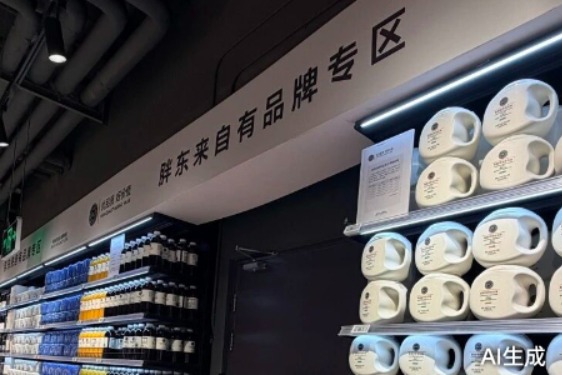
自有品牌占比达到60%,SKU稳定在1500个左右,生鲜占比超60%;不同地区产地仓把质检、分级环节前置到田间,蔬菜损耗率降至3%以下,物流成本降低约15%。这些数字背后,是一个硬折扣玩家最难建立、也最难被复制的部分——商品与供应链的系统性能力。

也正因为体系先于加盟成型,超盒算NB开放加盟的时点选择,才有了分析的价值。

02 先有体系,再谈开放

零售行业对加盟并不陌生,但加盟的口碑并不算好。

“零售业加盟体系的通病,是‘连而不锁’。”零售业资深人士王军(化名)向联商网表示。

目前国内零售加盟体系的优势显而易见,品牌商可以快速放大规模、分摊重资产投入,加盟商则借助成熟模式降低创业门槛,本地经营者的物业、人脉和客群资源也能被充分调动。

但问题同样突出,不少品牌的加盟本质上是“卖招牌”,总部输出一个商标和一套装修图纸,商品、供应链、运营全靠加盟商自己摸索。

更有甚者,把加盟费当成主要收入来源,招商速度压倒经营质量,最终品控失守,品牌透支。

“判断一个加盟项目靠不靠谱,关键就看一点,总部敢不敢对商品和运营实施强管控。”王军说,敢管说明品牌对自己的体系有信心,也对加盟商的经营结果负责;不敢管,多半是因为品牌除了招牌什么都没有。

用这个标准看超盒算NB的加盟模式,有几个值得注意的特点。

第一,不是边跑模式边招商,而是先跑出体系,再开放合作。

超盒算NB从2023年在华东悄悄跑模型,到2025年底门店突破400家,再到2026年全国化扩张,自营体系经历了较大规模、不同区域的门店实践之后,才在2025年11月正式开放加盟,首批仅覆盖上海、杭州、嘉兴、湖州4城。

截至目前,加盟城市又纳入宁波、绍兴、金华、常州、无锡、苏州、南通7城,全部位于长三角供应链半径之内。

而据联商网了解,当前自营门店仍是超盒算NB拓店的绝对主力,对于加盟的开放十分谨慎。

一位零售业资深人士表示,超盒算NB总部的商品和营运全控,和直营没什么区别,加盟商主要负责的就是资金和好门店。

这种强控模式和稳健节奏在热衷“闪电战”的零售行业里并不常见,宁可慢,也要先确保输出的是经过验证的能力。

比如,超盒算NB的加盟城市必须在中心仓300公里供应链半径之内,没有供应链保障的区域不开放;加盟商的盈利模型必须成熟,单店模型跑不通,扩张就不健康。

此外,超盒算NB对加盟店的商品价格和促销活动实行严格管控,毕竟,硬折扣的生命线是价格心智。

第二,超盒算NB输出的是经营体系,而不只是品牌授权。

其先在直营体系里把规模做起来,体系跑出来,再把加盟作为补全网点的轻资产工具,而不是利润来源。

从费用结构也能看出这一点,以600㎡标准店测算,品牌使用费5万元/年,履约及货款保证金80万元,装修、设备各约90万元,前期投入合计约265万元(不含租金、人员工资等),其中品牌使用费在连锁加盟行业属于低位,总部的收益更多是建立在供应链规模效应之上,而非加盟费本身。

第三,也是最值得行业关注的,超盒算NB开放的是“内容”,加盟商接入的是一整套经营体系。

总部负责输出商品、供应链、数智化系统和运营标准,加盟商负责铺位、团队、投资和本地经营。传统经营者原有的门店、团队、本地客群和商业资源将继续发挥价值,而单店极难独立搭建的商品体系、数字化工具和标准化运营,由总部补齐。

“这个分工设计得比较清醒。”王军评价道,传统超市经营者转型,最怕的就是“换招牌不换系统”,门头换了,进货还是老渠道,管理还是老办法,结果成本降不下来,客流也留不住。

“超盒算NB模式的互补性在于,它把经营者从依赖个人经验,推向更标准化、数字化的现代零售经营。对于行业来说,这并非经营转型的唯一答案,但至少提供了一条路径清晰、风险相对可控的方式。”王军说。

当然,理性来看,加盟模式对超盒算NB来说,同样是不小的考验。

比如,门店向县域和更广泛的市场下沉后,供应链履约半径拉长,如何在保证效率的同时控制成本,考验的是硬功夫。

而加盟店数量增加后,运营标准能否不走样,品控红线能否守住,直接决定加盟这条路能走多远。

03 先看体系,再看自己

超盒算NB稳步开放加盟,对正在观望的潜在加盟商意味着什么?

王军认为,超盒算NB加盟模式对行业的新意在于,它把“总部能力开放”变成了一种可操作的协同方式。过去零售业的合作,要么是直营的强控制,要么是松散的品牌授权,中间地带一直是空白。

“总部体系+本地经营者”的深绑定模式,让有物业、有团队、有本地资源但缺乏现代零售体系的传统经营者,有机会以较低的学习成本接入一套成熟的经营系统。

这种协同方式如果跑通,对整个商超行业的存量改造都有借鉴意义,中国还有大量区域超市和夫妻店,他们缺的往往不是勤奋,而是体系。

不过,加盟从来是双向选择,总部有能力只是必要条件,不是充分条件。

加盟商判断项目时,既要看品牌的规模和总部能力——门店数量、自有品牌占比、供应链布局、数智化工具是否真实可用,也要冷静评估自己,有没有合适的铺位,能不能组建团队,自有资金是否充足,愿不愿意接受统一的价格和运营管控,以及最重要的一点,有没有长期经营的打算。

“硬折扣是薄利生意,赚的是周转和效率的钱,指望短期暴利的人,不适合进入这个赛道”。联商高级顾问团成员云栖居士表示。

从行业层面看,超盒算NB的加盟动作可能引发的连锁反应,同样值得观察。

目前主流硬折扣玩家中,ALDI奥乐齐坚持全自营,快乐猴背靠美团体系,京东折扣超市走大店路线,超盒算NB是头部全国性玩家中率先系统性开放加盟的一个。

这意味着硬折扣的竞争正在分化出不同的组织模式:自营模式控制力强、投入重、扩张慢;加盟模式杠杆高、跑得快、管控难。

两种模式没有高下之分,但对供应链效率的要求是相同的,“三高三低”(高坪效、高人效、高品效;低售价、低损耗、低毛利)商业模型下,没有区域密度和仓配效率托底,低价不可能持续。

无届创新资本创始合伙人蔡景钟对硬折扣赛道未来发展保持谨慎乐观。

在他看来,硬折扣的需求基本面是扎实的,消费理性化不是周期现象,而是长期趋势。但赛道的门槛会比很多人想象的高,低价竞争会把商品力和运营效率的短板迅速放大。

总而言之,自营和加盟最终会在头部品牌身上走向融合:用自营门店打样和加密核心市场,用加盟撬动更广阔的市场和资源,再用强管控保证体系不走样。

谁能把这三件事同时做好,谁才能活到下一个阶段。

写在最后

复盘2026年前三季度,硬折扣行业的叙事已经悄然转换,从谁能开得更快,变成谁的体系更扎实。

超盒算NB在这个时点稳步开放加盟,释放的信号其实很克制,规模和体系跑在前面,开放后置,节奏由供应链半径和加盟商盈利模型划定。

这种“稳步”未必是最快的路径,但它把加盟放回了应有的位置——总部标准化能力的对外溢出。

换句话说,对于超盒算NB来说,加盟是一场比直营更严格的检验。

对观望者而言,这个样本最大的启发或许是:进入硬折扣赛道,不要只看热度和加盟费,要看品牌是否已有经得起验证的规模和体系,也要看自己是否真的准备好了。

行业竞争进入深水区之后,拼的不再是勇气,而是系统能力。这一点,对品牌如此,对加盟商同样如此。

注:文/林平,文章来源:联商网(公众号ID:linkshop2012),本文为作者独立观点,不代表亿邦动力立场。

【版权提示】亿邦动力倡导尊重与保护知识产权。未经许可,任何人不得复制、转载、或以其他方式使用本网站的内容。如发现本站文章存在版权问题,烦请提供版权疑问、身份证明、版权证明、联系方式等发邮件至run@ebrun.com,我们将及时沟通与处理。

已点赞

+1

{{ praise_text }}

好文章,值得被更多人看到

FAQ回顾

超盒算NB是什么?

超盒算NB是盒马旗下的硬折扣零售品牌,属于零售行业中的硬折扣赛道。截至2026年前三季度,其门店数已超过600家,上海市场近200家门店,自有品牌占比约60%,SKU稳定在1500个左右,生鲜占比超60%,是当前全国性的头部硬折扣玩家之一。

2026年硬折扣行业有哪些新趋势?

硬折扣行业已从模式验证期进入体系竞争期,竞争焦点由开店速度和低价转向商品结构、供应链、数智化和单店运营能力。玩家路线分化:ALDI奥乐齐坚持全自营深耕长三角,美团快乐猴多点卡位,京东折扣超市走大店路线,超盒算NB则率先系统性开放加盟。

超盒算NB加盟需要多少投入和条件?

以600平方米标准店测算,前期投入合计约265万元(不含租金、人员工资),包括品牌使用费5万元/年、履约及货款保证金80万元、装修和设备各约90万元。加盟城市须在中心仓300公里供应链半径内,总部对商品价格、促销和运营实行强管控。

超盒算NB的加盟模式与传统零售加盟有什么不同?

超盒算NB不是边跑模式边招商,而是先跑出体系再开放合作。总部对商品和运营全控,输出商品体系、供应链、数智化系统与运营标准,加盟商主要负责资金和好门店;加盟城市须位于中心仓300公里供应链半径内,目前为长三角11城,品牌使用费在行业中处于低位。

广告

下一篇

征集报名《品牌数字化服务商资源手册》

《品牌数字化服务商资源手册》展示数字化服务商风采,亿邦全年零售大会通发,触达更多资源,马上加入!

马上入驻

天猫总裁家洛:AI提供的最大价值是对消费需求的理解更深层 更长期

今年天猫双11吸引了100万全球品牌、7200万款商品参与,均创历史新高。