• 亿邦公众号
    • APP下载

SmallRig斯莫格全球影像场景产业大会:场景扩容、新物种涌现 影像设备迎来放量增长

作者:王昱 文章来源:亿邦动力

2026-09-26 16:57

作者:王昱 文章来源:亿邦动力

2026-09-26 16:57

邦小白快读

EN
全文速览

总:这篇文章最值得普通读者关注的信息是,影像行业正从设备驱动转向场景驱动,普通人参与影像创作的门槛在降低,新的场景和工具会带来更多创作可能。

分:1. 数据印证时机:截至2024年末,我国短视频创作者账号规模已达16.2亿个,日均上线短视频超1.3亿条;未来五年是影像硬件市场放量窗口期,周边设备增速9.2%快于主机,说明拍什么、怎么拍比用什么主机更受关注。

2. 实操方向:当前最活跃的12个影像场景包括生活记录、即时直播、非遗民俗、休闲运动、极限运动、兴趣圈层、演出现场、故事演绎、微短剧、公益纪实、生态摄影和特种影像,普通人可以从生活记录和兴趣圈层切入,抓住微短剧、直播等风口。

3. 工具变化:AI让相机从拍到东西走向理解东西,普通用户只需给指令就能完成构图和后期;消费级外骨骼能帮户外摄影师突破身体限制。设备正从工具变成伙伴,选择能满足真实场景需求的设备比堆参数更实用。

4. 风险提醒:技术先进不等于好用,需求方最看重安全性和稳定落地,普通创作者也要理性评估新设备是否能在自己的场景中真正发挥作用。

总:这篇文章对品牌商的干货是,影像产品的定义逻辑从画质参数转向真实场景,品牌商要围绕场景做产品研发和营销,并通过开放共创建立生态壁垒。

分:1. 品牌营销:SmallRig通过主办产业大会、发布全球影像场景TOP12报告和年度关键词,抢占影像场景品类定义权,强化全球影像场景创新产品制造商的定位;这种以行业标准和趋势报告带动品牌影响力的做法值得借鉴。

2. 产品研发:产品不再先形成固定能力再找用途,而是骑行、直播、微短剧、航天记录、机器视觉等场景需求反向推动产品形态;品牌应深入真实场景识别未满足需求,并考虑与AI、外骨骼等新技术结合。

3. 渠道建设:SmallRig开放品牌DTC平台,支持产品验证、联合营销和预售,让新品在自有渠道完成冷启动;这种直面用户的模式能快速获取反馈,减少渠道依赖。

4. 消费趋势与用户行为:专业级与大众级影像市场叠加,创作者全民化、专业机构下沉、手机电影、AI影像创作是年度关键词;用户更关注设备在复杂甚至极端条件下的稳定性,以及设备是否能成为创作伙伴,而非单纯比拼参数。

总:这篇文章给卖家的干货是,影像周边设备正迎来放量增长,新场景带来新品类机会,SmallRig的开放共创机制为中小卖家和创业团队提供了借力和合作路径。

分:1. 增长机会:未来五年是国内影像硬件市场规模化放量的机遇窗口期,周边设备预计增速9.2%,快于主机设备;微短剧、直播、生活记录、特种影像等场景扩张,会带动配件、辅助器材、AI工具等相关商品的销售。

2. 消费需求变化:B端广电等专业机构被C端倒逼,开始采用轻量化、消费类、AI技术的新型设备;卖家可关注专业向消费下沉的产品,以及创作者全民化带来的大众化需求。

3. 合作方式与扶持政策:SmallRig提出面向研发主体开放从概念验证、中试、打样到量产的供应链能力,通过品牌DTC平台支持产品验证、联合营销和预售,并以天使基金、产业基金连接创新项目。卖家可借助这些资源补齐生产、渠道和资金短板。

4. 风险提示:需求方强调安全性、稳定性和规模化应用,技术先进不等于能落地;中小团队从0到1门槛高,资源不足容易半途折戟,入局前要评估自身能力,避免盲目追逐概念。

总:这篇文章对工厂的干货是,影像硬件需求正从主机向周边设备和细分场景延伸,柔性制造、场景化定制和开放供应链协同将成为新的生产机会。

分:1. 产品需求变化:产品定义从围绕设备转向围绕场景,真实场景需求更早进入研发验证;工厂要响应骑行、直播、微短剧、极限运动、特种影像等场景带来的多样化、轻量化硬件需求。

2. 商业机会:周边设备增速9.2%快于主机,未来五年放量;AI、航天发射、外骨骼与影像设备交叉出现新物种,工厂可提前布局与AI、具身智能结合的影像硬件和配件。

3. 客户协同:湖南广电等B端需求方希望与厂商共生、共建,共同迭代产品,关注安全性、稳定性和大规模应用;SmallRig开放从概念验证、中试、打样到量产的供应链能力,工厂可参与这种共创机制获取订单。

4. 数字化电商启示:品牌DTC平台支持产品验证、联合营销和预售,工厂要适应以销定产、数据驱动的新模式,提升快速打样和小批量多品种生产能力。

总:这篇文章给服务商的干货是,影像场景产业进入跨界融合和全域扩容期,围绕内容生产、产品创新、商业验证和人才培养的服务需求正在爆发。

分:1. 行业趋势:影像硬件行业从技术迭代、设备更新为主,转向场景创新、跨界融合、生态共生共同推动的新增长周期;专业级与大众级市场叠加,更多新场景和跨界主体涌入。

2. 新技术:AI让相机从拍到东西走向理解东西,极大改变设备能力边界;外骨骼与AI结合帮助创作者突破身体限制;航天发射、机器视觉等特种影像成为新赛道,服务商可围绕这些新技术提供解决方案。

3. 客户痛点:很多创业团队有技术和创意,却难以跨过从概念验证、产品量产到真实场景验证的门槛,缺乏生产制造、市场推广、销售渠道和资金链保障;B端甲方也担心新技术是否安全、稳定、能规模化落地。

4. 解决方案:可以参考SmallRig的开放共创机制,提供共享供应链、DTC平台验证、联合营销、基金对接等服务;也可帮助企业设计从技术到产品的验证流程,联合B端需求方共同迭代,确保技术在真实业务中行稳致远。

总:这篇文章对平台商的干货是,影像场景产业正在形成开放共创的新生态,平台可借鉴SmallRig的机制搭建连接创作者、品牌和供应链的产业平台,并抓住周边设备放量的招商窗口。

分:1. 平台需求与定位:影像硬件行业需要从技术到产品再到规模化应用的一站式支持,许多创业团队缺乏生产、渠道和资金,单一企业难以独立完成,平台有空间整合研发、供应链、市场和资本。

2. 最新做法:SmallRig通过品牌DTC平台支持产品验证、联合营销和预售,开放从概念验证到量产的供应链能力,并以天使基金和产业基金连接创新项目,相当于构建了多方共生的产业协同平台。

3. 招商与运营管理:短视频创作者账号已达16.2亿个,全民影像带来海量用户;平台可围绕12个活跃场景引入影像配件、辅助设备、AI工具等品类,并可组织场景主题活动和内容营销来带动交易。

4. 风险规避:需求方关注安全性、稳定性和规模化应用,平台在扶持创新项目或引入新品时,要设置验证和试用环节,避免只追逐技术概念而忽视真实落地能力。

总:这篇文章对研究者的干货是,影像场景产业正从设备中心转向场景中心,新场景和新物种不断涌现,开放共创和产业协同机制成为值得深入研究的商业模式。

分:1. 产业新动向:影像场景进入由场景创新、跨界融合、生态共生和全域扩容推动的新增长周期;专业级与大众级市场叠加发展,短视频创作者账号达16.2亿个,日均上线超1.3亿条,全民影像加速普及。

2. 商业模式观察:SmallRig提出并定义影像场景产业,从场景化、生态化、全球化方向构建体系;通过开放供应链能力、品牌DTC平台和天使基金,形成从研发到变现的共创机制,体现龙头企业整合生产要素的平台化逻辑。

3. 新问题与挑战:从技术到产品再到规模化应用存在鸿沟,初创团队在量产、渠道、资金等方面容易折戟;需求侧强调先进技术必须经受真实业务场景和规模化应用检验,安全性和稳定性是落地前提。

4. 政策与启示:大会提出影像设备走进千行百业,包括工业、农业等应用场景;研究者可关注需要哪些产业政策、公共服务和协同平台来降低创新项目从0到1的门槛,以及如何让更多跨界主体、新生力量进入影像生态。

声明:快读内容全程由AI生成,请注意甄别信息。如您发现问题,请发送邮件至 run@ebrun.com 。

我是 品牌商 卖家 工厂 服务商 平台商 研究者 帮我再读一遍。

Quick Summary

**Overall:** The most valuable takeaway for general readers is that the imaging industry is shifting from device-driven to scenario-driven growth. The barrier to entry for ordinary people to create imagery is lowering, and new scenarios and tools will unlock more creative possibilities.

**Key points:**

1. Data confirms the timing: As of the end of 2024, China had 1.62 billion short-video creator accounts, with over 130 million short videos published daily. The next five years represent a window for imaging hardware market expansion, with peripheral equipment growing at 9.2%—faster than main devices—indicating that what to shoot and how to shoot matters more than which camera you use.

2. Practical directions: The 12 most active imaging scenarios include life documentation, live streaming, intangible cultural heritage and folk customs, recreational sports, extreme sports, interest communities, live performances, story-driven content, micro-dramas, public-interest documentaries, ecological photography, and specialized imaging. Ordinary creators can start with life documentation and interest communities, and seize opportunities in micro-dramas and live streaming.

3. Tool evolution: AI is transforming cameras from capturing images to understanding them. Ordinary users can complete composition and post-production simply by giving instructions. Consumer-grade exoskeletons help outdoor photographers push beyond physical limits. Devices are evolving from tools to companions—choosing equipment that meets real scenario needs is more practical than chasing specs.

4. Risk reminder: Advanced technology is not the same as user-friendly technology. Buyers prioritize safety and stable implementation. Ordinary creators should also rationally assess whether new devices can truly function in their own scenarios.

**Overall:** For brand owners, the key insight is that the definition logic of imaging products is shifting from image-quality specs to real-world scenarios. Brands should develop products and marketing around scenarios, and build ecosystem moats through open co-creation.

**Key points:**

1. Brand marketing: SmallRig has seized the right to define the imaging-scenario category by hosting industry conferences, publishing the Global Top 12 Imaging Scenarios report, and issuing annual keywords, reinforcing its position as a global manufacturer of innovative products for imaging scenarios. This approach of leveraging industry standards and trend reports to boost brand influence is worth emulating.

2. Product R&D: Products are no longer developed as fixed capabilities first and then matched to uses. Instead, scenario needs from cycling, live streaming, micro-dramas, space recording, and machine vision are driving product form. Brands should go deep into real scenarios to identify unmet needs and consider integrating AI, exoskeletons, and other new technologies.

3. Channel building: SmallRig has opened its brand DTC platform to support product validation, joint marketing, and pre-sales, enabling new products to achieve cold starts through owned channels. This direct-to-user model quickly gathers feedback and reduces channel dependency.

4. Consumer trends and behavior: The professional and mass-market segments are converging. Creator democratization, professional institutions moving downscale, mobile filmmaking, and AI-assisted content creation are annual keywords. Users care more about device stability under complex even extreme conditions, and whether the device can be a creative partner, rather than simply comparing specs.

**Overall:** The key takeaway for sellers is that imaging peripheral equipment is entering a phase of volume growth, new scenarios create new category opportunities, and SmallRig's open co-creation mechanism provides a path for small and medium-sized sellers and startup teams to leverage resources and collaborate.

**Key points:**

1. Growth opportunity: The next five years are a window for large-scale expansion of China's imaging hardware market. Peripheral equipment is expected to grow at 9.2%, faster than main devices. The expansion of micro-dramas, live streaming, life documentation, specialized imaging, and other scenarios will drive sales of accessories, auxiliary gear, and AI tools.

2. Changing consumer demand: B-side professional institutions like broadcasters are being pushed by C-side users to adopt lightweight, consumer-grade, AI-enabled new equipment. Sellers should watch products that bring professional capabilities down to consumer level, as well as the mass-market demand from creator democratization.

3. Collaboration and support policies: SmallRig has proposed opening its supply-chain capabilities to R&D entities, from concept validation, pilot testing, prototyping, to mass production; supporting product validation, joint marketing, and pre-sales through its brand DTC platform; and connecting innovation projects with angel funds and industry funds. Sellers can use these resources to fill gaps in production, channels, and capital.

4. Risk warning: Buyers emphasize safety, stability, and scalable application. Technologically advanced does not guarantee deployability. For small teams, the journey from zero to one is difficult, and insufficient resources can cause failure midway. Before entering, assess your own capabilities and avoid blindly chasing concepts.

**Overall:** For factories, the key insight is that imaging hardware demand is extending from main devices to peripheral equipment and niche scenarios. Flexible manufacturing, scenario-based customization, and open supply-chain collaboration will become new production opportunities.

**Key points:**

1. Changing product demand: Product definition is shifting from device-centric to scenario-centric, with real scenario needs entering R&D validation earlier. Factories must respond to the diverse, lightweight hardware requirements arising from cycling, live streaming, micro-dramas, extreme sports, and specialized imaging.

2. Business opportunities: Peripheral equipment growth at 9.2% outpaces main devices, with volume expansion expected over the next five years. AI, space launches, and exoskeletons are cross-pollinating with imaging equipment to create new species. Factories can position early for AI- and embodied-intelligence-integrated imaging hardware and accessories.

3. Customer collaboration: B-side clients like Hunan Broadcasting seek symbiosis and co-creation with manufacturers, jointly iterating products with attention to safety, stability, and large-scale application. SmallRig has opened supply-chain capabilities from concept validation to mass production, and factories can participate in this co-creation mechanism to secure orders.

4. Digital e-commerce implications: A brand DTC platform supports product validation, joint marketing, and pre-sales. Factories must adapt to make-to-order, data-driven models, improving rapid prototyping and small-batch, multi-variety production capabilities.

**Overall:** For service providers, the key takeaway is that the imaging-scenario industry is entering a phase of cross-industry integration and full-scope expansion. Demand for services around content production, product innovation, commercial validation, and talent development is exploding.

**Key points:**

1. Industry trends: The imaging hardware industry is moving from a cycle driven mainly by technology iteration and equipment upgrades to one jointly driven by scenario innovation, cross-industry integration, and ecosystem symbiosis. Professional and mass markets are overlapping, and new scenarios and cross-sector players are flooding in.

2. New technologies: AI is transforming cameras from capturing to understanding, greatly expanding device capabilities. Exoskeletons combined with AI help creators break physical limits. Specialized imaging in space launches and machine vision is becoming a new track. Service providers can build solutions around these technologies.

3. Client pain points: Many startup teams have technology and creativity but struggle to cross the gap from concept validation, mass production, and real-scenario testing. They lack manufacturing, marketing, sales channels, and funding support. B-side clients also worry about whether new technologies are safe, stable, and scalable.

4. Solutions: Reference SmallRig's open co-creation mechanism—offer shared supply chains, DTC platform validation, joint marketing, and fund-matching services. You can also help companies design validation processes from technology to product, and collaborate with B-side demand parties on iterative development to ensure technology works reliably in real business contexts.

**Overall:** For platform operators, the key insight is that the imaging-scenario industry is forming a new ecosystem of open co-creation. Platforms can learn from SmallRig's model to build industrial platforms connecting creators, brands, and supply chains, and seize the window for recruiting sellers in the peripheral-device growth market.

**Key points:**

1. Platform demand and positioning: The imaging hardware industry needs end-to-end support from technology to product to scaled application. Many startup teams lack production, channels, and capital. A single company cannot do it alone—there is room for platforms to integrate R&D, supply chain, market access, and capital.

2. Latest practices: SmallRig supports product validation, joint marketing, and pre-sales through its brand DTC platform, opens supply-chain capabilities from concept validation to mass production, and connects innovation projects with angel and industry funds—effectively building a multi-party symbiotic industrial collaboration platform.

3. Seller recruitment and operations: There are 1.62 billion short-video creator accounts, and mass imaging brings a huge user base. Platforms can introduce imaging accessories, auxiliary devices, AI tools, and other categories around the 12 active scenarios, and organize scenario-themed activities and content marketing to drive transactions.

4. Risk mitigation: Buyers focus on safety, stability, and scalable application. When platforms support innovation projects or introduce new products, they should include validation and trial phases to avoid chasing technical concepts at the expense of real deployability.

**Overall:** For researchers, the key takeaway is that the imaging-scenario industry is shifting from device-centric to scenario-centric. New scenarios and new species are constantly emerging, and open co-creation and industrial collaboration mechanisms have become a business model worthy of in-depth study.

**Key points:**

1. New industry dynamics: The imaging-scenario sector is entering a growth cycle driven by scenario innovation, cross-industry integration, ecosystem symbiosis, and full-scope expansion. Professional and mass markets are developing in parallel, with 1.62 billion short-video creator accounts and over 130 million short videos published daily, accelerating the democratization of imaging.

2. Business model observation: SmallRig has proposed and defined the imaging-scenario industry, building an architecture around scenario-based, ecosystem-oriented, and global directions. By opening supply-chain capabilities, establishing a brand DTC platform, and deploying angel funds, it has formed a co-creation mechanism from R&D to monetization—illustrating the platform logic of a leading enterprise integrating production factors.

3. New problems and challenges: There is a gap from technology to product to scaled application. Startup teams often fail at mass production, channels, or funding. The demand side stresses that advanced technology must pass tests of real business scenarios and scaled application; safety and stability are prerequisites for deployment.

4. Policy implications: The conference proposed bringing imaging equipment into thousands of industries, including industrial and agricultural applications. Researchers can examine what industrial policies, public services, and collaborative platforms are needed to lower the barriers from zero to one for innovation projects, and how to bring more cross-sector players and new forces into the imaging ecosystem.

Disclaimer: The "Quick Summary" content is entirely generated by AI. Please exercise discretion when interpreting the information. For issues or corrections, please email run@ebrun.com .

I am a Brand Seller Factory Service Provider Marketplace Seller Researcher Read it again.

【亿邦原创】日前,由SmallRig斯莫格主办的第三届全球影像场景产业大会(2026,下称“大会”)在深圳举行。本届大会以“连接·共生·新边界”为主题,围绕内容生产、产品创新、商业验证和人才培养等环节,聚焦影像硬件行业正在发生的场景变化,以及新技术、新需求如何进一步拓展产业边界,当日下午围绕技术、文创、人才平行举办三场主题分会场。
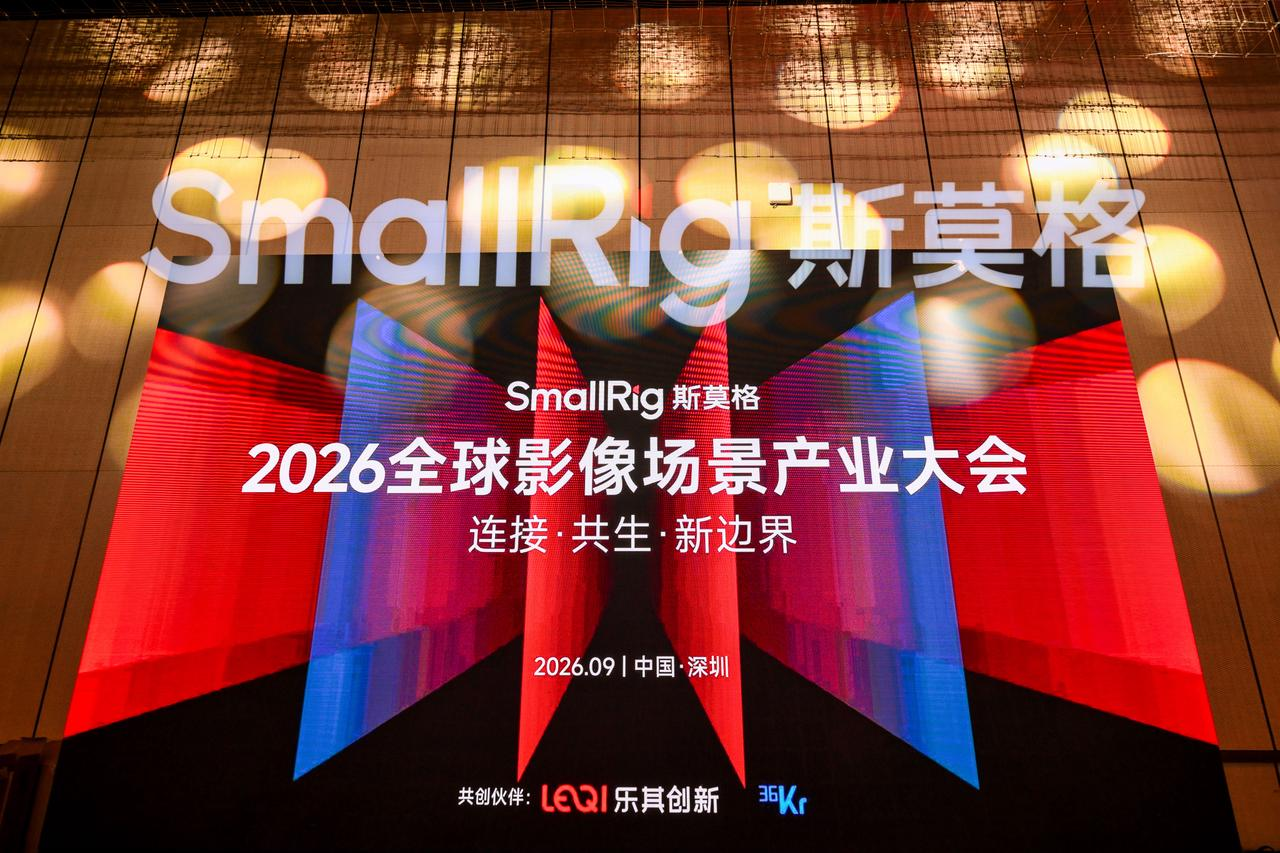
SmallRig斯莫格第三届全球影像场景产业大会(2026)影像场景产品·文创场


01 走进千行百业、挖掘生态增量,影像场景产业迎来“最好时代”

在大会现场,SmallRig斯莫格公布了最新业务数据:过去五年,公司保持约30%的年均复合增速。在企业自身持续创新之外,这一增长也与影像场景不断扩容的行业趋势密切相关。

乐其创新SmallRig创始人、CEO周阳在致辞中表示,专业级影像市场正在与大众影像市场叠加发展,影像场景行业正在迎来一个“最好的时代”:拍摄设备、器材及软硬件工具进入更快的创新周期,也吸引更多生产要素和创新活动进入影像场景产业。

在他看来,“没有场景大发展,就没有行业大发展;没有大的行业,就没有大的企业;没有生产力大爆发,就没有规模化的价值创造”。
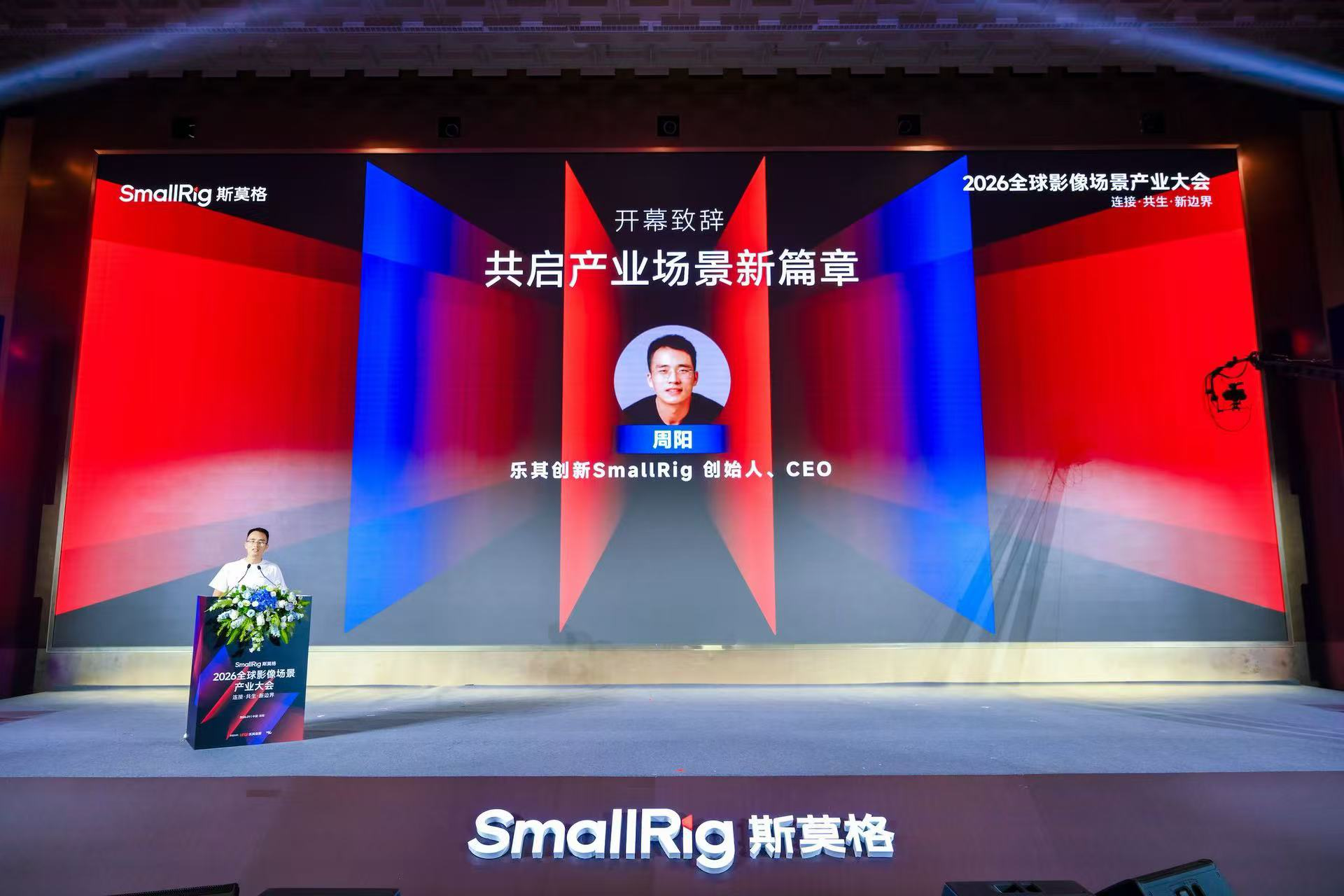
乐其创新SmallRig创始人、CEO周阳在SmallRig斯莫格第三届全球影像场景产业大会上开幕致辞

过去,影像硬件产品的进步往往围绕画质、性能和参数展开;如今,骑行、直播、短剧、航天记录乃至机器视觉等新需求,开始反向推动产品形态和工作流程变化。创作者在什么环境中拍摄、如何移动、怎样完成收音与传输,以及设备能否在复杂甚至极端条件下稳定工作,都正在成为产品定义的一部分。

这意味着,随着全民影像加速普及、创作需求持续迭代、应用场景不断细分,影像硬件行业的定义逻辑正在发生变化:从过去围绕设备展开,逐渐转向围绕场景展开。

由此,下一轮竞争的关键,也不只是下一代设备将以何种形态出现,而是谁能够更早进入真实场景,识别尚未被满足的需求,并将技术转化为真正被使用的产品。
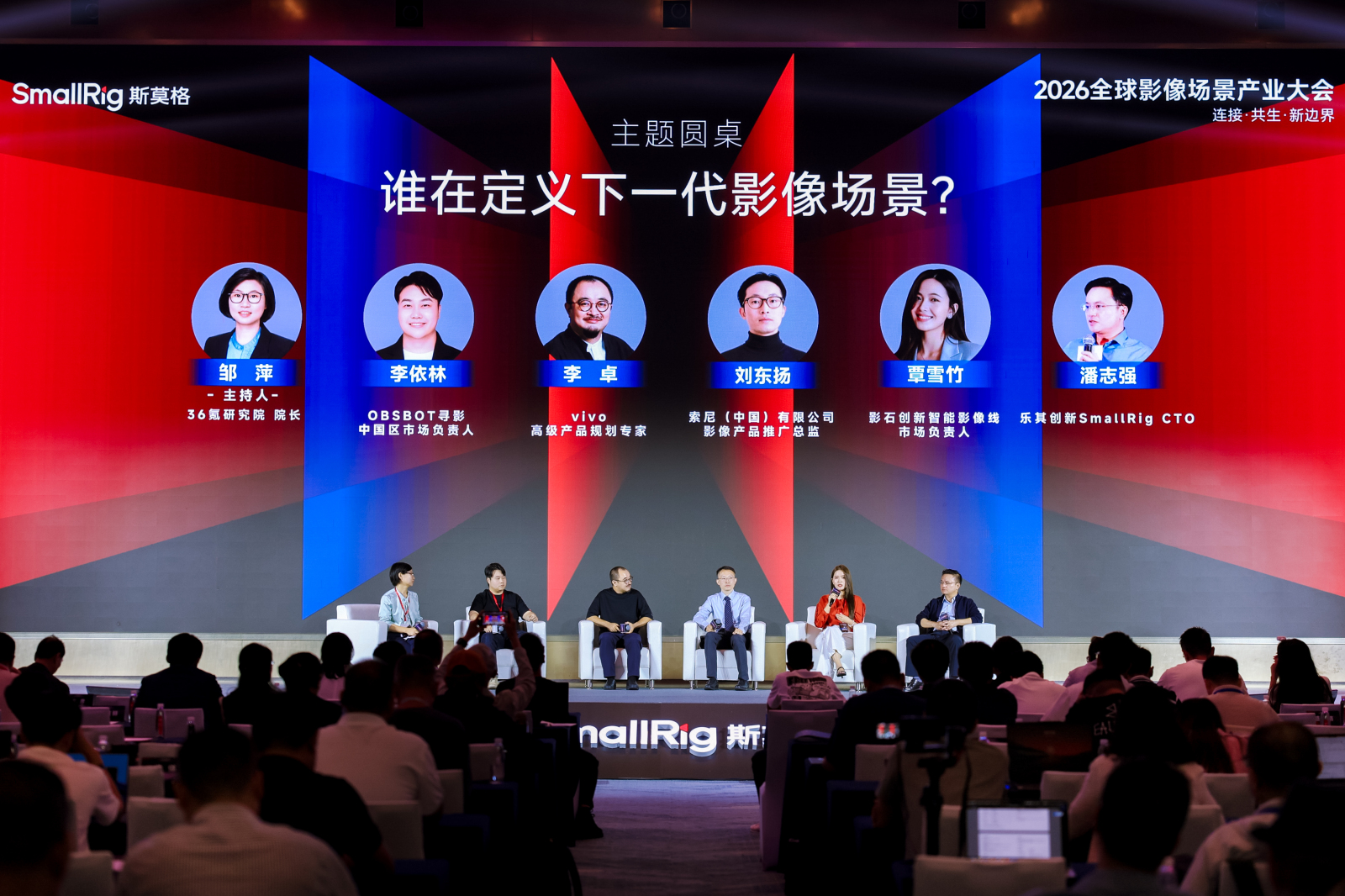
SmallRig斯莫格第三届全球影像场景产业大会:《谁在定义下一代影像场景?》主旨圆桌

中国文联副主席、中国摄影家协会主席李舸的书面致辞中也指出,影像场景产业正在从以技术迭代、设备更新和市场博弈为主的单一增长模式,进入由场景创新、跨界融合、生态共生和全域扩容共同推动的新增长周期。

“过去理解的主机、配件、设备未来还要发生很多品类的变化,还有产业服务的变化,未来这个赛道的容量不是过去的经验、不是过去的实践可以定义的”。李舸坦言,真正定义产业未来的,不是旧业态的存量,而是新生态的增量;不是头部企业的规模,而是能吸纳多少跨界主体、新生力量、创新赛道入局;也是能否激发全民创造力的释放、行业规则的重构。

“我对未来五年发展仍然充满信心和憧憬。尤其是专业级影像制作向轻量化制作的转移、影像拍摄产品由工具化向消费级的下沉等趋势尤其值得关注;影像设备能否走进千行百业,乃至于进入工业、农业等应用场景,正是我们要探讨的问题。”周阳乐观表示。


02 跳出传统行业视野之外:“新物种”大量涌现,影像辅助设备放量增长

在大会现场,乐其创新SmallRig创始人、CEO周阳与联合创始人高海燕共同发布《SmallRig斯莫格-全球影像场景TOP12报告》,梳理了当下影像创作领域最具活力和发展潜能的场景。
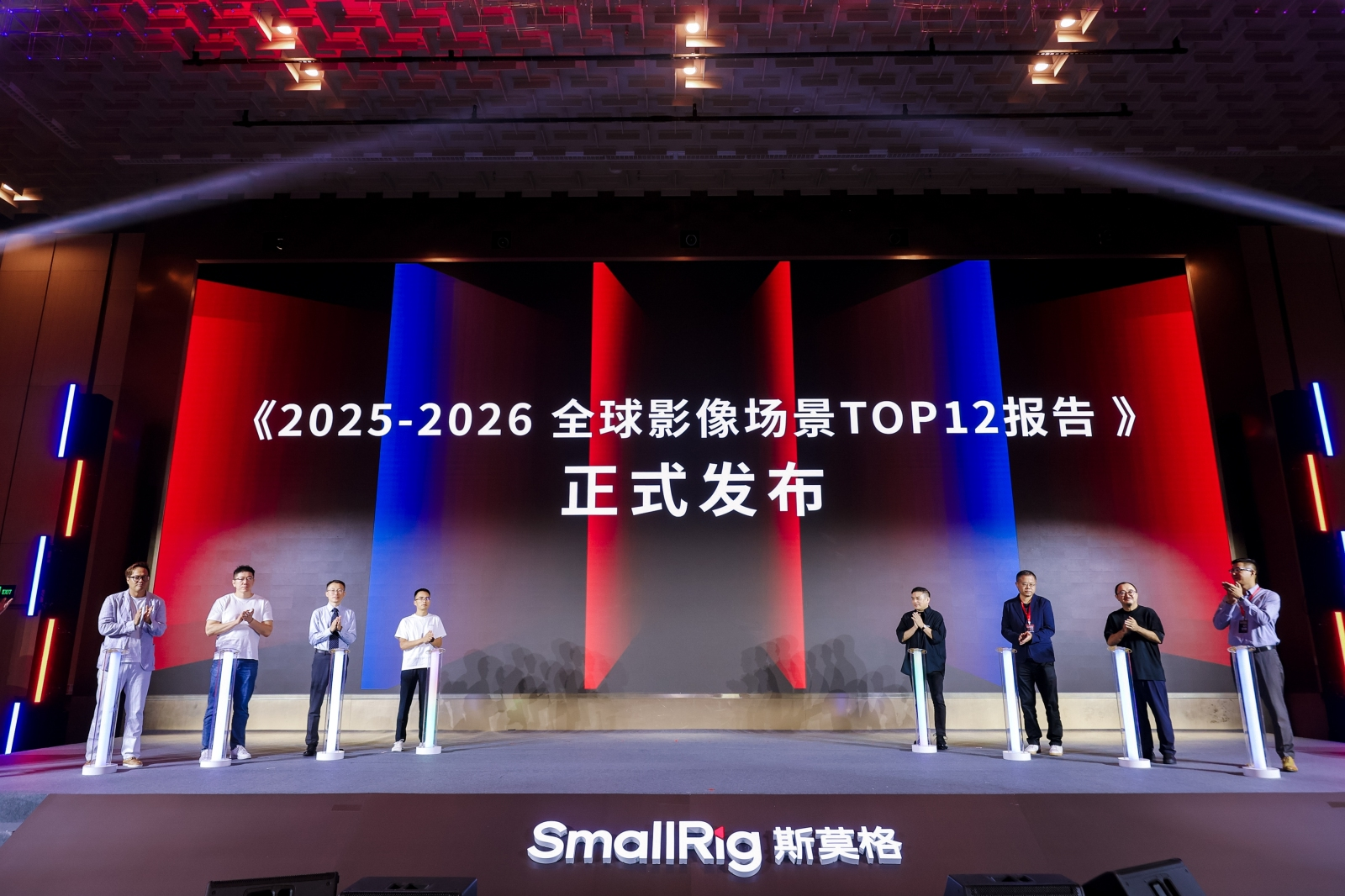
2026全球影像场景产业大会发布《SmallRig斯莫格-全球影像场景TOP12报告》

该报告将生活记录、即时直播、非遗民俗、休闲运动、极限运动、兴趣圈层、演出现场、故事演绎、微短剧、公益纪实、生态摄影和特种影像12个正在发生的创作场景纳入年度观察,并提炼出“手机电影”“专业机构下沉”“创作者全民化”“AI影像创作”四个年度关键词。

报告援引数据显示,截至2024年末,我国短视频创作者账号规模已达16.2亿个,日均上线短视频超过1.3亿条。与此同时,36氪研究院发布的《2026年中国影像场景研究》从产业端给出了另一组判断:未来五年将成为国内影像硬件市场规模化放量的“机遇窗口期”——特别是周边设备的预计增速达到9.2%,快于主机设备。

而影像创作人群和场景的不断扩张,也正在把影像场景产业带向传统行业之外。

一个明显的变化是,产品不再只是先形成一套固定能力,再寻找对应的使用方式;越来越多真实场景中的需求,开始更早进入产品研发和验证环节。光子跃迁、蓝箭航天、Hypershell(极壳)等企业,正尝试将影像设备与AI、航天发射、外骨骼等技术和应用场景结合,探索更多影像场景产业的交叉地带。
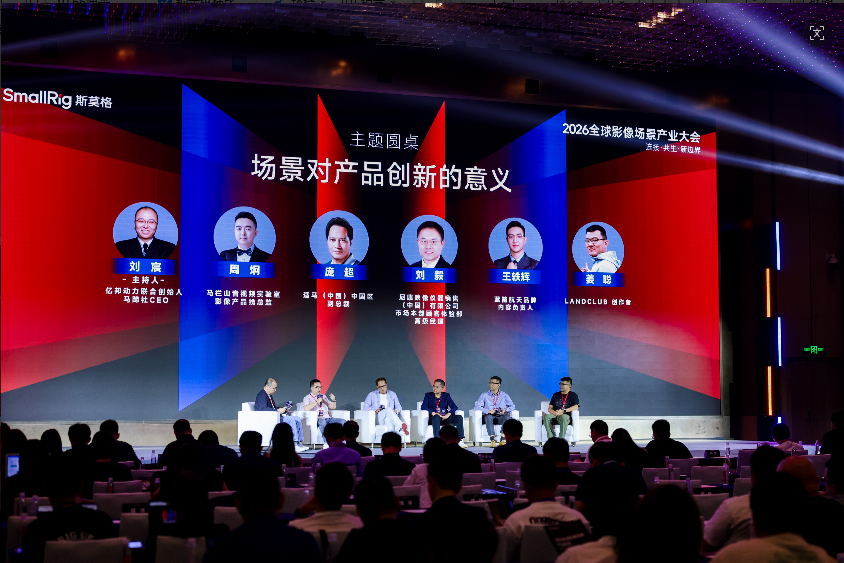
SmallRig斯莫格第三届全球影像场景产业大会:《场景对产品创新的意义》主旨圆桌

在光子跃迁总裁袁谦看来,AI正在改变相机的能力边界。

“我们希望影像和AI结合。”袁谦表示,过去影像设备更多围绕画质提升、成片质量优化展开,但在AI加持下,相机可以进一步从“拍到东西”走向“理解东西”。

“这是我们重要的研发导向。过去的相机,是人带着自己的大脑去构图、创作;接下来,我们只需要给相机一个指令,相机就能自行构图、进行优化、完成后期处理。”袁谦谈道。

AI带来的变化,也不仅发生在设备功能层面,还可能改变影像设备与使用者之间的交互关系。

“我们之前认为影像产品是工具,未来所有的影像设备则是用户的伙伴。”袁谦表示,希望借助AI跨越、弥补普通用户与专业摄影师之间的认知和审美鸿沟,解决“普通用户拿到好设备也拍不出好东西”的问题。

如果说AI是在延伸影像设备的“认知能力”,外骨骼则试图进一步突破创作者自身的身体边界。
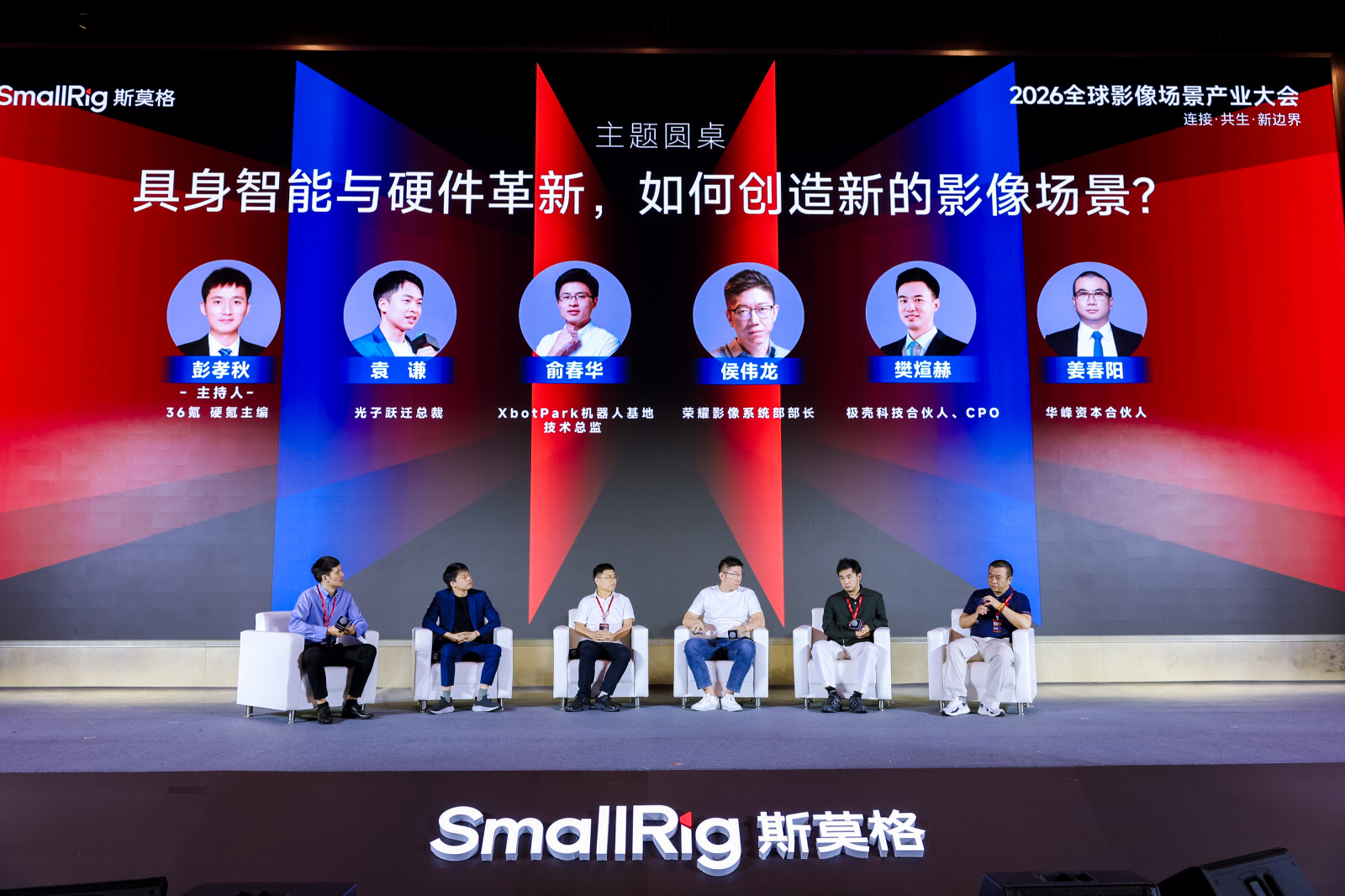
《具身智能与硬件革新,如何创作心得影像场景?》主旨圆桌

极壳科技合伙人、CPO樊煊赫表示,作为消费级外骨骼品牌,极壳与影像场景行业的连接同样来自用户在真实场景中的需求。

“我们发现很多户外摄影师,都是在极限环境里记录最珍贵的时刻。从某种程度上来说,对于摄影创作者来说,真正的硬件是自己的身体。”樊煊赫表示,一些经验丰富、具有艺术品味的创作者,随着年龄增长和行动力下降,可能无法再抵达最合适的取景位置、贯彻自己的创意灵感。

“人本体的精力、体力、创造力,对于创作的状态影响很大。我们做的一件事,是用外骨骼和人工智能的力量帮助创作者贯彻意志,去探索影像艺术——对外骨骼行业来说,这是一个与影像硬件行业很好的结合场景。”他指出。


03 开放共创,成为影像场景生态的长期命题

技术从来不会自发生长为成熟场景。一项技术能否真正落地,往往不只取决于它有多先进,更取决于能否与真实需求相遇。如今,新一轮生产力正在寻找应用出口,而不断涌现的新影像场景,正在成为承接技术与生产力转移的重要载体。

但从技术走向产品、从产品走向规模化应用,中间仍隔着一段不短的距离。对于不少拥有技术和创意的创业团队而言,如何完成从概念验证到产品量产,再到真实场景应用的需求验证,往往是商业化过程中最难跨越的一道门槛。在这一过程中,需求侧的参与尤为重要。

作为国内影像设备领域的“大甲方”代表,湖南广播影视集团有限公司技术调度中心拓展部经理龙洪亮表示,广电影像设备迭代较快,需求量也较大。“原来广电属于专业口,跟消费级设备的边界比较明显,但随着C端产品与技术越来越先进,市场也在倒逼B端采用一些轻量化、消费类、采用AI技术的新型设备。”
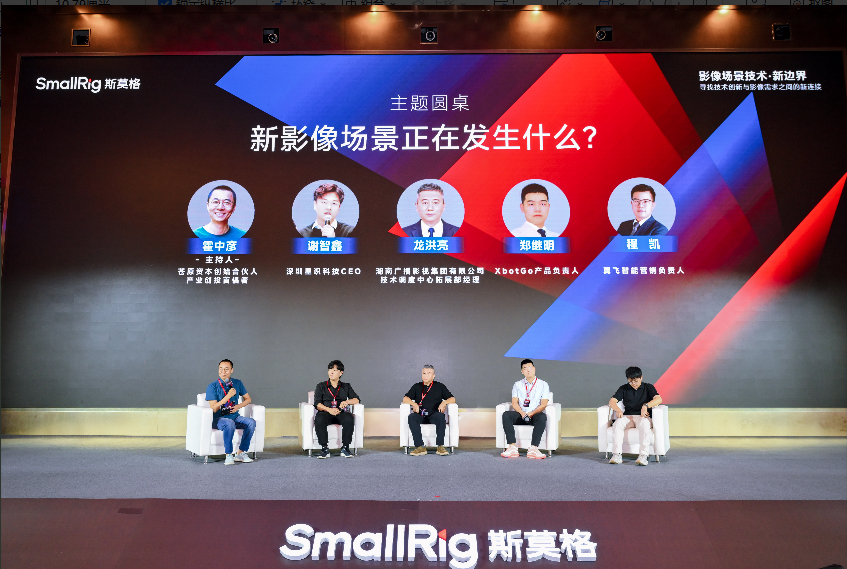
《新影像场景正在发生什么?》主题圆桌

在他看来,影像硬件行业的快速发展,也正在反向改变B端应用侧的使用习惯。对于需求方而言,技术先进只是第一步,更重要的是能否进入真实业务场景,并经受住规模化应用的检验。

“未来三年,我更希望不光有更多新的硬件影像设备出现,更主要是把新的技术通过应用方、甲方,跟厂商共生、共建、共同进步,共同把产品迭代,把好的技术行稳致远、落到实处。”龙洪亮坦言,“不止局限于技术有多么先进,我们作为B端需求侧,还关注新型硬件能否大规模应用落地,并且保障安全性、稳定性。”

事实上,对于影像场景创新而言,单一企业很难一开始就顺利取得市场信任、自我造血。每个白手起家的创业者,都深悉一个商业化项目从零到一的种种不易。

尤其对于势单力薄的初创研发型企业来说,在技术储备之外,生产制造、市场推广、销售渠道、资金链保障都是必须直面的现实问题。许多拥有创意与热情的创业团队,都因资源不足而半途折戟。

如何让更多创新想法跨过从“0到1”的门槛,已然成为全行业共同面对的问题。

针对这一痛点,乐其创新SmallRig提出整合生产要素与创新资源,打造一个“达则兼济”的产业协同、产品共创机制,让行业内的更多创新潜能被激活。
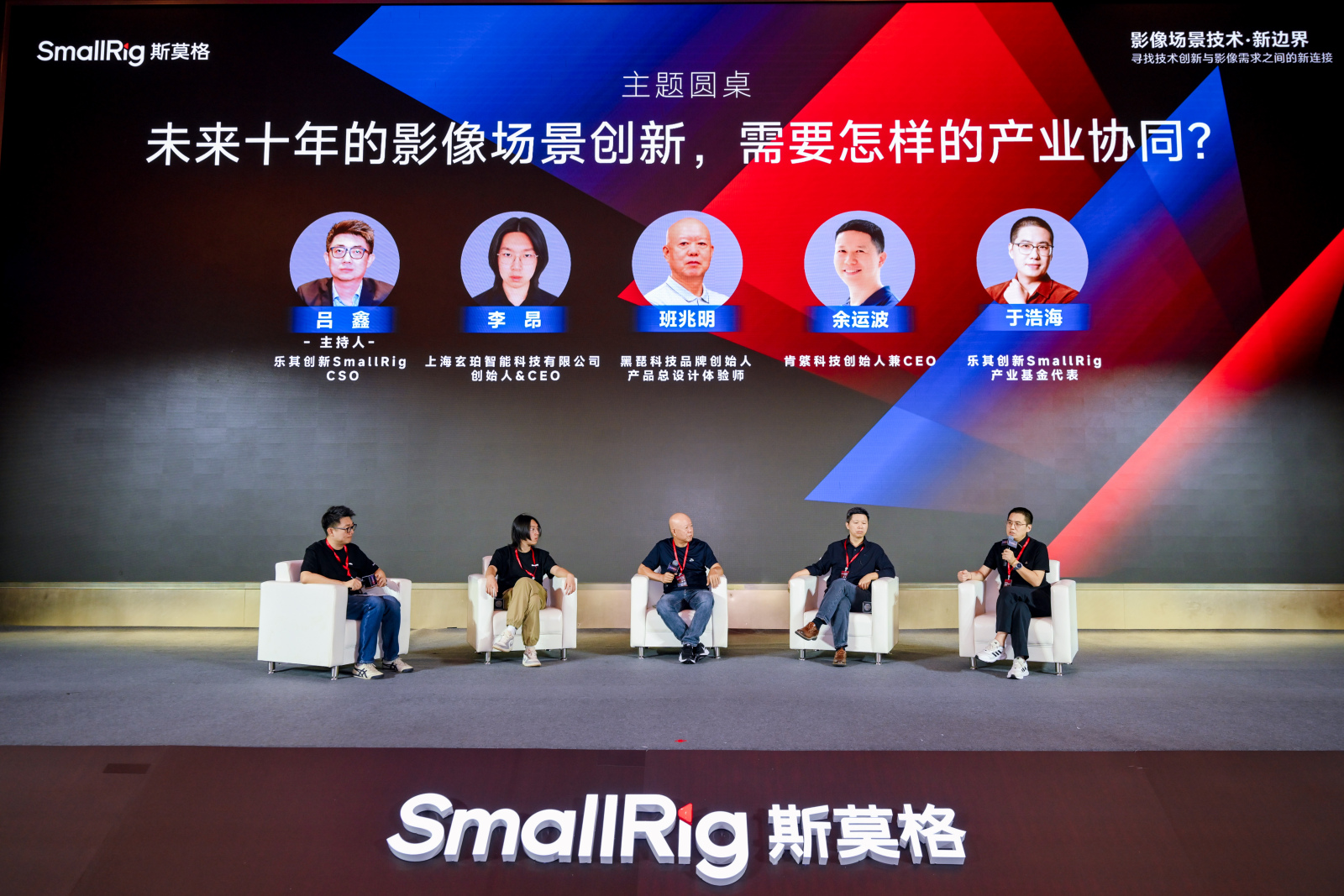
《未来十年的影像场景创新,需要怎样的产业协同》主题圆桌

“乐其创新愿意把我们的基础资源、设施开放出来,与有想法、有技术的行业伙伴一起发展。”周阳表示,乐其创新SmallRig将继续以开放和共创连接用户、产业伙伴与创作者:面向研发主体开放从概念验证、中试、打样到量产的供应链能力;通过品牌DTC平台支持产品验证、联合营销和预售;同时以天使基金、产业基金连接创新项目。

从研发、供应链到市场和资本,这套机制试图补足创新项目跑通盈利模式过程中的短板。“总体上,我们希望为所有面向影像场景进行创新创造的主体,营造一个更加友好的产业环境和便利的创新生态。”周阳说。
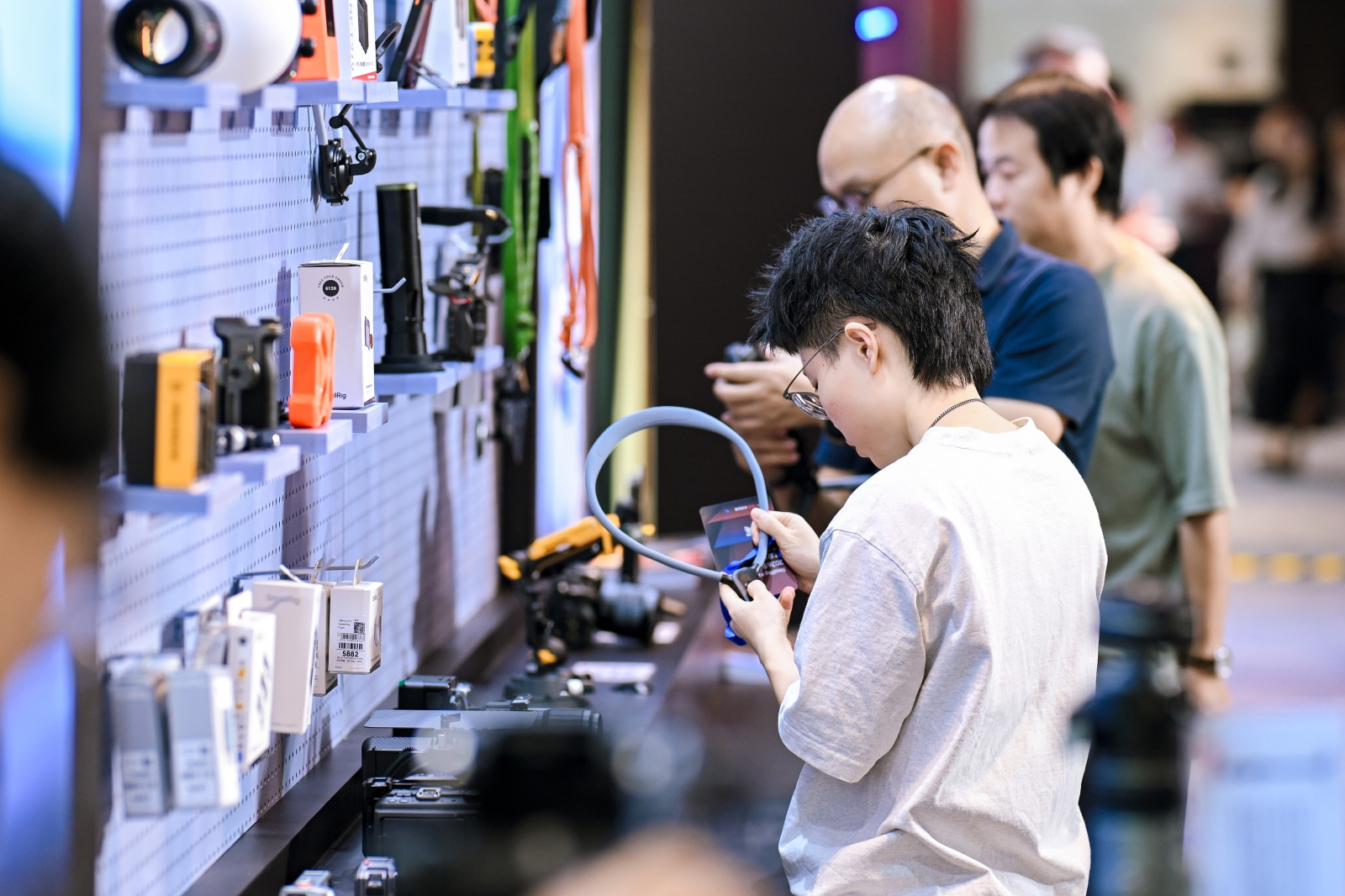
SmallRig斯莫格第三届全球影像场景产业大会(2026)产品展示区

据悉,乐其创新SmallRig被誉为全球影像场景产业的开创者和细分赛道的定义者。2023年底,乐其创新SmallRig正式提出并系统化定义“影像场景”产业赛道,同步将品牌定位升级为“全球影像场景创新产品制造商”,锚定场景化、生态化、全球化核心发展方向。


亿邦持续追踪报道该情报,如想了解更多与本文相关信息,请扫码关注作者微信。

本文首发于 亿邦动力 官方网站

【版权提示】亿邦动力倡导尊重与保护知识产权。未经许可,任何人不得复制、转载、或以其他方式使用本网站的内容。如发现本站文章存在版权问题,烦请提供版权疑问、身份证明、版权证明、联系方式等发邮件至run@ebrun.com,我们将及时沟通与处理。

已点赞

+1

{{ praise_text }}

好文章,值得被更多人看到

FAQ回顾

SmallRig斯莫格是做什么的?

SmallRig斯莫格(乐其创新)定位为全球影像场景创新产品制造商,被誉为全球影像场景产业的开创者。2023年底正式提出并系统化定义“影像场景”产业赛道,围绕内容生产、产品创新、商业验证和人才培养等环节,推动影像硬件行业从围绕设备转向围绕场景发展。过去五年公司保持约30%的年均复合增速。

影像场景产业有哪些新趋势?

影像场景产业正从单一技术增长进入由场景创新、跨界融合、生态共生推动的新增长周期。年度关键词包括“手机电影”“专业机构下沉”“创作者全民化”“AI影像创作”;同时影像设备与AI、航天、外骨骼等技术和应用场景结合,出现光子跃迁、蓝箭航天、极壳科技等跨界探索,周边设备增速预计快于主机设备。

AI对影像设备行业有什么影响?

AI正在改变相机的能力边界,使设备从“拍到东西”走向“理解东西”。用户只需给相机指令,相机即可自行构图、优化和完成后期处理。未来影像设备将从工具变为用户的伙伴,借助AI弥补普通用户与专业摄影师之间的认知和审美鸿沟,解决普通用户用好设备也拍不出好作品的问题。

什么是全球影像场景产业大会?

全球影像场景产业大会由SmallRig斯莫格主办,2026年在深圳举行第三届,主题为“连接·共生·新边界”。大会围绕内容生产、产品创新、商业验证和人才培养等环节,聚焦影像硬件行业的场景变化以及新技术、新需求如何拓展产业边界,并发布了《SmallRig斯莫格-全球影像场景TOP12报告》。

影像设备市场未来几年增长前景如何?

根据36氪研究院《2026年中国影像场景研究》,未来五年是国内影像硬件市场规模化放量的“机遇窗口期”,其中周边设备预计增速达到9.2%,快于主机设备。影像创作人群和场景的持续扩张,正带动影像设备进入千行百业,包括工业、农业等应用场景。

广告

下一篇

跨境电商资源对接

《全球跨境电商服务商资源手册》第二期手册现已发布,触达更多资源,了解跨境服务商信息,欢迎点击链接下载。

了解详情

高端美妆零售巨头 向内容电商低头

曾手握美妆渠道大权的零售巨头,终于向内容电商平台抛出了橄榄枝,要到“别人的地盘”开店了。