• 亿邦公众号
    • APP下载

单店日单翻倍、复购暴涨8% 淘宝便利店湖南本地商家的蜕变转型之路

作者:龚作仁 文章来源:Laborer

2026-05-27 12:39

作者:龚作仁 文章来源:Laborer

2026-05-27 12:39

邦小白快读

EN
全文速览

本文核心分享了湖南本土仓店品牌淘淘购,在淘宝便利店赋能下成功转型即时零售的实操干货,整体经验可参考如下:

1. 当前即时零售行业已经发生变革,原来依靠白牌低价、粗放扩张的模式已经被淘汰,行业竞争转向品质比拼和精细化运营;

2. 淘淘购转型的核心做法分为三步:一是升级供应链,接入1688正规品牌货源,解决品控售后问题,扩充SKU满足全场景消费需求;二是接入翱象SAAS系统实现数字化精细管理,降低人力成本和库存损耗,可根据不同区域用户特征调整货盘;三是采用一城一策差异化扩张,依托平台流量和品牌背书打开新市场;

3. 转型后成果显著,新开10家店日均订单超此前70家自营店总和,复购提升7%-8%,人效达到150单/人/天,目前保持每月稳定新增2-3家门店的节奏。

本文为布局即时零售赛道的品牌商提供了消费趋势和运营方向的干货参考,核心内容如下:

1. 当前消费趋势变化:即时零售用户需求已经从“快”转向“好”,更加看重商品正品保障、品质稳定和完善售后,传统白牌低价内卷的市场空间已经消失,品质化品牌化是未来发展大方向;

2. 渠道建设机会:接入淘宝便利店生态可获得官方品牌背书和稳定自然流量,流量表现高出行业均值20%,还能依托官方供应链体系降低品控售后风险,有效拉升客单价和盈利溢价空间;

3. 产品研发方向:需要根据不同商圈、不同区域的用户需求调整产品结构,比如高端社区推高货值刚需品,办公区匹配长尾百货,还要拓展生鲜品类补齐全场景服务缺口,满足用户多元化需求;

4. 长期竞争方向:要转向精细化运营沉淀用户,靠品质服务打造长期壁垒,而非盲目追求扩张速度。

本文给即时零售仓店卖家提供了可复制的转型经验和机会风险提示,核心干货如下:

1. 行业风险提示:传统白牌粗放经营模式已经逐步退出市场,品控差、售后纠纷多会严重影响门店口碑,低价内卷无法形成差异化优势,难以为继;

2. 增长机会提示:接入淘宝便利店生态可以获得官方正规供应链、品牌背书、稳定流量扶持,流量表现高出行业均值20%,还有区域专属官方补贴支持,转型门槛低,增长确定性强;

3. 可落地实操方法:一是升级供应链,接入正规源头货源控制品质,完善SKU结构匹配全场景需求;二是借助数字化SAAS系统实现精细化管理,降本提效,依托数据调整货盘、定价;三是跨区域扩张走一城一策路线,针对性加入本地特色品类快速打开市场;

4. 这套模式已经被验证可复制,能实现复购提升、降本增效,单店盈利稳定。

本文给对接即时零售赛道的工厂提供了需求变化和商业机会的参考,核心内容如下:

1. 产品生产需求变化:当前即时零售行业已经转向正品品质竞争,白牌劣质货品没有生存空间,用户对正品品牌货的需求持续提升,工厂需要推进品质化、品牌化升级,才能进入头部平台的正规供应链体系;

2. 商业合作机会:淘宝便利店的核心货源来自1688官方供应链,开放品牌工厂直供渠道,工厂可以直接对接门店端,去掉中间环节,获得稳定批量的出货渠道,降低渠道成本;

3. 设计方向启示:下游商家会依据不同区域、不同商圈的用户消费数据调整货盘,工厂可以结合这些消费洞察调整产品设计,针对性开发本地特色产品,能获得更高的动销率;

4. 新增量机会:当前即时零售门店正在拓展生鲜品类,补齐全场景服务,相关生鲜生产加工工厂也获得了新的增长空间。

本文给即时零售相关服务商梳理了行业痛点和发展方向,核心干货如下:

1. 行业发展趋势:即时零售已经从粗放扩张阶段进入精细化、数字化竞争阶段,传统针对仓店的粗放型服务已经无法匹配商家需求,商家对全链路的供应链服务、数字化运营服务需求大幅提升;

2. 商家核心痛点:传统仓店商家普遍存在供应链品控不稳定、售后纠纷多、人力成本高、库存积压严重、经营靠经验无数据支撑、同质化竞争严重缺乏差异化的痛点,亟待解决;

3. 解决方案方向:供应链服务端可整合品牌工厂、正规授权代理商资源,为商家提供保真、多品类的货源,同时配套完善售后体系;数字化服务端可开发类似翱象SAAS的系统,提供智能补货、排班、库存管理、消费趋势洞察等功能,帮助商家降本提效;

4. 市场机会:当前大量传统仓店都在推进转型,对配套的专业服务需求旺盛,市场增长空间较大。

本文给做即时零售的平台商提供了赋能商家、运营管理的可参考方向,核心内容如下:

1. 商家核心需求:传统仓店商家的核心需求是稳定的正规供应链、成熟的数字化工具、官方品牌背书、低成本的稳定流量,以此解决品控、降本、获客的核心问题;

2. 可复制的平台赋能做法:可整合上游正规供应链资源,给商家提供直采货源和统一售后保障;开放成熟的数字化SAAS系统,帮助商家实现全流程精细化管理,提升人效坪效;给合作商家提供官方品牌背书和稳定自然流量,同时可推出区域专属营销补贴,帮助商家快速打开区域市场;

3. 风向规避:不要引导商家盲目跑马圈地、低价内卷,要引导商家聚焦精细化运营和用户价值,打造长期竞争壁垒,避免行业陷入恶性价格竞争;

4. 招商方向:打造标准化可复制的商家盈利模型,像淘宝便利店一样吸引传统仓店商家转型入驻,能有效扩大平台商家规模。

本文给即时零售行业研究者提供了行业转型的新样本和新动向,核心干货如下:

1. 产业新动向:2026年即时零售行业进入深度迭代与结构性变革,行业竞争逻辑从早年的跑马圈地、规模扩张,彻底转向品质比拼、精细化运营与用户长效价值争夺,传统粗放白牌低价模式逐步退出历史舞台;

2. 创新商业模式验证:淘宝便利店赋能传统仓店的生态赋能模式已经得到实证,该模式整合了正规供应链、数字化工具、官方品牌流量,帮助传统商家完成标准化转型,淘淘打造的单店高效盈利、低损耗、高复购的经营模型,具备行业参考价值;

3. 行业竞争逻辑新变化:即时零售下半场的核心竞争壁垒,已经从原来的扩张速度和资金投入,转变为用户洞察的深度、精细运营的精度、品质服务的温度以及体系化作战的强度;

4. 研究启示:本文用实证数据验证了中小商家穿越行业周期的核心路径,即为依托平台标准化体系、深耕精细化运营、聚焦用户核心价值,为行业研究提供了鲜活样本。

声明:快读内容全程由AI生成,请注意甄别信息。如您发现问题,请发送邮件至 run@ebrun.com 。

我是 品牌商 卖家 工厂 服务商 平台商 研究者 帮我再读一遍。

Quick Summary

This article shares practical insights from Taotaogo, a Hunan-based local warehouse-store brand, on its successful transition to on-demand retail enabled by Taobao Convenience Stores. Key takeaways are as follows:

1. The on-demand retail industry has undergone a transformation. The old model of relying on generic low-price products and aggressive, low-effort expansion is obsolete. Competition has shifted to product quality and refined operations.

2. Taotaogo's transformation followed three core steps: First, it upgraded its supply chain by integrating official branded goods sources from 1688, solving quality control and after-sales issues while expanding SKUs to meet full-scenario consumer demand. Second, it adopted the Aoxiang SaaS system to enable data-driven refined management, cutting labor costs and inventory shrinkage while allowing inventory adjustments based on user characteristics in different regions. Third, it pursued differentiated expansion with region-specific strategies, leveraging platform traffic and brand endorsement to enter new markets.

3. The transformation delivered strong results: Newly opened 10 stores now generate more daily orders than Taotaogo's previous 70 self-operated stores combined. Repurchase rates have increased by 7-8%, labor productivity reaches 150 orders per employee per day, and the chain maintains stable growth of 2-3 new stores monthly.

This article provides actionable insights into consumer trends and operational directions for brands looking to enter the on-demand retail track. Key takeaways are as follows:

1. Shifting consumer trends: On-demand retail users' demands have evolved from "speed" to "quality", with growing priority on authentic products, consistent quality and reliable after-sales service. The market for low-margin generic low-price products has disappeared, and quality branding is the core direction for future growth.

2. Channel development opportunities: Joining the Taobao Convenience Store ecosystem brings official brand endorsement, steady organic traffic that outperforms the industry average by 20%, and access to an official supply chain that reduces quality control and after-sales risks, effectively lifting average order value and profit margins.

3. Product R&D direction: Brands need to adjust product portfolios based on user demand across different business districts and regions: for example, high-value daily necessities for upscale residential areas, and a wide range of specialty goods for office districts. Brands should also expand fresh food categories to fill gaps in full-scenario services and meet diverse consumer needs.

4. Long-term competitive strategy: Brands should shift to refined operations to build user loyalty and create long-term competitive barriers through quality service, rather than pursuing blind expansion.

This article shares replicable transformation experience and risk and opportunity insights for on-demand retail warehouse-store sellers. Key takeaways are as follows:

1. Industry risk warning: The traditional low-effort generic product model is gradually exiting the market. Poor quality control and frequent after-sales disputes severely damage store reputation, while low-price price wars fail to build competitive differentiation and are unsustainable.

2. Growth opportunity: Joining the Taobao Convenience Store ecosystem gives sellers access to official formal supply chains, brand endorsement, stable traffic support that outperforms the industry average by 20%, and region-specific official subsidies, with low transformation barriers and strong growth certainty.

3. Actionable operational practices: First, upgrade your supply chain by accessing formal, direct-source goods to control quality and expand SKU structure to match full-scenario demand. Second, leverage digital SaaS systems to implement refined management, cut costs and boost efficiency, and adjust inventory and pricing based on data insights. Third, pursue cross-regional expansion with region-specific strategies, adding local specialty products to quickly penetrate new markets.

4. This model has been proven replicable, delivering higher repurchase rates, lower costs, higher efficiency, and stable single-store profitability.

This article outlines changing demand and new business opportunities for factories serving the on-demand retail sector. Key takeaways are as follows:

1. Changing product demand: The on-demand retail industry has shifted to competition based on authentic, quality products, and low-quality generic goods no longer have a market. Demand for authentic branded products continues to grow, so factories must pursue quality and brand upgrades to gain access to the formal supply chain systems of leading platforms.

2. Business cooperation opportunities: Core sourcing for Taobao Convenience Stores comes from the 1688 official supply chain, which opens a direct supply channel for branded factories. Factories can connect directly with store terminals, eliminating middlemen, securing stable bulk order channels, and reducing distribution costs.

3. Product design insights: Downstream merchants adjust their product portfolios based on consumer data across different regions and business districts. Factories can leverage these consumer insights to adjust product design and develop region-specific products, achieving higher inventory turnover.

4. New growth opportunities: As on-demand retail stores expand fresh food categories to complete their full-scenario service offerings, relevant fresh food production and processing factories have gained new room for growth.

This article outlines industry pain points and development directions for service providers serving the on-demand retail sector. Key takeaways are as follows:

1. Industry development trends: On-demand retail has evolved from a phase of aggressive expansion into an era of refined, data-driven competition. Traditional low-effort services for warehouse stores no longer meet merchant demand, and demand for end-to-end supply chain services and digital operation services has grown significantly.

2. Core merchant pain points: Traditional warehouse store merchants commonly face unstable supply chain quality control, frequent after-sales disputes, high labor costs, severe inventory overstock, experience-driven operations that lack data support, and homogeneous competition with no clear differentiation, all of which urgently need to be addressed.

3. Solution directions: On the supply chain service side, providers should integrate branded factories and officially authorized agents to offer merchants authentic, multi-category sourcing paired with a complete after-sales system. On the digital service side, developers can build systems similar to Aoxiang SaaS, with functions including smart replenishment, scheduling, inventory management and consumer trend insights to help merchants cut costs and improve efficiency.

4. Market opportunities: A large number of traditional warehouse stores are currently undergoing transformation, creating strong demand for supporting professional services and considerable room for market growth.

This article shares reference directions for merchant enablement and operational management for on-demand retail platform operators. Key takeaways are as follows:

1. Core merchant needs: Traditional warehouse store merchants' core needs are stable formal supply chains, mature digital tools, official brand endorsement, and low-cost steady traffic to solve their core challenges of quality control, cost reduction and customer acquisition.

2. Replicable platform enablement practices: Platforms can integrate upstream formal supply chain resources to provide merchants with direct-sourced goods and unified after-sales support; open mature digital SaaS systems to help merchants achieve end-to-end refined management and improve labor and space productivity; provide cooperating merchants with official brand endorsement and steady organic traffic, plus launch region-specific marketing subsidies to help merchants quickly penetrate local markets.

3. Risk avoidance: Platforms should not guide merchants to pursue blind aggressive expansion and low-price price wars. Instead, they should encourage merchants to focus on refined operations and user value to build long-term competitive barriers and prevent the industry from falling into destructive price competition.

4. Recruitment direction: By building a standardized, replicable profitability model for merchants, similar to Taobao Convenience Stores, platforms can attract traditional warehouse stores to transform and join, effectively expanding the platform's merchant base.

This article presents a new case study and new industry trends for researchers studying the on-demand retail industry's transformation. Key takeaways are as follows:

1. New industry dynamics: By 2026, the on-demand retail industry will enter a phase of deep iteration and structural change. The competitive logic has shifted completely from early-stage land grabs and scale expansion to quality competition, refined operations and competition for long-term user value, and the traditional low-effort generic low-price model is gradually exiting the market.

2. Validation of an innovative business model: Taobao Convenience Store's ecosystem enablement model, which empowers traditional warehouse stores by integrating formal supply chains, digital tools, and official brand traffic to help traditional merchants complete standardized transformation, has been empirically validated. Taotaogo's operating model, which delivers high single-store profitability, low inventory shrinkage and high repurchase rates, offers valuable industry reference.

3. New changes in competitive logic: In the second half of on-demand retail's development, core competitive barriers have shifted from expansion speed and capital investment to the depth of user insight, the precision of refined operations, the quality of customer service, and the strength of systematic operation.

4. Research implications: This article uses empirical data to validate the core path for small and medium-sized merchants to navigate the industry cycle, which is to rely on platform standardization systems, focus on refined operations, and prioritize core user value, providing a vivid case study for industry research.

Disclaimer: The "Quick Summary" content is entirely generated by AI. Please exercise discretion when interpreting the information. For issues or corrections, please email run@ebrun.com .

I am a Brand Seller Factory Service Provider Marketplace Seller Researcher Read it again.

2026年,即时零售行业迎来深度迭代与结构性变革。曾经依靠白牌货源、低价内卷、粗放扩张的仓店经营模式逐步退出历史舞台,行业竞争逻辑发生根本性转变。从跑马圈地、规模扩张,转向品质比拼、精细化运营与用户长效价值的争夺。

在这场行业转型升级浪潮中,湖南本土仓店商家淘淘购给出了可落地、可复制的行业答案。短短数月,在淘宝便利店商业模式的赋能下,新开出的10家淘宝便利店日均订单达到近500单,已远超其过往自营70余家仓店的日均订单总和。通过打造高效、稳健的增长模型,淘淘购已成为当地即时零售行业商家发展的标杆样本。

依托平台全线升级供应链,用正品好货留住顾客

深耕仓店赛道多年,淘淘购创始人曾强对行业早期粗放模式的痛点有着深刻体会。早期仓店行业中的多数商家货盘都以白牌为主,货源杂乱、品控缺失、无品牌背书,市场普遍陷入低价内卷。

粗放式货源结构不仅难以形成差异化优势,更带来大量售后隐患,电器故障、商品质量问题、用户摔伤纠纷等事件频发,影响门店口碑与长期经营稳定性。

而伴随消费持续升级,用户对即时零售的需求从“快”转向“好”,更加看重商品正品保障、品质稳定性与完善的售后服务,传统仓店模式已无法匹配新时代消费需求。

接入淘宝便利店体系后,淘淘购率先启动供应链全面迭代升级,全线接入1688官方正规供应链,所有商品直采品牌工厂或一级授权代理商货源,从源头杜绝三无产品、劣质白牌货品流入门店。同时依托平台成熟完善的售后保障体系,门店彻底摆脱繁杂的纠纷处理压力,大幅降低经营风险,让运营回归服务本质。
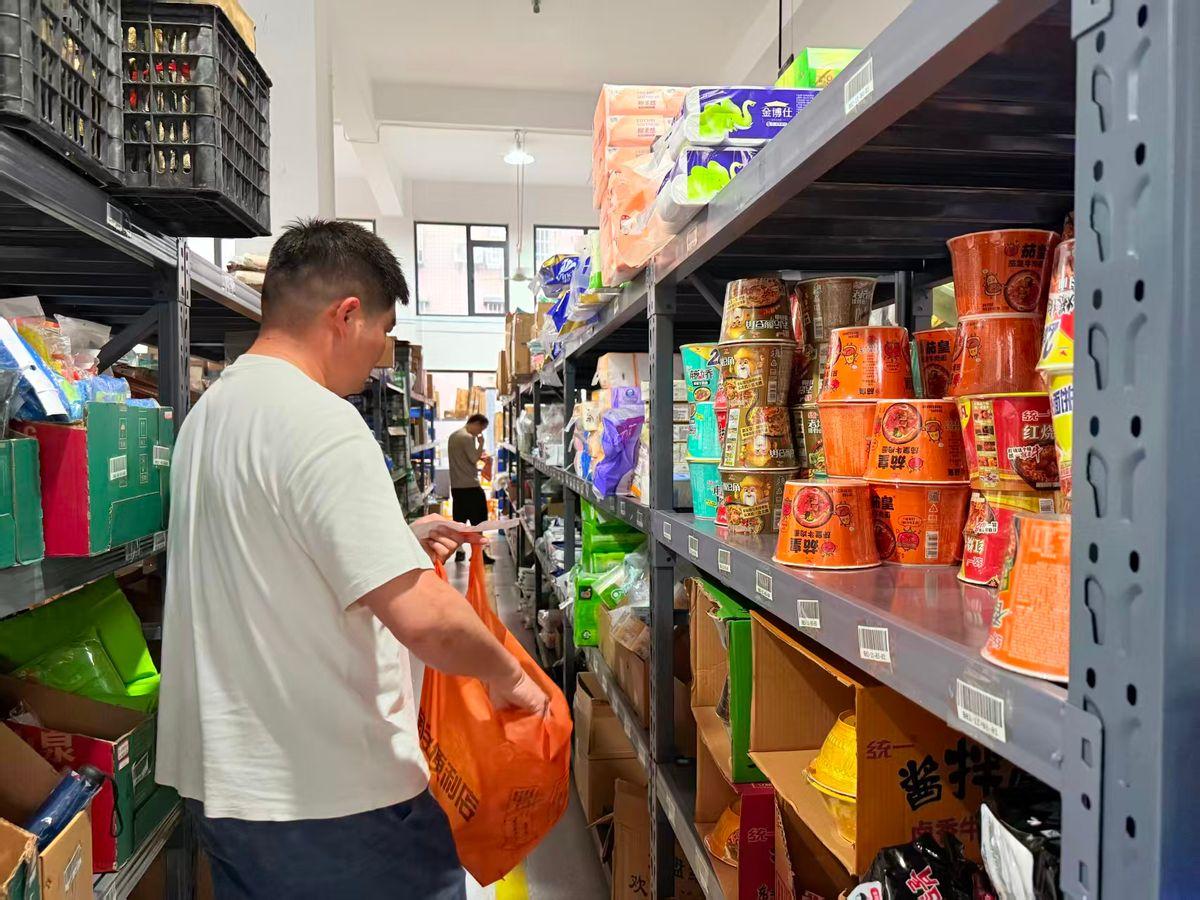
1688的优质供应链体系带来了商品品质、丰富度、性价比、售后的多维度提升。淘淘购门店三级类目从900个提升至1000个,全品类SKU总量突破10000个,商品结构日趋完善,能够更好的适配家庭的全场景消费需求。

在货盘引入和调整后,淘淘购的用户复购率稳定提升至7%-8%,整体商品周动销率提升近10个百分点,高毛利百货品类周动销率提升近5个百分点。通过正品好货与稳定服务体验,淘淘购成功沉淀忠实用户群体,形成复购、留存、口碑推荐的正向经营循环。

借由数字化实现精细管理,重构人效与坪效

过去仓店经营依赖人工经验,极易造成高成本与库存积压。接入翱象SAAS系统后,淘淘购真正实现了全流程的标准化与精细化管理。

过去10家门店补货需3至4人全职负责,如今依托系统智能补货,1人就可以完成全部门店的采购。”曾强介绍道。依托系统对客流、订单峰值及动销数据的精准捕捉,门店不仅能动态调整排班以优化人力,还能通过智能补货建议和短保临期提醒,利用促销手段盘活库存,大幅降低损耗。

数字化精细化运营,为淘淘购的经营效能带来了质的飞跃。系统通过专属编码实现上万SKU的有序管理,并依据动销数据自动优化仓储陈列,将高动销商品精准布局在最优拣货位,全面提升了订单履约效率。得益于此,上线四个月内,品牌门店月度交易规模新增700万元,整体人效达到150单/人/天。

此外,借助数字化能力捕捉消费趋势,商家实现了货盘的精准匹配。例如高端社区门店聚焦晚间8点至10点的高峰期,主打品牌小家电与大容量纸品等高货值刚需品;而电视台及文创园区周边门店,则针对主播与文创从业者的特征,让服装配饰、拍摄器材等长尾百货实现了更高的动销率。
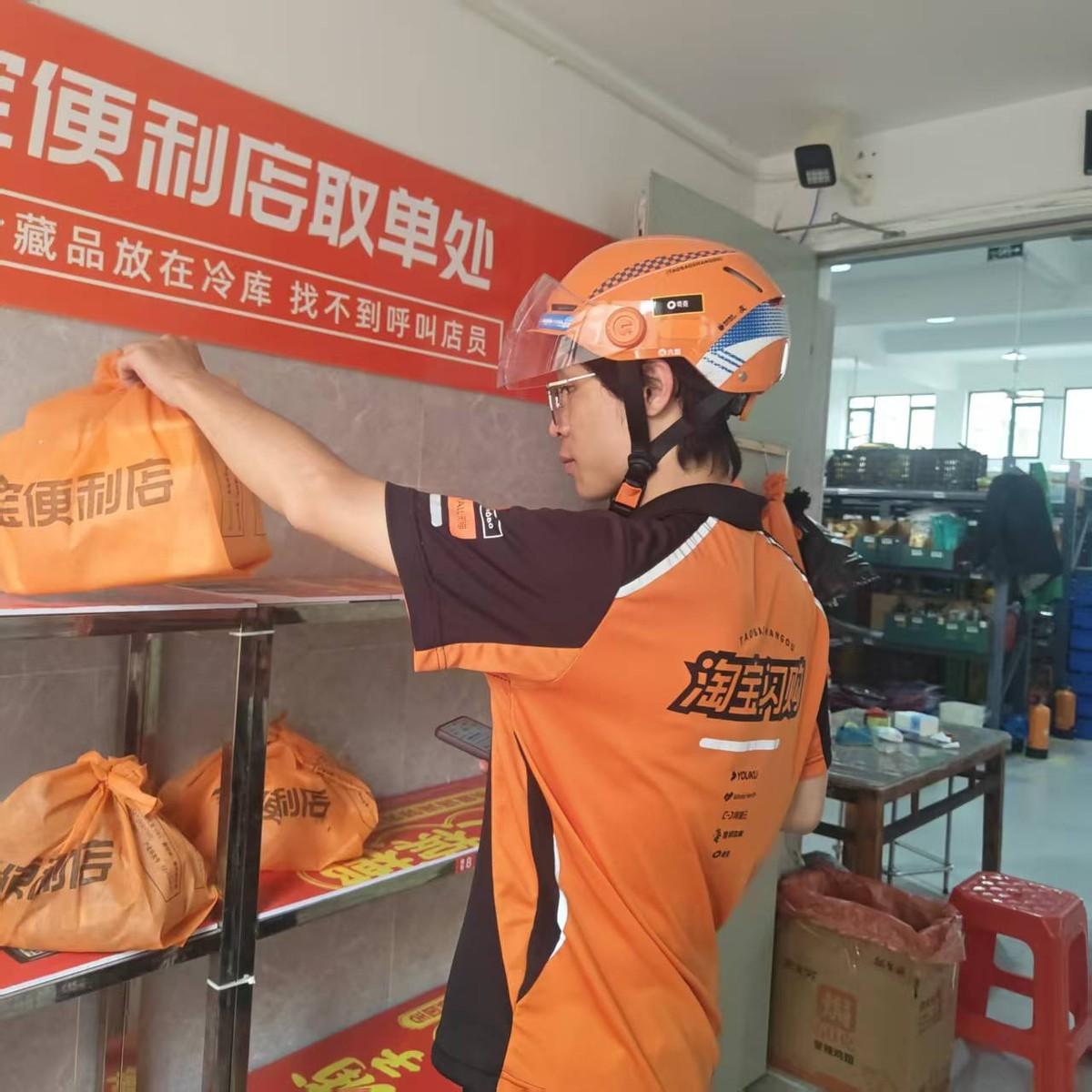
“过去经营靠经验碰运气,现在经营靠数据做决策。”曾强表示,通过翱象SAAS系统,可实时查看城市大盘消费趋势、区域客单价、用户需求偏好、主流定价区间等核心数据,针对不同小区、不同商圈、不同城市灵活调整货盘、定价与起送门槛,实现精细化、定制化运营。

“一城一策”差异化运营,扎实构筑长期竞争壁垒

在完成长沙核心商圈、高端社区及办公集群的高密度覆盖后,淘淘购稳步开启跨区域扩张,布局湖北黄石、江西新余等城市。

不同于行业的简单复制,淘淘购坚持“一城一策”的差异化运营,例如针对湖北黄石市场,精准上线本地热销的绿豆糕等特色品类,快速打开市场。同时,依托平台供应链与官方补贴优势,定期开展特定城市的专属营销,以高性价比单品引流,带动全店销量形成良性循环。

谈及未来的战略蓝图,曾强显得笃定而清晰。他表示,今年淘淘购将继续做深、做透湖南本土市场,同步布局湖北、江西等城市外,进一步周边城市逐步辐射。在产品策略上,门店还将新增生鲜品类板块,补齐社区即时零售的最后一块拼图,通过完善全品类服务能力,全方位满足居民“一日三餐”及日常生活的多元化消费需求。

对于这一系列高效打法的背后支撑,曾强有着深刻的认知。他认为,淘宝闪购为仓店商家提供了极其宝贵的稳定自然流量加持,其客流优势显著,整体表现高出行业均值20%。加之“淘宝便利店”官方品牌的强力背书,不仅帮助门店快速沉淀了一批追求品质的高价值用户群体,更有效拉升了整体客单价与盈利空间,让商家在激烈的市场竞争中拥有了更强的溢价能力。

“即时零售的下半场,拼的不再是激进的扩张速度和盲目的资金投入,而是极致的精细化运营能力和敏锐的用户需求洞察力。”曾强一针见血地指出,仓店行业已经彻底告别了那个靠胆量、靠运气、粗放发展的草莽阶段。赛道的核心竞争壁垒,已经全面转变为用户洞察的深度、精细运营的精度、品质服务的温度以及体系化作战的强度。

从过去粗放散乱、单打独斗的“游击队”式经营,蜕变为如今标准化、精细化、体系化的行业“正规军”,淘淘购的成功转型,正是依托于淘宝便利店完整的生态赋能、标准化的作战体系以及先进的数字化工具,从而完成了品牌商业模式的彻底重构。

目前,淘淘购正以每月2-3家门店的稳健节奏持续扩张。其打造的“单店高效盈利、低损耗、高复购”的经营模型,不仅为即时零售仓店赛道提供了一个极具参考价值的“湖南样本”,更用实打实的数据验证了一个行业真理:在数字化浪潮下,依托平台标准化体系、深耕精细化运营、聚焦用户核心价值,才是中小商家穿越行业周期、在不确定性中收获确定性增长的核心路径。

注:文/龚作仁,文章来源:Laborer,本文为作者独立观点,不代表亿邦动力立场。

【版权提示】亿邦动力倡导尊重与保护知识产权。未经许可,任何人不得复制、转载、或以其他方式使用本网站的内容。如发现本站文章存在版权问题,烦请提供版权疑问、身份证明、版权证明、联系方式等发邮件至run@ebrun.com,我们将及时沟通与处理。

已点赞

+1

{{ praise_text }}

好文章,值得被更多人看到

FAQ回顾

淘宝便利店如何帮助湖南淘淘购实现业绩增长?

通过接入1688官方供应链保障正品货源,并利用翱象SAAS系统实现数字化精细管理。新开10家淘宝便利店日均订单近500单,远超其过往70余家自营仓店总和,用户复购率提升至7%-8%。

淘淘购在数字化运营方面有哪些具体措施?

采用翱象SAAS系统实现智能补货与数据驱动决策。补货人力从3-4人减少至1人,整体人效达150单/人/天,并能依据动销数据自动优化仓储陈列,提升订单履约效率。

淘淘购的跨区域扩张策略是什么?

采取“一城一策”差异化运营,例如在湖北黄石上线本地热销的绿豆糕等特色品类。同时依托平台供应链与官方补贴优势,开展特定城市专属营销,以高性价比单品引流。

广告

下一篇

跨境电商资源对接

《全球跨境电商服务商资源手册》第二期手册现已发布,触达更多资源,了解跨境服务商信息,欢迎点击链接下载。

了解详情

“中国跨境电商发展与南南合作新机遇交流会”在联合国万国宫成功举办

5 月 13 日,“中国跨境电商发展与南南合作新机遇”主题交流会在联合国万国宫举办。各方交流中国跨境电商发展经验,探讨其赋能南南合作的路径,为深化合作搭建平台,助力全球跨境电商与南南合作发展。

跨境电商

2026-05-27 11:33:51