• 亿邦公众号
    • APP下载

入局不到一年就退出?韩妆品牌fwee暂停天猫店铺运营

作者:张从容 文章来源:亿邦动力

2024-12-23 14:37

作者:张从容 文章来源:亿邦动力

2024-12-23 14:37

邦小白快读

EN
全文速览

fwee品牌暂停天猫运营的要点

1. fwee在12月17日暂停天猫国际店铺销售,原因是内部经营系统调整,重启日期未定,淘宝App已无法搜索该店铺。2. 品牌仅在小红书有官方账号和304人的粉丝群,无抖音和微信官方账号,且小红书平台无官方店铺。3. 品牌曾于2024年4月进入中国市场,但8月出现产品脱盘问题,品牌进行了道歉、退换处理和产品加固。4. 背后公司BENOW INC成立于2018年,2023年销售额1145亿韩元,预计2024年达3000亿元,在全球14个国家出口产品。

其他相关事实

1. BENOW旗下其他品牌如numbuzin在天猫有店铺,产品登上热销榜,而fwee的退出显示市场挑战。2. 品牌进入中国市场不到一年就调整,反映实操中的风险和不确定性。

fwee在中国市场的运营教训

1. 品牌营销上,fwee通过小红书平台进入市场,但粉丝仅304人,显示用户粘性低,营销效果不佳。2. 品牌渠道建设依赖天猫国际,但突然暂停运营,暴露渠道单一风险;在微信和抖音无官方账号,降低多渠道曝光机会。3. 产品研发方面,首批产品脱盘问题导致品牌形象受损,需强化生产加固和质量控制,以防类似事件。4. 消费趋势显示,韩妆品牌进入中国市场有潜力,但fwee快速退出反映竞争激烈;旗下numbuzin产品登热销榜,说明某些品类仍受青睐。5. 用户行为观察表明,粉丝规模小暗示用户兴趣不足,与品牌首次进入的营销策略相关。

品牌表现和启示

1. BENOW公司2023年销售额1145亿韩元,预计2024年3000亿元,显示整体增长潜力,但fwee的失败提示品牌进入需本地化策略。2. 多品牌运营如numbuzin的成功可作为参考,强调产品差异化和市场适应的重要性。

fwee事件的风险与机会提示

1. 风险提示:fwee进入中国市场不到一年就退出,暴露快速扩张的隐患;品牌依赖单一渠道(天猫)导致运营中断,卖家需分散渠道以降低风险。2. 机会提示:BENOW旗下numbuzin产品登上天猫热销榜,显示进口美妆的增长市场;消费者对韩妆的需求仍在,但需定位精准,如脱盘问题后加固处理的可学习点。3. 事件应对措施:fwee针对产品问题发布道歉声明并进行退换,卖家可借鉴此及时响应方式维护品牌信誉。4. 消费需求变化:用户行为显示粉丝少但热销榜产品受欢迎,机会在于聚焦高质量单品;合作方式上,与平台如天猫国际建立稳定关系,避免fwee式退出。

商业模式和扶持政策洞察

1. 最新商业模式:BENOW多品牌战略中numbuzin成功,但fwee失败,提示卖家需评估市场适应度;平台招商应注重品牌稳定性。2. 政策解读:虽无直接政策,但退出事件揭示电商平台合规要求,卖家需关注渠道管理以避免类似问题。

产品生产和电商商业机会

1. 产品生产和设计需求:fwee产品脱盘问题源于运输多次,工厂需强化产品加固设计,如BENOW内部讨论的加固方案,以提升质量。2. 商业机会:BENOW在全球14个国家出口,显示国际市场需求;旗下numbuzin产品登热销榜,提示工厂可聚焦高潜力品类如安瓶精华。3. 推进数字化和电商的启示:fwee通过天猫和小红书进入中国,但退出暴露数字化渠道的挑战,工厂应多平台布局;BENOW的电商尝试(天猫海外旗舰店)提供案例,强调数字化测试的重要性。

生产教训和机会扩展

1. 问题处理启示:脱盘问题的退换机制,工厂可建立快速响应流程;销售预测3000亿元显示规模潜力,但fwee退出提示产品需本地化适配。2. 机会在于:BENOW的多品牌策略中其他品牌成功,工厂可探索合作或代工机会,尤其关注热销产品设计。

行业痛点和发展趋势

1. 客户痛点:fwee产品脱盘问题和渠道依赖天猫导致退出,揭示供应链问题和单一平台风险;品牌粉丝仅304人,显示用户获取难题。2. 解决方案:针对问题,BENOW进行退换处理和加固测试,服务商可提供质量监控和渠道优化方案;numbuzin的成功登榜,为其他品牌提供技术借鉴。3. 行业发展趋势:韩妆品牌快速进入和退出,反映市场波动;全球14国出口显示国际化趋势,但需本地化支持。4. 新技术启示:fwee通过小红书营销但效果有限,服务商可推动数字化工具如多渠道整合,解决用户行为分析不足问题。

服务机会和行业洞察

1. 趋势提示:品牌退出事件暴露服务痛点,服务商应开发风险管理和用户增长工具;BENOW销售额预测3000亿元,显示行业潜力,但需问题导向方案。2. 解决方案延伸:基于热销产品案例,服务商可优化产品测试流程,以预防类似脱盘问题。

平台需求和运营管理启示

1. 商业对平台的需求和问题:fwee暂停天猫运营,显示品牌对稳定渠道的需求;问题如产品脱盘导致平台形象风险,提示平台需强化商家质量管理。2. 平台的最新做法:天猫作为主要渠道,但店铺无法搜索,平台招商应审核品牌稳定性,避免fwee式退出;numbuzin登热销榜,平台可复制成功模式。3. 平台招商和运营管理:fwee进入不到一年退出,招商需谨慎筛选;运营上,平台应监控品牌表现,如粉丝数据,及时调整策略。4. 风向规避:退出事件提示风险,平台可建立预警机制;BENOW多品牌中numbuzin成功,平台可侧重扶持可靠品牌。

管理教训和机会

1. 需求扩展:品牌依赖单一平台暴露问题,平台商应提供多渠道支持;产品问题如脱盘,平台需协同商家优化供应链。2. 规避策略:基于退出案例,平台强化商家评估,同时利用热销数据提升招商吸引力。

产业动向和商业模式分析

1. 产业新动向:韩妆品牌fwee不到一年退出中国市场,反映国际品牌在华波动;BENOW旗下numbuzin产品登热销榜,显示进口美妆的局部成功。2. 新问题:产品脱盘事件暴露供应链风险,提示研究需关注质量问题;品牌快速进入和调整,揭示市场适应挑战。3. 商业模式:BENOW的多品牌策略(如fwee和numbuzin),fwee失败而numbuzin成功,提供差异化商业模式案例。4. 政策法规建议和启示:虽无直接政策,但退出事件提示合规管理需求;销售额预测3000亿元,呼吁研究电商法规对国际品牌的影响。

研究启示和案例

1. 动向扩展:全球14国出口数据,显示产业全球化趋势;用户行为如粉丝仅304人,提供市场接受度指标。2. 建议基础:基于问题处理(加固和退换),研究者可提出供应链优化建议;商业模式失败案例,启示市场准入策略需调整。

声明:快读内容全程由AI生成,请注意甄别信息。如您发现问题,请发送邮件至 run@ebrun.com 。

我是 品牌商 卖家 工厂 服务商 平台商 研究者 帮我再读一遍。

Quick Summary

Key points of fwee brand suspending Tmall operations

1. fwee suspended sales on its Tmall Global store on December 17 due to internal operational system adjustments, with no confirmed restart date; the store is no longer searchable on the Taobao app.

2. The brand only maintains an official account and a fan group of 304 members on Xiaohongshu, with no official presence on Douyin or WeChat, and no official store on Xiaohongshu.

3. fwee entered the Chinese market in April 2024 but faced product detachment issues in August, prompting an apology, refunds/replacements, and product reinforcement from the brand.

4. Its parent company, BENOW INC, founded in 2018, reported sales of 114.5 billion KRW in 2023 and projects 300 billion KRW for 2024, exporting products to 14 countries globally.

Other relevant facts

1. Other BENOW brands like numbuzin operate successfully on Tmall, with products ranking on bestseller lists, highlighting market challenges reflected in fwee's exit.

2. fwee's operational adjustment within a year of entering China underscores the risks and uncertainties in market execution.

Operational lessons from fwee's experience in the Chinese market

1. Marketing: fwee entered via Xiaohongshu but garnered only 304 fans, indicating low user engagement and ineffective outreach.

2. Channel strategy: Overreliance on Tmall Global led to operational disruption upon suspension; absence on Douyin and WeChat limited multi-channel exposure.

3. Product R&D: Initial product detachment issues damaged brand reputation, underscoring the need for reinforced production and quality control.

4. Consumer trends: While Korean beauty brands show potential in China, fwee's rapid exit reflects intense competition; numbuzin's bestseller status suggests certain categories remain popular.

5. User behavior: Small fan base hints at insufficient interest, linked to the brand's initial market-entry strategy.

Brand performance and implications

1. BENOW's 2023 sales of 114.5 billion KRW and 2024 projection of 300 billion KRW indicate growth potential, but fwee's failure emphasizes the need for localized strategies.

2. The success of multi-brand operations like numbuzin highlights the importance of product differentiation and market adaptation.

Risks and opportunities highlighted by the fwee incident

1. Risks: fwee's exit within a year exposes hazards of rapid expansion; reliance on a single channel (Tmall) caused operational halt, urging sellers to diversify channels.

2. Opportunities: BENOW's numbuzin ranking on Tmall's bestseller list shows growing demand for imported beauty; Korean cosmetics remain popular but require precise positioning, as seen in fwee's post-issue reinforcement.

3. Crisis response: fwee's apology and refund/replacement measures offer lessons in maintaining brand credibility through timely action.

4. Demand shifts: Low fan count but bestseller products suggest focusing on high-quality items; stable partnerships with platforms like Tmall Global can prevent abrupt exits.

Business model and policy insights

1. Model analysis: numbuzin's success versus fwee's failure under BENOW's multi-brand strategy underscores the need for market adaptability; platforms should prioritize brand stability in recruitment.

2. Policy interpretation: While no direct policies are involved, the exit reveals compliance demands, urging sellers to manage channels proactively.

Production and e-commerce opportunities

1. Production/design needs: fwee's product detachment issue stemmed from transit stress, necessitating reinforced designs like BENOW's internal加固方案 to enhance quality.

2. Business opportunities: BENOW's exports to 14 countries indicate global demand; numbuzin's bestseller status suggests factories focus on high-potential categories like ampoule serums.

3. Digital/e-commerce insights: fwee's entry via Tmall and Xiaohongshu, followed by exit, highlights channel challenges; factories should adopt multi-platform strategies, learning from BENOW's Tmall Global store case.

Production lessons and opportunity expansion

1. Issue handling: fwee's refund/replacement mechanism demonstrates the need for rapid response protocols; sales projections of 300 billion KRW show scale potential, but exit signals require local product adaptation.

2. Opportunities: Success of other BENOW brands under multi-brand strategy opens avenues for factory partnerships or OEM work, especially for bestselling product designs.

Industry pain points and trends

1. Client pain points: fwee's product detachment and Tmall dependency reveal supply chain flaws and single-platform risks; mere 304 fans indicate user acquisition challenges.

2. Solutions: BENOW's refund/replacement and reinforcement testing suggest service providers offer quality control and channel optimization; numbuzin's success provides technical benchmarks.

3. Industry trends: Korean brands' rapid entry/exit reflects market volatility; exports to 14 countries show globalization but require localization support.

4. Tech insights: fwee's limited Xiaohongshu marketing efficacy calls for digital tools like multi-channel integration to address inadequate user behavior analysis.

Service opportunities and industry insights

1. Trend implications: Brand exits expose service gaps, urging providers to develop risk management and user growth tools; BENOW's 300 billion KRW projection indicates sector potential but problem-driven solutions are key.

2. Solution extension: Learning from bestselling cases, providers can refine product testing processes to prevent issues like detachment.

Platform demands and operational management insights

1. Merchant needs/issues: fwee's Tmall suspension highlights demand for stable channels; product detachment risks platform reputation, necessitating stricter merchant quality control.

2. Platform practices: Tmall's delisting of fwee's store suggests recruitment should vet brand stability to avoid abrupt exits; numbuzin's bestseller model can be replicated.

3. Recruitment/management: fwee's exit within a year calls for cautious merchant screening; platforms should monitor performance metrics like fan data for timely adjustments.

4. Risk mitigation: The exit underscores the need for early-warning systems; BENOW's numbuzin success points to prioritizing reliable brands.

Management lessons and opportunities

1. Demand expansion: Overreliance on single platforms exposes weaknesses; platforms should offer multi-channel support and collaborate on supply chain optimization for issues like detachment.

2. Mitigation strategies: Based on exit cases, platforms can strengthen merchant evaluation while leveraging bestselling data to enhance recruitment appeal.

Industry dynamics and business model analysis

1. New trends: fwee's exit from China within a year reflects volatility among international brands; BENOW's numbuzin making bestseller lists shows partial success in imported beauty.

2. Emerging issues: Product detachment exposes supply chain risks, urging research focus on quality; rapid market entry/exit reveals adaptation challenges.

3. Business models: BENOW's multi-brand strategy (fwee vs. numbuzin) offers a case study in differentiated approaches, with failure and success coexisting.

4. Policy implications: While no direct policies are cited, the exit highlights compliance needs; 300 billion KRW sales projections call for research on e-commerce regulations' impact on global brands.

Research implications and cases

1. Trend expansion: Exports to 14 countries indicate globalization; metrics like 304 fans serve as market acceptance indicators.

2. Recommendation basis: Post-issue handling (reinforcement, refunds) informs supply chain optimization proposals; failure cases advise adjusting market-entry strategies.

Disclaimer: The "Quick Summary" content is entirely generated by AI. Please exercise discretion when interpreting the information. For issues or corrections, please email run@ebrun.com .

I am a Brand Seller Factory Service Provider Marketplace Seller Researcher Read it again.

【亿邦原创】日前,韩国美妆品牌fwee在小红书上发布公告,称品牌将调整内部经营系统,于12月17日暂停天猫国际店铺销售,具体重启日期将另外告知。目前在淘宝App已无法搜索到fwee天猫海外旗舰店,该品牌在抖音、微信均无平台认证的官方账号,在小红书平台有官方账号,但没有官方店铺。
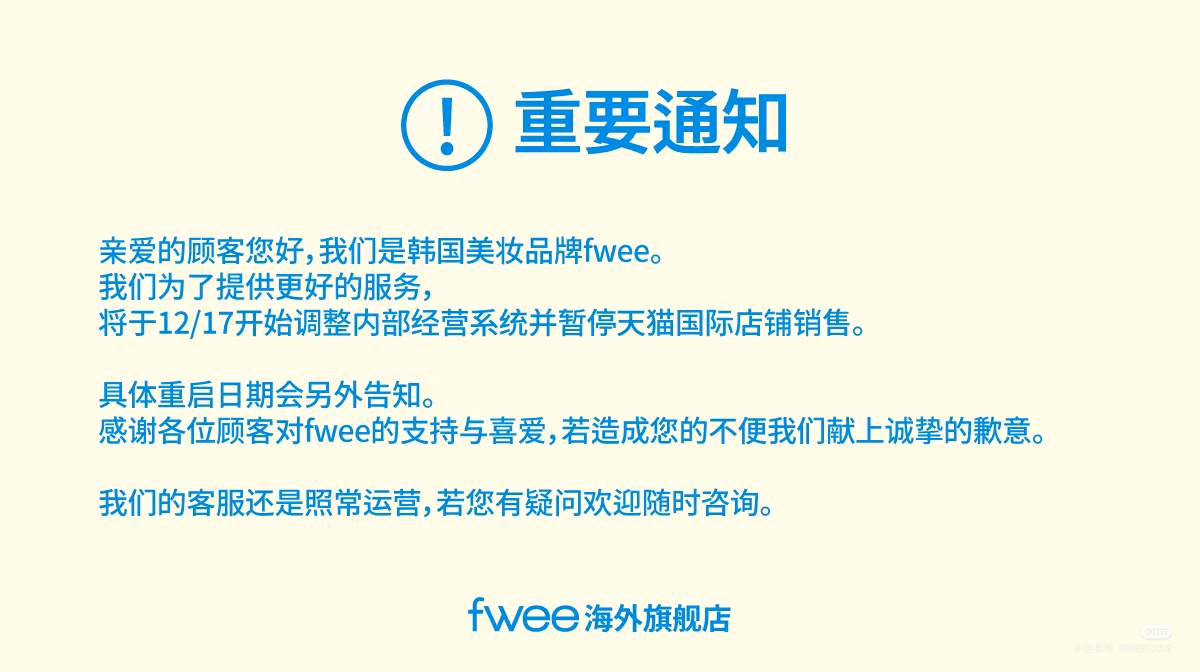
今年4月,fwee在品牌的小红书官号发布公告称,品牌于2024年正式进入中国,于4月19日发布第一条小红书动态。截至目前,该品牌官方粉丝群共有304人。

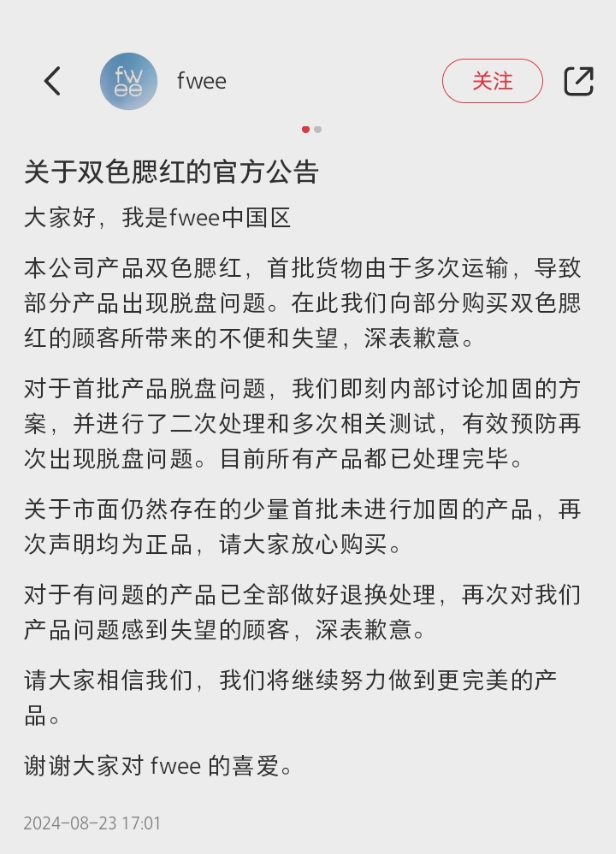
fwee曾在中国大陆市场出现过产品问题。今年8月,fwee品牌发布公告称,品牌旗下产品双色腮红,首批货物由于多次运输,导致部分产品出现脱盘问题。品牌在小红书官号上发布道歉声明,表示已内部讨论加固方案,并进行二次处理和多次测试,有效预防再出现相关问题,有问题的产品已全部做好退换处理。
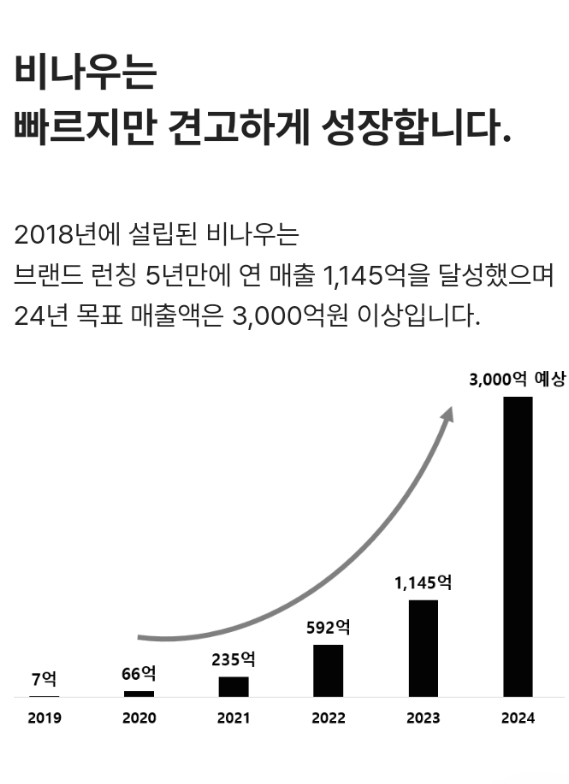
fwee品牌小红书账号的运营主体全称是BENOW INC,该企业成立于2018年。官网显示,该企业2023年销售额为1145亿韩元,预计2024年将达到3000亿元。
BENOW公司在全球14个国家出口产品,于2023年8月进入中国大陆市场的淘宝和天猫渠道。除了彩妆品牌fwee外,该公司旗下还有3个品牌:护肤品牌numbuzin和FLASKIN、个护品牌RIAH,目前只有numbuzin在天猫国际有海外旗舰店和小红书官方账号,该品牌旗下numbuzin5号C和numbuzin3柔肤磨皮两款产品,分别登上天猫“进口安瓶热销榜”和“进口收缩毛孔精华热销榜”。

亿邦持续追踪报道该情报,如想了解更多与本文相关信息,请扫码关注作者微信。

【版权提示】亿邦动力倡导尊重与保护知识产权。未经许可,任何人不得复制、转载、或以其他方式使用本网站的内容。如发现本站文章存在版权问题,烦请提供版权疑问、身份证明、版权证明、联系方式等发邮件至run@ebrun.com,我们将及时沟通与处理。

已点赞

+1

{{ praise_text }}

好文章,值得被更多人看到

FAQ回顾

韩国美妆品牌fwee为何暂停天猫店铺运营?

fwee品牌于2024年12月17日暂停天猫国际店铺销售,官方公告称原因为调整内部经营系统,具体重启日期未定。

fwee品牌进入中国市场多久了?

fwee品牌于2024年4月正式进入中国市场,通过天猫国际渠道销售,至12月暂停运营,入华时间不足一年。

fwee品牌在中国市场出现过哪些产品问题?

2024年8月,fwee品牌旗下双色腮红因多次运输导致部分产品出现脱盘问题,品牌已发布道歉声明并对问题产品进行退换处理。

广告

下一篇

征集报名《品牌数字化服务商资源手册》

《品牌数字化服务商资源手册》展示数字化服务商风采,亿邦全年零售大会通发,触达更多资源,马上加入!

马上入驻

协作机器人越疆科技正式登陆港交所

12月23日,协作机器人企业越疆(02432.HK)在港交所主板上市,国泰君安国际、农银国际为联席保荐人。今日开盘,越疆科技涨11.70%,报21.00港元/股,市值84亿港元。