



• 亿邦公众号
    • APP下载

拟出售韩妆品牌 关停技术中心 雅诗兰黛持续“瘦身”

作者:张从容 文章来源:亿邦动力

2025-11-28 17:19

作者:张从容 文章来源:亿邦动力

2025-11-28 17:19

邦小白快读

EN
全文速览

雅诗兰黛集团持续瘦身策略的主要举措和核心数据。

1.考虑出售韩国药妆品牌Dr.Jart+,2019年以11亿美元收购,但2025年预计营收仅1.5亿美元,远低于收购时5亿美元预期。

2.关闭罗马尼亚布加勒斯特技术中心并裁员150人,该中心2023年4月开幕,专注于AI、云加速等技术。

品牌销售下滑的具体表现。

1.2025财年,核心护肤品牌雅诗兰黛和海蓝之谜净销售额下降8.29亿美元,占护肤业务总降9.46亿美元的87.63%。

2.彩妆业务中,雅诗兰黛、Too Faced和Bobbi Brown三大品牌净销售额下降2.41亿美元,占整体降2.65亿美元的90.94%。

品牌战略调整的实践案例。

1.雅诗兰黛出售Dr.Jart+品牌,反映K-Beauty进军策略效果不佳,收购后营收不及预期50%,凸显品牌定位和定价失误风险。

2.核心品牌如雅诗兰黛和海蓝之谜净销售额大幅下降8.29亿美元,表明产品竞争力下滑可能源于消费趋势变化。

消费趋势和用户行为观察。

1.从收购到出售Dr.Jart+,显示K-Beauty市场潜力弱化,可能因消费者偏好转移。

2.护肤和彩妆业务整体下滑数据,提示用户需求可能转向其他品类,品牌商需研发新产品应对。

战略事件应对措施和风险提示。

1.雅诗兰黛执行“Beauty Reimagined”战略,包括组织扁平化和全球裁员5800-7000岗,应对品牌销售下滑危机。

2.关闭技术中心和出售Dr.Jart+作为具体行动,提供在亏损时及时止损的可学习点。

市场机会和负面影响。

1.核心品牌占比业务下降87.63%,提示依赖大品牌的卖家面临需求萎缩风险。

2.Dr.Jart+出售或带来新合作机会,卖家可关注品牌整合机遇,而战略优化启示需注重效率提升。

数字化推进的实践经验启示。

1.关闭布加勒斯特技术中心,该中心曾专注于AI、云加速、智能自动化,显示企业在数字投入上需平衡成本和效益。

2.集团裁员涉及技术岗位,提醒工厂在推进电商数字化时,应强化与雅诗兰黛等企业的合作来应对需求波动。

商业机会和生产需求相关观察。

1.品牌销售下滑,如护肤业务降9.46亿美元,反映特定产品线需求不足,工厂可借此调整设计方向。

2.出售Dr.Jart+品牌,可能释放出韩国药妆供应链机会,工厂可探索新合作以提升产品研发弹性。

行业技术趋势和客户痛点揭示。

1.技术中心关闭,但曾提供AI、云加速等解决方案,突显企业需求从技术投资转向成本控制痛点。

2.“Beauty Reimagined”战略组织扁平化,显示行业整合趋势,服务商可据此提供高效数字化服务方案。

市场动态提供解决方案参考。

1.雅诗兰黛核心品牌销售急剧下滑,占比降幅90.94%,展示客户依赖单一业务的脆弱性,服务商需开发风险分散工具。

2.裁员5800-7000岗数据,作为案例启示,服务商可推出人力资源优化方案以缓解类似痛点。

商业对平台需求的相关风险和管理启示。

1.品牌销售下滑占业务降幅87.63%,显示平台依赖大品牌存在高波动风险,需招商多元化规避。

2.关闭技术中心裁员150人,体现企业运营管理中的成本控制做法,平台可借鉴以优化自身资源分配。

合作方式和机会提示。

1.出售Dr.Jart+品牌可能带来新品牌入驻平台机会,平台商可加强招商策略以吸收类似资产。

2.集团战略扁平化数据,提供平台在规避过度扩张风险的运营管理案例,支持高效合作模式构建。

产业新动向和商业模式问题的深层分析。

1.雅诗兰黛出售Dr.Jart+仅一年后关闭技术中心,揭示国际扩张和快速整合的商业模式漏洞。

2.核心品牌净销售额剧降8.29亿美元占87.63%,展示奢侈品市场新问题如消费者忠诚度转移。

政策法规建议和市场启示。

1.全球裁员5800-7000岗数据,提供劳动力市场影响参考,建议政策制定加强裁员法规引导。

2.K-Beauty策略失败案例,启示新兴市场政策应侧重可持续收购模型,商业模式需强化本土适应。

声明:快读内容全程由AI生成,请注意甄别信息。如您发现问题,请发送邮件至 run@ebrun.com 。

我是 品牌商 卖家 工厂 服务商 平台商 研究者 帮我再读一遍。

Quick Summary

Estée Lauder Group's key streamlining initiatives and core data:

1. Considering sale of Korean derma-cosmetic brand Dr.Jart+, acquired in 2019 for $1.1 billion, with projected 2025 revenue of only $150 million - far below the initial $500 million expectation.

2. Closing Bucharest tech hub in Romania with 150 layoffs, despite its April 2023 launch focusing on AI and cloud acceleration technologies.

Brand sales decline specifics:

1. Core skincare brands Estée Lauder and La Mer saw net sales drop by $829 million in FY2025, accounting for 87.63% of the skincare segment's total $946 million decline.

2. Makeup segment's Estée Lauder, Too Faced and Bobbi Brown collectively declined by $241 million, representing 90.94% of the category's $265 million total decrease.

Strategic adjustment case studies:

1. Dr.Jart+ sale reflects failed K-Beauty expansion strategy, with post-acquisition revenue under 50% of projections, highlighting brand positioning and pricing miscalculation risks.

2. Core brands Estée Lauder and La Mer's $829 million sales plunge indicates eroded competitiveness, potentially due to shifting consumer trends.

Consumer behavior observations:

1. Dr.Jart+ acquisition-to-sale cycle suggests weakening K-Beauty market potential amid changing consumer preferences.

2. Overall skincare/makeup declines signal possible category shifts, requiring new product development responses.

Strategic response measures and risk alerts:

1. Estée Lauder's "Beauty Reimagined" strategy includes organizational flattening and 5,800-7,000 global layoffs to address sales declines.

2. Tech hub closure and Dr.Jart+ disposal offer lessons in timely loss-cutting during underperformance.

Market opportunities and impacts:

1. Core brands' 87.63% contribution to business decline warns sellers about over-reliance on major brands amid demand contraction.

2. Dr.Jart+ sale may create new partnership opportunities, while strategic optimization highlights efficiency focus.

Digital transformation insights:

1. Bucharest tech hub closure (focused on AI/cloud acceleration) demonstrates need for cost-benefit balance in digital investments.

2. Technical role layoffs suggest factories should strengthen partnerships with beauty firms to manage demand volatility during e-commerce digitization.

Production opportunity observations:

1. $946 million skincare decline reflects specific product line demand weakness, guiding factory design adjustments.

2. Dr.Jart+ disposal may unlock Korean cosmetic supply chain opportunities for enhanced R&D flexibility.

Industry tech trends and client pain points:

1. Tech hub shutdown reveals shifting corporate focus from technology investment to cost control priorities.

2. "Beauty Reimagined" flattening indicates industry consolidation trend, creating opportunities for efficient digital service solutions.

Market-driven solution references:

1. Core brands' 90.94% sales drop demonstrates single-business dependency risks, necessitating risk-diversification tools.

2. 5,800-7,000 layoffs case study supports human resource optimization solutions for similar pain points.

Platform risk management insights:

1. Core brands' 87.63% decline contribution highlights volatility risks of major brand dependency, requiring merchant diversification.

2. Tech hub closure with 150 layoffs demonstrates operational cost control practices applicable to platform resource allocation.

Partnership opportunities:

1. Dr.Jart+ sale may create new brand onboarding opportunities through enhanced merchant acquisition strategies.

2. Flattening strategy data provides operational cases for avoiding over-expansion risks while building efficient collaboration models.

Industry dynamics and business model analysis:

1. Dr.Jart+ sale followed by tech hub closure within a year reveals vulnerabilities in rapid international expansion and integration models.

2. Core brands' $829 million decline (87.63% share) indicates new luxury market challenges like consumer loyalty shifts.

Policy recommendations and market implications:

1. 5,800-7,000 layoffs data informs labor market impact studies, suggesting enhanced regulatory guidance for workforce reductions.

2. K-Beauty strategy failure case advises sustainable acquisition models and localized adaptation in emerging market policies.

Disclaimer: The "Quick Summary" content is entirely generated by AI. Please exercise discretion when interpreting the information. For issues or corrections, please email run@ebrun.com .

I am a Brand Seller Factory Service Provider Marketplace Seller Researcher Read it again.

【亿邦原创】日前,据外媒报道,雅诗兰黛集团正考虑出售韩国药妆品牌Dr.Jart+,该品牌2025年预计营收约1.5亿美元,低于收购时预期的5亿美元净销售额。

Dr.Jart+是成立于2004年的韩国药妆品牌,曾是雅诗兰黛集团进军K-Beauty(韩国美妆)的关键一步。2015年,雅诗兰黛首次收购其母公司Have&Be部分股份。2019年,集团以约11亿美元高价收购Have&Be三分之二股权,将Dr.Jart+正式纳入麾下。

几乎被曝考虑出售Dr.Jart+的同时,雅诗兰黛被曝关闭位于罗马尼亚布加勒斯特的技术中心,裁员150人。

值得注意的是,该技术中心在2023年4月11日才举行剪彩仪式,正式开幕。当时,罗马尼亚技术中心是集团的第三家全球技术中心,前两家分别于2018年在长岛市和2022年在吉隆坡开设。
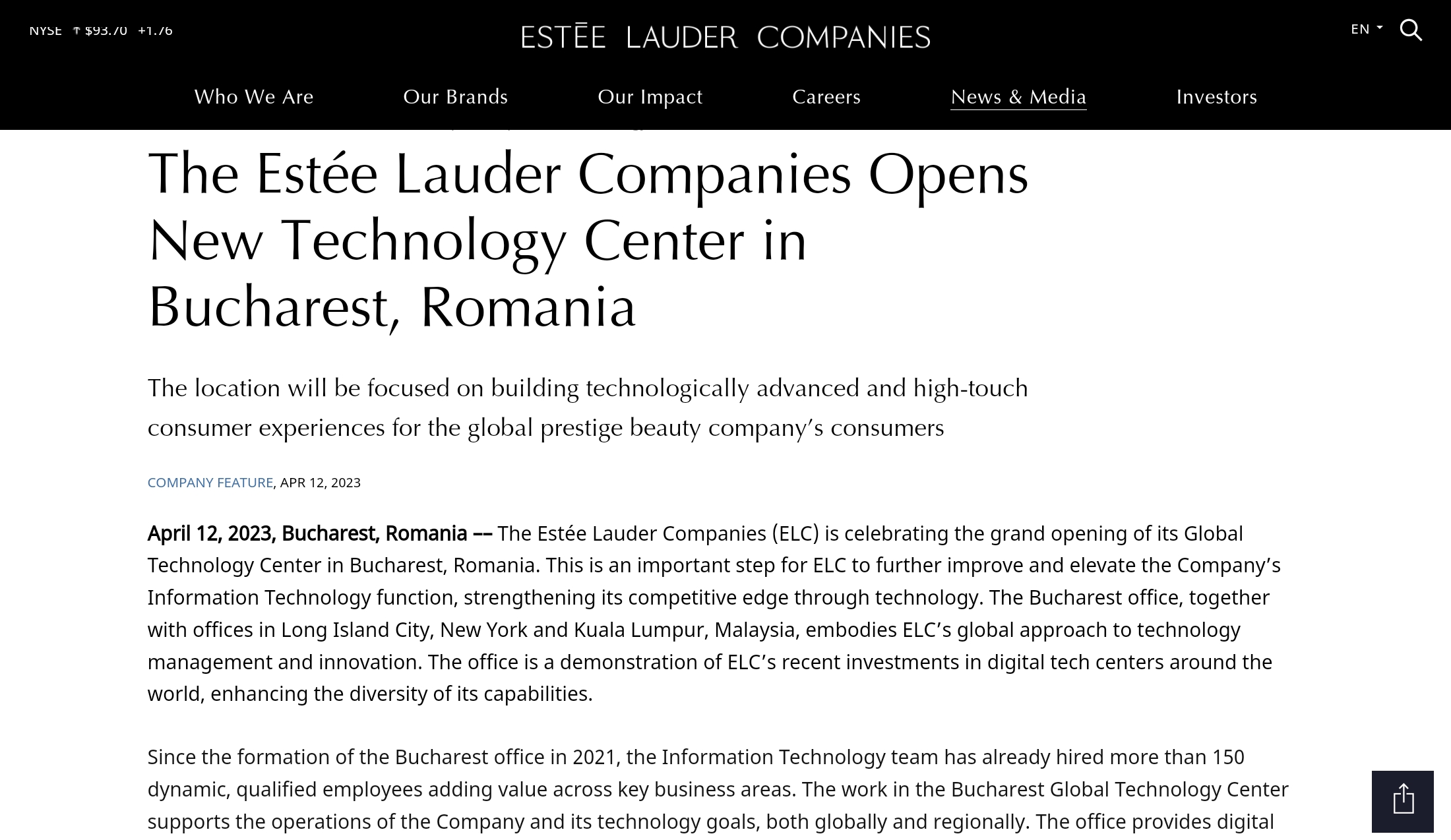
布加勒斯特全球技术中心执行总监兼基地负责人Adriana Wahl表示:“雅诗兰黛集团致力于在该地区招募具备竞争力技术专长的顶尖人才,涵盖架构、工程与开发、数据与分析、项目管理、企业网络安全和产品管理等领域,这对我们作为全球公司的成功至关重要。”

而集团位于罗马尼亚布加勒斯特的办公室则成立于2021年,当时便有150名员工。该办公室通过人工智能、云加速、智能自动化等能力,为集团提供数字解决方案。

这一系列动作与雅诗兰黛今年2月宣布的“Beauty Reimagined”战略吻合。该战略要求组织扁平化,并在全球裁撤5800至7000个岗位。关闭技术中心、出售表现不佳的品牌,都是这一战略的具体体现。

更深层次的危机来自雅诗兰黛的核心品牌。

2025财年,雅诗兰黛和海蓝之谜两大王牌净销售额合计下降8.29亿美元,护肤业务净销售额下降9.46亿美元,两大品牌的下降值在护肤业务的下降中占比87.63%。

同期的彩妆业务中,雅诗兰黛、Too Faced和Bobbi Brown净销售额合计下降约2.41亿美元。彩妆业务下降2.65亿美元,三大品牌占比90.94%。

亿邦持续追踪报道该情报,如想了解更多与本文相关信息,请扫码关注作者微信。

【版权提示】亿邦动力倡导尊重与保护知识产权。未经许可,任何人不得复制、转载、或以其他方式使用本网站的内容。如发现本站文章存在版权问题,烦请提供版权疑问、身份证明、版权证明、联系方式等发邮件至run@ebrun.com,我们将及时沟通与处理。

已点赞

+1

{{ praise_text }}

好文章,值得被更多人看到

FAQ回顾

雅诗兰黛为什么要出售Dr.Jart+品牌?

雅诗兰黛考虑出售Dr.Jart+是因为该品牌2025年预计营收约1.5亿美元,远低于收购时预期的5亿美元净销售额,品牌表现未达预期。

雅诗兰黛的“Beauty Reimagined”战略包含哪些措施?

该战略要求组织扁平化,计划在全球裁撤5800至7000个岗位,具体措施包括关闭罗马尼亚技术中心(裁员150人)和出售表现不佳的品牌。

雅诗兰黛2025财年核心业务表现如何?

雅诗兰黛和海蓝之谜两大护肤王牌净销售额合计下降8.29亿美元,护肤业务整体下降9.46亿美元,两大品牌下滑占护肤业务下降的87.63%。

广告

下一篇

征集报名《品牌数字化服务商资源手册》

《品牌数字化服务商资源手册》展示数字化服务商风采,亿邦全年零售大会通发,触达更多资源,马上加入!

马上入驻

易达云联合创始人/CEO李勤确认出席2025马蹄社品牌全球化CEO决策大课

在本次大课上,李勤将带来主题分享《构建全局供应链价值思维,从成本中心到增长引擎》。











