• 亿邦公众号
    • APP下载

从“走出去”到“走进去”:中国制造网“特展”深耕中东

作者:龚作仁 文章来源:Laborer

2026-11-27 10:29

作者:龚作仁 文章来源:Laborer

2026-11-27 10:29

邦小白快读

EN
全文速览

总1:特展模式给出中小企业出海实操路径。

1. 中国制造网2023年创新“特展”,以“展会+考察+采洽”破解海外参展成本高、行程单一、收获有限;阿联酋站组织供应商参加第47届迪拜五大行业展,并走进Al Quoz工业区和迪拜龙城考察,安排两场直播云逛展云考察。

2. 方法上强调展前研判市场、展中对接验证、展后复盘跟进,随团顾问陪展、答疑、实时复盘,帮首次出海企业练习沟通话术。

总2:阿联酋市场有明确机会数据。

1. 建筑业2025年以11.1%增速领跑,阿联酋是区域贸易物流资金项目枢纽;中东采购转向稳定、性价比高、交付快的中国供应链。

2. MIC国际站2026年1至10月中东市场金属门、塑料板材、脚手架流量同比增38%、22%、19%。

总3:案例可借鉴。

1. 金迪门业展前梳理复合材质、认证、物流和出运方案,现场对接海湾总包商及本地分销商;中东客户愿为可快速交付、可规模化复制方案买单。

2. 威品机械开展首日样品被预订一空;无锡中水借顾问指导从难以开口到从容应对并拓展新客户。

总1:中东用户行为与价格竞争信号。

1. 地缘冲突和霍尔木兹海峡航运受阻后,中东采购逻辑转向稳定性更强、性价比更高、交付速度更快的中国供应链;客户更愿为可快速交付、可规模化复制的方案买单,价格竞争不只看低价,还看交付与复制能力。

2. 阿联酋建材行业存在存量工程交付、采购成本控制、进口供应链重构、绿色建筑升级和区域贸易渠道拓展需求。

总2:产品研发与认证物流要求。

1. 金迪门业展前针对创新性复合材质、认证及物流问题梳理产品规格资料和出运方案,说明产品研发要兼顾材质创新、认证合规和物流可达。

2. 平台数据显示金属门、塑料板材、脚手架流量同比增38%、22%、19%,可作为品类需求观察。

总3:渠道建设与品牌触达。

1. 展会期间对接海湾地区总包商及本地分销商;展外考察Al Quoz工业区本地建材贸易公司与零售展厅、迪拜龙城中国商品集散地,了解经销商经营方式。

2. 特展团拜访阿联酋中华工商总会,围绕建材及建筑配套市场、企业出海与供需资源对接交流;两场直播把一线见闻同步给未到场供应商,形成线上线下联动。

总1:增长市场与需求机会。

1. 阿联酋建筑业2025年增速11.1%领跑,建材行业存量工程交付、采购成本控制、进口供应链重构、绿色建筑升级、区域贸易渠道拓展带来结构性机会;MIC中东市场金属门、塑料板材、脚手架流量同比增38%、22%、19%。

2. 中东采购逻辑转向稳定、性价比高、交付快的中国供应链,展会首日威品机械样品被预订一空。

总2:事件影响与风险提示。

1. 地缘冲突和霍尔木兹海峡航运受阻打乱原有货物贸易交付节奏,物流成本和市场波动影响阿联酋建材行业;卖家需关注交付稳定性和成本控制。

2. 中小企业出海痛点不全在产品,而在信息不对称:难获顶尖展会资源、不了解当地准入规则、难触达精准买家。

总3:可学习模式与合作方式。

1. 特展以展会+考察+采洽,展前研判、展中对接验证、展后复盘跟进,把商机转订单;随团顾问陪展答疑复盘,可帮首次出海企业降低试错。

2. 可借平台组织的展会、Al Quoz和迪拜龙城考察、中华工商总会资源对接寻找本地伙伴;特展已落地沙特、阿联酋、阿根廷、新加坡、韩国、乌兹别克斯坦、马来西亚等地。

总1:产品生产与设计需求。

1. 中东买家关心创新性复合材质、认证及物流,金迪门业展前逐一梳理产品规格资料和出运方案;客户愿为可快速交付、可规模化复制方案买单,工厂需把交付速度和复制能力纳入产品设计。

2. 阿联酋建材行业有存量工程交付、采购成本控制、进口供应链重构、绿色建筑升级需求,金属门、塑料板材、脚手架流量同比增38%、22%、19%,提示品类生产方向。

总2:商业机会与渠道。

1. 阿联酋是区域贸易物流资金项目枢纽,建筑业2025年增速11.1%领跑;中东采购转向稳定、性价比高、交付快的中国供应链。

2. 展会对接海湾总包商及本地分销商;考察Al Quoz工业区本地建材贸易公司与零售展厅、迪拜龙城中国商品集散地,可了解经销商经营方式;拜访中华工商总会对接供需资源。

总3:数字化和电商启示。

1. MIC国际站以线上平台与线下场景双轨联动,特展把展会、考察、采洽和本地资源对接串成一条线。

2. 两场直播云逛展云考察,把一线见闻同步给未到场供应商;平台流量数据可辅助判断中东品类需求,工厂可借线上平台获客并用线下考察验证。

总1:行业趋势。

1. 中东采购逻辑转向稳定性更强、性价比更高、交付速度更快的中国供应链;阿联酋建筑业2025年增速11.1%领跑,建材行业存量工程交付、成本控制、进口供应链重构、绿色建筑升级、区域渠道拓展需求并存。

2. 中国制造网特展从2023年创新打造,已落地沙特、阿联酋、阿根廷、新加坡、韩国、乌兹别克斯坦、马来西亚等地,显示平台化、场景化出海服务在延伸。

总2:客户痛点。

1. 中小企业海外参展成本高、行程单一、收获有限;出海痛点往往不在产品,而在信息不对称,难获顶尖展会资源、不了解当地准入规则、难触达精准买家。

2. 首次出海企业面对采购商难以开口,缺乏市场认知和沟通话术。

总3:解决方案。

1. 特展以展会+考察+采洽,展前研判市场、展中对接验证、展后复盘跟进,推动商机转订单;配随团顾问陪展、现场答疑、实时复盘,指导认识市场、开拓市场和现场沟通。

2. 组织Al Quoz工业区与迪拜龙城考察,安排两场直播云逛展云考察,拜访阿联酋中华工商总会对接本地资源,形成线上线下双轨服务链。

总1:商业对平台的需求和问题。

1. 中小企业需要顶尖展会资源、当地市场准入规则、精准买家触达和稳定交付方案;海外参展还有成本高、行程单一、收获有限问题。

2. 地缘冲突和霍尔木兹海峡航运受阻打乱交付节奏,平台需回应中东采购转向稳定、性价比高、交付快的中国供应链。

总2:平台最新做法。

1. MIC国际站2023年创新特展,以展会+考察+采洽模式,组织优质供应商参加第47届迪拜五大行业展并落地特展阿联酋站;选择阿联酋作为2026特展收官站,看重其区域贸易物流资金项目枢纽价值。

2. 展前研判、展中对接验证、展后复盘跟进;配中东市场顾问随团陪展答疑复盘;组织Al Quoz工业区和迪拜龙城考察,安排两场直播,拜访中华工商总会。

总3:招商运营与风向规避。

1. 招商对象为平台优质供应商,老会员金迪门业和首次参团的无锡中水均参与;特展已落地沙特、阿联酋、阿根廷、新加坡、韩国、乌兹别克斯坦、马来西亚等地。

2. 风向规避上关注地缘局势、物流成本和市场波动,转向稳定性更强、性价比更高、交付更快的中国供应链;用线上平台与线下场景双轨联动深耕新兴市场。

总1:产业新动向。

1. 中东采购逻辑因地缘冲突和霍尔木兹海峡航运受阻,转向稳定性更强、性价比更高、交付速度更快的中国供应链;阿联酋建筑业2025年增速11.1%领跑,建材行业出现存量工程交付、成本控制、进口供应链重构、绿色建筑升级、区域渠道拓展需求。

2. MIC国际站2026年1至10月中东市场金属门、塑料板材、脚手架流量同比增38%、22%、19%,特展已落地沙特、阿联酋、阿根廷、新加坡、韩国、乌兹别克斯坦、马来西亚等地。

总2:新问题与启示。

1. 中小企业出海痛点往往不在产品,而在信息不对称:难获顶尖展会资源、不了解当地准入规则、难触达精准买家;海外参展成本高、行程单一、收获有限。

2. 文章呈现的启示是展前研判市场、展中对接验证、展后复盘跟进,并用随团顾问、本地考察和商会资源对接降低信息不对称。

总3:商业模式。

1. 特展把展会+考察+采洽和本地资源对接串成一条线,形成展前中后闭环;MIC国际站以线上平台与线下场景双轨联动深耕新兴市场。

2. 该模式连接平台优质供应商、海湾总包商、本地分销商、Al Quoz工业区与迪拜龙城,并以直播云逛展云考察扩大触达,值得作为平台化出海服务样本观察。

声明:快读内容全程由AI生成,请注意甄别信息。如您发现问题,请发送邮件至 run@ebrun.com 。

我是 品牌商 卖家 工厂 服务商 平台商 研究者 帮我再读一遍。

Quick Summary

Summary 1: The Special Exhibition model offers a practical path for SMEs going global.

1. Made-in-China.com launched its innovative Special Exhibition in 2023, using an exhibition + field visits + sourcing matchmaking approach to address the high cost, limited itinerary, and low returns of overseas exhibitions. For the UAE stop, it organized suppliers to attend the 47th Big 5 Dubai and visit Al Quoz Industrial Area and Dragon Mart Dubai, with two livestream sessions for virtual exhibition and site visits.

2. The method emphasizes pre-show market assessment, in-show matchmaking and validation, and post-show review and follow-up. On-tour advisors accompany the delegation, answer questions, and conduct real-time reviews, helping first-time exporters practice communication talking points.

Summary 2: The UAE market has clear opportunity data.

1. Construction is leading with 11.1% growth in 2025, and the UAE is a regional hub for trade, logistics, capital, and projects. Middle East procurement is shifting toward Chinese supply chains that are more stable, cost-effective, and faster to deliver.

2. On the MIC International Station, from January to October 2026, Middle East traffic for metal doors, plastic panels, and scaffolding increased 38%, 22%, and 19% year on year, respectively.

Summary 3: The cases offer lessons.

1. Jindi Doors mapped out composite materials, certification, logistics, and shipping plans before the show, and met with Gulf general contractors and local distributors on site. Middle East customers are willing to pay for solutions that can be delivered quickly and replicated at scale.

2. Weipin Machinery's samples were fully booked on the first day of the show. With advisor guidance, Wuxi Zhongshui moved from being unable to speak up to responding confidently and expanding new customers.

Summary 1: Signals on Middle East user behavior and price competition.

1. After geopolitical conflicts and shipping disruptions in the Strait of Hormuz, Middle East procurement logic has shifted toward Chinese supply chains that are more stable, more cost-effective, and faster to deliver. Customers are more willing to pay for solutions that can be delivered quickly and replicated at scale; price competition is no longer only about low prices but also about delivery and replication capabilities.

2. The UAE building materials industry has demand for delivery on existing projects, procurement cost control, import supply chain restructuring, green building upgrades, and regional trade channel expansion.

Summary 2: Requirements for product R&D, certification, and logistics.

1. Before the show, Jindi Doors organized product specification materials and shipping plans around innovative composite materials, certification, and logistics issues, indicating that product R&D must balance material innovation, certification compliance, and logistics accessibility.

2. Platform data show that traffic for metal doors, plastic panels, and scaffolding rose 38%, 22%, and 19% year on year, respectively, which can serve as an observation of category demand.

Summary 3: Channel building and brand reach.

1. During the exhibition, the delegation met with Gulf general contractors and local distributors. Outside the exhibition, it visited local building materials trading companies and retail showrooms in Al Quoz Industrial Area and Dragon Mart Dubai, a distribution center for Chinese goods, to understand how distributors operate.

2. The Special Exhibition delegation visited the Chinese General Chamber of Commerce in the UAE to discuss the building materials and building components market, companies going global, and supply-demand resource matching. Two livestreams shared frontline observations with suppliers who were not present, creating online-offline linkage.

Summary 1: Growth market and demand opportunities.

1. UAE construction is leading with 11.1% growth in 2025. The building materials industry presents structural opportunities from delivery on existing projects, procurement cost control, import supply chain restructuring, green building upgrades, and regional trade channel expansion. On MIC, Middle East traffic for metal doors, plastic panels, and scaffolding increased 38%, 22%, and 19% year on year.

2. Middle East procurement logic is shifting toward Chinese supply chains that are stable, cost-effective, and fast to deliver. On the first day of the show, Weipin Machinery's samples were fully booked.

Summary 2: Event impact and risk alerts.

1. Geopolitical conflicts and shipping disruptions in the Strait of Hormuz have disrupted the delivery rhythm of existing goods trade, while logistics costs and market volatility are affecting the UAE building materials industry. Sellers need to focus on delivery stability and cost control.

2. The pain points of SME globalization are not only in products but also in information asymmetry: difficulty accessing top-tier exhibition resources, lack of understanding of local market access rules, and difficulty reaching precise buyers.

Summary 3: Learnable models and cooperation approaches.

1. The Special Exhibition uses exhibition + field visits + sourcing matchmaking, with pre-show assessment, in-show matchmaking and validation, and post-show review and follow-up to turn business opportunities into orders. On-tour advisors accompany the delegation, answer questions, and review progress, helping first-time exporters reduce trial-and-error costs.

2. Companies can use platform-organized exhibitions, visits to Al Quoz and Dragon Mart Dubai, and resource matching through the Chinese General Chamber of Commerce to find local partners. The Special Exhibition has been held in Saudi Arabia, the UAE, Argentina, Singapore, South Korea, Uzbekistan, Malaysia, and other locations.

Summary 1: Product production and design needs.

1. Middle East buyers care about innovative composite materials, certification, and logistics. Before the show, Jindi Doors organized product specification materials and shipping plans item by item. Customers are willing to pay for solutions that can be delivered quickly and replicated at scale, so factories need to incorporate delivery speed and replication capability into product design.

2. The UAE building materials industry has demand for delivery on existing projects, procurement cost control, import supply chain restructuring, and green building upgrades. Traffic for metal doors, plastic panels, and scaffolding rose 38%, 22%, and 19% year on year, indicating production directions for these categories.

Summary 2: Business opportunities and channels.

1. The UAE is a regional hub for trade, logistics, capital, and projects, and construction is leading with 11.1% growth in 2025. Middle East procurement is shifting toward Chinese supply chains that are stable, cost-effective, and fast to deliver.

2. The exhibition connected factories with Gulf general contractors and local distributors. Visits to local building materials trading companies and retail showrooms in Al Quoz Industrial Area and Dragon Mart Dubai, a distribution center for Chinese goods, helped them understand how distributors operate. The delegation also visited the Chinese General Chamber of Commerce to match supply and demand resources.

Summary 3: Digitalization and e-commerce implications.

1. MIC International Station uses a dual-track linkage between online platforms and offline scenarios. The Special Exhibition connects exhibitions, field visits, sourcing matchmaking, and local resource matching into one chain.

2. Two livestreams offered virtual exhibition and site visits, sharing frontline observations with suppliers who were not present. Platform traffic data can help judge Middle East category demand, and factories can use online platforms for customer acquisition while validating through offline visits.

Summary 1: Industry trends.

1. Middle East procurement logic is shifting toward Chinese supply chains that are more stable, more cost-effective, and faster to deliver. UAE construction is leading with 11.1% growth in 2025, and the building materials industry faces concurrent demand for delivery on existing projects, cost control, import supply chain restructuring, green building upgrades, and regional channel expansion.

2. Made-in-China.com's Special Exhibition was launched as an innovation in 2023 and has been held in Saudi Arabia, the UAE, Argentina, Singapore, South Korea, Uzbekistan, Malaysia, and other locations, showing that platform-based, scenario-based going-global services are expanding.

Summary 2: Customer pain points.

1. SMEs face high costs, limited itineraries, and low returns from overseas exhibitions. Their going-global pain points are often not in products but in information asymmetry: difficulty accessing top-tier exhibition resources, lack of understanding of local market access rules, and difficulty reaching precise buyers.

2. First-time exporters struggle to speak up with buyers and lack market awareness and communication talking points.

Summary 3: Solutions.

1. The Special Exhibition uses exhibition + field visits + sourcing matchmaking, with pre-show market assessment, in-show matchmaking and validation, and post-show review and follow-up to turn business opportunities into orders. On-tour advisors accompany the delegation, answer questions on site, and conduct real-time reviews, guiding companies to understand the market, develop the market, and communicate on site.

2. It organizes visits to Al Quoz Industrial Area and Dragon Mart Dubai, arranges two livestreams for virtual exhibition and site visits, and visits the Chinese General Chamber of Commerce in the UAE to connect local resources, forming a dual-track online and offline service chain.

Summary 1: Business demand for platforms and related challenges.

1. SMEs need top-tier exhibition resources, local market access rules, precise buyer reach, and stable delivery solutions. Overseas exhibitions still suffer from high costs, limited itineraries, and low returns.

2. Geopolitical conflicts and shipping disruptions in the Strait of Hormuz have disrupted delivery rhythms. Platforms need to respond to Middle East procurement shifting toward Chinese supply chains that are stable, cost-effective, and fast to deliver.

Summary 2: Latest platform practices.

1. MIC International Station launched its innovative Special Exhibition in 2023. Using an exhibition + field visits + sourcing matchmaking model, it organized quality suppliers to attend the 47th Big 5 Dubai and held the UAE stop of the Special Exhibition. It chose the UAE as the final stop of the 2026 Special Exhibition, valuing its role as a regional hub for trade, logistics, capital, and projects.

2. It conducted pre-show assessment, in-show matchmaking and validation, and post-show review and follow-up. It assigned Middle East market advisors to accompany the delegation, answer questions, and review progress. It organized visits to Al Quoz Industrial Area and Dragon Mart Dubai, arranged two livestreams, and visited the Chinese General Chamber of Commerce.

Summary 3: Merchant recruitment, operations, and risk monitoring.

1. The recruitment targets are quality suppliers on the platform. Both long-time member Jindi Doors and first-time participant Wuxi Zhongshui took part. The Special Exhibition has been held in Saudi Arabia, the UAE, Argentina, Singapore, South Korea, Uzbekistan, Malaysia, and other locations.

2. In terms of risk monitoring, it watches geopolitical conditions, logistics costs, and market volatility, and shifts toward Chinese supply chains that are more stable, more cost-effective, and faster to deliver. It uses dual-track linkage between online platforms and offline scenarios to deepen emerging markets.

Summary 1: New industry developments.

1. Amid geopolitical conflicts and shipping disruptions in the Strait of Hormuz, Middle East procurement logic is shifting toward Chinese supply chains that are more stable, more cost-effective, and faster to deliver. UAE construction is leading with 11.1% growth in 2025, and the building materials industry is seeing demand for delivery on existing projects, cost control, import supply chain restructuring, green building upgrades, and regional channel expansion.

2. On the MIC International Station, from January to October 2026, Middle East traffic for metal doors, plastic panels, and scaffolding increased 38%, 22%, and 19% year on year, respectively. The Special Exhibition has been held in Saudi Arabia, the UAE, Argentina, Singapore, South Korea, Uzbekistan, Malaysia, and other locations.

Summary 2: New issues and implications.

1. The going-global pain points of SMEs are often not in products but in information asymmetry: difficulty accessing top-tier exhibition resources, lack of understanding of local market access rules, and difficulty reaching precise buyers. Overseas exhibitions also involve high costs, limited itineraries, and low returns.

2. The implication presented in the article is to conduct pre-show market assessment, in-show matchmaking and validation, and post-show review and follow-up, while using on-tour advisors, local visits, and chamber-of-commerce resource matching to reduce information asymmetry.

Summary 3: Business model.

1. The Special Exhibition connects exhibition + field visits + sourcing matchmaking and local resource matching into one chain, forming a closed loop before, during, and after the show. MIC International Station uses dual-track linkage between online platforms and offline scenarios to deepen emerging markets.

2. This model connects quality platform suppliers, Gulf general contractors, local distributors, Al Quoz Industrial Area, and Dragon Mart Dubai, and expands reach through livestreamed virtual exhibition and site visits. It is worth observing as a sample of platform-based going-global services.

Disclaimer: The "Quick Summary" content is entirely generated by AI. Please exercise discretion when interpreting the information. For issues or corrections, please email run@ebrun.com .

I am a Brand Seller Factory Service Provider Marketplace Seller Researcher Read it again.

11月23日,第47届阿联酋迪拜五大行业展(Big 5 Global)在迪拜世界贸易中心开幕。中国制造网(以下简称“MIC国际站”)组织平台优质供应商参展,并同步落地“特展·阿联酋站”。作为MIC国际站于2023年创新打造的出海活动,“特展”以“展会+考察+采洽”模式,破解中小企业海外参展成本高、行程单一、收获有限等难题。
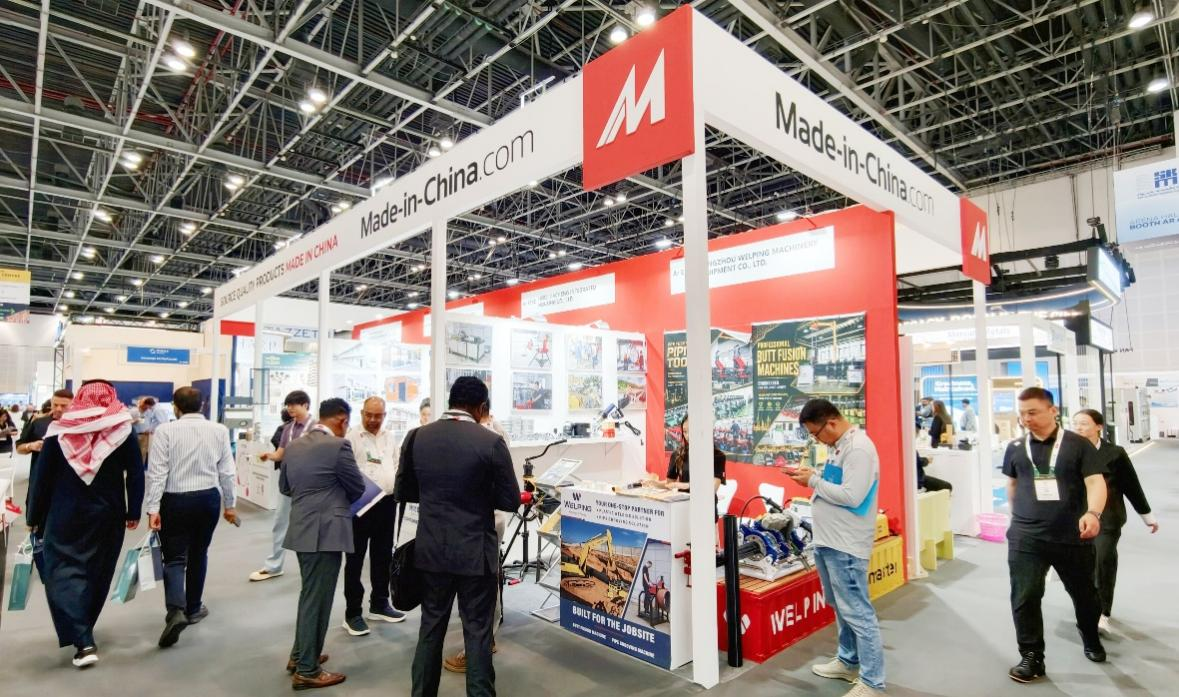
瞄准区域枢纽,抢抓中东市场结构性机遇

焦点科技(MIC国际站母公司)国际商务总监汪笑宇表示,选择阿联酋作为MIC国际站2026“特展”的收官站,源于其枢纽价值与特殊时机。阿联酋既是中东地区较容易进入、成熟度较高的市场,也是区域贸易、物流、资金与项目的枢纽。当前,地缘冲突和霍尔木兹海峡航运受阻打乱了原有的货物贸易交付节奏,中东采购逻辑正转向稳定性更强、性价比更高、交付速度更快的中国供应链。

而建筑业一直以来都是阿联酋的高增长行业之一,2025年以11.1%的增速领跑所有行业。今年虽然受到地缘局势、物流成本和市场波动等因素影响,阿联酋建材行业的存量工程交付、采购成本控制、进口供应链重构、绿色建筑升级以及区域贸易渠道拓展等多重需求,均为中国出口企业提供了明确的结构性增长机遇。

MIC国际站数据显示,2026年1至10月,平台中东市场中,金属门、塑料板材、脚手架的流量同比增幅分别高达38%、22%和19%。

浙江金迪门业有限公司是MIC国际站的老会员,也是特展的“老将”,今年跟随平台来到Big 5 Global现场,为了取得好效果,企业做足功课:展前,针对买家关心的创新性复合材质、认证及物流问题,逐一梳理产品各项规格资料和出运方案;展会期间,又围绕这些重点,对接海湾地区总包商及本地分销商,把现场交流落到买家最关心的问题上。公司总经理陈翔表示,中东客户更愿意为“可快速交付、可规模化复制”的方案买单,而这正是中国供应链的强项,也是当前企业进入中东市场的绝佳突破点。

同样收获颇丰的“特展”参团企业,还有杭州威品机械设备有限公司,其外贸经理陈永良表示,“展位上新老买家不断,开展第一天,带来的样品就被买家预订一空。”他说道:“从买家画像梳理到现场对接,再到深入本地市场了解经销商的经营方式,此次特展活动让我们收获很大,也更清晰地看到我们的产品该怎么打开中东市场。”

走进一线终端,服务链条贯穿全程

展会之外,MIC国际站还组织平台供应商走进库斯区(Al Quoz工业区)与迪拜龙城(Dragon Mart)深入考察。前者聚集大量阿联酋本地建材贸易公司与零售展厅,后者则是中东地区最大的中国商品集散地,均为参团企业了解当地市场提供了第一手资料。在此期间,平台还安排了两场直播,带领观众“云逛展”“云考察”,把一线见闻同步给未能亲赴现场的供应商。
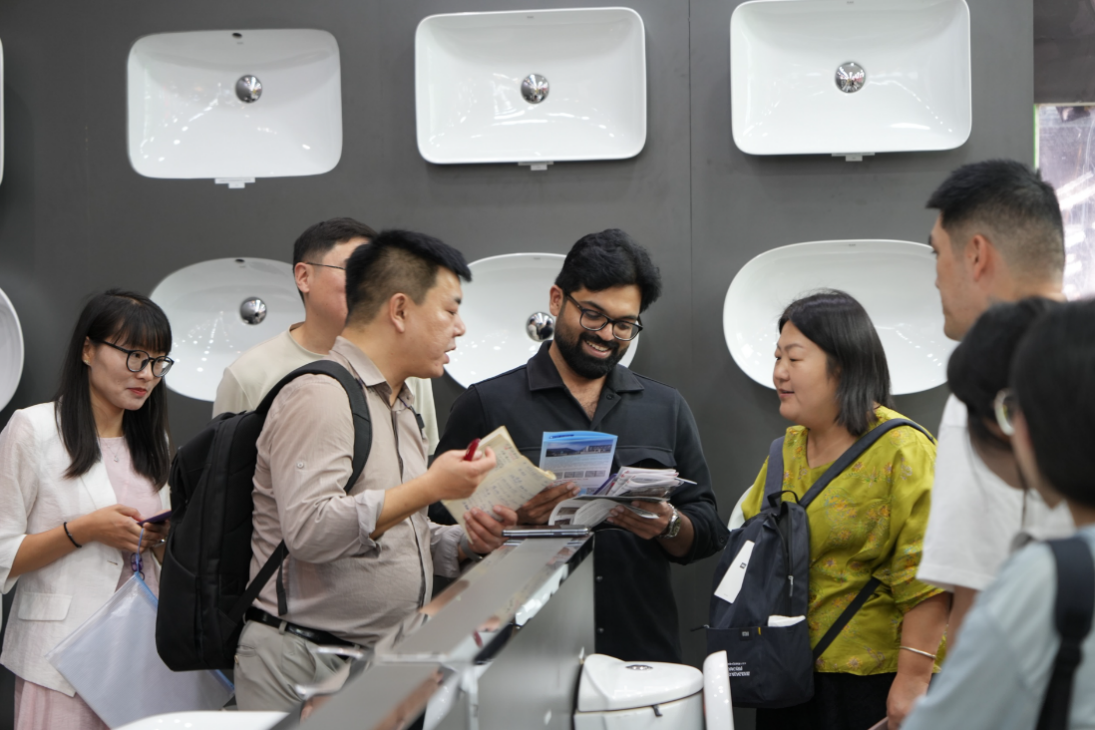
值得一提的是,此次“特展·阿联酋站”,MIC国际站还为展团配备了一位拥有丰富中东市场开拓经验的顾问,随团陪展、现场答疑、实时复盘,让首次“出海”的企业更有底气。

无锡中水土工新材料有限公司刚开始做外贸业务,此次是第一次参加“特展”。公司总经理陆冬成表示,MIC国际站的随团顾问十分专业,从认识市场、开拓市场到现场沟通,都给了企业很具体的指导。“第一次出来,有这样细致的服务和专业顾问陪着,心里踏实多了。”他说,起初面对采购商时还难以开口,但在顾问指导下一步步学习沟通话术,到第三、第四天已经能从容应对,也拓展了不少新客户。

此外,特展团还拜访了阿联酋中华工商总会,双方围绕阿联酋建材及建筑配套市场、企业出海与供需资源对接等议题展开交流,帮助中国供应商从“看得到市场”走向“找得到伙伴”。
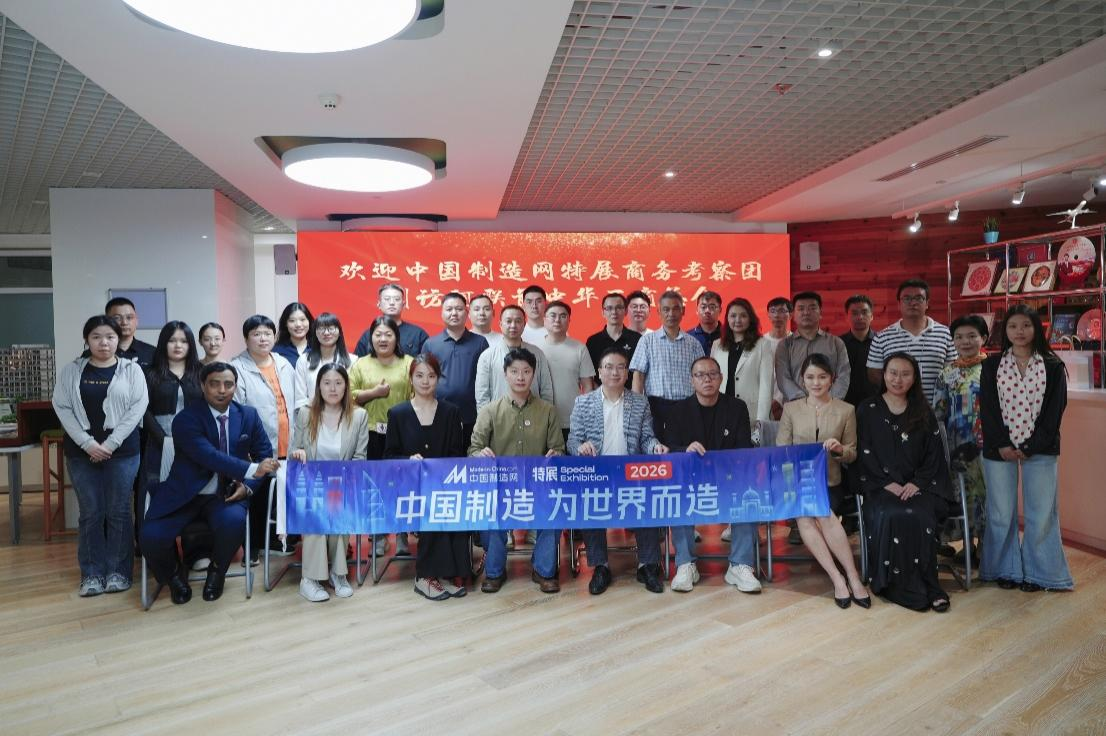
“展会只是建立联系、奠定合作基础的起点。”汪笑宇表示,中小企业出海的痛点往往不在产品,而在信息不对称——难以获得顶尖展会资源、不了解当地市场的准入规则、难以触达精准买家。“特展要做的,正是把展会、考察、采洽和本地资源对接串成一条线:展前研判市场、展中对接验证、展后复盘跟进,推动商机真正转化为订单。”

截至目前,MIC国际站特展活动已先后落地沙特阿拉伯、阿联酋、阿根廷、新加坡、韩国、乌兹别克斯坦、马来西亚等地,帮助中国供应商更精准地对接当地采购商。

从“走出去”到“走进去”,MIC国际站正通过线上平台与线下场景的双轨联动,持续深耕新兴市场,助力更多中国制造获得商机、拓展市场。

注:文/龚作仁,文章来源:Laborer,本文为作者独立观点,不代表亿邦动力立场。

【版权提示】亿邦动力倡导尊重与保护知识产权。未经许可,任何人不得复制、转载、或以其他方式使用本网站的内容。如发现本站文章存在版权问题,烦请提供版权疑问、身份证明、版权证明、联系方式等发邮件至run@ebrun.com,我们将及时沟通与处理。

已点赞

+1

{{ praise_text }}

好文章,值得被更多人看到

FAQ回顾

中国制造网“特展”是什么?

中国制造网(MIC国际站)2023年创新打造的出海活动,采用“展会+考察+采洽”模式,组织供应商赴海外参展、考察本地市场并对接采购商,破解中小企业参展成本高、行程单一、收获有限等难题,已落地沙特、阿联酋、阿根廷、新加坡、韩国、乌兹别克斯坦、马来西亚等地。

中国制造网特展为什么适合中小企业开拓中东市场?

中东采购逻辑正转向稳定性强、性价比高、交付快的中国供应链。特展把展会、考察、采洽和本地资源对接串成一条线,展前研判市场、展中对接验证、展后复盘跟进,并配备中东市场顾问随团指导,帮助中小企业降低信息不对称、触达精准买家,推动商机转化为订单。

阿联酋建材市场有哪些增长机会?

阿联酋建筑业2025年以11.1%的增速领跑所有行业。2026年建材行业存在存量工程交付、采购成本控制、进口供应链重构、绿色建筑升级和区域贸易渠道拓展等需求,为中国出口企业提供结构性机遇;MIC国际站数据显示,2026年1至10月中东市场金属门、塑料板材、脚手架流量同比增38%、22%和19%。

中国制造网特展如何帮助中小企业降低海外参展门槛?

特展通过展前针对产品规格、认证和物流方案做功课,展中对接海湾地区总包商及本地分销商,展后复盘跟进;还组织考察Al Quoz工业区和迪拜龙城,并安排随团顾问现场答疑,让首次出海企业获得市场认知、沟通话术和客户资源,降低海外参展门槛。

广告

下一篇

跨境电商资源对接

《全球跨境电商服务商资源手册》第二期手册现已发布,触达更多资源,了解跨境服务商信息,欢迎点击链接下载。

了解详情

京东工业发起机器人零部件联盟 零部件销售增速超200%

京东工业发起机器人零部件联盟,2026年该业务销售额增速超200%、500余家企业采购。平台前三季度收入80.3亿增36.2%,AI相关GMV占比升至12.5%,并发布工业大模型及五款AI产品。