• 亿邦公众号
    • APP下载

在高交会“硬科技”的展台上 一把椅子凭什么被看见

作者:龚作仁 文章来源:Laborer

2026-11-27 09:01

作者:龚作仁 文章来源:Laborer

2026-11-27 09:01

邦小白快读

EN
全文速览

总:普通读者可先抓展会分量、产品技术点与可验证数据。

1. 高交会11月26日至28日在深圳国际会展中心举行,40万平方米展区、120多个国家和地区、5000余家科创主体参会,主题是创新引领变革·合作链接全球。

2. 西昊每年把销售额的13%至16%投入研发,拥有270余项国家专利,研发人员占比25%。

3. H300用双维四向动态推杆和DynaCore全程动态追踪系统,针对伏案前倾腰骶悬空、正坐头颈腰背难贴合、后仰腰部支撑失效,让椅子追踪人。

4. C300二代获2026年欧洲产品设计奖认可;2025年全球销量突破220万把,覆盖122个国家和地区,海外营收占比40%。

5. 实操上,选人体工学椅可重点看动态支撑、连续调节和标准质量分级,而不只看静态参数。

总:西昊案例给品牌商的干货是技术品牌化、标准话语权和全球渠道验证。

1. 研发上,西昊每年投入销售额的13%至16%,拥有270余项国家专利,研发人员占比25%,把传统椅子做成高研发密度产品。

2. 用户趋势上,文章指向久坐人群的支撑断档痛点,产品从被动支撑转向主动响应,强调椅随人动、支撑不中断。

3. 品牌营销上,西昊把产品放进高交会硬科技展台,用H300、C300、S300展示技术场景,并借APEC代表团体验和峰会曝光形成可信背书。

4. 标准上,西昊参与起草多项国家标准及人体工学椅质量分级规范,把工程经验转成行业公共标尺,从制造走向定义。

5. 渠道上,2025年全球销量突破220万把,覆盖122个国家和地区,海外营收占比40%,在欧洲亚马逊居细分前列,进入美国开市客等商超。

总:对卖家而言,文章释放的是人体工学椅需求升级、全球化市场与标准化差异化机会。

1. 需求变化上,久坐场景存在伏案前倾腰骶悬空、正坐难贴合、后仰支撑失效等痛点,消费需求从静态适配转向动态跟随。

2. 增长市场上,西昊2025年全球销量突破220万把,覆盖122个国家和地区,海外营收占比40%,欧洲亚马逊细分品类销售额前列,美国进入开市客等商超。

3. 差异化机会上,270余项专利、13%至16%的销售额研发投入、参与国家标准和《家居建材产品质量分级规范第3部分:人体工学椅》起草,可作为摆脱单纯价格分层的卖点。

4. 事件应对上,高交会对接APEC资源,10余个APEC经济体组团参展,120余个国家和地区展商到场;西昊还参加APEC工商领导人峰会,说明展会和国际化资源可转化为合作与曝光。

5. 风险提示上,文章更直接提示技术密度和标准话语权会成为竞争门槛,卖家需关注产品验证与渠道适配。

总:工厂可关注产品结构设计、研发组织、标准沉淀与全球订单机会。

1. 产品设计需求上,H300用双维四向动态推杆和DynaCore全程动态追踪系统,针对腰骶悬空、头颈腰背难贴合、后仰支撑失效,做机械结构层面的动态响应。

2. 研发生产上,西昊每年把销售额的13%至16%投入研发,拥有270余项国家专利,研发人员占比25%,说明传统家具制造也能靠高研发密度形成技术壁垒。

3. 标准化上,西昊参与起草多项国家标准及人体工学椅质量分级规范,把动态支撑、结构适配的工程经验转成行业标尺,有利于生产质量分级和产品一致性。

4. 商业机会上,2025年全球销量突破220万把,覆盖122个国家和地区,海外营收占比40%,进入欧洲亚马逊和美国开市客等渠道。

5. 数字化电商启示上,全球渠道、标准分级和产品体验验证,提示工厂要以标准化产品对接跨境平台和大型商超。

总:服务商可从行业趋势、新技术方案、客户痛点和验证案例中抓机会。

1. 行业趋势上,高交会强调前沿科创从实验室概念转向实景化、产业化、民生化应用,人体工学椅正从被动支撑走向主动响应。

2. 新技术上,H300搭载双维四向动态推杆,DynaCore全程动态追踪系统把支撑从静态参数推向连续调节,实现椅随人动、支撑不因姿态切换而中断。

3. 客户痛点上,伏案前倾腰骶悬空、正坐头颈腰背难同时贴合、后仰腰部支撑失效,是久坐人群每天面对的真实损耗。

4. 解决方案上,C300二代获2026年欧洲产品设计奖认可,评委肯定从静态适配转向动态跟随;西昊以270余项专利和标准起草沉淀方案。

5. 服务机会上,围绕标准质量分级、场景化体验展示、跨境市场对接和产品评测,存在服务客户的空间。

总:平台商可把高交会看作科技展示交易平台的运营样本,关注招商、国际化对接和风向判断。

1. 平台需求上,本届高交会有40万平方米展区、120多个国家和地区、5000余家科创主体,核心看点是前沿成果实景化、产业化、民生化。

2. 平台做法上,高交会深度对接APEC资源,吸引俄罗斯、澳大利亚、加拿大、韩国等10余个APEC经济体组团参展,并把120余个国家和地区展商视为海外科创成果进入中国市场的首站。

3. 招商运营上,西昊在10号展厅展出H300、C300、S300,展台体验热度说明民生科技产品能成为硬科技展台的可见样本。

4. 风向判断上,新质生产力在民生消费品落地,往往不以颠覆性外观出现,而以痛点精确消解为标志;平台应识别技术密度而非只看品类传统。

5. 风险规避上,文章提示长期以价格分层为主导的品类中,标准制定参与深度比销量更能说明企业位置,平台招商可重视标准与专利能力。

总:研究者可从产业新动向、新问题、标准启示和商业模式四方面使用本案例。

1. 产业新动向上,人体工学椅技术演进从被动支撑转向主动响应,高交会明确把前沿科创成果从实验室概念展示转向实景化、产业化、民生化应用。

2. 新问题上,久坐场景存在支撑断档,传统品类如何被硬科技重新定义,长期价格分层如何转向质量分级,都是可研究的问题。

3. 标准与政策启示上,西昊参与起草多项国家标准及《家居建材产品质量分级规范第3部分:人体工学椅》,把企业工程经验转为公共标尺,说明标准参与深度反映定义能力。

4. 商业模式上,西昊以13%至16%销售额研发投入、270余项专利、25%研发人员占比形成技术密度,再以2025年全球销量220万把、122个国家和地区、40%海外营收和亚马逊、开市客渠道完成验证。

5. 研究价值上,文章把高交会交易含义扩展到经过验证的解决方案从深圳展台走向全球工位与书房,为民生消费品领域新质生产力落地提供样本。

声明:快读内容全程由AI生成,请注意甄别信息。如您发现问题,请发送邮件至 run@ebrun.com 。

我是 品牌商 卖家 工厂 服务商 平台商 研究者 帮我再读一遍。

Quick Summary

Summary: General readers should first focus on the event's scale, product technology and verifiable data.

1. The High-Tech Fair runs from November 26 to 28 at Shenzhen World Exhibition & Convention Center, with 400,000 square meters of exhibition space, participants from more than 120 countries and regions, and over 5,000 science and technology innovators; its theme is Innovation Leads Change, Cooperation Links the World.

2. Sihoo invests 13%–16% of annual sales in R&D, holds more than 270 national patents, and has an R&D staff share of 25%.

3. The H300 uses dual-dimensional, four-direction dynamic actuators and the DynaCore full-process dynamic tracking system to address unsupported lower-back and sacral areas when leaning forward, difficulty fitting the head, neck and lower back when sitting upright, and failure of lumbar support when reclining, enabling the chair to track the user.

4. The second-generation C300 received recognition from the 2026 European Product Design Award; in 2025 global sales exceeded 2.2 million units, covering 122 countries and regions, with overseas revenue at 40%.

5. In practice, when choosing an ergonomic chair, focus on dynamic support, continuous adjustment and standard quality grading, not only static specifications.

Summary: The key takeaways for brands from the Sihoo case are technology branding, standard-setting influence and global channel validation.

1. In R&D, Sihoo invests 13%–16% of sales, holds more than 270 national patents, and has an R&D staff share of 25%, turning a conventional chair into a high-R&D-density product.

2. On user trends, the article points to support gaps among people who sit for long periods; products are shifting from passive support to active response, emphasizing that the chair moves with the user and support remains uninterrupted.

3. In brand marketing, Sihoo placed its products on a hard-tech stage at the High-Tech Fair, using the H300, C300 and S300 to demonstrate technology scenarios, and built credibility through APEC delegation trials and summit exposure.

4. On standards, Sihoo participated in drafting multiple national standards and ergonomic chair quality grading specifications, converting engineering experience into a public industry benchmark and moving from manufacturing to definition.

5. On channels, 2025 global sales exceeded 2.2 million units, covering 122 countries and regions, with overseas revenue at 40%; it ranks among the top in its segment on Amazon Europe and has entered U.S. retailers such as Costco.

Summary: For sellers, the article signals upgraded demand for ergonomic chairs, global market opportunities and standardized differentiation.

1. On demand changes, long-term sitting creates pain points such as unsupported lower back and sacral areas when leaning forward, poor fit when sitting upright, and failed support when reclining; consumer demand is shifting from static fit to dynamic following.

2. On growth markets, Sihoo's 2025 global sales exceeded 2.2 million units, covering 122 countries and regions, with overseas revenue at 40%; it ranks among the top in segment sales on Amazon Europe and has entered U.S. retailers such as Costco.

3. On differentiation, more than 270 patents, R&D spending at 13%–16% of sales, and participation in drafting national standards and the "Quality Grading Specification for Home Building Materials Products Part 3: Ergonomic Chairs" can serve as selling points beyond pure price-tier competition.

4. On event response, the High-Tech Fair connects with APEC resources, with more than 10 APEC economies sending delegations and exhibitors from over 120 countries and regions; Sihoo also attended the APEC CEO Summit, showing that trade fairs and international resources can be converted into partnerships and exposure.

5. On risk alerts, the article more directly suggests that technology density and standard-setting influence will become competitive thresholds; sellers need to focus on product validation and channel fit.

Summary: Factories can focus on product structural design, R&D organization, standards accumulation and global order opportunities.

1. On product design needs, the H300 uses dual-dimensional, four-direction dynamic actuators and the DynaCore full-process dynamic tracking system to deliver dynamic mechanical-structure responses to unsupported lower back and sacral areas, difficulty fitting the head, neck and lower back, and failed lumbar support when reclining.

2. On R&D and production, Sihoo invests 13%–16% of sales in R&D annually, holds more than 270 national patents, and has an R&D staff share of 25%, showing that traditional furniture manufacturing can build technical barriers through high R&D density.

3. On standardization, Sihoo participated in drafting multiple national standards and ergonomic chair quality grading specifications, converting engineering experience in dynamic support and structural fit into industry benchmarks, which helps production quality grading and product consistency.

4. On business opportunities, 2025 global sales exceeded 2.2 million units, covering 122 countries and regions, with overseas revenue at 40%, and it entered channels including Amazon Europe and Costco in the U.S.

5. On digital e-commerce implications, global channels, standard grading and product experience validation suggest that factories should use standardized products to connect with cross-border platforms and large retailers.

Summary: Service providers can capture opportunities from industry trends, new technology solutions, customer pain points and validation cases.

1. On industry trends, the High-Tech Fair emphasizes that frontier innovation is moving from lab concepts to real-world, industrialized and consumer-facing applications; ergonomic chairs are shifting from passive support to active response.

2. On new technology, the H300 features dual-dimensional, four-direction dynamic actuators, and the DynaCore full-process dynamic tracking system moves support from static specifications to continuous adjustment, so the chair follows the user and support is not interrupted by posture changes.

3. On customer pain points, unsupported lower back and sacral areas when leaning forward, difficulty simultaneously fitting the head, neck and lower back when sitting upright, and failed lumbar support when reclining are real daily losses for people who sit for long periods.

4. On solutions, the second-generation C300 received recognition from the 2026 European Product Design Award, with judges endorsing the shift from static fit to dynamic following; Sihoo has accumulated solutions through more than 270 patents and participation in standards drafting.

5. On service opportunities, there is room to serve clients around standard quality grading, scenario-based experience demonstration, cross-border market access and product evaluation.

Summary: Marketplace operators can view the High-Tech Fair as an operating model for a technology exhibition and trading platform, focusing on exhibitor recruitment, international matchmaking and trend judgment.

1. On platform demand, this year's High-Tech Fair has 400,000 square meters of exhibition space, participants from more than 120 countries and regions, and over 5,000 science and technology innovators; the core highlight is bringing frontier achievements into real-world, industrialized and consumer-facing applications.

2. On platform practices, the High-Tech Fair deeply connects with APEC resources, attracting delegations from more than 10 APEC economies including Russia, Australia, Canada and South Korea, and views exhibitors from over 120 countries and regions as the first stop for overseas innovation entering the Chinese market.

3. On exhibitor recruitment and operations, Sihoo exhibited the H300, C300 and S300 in Hall 10; the high level of visitor engagement at its booth shows that consumer technology products can become visible examples on a hard-tech stage.

4. On trend judgment, new productive forces landing in consumer products often do not appear as disruptive designs but are marked by precisely eliminating pain points; platforms should identify technology density rather than judging only by traditional product categories.

5. On risk avoidance, the article suggests that in categories long dominated by price tiers, depth of participation in standard-setting says more about a company's position than sales volume; platform operators can prioritize standards and patent capabilities in exhibitor recruitment.

Summary: Researchers can use this case across four areas: new industry directions, new questions, standards implications and business models.

1. On new industry directions, the technology evolution of ergonomic chairs is shifting from passive support to active response; the High-Tech Fair explicitly moves frontier innovation from lab-concept displays to real-world, industrialized and consumer-facing applications.

2. On new questions, support gaps in long-term sitting scenarios, how traditional categories are redefined by hard tech, and how long-standing price tiers can shift to quality grading are all researchable issues.

3. On standards and policy implications, Sihoo participated in drafting multiple national standards and the "Quality Grading Specification for Home Building Materials Products Part 3: Ergonomic Chairs," converting corporate engineering experience into a public benchmark, showing that depth of standard participation reflects definition capability.

4. On business models, Sihoo builds technology density through R&D spending at 13%–16% of sales, more than 270 patents and a 25% R&D staff share, then validates it through 2025 global sales of 2.2 million units, 122 countries and regions, 40% overseas revenue, and channels including Amazon and Costco.

5. On research value, the article extends the meaning of trade at the High-Tech Fair to validated solutions moving from Shenzhen exhibition booths to workstations and home offices worldwide, offering a sample of how new productive forces land in consumer product categories.

Disclaimer: The "Quick Summary" content is entirely generated by AI. Please exercise discretion when interpreting the information. For issues or corrections, please email run@ebrun.com .

I am a Brand Seller Factory Service Provider Marketplace Seller Researcher Read it again.

11月26日至28日,中国科技第一展——第二十八届中国国际高新技术成果交易会(简称“高交会”)在深圳国际会展中心(宝安)举行。本届高交会由深圳市人民政府主办,40万平方米展区、120多个国家和地区的5000余家科创主体参会,将“创新引领变革·合作链接全球”的主题铺陈为一场关于技术落地能力的密集检阅。正值“十五五”开局的关键之年,本届高交会明确将前沿科创成果从实验室概念化展示转向实景化、产业化、民生化应用作为核心看点之一。在这一背景下,西昊智能家居在10号展厅展出的H300、C300、S300等产品,恰好构成了一个值得追问的样本:一把看似传统的椅子,凭什么跻身以“高”和“新”为标尺的展台?
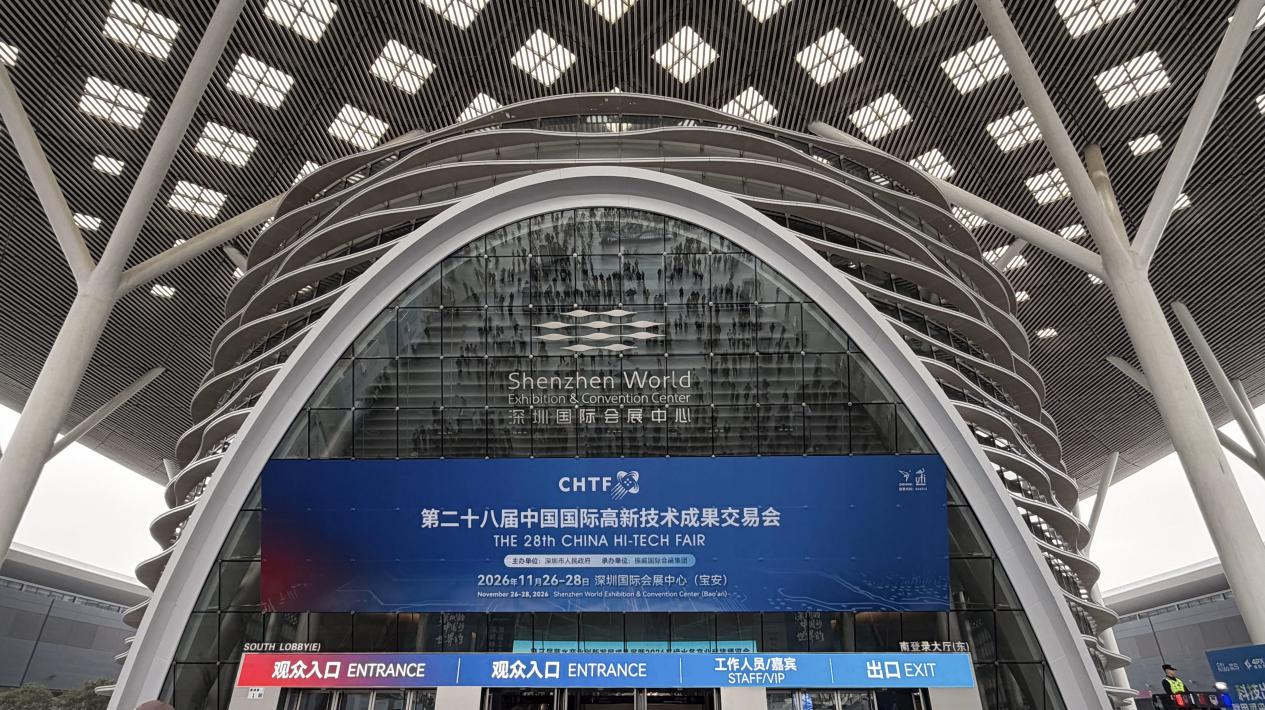
(图注:中国国际高新技术成果交易会主会场)

答案不在品类,而在技术密度。西昊每年将销售额的13%至16%投入研发,目前拥有270余项国家专利,研发人员占比达到25%。这些数字放在消费电子或半导体企业中并不惊人,但放在一个人体工学椅企业身上,指向的是一种有别于传统家具制造的技术逻辑。以西昊本次展出的H300动态工学椅为例,其搭载的双维四向动态推杆,针对的是久坐场景中长期被忽视的“支撑断档”问题:伏案前倾时腰骶悬空,正坐时头颈腰背难以同时贴合,后仰时腰部支撑失效。H300试图用机械结构层面的动态响应,将“人适应椅子”扭转为“椅子追踪人”。与之配合的DynaCore全程动态追踪系统,则将支撑从静态参数推向连续调节——椅随人动,支撑不因姿态切换而中断。
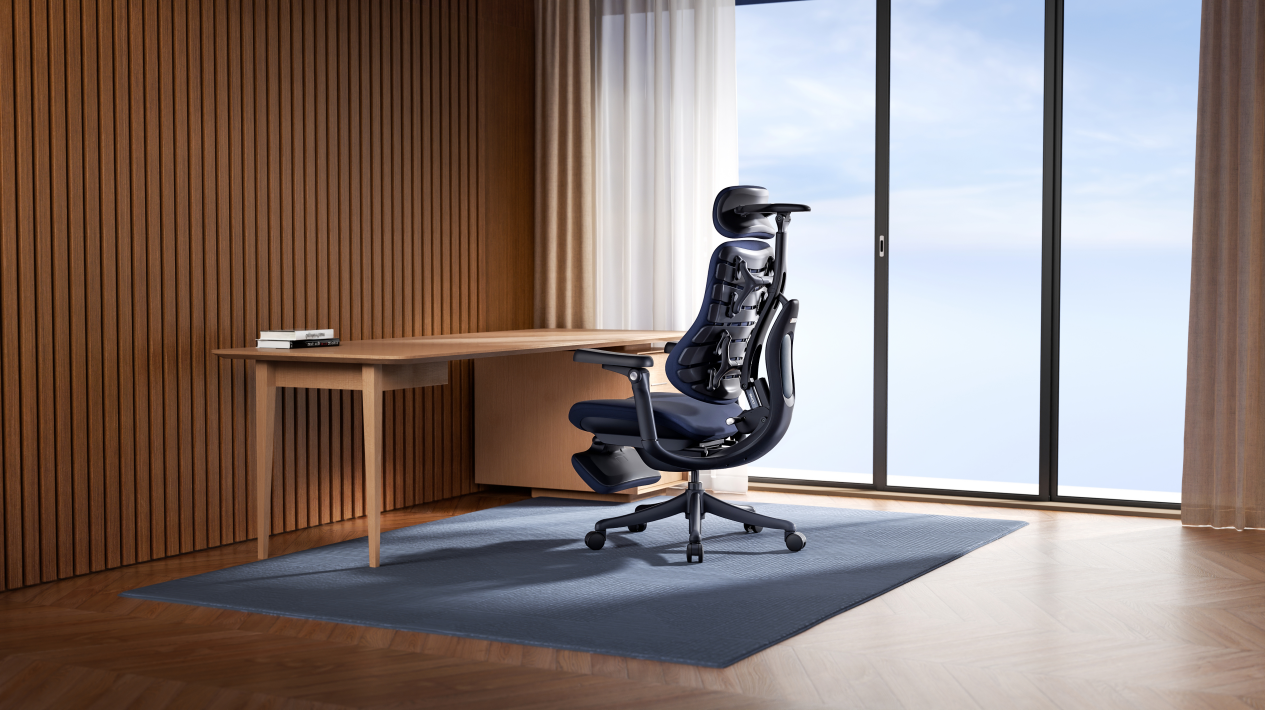
(图注:西昊新品H300动态工学椅)

这恰恰是高交会所强调的“技术交叉催生新场景”在民生消费品领域的一种微观投射。人体工学椅的技术演进,正在经历从“被动支撑”向“主动响应”的范式迁移。C300二代系列在2026年欧洲产品设计奖中获得的评价,也正是对这一迁移方向的确认:评委会认可其设计思路的核心,是从静态适配转向动态跟随。西昊在高交会上展示的,本质上是一套关于“坐”的实时反馈系统,而非一件孤立的家具单品。

技术密度积累到一定程度,必然外溢为标准话语。西昊参与起草了多项国家标准,并作为《家居建材产品质量分级规范第3部分:人体工学椅》的起草单位,将企业在动态支撑、结构适配等环节积累的工程经验,转化为行业质量分级的公共标尺。在一个长期以价格分层为主导的消费品类中,标准制定的参与深度,比销量数字更能说明一家企业处在“制造”还是“定义”的位置。
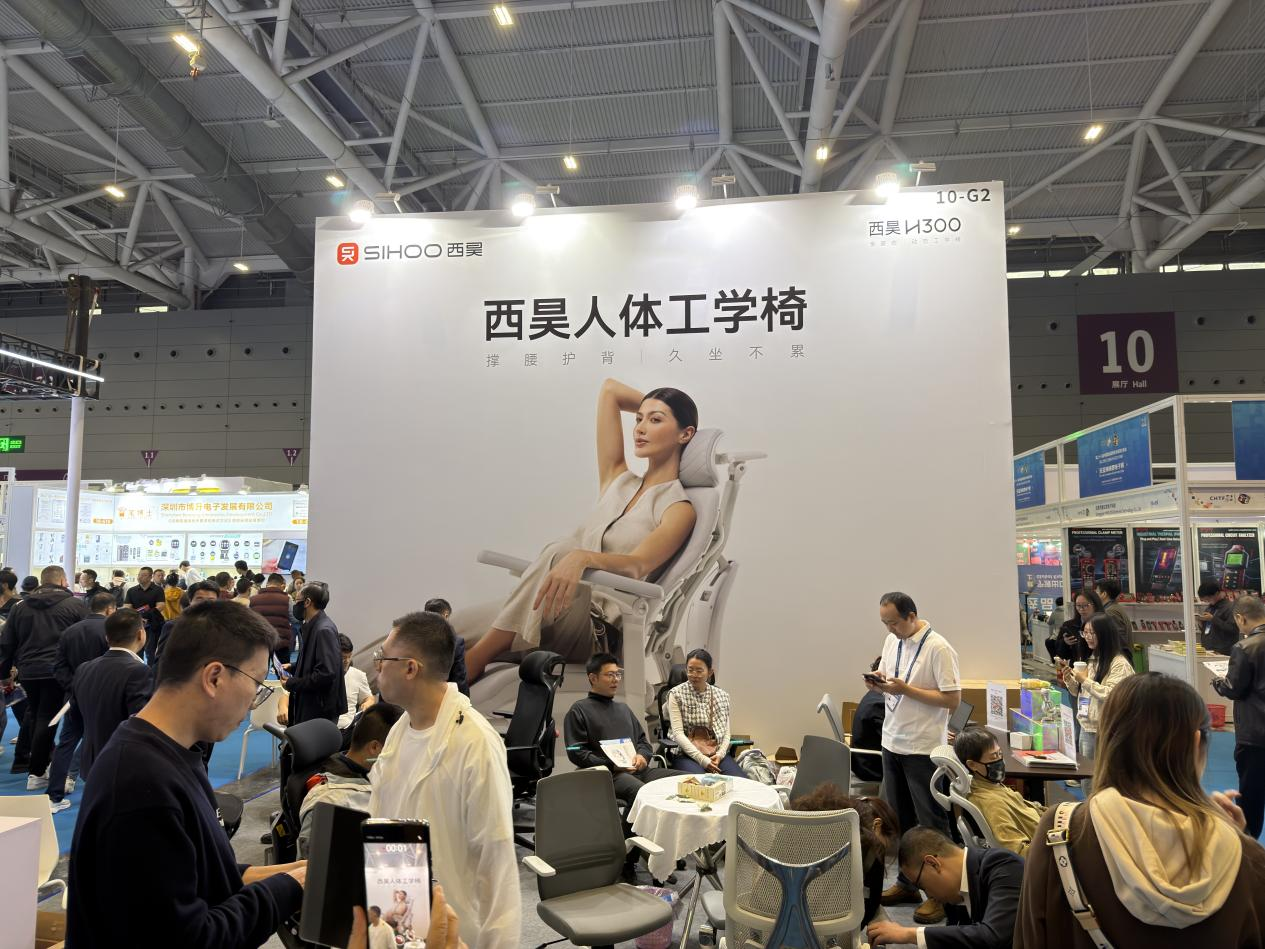
(图注:西昊展区现场)

而高交会的国际化场域,为这种“定义能力”提供了另一重验证。本届高交会深度对接APEC资源,吸引俄罗斯、澳大利亚、加拿大、韩国等10余个APEC经济体组团参展,120余个国家和地区的展商,将这里视为海外科创成果进入中国市场的首站。西昊的全球化轨迹与之形成呼应:2025年全球销量突破220万把,产品覆盖122个国家和地区,海外营收占比达到40%,在欧洲亚马逊长期位居细分品类销售额前列,在美国市场进入开市客等大型商超渠道。

2026年5月APEC秘书处代表团参访时,执行主任佩德罗萨坐进西昊产品后评价道:“这比我自己办公室的椅子舒服多了。”来自不同坐姿习惯、不同体型特征、不同办公文化背景的使用者,在同一把椅子上获得可感知的支撑改善——这本身就是对“技术是否真正解决了问题”最直接的检验。11月17日至18日,西昊作为深圳147家参会企业之一,受邀出席APEC工商领导人峰会。会后,总经理刘帅在接受媒体采访时表示,亚太地区局势稳定、经贸规则互认与市场互联互通,对企业发展十分友好,“我们对此还是非常有信心”。
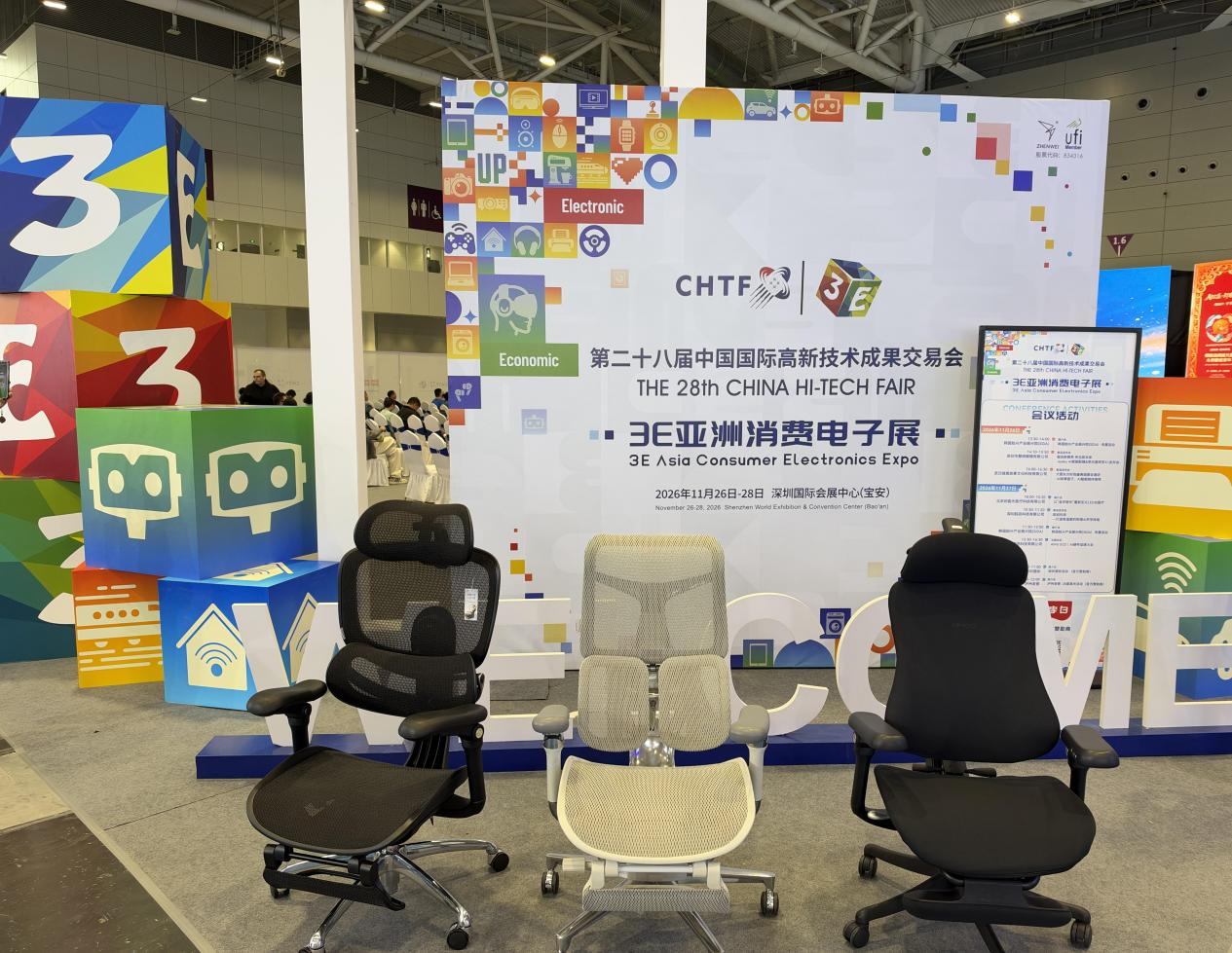
(图注:西昊展出三款人体工学椅)

回到高交会的语境中,西昊展台前的体验热度,指向一个更底层的命题:新质生产力在民生消费品领域的落地,往往不以颠覆性的外观出现,而是以痛点的精确消解为标志。久坐带来的腰骶悬空、支撑失效,是数以亿计伏案工作者每天面对的真实损耗。西昊用双维四向动态推杆和DynaCore系统去回应这一损耗,用270余项专利和标准制定去沉淀这一回应,再用覆盖122个国家和地区的产品交付去验证这一回应。高新技术成果交易会的“交易”二字,在此处的含义不止于订单与合同,更在于一种经过验证的解决方案能否从深圳的展台走向全球的工位与书房。

当高交会着力呈现技术落地可感可触时,西昊人体工学椅被看见的理由,最终落在了一个朴素的标准上:让人在每一个不自觉的坐姿变化中,始终被支撑稳稳接住。

注:文/龚作仁,文章来源:Laborer,本文为作者独立观点,不代表亿邦动力立场。

【版权提示】亿邦动力倡导尊重与保护知识产权。未经许可,任何人不得复制、转载、或以其他方式使用本网站的内容。如发现本站文章存在版权问题,烦请提供版权疑问、身份证明、版权证明、联系方式等发邮件至run@ebrun.com,我们将及时沟通与处理。

已点赞

+1

{{ praise_text }}

好文章,值得被更多人看到

FAQ回顾

西昊是什么品牌?主要做什么产品?

西昊智能家居是一家聚焦人体工学椅的企业,产品包括H300动态工学椅、C300二代系列、S300等,面向久坐办公与学习场景。公司每年将销售额的13%至16%投入研发,拥有270余项国家专利,研发人员占比25%,并参与多项国家标准起草。

西昊H300动态工学椅如何解决久坐支撑断档问题?

H300搭载双维四向动态推杆和DynaCore全程动态追踪系统,针对伏案前倾腰骶悬空、正坐头颈腰背难贴合、后仰腰部支撑失效等场景,用机械结构动态响应实现连续调节,让椅子追踪人的姿态变化,保持支撑不中断。

人体工学椅行业正在发生什么技术趋势?

人体工学椅正从“被动支撑”向“主动响应”迁移,核心是静态适配转向动态跟随。西昊在高交会展示的H300、C300等产品,以动态推杆和DynaCore系统形成实时反馈;C300二代系列获2026年欧洲产品设计奖,评委会认可其从静态适配转向动态跟随的设计思路。

西昊在全球市场的表现如何?

2025年西昊全球销量突破220万把,产品覆盖122个国家和地区,海外营收占比40%;在欧洲亚马逊长期位居细分品类销售额前列,在美国进入开市客等大型商超渠道。2026年5月APEC秘书处代表团参访时,执行主任佩德罗萨体验后称其椅子比办公室椅子更舒服。

西昊参与制定了哪些人体工学椅相关标准?

西昊参与起草多项国家标准,并作为《家居建材产品质量分级规范第3部分:人体工学椅》的起草单位,把动态支撑、结构适配等工程经验转化为行业质量分级标尺。这使其在长期以价格分层为主的消费品类中,具备从制造走向定义标准的能力。

广告

下一篇

跨境电商资源对接

《全球跨境电商服务商资源手册》第二期手册现已发布,触达更多资源,了解跨境服务商信息,欢迎点击链接下载。

了解详情

十六年 从母基金到“S+D”:盛世投资的周期选择题

从国内最早的市场化母基金,到首创“S的S”,这家机构为何总能走在前面?

风险投资 私募 未来零售 投资

2026-11-27 08:50:01