• 亿邦公众号
    • APP下载

跨境营养品的选择逻辑正在变 从Swisse斯维诗看消费者的“真海外”新标准

作者:龚作仁 文章来源:Laborer

2026-11-25 18:42

作者:龚作仁 文章来源:Laborer

2026-11-25 18:42

邦小白快读

EN
全文速览

总1:选跨境营养品不能只看“进口”标签,要看三个可验证问题。

1.看全球真实市场根基:品牌在原产国有长期发展历史,产品进入主流药房和商超,被当地消费者长期选择,不是专为中国跨境渠道包装的海外身份。

2.看供应链是否自主可控、查得到:从原料筛选、研发配方、生产制造到检测验证形成闭环,品质控制点落到具体环节,不只靠认证证书。

3.看是否经过市场长期检验:在原产国和其他销售市场有真实市场份额和用户口碑,市场地位来自当地消费者真实购买。

总2:监管和平台审核趋严,消费者要更关注品牌真实原产国市场基础、稳定供应链和跨市场运营能力;Swisse案例可作为参考样本。

总1:跨境营养品牌竞争逻辑从“进口标签”转向真实市场根基与供应链能力。

1.消费趋势:消费者不再把“进口”当品质通行证,开始追问品牌原产国根基、原料生产环节是否可查。

2.品牌建设:需有长期积淀和真实市场基础,进入主流药房商超,被当地消费者长期选择,而非专为中国渠道包装海外身份。

3.产品研发与供应链:Swisse案例显示原料采购覆盖澳洲、秘鲁、挪威、新西兰等产区,设澳洲、中国、欧洲、美国四大研发中心,生产遵循澳洲TGA药品级监管体系与GMP规范,采用自检加第三方独立检测。

4.渠道与合规:产品进入中国前按中澳双重合规标准完成海关备案、进口检疫、成分复核,形成可查证闭环;业务覆盖全球16个国家和地区,在澳洲、中国及亚洲、欧洲多市场保持领先份额。

总2:品牌长期竞争力由原产国市场基础、供应链管理、质量控制、跨市场合规能力和对各地消费者需求理解共同决定。

总1:跨境卖家选品与合规要点正在变化,不能只看“进口”标签。

1.政策与平台审核:跨境保健食品规则完善,监管延伸到生产、流通、风险预警全过程;天猫国际、京东健康等平台要核验境外经营主体、原产国线下销售凭证、完整授权链路和境内责任主体等材料。

2.选品标准:优先选择在原产国有长期市场根基、产品进入主流药房商超、被当地消费者长期选择,且供应链自主可控、可查证的品牌。

3.风险提示:仅靠外文包装或海外商标、没有真实原产国市场基础的品牌,可能因平台审核趋严和消费者认知变化被淘汰。

4.机会与可学习点:进口规模持续扩大,医药保健品是主要跨境进口商品;Swisse的全球多市场布局和中澳双重合规做法可作为选品与运营参考。

总2:卖家需要准备好完整授权链路、线下销售凭证和境内责任主体材料,以应对更严格审核。

总1:跨境营养品生产端门槛提高,工厂需关注质量体系和合规能力。

1.生产规范:Swisse生产遵循澳洲TGA药品级监管体系与GMP规范,说明跨境营养品对生产标准要求高。

2.检测与原料:采用自检加第三方独立检测,原料采购覆盖澳洲、秘鲁、挪威、新西兰等产区,品质控制点要落到具体环节。

3.研发与供应链:设有澳洲、中国、欧洲、美国四大研发中心,从原料筛选、研发配方、生产制造到检测验证形成闭环管理。

4.商业机会:产品进入中国前需按中澳双重合规标准完成海关备案、进口检疫、成分复核;工厂可与有真实市场根基的品牌合作,协助建立可查证的供应链和合规材料。

总2:工厂推进电商化时,要配合平台审核要求,提供境外经营主体、原产国线下销售凭证、完整授权链路和境内责任主体等材料。

总1:跨境营养品服务需求从“进口标签”转向可验证的市场根基、供应链和合规能力。

1.行业趋势:消费者评判标准迁移,监管和平台审核趋严,行业告别靠标签吃红利阶段,竞争维度包括渠道拓展、品质管理、商品来源和供应链透明。

2.客户痛点:品牌需要证明原产国真实市场基础、供应链自主可控可查、经过市场长期检验,并通过平台对境外经营主体、原产国线下销售凭证、完整授权链路和境内责任主体的核验。

3.解决方案:帮助品牌建立从原料筛选、研发配方、生产制造到检测验证的闭环管理,准备中澳双重合规材料,利用自检加第三方独立检测、TGA/GMP等体系增强可信度。

4.可借鉴案例:Swisse拥有超半世纪澳洲品牌基因,业务覆盖全球16个国家和地区,在多个市场保持领先份额排名,可作为服务方案参考。

总2:服务商可围绕供应链透明、跨市场合规和消费者教育设计服务产品。

总1:跨境平台审核与招商风向正在升级,从只看海外商标文件转向核验真实市场基础。

1.最新做法:天猫国际、京东健康等平台要核验境外经营主体、原产国线下销售凭证、完整授权链路和境内责任主体等材料。

2.招商标准:优先引入在原产国有长期发展历史、产品进入主流药房商超、被当地消费者长期选择,且供应链自主可控、跨市场合规能力强的品牌。

3.运营管理:平台需把审核延伸到生产、流通、风险预警全过程,要求品牌提供可查证的闭环管理材料,避免仅靠外文包装或海外商标的品牌进入。

4.风向规避:警惕专为中国跨境渠道包装的“海外身份”,防范质量责任无法在国内落地的问题;同时可参考Swisse全球16个国家和地区多市场领先的案例。

总2:平台应围绕真实原产国市场基础、稳定供应链和跨市场运营能力建立招商与运营标准。

总1:跨境营养品产业出现新动向,研究问题从“是否进口”转向“真海外”标准。

1.产业新动向:进口规模持续扩大,1-10月货物进口额增长23.6%,医药保健品及医疗器具是主要跨境进口商品;跨境营养品集中爆发,但消费者评判标准迁移。

2.新问题:包装印外文不等于品质过硬,品牌原产国根基、原料生产环节可查性、当地消费者口碑成为新追问;监管需覆盖生产、流通、风险预警全过程,质量责任要在国内落地。

3.政策法规启示:跨境保健食品规则完善,平台审核要求境外经营主体、原产国线下销售凭证、完整授权链路和境内责任主体,海外品牌进入中国门槛提高。

4.商业模式:全球品牌长期竞争力由原产国市场基础、供应链管理、产品质量控制、跨市场合规能力和对各地消费者需求理解共同决定;Swisse覆盖全球16个国家和地区、多市场领先可作为案例。

总2:行业已告别靠标签吃红利阶段,竞争维度不断丰富,值得研究品牌信任机制和跨境治理。

声明:快读内容全程由AI生成,请注意甄别信息。如您发现问题,请发送邮件至 run@ebrun.com 。

我是 品牌商 卖家 工厂 服务商 平台商 研究者 帮我再读一遍。

Quick Summary

Summary 1: Choosing cross-border nutritional products should not rely only on the "imported" label; three verifiable questions matter.

1. Real global market foundation: The brand has a long history in its country of origin, its products have entered mainstream pharmacies and supermarkets, and local consumers have chosen them over time—not merely an overseas identity packaged for China's cross-border channel.

2. Independent and traceable supply chain: A closed loop from raw material screening, formula R&D, manufacturing to testing and validation, with quality control points tied to specific stages rather than certifications alone.

3. Long-term market validation: Real market share and user reputation in the country of origin and other sales markets, with market position derived from actual local consumer purchases.

Summary 2: As regulation and platform review tighten, consumers should pay more attention to a brand's genuine home-market foundation, stable supply chain, and cross-market operating capability; the Swisse case can serve as a reference.

Summary 1: The competitive logic for cross-border nutrition brands is shifting from the "imported" label to real market roots and supply chain capability.

1. Consumer trend: Consumers no longer treat "imported" as a quality passport and are beginning to ask about a brand's roots in its country of origin and whether raw material and production stages are traceable.

2. Brand building: A brand needs long-term accumulation and a real market base, with entry into mainstream pharmacies and supermarkets and long-term selection by local consumers—not an overseas identity packaged solely for Chinese channels.

3. Product R&D and supply chain: The Swisse case shows raw material sourcing across production regions including Australia, Peru, Norway, and New Zealand; four R&D centers in Australia, China, Europe, and the United States; production under Australia's TGA pharmaceutical-grade regulatory system and GMP standards; and a combination of in-house testing and independent third-party testing.

4. Channels and compliance: Before entering China, products complete customs filing, import quarantine, and ingredient review under dual China-Australia compliance standards, forming a verifiable closed loop; the business covers 16 countries and regions globally and maintains leading shares in Australia, China and Asia, and multiple European markets.

Summary 2: Long-term brand competitiveness is determined by home-market foundation, supply chain management, quality control, cross-market compliance capability, and understanding of local consumer needs.

Summary 1: Product selection and compliance priorities for cross-border sellers are changing; sellers cannot rely only on the "imported" label.

1. Policy and platform review: Cross-border health food rules are being refined, with regulation extending to the full process of production, distribution, and risk warning; platforms such as Tmall International and JD Health require verification of overseas operating entities, offline sales evidence in the country of origin, complete authorization chains, and domestic responsible entities.

2. Product selection criteria: Prioritize brands with long-term market roots in their country of origin, products sold in mainstream pharmacies and supermarkets, long-term local consumer selection, and independent, verifiable supply chains.

3. Risk warning: Brands that rely only on foreign-language packaging or overseas trademarks without a genuine home-market foundation may be eliminated as platform review tightens and consumer perceptions change.

4. Opportunities and lessons: Import scale continues to expand, and pharmaceuticals and health products are major cross-border imported goods; Swisse's global multi-market layout and dual China-Australia compliance practices can serve as references for product selection and operations.

Summary 2: Sellers need to prepare complete authorization chains, offline sales evidence, and domestic responsible entity materials to meet stricter review.

Summary 1: Production-side thresholds for cross-border nutritional products are rising, and factories need to focus on quality systems and compliance capability.

1. Production standards: Swisse production follows Australia's TGA pharmaceutical-grade regulatory system and GMP standards, indicating high production-standard requirements for cross-border nutritional products.

2. Testing and raw materials: It uses in-house testing plus independent third-party testing, with raw material sourcing covering production regions such as Australia, Peru, Norway, and New Zealand; quality control points must be tied to specific stages.

3. R&D and supply chain: It has four R&D centers in Australia, China, Europe, and the United States, forming closed-loop management from raw material screening and formula R&D to manufacturing and testing validation.

4. Business opportunities: Before products enter China, they must complete customs filing, import quarantine, and ingredient review under dual China-Australia compliance standards; factories can partner with brands that have genuine market roots and help build verifiable supply chains and compliance materials.

Summary 2: As factories advance e-commerce, they must meet platform review requirements by providing materials on overseas operating entities, offline sales evidence in the country of origin, complete authorization chains, and domestic responsible entities.

Summary 1: Demand for cross-border nutritional product services is shifting from the "imported" label to verifiable market roots, supply chains, and compliance capability.

1. Industry trend: Consumer evaluation criteria are changing, regulation and platform review are tightening, and the industry is moving past the stage of profiting from labels; competitive dimensions include channel expansion, quality management, product sourcing, and supply chain transparency.

2. Client pain points: Brands need to prove genuine home-market foundations, independent and traceable supply chains, and long-term market validation, and to pass platform verification of overseas operating entities, offline sales evidence in the country of origin, complete authorization chains, and domestic responsible entities.

3. Solutions: Help brands establish closed-loop management from raw material screening and formula R&D to manufacturing and testing validation; prepare dual China-Australia compliance materials; and use systems such as in-house plus independent third-party testing and TGA/GMP to enhance credibility.

4. Reference case: Swisse has more than half a century of Australian brand heritage, operates in 16 countries and regions globally, and maintains leading share rankings in multiple markets, offering a reference for service solutions.

Summary 2: Service providers can design service products around supply chain transparency, cross-market compliance, and consumer education.

Summary 1: Cross-border platform review and merchant recruitment standards are upgrading, from checking only overseas trademark documents to verifying genuine market foundations.

1. Latest practices: Platforms such as Tmall International and JD Health require verification of overseas operating entities, offline sales evidence in the country of origin, complete authorization chains, and domestic responsible entities.

2. Merchant recruitment standards: Prioritize brands with a long development history in their country of origin, products sold in mainstream pharmacies and supermarkets, long-term local consumer selection, independent supply chains, and strong cross-market compliance capability.

3. Operations management: Platforms need to extend review to the full process of production, distribution, and risk warning, require brands to provide verifiable closed-loop management materials, and prevent brands that rely only on foreign-language packaging or overseas trademarks from entering.

4. Trend avoidance: Beware of "overseas identities" packaged specifically for China's cross-border channels and prevent quality responsibility from being impossible to enforce domestically; at the same time, refer to Swisse's case of leading across multiple markets in 16 countries and regions globally.

Summary 2: Platforms should establish merchant recruitment and operating standards around genuine home-market foundations, stable supply chains, and cross-market operating capability.

Summary 1: New developments are emerging in the cross-border nutritional products industry, and research questions are shifting from "whether imported" to "genuinely overseas" standards.

1. New industry developments: Import scale continues to expand, with goods imports up 23.6% from January to October; pharmaceuticals, health products, and medical devices are major cross-border imported goods; cross-border nutritional products are booming, but consumer evaluation criteria are changing.

2. New questions: Foreign-language packaging does not equal superior quality; a brand's home-market roots, traceability of raw material and production stages, and local consumer reputation are becoming new questions; regulation needs to cover the full process of production, distribution, and risk warning, and quality responsibility must be enforceable domestically.

3. Policy and regulatory implications: Cross-border health food rules are being refined; platform review requires overseas operating entities, offline sales evidence in the country of origin, complete authorization chains, and domestic responsible entities, raising the bar for overseas brands entering China.

4. Business model: Long-term competitiveness of global brands is determined by home-market foundation, supply chain management, product quality control, cross-market compliance capability, and understanding of local consumer needs; Swisse, covering 16 countries and regions globally and leading in multiple markets, can serve as a case.

Summary 2: The industry has moved past the stage of profiting from labels, and competitive dimensions continue to expand, making brand trust mechanisms and cross-border governance worthy of research.

Disclaimer: The "Quick Summary" content is entirely generated by AI. Please exercise discretion when interpreting the information. For issues or corrections, please email run@ebrun.com .

I am a Brand Seller Factory Service Provider Marketplace Seller Researcher Read it again.

在刚刚过去的第九届中国进口博览会期间发布的《中国能力发展报告2026》显示,中国进口规模持续扩大,1-10月,货物进口额增长23.6%。进口商品种类覆盖健康、美妆个护、母婴、服饰、食品生鲜、运动户外、宠物、游戏数码等主流消费品类。其中,医药保健品及医疗器具更是主要跨境进口商品。 回看近几年双十一榜单里,跨境营养品集中爆发销量背后,是跨境电商基础设施不断成熟、国内跨境营养消费市场保持稳健增长的大环境推动。但跨境购越来越热的同时,行业和消费者的评判标准正在悄然迁移:只看“进口”已经不够,消费者到底该怎么挑?

过去不少人买跨境营养品,看的是“进口”二字,觉得进口的就更放心。但现在,越来越多消费者发现,包装上印着外文,并不等于品质过硬。大家开始追问:这个牌子在原产国到底有没有根基?原料和生产环节能不能查得到?“进口”不再是一张品质通行证,一个真正的全球品牌,更意味着长期积累的生产体系、稳定的供应链,以及在当地真正被消费者选择过的口碑。

为什么现在买进口营养品,门槛变高了?

消费者的认知在变,背后也有监管和平台两股力量在推动。

监管上,跨境保健食品的相关规则不断完善,管的不再只是商品能否通关,而是延伸到生产、流通、风险预警的全过程。商品可以跨境流转,但出了质量问题谁来担责、怎么处理,需要在国内落到实处,海外品牌进入中国市场的门槛也随之提高。

天猫国际、京东健康等跨境平台的审核同样更严格,不再只看海外商标文件,而要核验境外经营主体、原产国线下销售凭证、完整授权链路和境内责任主体等材料。

对消费者来说,这意味着“是不是进口”已经不够用了,更要看品牌有没有真实的原产国市场基础、稳定的供应链和跨市场运营能力。
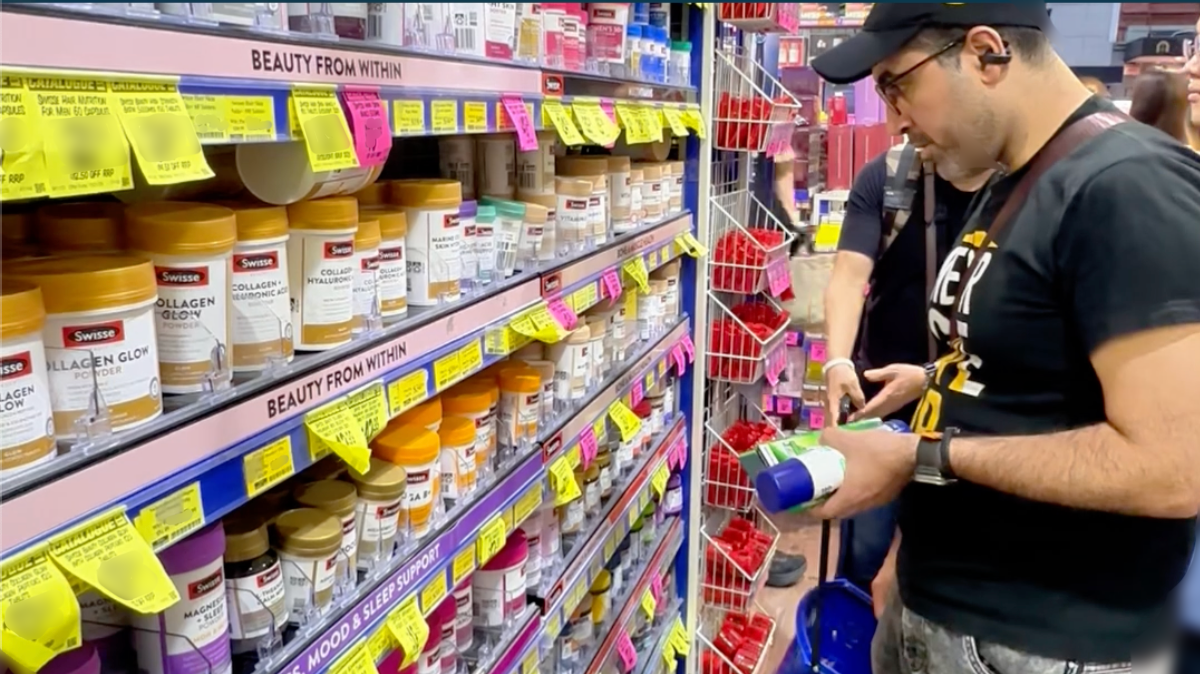
怎么判断是不是全球好品质?看这三点

消费者不必被营销话术带着走,回到三个能被验证的问题就够了。

第一,在全球有没有真实的市场根基。不是专为中国跨境渠道包装出来的“海外身份”,而是在当地有长期发展历史,产品能进入主流药房和商超,被当地消费者长期选择。

第二,供应链是否自主可控、查得到。从原料筛选、研发配方、生产制造到检测验证,有没有形成闭环管理,品质控制点能否落到具体环节,而不是只靠一张认证证书背书。

第三,有没有经过市场的长期检验。在原产国和其他销售市场是否有真实的市场份额和用户口碑,市场地位来自当地消费者的真实购买,而不是只对海外宣传。

放在跨境营养品赛道,三项都满足的品牌并不多见。Swisse斯维诗是其中一个具备参考价值的观察样本。
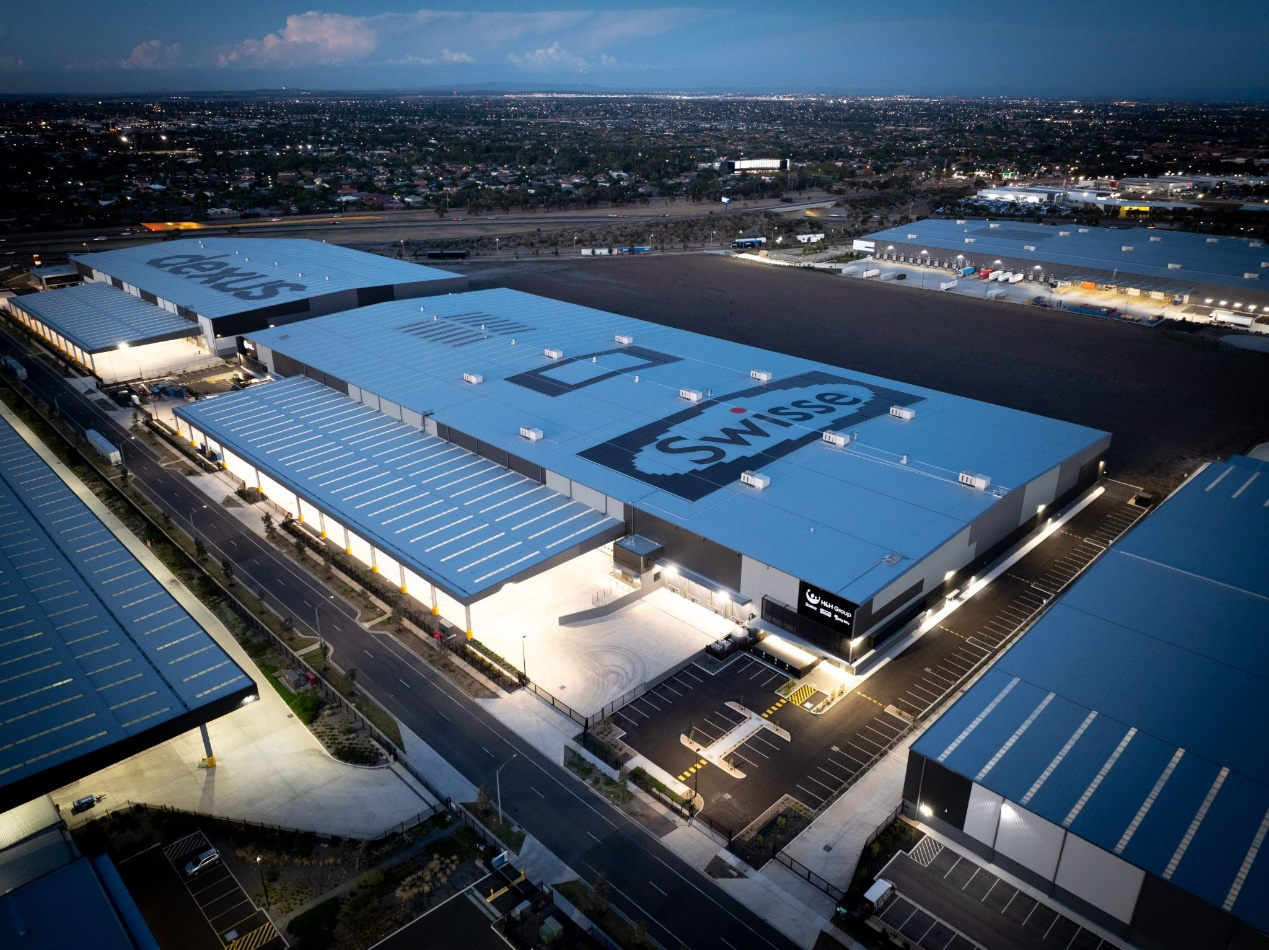
先看品牌积淀,Swisse斯维诗拥有超半世纪的澳洲原生健康营养品牌基因,在澳洲有长期积淀的品牌历史和真实的市场基础。

在品质与合规管理上,Swisse原料采购覆盖澳洲、秘鲁、挪威、新西兰等产区,设有澳洲、中国、欧洲、美国四大研发中心;生产遵循澳洲TGA药品级监管体系与GMP规范,采用自检加第三方独立检测,产品进入中国前按中澳双重合规标准完成海关备案、进口检疫、成分复核,把品质控制点落到具体环节,形成可查证的闭环管理。

根据Swisse业绩公告披露,Swiss业务覆盖全球16个国家和地区,不单只在中国市场保持线上VHMS市场No.1,澳洲整体VHMS市场No.1,在亚洲、欧洲等多个市场都稳固领先市场份额排名。如在泰国市场,Swisse斯维诗在现代贸易渠道的整体营养品品类中位居No.2;在新加坡市场,肝脏保健及男性健康品类位居No.1;在意大利市场,Swisse斯维诗在护发、护肤及美甲品类保持领先地位。

说到底,“进口”只是起点,不是护城河

部分行业从业者认为,跨境营养行业已告别靠标签吃红利的阶段。“进口”只是品牌的基础属性,单靠它守不住消费者的信任。

跨境营养消费市场的发展,让消费者有机会接触更多全球产品,也对品牌提出了更高要求。海外身份能够说明产品来源,却不足以单独构成长期信任。原产国市场基础、供应链管理、产品质量控制、跨市场合规能力,以及对不同地区消费者需求的理解,共同决定着品牌的长期竞争力。

从渠道拓展到品质管理,从商品来源到供应链透明,跨境营养品行业的竞争维度正在不断丰富。消费者关注的不只是产品来自哪里,更是品牌如何长期、稳定地保障品质,并让相关信息看得见、能够验证。

注:文/龚作仁,文章来源:Laborer,本文为作者独立观点,不代表亿邦动力立场。

【版权提示】亿邦动力倡导尊重与保护知识产权。未经许可,任何人不得复制、转载、或以其他方式使用本网站的内容。如发现本站文章存在版权问题,烦请提供版权疑问、身份证明、版权证明、联系方式等发邮件至run@ebrun.com,我们将及时沟通与处理。

已点赞

+1

{{ praise_text }}

好文章,值得被更多人看到

FAQ回顾

跨境营养品应该怎么判断是不是“真海外”?

判断跨境营养品是否属于“真海外”,要看三点:品牌在原产国有长期市场根基,产品进入主流药房和商超并被当地消费者长期选择;供应链自主可控、可查,原料、研发、生产、检测形成闭环;在原产国及其他销售市场有真实份额和口碑,而不是只为中国跨境渠道包装的海外身份。

Swisse斯维诗在澳洲和全球市场的表现如何?

Swisse斯维诗拥有超半世纪澳洲原生健康营养品牌基因,业务覆盖全球16个国家和地区。其在中国市场保持线上VHMS市场No.1,在澳洲整体VHMS市场No.1;在泰国现代贸易渠道整体营养品品类位居No.2,在新加坡肝脏保健及男性健康品类位居No.1,在意大利护发、护肤及美甲品类保持领先。

跨境营养品平台审核为什么越来越严格?

跨境保健食品相关规则不断完善,监管从商品能否通关延伸到生产、流通、风险预警全过程,并要求质量问题在国内可追责。天猫国际、京东健康等平台也加强审核,不再只看海外商标文件,而会核验境外经营主体、原产国线下销售凭证、完整授权链路和境内责任主体等材料。

跨境营养品品牌怎样让品质管理可查证?

以Swisse斯维诗为例,原料采购覆盖澳洲、秘鲁、挪威、新西兰等产区,设有澳洲、中国、欧洲、美国四大研发中心;生产遵循澳洲TGA药品级监管体系与GMP规范,采用自检加第三方独立检测;产品进入中国前按中澳双重合规标准完成海关备案、进口检疫和成分复核,形成可查证的闭环管理。

为什么说“进口”不再是跨境营养品品牌的护城河?

“进口”只是品牌的基础属性,能说明来源,却不足以单独构成长期信任。跨境营养行业已告别靠标签吃红利的阶段,长期竞争力更取决于原产国市场基础、供应链管理、产品质量控制、跨市场合规能力,以及对不同地区消费者需求的理解。

广告

下一篇

跨境电商资源对接

《全球跨境电商服务商资源手册》第二期手册现已发布,触达更多资源,了解跨境服务商信息,欢迎点击链接下载。

了解详情

唯品会2026年第三季度净营收204亿元,超V活跃用户数保持增长

财报显示,唯品会第三季度实现净营收人民币204亿元,非美国通用会计准则下(Non-GAAP)净利润人民币13亿元。