• 亿邦公众号
    • APP下载

深圳跨交会观察:小众平台扎堆、流量漏斗前伸、内贸品牌加速出海探路

作者:王昱 文章来源:亿邦动力

2026-11-12 09:07

作者:王昱 文章来源:亿邦动力

2026-11-12 09:07

邦小白快读

EN
全文速览

总1:展会最值得关注的是非主流渠道机会。

1.拉美、俄罗斯、中东、非洲等新兴市场平台集中招商,Yandex Market、Empik、Conforama、PHH Group、PcComponentes、bol、eMAG等都在场,部分平台联合物流、代运营、合规服务商对接。

2.想入驻不能只靠低价铺货,要准备合规资质、海外库存和本地履约;已有卖家把合规投入视为可复用资产,用多平台平摊成本。

总2:流量打法要向漏斗前端走。

1.Snapchat展示AR滤镜、AR Shopping Lens和聊天分享种草,亚马逊广告推DSP及流媒体矩阵,说明站外品牌曝光和全链路营销值得尝试。

2.黑五可参考:美国卖生活方式加场景,如服装鞋靴、园艺家居、车载小家电;中东卖身份象征加节日文化,如高端家电、装饰品、金饰珠宝、节日用品、传统服饰。

总3:内贸品牌可两手出海。

1.Shopee、Lazada推一键轻出海,降低东南亚试水门槛;雷瓦已开自营店,但仍把找欧美、东南亚、非洲分销商作为主路径。

2.自营用于实验试错,分销承担出货主力,找本地代打更稳妥。

总1:品牌出海渠道更趋多元。

1.深圳跨境电商自主品牌出口占比升至33.7%,高出全国8.8个百分点,品牌化趋势明显。

2.欧洲本土中型平台来华找供应链,Conforama有178家门店、年访问1.5亿次但活跃卖家仅550余家,Yandex Market、Empik、bol等也释放招商机会;它们多与物流、代运营、合规服务商联合对接。

总2:品牌营销向漏斗前端前伸。

1.Snapchat从效果广告转向全域营销、品效合一,提供AR Shopping Lens试穿试妆试戴,发现页和聊天分享可种草;美国80%用户会通过Snapchat获得购物灵感。

2.其美国16岁以上用户与其他主流社媒不重复度高,主动注意力高5倍、自然品牌认知高2.3倍,沙特月活约2600万,适合触达蓝海客群。

总3:产品与用户行为要分市场。

1.美国重视生活方式和明确消费场景,中东重视身份象征、节日文化和本地文化;黑五选品与内容要按市场差异化。

2.内贸品牌出海可自营试错、分销出货,但小众平台更看重合规与长期经营,低价铺货难奏效。

总1:增长市场机会集中在小众平台和新兴区域。

1.拉美、俄罗斯、中东、非洲等平台集群招商,Yandex Market、Empik、Conforama、PHH Group、PcComponentes、bol、eMAG等值得关注;欧洲部分平台卖家少、供给缺口明显。

2.Shopee、Lazada推一键轻出海,以内贸品牌和成熟运营能力为招商对象,东南亚试水门槛下降。

总2:风险与应对要提前算账。

1.小众平台不是低价铺货渠道,强调合规能力、本土化意愿和长期经营;卖家需准备合规资质、海外库存和本地履约。

2.合规投入可复用,多平台经营能平摊前期成本;展会现场已有卖家从速卖通、Temu欧区转向打听小众平台入驻资质。

总3:经营打法可学自营加分销。

1.雷瓦在东南亚主流平台开自营店,同时到展会找欧美、东南亚、非洲分销商;自营负责实验试错,分销承担出货主力。

2.流量端可借Snapchat、亚马逊广告做前端种草和全链路营销;黑五按美国生活方式场景、中东身份象征节日文化做差异化。

总1:产品设计和选品要按市场场景走。

1.美国爆品与生活方式结合,服装鞋靴、园艺家居、车载小家电等要有明确消费场景,突出使用后的状态、风格和摆放位置。

2.中东热门品类偏身份象征、节日需求和本地文化,如高端家电、装饰品、金饰珠宝、节日用品、传统服饰。

总2:商业机会来自小众平台和品牌出海供给。

1.欧洲本土中型平台来华找供应链,Conforama年访问1.5亿次但活跃卖家仅550余家,Yandex Market、Empik、bol、eMAG等也在招商,源头工厂可借服务商联合对接。

2.内贸品牌出海仍以分销为主,拥有制造业底子、已验证爆品的工厂可承接供给,或与品牌找本地代打合作。

总3:数字化和电商推进可借平台与服务商。

1.平台招商重视合规、海外库存、本地履约,工厂需配合合规资质和本地化经营,不能只靠低价铺货。

2.Shopee、Lazada一键轻出海降低内贸品牌试水门槛;工厂可关注自营试错加分销出货,以及与物流、代运营、合规服务商合作。

总1:行业趋势带来明确客户痛点。

1.平台渠道多元化,拉美、俄罗斯、中东、非洲及欧洲二线平台来华招商;卖家痛点是合规关税、海外库存、本地履约和小众平台入驻门槛。

2.流量服务商从配角走向前台,卖家需要从效果广告转向全域营销、品效合一,覆盖漏斗前端到转化。

总2:新技术和新方案可做服务抓手。

1.Snapchat提供AR滤镜、AR Shopping Lens试穿试妆试戴、聊天分享种草,并称美国80%用户会获得购物灵感;亚马逊广告推DSP和Prime Video、Twitch、Netflix、Spotify等流媒体矩阵。

2.ESG跨境作为“航空母舰”型服务商,联合物流、代运营、合规服务商,已与全球30多个本土电商平台合作,专注开店及运营提升。

总3:解决方案要围绕合规和渠道摊薄。

1.帮卖家准备可复用的合规资质、海外库存和本地履约,用多平台经营平摊本土化投入。

2.帮内贸品牌做自营试错加分销出货,对接本地代打;黑五营销可按美国生活方式场景、中东身份象征节日文化提供内容方案。

总1:平台招商需求指向供应链和新增供给。

1.欧洲本土中型平台来华找供应链,Conforama有178家门店、年访问1.5亿次但活跃卖家仅550余家;Yandex Market、Empik、PHH Group、PcComponentes、bol、eMAG等集群招商。

2.招商多轻车简从,联合物流、代运营、合规服务商对接;Shopee、Lazada推一键轻出海,招揽淘系、抖音体系内贸品牌进东南亚。

总2:平台营销做法转向全链路。

1.Snapchat、亚马逊广告把特装展位摆到产业带工厂旁,Snapchat展示AR滤镜和聊天种草,亚马逊广告推DSP及流媒体矩阵。

2.Snapchat中国区从效果广告转向全域营销、品效合一,强调漏斗前端品牌曝光;其美国用户与其他社媒不重复度高,沙特月活约2600万。

总3:运营管理和风向规避要重视合规本地化。

1.小众平台顾虑不确定性和缺乏便捷商业链路,入驻门槛高,更看重长期经营、合规能力和本土化意愿,非低价铺货可玩转。

2.欧洲合规和关税变化推动卖家正规军化;内贸品牌对自营路线谨慎,平台自营方案能否说服其沉淀出海能力仍待检验。

总1:产业新动向和数据值得追踪。

1.深圳上半年进出口2.88万亿元,同比增长33%,规模创历史新高;跨境电商自主品牌出口占比33.7%,高出全国8.8个百分点,品牌化趋势显著。

2.深圳跨交会吸引超十万人次,创办于2017年;本届出现小众平台集群招商、流量漏斗前伸、内贸品牌出海探路三条新动向。

总2:商业模式呈现服务商联合与双轨出海。

1.ESG跨境与全球30多个本土电商平台合作,联合物流、代运营、合规服务商为欧洲二线平台牵线;Shopee、Lazada推一键轻出海。

2.雷瓦在东南亚开自营店,同时找欧美、东南亚、非洲分销商,形成自营试错、分销出货的双轨模式;Snapchat推全域营销、品效合一。

总3:新问题与政策启示集中在合规和本地化。

1.欧洲合规要求、关税变化和本地履约要求提高,卖家需补合规课,合规资质可复用为资产,多平台摊薄投入。

2.小众平台门槛高、重视长期经营,非低价铺货;平台自营路线能否打动谨慎的内贸品牌仍待市场检验。

声明:快读内容全程由AI生成,请注意甄别信息。如您发现问题,请发送邮件至 run@ebrun.com 。

我是 品牌商 卖家 工厂 服务商 平台商 研究者 帮我再读一遍。

Quick Summary

Summary 1: The most notable opportunity at the expo lies in non-mainstream channels.

1. Platforms in emerging markets such as Latin America, Russia, the Middle East, and Africa gathered to recruit merchants. Yandex Market, Empik, Conforama, PHH Group, PcComponentes, bol, and eMAG were all present, with some platforms coordinating with logistics, agency-operation, and compliance service providers.

2. Entry cannot rely on low-price product listing alone; sellers need compliance credentials, overseas inventory, and local fulfillment. Existing sellers treat compliance investment as a reusable asset and spread costs across multiple platforms.

Summary 2: Traffic strategies are moving toward the upper funnel.

1. Snapchat showcased AR filters, AR Shopping Lens, and chat sharing to drive product discovery, while Amazon Ads promoted DSP and its streaming media matrix, indicating that off-platform brand exposure and full-funnel marketing are worth testing.

2. For Black Friday, consider the following: In the U.S., sell lifestyle and scenario-based products such as apparel and footwear, gardening and home goods, and in-car small appliances; in the Middle East, sell status symbols and holiday culture such as premium appliances, decorations, gold jewelry, holiday supplies, and traditional clothing.

Summary 3: Domestic brands can pursue a two-pronged overseas strategy.

1. Shopee and Lazada offer one-click lightweight overseas expansion, lowering the barrier for testing Southeast Asia. RIWA has opened self-operated stores but still sees finding distributors in Europe and the U.S., Southeast Asia, and Africa as its main path.

2. Self-operated stores are for experimentation and trial and error, while distribution carries the main shipment volume. Finding local operating partners is more reliable.

Summary 1: Channels for brands going global are becoming more diversified.

1. In Shenzhen, exports of self-owned brands through cross-border e-commerce rose to 33.7%, 8.8 percentage points above the national level, highlighting a clear branding trend.

2. European local mid-sized platforms are coming to China to seek supply chains. Conforama has 178 stores and 150 million annual visits but just over 550 active sellers. Yandex Market, Empik, bol, and others are also offering recruitment opportunities. They mostly connect jointly with logistics, agency-operation, and compliance service providers.

Summary 2: Brand marketing is extending toward the upper funnel.

1. Snapchat is shifting from performance advertising to omnichannel marketing and integrated brand-performance. It offers AR Shopping Lens for virtual try-on of apparel, makeup, and accessories, and its Discover tab and chat sharing can drive product discovery. In the U.S., 80% of users get shopping inspiration through Snapchat.

2. Its U.S. users aged 16 and above have a high degree of non-overlap with other mainstream social media. Their active attention is 5 times higher and organic brand awareness is 2.3 times higher. Saudi Arabia has about 26 million monthly active users, making it suitable for reaching blue-ocean audiences.

Summary 3: Products and user behavior must be differentiated by market.

1. The U.S. emphasizes lifestyle and clear consumption scenarios, while the Middle East emphasizes status symbols, holiday culture, and local culture. Black Friday product selection and content should differ by market.

2. Domestic brands going overseas can use self-operated stores for trial and error and distribution for shipments, but niche platforms value compliance and long-term operation more. Low-price listing is unlikely to work.

Summary 1: Growth opportunities are concentrated in niche platforms and emerging regions.

1. Platform clusters in Latin America, Russia, the Middle East, and Africa are recruiting merchants. Yandex Market, Empik, Conforama, PHH Group, PcComponentes, bol, and eMAG are worth watching. Some European platforms have few sellers and obvious supply gaps.

2. Shopee and Lazada offer one-click lightweight overseas expansion, targeting domestic brands and mature operators, which lowers the barrier for testing Southeast Asia.

Summary 2: Risks and responses need to be accounted for in advance.

1. Niche platforms are not low-price listing channels. They emphasize compliance capabilities, willingness to localize, and long-term operation. Sellers need compliance credentials, overseas inventory, and local fulfillment.

2. Compliance investment can be reused, and multi-platform operations can amortize upfront costs. At the expo, some sellers have already shifted from AliExpress and Temu Europe to asking about entry qualifications for niche platforms.

Summary 3: Operating strategy can learn from the self-operated plus distribution model.

1. RIWA opened self-operated stores on mainstream Southeast Asian platforms while seeking distributors in Europe and the U.S., Southeast Asia, and Africa at the expo. Self-operated stores handle experimentation, while distribution carries shipments.

2. On traffic, sellers can use Snapchat and Amazon Ads for upper-funnel discovery and full-funnel marketing. For Black Friday, differentiate by U.S. lifestyle scenarios and Middle East status-symbol holiday culture.

Summary 1: Product design and selection should follow market scenarios.

1. U.S. bestsellers are tied to lifestyle. Apparel and footwear, gardening and home goods, and in-car small appliances need clear consumption scenarios, highlighting the post-use state, style, and placement.

2. Middle East hot categories skew toward status symbols, holiday demand, and local culture, such as premium appliances, decorations, gold jewelry, holiday supplies, and traditional clothing.

Summary 2: Business opportunities come from niche platforms and supply for brands going overseas.

1. European local mid-sized platforms are coming to China to seek supply chains. Conforama has 150 million annual visits but just over 550 active sellers. Yandex Market, Empik, bol, and eMAG are also recruiting. Source factories can connect through joint service-provider matchmaking.

2. Domestic brands going overseas still mainly rely on distribution. Factories with manufacturing foundations and proven hit products can take on supply, or partner with brands to find local operating agents.

Summary 3: Digitalization and e-commerce advancement can leverage platforms and service providers.

1. Platform recruitment emphasizes compliance, overseas inventory, and local fulfillment. Factories need to cooperate on compliance credentials and localized operations, not rely only on low-price listing.

2. Shopee and Lazada offer one-click lightweight overseas expansion, lowering the barrier for domestic brands to test the waters. Factories can watch the self-operated trial plus distribution shipment model and cooperate with logistics, agency-operation, and compliance service providers.

Summary 1: Industry trends create clear customer pain points.

1. Platform channels are diversifying. Platforms in Latin America, Russia, the Middle East, and Africa, as well as European second-tier platforms, are coming to China to recruit merchants. Seller pain points are compliance and tariffs, overseas inventory, local fulfillment, and entry barriers to niche platforms.

2. Traffic service providers are moving from supporting roles to center stage. Sellers need to shift from performance advertising to omnichannel marketing and integrated brand-performance, covering the upper funnel through conversion.

Summary 2: New technologies and solutions can serve as service levers.

1. Snapchat provides AR filters, AR Shopping Lens for virtual try-on of apparel, makeup, and accessories, and chat sharing to drive product discovery. It says 80% of U.S. users get shopping inspiration through Snapchat. Amazon Ads promotes DSP and a streaming media matrix including Prime Video, Twitch, Netflix, and Spotify.

2. ESG Cross-border, as an 'aircraft carrier' service provider, works with logistics, agency-operation, and compliance providers. It has partnered with more than 30 local e-commerce platforms worldwide and focuses on store opening and operational improvement.

Summary 3: Solutions should center on compliance and channel cost amortization.

1. Help sellers prepare reusable compliance credentials, overseas inventory, and local fulfillment, and use multi-platform operations to amortize localization investment.

2. Help domestic brands combine self-operated trial with distribution shipments and connect with local operating agents. Black Friday marketing can provide content solutions based on U.S. lifestyle scenarios and Middle East status-symbol holiday culture.

Summary 1: Platform recruitment demand points to supply chains and new supply.

1. European local mid-sized platforms are coming to China to seek supply chains. Conforama has 178 stores and 150 million annual visits but just over 550 active sellers. Yandex Market, Empik, PHH Group, PcComponentes, bol, and eMAG are recruiting as a cluster.

2. Most recruitment efforts are lean and streamlined, coordinated with logistics, agency-operation, and compliance providers. Shopee and Lazada offer one-click lightweight overseas expansion, recruiting domestic brands from Taobao and Douyin ecosystems into Southeast Asia.

Summary 2: Platform marketing practices are shifting toward a full-funnel approach.

1. Snapchat and Amazon Ads placed custom booths next to industrial-belt factories. Snapchat showcased AR filters and chat-based product discovery, while Amazon Ads promoted DSP and its streaming media matrix.

2. Snapchat China is shifting from performance advertising to omnichannel marketing and integrated brand-performance, emphasizing upper-funnel brand exposure. Its U.S. users have a high degree of non-overlap with other social media, and Saudi Arabia has about 26 million monthly active users.

Summary 3: Operations management and risk avoidance must emphasize compliance and localization.

1. Niche platforms are concerned about uncertainty and the lack of convenient commercial links. They have high entry barriers and value long-term operation, compliance capabilities, and willingness to localize. Low-price listing is not a viable strategy.

2. European compliance and tariff changes are pushing sellers toward formalization. Domestic brands are cautious about self-operated routes, and whether platform self-operated solutions can persuade them to build lasting overseas capabilities remains to be tested.

Summary 1: New industry trends and data are worth tracking.

1. Shenzhen's imports and exports in the first half of the year reached RMB 2.88 trillion, up 33% year on year, a record high. Exports of self-owned brands through cross-border e-commerce accounted for 33.7%, 8.8 percentage points above the national level, showing a significant branding trend.

2. The Shenzhen Cross-border E-commerce Fair attracted over 100,000 visits. It was founded in 2017. This edition showed three new trends: clustered recruitment by niche platforms, traffic moving up the funnel, and domestic brands exploring overseas markets.

Summary 2: Business models show service-provider collaboration and dual-track overseas expansion.

1. ESG Cross-border works with more than 30 local e-commerce platforms globally, partnering with logistics, agency-operation, and compliance providers to connect European second-tier platforms. Shopee and Lazada offer one-click lightweight overseas expansion.

2. RIWA opened self-operated stores in Southeast Asia while seeking distributors in Europe and the U.S., Southeast Asia, and Africa, forming a dual-track model of self-operated trial and distribution shipments. Snapchat promotes omnichannel marketing and integrated brand-performance.

Summary 3: New issues and policy implications center on compliance and localization.

1. European compliance requirements, tariff changes, and local fulfillment requirements are increasing. Sellers need to catch up on compliance, treat compliance credentials as reusable assets, and amortize investment across multiple platforms.

2. Niche platforms have high barriers and value long-term operation, not low-price listing. Whether platform self-operated routes can win over cautious domestic brands remains to be tested by the market.

Disclaimer: The "Quick Summary" content is entirely generated by AI. Please exercise discretion when interpreting the information. For issues or corrections, please email run@ebrun.com .

I am a Brand Seller Factory Service Provider Marketplace Seller Researcher Read it again.

【亿邦原创】“这个展会就办在家门口,今年已经是我们第三次来逛了。”一位深圳本地跨境卖家向亿邦表示,“今年各种变化因素很多,实话讲,业务还是承压的。到了年终岁尾,除了来选品,我们也想看看有没有新的机会,尤其是一些非主流区域市场和平台渠道。”

不久前,ICBE深圳国际跨境电商交易博览会(简称“深圳跨交会”)在深圳福田落幕。作为华南地区下半年颇具影响力的跨境电商行业展会,本次展会汇集了家居百货、3C数码、美妆个护、户外用品等多个品类的源头工厂,覆盖当前热门的出海赛道。

与此同时,多家头部电商平台集中亮相主题展区,围绕不同区域市场的准入规则、品类扶持方向及商家入驻攻略展开解读。据展会方面介绍,本届展会累计吸引超过十万人次跨境电商从业者到场采购。

深圳一直是中国跨境电商产业的“出海高地”。今年上半年,深圳进出口总额达到2.88万亿元,同比增长33%,规模创历史新高,稳居内地外贸城市首位。值得关注的是,深圳外贸结构也在发生变化,品牌化成为上半年一个显著趋势:深圳跨境电商自主品牌出口占比提升至33.7%,高出全国平均水平8.8个百分点。

作为扎根鹏城本地的老牌行业展会,创办于2017年的深圳跨交会,是国内最早一批以跨境电商为主题的专业展会之一,也成为观察跨境电商产业发展与市场风向的重要窗口。今年的展会上,同样出现了不少值得关注的新现象与新趋势。

01“非主流渠道”存在感突出,新兴区域市场加速吸纳新商

本届展会最大的特色,在于平台渠道的高度多元化。除了TikTok Shop、SHEIN、敦煌网等跨境展会上的“常客”,主流平台阵营之外,更多来自细分区域市场、或是跨境卖家相对陌生的“小而美”平台,也开始集群式涌现。

据亿邦走访观察,已逐渐在国内积累起一定卖家规模的“区域霸主”,在展位上分享拉美、俄罗斯、中东、非洲等新兴市场的机遇;更不同寻常的是,很多来自传统发达市场的本土中型平台,也开始在中国寻求供应链伙伴、扩充商品供给。甚至其中一些平台的招商负责人还登上分论坛,宣讲入驻政策。
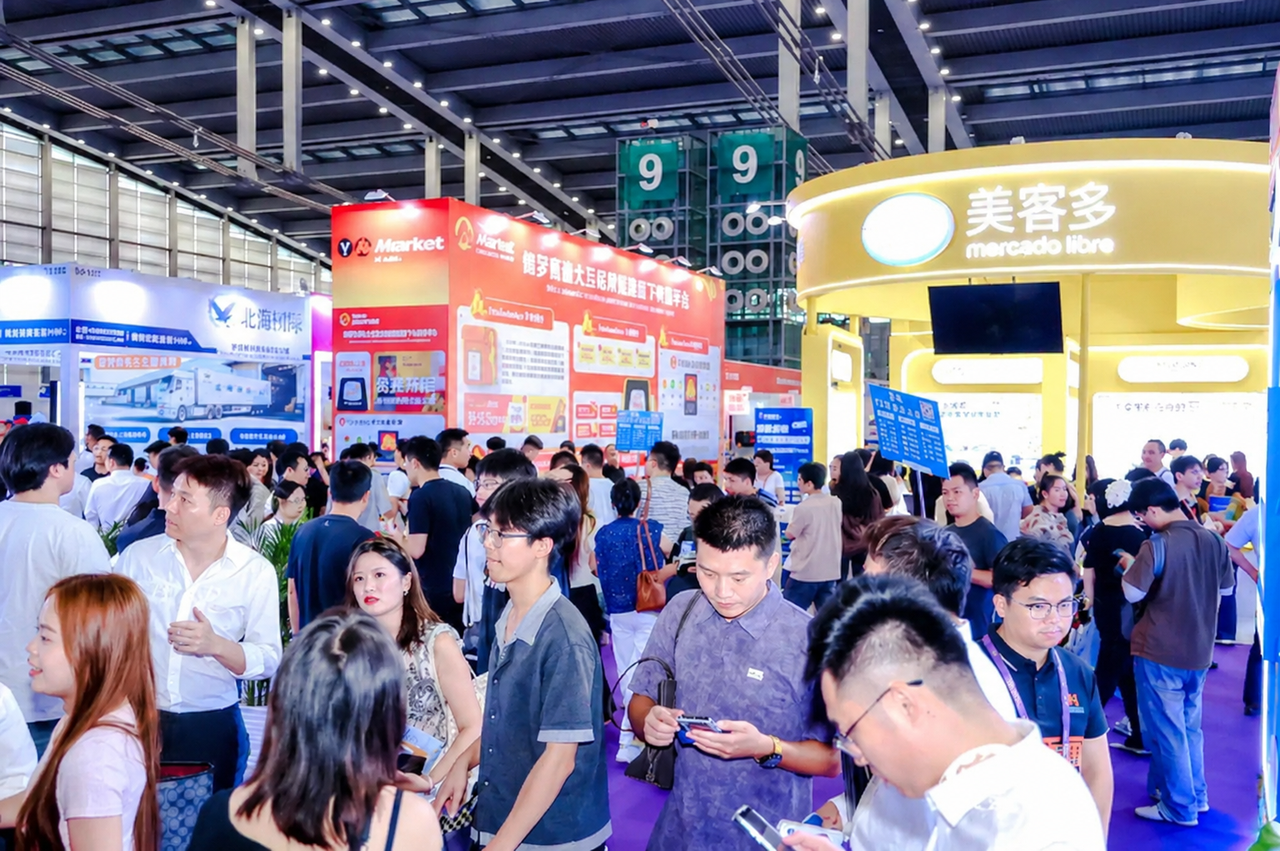
例如,来自独联体市场的Yandex Market,背靠独联体国家最大的搜索引擎,是仅次于Ozon与Wildberries的俄罗斯第三大电商巨头;波兰最大的生活方式零售商Empik,拥有70多年历史,年增速高达50%-60%;法国老牌家居平台Conforama,拥有178家门店、年访问量达1.5亿次,而目前平台活跃卖家却只有550余家;此外,还有波罗的海与芬兰地区最大的电商平台PHH Group、西班牙3C头部平台PcComponentes、比荷卢地区最大的本土电商平台bol,以及东欧电商巨头eMAG等。

值得注意的是,这些平台在华招商大多也采取“轻车简从”的方式,通常与具备区域市场服务能力的物流服务商、代运营服务商、合规服务商联合参展,以此开展与国内供应商的对接工作。

ESG跨境便是这样一个典型的“航空母舰”型服务商,在本次展会上为多家欧洲平台与中国跨境卖家牵线搭桥。

“伴随着近年来欧洲合规要求、关税政策的变化,越来越多中国卖家也开始补上合规这堂课,并深耕本地履约。这一趋势让不少欧洲二线平台搭上了‘顺风车’。”ESG跨境市场部的张林如向亿邦表示,“像亚马逊、Temu这些主流平台,近年来都在鼓励卖家深耕本地经营。客观上来说,卖家群体的‘正规军化’,也为这些欧洲本土平台在中国招商创造了成熟的时机。”

事实上,以往这些小众平台也希望进入中国市场,但出于对各种不确定性的顾虑,以及缺乏便捷的商业链路,始终未能真正打开局面。而ESG正是看中了这片商业空白,专注于跨境平台开店及运营提升服务,如今已与全球30多个本土电商平台达成合作。

“不过,想要借势这些蓝海平台找到新增量,也需要跨过比较高的门槛,并不是简单的低价铺货就能玩转的。”张林如坦言,“这些欧洲的‘坐地户’平台格外关注卖家的长期经营能力,只有真正具备合规能力与本土化意愿的卖家,才更契合它们的需求。”

另一方面,也有不少卖家在展会现场主动打听这些小众渠道的入驻方式和资质要求。

“我们之前主要做速卖通和Temu欧区业务,从去年年末开始,应平台要求,突击式地办了一大堆合规资质,还搞定了海外库存,花费了不少成本和时间。”在分论坛现场,一位卖家听众表示。

“我们想的是,这些资质不仅是打开欧洲市场的敲门砖,本质上也是可以复用的资产。在Temu、速卖通是卖货,在其他非主流平台上照样也是卖货。我们的渠道越丰富,就越能平摊本土化的前期投入,何乐而不为?”他说。

02 向流量漏斗前端延展,站外营销渠道试图重塑卖家“流量打法”

本届跨交会的另一个特色是,以Snapchat、亚马逊广告为代表的流量渠道,也将特装展位高调摆到了产业带工厂的隔壁。

在往届展会上,流量服务商更多扮演“配角”,卖家逛展的主线通常是找工厂、看平台。但今年,Snapchat不仅在展位上设置了AR滤镜互动体验区,还详细介绍了Map、Chat、Camera、Stories、Spotlight等特色功能及传播场景。

亚马逊广告则将“全渠道营销”作为主题搬上主论坛,大力推广其DSP广告业务,展示了从Prime Video、Twitch、Amazon Music等自有渠道,到Netflix、Spotify等第三方流媒体平台的多媒体矩阵。

流量门户们不再只是售卖广告位,而是试图改变卖家理解流量、理解营销的思路。

“过去,我们中国区服务客户确实更聚焦效果广告,但近两年我们正在转向‘全域营销、品效合一’——不再只投效果广告,而是把品牌曝光与相机营销、聊天曝光等品牌工具结合起来,覆盖从漏斗前端到最终转化的全链路。”在被问及Snap作为营销渠道究竟更偏向“前端品牌曝光”还是“直接转化”时,Snap新业务商务总监郑增武表示。
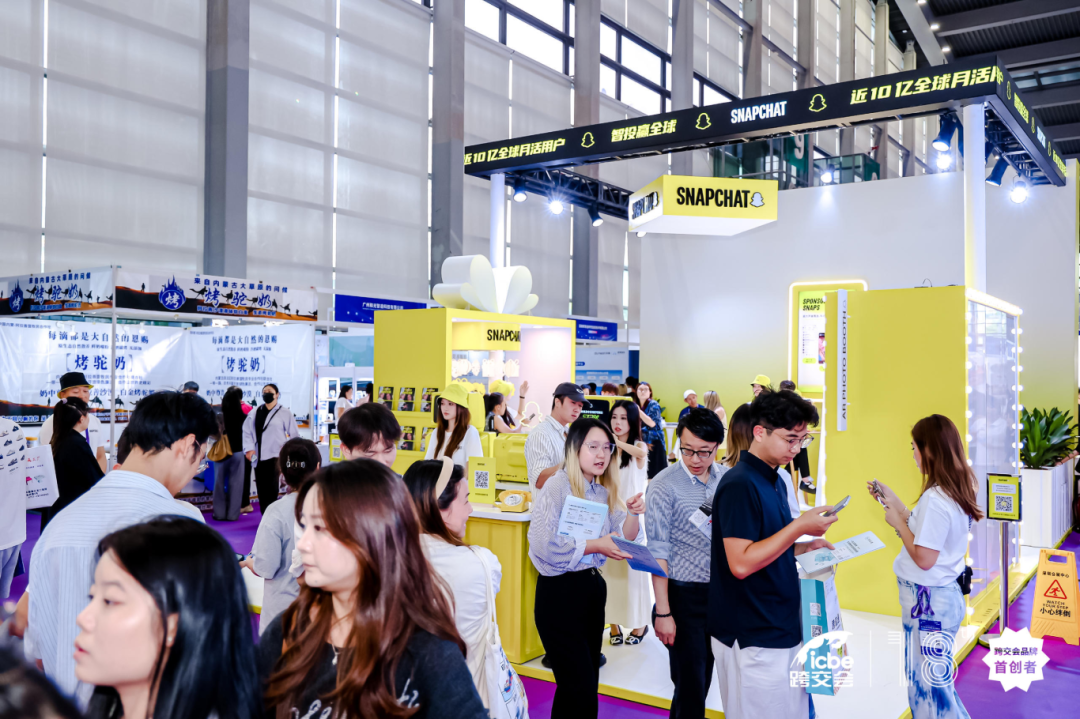
实际上,Snapchat一直以来都具备覆盖完整营销漏斗的产品能力,只是不同市场的广告主需求有所差异:在其起家的欧美市场,其前端品牌广告贡献的营收占比明显要比国内客户更大。

他指出,Snapchat本质上是一个以熟人关系为基础的社交网络,其对于漏斗前端的流量场有着得天独厚的影响力:用户在发现页或原生内容场景刷到好物,用聊天分享给亲友种草;在相机里用AR Shopping Lens试穿、试妆、试戴、试用。数据显示,美国80%用户表示会通过Snapchat获得购物灵感并种草转化。

而且,Snapchat创立至今15周年,最早一批深度用户伴随着平台一起成长,如今已经进入颇具消费潜力的年龄阶段,值得跨境广告主重新认识。其不再只是过去刻板印象中的“青少年亚文化平台”,而是真正能够左右千禧一代与Z世代潮人们购物兴趣的风向标之一。

而除此之外,Snapchat客群画像的另一重要优势是其“独特性”。

郑增武透露,在美国16岁以上的用户群体中,Snapchat与其他主流社交媒体平台的受众存在较高的不重复度。换句话说,那些其他社交平台难以触达的蓝海客群,也可以通过该平台进一步挖掘。数据显示,Snapchat能够帮助品牌获得比其他社交平台均值高出5倍的主动注意力,以及比其他信息流社交平台高出2.3倍的自然品牌认知。

另一方面,Snapchat的流量布局也早已不只局限于欧美。在印度,Snapchat目前拥有2.5亿的月活用户。而中东则与欧洲和美国大致达到同等体量,均是其最具“统治力”的市场。

尤其是在沙特,Snapchat的用户渗透率在主流社交媒体中一骑绝尘。“可以把我们看作‘中东的微信+小红书’,既有熟人日常社交,也兼具内容发现和商品种草属性。”郑增武谈道。

以沙特约3600万人口为例,Snapchat月活用户达到约2600万,基本可以说是“人手一个”。在大中东地区,平均每三个人就有一人安装并使用;而在海湾国家,用户每天的打开频次就高达50次。

而针对黑五大促,郑增武也基于Snapchat的流量洞察,向卖家分享了差异化的营销建议:在美国卖“生活方式+场景”,在中东卖“身份象征+节日文化”。

美国爆品与生活方式紧密结合:服装鞋靴、园艺家居、车载小家电等,关键是有明确消费场景。美国人在碎片化信息流里,更容易被“用了之后是什么状态、什么风格、放在家里什么位置”所打动。而中东热门品类则聚焦身份象征、节日需求、本地文化:例如高端家电、装饰品、金饰珠宝、节日用品、传统服饰等。

03 内贸品牌出海探路:搞自营和找分销两手抓

2026年,不少跨境平台开始将寻找增量、扩充供给的目光转向内贸电商品牌。

例如,Shopee和Lazada不约而同地推出了“一键轻出海”解决方案,试图招揽那些已经在淘系、抖音体系中锤炼出成熟运营能力、但尚未涉足海外市场的内贸品牌,将东南亚市场推向他们。

在会展现场,亿邦也发现了不少这样的案例。

“我们现在已经在东南亚的主流平台上开设了自营品牌店铺。”个护电器品牌雷瓦的一位展会工作人员向亿邦表示,“国内市场的存量博弈日趋激烈,而东南亚作为距离中国最近的出海目的地之一,近年来各平台推出的扶持政策也降低了试水门槛,我们很愿意亲自下场尝试,来加速出海探路的进程。”

然而,对雷瓦而言,拓展海外分销商网络仍然是最主要的出海路径。本次来到跨博会,其核心诉求也是寻找更多欧美、东南亚、非洲等市场的潜在合作伙伴。
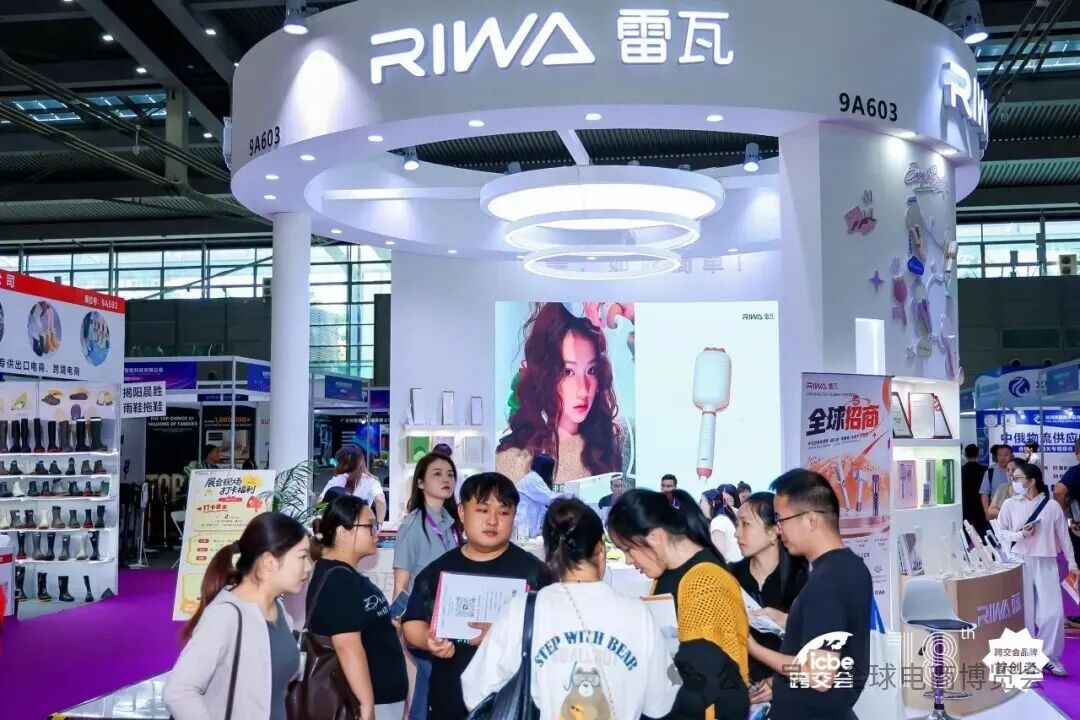
从现场走访情况来看,传统贸易的分销逻辑依然是不少国货品牌出海的主战略:在本地化运营尚未沉淀足够资源之前,“搞自营”和“找分销”两手抓——前者负责实验试错、后者承担出货主力。

短期之内,对于这些拥有制造业底子、已验证爆品的品牌而言,找一个靠谱的“本地代打”或许才是更稳妥、见效也更快的打法。而跨境平台们着力宣传的品牌自营路线,究竟能否真正打动这批从内卷中厮杀出来、对经营决策高度谨慎的存量国货品牌,说服他们亲自下场、主动沉淀出海能力,仍有待市场检验。

亿邦持续追踪报道该情报,如想了解更多与本文相关信息,请扫码关注作者微信。

本文首发于 亿邦动力 官方网站

【版权提示】亿邦动力倡导尊重与保护知识产权。未经许可,任何人不得复制、转载、或以其他方式使用本网站的内容。如发现本站文章存在版权问题,烦请提供版权疑问、身份证明、版权证明、联系方式等发邮件至run@ebrun.com,我们将及时沟通与处理。

已点赞

+1

{{ praise_text }}

好文章,值得被更多人看到

FAQ回顾

深圳跨交会是什么类型的展会?

ICBE深圳国际跨境电商交易博览会(深圳跨交会)是华南地区下半年颇具影响力的跨境电商行业展会,创办于2017年,也是国内最早以跨境电商为主题的专业展会之一。展会汇集家居百货、3C数码、美妆个护、户外用品等源头工厂及头部电商平台,本届吸引超十万人次从业者到场。

跨境电商卖家为什么开始关注俄罗斯、欧洲、中东等小众平台?

在主流平台业务承压、卖家寻求新增量的背景下,Yandex Market、Empik、Conforama、PHH Group、PcComponentes、bol、eMAG等区域平台在深圳跨交会集中招商,覆盖俄罗斯、欧洲、中东、非洲等市场。卖家希望通过丰富渠道平摊合规、海外库存和本土化投入,但入驻需具备合规能力与长期经营意愿。

中国卖家入驻欧洲本土电商平台有哪些门槛?

欧洲本土平台更看重卖家的长期经营能力,并非低价铺货即可。卖家需要补齐欧洲合规资质、布局海外库存和本地履约,并具备本土化经营意愿。ESG跨境等具备区域服务能力的服务商已与全球30多个本土电商平台合作,可帮助卖家对接开店及运营提升。

Snapchat能为跨境电商卖家提供哪些营销价值?

Snapchat以熟人社交和内容发现为基础,通过Stories、Spotlight、Map、Chat及AR Shopping Lens覆盖品牌曝光、种草、试穿试妆和转化。美国80%用户会通过Snapchat获得购物灵感;平台还能带来比其他社交平台高5倍的主动注意力和高2.3倍的自然品牌认知,并覆盖欧美、印度、中东等市场。

内贸品牌出海通常采用什么路径?

不少内贸品牌采取“自营+分销”双轨策略:在Shopee、Lazada等平台开设自营品牌店铺进行试水,同时通过展会寻找欧美、东南亚、非洲等市场的分销商。个护电器品牌雷瓦已在东南亚主流平台开设自营店铺,但拓展海外分销商网络仍是其主要出海路径。

广告

下一篇

跨境电商资源对接

《全球跨境电商服务商资源手册》第二期手册现已发布,触达更多资源,了解跨境服务商信息,欢迎点击链接下载。

了解详情

金融科技出海下半场:香港为何成了“验证场”?

在香港金融科技周上,这句话得到了最直观的注脚:技术有了、工具有了,能不能真正进入金融场景、赋能生意,才是分水岭。

未来零售

2026-11-12 08:54:52