• 亿邦公众号
    • APP下载

高通亮相2026移动网络大会 AI终端走向多形态

作者:龚作仁 文章来源:Laborer

2026-11-10 15:46

作者:龚作仁 文章来源:Laborer

2026-11-10 15:46

邦小白快读

EN
全文速览

总1:大会核心信息显示AI终端正走向多形态,智能体逐步融入手机、眼镜、PC和机器人。

1. 2026移动网络大会于11月5日至7日在广州举行,主题为“共创智能经济新形态”;高通展台主题为“共创移动新篇,成就人人向前”。

2. 高通CEO安蒙提出6G面向AI时代设计,具备AI原生特性,融合连接与计算;中国移动发起“Mobile AI智能网及6G智能应用共创行动”。

总2:落地案例与实操方向覆盖个人效率、家庭陪伴和机器人。

1. 努比亚NaviX Ultra用AI实体按键一键唤醒智能助手,可订票、信息检索;荣耀Robot Phone把端侧智能体与四自由度灵巧云台结合,镜头可自主转动、目标锁定。

2. Rokid Glasses 2搭载第一代骁龙AR1+平台,升级智能交互、第一视角记录和佩戴体验;小蓝船AI陪伴屏以AI与真人结合交互,帮助老年用户使用数字服务。

3. 中国移动灵犀四足机器人集通信、精准定位、身份认证于一体,可适配不同机器人本体,降低联网集成门槛与成本。

总1:文章释放品牌合作与产品研发信号,重点在运营商生态和AI终端多形态。

1. 高通以展台主题和优秀贡献奖强化与长期合作伙伴中国移动的品牌协同;孟樸参与AI终端跃升行动、6G终端产业启航计划启动暨6G终端产业指引发布仪式,并涉及泛全联盟端渠共创合作论坛。

2. 消费趋势是用户通过表达意图,由智能体协调应用与服务并完成任务,交互从直接操作转向智能体协助;手机、眼镜、PC、机器人、陪伴屏均成为体验载体。

总2:产品研发可关注端侧智能体、低功耗计算和差异化硬件。

1. 首批第六代骁龙8至尊版双旗舰新机亮相,支撑新一代旗舰移动体验。

2. 努比亚NaviX Ultra以AI实体按键形成入口;荣耀Robot Phone以四自由度灵巧云台实现镜头自主转动与目标锁定;Rokid Glasses 2以第一代骁龙AR1+平台升级智能交互、第一视角记录和佩戴体验。

3. 小蓝船AI陪伴屏面向家庭与老年用户,灵犀四足机器人以通信、定位、身份认证模块适配不同本体,体现产品形态与服务模式创新空间。

总1:政策与产业行动给出AI终端和6G终端的中期机会,合作方式以运营商共创为主。

1. 中国移动发起“Mobile AI智能网及6G智能应用共创行动”,推动6G智能应用孵化与端到端方案;11月6日启动AI终端跃升行动、6G终端产业启航计划,并发布6G终端产业指引。

2. 高通与中国移动完成全球首个符合3GPP最新定义、基于U6G频段的基站原型与6G终端原型对接测试,为标准、系统设计和商用部署积累实测依据。

总2:消费需求变化和可学习点集中在智能体入口、家庭陪伴与机器人联网。

1. 用户将更多通过表达意图,由智能体协调应用与服务;努比亚NaviX Ultra一键唤醒可订票、检索,荣耀Robot Phone云台自主转动锁定目标,Rokid Glasses 2支持第一视角记录。

2. 小蓝船AI陪伴屏以AI与真人结合交互帮助老年用户使用数字服务;灵犀四足机器人降低不同机器人本体的联网集成门槛与成本。

3. 机会提示是手机、眼镜、PC、陪伴屏、四足机器人多形态落地;风险提示是6G标准仍在3GPP制定中,联合测试与产业协作预计持续,商用部署需时间。合作可关注泛全联盟端渠共创合作论坛。

总1:终端设计需求指向高性能低功耗、端云协同和形态差异化。

1. 智能体持续运行要求终端兼顾即时响应与能效,并与边缘、云端高效协同;高通以高性能低功耗计算、AI与连接能力携手伙伴把智能体带入手机、眼镜、PC。

2. 硬件设计出现AI实体按键、四自由度灵巧云台、AR眼镜第一视角记录与佩戴体验、适老陪伴屏交互、四足机器人通信定位身份认证模块等需求。

总2:商业机会在智能体终端、家庭陪伴和机器人,生态协作可降低集成门槛。

1. 首批第六代骁龙8至尊版双旗舰新机、努比亚NaviX Ultra、荣耀Robot Phone、Rokid Glasses 2等展示终端多形态落地。

2. 小蓝船AI陪伴屏把情感陪伴融入功能与服务;灵犀四足机器人可适配不同机器人本体,降低联网集成门槛与成本。

3. 推进数字化和电商的启示是关注泛全联盟端渠共创合作论坛、AI终端跃升行动、6G终端产业启航计划与6G终端产业指引,借运营商生态做端渠共创。

总1:行业趋势是6G面向AI原生、连接计算融合,智能体AI与物理AI走向多终端多场景。

1. 高通CEO安蒙表示6G从设计之初具备AI原生特性,让AI融入网络本身;中国移动发起共创行动,探索不同场景端到端解决方案。

2. 高通与中国移动完成全球首个符合3GPP最新定义、基于U6G频段的基站原型与6G终端原型对接测试;智能体AI及AR演示呈现分布式计算支持的AI回忆体验,6G感知与智能分类探索安全、智慧城市潜力。

总2:客户痛点与解决方案对应终端能效、云边协同、机器人联网和适老交互。

1. 痛点是智能体持续运行需即时响应与能效,并与边缘云端协同;机器人联网集成存在门槛与成本;老年用户使用数字服务需要便捷入口。

2. 方案包括高性能低功耗计算与连接、端侧智能体、AI实体按键、四自由度灵巧云台、第一代骁龙AR1+平台、AI与真人结合的小蓝船AI陪伴屏,以及集通信、精准定位、身份认证且适配不同本体的灵犀四足机器人。

总1:平台需求集中在AI终端多形态落地、6G智能应用孵化和端到端方案,最新做法以共创行动与产业计划为主。

1. 中国移动发起“Mobile AI智能网及6G智能应用共创行动”,汇聚产业伙伴,推动6G智能应用孵化,探索不同场景端到端解决方案,拓展移动智能生态。

2. 中国移动启动AI终端跃升行动、6G终端产业启航计划,发布6G终端产业指引;举办泛全联盟端渠共创合作论坛,高通获优秀贡献奖,体现平台与伙伴协同。

总2:平台招商运营与风向规避可关注终端品类、联合验证和标准节奏。

1. 招商运营方向覆盖手机、眼镜、PC、家庭陪伴屏、四足机器人等智能体终端,并以AI实体按键、云台、AR平台、机器人通信定位认证模块形成差异化。

2. 平台与高通完成全球首个符合3GPP最新定义、基于U6G频段的基站原型与6G终端原型对接测试,为商用部署积累实测依据。

3. 风向规避上,6G标准仍在3GPP制定中,联合测试与产业协作预计持续,平台需按标准化时间表推进AI终端跃升与6G终端产业启航。

总1:产业新动向是6G AI原生、智能体AI成为连接前沿研究与终端落地的共同方向,终端形态扩展至手机、眼镜、PC、陪伴屏和机器人。

1. 高通CEO安蒙提出6G面向AI时代设计,融合连接与计算并具备AI原生特性;中国移动发起共创行动,推动6G智能应用孵化和端到端方案。

2. 高通与中国移动完成全球首个符合3GPP最新定义、基于U6G频段的基站原型与6G终端原型对接测试;智能体AI及AR演示呈现分布式计算支持的AI回忆体验,6G感知与智能分类探索安全、智慧城市应用。

总2:新问题与商业模式启示集中在能效协同、集成门槛、标准制定和运营商主导的生态共创。

1. 新问题包括智能体持续运行的即时响应与能效、边缘云端协同、机器人联网集成门槛与成本、老年用户数字服务使用。

2. 商业模式上出现运营商发起的共创行动、AI终端跃升行动、6G终端产业启航计划、6G终端产业指引,以及泛全联盟端渠共创合作论坛和优秀贡献奖等产业协作信号。

3. 政策法规与标准化启示是依据3GPP时间表推进,6G标准仍在制定中,联合测试与产业协作预计持续,以实测依据支撑标准、系统设计与商用部署。

声明:快读内容全程由AI生成,请注意甄别信息。如您发现问题,请发送邮件至 run@ebrun.com 。

我是 品牌商 卖家 工厂 服务商 平台商 研究者 帮我再读一遍。

Quick Summary

Summary 1: The conference's core message is that AI devices are evolving into multiple form factors, with agents gradually integrating into phones, glasses, PCs, and robots.

1. The 2026 Mobile Network Conference was held in Guangzhou from November 5 to 7 under the theme Co-creating a New Form of Intelligent Economy; Qualcomm's booth theme was Co-creating a New Chapter for Mobile and Empowering Everyone to Move Forward.

2. Qualcomm CEO Cristiano Amon proposed that 6G be designed for the AI era, with AI-native features and integrated connectivity and computing; China Mobile launched the Mobile AI Smart Network and 6G Smart Applications Co-creation Initiative.

Summary 2: Use cases and practical directions cover personal productivity, family companionship, and robotics.

1. Nubia NaviX Ultra uses a dedicated AI hardware key to wake the intelligent assistant with one press, enabling ticketing and information search; Honor Robot Phone combines an on-device agent with a four-degree-of-freedom agile gimbal, allowing the camera to rotate autonomously and lock onto targets.

2. Rokid Glasses 2 features the first-generation Snapdragon AR1+ platform, upgrading intelligent interaction, first-person recording, and wearing experience; the Xiaolanchuan AI companion screen combines AI and human interaction to help elderly users access digital services.

3. China Mobile's Lingxi quadruped robot integrates communications, precise positioning, and identity authentication, and can adapt to different robot bodies, lowering the threshold and cost of network integration.

Summary 1: The article signals brand collaboration and product R&D opportunities, with a focus on carrier ecosystems and multiple AI device form factors.

1. Qualcomm reinforced brand synergy with long-term partner China Mobile through its booth theme and Outstanding Contribution Award; Meng Pu participated in the AI Device Upgrade Action, the launch of the 6G Device Industry Takeoff Program and the release of 6G device industry guidelines, and was involved in the pan-alliance terminal-channel co-creation forum.

2. The consumer trend is that users express intent and agents coordinate applications and services to complete tasks; interaction is shifting from direct operation to agent assistance. Phones, glasses, PCs, robots, and companion screens are all becoming experience carriers.

Summary 2: Product R&D should focus on on-device agents, low-power computing, and differentiated hardware.

1. The first batch of new dual-flagship phones powered by the sixth-generation Snapdragon 8 Elite debuted, supporting next-generation flagship mobile experiences.

2. Nubia NaviX Ultra uses an AI hardware key as an entry point; Honor Robot Phone uses a four-degree-of-freedom agile gimbal to achieve autonomous camera rotation and target locking; Rokid Glasses 2 uses the first-generation Snapdragon AR1+ platform to upgrade intelligent interaction, first-person recording, and wearing experience.

3. Xiaolanchuan AI companion screen targets families and elderly users; the Lingxi quadruped robot uses communications, positioning, and identity authentication modules to adapt to different bodies, highlighting innovation space in product form and service models.

Summary 1: Policies and industry actions indicate medium-term opportunities in AI devices and 6G devices, with collaboration mainly through co-creation with carriers.

1. China Mobile launched the Mobile AI Smart Network and 6G Smart Applications Co-creation Initiative to promote incubation of 6G smart applications and end-to-end solutions; on November 6, it launched the AI Device Upgrade Action and the 6G Device Industry Takeoff Program, and released 6G device industry guidelines.

2. Qualcomm and China Mobile completed the world's first interoperability test between a base station prototype and a 6G terminal prototype based on the U6G band and compliant with the latest 3GPP definitions, accumulating empirical evidence for standards, system design, and commercial deployment.

Summary 2: Changes in consumer demand and learnings center on agent entry points, family companionship, and robot networking.

1. Users will increasingly express intent, with agents coordinating applications and services; Nubia NaviX Ultra can be woken with one press for ticketing and search, Honor Robot Phone's gimbal rotates autonomously and locks targets, and Rokid Glasses 2 supports first-person recording.

2. Xiaolanchuan AI companion screen combines AI and human interaction to help elderly users access digital services; the Lingxi quadruped robot lowers the network integration threshold and cost for different robot bodies.

3. Opportunities are indicated by multi-form-factor deployment across phones, glasses, PCs, companion screens, and quadruped robots; risks include that 6G standards are still being developed in 3GPP, joint testing and industry collaboration are expected to continue, and commercial deployment will take time. Collaboration can focus on the pan-alliance terminal-channel co-creation forum.

Summary 1: Terminal design requirements point to high performance and low power, device-cloud collaboration, and differentiated form factors.

1. Continuous operation of agents requires terminals to balance instant response and energy efficiency while collaborating efficiently with edge and cloud; Qualcomm works with partners through high-performance, low-power computing, AI, and connectivity to bring agents into phones, glasses, and PCs.

2. Hardware design is generating demand for AI hardware keys, four-degree-of-freedom agile gimbals, first-person recording and wearing experience in AR glasses, elderly-friendly companion screen interaction, and communications, positioning, and identity authentication modules for quadruped robots.

Summary 2: Commercial opportunities lie in agent terminals, family companionship, and robotics, while ecosystem collaboration can lower integration barriers.

1. The first batch of dual-flagship phones with the sixth-generation Snapdragon 8 Elite, Nubia NaviX Ultra, Honor Robot Phone, and Rokid Glasses 2 demonstrate multi-form-factor deployment.

2. Xiaolanchuan AI companion screen integrates emotional companionship into functions and services; the Lingxi quadruped robot can adapt to different robot bodies, lowering network integration barriers and costs.

3. Implications for digitalization and e-commerce are to watch the pan-alliance terminal-channel co-creation forum, the AI Device Upgrade Action, the 6G Device Industry Takeoff Program, and 6G device industry guidelines, and to leverage carrier ecosystems for terminal-channel co-creation.

Summary 1: Industry trends are 6G designed for AI-native operation, integrated connectivity and computing, and agentic AI and physical AI moving toward multiple terminals and scenarios.

1. Qualcomm CEO Cristiano Amon said 6G is AI-native from the outset, integrating AI into the network itself; China Mobile launched a co-creation initiative to explore end-to-end solutions for different scenarios.

2. Qualcomm and China Mobile completed the world's first interoperability test between a base station prototype and a 6G terminal prototype based on the U6G band and compliant with the latest 3GPP definitions; agentic AI and AR demonstrations presented AI memory experiences supported by distributed computing, while 6G sensing and intelligent classification explored potential in security and smart cities.

Summary 2: Customer pain points and solutions correspond to terminal energy efficiency, cloud-edge collaboration, robot networking, and elderly-friendly interaction.

1. Pain points are that continuous agent operation requires instant response and energy efficiency and coordination with edge and cloud; robot network integration involves barriers and costs; elderly users need convenient access to digital services.

2. Solutions include high-performance, low-power computing and connectivity, on-device agents, AI hardware keys, four-degree-of-freedom agile gimbals, the first-generation Snapdragon AR1+ platform, the Xiaolanchuan AI companion screen combining AI and human interaction, and the Lingxi quadruped robot that integrates communications, precise positioning, and identity authentication and adapts to different bodies.

Summary 1: Platform requirements center on multi-form-factor deployment of AI devices, incubation of 6G smart applications, and end-to-end solutions; the latest approaches are mainly co-creation initiatives and industry programs.

1. China Mobile launched the Mobile AI Smart Network and 6G Smart Applications Co-creation Initiative, bringing together industry partners, promoting incubation of 6G smart applications, exploring end-to-end solutions for different scenarios, and expanding the mobile intelligent ecosystem.

2. China Mobile launched the AI Device Upgrade Action and the 6G Device Industry Takeoff Program, released 6G device industry guidelines, and held the pan-alliance terminal-channel co-creation forum; Qualcomm received the Outstanding Contribution Award, reflecting platform-partner collaboration.

Summary 2: Platform merchant recruitment, operations, and trend risk avoidance can focus on terminal categories, joint validation, and standards timing.

1. Merchant recruitment and operations cover agent terminals such as phones, glasses, PCs, family companion screens, and quadruped robots, differentiated by AI hardware keys, gimbals, AR platforms, and robot communications, positioning, and authentication modules.

2. The platform and Qualcomm completed the world's first interoperability test between a base station prototype and a 6G terminal prototype based on the U6G band and compliant with the latest 3GPP definitions, accumulating empirical evidence for commercial deployment.

3. On trend risk avoidance, 6G standards are still being developed in 3GPP; joint testing and industry collaboration are expected to continue; platforms need to advance the AI Device Upgrade and 6G Device Industry Takeoff Program according to the standardization timeline.

Summary 1: New industry developments are 6G AI-native design and agentic AI becoming a shared direction linking frontier research and terminal deployment, with device forms expanding to phones, glasses, PCs, companion screens, and robots.

1. Qualcomm CEO Cristiano Amon proposed that 6G be designed for the AI era, integrating connectivity and computing with AI-native features; China Mobile launched a co-creation initiative to promote incubation of 6G smart applications and end-to-end solutions.

2. Qualcomm and China Mobile completed the world's first interoperability test between a base station prototype and a 6G terminal prototype based on the U6G band and compliant with the latest 3GPP definitions; agentic AI and AR demonstrations presented AI memory experiences supported by distributed computing, while 6G sensing and intelligent classification explored security and smart city applications.

Summary 2: New questions and business model implications center on energy-efficiency collaboration, integration barriers, standards setting, and carrier-led ecosystem co-creation.

1. New questions include instant response and energy efficiency for continuous agent operation, edge-cloud collaboration, barriers and costs in robot network integration, and elderly users' use of digital services.

2. On business models, there are carrier-led co-creation initiatives, the AI Device Upgrade Action, the 6G Device Industry Takeoff Program, 6G device industry guidelines, and industry collaboration signals such as the pan-alliance terminal-channel co-creation forum and the Outstanding Contribution Award.

3. Policy, regulatory, and standardization implications are to advance according to the 3GPP timeline; 6G standards are still being developed; joint testing and industry collaboration are expected to continue; and empirical evidence should support standards, system design, and commercial deployment.

Disclaimer: The "Quick Summary" content is entirely generated by AI. Please exercise discretion when interpreting the information. For issues or corrections, please email run@ebrun.com .

I am a Brand Seller Factory Service Provider Marketplace Seller Researcher Read it again.

AI正在改变人与终端的交互方式。随着智能体逐步融入各类设备,用户将更多地通过表达意图,由智能体协调应用与服务、协助完成任务。这一变化正为手机、眼镜等终端带来新的体验,也为产品形态与服务模式创新打开空间。

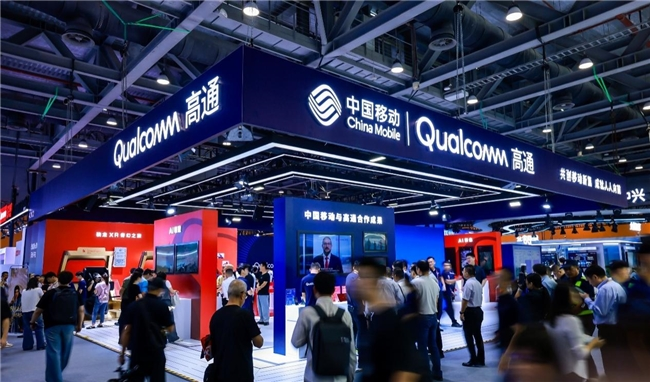
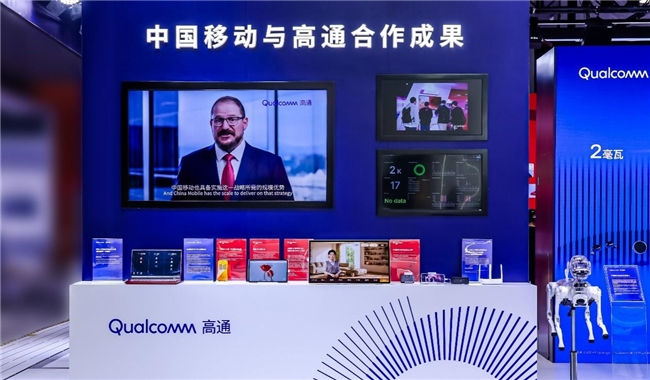
11月5日至7日,以“共创智能经济新形态”为主题的2026移动网络大会在广州举行。作为中国移动的长期合作伙伴,高通公司以“共创移动新篇,成就人人向前”为主题设立展台,围绕连接、计算与AI的协同创新,展示面向6G的前沿研究、智能体终端及物理AI应用,呈现AI走向更多终端与场景的实践。
面向AI原生,探索6G新方向

个人AI、物理AI及各类新型终端不断涌现,对网络连接能力提出了新的要求,网络与AI的融合也成为移动产业的重要发展方向。围绕AI时代的网络演进,高通公司总裁兼CEO安蒙在大会主旨发言中表示,下一代无线通信技术6G正是面向AI时代而设计,6G将以全新的方式融合连接与计算,从设计之初就将具备AI原生特性,让AI融入网络本身。

大会主论坛上,中国移动发起“Mobile AI智能网及6G智能应用共创行动”,旨在汇聚产业伙伴力量,推动6G智能应用孵化,探索适用于不同场景的端到端解决方案,共同拓展移动智能生态。

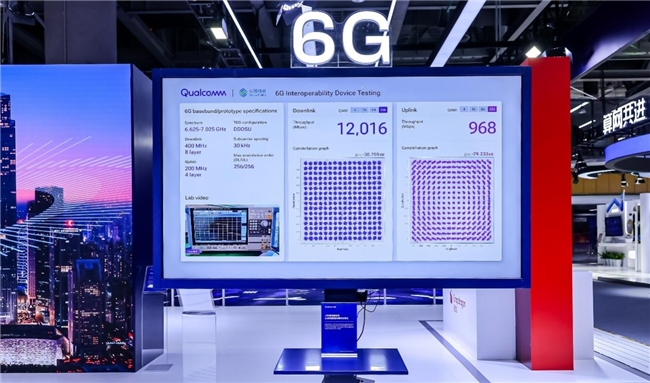
此前,高通与中国移动已完成全球首个符合3GPP最新定义、基于U6G频段的基站原型与6G终端原型对接测试,为后续标准制定、系统设计与商用部署积累实测依据。此外,智能体AI及AR演示呈现分布式计算支持的AI回忆体验;6G感知与智能分类演示则探索移动网络在安全、智慧城市等领域的应用潜力。
AI融入终端,拓展智能体验

智能体持续运行,需要终端兼顾即时响应与能效,并与边缘、云端高效协同。依托高性能低功耗计算、AI与连接能力,高通正携手产业伙伴,将智能体能力带入手机、眼镜、PC等终端。在高通展台,首批第六代骁龙8至尊版双旗舰新机集中亮相,新一代旗舰移动体验正加速落地。

努比亚NaviX Ultra可通过AI实体按键一键唤醒智能助手,完成订票、信息检索等任务;荣耀Robot Phone将端侧智能体与四自由度灵巧云台结合,实现镜头自主转动与目标锁定;搭载第一代骁龙AR1+平台的Rokid Glasses 2,则升级智能交互、第一视角记录及佩戴体验,展现AI眼镜的创新应用。
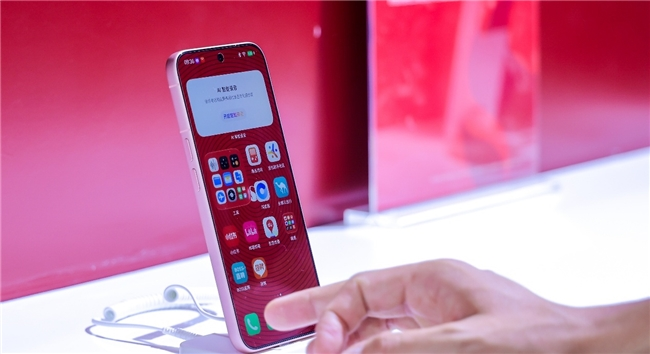
在家庭与机器人场景,高通支持中国移动打造的小蓝船AI陪伴屏,支持AI与真人相结合的交互方式,将情感陪伴融入功能与服务设计,帮助老年用户便捷使用数字服务。中国移动灵犀四足机器人集通信、精准定位与身份认证于一体,可适配不同机器人本体,降低联网集成的门槛与成本。从个人效率到家庭陪伴,从个人AI到物理AI,AI技术正逐步融入多样化场景,拓展移动智能体验。
开放生态,共创AI应用

从网络技术探索到AI终端应用落地,移动智能的发展离不开产业链各方的协同合作。高通与中国移动长期保持紧密合作,从推动5G商用到探索智能体AI,再到面向6G开展联合验证,双方持续拓展合作领域,共同探索移动产业发展的新机遇。

11月6日下午,在“泛全联盟端渠共创合作论坛”上,高通公司中国区董事长孟樸参与中国移动AI终端跃升行动、6G终端产业启航计划启动暨6G终端产业指引发布仪式。论坛期间,高通公司荣获中国移动颁发的“优秀贡献奖”,体现了双方在移动通信领域的长期合作成果。

从本次大会释放的信息看,智能体AI已成为连接6G前沿研究与终端落地的共同方向。目前,高通与中国移动的6G联合验证已完成基站与终端原型的对接测试,智能体能力也在手机、眼镜、机器人等终端形态上陆续落地。按照3GPP的标准化时间表,6G标准仍在制定过程中,类似的联合测试与产业协作预计仍将持续推进。

注:文/龚作仁,文章来源:Laborer,本文为作者独立观点,不代表亿邦动力立场。

【版权提示】亿邦动力倡导尊重与保护知识产权。未经许可,任何人不得复制、转载、或以其他方式使用本网站的内容。如发现本站文章存在版权问题,烦请提供版权疑问、身份证明、版权证明、联系方式等发邮件至run@ebrun.com,我们将及时沟通与处理。

已点赞

+1

{{ praise_text }}

好文章,值得被更多人看到

FAQ回顾

6G为什么被称为AI原生网络?

高通公司总裁兼CEO安蒙在2026移动网络大会上表示,6G面向AI时代设计,将以全新方式融合连接与计算,从设计之初具备AI原生特性,让AI融入网络本身;中国移动同期发起“Mobile AI智能网及6G智能应用共创行动”,推动6G智能应用孵化。

AI终端正在向哪些形态扩展?

AI终端正从手机扩展到眼镜、PC、家庭陪伴屏和机器人等形态。高通展台展示了首批第六代骁龙8至尊版双旗舰新机、搭载第一代骁龙AR1平台的Rokid Glasses 2 AI眼镜、荣耀Robot Phone、小蓝船AI陪伴屏及中国移动灵犀四足机器人,覆盖个人效率与家庭陪伴场景。

高通与中国移动在6G联合验证方面取得了什么进展?

高通与中国移动已完成全球首个符合3GPP最新定义、基于U6G频段的基站原型与6G终端原型对接测试,为后续标准制定、系统设计与商用部署积累实测依据;双方还在2026移动网络大会上参与AI终端跃升行动、6G终端产业启航计划及6G终端产业指引发布。

智能体AI在手机和家庭场景中能实现哪些功能?

在手机端,努比亚NaviX Ultra可通过AI实体按键一键唤醒智能助手,完成订票、信息检索等任务;荣耀Robot Phone将端侧智能体与四自由度灵巧云台结合,实现镜头自主转动与目标锁定。在家庭场景,小蓝船AI陪伴屏支持AI与真人结合交互,帮助老年用户便捷使用数字服务。

AI眼镜目前有哪些代表性产品和技术平台?

高通展台展示的Rokid Glasses 2搭载第一代骁龙AR1平台,升级智能交互、第一视角记录及佩戴体验,体现AI眼镜的创新应用。其背后是高通依托高性能低功耗计算、AI与连接能力,携手产业伙伴将智能体能力带入眼镜等终端。

广告

下一篇

跨境电商资源对接

《全球跨境电商服务商资源手册》第二期手册现已发布,触达更多资源,了解跨境服务商信息,欢迎点击链接下载。

了解详情

京喜三周年:累计成交用户6.28亿,为京东带来超3亿新用户

京喜累计成交用户达到6.28亿,其中京喜自营累计成交用户5.6亿。过去三年,京喜持续将业务重心放在产业带和下沉市场,平台累计为京东带来超过3亿新用户。2026年,京喜交易额同比增长50%。